


















+977-9709047652
Explore by Country
See all 22 Thailand packages
Most popular pick
See all 22 Thailand packages →
See all 11 Vietnam packages
Most popular pick
See all 11 Vietnam packages →
See all 10 Indonesia (Bali) packages
Most popular pick
See all 10 Indonesia (Bali) packages →
See all 7 Maldives packages
Most popular pick
See all 7 Maldives packages →
See all 10 China packages
Most popular pick
See all 10 China packages →
See all 13 Sri Lanka packages
Most popular pick
See all 13 Sri Lanka packages →
See all 9 Malaysia packages
Most popular pick
See all 9 Malaysia packages →
See all 8 Singapore packages
Most popular pick
See all 8 Singapore packages →
See all 2 Kenya packages
Most popular pick
See all 2 Kenya packages →
See all 16 India packages
Most popular pick
See all 16 India packages →
See all 3 Dubai packages
Most popular pick
See all 3 Dubai packages →
See all 7 Nepal packages
Most popular pick
See all 7 Nepal packages →
See all 6 Philippines packages
Most popular pick
See all 6 Philippines packages →
Search Tours or Places
Blog / Vietnam

Things to Do in Vietnam: Top Experiences Guide

19 min read 21 Aug 2026 · Updated 08 Oct 2026
Things to Do in Vietnam: Top Experiences & Sights Guide

Vietnam is a long, dramatic sweep of a country where you can cruise emerald bays studded with limestone islands, trek rice terraces in the misty north, wander lantern lit heritage towns, crawl through wartime tunnels and eat some of the best street food on earth, all in one trip. The best things to do stretch from Hanoi and Halong Bay in the north, through Hoi An, Hue and the great caves of the centre, to Ho Chi Minh City and the Mekong Delta in the south. A classic north to south journey of 10 to 14 days links the highlights comfortably and affordably.

This guide runs through the top experiences region by region, the beaches, the food, the best time to go, how many days you need and how to get around, so you can shape a trip around culture, nature, adventure or all three.

What are the top things to do in Vietnam?

These signature experiences capture the country's range, and most trips string together several of them from north to south.

ExperienceWhereWhy do it
Halong Bay cruiseNorthLimestone karsts and caves on an overnight boat
Hoi An old townCentralLantern lit heritage streets and tailors
Hanoi Old QuarterNorthStreet food, history and buzzing markets
Sapa and Ha GiangNorthRice terraces, mountain passes, hill tribes
Phong Nha cavesCentralSome of the largest caves in the world
Mekong DeltaSouthFloating markets and river life
Cu Chi TunnelsSouthWartime tunnel network near Ho Chi Minh City

What can you do in northern Vietnam?

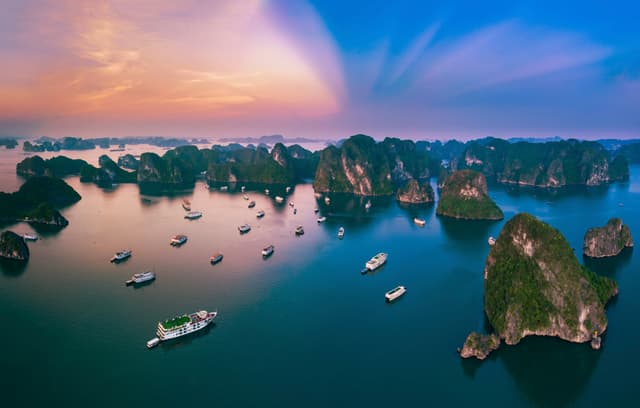
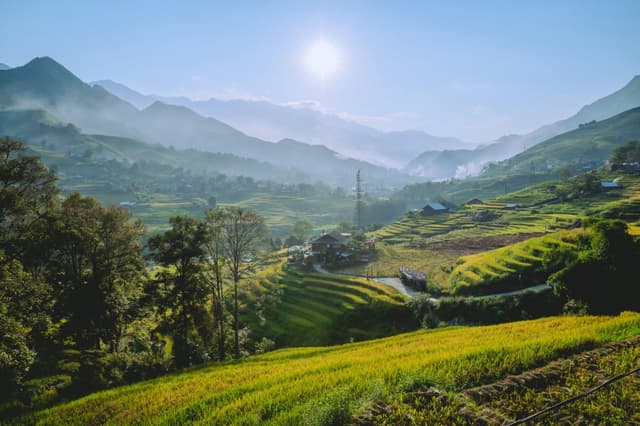
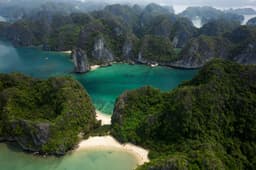
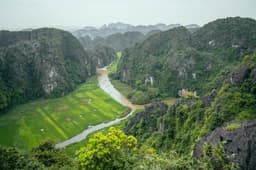
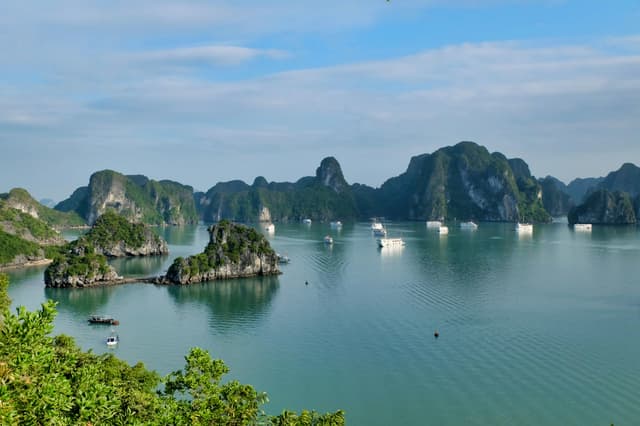
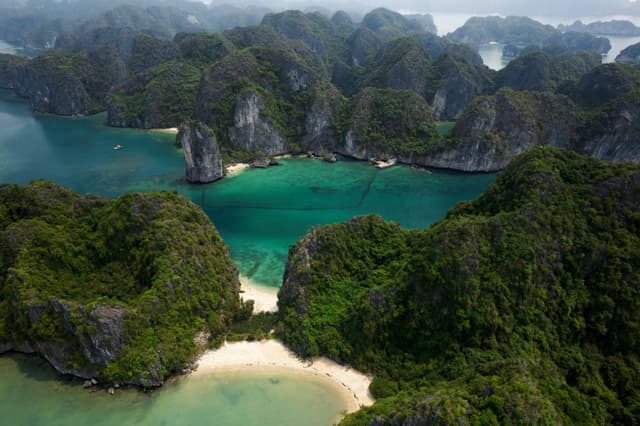
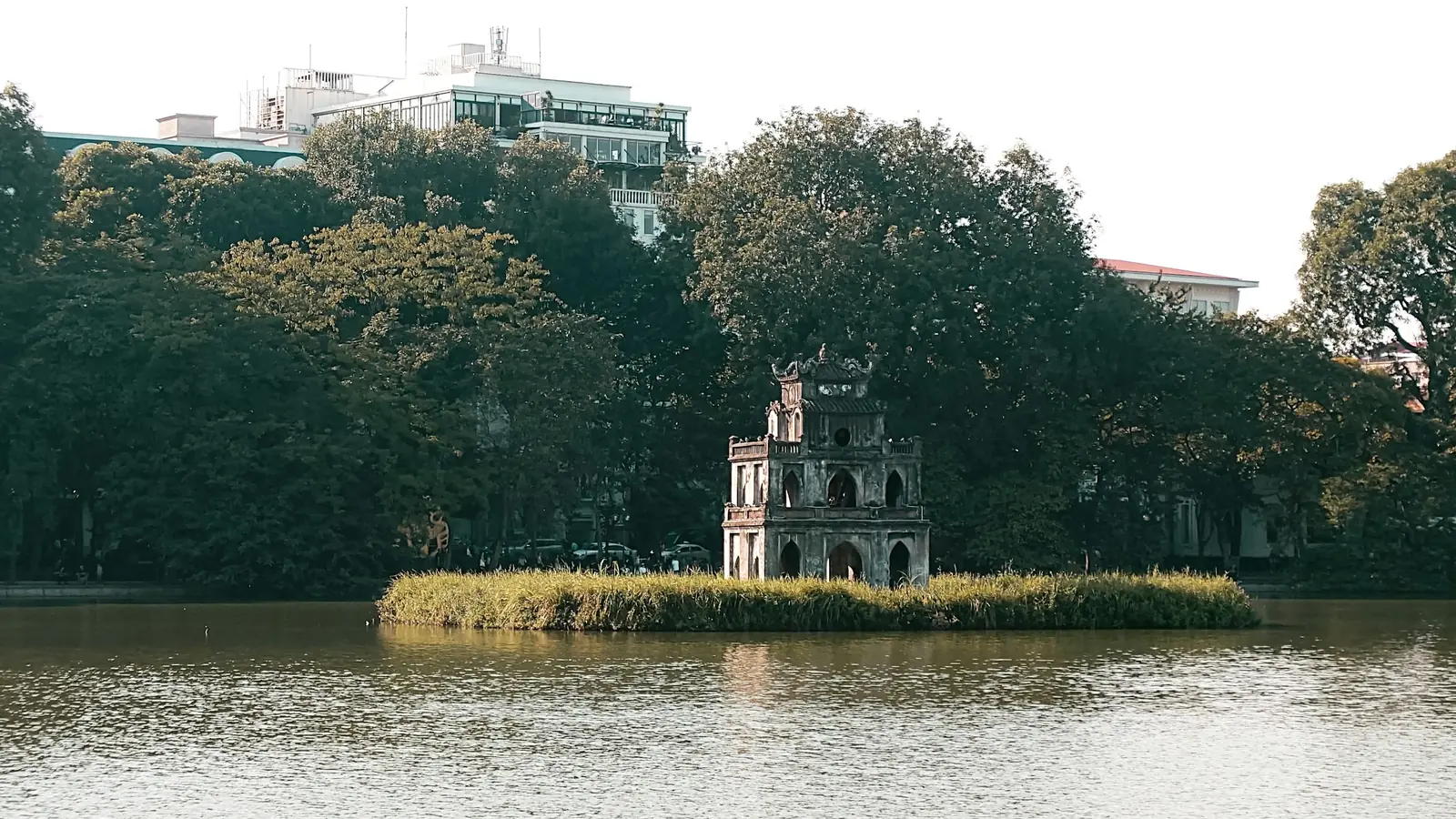
The north is Vietnam's cultural and scenic heart, centred on the capital, Hanoi. Spend a day or two in the tangled Old Quarter, sampling egg coffee and bun cha, watching a water puppet show and circling Hoan Kiem Lake, before heading to the coast. Halong Bay is the headline draw, a UNESCO seascape of around 1,600 limestone islands best seen on an overnight cruise, though the quieter Lan Ha Bay and Bai Tu Long Bay offer the same beauty with fewer boats. Inland, Sapa rewards trekkers with terraced rice fields and Hmong and Dao villages beneath Fansipan, at 3,143 metres the highest peak in Indochina, reachable by cable car. Ninh Binh, nicknamed Halong Bay on land, adds sampan rides through the karst waterways of Trang An and Tam Coc, and the epic Ha Giang motorbike loop draws adventurers to its mountain passes.
Explore Vietnam tour packages
View all →

What are the highlights of central Vietnam?

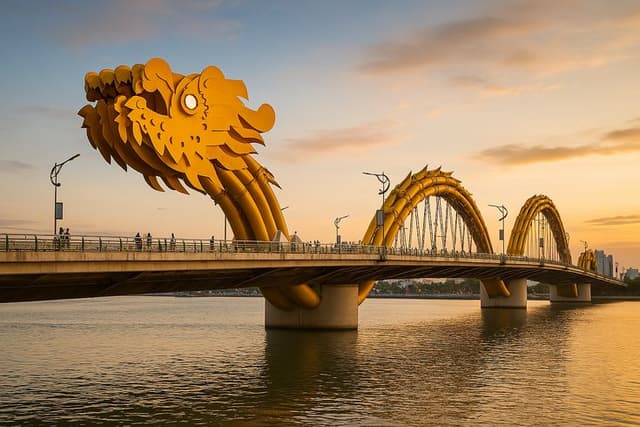
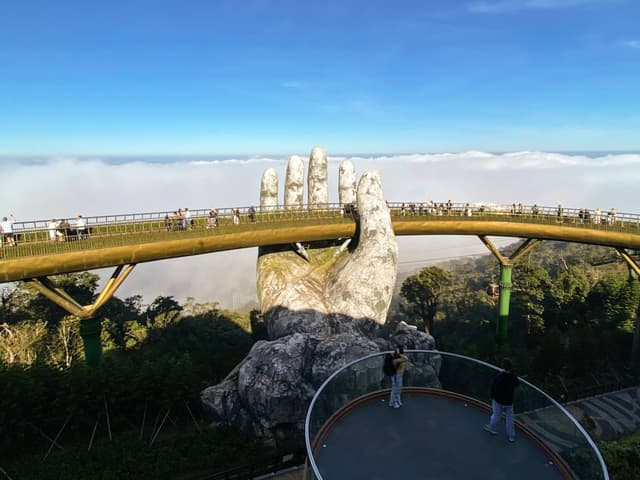
Central Vietnam packs in heritage, beaches and caves. Hoi An is the jewel, a UNESCO listed ancient town of ochre shophouses, the Japanese Covered Bridge and riverside lanes that glow with silk lanterns after dark, and it is famous for skilled tailors who can run up custom clothing in a day. Nearby Da Nang has long beaches, the Marble Mountains and the surreal Golden Bridge held aloft by giant stone hands in the Ba Na Hills. Hue, the former imperial capital, preserves a walled Citadel and royal tombs along the Perfume River, while Phong Nha Ke Bang National Park protects some of the largest caves on the planet, including Son Doong, the biggest cave in the world, alongside the more accessible Paradise Cave. The Cham ruins of My Son complete the region's rich history.

What can you do in southern Vietnam?

The south revolves around fast paced Ho Chi Minh City, still widely called Saigon, where the sobering War Remnants Museum, the French era Notre Dame Cathedral and Central Post Office, and the frenetic Ben Thanh Market sit among rooftop bars and sizzling street kitchens. Just outside the city, the Cu Chi Tunnels reveal the vast underground network used during the war. From here, the Mekong Delta unfolds in a maze of rivers, orchards and floating markets, best explored from Can Tho for the Cai Rang market at dawn. Further afield, the island of Phu Quoc offers beaches, resorts and a record breaking sea crossing cable car, while the highland town of Dalat brings cool air, flower farms and canyoning.

Which beaches are worth visiting in Vietnam?

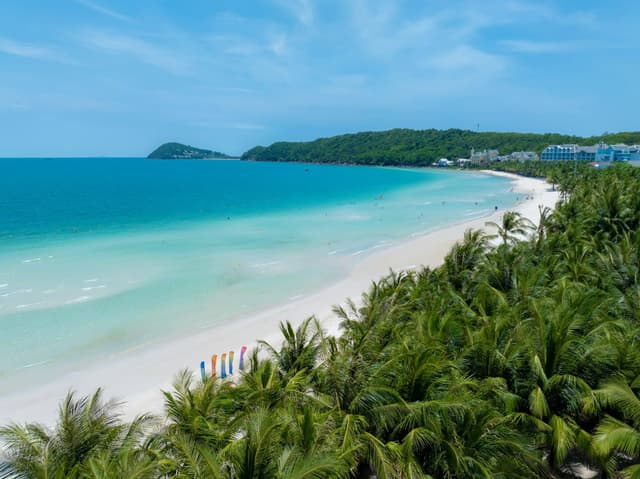
With a coastline of more than 3,000 kilometres, Vietnam has beaches to suit every traveller. Da Nang's My Khe is a long, easy city beach near Hoi An, Nha Trang is the busy resort hub with islands and diving offshore, and Phu Quoc is the tropical island escape with the softest sand and best sunsets. Mui Ne draws kite and windsurfers to its breezy bay and famous red and white sand dunes, while remote Con Dao rewards those seeking empty beaches and turtles. Pairing a few beach days with the cities and countryside is easy given how the coast runs the length of the country.

Beach or islandRegionBest for
Phu QuocSouthResorts, sunsets, families
My Khe, Da NangCentralEasy city beach near Hoi An
Nha TrangSouth centralDiving, islands, nightlife
Mui NeSouthKitesurfing and sand dunes
Con DaoSouthQuiet, wild, turtles

What should you eat in Vietnam?

Food alone justifies the trip. Vietnamese cooking is fresh, herby and famously cheap, and it changes as you travel. In the north, try pho noodle soup, bun cha grilled pork, and Hanoi's velvety egg coffee. The centre is spicier: bun bo Hue, the layered cao lau noodles unique to Hoi An, white rose dumplings and the celebrated banh mi of Hoi An. In the south, sample com tam broken rice, fresh goi cuon spring rolls and iced ca phe sua da coffee. Street stalls and family run eateries almost always beat the restaurants, and a guided food walk in Hanoi or Saigon is one of the best few hours you can spend.

DishWhat it is
PhoFragrant rice noodle soup with beef or chicken
Banh miCrisp baguette filled with pate, pork and herbs
Bun chaGrilled pork with noodles and dipping broth, a Hanoi classic
Goi cuonFresh rice paper spring rolls with prawn and herbs
Cao lauThick noodles with pork and greens, found only in Hoi An
Egg coffeeCoffee topped with whipped egg yolk and condensed milk

What adventures and nature can you experience?

Beyond the sights, Vietnam is a genuine adventure destination. The Ha Giang Loop is one of Asia's great motorbike journeys, winding over the Ma Pi Leng Pass through terraced valleys, while multi day treks around Sapa and Mai Chau lead into ethnic minority country. Phong Nha offers caving from gentle boat trips to expeditions into Son Doong, Dalat is the base for canyoning and waterfall abseiling, and kayaking among the karsts of Lan Ha Bay is a highlight of any cruise. Cyclists love the flat Mekong Delta and the coastal roads, and Cat Ba Island combines trekking, climbing and island hopping.

When is the best time to visit Vietnam?

Vietnam stretches over 1,600 kilometres from north to south, so the weather varies sharply by region and there is no single perfect month for the whole country. As a rule, spring from February to April and autumn from August to October give the most balanced conditions countrywide. The table below breaks it down by region.

RegionBest monthsNotes
North (Hanoi, Sapa, Halong)October to AprilCool and dry, cold in the mountains
Central (Hoi An, Hue, Da Nang)February to AugustDry season, typhoon risk later in the year
South (Saigon, Mekong, Phu Quoc)November to AprilWarm and dry, wet from May to October

For more planning, see our Vietnam itinerary ideas, our list of the best places to visit in Vietnam, and our Vietnam dos and donts.

How many days do you need and how do you get around?

A week suits one or two regions, ten days covers the classic Hanoi to Hoi An to Saigon triangle, and 14 days lets you add Sapa, Phong Nha or the Mekong at a relaxed pace. Getting around is straightforward: cheap domestic flights link the main cities and save long overland hauls, the historic Reunification Express train hugs the coast for a scenic ride, and comfortable sleeper buses reach smaller towns. In cities, the Grab app covers cars and motorbike taxis, and organised day tours make Halong Bay, the Mekong and Cu Chi simple.

Trip lengthSuggested route
5 to 6 daysHanoi and Halong Bay, or Hoi An and Da Nang
10 daysHanoi, Halong, Hoi An, Ho Chi Minh City
12 to 14 daysAdd Sapa, Phong Nha or the Mekong Delta

To have the cruises, city stays, guides and transfers arranged for you, explore our curated Vietnam tour packages and pick a north, central or south focused route.

A closer look at Hanoi

Hanoi is the soul of Vietnam and rewards more time than most travellers give it. The Old Quarter is a thousand year old maze of narrow streets, each historically dedicated to a single trade, where motorbikes weave past shophouses, temples and steaming food stalls. Around Hoan Kiem Lake you will find the red Huc Bridge and Ngoc Son Temple, and in the evening the lakeside comes alive with families, dancers and buskers. Beyond the Old Quarter, the Ho Chi Minh Mausoleum complex, the Temple of Literature, Vietnam's first university, and the moving Hoa Lo Prison museum give the city depth. Hanoi is also the best place in the country for egg coffee and bun cha, and the traditional water puppet theatre is a charming window into rural folklore.

A closer look at Hoi An

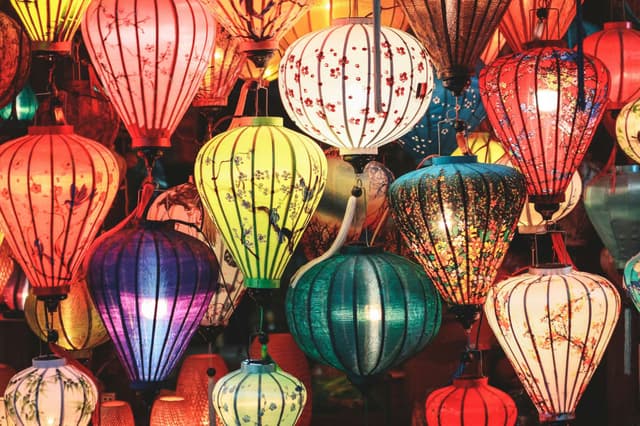
Hoi An is many travellers' favourite place in Vietnam, and it is easy to see why. The car free ancient town is a beautifully preserved former trading port where Japanese, Chinese and European influences meet, threaded with tailors, art galleries, riverside restaurants and hundreds of silk lanterns that light up at dusk. On the full moon each month the town switches off its electric lights for a lantern festival, and releasing a paper lantern onto the river is a magical ritual. By day you can cycle through emerald rice paddies to An Bang beach, take a cooking class, order a tailored suit or dress, and eat cao lau and the town's legendary banh mi. Hoi An is compact, romantic and endlessly photogenic.

Sapa or Ha Giang: which northern adventure?

The far north offers two very different mountain experiences. Sapa is the established trekking base, with terraced rice valleys, homestays in Hmong and Dao villages, and the Fansipan cable car, but it can feel touristy in peak season. The Ha Giang Loop is wilder and increasingly popular, a three to four day motorbike or car journey over the spectacular Ma Pi Leng Pass through some of Vietnam's most dramatic scenery, often ridden with a local easy rider driver. Choose Sapa for accessible day treks and comfort, and Ha Giang for raw landscapes and a real road adventure.

DestinationBest forHow long
SapaRice terrace trekking, homestays2 to 3 days
Ha Giang LoopMotorbike adventure, remote passes3 to 4 days
Ninh BinhKarst boat rides near Hanoi1 to 2 days

Why is Vietnamese coffee culture special?

Vietnam is the second largest coffee producer in the world, and coffee here is a daily ritual rather than a takeaway habit. The classic ca phe sua da, strong drip coffee over ice and condensed milk, is served everywhere, but each region has its own twist: Hanoi's whipped egg coffee, the yoghurt coffee found in the north, coconut coffee and, from Dalat, the smooth beans of the central highlands. Sitting on a low plastic stool watching the street go by with a slow drip filter is one of the simple pleasures of a Vietnam trip. Coffee beans and drip filters also make excellent, lightweight souvenirs.

What history and culture should you understand?

Vietnam's recent history shapes much of what visitors see, and engaging with it respectfully deepens the trip. The War Remnants Museum and Cu Chi Tunnels in the south, the Hoa Lo Prison in Hanoi and the DMZ near Hue tell the story of the long conflict from the Vietnamese perspective. Older layers run deep too, from the imperial Citadel of Hue and the Cham temples of My Son to Confucian shrines and thousands of Buddhist pagodas. The country is also home to 54 recognised ethnic groups, most visible in the northern highlands, whose textiles, markets and homestays are a highlight of any visit to Sapa or Ha Giang.

Which festivals are worth planning around?

The biggest event is Tet, the Lunar New Year in late January or February, when the country celebrates with flowers, family feasts and fireworks. Tet is magical to witness but many businesses close and transport is packed, so plan carefully around it. The Hoi An Lantern Festival each full moon, the Hue Festival of royal culture, the Mid Autumn Festival with mooncakes and lion dances, and the reunification and national day holidays all add colour if your dates align. Checking the lunar calendar before booking helps you either catch a festival or avoid the busiest travel days.

Which trip suits your travel style?

Because Vietnam offers so much, it helps to lean the route towards the kind of traveller you are.

TravellerBest focusWhy
First timersHanoi, Halong, Hoi An, SaigonThe classic highlights, easy logistics
HoneymoonersHoi An, a luxury Halong cruise, Phu QuocRomance, lanterns and beaches
FamiliesDa Nang, Hoi An, Phu QuocBeaches, easy days, theme parks
Adventure travellersHa Giang, Sapa, Phong NhaMotorbiking, trekking, caving
Food loversHanoi, Hue, Hoi An, SaigonDistinct regional cuisines

Where and what should you shop in Vietnam?

Vietnam is a rewarding place to shop, and Hoi An leads the way. Its tailors can craft custom suits, dresses and shoes within a day or two, and the town is also known for silk, lanterns and leather goods. Across the country, look for excellent coffee and drip filters, embroidered textiles and ethnic minority crafts from the north, lacquerware and ceramics, conical non la hats, and propaganda poster art. Ben Thanh Market in Saigon and the Dong Xuan Market in Hanoi are good for a browse, with bargaining expected at markets but not in fixed price shops. Buy silk and tailoring from established outlets to be sure of quality.

How expensive is a trip to Vietnam?

Vietnam is one of the best value destinations in Asia. Street meals, local beer, cheap domestic flights and inexpensive guesthouses keep daily costs very low, while comfortable hotels and private tours remain affordable by international standards. Backpackers travel well on a small daily budget, mid range travellers enjoy good hotels, cruises and guides for a modest spend, and even the luxury tier of boutique Halong boats and beach resorts costs less than comparable options elsewhere. The main expenses are internal flights and premium cruises, both of which are easy to keep in check.

Practical tips for visiting Vietnam

The currency is the Vietnamese dong, and the large numbers take a little getting used to, so double check zeros when paying. Cards work in hotels and cities, but carry cash for street food, markets and rural areas, and the Grab app is the simplest way to get around town. Tap water is not safe to drink, so stick to sealed or filtered water. Traffic is intense, especially the rivers of motorbikes, so cross roads slowly and steadily and let the flow move around you. Most visitors need a Vietnam e visa, now valid for up to 90 days for many nationalities, which is quick to arrange online before travel. Dress modestly at temples and pagodas, remove shoes where asked, and a little politeness goes a long way.

What are the best off the beaten track experiences?

Travellers with more time can escape the main trail easily. The northern towns of Mai Chau and Ba Be National Park offer lakes, homestays and quiet trekking, while Cat Ba Island near Halong combines climbing, kayaking and a national park. In the centre, the Phong Nha countryside rewards a slow few days of caves and rivers, and the beach island of Ly Son off the central coast is largely undiscovered. In the south, the far Mekong towns of Ben Tre and Chau Doc show delta life beyond the day tour crowds. These places trade polish for authenticity and space.

A closer look at Ho Chi Minh City and the Mekong Delta

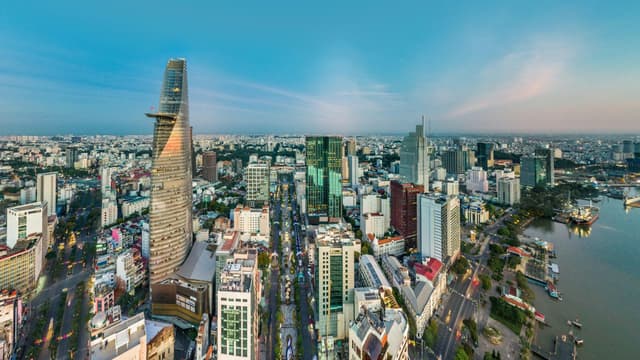
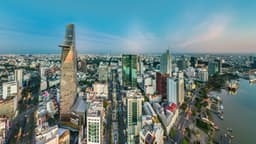
Ho Chi Minh City is Vietnam at its most energetic, a place of glassy towers, French colonial landmarks and street corners crammed with food carts. District 1 holds the headline sights, from the War Remnants Museum and the Reunification Palace to Notre Dame Cathedral, the ornate Central Post Office and the Bitexco tower with its skydeck. After dark, the rooftop bars and the buzzing Bui Vien walking street come alive. Half a day away, the Cu Chi Tunnels give a visceral sense of the war, and beyond the city the Mekong Delta spreads out in a green web of rivers, orchards and floating markets. An overnight in Can Tho to catch the Cai Rang market at sunrise, gliding between boats piled with fruit and vegetables, is the classic delta experience, and homestays let you paddle the smaller canals and share a family meal.

Southern highlightWhat to expect
War Remnants MuseumPowerful account of the conflict
Cu Chi TunnelsCrawl through wartime tunnels
Cai Rang floating marketDawn river trade near Can Tho
Phu QuocIsland beaches and resorts

How does Vietnam compare to Thailand?

Travellers often choose between Vietnam and Thailand, and the two suit different tastes. Vietnam is longer and more varied top to bottom, with a stronger sense of recent history, cooler northern mountains and, many argue, more diverse regional food, though it takes more travel to see. Thailand is more polished for tourism, with easier beaches, livelier nightlife and smoother island logistics. Vietnam tends to feel a little more adventurous and less packaged, while Thailand is the easier first beach holiday. Because they neighbour each other, plenty of travellers combine both on a longer Southeast Asia trip.

FactorVietnamThailand
Landscape varietyVery high, north to southHigh
BeachesGood, improvingExcellent
History and cultureDeep, recent and ancientRich, temple led
Ease for first timersEasyVery easy

How can you travel Vietnam responsibly?

A few simple choices help your trip benefit the places you visit. Choose village homestays in Sapa and the Mekong that put money directly into local hands, hire licensed easy rider guides on the Ha Giang Loop, and treat war sites and cemeteries with quiet respect. Avoid single use plastics where you can, carry a refillable bottle, and be mindful in fragile cave and reef environments. Buying coffee, textiles and crafts directly from producers, and eating at family run stalls, spreads tourism income more widely and gives you a warmer, more authentic experience along the way.

What makes the caves of Phong Nha world class?

Tucked into the limestone mountains of central Vietnam, Phong Nha Ke Bang National Park holds one of the greatest cave systems on earth, and it deserves a place on any nature focused itinerary. Son Doong, discovered fully only in 2009, is the largest cave in the world, big enough to hold a city block and its own jungle and weather system, explored on a limited number of expensive multi day expeditions. For everyone else, the accessible Paradise Cave stretches for kilometres of vast, floodlit chambers hung with stalactites, the Phong Nha Cave is entered by boat along an underground river, and the adventurous Dark Cave adds a zipline, mud bath and kayaking. The surrounding countryside of karst peaks, rivers and farming villages is peaceful and increasingly geared to travellers, making Phong Nha a rewarding two or three day stop between Hue and the north.

However you piece your route together, Vietnam rewards travellers who move slowly enough to sit on a street corner with a coffee, talk to the people they meet, and let each region's food and landscape leave its own distinct impression.

What are Vietnam's UNESCO World Heritage sites?

Vietnam holds eight UNESCO World Heritage sites, and they make a superb framework for a trip. The natural wonders are Halong Bay, the Trang An landscape complex around Ninh Binh, and the caves of Phong Nha Ke Bang. The cultural sites are the ancient town of Hoi An, the Cham temples of My Son, the imperial Complex of Hue Monuments, the Imperial Citadel of Thang Long in Hanoi, and the Ho Dynasty Citadel in Thanh Hoa. Threading even three or four of these into your route gives a trip real historical depth alongside the food and scenery, and most sit conveniently along the classic north to south corridor.

Frequently asked questions

How many days do you need in Vietnam?

Ten to fourteen days lets you travel from north to south, covering Hanoi, Halong Bay, Hoi An and Ho Chi Minh City. A shorter week works well for one or two regions.

What is the number one thing to do in Vietnam?

A Halong Bay cruise is the single most iconic experience, sailing among thousands of limestone islands, ideally on an overnight boat to catch sunrise and sunset over the karsts.

Is Vietnam good for food lovers?

Very much so. Dishes such as pho, banh mi, bun cha and fresh spring rolls are cheap and everywhere, and street food tours in Hanoi and Ho Chi Minh City are a highlight for many travellers.

Is Vietnam easy to travel around?

Yes. Domestic flights, the Reunification Express train and sleeper buses connect the main regions, and organised tours make sights such as Halong Bay and the Mekong Delta simple to visit.

Is Vietnam safe for tourists?

Vietnam is generally very safe, with low levels of violent crime against visitors. The main risks are petty theft and bag snatching in busy cities and the chaotic traffic, so keep valuables secure and take care crossing roads.

Do you need a visa to visit Vietnam?

Most travellers need a Vietnam e visa, which is arranged online and now valid for stays of up to 90 days for many nationalities. Some countries have short visa free entry, so check the current rules for your passport before booking.

What is the best time to visit Vietnam?

Spring from February to April and autumn from August to October are the most balanced countrywide. The north is best from October to April, the centre from February to August, and the south from November to April.

Should you book a Halong Bay cruise in advance?

Yes. Overnight cruises on the better boats fill up in peak season, and booking ahead lets you compare routes, choose between busy Halong Bay and quieter Lan Ha Bay, and avoid the cheapest operators. A one or two night cruise is the most rewarding way to see the karsts.

Is Vietnam a good destination for solo travellers?

Yes. Vietnam is popular with solo and backpacker travellers thanks to its safety, low costs, easy transport and sociable hostel and cafe scene. Group tours for Halong Bay, the Ha Giang Loop and the Mekong make it simple to meet others along the way.

Tags
Vietnam
Share
G
Gomayu Team
Writer at Gomayu
Keep reading
Blog / Vietnam
Things to Do in Vietnam: Top Experiences Guide
19 min read 21 Aug 2026 · Updated 08 Oct 2026
Things to Do in Vietnam: Top Experiences & Sights Guide

Vietnam is a long, dramatic sweep of a country where you can cruise emerald bays studded with limestone islands, trek rice terraces in the misty north, wander lantern lit heritage towns, crawl through wartime tunnels and eat some of the best street food on earth, all in one trip. The best things to do stretch from Hanoi and Halong Bay in the north, through Hoi An, Hue and the great caves of the centre, to Ho Chi Minh City and the Mekong Delta in the south. A classic north to south journey of 10 to 14 days links the highlights comfortably and affordably.

This guide runs through the top experiences region by region, the beaches, the food, the best time to go, how many days you need and how to get around, so you can shape a trip around culture, nature, adventure or all three.

What are the top things to do in Vietnam?

These signature experiences capture the country's range, and most trips string together several of them from north to south.

ExperienceWhereWhy do it
Halong Bay cruiseNorthLimestone karsts and caves on an overnight boat
Hoi An old townCentralLantern lit heritage streets and tailors
Hanoi Old QuarterNorthStreet food, history and buzzing markets
Sapa and Ha GiangNorthRice terraces, mountain passes, hill tribes
Phong Nha cavesCentralSome of the largest caves in the world
Mekong DeltaSouthFloating markets and river life
Cu Chi TunnelsSouthWartime tunnel network near Ho Chi Minh City

What can you do in northern Vietnam?

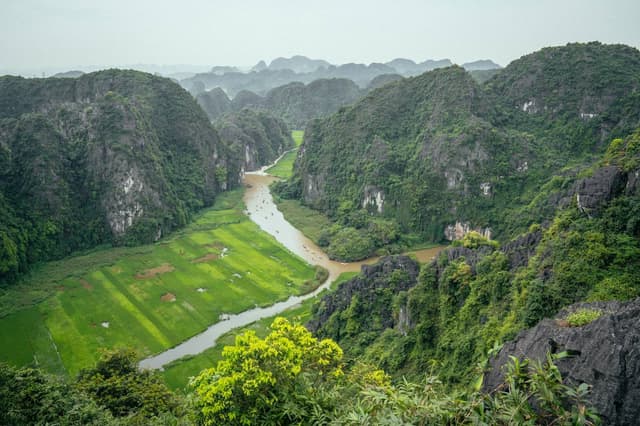
The north is Vietnam's cultural and scenic heart, centred on the capital, Hanoi. Spend a day or two in the tangled Old Quarter, sampling egg coffee and bun cha, watching a water puppet show and circling Hoan Kiem Lake, before heading to the coast. Halong Bay is the headline draw, a UNESCO seascape of around 1,600 limestone islands best seen on an overnight cruise, though the quieter Lan Ha Bay and Bai Tu Long Bay offer the same beauty with fewer boats. Inland, Sapa rewards trekkers with terraced rice fields and Hmong and Dao villages beneath Fansipan, at 3,143 metres the highest peak in Indochina, reachable by cable car. Ninh Binh, nicknamed Halong Bay on land, adds sampan rides through the karst waterways of Trang An and Tam Coc, and the epic Ha Giang motorbike loop draws adventurers to its mountain passes.
Explore Vietnam tour packages
View all →

What are the highlights of central Vietnam?

Central Vietnam packs in heritage, beaches and caves. Hoi An is the jewel, a UNESCO listed ancient town of ochre shophouses, the Japanese Covered Bridge and riverside lanes that glow with silk lanterns after dark, and it is famous for skilled tailors who can run up custom clothing in a day. Nearby Da Nang has long beaches, the Marble Mountains and the surreal Golden Bridge held aloft by giant stone hands in the Ba Na Hills. Hue, the former imperial capital, preserves a walled Citadel and royal tombs along the Perfume River, while Phong Nha Ke Bang National Park protects some of the largest caves on the planet, including Son Doong, the biggest cave in the world, alongside the more accessible Paradise Cave. The Cham ruins of My Son complete the region's rich history.

What can you do in southern Vietnam?

The south revolves around fast paced Ho Chi Minh City, still widely called Saigon, where the sobering War Remnants Museum, the French era Notre Dame Cathedral and Central Post Office, and the frenetic Ben Thanh Market sit among rooftop bars and sizzling street kitchens. Just outside the city, the Cu Chi Tunnels reveal the vast underground network used during the war. From here, the Mekong Delta unfolds in a maze of rivers, orchards and floating markets, best explored from Can Tho for the Cai Rang market at dawn. Further afield, the island of Phu Quoc offers beaches, resorts and a record breaking sea crossing cable car, while the highland town of Dalat brings cool air, flower farms and canyoning.

Which beaches are worth visiting in Vietnam?

With a coastline of more than 3,000 kilometres, Vietnam has beaches to suit every traveller. Da Nang's My Khe is a long, easy city beach near Hoi An, Nha Trang is the busy resort hub with islands and diving offshore, and Phu Quoc is the tropical island escape with the softest sand and best sunsets. Mui Ne draws kite and windsurfers to its breezy bay and famous red and white sand dunes, while remote Con Dao rewards those seeking empty beaches and turtles. Pairing a few beach days with the cities and countryside is easy given how the coast runs the length of the country.

Beach or islandRegionBest for
Phu QuocSouthResorts, sunsets, families
My Khe, Da NangCentralEasy city beach near Hoi An
Nha TrangSouth centralDiving, islands, nightlife
Mui NeSouthKitesurfing and sand dunes
Con DaoSouthQuiet, wild, turtles

What should you eat in Vietnam?

Food alone justifies the trip. Vietnamese cooking is fresh, herby and famously cheap, and it changes as you travel. In the north, try pho noodle soup, bun cha grilled pork, and Hanoi's velvety egg coffee. The centre is spicier: bun bo Hue, the layered cao lau noodles unique to Hoi An, white rose dumplings and the celebrated banh mi of Hoi An. In the south, sample com tam broken rice, fresh goi cuon spring rolls and iced ca phe sua da coffee. Street stalls and family run eateries almost always beat the restaurants, and a guided food walk in Hanoi or Saigon is one of the best few hours you can spend.

DishWhat it is
PhoFragrant rice noodle soup with beef or chicken
Banh miCrisp baguette filled with pate, pork and herbs
Bun chaGrilled pork with noodles and dipping broth, a Hanoi classic
Goi cuonFresh rice paper spring rolls with prawn and herbs
Cao lauThick noodles with pork and greens, found only in Hoi An
Egg coffeeCoffee topped with whipped egg yolk and condensed milk

What adventures and nature can you experience?

Beyond the sights, Vietnam is a genuine adventure destination. The Ha Giang Loop is one of Asia's great motorbike journeys, winding over the Ma Pi Leng Pass through terraced valleys, while multi day treks around Sapa and Mai Chau lead into ethnic minority country. Phong Nha offers caving from gentle boat trips to expeditions into Son Doong, Dalat is the base for canyoning and waterfall abseiling, and kayaking among the karsts of Lan Ha Bay is a highlight of any cruise. Cyclists love the flat Mekong Delta and the coastal roads, and Cat Ba Island combines trekking, climbing and island hopping.

When is the best time to visit Vietnam?

Vietnam stretches over 1,600 kilometres from north to south, so the weather varies sharply by region and there is no single perfect month for the whole country. As a rule, spring from February to April and autumn from August to October give the most balanced conditions countrywide. The table below breaks it down by region.

RegionBest monthsNotes
North (Hanoi, Sapa, Halong)October to AprilCool and dry, cold in the mountains
Central (Hoi An, Hue, Da Nang)February to AugustDry season, typhoon risk later in the year
South (Saigon, Mekong, Phu Quoc)November to AprilWarm and dry, wet from May to October

For more planning, see our Vietnam itinerary ideas, our list of the best places to visit in Vietnam, and our Vietnam dos and donts.

How many days do you need and how do you get around?

A week suits one or two regions, ten days covers the classic Hanoi to Hoi An to Saigon triangle, and 14 days lets you add Sapa, Phong Nha or the Mekong at a relaxed pace. Getting around is straightforward: cheap domestic flights link the main cities and save long overland hauls, the historic Reunification Express train hugs the coast for a scenic ride, and comfortable sleeper buses reach smaller towns. In cities, the Grab app covers cars and motorbike taxis, and organised day tours make Halong Bay, the Mekong and Cu Chi simple.

Trip lengthSuggested route
5 to 6 daysHanoi and Halong Bay, or Hoi An and Da Nang
10 daysHanoi, Halong, Hoi An, Ho Chi Minh City
12 to 14 daysAdd Sapa, Phong Nha or the Mekong Delta

To have the cruises, city stays, guides and transfers arranged for you, explore our curated Vietnam tour packages and pick a north, central or south focused route.

A closer look at Hanoi

Hanoi is the soul of Vietnam and rewards more time than most travellers give it. The Old Quarter is a thousand year old maze of narrow streets, each historically dedicated to a single trade, where motorbikes weave past shophouses, temples and steaming food stalls. Around Hoan Kiem Lake you will find the red Huc Bridge and Ngoc Son Temple, and in the evening the lakeside comes alive with families, dancers and buskers. Beyond the Old Quarter, the Ho Chi Minh Mausoleum complex, the Temple of Literature, Vietnam's first university, and the moving Hoa Lo Prison museum give the city depth. Hanoi is also the best place in the country for egg coffee and bun cha, and the traditional water puppet theatre is a charming window into rural folklore.

A closer look at Hoi An

Hoi An is many travellers' favourite place in Vietnam, and it is easy to see why. The car free ancient town is a beautifully preserved former trading port where Japanese, Chinese and European influences meet, threaded with tailors, art galleries, riverside restaurants and hundreds of silk lanterns that light up at dusk. On the full moon each month the town switches off its electric lights for a lantern festival, and releasing a paper lantern onto the river is a magical ritual. By day you can cycle through emerald rice paddies to An Bang beach, take a cooking class, order a tailored suit or dress, and eat cao lau and the town's legendary banh mi. Hoi An is compact, romantic and endlessly photogenic.

Sapa or Ha Giang: which northern adventure?

The far north offers two very different mountain experiences. Sapa is the established trekking base, with terraced rice valleys, homestays in Hmong and Dao villages, and the Fansipan cable car, but it can feel touristy in peak season. The Ha Giang Loop is wilder and increasingly popular, a three to four day motorbike or car journey over the spectacular Ma Pi Leng Pass through some of Vietnam's most dramatic scenery, often ridden with a local easy rider driver. Choose Sapa for accessible day treks and comfort, and Ha Giang for raw landscapes and a real road adventure.

DestinationBest forHow long
SapaRice terrace trekking, homestays2 to 3 days
Ha Giang LoopMotorbike adventure, remote passes3 to 4 days
Ninh BinhKarst boat rides near Hanoi1 to 2 days

Why is Vietnamese coffee culture special?

Vietnam is the second largest coffee producer in the world, and coffee here is a daily ritual rather than a takeaway habit. The classic ca phe sua da, strong drip coffee over ice and condensed milk, is served everywhere, but each region has its own twist: Hanoi's whipped egg coffee, the yoghurt coffee found in the north, coconut coffee and, from Dalat, the smooth beans of the central highlands. Sitting on a low plastic stool watching the street go by with a slow drip filter is one of the simple pleasures of a Vietnam trip. Coffee beans and drip filters also make excellent, lightweight souvenirs.

What history and culture should you understand?

Vietnam's recent history shapes much of what visitors see, and engaging with it respectfully deepens the trip. The War Remnants Museum and Cu Chi Tunnels in the south, the Hoa Lo Prison in Hanoi and the DMZ near Hue tell the story of the long conflict from the Vietnamese perspective. Older layers run deep too, from the imperial Citadel of Hue and the Cham temples of My Son to Confucian shrines and thousands of Buddhist pagodas. The country is also home to 54 recognised ethnic groups, most visible in the northern highlands, whose textiles, markets and homestays are a highlight of any visit to Sapa or Ha Giang.

Which festivals are worth planning around?

The biggest event is Tet, the Lunar New Year in late January or February, when the country celebrates with flowers, family feasts and fireworks. Tet is magical to witness but many businesses close and transport is packed, so plan carefully around it. The Hoi An Lantern Festival each full moon, the Hue Festival of royal culture, the Mid Autumn Festival with mooncakes and lion dances, and the reunification and national day holidays all add colour if your dates align. Checking the lunar calendar before booking helps you either catch a festival or avoid the busiest travel days.

Which trip suits your travel style?

Because Vietnam offers so much, it helps to lean the route towards the kind of traveller you are.

TravellerBest focusWhy
First timersHanoi, Halong, Hoi An, SaigonThe classic highlights, easy logistics
HoneymoonersHoi An, a luxury Halong cruise, Phu QuocRomance, lanterns and beaches
FamiliesDa Nang, Hoi An, Phu QuocBeaches, easy days, theme parks
Adventure travellersHa Giang, Sapa, Phong NhaMotorbiking, trekking, caving
Food loversHanoi, Hue, Hoi An, SaigonDistinct regional cuisines

Where and what should you shop in Vietnam?

Vietnam is a rewarding place to shop, and Hoi An leads the way. Its tailors can craft custom suits, dresses and shoes within a day or two, and the town is also known for silk, lanterns and leather goods. Across the country, look for excellent coffee and drip filters, embroidered textiles and ethnic minority crafts from the north, lacquerware and ceramics, conical non la hats, and propaganda poster art. Ben Thanh Market in Saigon and the Dong Xuan Market in Hanoi are good for a browse, with bargaining expected at markets but not in fixed price shops. Buy silk and tailoring from established outlets to be sure of quality.

How expensive is a trip to Vietnam?

Vietnam is one of the best value destinations in Asia. Street meals, local beer, cheap domestic flights and inexpensive guesthouses keep daily costs very low, while comfortable hotels and private tours remain affordable by international standards. Backpackers travel well on a small daily budget, mid range travellers enjoy good hotels, cruises and guides for a modest spend, and even the luxury tier of boutique Halong boats and beach resorts costs less than comparable options elsewhere. The main expenses are internal flights and premium cruises, both of which are easy to keep in check.

Practical tips for visiting Vietnam

The currency is the Vietnamese dong, and the large numbers take a little getting used to, so double check zeros when paying. Cards work in hotels and cities, but carry cash for street food, markets and rural areas, and the Grab app is the simplest way to get around town. Tap water is not safe to drink, so stick to sealed or filtered water. Traffic is intense, especially the rivers of motorbikes, so cross roads slowly and steadily and let the flow move around you. Most visitors need a Vietnam e visa, now valid for up to 90 days for many nationalities, which is quick to arrange online before travel. Dress modestly at temples and pagodas, remove shoes where asked, and a little politeness goes a long way.

What are the best off the beaten track experiences?

Travellers with more time can escape the main trail easily. The northern towns of Mai Chau and Ba Be National Park offer lakes, homestays and quiet trekking, while Cat Ba Island near Halong combines climbing, kayaking and a national park. In the centre, the Phong Nha countryside rewards a slow few days of caves and rivers, and the beach island of Ly Son off the central coast is largely undiscovered. In the south, the far Mekong towns of Ben Tre and Chau Doc show delta life beyond the day tour crowds. These places trade polish for authenticity and space.

A closer look at Ho Chi Minh City and the Mekong Delta

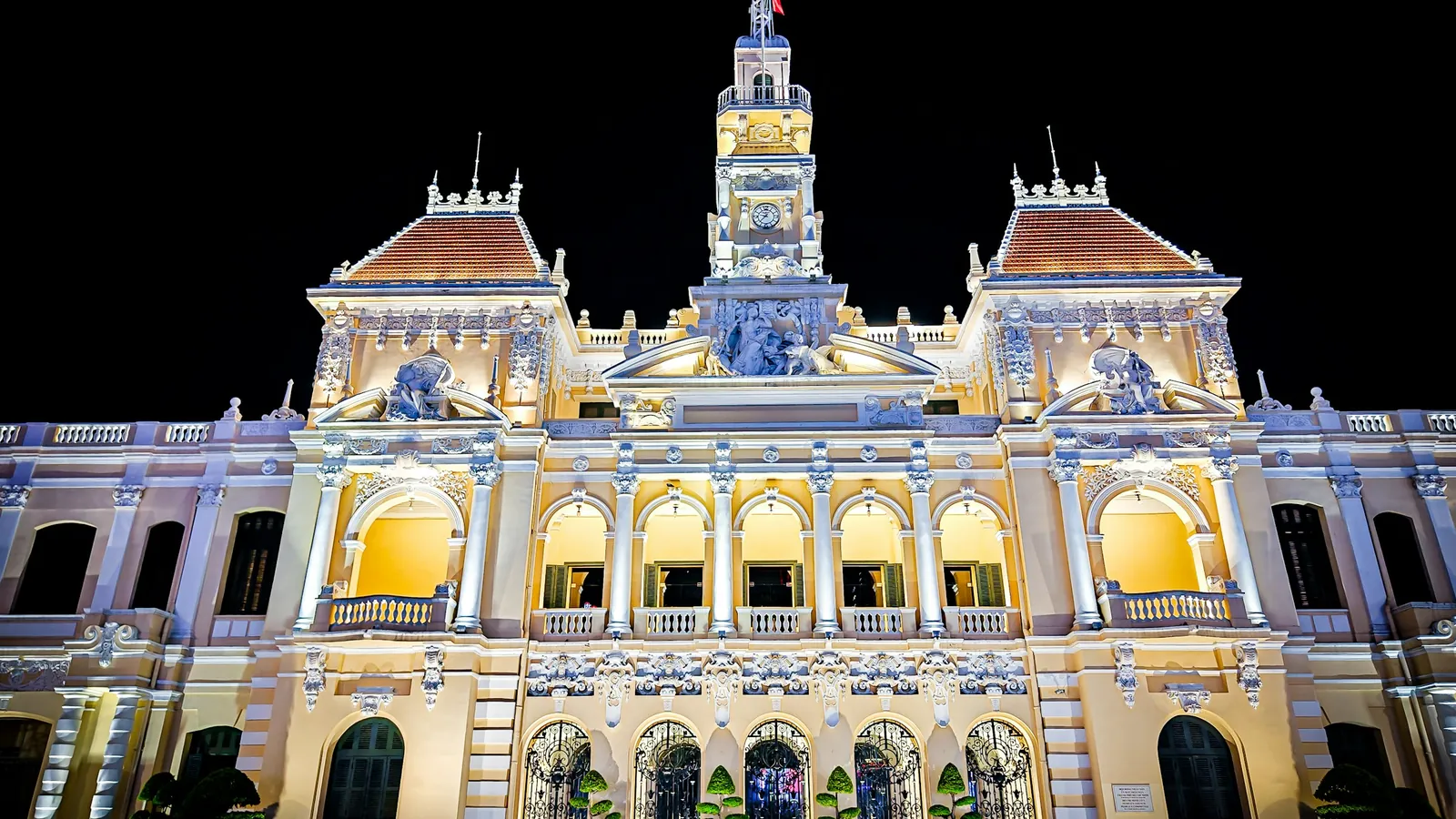
Ho Chi Minh City is Vietnam at its most energetic, a place of glassy towers, French colonial landmarks and street corners crammed with food carts. District 1 holds the headline sights, from the War Remnants Museum and the Reunification Palace to Notre Dame Cathedral, the ornate Central Post Office and the Bitexco tower with its skydeck. After dark, the rooftop bars and the buzzing Bui Vien walking street come alive. Half a day away, the Cu Chi Tunnels give a visceral sense of the war, and beyond the city the Mekong Delta spreads out in a green web of rivers, orchards and floating markets. An overnight in Can Tho to catch the Cai Rang market at sunrise, gliding between boats piled with fruit and vegetables, is the classic delta experience, and homestays let you paddle the smaller canals and share a family meal.

Southern highlightWhat to expect
War Remnants MuseumPowerful account of the conflict
Cu Chi TunnelsCrawl through wartime tunnels
Cai Rang floating marketDawn river trade near Can Tho
Phu QuocIsland beaches and resorts

How does Vietnam compare to Thailand?

Travellers often choose between Vietnam and Thailand, and the two suit different tastes. Vietnam is longer and more varied top to bottom, with a stronger sense of recent history, cooler northern mountains and, many argue, more diverse regional food, though it takes more travel to see. Thailand is more polished for tourism, with easier beaches, livelier nightlife and smoother island logistics. Vietnam tends to feel a little more adventurous and less packaged, while Thailand is the easier first beach holiday. Because they neighbour each other, plenty of travellers combine both on a longer Southeast Asia trip.

FactorVietnamThailand
Landscape varietyVery high, north to southHigh
BeachesGood, improvingExcellent
History and cultureDeep, recent and ancientRich, temple led
Ease for first timersEasyVery easy

How can you travel Vietnam responsibly?

A few simple choices help your trip benefit the places you visit. Choose village homestays in Sapa and the Mekong that put money directly into local hands, hire licensed easy rider guides on the Ha Giang Loop, and treat war sites and cemeteries with quiet respect. Avoid single use plastics where you can, carry a refillable bottle, and be mindful in fragile cave and reef environments. Buying coffee, textiles and crafts directly from producers, and eating at family run stalls, spreads tourism income more widely and gives you a warmer, more authentic experience along the way.

What makes the caves of Phong Nha world class?

Tucked into the limestone mountains of central Vietnam, Phong Nha Ke Bang National Park holds one of the greatest cave systems on earth, and it deserves a place on any nature focused itinerary. Son Doong, discovered fully only in 2009, is the largest cave in the world, big enough to hold a city block and its own jungle and weather system, explored on a limited number of expensive multi day expeditions. For everyone else, the accessible Paradise Cave stretches for kilometres of vast, floodlit chambers hung with stalactites, the Phong Nha Cave is entered by boat along an underground river, and the adventurous Dark Cave adds a zipline, mud bath and kayaking. The surrounding countryside of karst peaks, rivers and farming villages is peaceful and increasingly geared to travellers, making Phong Nha a rewarding two or three day stop between Hue and the north.

However you piece your route together, Vietnam rewards travellers who move slowly enough to sit on a street corner with a coffee, talk to the people they meet, and let each region's food and landscape leave its own distinct impression.

What are Vietnam's UNESCO World Heritage sites?

Vietnam holds eight UNESCO World Heritage sites, and they make a superb framework for a trip. The natural wonders are Halong Bay, the Trang An landscape complex around Ninh Binh, and the caves of Phong Nha Ke Bang. The cultural sites are the ancient town of Hoi An, the Cham temples of My Son, the imperial Complex of Hue Monuments, the Imperial Citadel of Thang Long in Hanoi, and the Ho Dynasty Citadel in Thanh Hoa. Threading even three or four of these into your route gives a trip real historical depth alongside the food and scenery, and most sit conveniently along the classic north to south corridor.

Frequently asked questions

How many days do you need in Vietnam?

Ten to fourteen days lets you travel from north to south, covering Hanoi, Halong Bay, Hoi An and Ho Chi Minh City. A shorter week works well for one or two regions.

What is the number one thing to do in Vietnam?

A Halong Bay cruise is the single most iconic experience, sailing among thousands of limestone islands, ideally on an overnight boat to catch sunrise and sunset over the karsts.

Is Vietnam good for food lovers?

Very much so. Dishes such as pho, banh mi, bun cha and fresh spring rolls are cheap and everywhere, and street food tours in Hanoi and Ho Chi Minh City are a highlight for many travellers.

Is Vietnam easy to travel around?

Yes. Domestic flights, the Reunification Express train and sleeper buses connect the main regions, and organised tours make sights such as Halong Bay and the Mekong Delta simple to visit.

Is Vietnam safe for tourists?

Vietnam is generally very safe, with low levels of violent crime against visitors. The main risks are petty theft and bag snatching in busy cities and the chaotic traffic, so keep valuables secure and take care crossing roads.

Do you need a visa to visit Vietnam?

Most travellers need a Vietnam e visa, which is arranged online and now valid for stays of up to 90 days for many nationalities. Some countries have short visa free entry, so check the current rules for your passport before booking.

What is the best time to visit Vietnam?

Spring from February to April and autumn from August to October are the most balanced countrywide. The north is best from October to April, the centre from February to August, and the south from November to April.

Should you book a Halong Bay cruise in advance?

Yes. Overnight cruises on the better boats fill up in peak season, and booking ahead lets you compare routes, choose between busy Halong Bay and quieter Lan Ha Bay, and avoid the cheapest operators. A one or two night cruise is the most rewarding way to see the karsts.

Is Vietnam a good destination for solo travellers?

Yes. Vietnam is popular with solo and backpacker travellers thanks to its safety, low costs, easy transport and sociable hostel and cafe scene. Group tours for Halong Bay, the Ha Giang Loop and the Mekong make it simple to meet others along the way.
Tags
Vietnam
Share
G
Gomayu Team
Writer at Gomayu
Keep reading