



































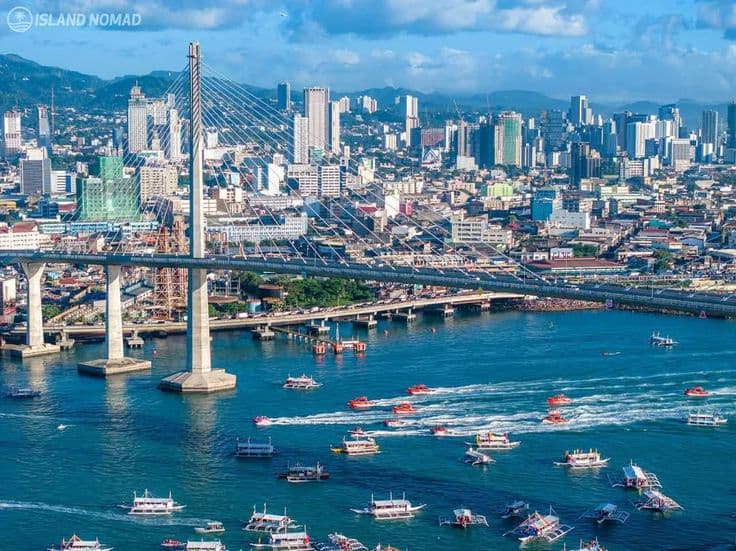
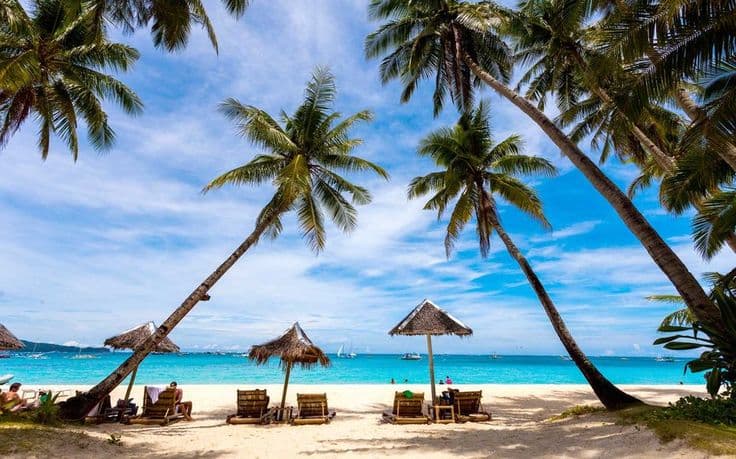
Vietnam is long and thin, and that shape changes how you travel it. The best places to visit in Vietnam are spread over roughly 1,650 kilometers of coast, mountains and river delta, and the weather in each part is doing something different on any given week. This guide runs north to south, so you can read it as a route. For each place: what it is, who it suits, and one honest warning.
Vietnam has three climates, not one
This is the mistake that ruins trips. Vietnam does not have one dry season. The north, center and south run on separate weather calendars, so a month that is perfect in one region can be washed out in another.
- North (Hanoi, Ha Long Bay, Sapa, Ninh Binh): best around March to April and September to November. Winter nights get genuinely cold, and summer is hot and wet.
- Central (Hue, Hoi An, Da Nang): best around February to August. The typhoon and flood window runs roughly August to November, and Hoi An's old town does flood in some years.
- South (Ho Chi Minh City, Mekong Delta, Phu Quoc): warm all year. Dry season is around December to May, rain season June to November, usually short heavy afternoon bursts.
If you want one window that works almost everywhere, March and April are the safest bet. Going in October? Plan a north heavy trip and keep central Vietnam short.
Hanoi, the north's old capital
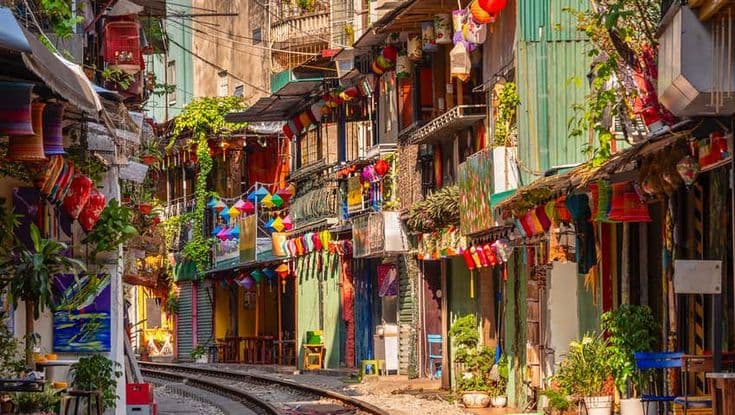
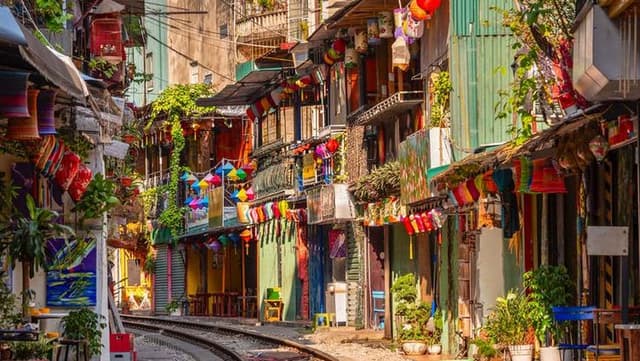
Hanoi is Vietnam's capital and the start of most northern trips. The Old Quarter is a grid of narrow trading streets, each historically named after the goods once sold there. You get lake walks, French colonial buildings, the Temple of Literature, water puppet theater and some of the country's best street food. Two full days is usually enough.
Honest warning: crossing the road in Hanoi is a skill. Walk slowly and predictably and let the scooters flow around you. Never stop halfway and never run.








Ha Long Bay and Cat Ba, the limestone seascape
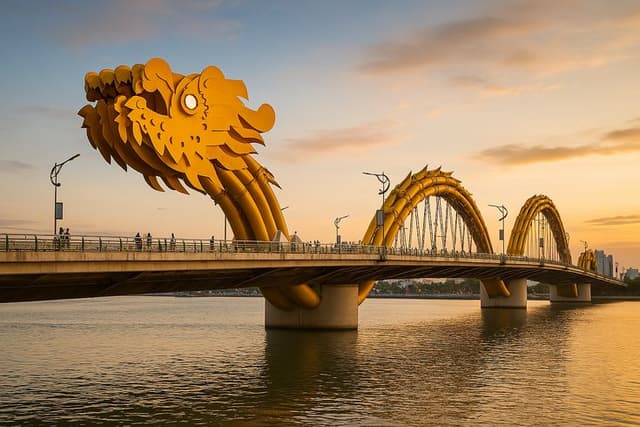
Ha Long Bay is a bay of limestone karst towers rising straight out of green water, about three hours east of Hanoi. In 2023 the UNESCO World Heritage site was extended and renamed Ha Long Bay and Cat Ba Archipelago, covering 1,133 islands and islets. Most people see it on an overnight boat, with kayaking, a cave stop and sunrise on deck.
Honest warning: the main bay gets busy and boat quality varies a lot. Cat Ba and Lan Ha Bay next door are quieter for the same scenery, so ask which water your boat sails in.
Ninh Binh, the dry version of Ha Long Bay
Ninh Binh has the same limestone towers as Ha Long Bay, but they sit in flooded rice fields instead of the sea. You see it from a rowing boat at Trang An or Tam Coc, ducking through caves, with temples on the banks. Add the Mua Cave steps for the view over the valley. Good for day trippers who want the scenery without a boat night.
Honest warning: Tam Coc's rice fields are only green and gold for part of the year. Outside roughly May and June they can look bare, though Trang An works year round.
Sapa, rice terraces and mountain villages
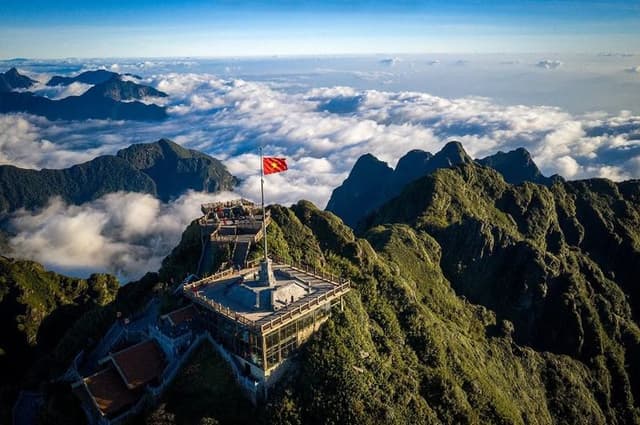
Sapa sits in the far northern mountains near the Chinese border, reached by overnight train or road from Hanoi. The draw is the terraced valleys around Muong Hoa and the ethnic minority villages you walk between. Fansipan, the country's highest peak, is here too. Terraces are green around May to August and gold near September and October.
Honest warning: Sapa town itself has been heavily built up and is often deep in cloud. Stay in a valley homestay rather than the town center if you came for views.
Phong Nha and Son Doong, the world's biggest caves
Phong Nha Ke Bang National Park holds an enormous cave system, including Son Doong, the largest known cave passage on earth. Paradise Cave and Phong Nha Cave are easy visits open to anyone, and impressive on their own. Son Doong is a different thing entirely.
Honest warning: Son Doong can only be visited with Oxalis Adventure, the single licensed operator, on a multi day expedition capped at about 1,000 permits a year. It sells out years ahead and has a real fitness screening, so it is not something you add on arrival.
Hue, the imperial city
Hue was Vietnam's imperial capital under the Nguyen dynasty and is where you go for history rather than nightlife. The walled Citadel and Forbidden Purple City sit by the Perfume River, with royal tombs scattered in the countryside around town. One or two days is plenty.
Honest warning: Hue is one of the wettest cities in Vietnam and the late autumn rain is heavy and long. Do not build a Hue sightseeing day into an October plan.
Hoi An and Da Nang, lanterns and a long beach
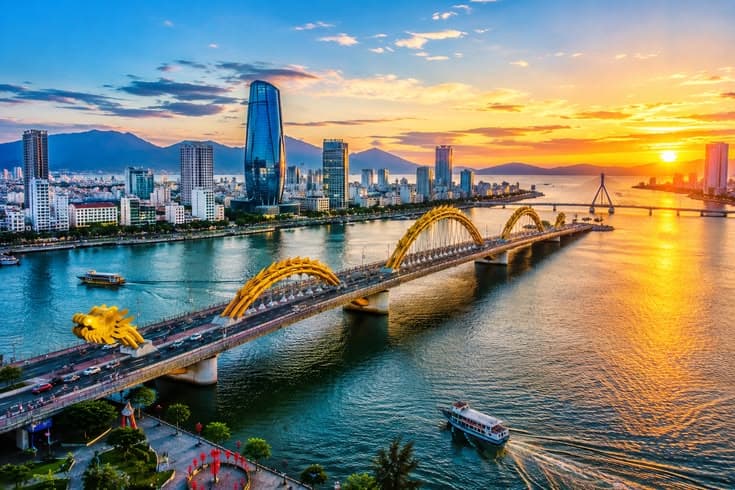
Hoi An is a preserved old trading port of yellow walls, wooden shophouses, tailors and lanterns, and for many travelers it is the most loved town in the country. Da Nang, 45 minutes north, is the modern city with the airport, the An Bang and My Khe beach strip, the Marble Mountains and the Golden Bridge at Ba Na Hills. Together they give you an old town and a beach from one base.
One thing that confuses people: after Vietnam's provincial reorganization on 1 July 2025, Quang Nam province merged into Da Nang. Nothing changed on the ground, but Hoi An is now often listed under Da Nang in addresses and documents.
Honest warning: the lantern full moon night falls on the 14th day of each lunar month, when street lighting is dimmed and lanterns go on the river. It is beautiful and it is packed. Go early in the evening and do not expect a quiet stroll.
Da Lat, the cool highland town
Da Lat sits about 1,500 meters up in the southern highlands and is where Vietnamese couples go to escape the heat. Expect pine forest, waterfalls, flower gardens, coffee farms and a French hill station feel, plus canyoning and motorbike loops. Good for honeymooners.
Honest warning: Da Lat has no beach and no major air hub, so it eats a travel day at each end. Skip it on a short first trip.
Ho Chi Minh City and the Mekong Delta
Ho Chi Minh City, still widely called Saigon, is the fast commercial south. You get the War Remnants Museum, the old post office and cathedral, rooftop bars, strong coffee culture and the Cu Chi tunnels a couple of hours out. It is louder and more modern than Hanoi, and the contrast is worth seeing.
South of the city the Mekong Delta spreads into a flat maze of rivers, orchards, rice fields and stilt houses. The classic experience is a small boat through coconut channels and a dawn floating market, and Can Tho's Cai Rang is the biggest still operating.
Honest warning: the floating markets are shrinking as roads improve, and they finish early. Arrive at nine in the morning and you have missed it, so leave before sunrise or stay overnight nearby.
Phu Quoc, Vietnam's beach island
Phu Quoc is a large island off the southwest coast, close to Cambodia, with white sand beaches on the west and south, forest inland and one of the world's longest sea cable cars. It has its own airport, so you can fly in directly and treat it as a real beach week.
Honest warning: Phu Quoc's dry season runs roughly November to April. From May to October the west coast gets rain and rough water, and some An Thoi island boat trips stop running.
How to plan your Vietnam itinerary
Pick a direction and stick to it. Almost every good Vietnam itinerary runs north to south or south to north, flying between the three hubs of Hanoi, Da Nang and Ho Chi Minh City rather than backtracking. Domestic flights are short and frequent, and they save you full days. Here is the country at a glance.
| Place | Region | Best for | When to go |
|---|---|---|---|
| Hanoi | North | Street food, old quarter, history | Mar to Apr, Sep to Nov |
| Ha Long Bay and Cat Ba | North | Overnight cruise, kayaking | Mar to May, Sep to Nov |
| Ninh Binh | North | Boat rides, karst scenery | May to Jun for green fields |
| Sapa | North | Trekking, rice terraces | Sep to Oct for gold terraces |
| Phong Nha | Central | Caves, adventure | Feb to Aug |
| Hue | Central | Imperial history | Feb to Aug |
| Hoi An | Central | Old town, tailoring, food | Feb to Jul |
| Da Nang | Central | Beaches, families, easy flights | Feb to Aug |
| Da Lat | South highlands | Cool air, couples, coffee | Dec to Apr |
| Ho Chi Minh City | South | City life, war history | Dec to Apr |
| Mekong Delta | South | River life, floating markets | Dec to Apr |
| Phu Quoc | South | Beach stay, honeymoon | Nov to Apr |
A simple way to think about where to go in Vietnam, by trip length:
- Around 5 to 6 days: one region only. North means Hanoi with Ha Long Bay and Ninh Binh. Center means Da Nang with Hoi An and Hue.
- Around 8 to 10 days: two regions. Add the center to the north, or the center to the south.
- Around 12 to 14 days: all three regions, ending on a beach in Phu Quoc or Da Nang.
Vietnam pairs easily with its neighbours too, and Thailand is the most common combination. Our guide on what to do in Thailand helps you split the days. Whatever route you pick, book Ha Long Bay boats, Sapa homestays and Hoi An hotels early for the peak months.
Would rather someone else handled the bookings? A Vietnam tour package covers hotels, transfers and tours in one plan.
Frequently asked questions about visiting Vietnam
What is the best time to visit Vietnam overall?
March and April are the most reliable months across all three regions of Vietnam. If you travel later in the year, September to November suits the north, while central Vietnam is at risk of typhoons and flooding in that window.
Do I need a visa for Vietnam?
Vietnam issues an e-visa to citizens of all countries and territories, valid for up to 90 days, with single or multiple entry chosen at application. Apply only through the official government portal at evisa.gov.vn and allow about a week. Some nationalities are visa exempt for short stays, so check your passport's current rules.
How many days do you need in Vietnam?
Ten days is the sweet spot for a first Vietnam trip, enough for two regions at a comfortable pace. Five or six days works if you stay in one region. Two weeks lets you cover north, center and south and still finish with slow beach days.
Which is better, Hanoi or Ho Chi Minh City?
Hanoi suits travelers who want old streets, history and the northern landscapes of Ha Long Bay, Ninh Binh and Sapa nearby. Ho Chi Minh City suits those who want a fast modern city with the Mekong Delta and Phu Quoc in reach. See both if you can.
Is Ha Long Bay worth it, or should I go to Ninh Binh instead?
Do both if you have time, since they are only a few hours apart. Ha Long Bay gives you karst towers at sea on an overnight boat. Ninh Binh gives you the same rock formations in flooded rice fields, from a rowing boat, with no boat night.
Can anyone visit Son Doong cave?
No. Son Doong is limited to roughly 1,000 permits a year through Oxalis Adventure, the only licensed operator, on a multi day expedition with a fitness assessment, and places sell out years ahead. For most travelers, Paradise Cave and Phong Nha Cave in the same park are the realistic option.
Before you lock in dates, check the best time to visit Vietnam, and for the north do not miss our Ha Long Bay guide.
New to Vietnam? Our Vietnam travel guide covers visas, money, transport and how to plan a first trip.
'/%3E%3C/svg%3E)