





















































+977-9709047652
Explore by Country
See all 22 Thailand packages
Most popular pick
See all 22 Thailand packages
See all 11 Vietnam packages
Most popular pick
See all 11 Vietnam packages
See all 10 Indonesia (Bali) packages
Most popular pick
See all 10 Indonesia (Bali) packages
See all 4 Maldives packages
Most popular pick
See all 4 Maldives packages
See all 10 China packages
Most popular pick
See all 10 China packages
See all 2 Sri Lanka packages
Most popular pick
See all 2 Sri Lanka packages
See all 9 Malaysia packages
Most popular pick
See all 9 Malaysia packages
See all 8 Singapore packages
Most popular pick
See all 8 Singapore packages
See all 2 Kenya packages
Most popular pick
See all 2 Kenya packages
See all 4 India packages
Most popular pick
See all 4 India packages
See all 3 Dubai packages
Most popular pick
See all 3 Dubai packages
See all 3 Philippines packages
Most popular pick
See all 3 Philippines packages
Search Tours or Places
Blog / Vietnam

Best Time to Visit Vietnam: A Month by Month Weather Guide

10 min read 05 Aug 2026 · Updated 21 Aug 2026
Best Time to Visit Vietnam: A Month by Month Weather Guide

Updated August 2026

The best time to visit Vietnam is March, April and November, when the north, centre and south all tend to be dry and warm at once. Vietnam stretches more than 1,600 kilometres from north to south, so it does not have one climate. It has three, and they rarely line up. A week that is warm and dry in Ho Chi Minh City can be grey and drizzly in Hanoi and firmly inside typhoon season in Hoi An. Choosing when to go is really about choosing which regions matter most for your trip, then matching your dates to those regions.

Key takeaways

  • March, April and November are the safest countrywide months.
  • The north (Hanoi, Ha Long Bay, Sapa) is best from October to April.
  • Central Vietnam (Hue, Da Nang, Hoi An) is best from February to May, and floods from September to November.
  • The south (Ho Chi Minh City, Mekong, Phu Quoc) is best from December to April.
  • April and May are the hottest months; the central coast typhoon season runs September to November.

The short answer

If you want the easiest overall window across the whole country, aim for March, April, November and early December. These months give the best balance across all three regions, with warm days, lower rainfall and comfortable humidity in most places at once. If you can only travel in summer, focus on the north and skip the central coast, where the rain and storms peak later in the year.

Rule of thumb: north and south share a rough dry season from roughly November to April, while central Vietnam runs on its own calendar and is wettest from September to December.
Explore Vietnam tour packages
View all →

Vietnam's three climate regions at a glance

RegionKey placesBest monthsMonths to avoid
NorthHanoi, Ha Long Bay, Sapa, Ninh BinhOctober to AprilMay to August
CentralHue, Da Nang, Hoi AnFebruary to MaySeptember to November
SouthHo Chi Minh City, Mekong Delta, Phu QuocDecember to AprilJune to September

Northern Vietnam: Hanoi, Ha Long Bay and Sapa

The north has four loose seasons rather than a simple wet and dry split. Winter, from December to February, is cool and dry, and overnight temperatures in Hanoi can fall to single digits Celsius during winter cold spells. Spring, from March to April, is mild and one of the loveliest times to be in the region. Summer, from May to August, is hot, sticky and the wettest part of the year. Autumn, from September to November, returns clear skies and comfortable warmth.

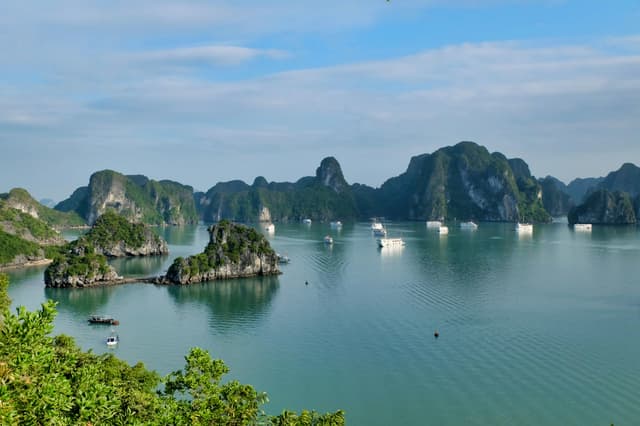
For most travellers the sweet spot in the north is October to April, when skies are clearer and humidity drops. If a Ha Long Bay cruise is on your list, these drier, calmer months also mean better visibility and fewer weather cancellations. Our complete Ha Long Bay guide covers the seasonal detail for the bay itself.

HanoiAvg highAvg lowRain
January19 C14 CLow
April28 C21 CModerate
July33 C26 CVery high
October29 C22 CLow to moderate

Best time to visit Sapa and the northern mountains

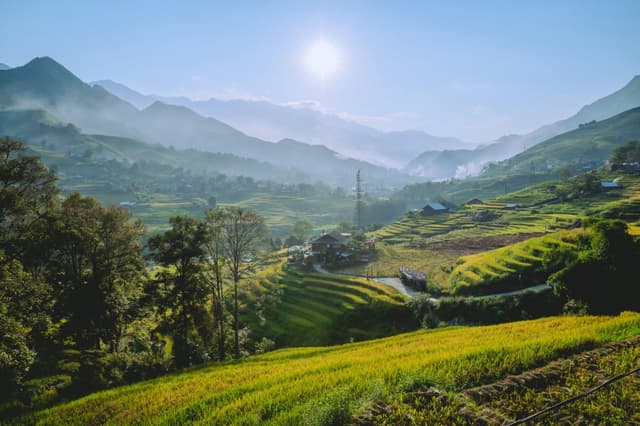
The best time for Sapa is March to May and September to November, when the trekking weather is clear and mild. Sapa sits high in the far north, so it is cooler than Hanoi year round and can be cold and foggy in deep winter. The famous rice terraces are vivid green from June to July as the crop grows, then turn golden from mid September to early October at harvest, which is the most photogenic window. Avoid the heaviest summer rain, which can make mountain trails slippery. For ideas on where else to base a northern trip, see our best places to visit in Vietnam.

Best time for the Ha Giang Loop

The best time to ride the Ha Giang Loop is September to November, when the roads are dry and the air is clear. This high mountain route near the Chinese border is at its most beautiful in autumn, and in October and November the buckwheat flowers bloom across the hillsides. The months from June to August bring the heaviest rain and a higher risk of landslides on exposed passes, so most riders avoid mid summer.

Best time for Vietnam's beaches

Beach timing does not follow the sightseeing calendar, because the coast has its own microclimates. If sun and sea are your priority, match your dates to the specific beach rather than the country as a whole.

Beach areaBest monthsWettest months
Phu Quoc (south)November to AprilJuly to September
Nha Trang (south central)January to AugustOctober to December
Da Nang and Hoi An (central)February to AugustSeptember to December

When to avoid Vietnam: typhoon and monsoon

The riskiest time to visit is the central coast from September to November, the peak typhoon and flood window. During these months storms can close Ha Long Bay to boats and put low lying streets in Hoi An under water for days. The northern summer from June to August is very hot and humid with heavy downpours, and the southern monsoon from May to October brings daily afternoon rain, though it usually clears quickly. None of these windows make travel impossible, but they shape where you should and should not focus.

Best time to visit Vietnam for fewer crowds and lower prices

For the best mix of decent weather, thin crowds and softer prices, travel in the shoulder months and avoid Tet. Peak season across the north and south runs from November to April, and prices and crowds rise sharply around the Lunar New Year and the July to August domestic holiday. The wetter shoulder weeks reward flexible travellers with greener landscapes and lower rates.

SeasonMonthsWhat to expect
High seasonNovember to April (north and south)Best weather, highest prices and crowds
ShoulderMay and OctoberWarm, some rain, good value
Low seasonJune to SeptemberHot and wet, lowest prices, fewer visitors

Vietnam festival calendar beyond Tet

Timing your trip to a festival adds a lot, as long as you plan around the closures that come with the biggest ones.

FestivalWhenWhere
Tet, Lunar New YearLate January or FebruaryNationwide, many closures
Hue FestivalAround April (biennial)Hue
Reunification Day30 AprilNationwide
Mid Autumn FestivalSeptember or OctoberNationwide, lively in Hoi An
Hoi An full moon lantern nightMonthly full moonHoi An old town

For the lantern night specifically, see our guide to the Hoi An Lantern Festival, and if you are weighing two countries, our Vietnam or Thailand comparison helps you choose.

Month by month across the whole country

MonthNorthCentralSouthVerdict
JanuaryCool, dryCool, some rainDry, warmGood, pack layers for the north
FebruaryMild, dryDry, pleasantDry, warmExcellent
MarchMild, dryWarm, dryHot, dryExcellent
AprilWarmWarm, dryVery hotExcellent
MayHot, humidBeach season startsWet season beginsMixed
June to AugustHot, wettestHot, good beachesAfternoon stormsBest for central beaches only
SeptemberCoolingStorms beginWetNorth good, avoid the centre
OctoberClear, comfortableWettest, typhoon riskWet easingNorth excellent, centre poor
NovemberCool, dryRain easingDry returnsVery good overall
DecemberCool, dryCooler showersDry, warmGood, north and south

What to pack by region and season

  • North in winter (December to February): a warm layer and light jacket, especially for Sapa and early Ha Long mornings.
  • Central and south in the dry season: light breathable clothing, sun protection and a hat.
  • Any region in the wet months: a compact rain shell and quick dry footwear.
  • Year round: modest cover for temples and pagodas, and a refillable water bottle.

Quick planning comparison

If your priority isTravel inWhy
One trip, all three regionsMarch, April, NovemberBest countrywide balance
Ha Long Bay cruisingOctober to AprilClearer skies, calmer water
Central beaches and Hoi AnFebruary to MayDry and warm before storms
Sapa trekking and rice terracesMarch to May, September to NovemberClear trails, green or golden fields
Mekong Delta and Phu QuocDecember to AprilSouthern dry season
Lowest crowds and pricesShoulder months, avoid TetFewer travellers, softer rates

Prefer a trip where hotels, transfers and tours are already arranged? Browse Vietnam holiday packages to see how the pieces fit together.

Frequently asked questions

What is the overall best time to visit Vietnam?

The best time to visit Vietnam is March, April and November, when the north, centre and south usually enjoy dry, warm weather at the same time.

When is the rainy season in Vietnam?

The rainy season in Vietnam varies by region: the south is wet from May to November, the north is wettest from May to August, and central Vietnam has its heaviest rain and typhoon risk from September to November.

What is the hottest month in Vietnam?

April and May are the hottest months in Vietnam, especially in the central and southern regions, where daytime highs regularly reach the mid thirties Celsius.

Is Vietnam good to visit in December?

December is a good time to visit Vietnam, particularly the north and south, which are cool to warm and dry. Central Vietnam can still see cooler showers as its rainy season eases.

How many days do you need in Vietnam?

Most first time visitors need about 10 to 14 days to cover the north, centre and south without rushing. A single region can be enjoyed comfortably in 4 to 6 days.

What is the cheapest time to visit Vietnam?

The cheapest time to visit Vietnam is the shoulder and low season, outside Tet and the July to August domestic peak, when demand and prices dip.

When should I avoid central Vietnam?

Avoid central Vietnam from September to November, its heaviest rain and main typhoon window, when low lying parts of Hoi An can flood.

Keep planning with our Vietnam Travel Guide, the best places to visit in Vietnam, our Ha Long Bay guide, things to do in Da Nang, and Son Doong, the world's largest cave.

Sources: regional weather windows and monthly patterns cross checked against Rough Guides, Intrepid Travel and Vietnam Tourism. Temperature figures are typical seasonal averages and vary year to year.

Frequently asked questions about the best time to visit Vietnam

When is the overall best time to visit Vietnam?

The best time to visit Vietnam is March, April and November, when the north, centre and south all tend to be dry and warm at the same time. These months give the most reliable weather across the whole country in one trip.

Is Vietnam a good trip around Dashain and Tihar?

Vietnam works well around the Dashain and Tihar break, but choose your region carefully. The north, including Hanoi, Ha Long Bay and Sapa, is excellent by late October and November, while central Vietnam is still in its typhoon and flood season, so lean towards the north rather than Hoi An in that window.

When is the rainy and typhoon season in Vietnam?

The timing varies by region. The south is wet from May to November, the north is wettest from May to August, and central Vietnam has its heaviest rain and highest typhoon risk from September to November.

When should I avoid central Vietnam like Hoi An and Da Nang?

Avoid central Vietnam from September to November, its heaviest rain and main typhoon window. During these months low lying parts of Hoi An can flood for days and storms can close Ha Long Bay to boats.

Is December a good time to visit Vietnam?

December is a good time to visit Vietnam, especially the north and south, which stay cool to warm and dry. Central Vietnam can still see cooler showers as its rainy season eases, so pack a light rain shell for that stretch.

When is the cheapest and least crowded time to visit Vietnam?

The best value comes in the shoulder and low season, outside Tet and the July to August domestic holiday peak, when demand eases. You trade some rain for greener landscapes, thinner crowds and softer rates.

Tags
Vietnam
Share
G
Gomayu Team
Writer at Gomayu
Keep reading
Blog / Vietnam
Best Time to Visit Vietnam: A Month by Month Weather Guide
10 min read 05 Aug 2026 · Updated 21 Aug 2026
Best Time to Visit Vietnam: A Month by Month Weather Guide

Updated August 2026

The best time to visit Vietnam is March, April and November, when the north, centre and south all tend to be dry and warm at once. Vietnam stretches more than 1,600 kilometres from north to south, so it does not have one climate. It has three, and they rarely line up. A week that is warm and dry in Ho Chi Minh City can be grey and drizzly in Hanoi and firmly inside typhoon season in Hoi An. Choosing when to go is really about choosing which regions matter most for your trip, then matching your dates to those regions.

Key takeaways

  • March, April and November are the safest countrywide months.
  • The north (Hanoi, Ha Long Bay, Sapa) is best from October to April.
  • Central Vietnam (Hue, Da Nang, Hoi An) is best from February to May, and floods from September to November.
  • The south (Ho Chi Minh City, Mekong, Phu Quoc) is best from December to April.
  • April and May are the hottest months; the central coast typhoon season runs September to November.

The short answer

If you want the easiest overall window across the whole country, aim for March, April, November and early December. These months give the best balance across all three regions, with warm days, lower rainfall and comfortable humidity in most places at once. If you can only travel in summer, focus on the north and skip the central coast, where the rain and storms peak later in the year.

Rule of thumb: north and south share a rough dry season from roughly November to April, while central Vietnam runs on its own calendar and is wettest from September to December.

Explore Vietnam tour packages
View all →

Vietnam's three climate regions at a glance

RegionKey placesBest monthsMonths to avoid
NorthHanoi, Ha Long Bay, Sapa, Ninh BinhOctober to AprilMay to August
CentralHue, Da Nang, Hoi AnFebruary to MaySeptember to November
SouthHo Chi Minh City, Mekong Delta, Phu QuocDecember to AprilJune to September

Northern Vietnam: Hanoi, Ha Long Bay and Sapa

The north has four loose seasons rather than a simple wet and dry split. Winter, from December to February, is cool and dry, and overnight temperatures in Hanoi can fall to single digits Celsius during winter cold spells. Spring, from March to April, is mild and one of the loveliest times to be in the region. Summer, from May to August, is hot, sticky and the wettest part of the year. Autumn, from September to November, returns clear skies and comfortable warmth.

For most travellers the sweet spot in the north is October to April, when skies are clearer and humidity drops. If a Ha Long Bay cruise is on your list, these drier, calmer months also mean better visibility and fewer weather cancellations. Our complete Ha Long Bay guide covers the seasonal detail for the bay itself.

HanoiAvg highAvg lowRain
January19 C14 CLow
April28 C21 CModerate
July33 C26 CVery high
October29 C22 CLow to moderate

Best time to visit Sapa and the northern mountains

The best time for Sapa is March to May and September to November, when the trekking weather is clear and mild. Sapa sits high in the far north, so it is cooler than Hanoi year round and can be cold and foggy in deep winter. The famous rice terraces are vivid green from June to July as the crop grows, then turn golden from mid September to early October at harvest, which is the most photogenic window. Avoid the heaviest summer rain, which can make mountain trails slippery. For ideas on where else to base a northern trip, see our best places to visit in Vietnam.

Best time for the Ha Giang Loop

The best time to ride the Ha Giang Loop is September to November, when the roads are dry and the air is clear. This high mountain route near the Chinese border is at its most beautiful in autumn, and in October and November the buckwheat flowers bloom across the hillsides. The months from June to August bring the heaviest rain and a higher risk of landslides on exposed passes, so most riders avoid mid summer.

Best time for Vietnam's beaches

Beach timing does not follow the sightseeing calendar, because the coast has its own microclimates. If sun and sea are your priority, match your dates to the specific beach rather than the country as a whole.

Beach areaBest monthsWettest months
Phu Quoc (south)November to AprilJuly to September
Nha Trang (south central)January to AugustOctober to December
Da Nang and Hoi An (central)February to AugustSeptember to December

When to avoid Vietnam: typhoon and monsoon

The riskiest time to visit is the central coast from September to November, the peak typhoon and flood window. During these months storms can close Ha Long Bay to boats and put low lying streets in Hoi An under water for days. The northern summer from June to August is very hot and humid with heavy downpours, and the southern monsoon from May to October brings daily afternoon rain, though it usually clears quickly. None of these windows make travel impossible, but they shape where you should and should not focus.

Best time to visit Vietnam for fewer crowds and lower prices

For the best mix of decent weather, thin crowds and softer prices, travel in the shoulder months and avoid Tet. Peak season across the north and south runs from November to April, and prices and crowds rise sharply around the Lunar New Year and the July to August domestic holiday. The wetter shoulder weeks reward flexible travellers with greener landscapes and lower rates.

SeasonMonthsWhat to expect
High seasonNovember to April (north and south)Best weather, highest prices and crowds
ShoulderMay and OctoberWarm, some rain, good value
Low seasonJune to SeptemberHot and wet, lowest prices, fewer visitors

Vietnam festival calendar beyond Tet

Timing your trip to a festival adds a lot, as long as you plan around the closures that come with the biggest ones.

FestivalWhenWhere
Tet, Lunar New YearLate January or FebruaryNationwide, many closures
Hue FestivalAround April (biennial)Hue
Reunification Day30 AprilNationwide
Mid Autumn FestivalSeptember or OctoberNationwide, lively in Hoi An
Hoi An full moon lantern nightMonthly full moonHoi An old town

For the lantern night specifically, see our guide to the Hoi An Lantern Festival, and if you are weighing two countries, our Vietnam or Thailand comparison helps you choose.

Month by month across the whole country

MonthNorthCentralSouthVerdict
JanuaryCool, dryCool, some rainDry, warmGood, pack layers for the north
FebruaryMild, dryDry, pleasantDry, warmExcellent
MarchMild, dryWarm, dryHot, dryExcellent
AprilWarmWarm, dryVery hotExcellent
MayHot, humidBeach season startsWet season beginsMixed
June to AugustHot, wettestHot, good beachesAfternoon stormsBest for central beaches only
SeptemberCoolingStorms beginWetNorth good, avoid the centre
OctoberClear, comfortableWettest, typhoon riskWet easingNorth excellent, centre poor
NovemberCool, dryRain easingDry returnsVery good overall
DecemberCool, dryCooler showersDry, warmGood, north and south

What to pack by region and season

  • North in winter (December to February): a warm layer and light jacket, especially for Sapa and early Ha Long mornings.
  • Central and south in the dry season: light breathable clothing, sun protection and a hat.
  • Any region in the wet months: a compact rain shell and quick dry footwear.
  • Year round: modest cover for temples and pagodas, and a refillable water bottle.

Quick planning comparison

If your priority isTravel inWhy
One trip, all three regionsMarch, April, NovemberBest countrywide balance
Ha Long Bay cruisingOctober to AprilClearer skies, calmer water
Central beaches and Hoi AnFebruary to MayDry and warm before storms
Sapa trekking and rice terracesMarch to May, September to NovemberClear trails, green or golden fields
Mekong Delta and Phu QuocDecember to AprilSouthern dry season
Lowest crowds and pricesShoulder months, avoid TetFewer travellers, softer rates

Prefer a trip where hotels, transfers and tours are already arranged? Browse Vietnam holiday packages to see how the pieces fit together.

Frequently asked questions

What is the overall best time to visit Vietnam?

The best time to visit Vietnam is March, April and November, when the north, centre and south usually enjoy dry, warm weather at the same time.

When is the rainy season in Vietnam?

The rainy season in Vietnam varies by region: the south is wet from May to November, the north is wettest from May to August, and central Vietnam has its heaviest rain and typhoon risk from September to November.

What is the hottest month in Vietnam?

April and May are the hottest months in Vietnam, especially in the central and southern regions, where daytime highs regularly reach the mid thirties Celsius.

Is Vietnam good to visit in December?

December is a good time to visit Vietnam, particularly the north and south, which are cool to warm and dry. Central Vietnam can still see cooler showers as its rainy season eases.

How many days do you need in Vietnam?

Most first time visitors need about 10 to 14 days to cover the north, centre and south without rushing. A single region can be enjoyed comfortably in 4 to 6 days.

What is the cheapest time to visit Vietnam?

The cheapest time to visit Vietnam is the shoulder and low season, outside Tet and the July to August domestic peak, when demand and prices dip.

When should I avoid central Vietnam?

Avoid central Vietnam from September to November, its heaviest rain and main typhoon window, when low lying parts of Hoi An can flood.

Keep planning with our Vietnam Travel Guide, the best places to visit in Vietnam, our Ha Long Bay guide, things to do in Da Nang, and Son Doong, the world's largest cave.

Sources: regional weather windows and monthly patterns cross checked against Rough Guides, Intrepid Travel and Vietnam Tourism. Temperature figures are typical seasonal averages and vary year to year.

Frequently asked questions about the best time to visit Vietnam

When is the overall best time to visit Vietnam?

The best time to visit Vietnam is March, April and November, when the north, centre and south all tend to be dry and warm at the same time. These months give the most reliable weather across the whole country in one trip.

Is Vietnam a good trip around Dashain and Tihar?

Vietnam works well around the Dashain and Tihar break, but choose your region carefully. The north, including Hanoi, Ha Long Bay and Sapa, is excellent by late October and November, while central Vietnam is still in its typhoon and flood season, so lean towards the north rather than Hoi An in that window.

When is the rainy and typhoon season in Vietnam?

The timing varies by region. The south is wet from May to November, the north is wettest from May to August, and central Vietnam has its heaviest rain and highest typhoon risk from September to November.

When should I avoid central Vietnam like Hoi An and Da Nang?

Avoid central Vietnam from September to November, its heaviest rain and main typhoon window. During these months low lying parts of Hoi An can flood for days and storms can close Ha Long Bay to boats.

Is December a good time to visit Vietnam?

December is a good time to visit Vietnam, especially the north and south, which stay cool to warm and dry. Central Vietnam can still see cooler showers as its rainy season eases, so pack a light rain shell for that stretch.

When is the cheapest and least crowded time to visit Vietnam?

The best value comes in the shoulder and low season, outside Tet and the July to August domestic holiday peak, when demand eases. You trade some rain for greener landscapes, thinner crowds and softer rates.

Tags
Vietnam
Share
G
Gomayu Team
Writer at Gomayu
Keep reading