

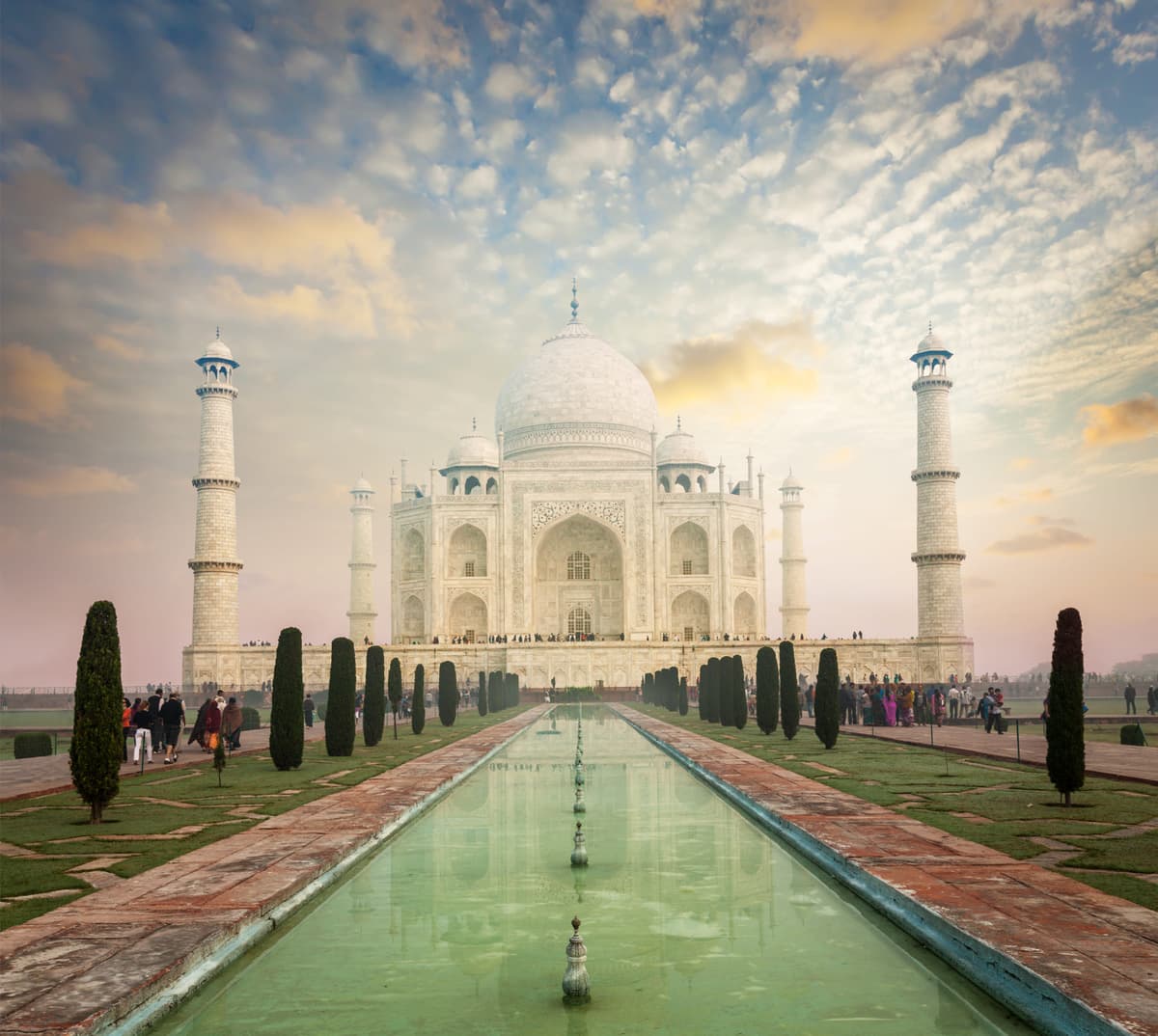



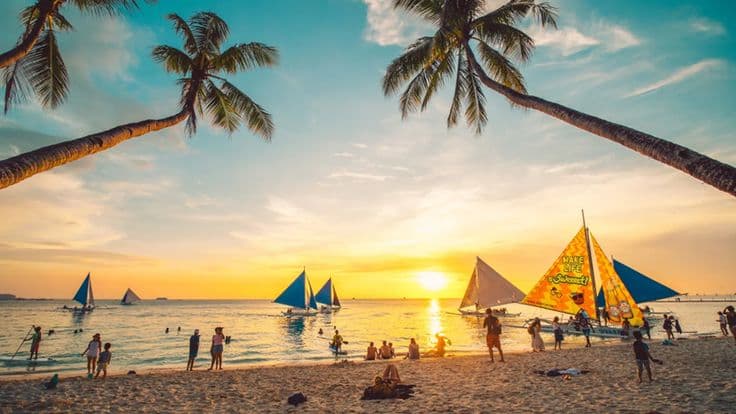
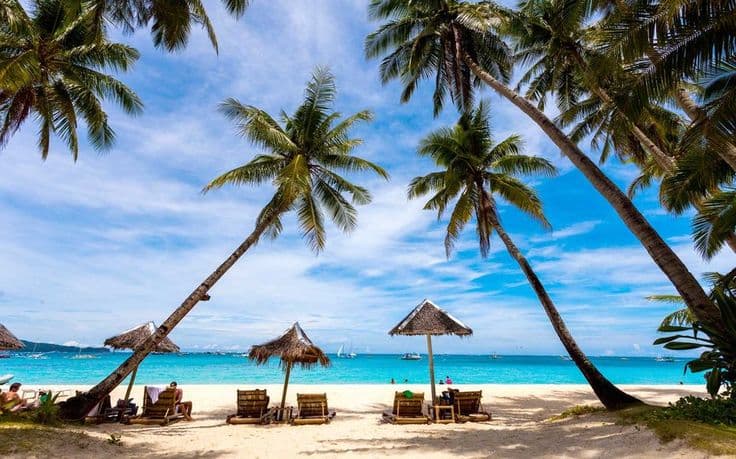
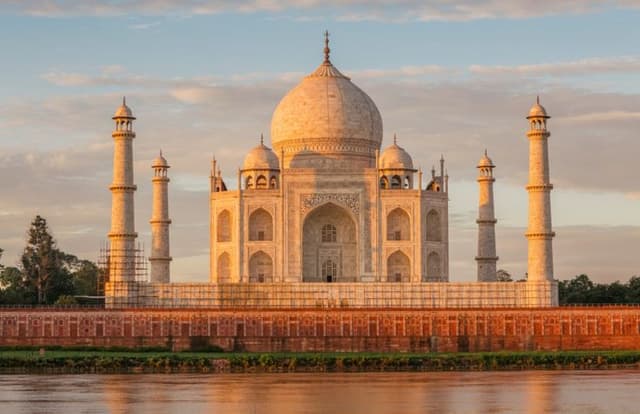
India is not a country you visit so much as one you negotiate with, fall for, and argue about on the flight home. In a single week you can watch the sun rise over the Taj Mahal, get pleasantly lost in a Rajasthani bazaar, sip filter coffee in a Kerala backwater, and eat the best meal of your life from a cart that has no name. It is vast, loud, ancient, and generous, and it rewards travellers who arrive with a plan and a sense of humour. This guide covers when to go, where to start, what it costs, how to stay safe and well, and how to turn twelve confusing options into one great trip.
Why visit India?
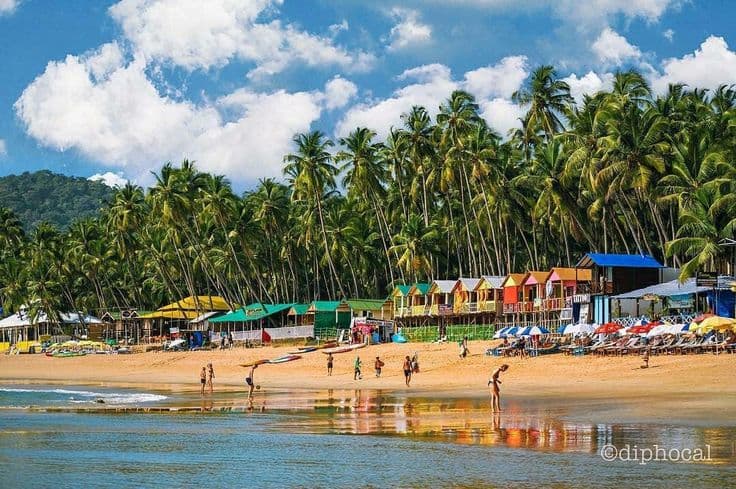
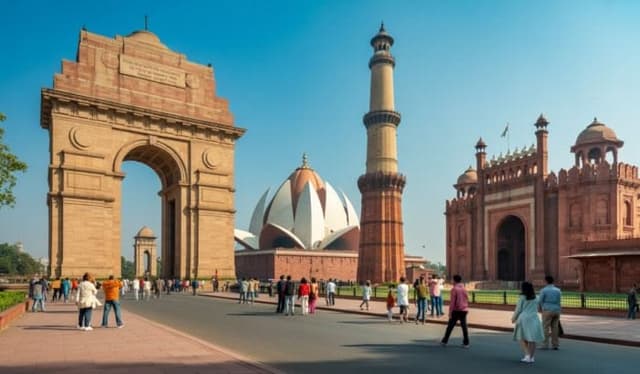
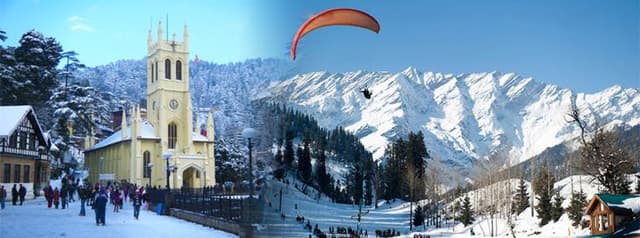
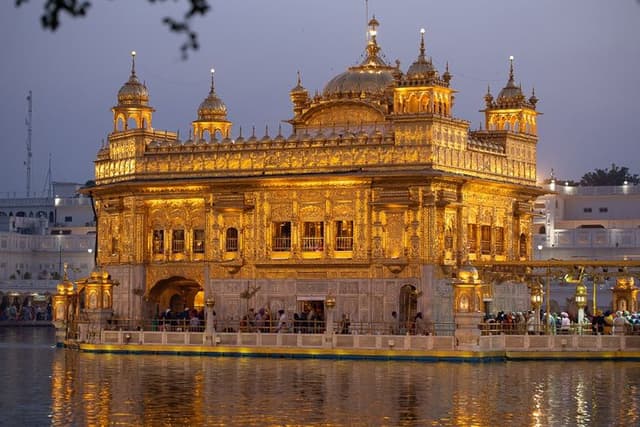
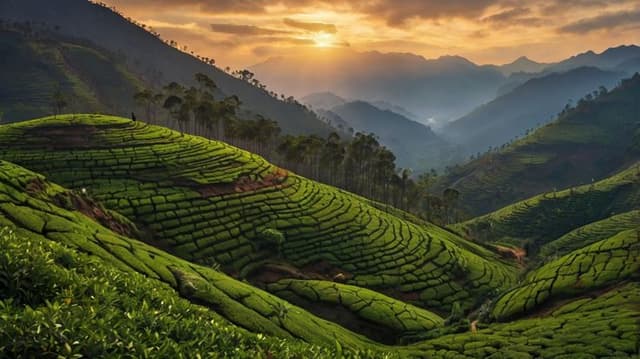
Few places pack in this much variety. India spans snow-draped Himalaya in the north, palm-fringed beaches in the south, desert forts in the west, and tea-green hills in the east. It holds more than 40 UNESCO World Heritage Sites, seven major religions living side by side, and a food culture that changes every few hundred kilometres. You come for the icons and stay for the small things: a chai vendor who remembers your order, a train window framing a thousand villages, a temple bell at dusk.
When is the best time to visit India?
India is a year-round destination, but the sweet spot for most first trips is the cool, dry season. The country runs on three broad seasons, and the right one depends on where you are headed.
| Season | Months | Best for |
|---|---|---|
| Winter (peak) | Nov to Feb | Golden Triangle, Rajasthan, most sightseeing; cool and dry |
| Summer | Mar to Jun | Himalayan hill stations, Ladakh; the plains get very hot |
| Monsoon | Jul to Sep | Lush Kerala and green landscapes; some travel disruption |
For a classic north India itinerary, aim for November to February when Delhi, Agra and Jaipur are comfortable. Head to the mountains in summer, and consider the monsoon only if you want dramatic green scenery and lower prices.

Where should you go on a first trip?
India is too big to see in one visit, so pick a region rather than trying to cover it all. Four routes suit most first-timers.
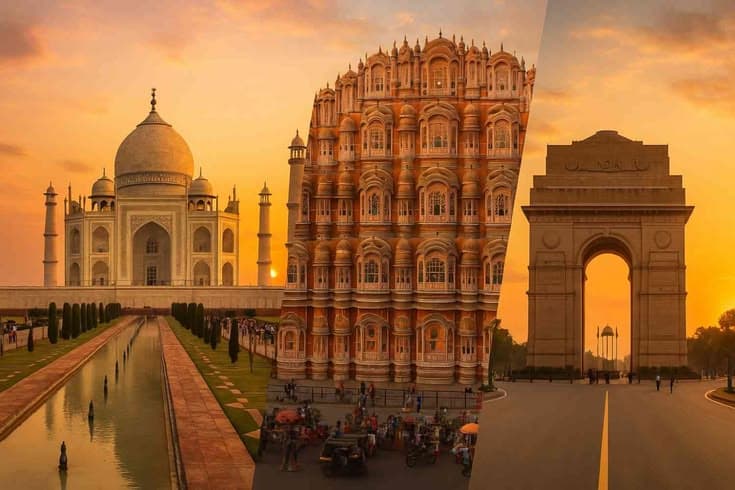
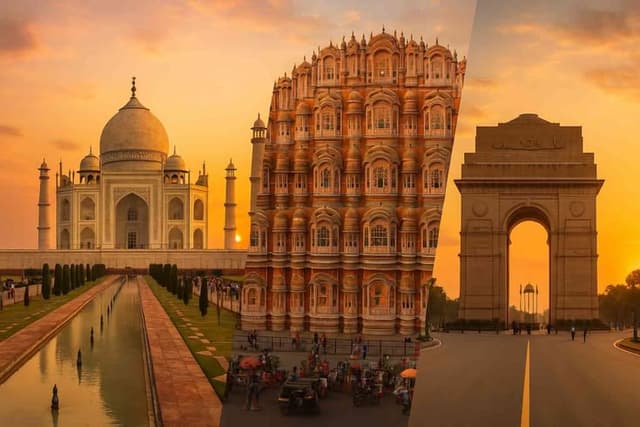
- The Golden Triangle (Delhi, Agra, Jaipur): the classic starter loop, heavy on icons and easy to arrange.
- Rajasthan: desert forts, palace hotels, camel country and the blue city of Jodhpur.
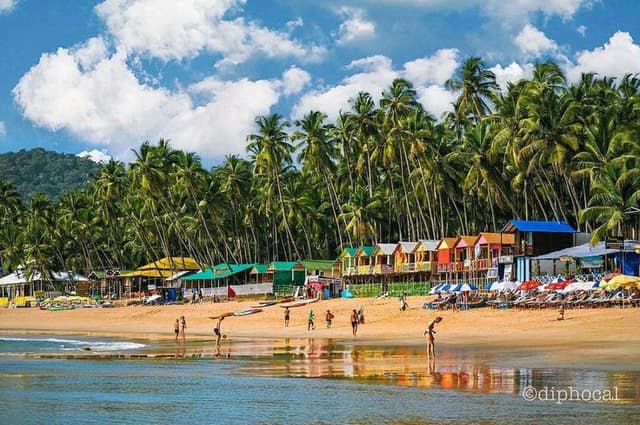
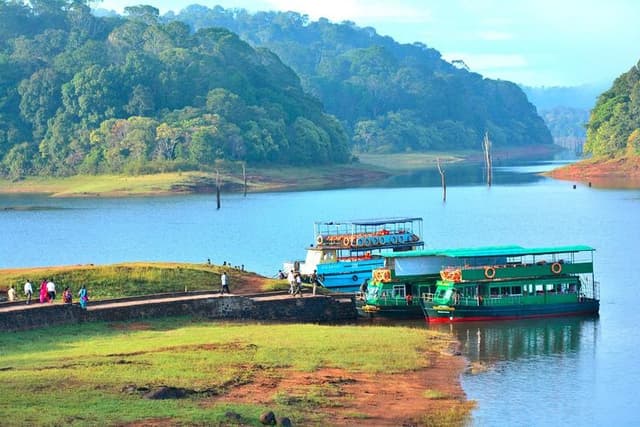
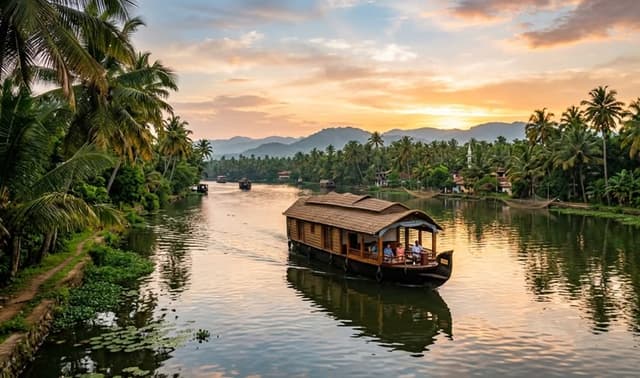
- Kerala and the south: backwaters, beaches, spice hills and a gentler pace.
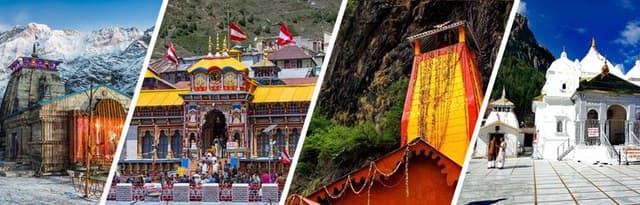
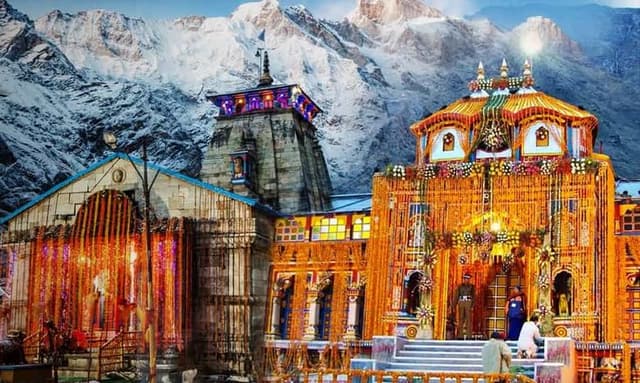
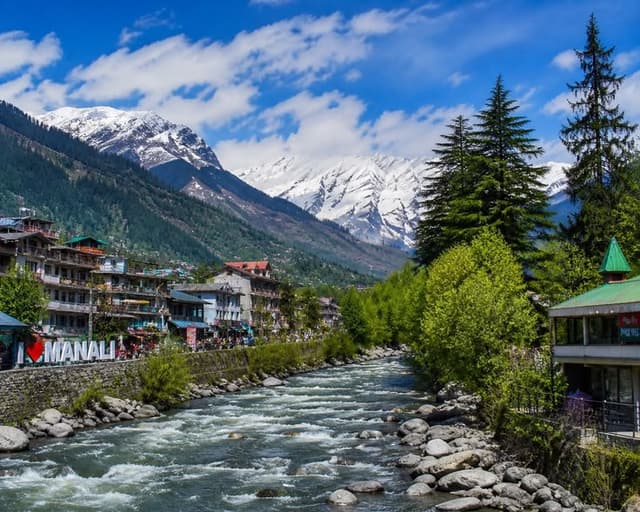
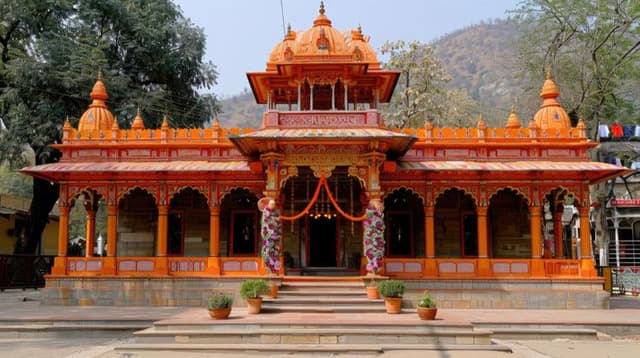
- The Himalaya: Rishikesh, Ladakh and hill towns for mountains, yoga and trekking.
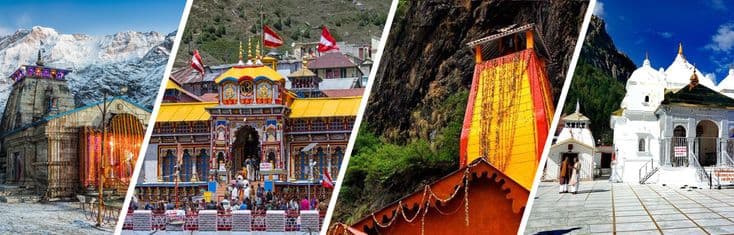
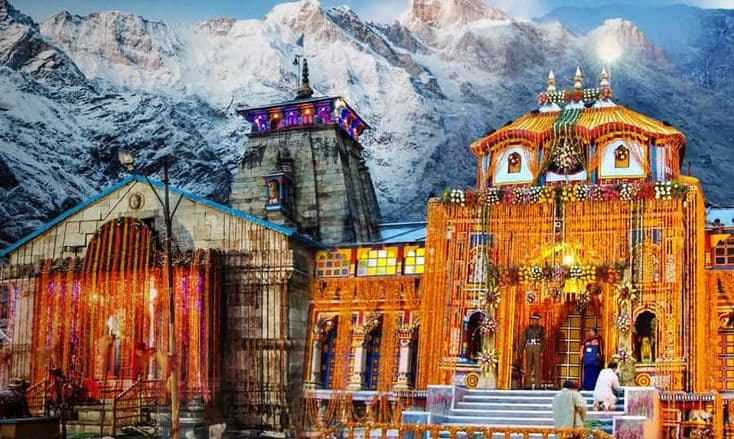
Pilgrims and mountain lovers often add a Himalayan circuit; if that is you, our Char Dham Yatra guide walks through the four-shrine route in detail.
What are India's must-see highlights?
Some sights earn the hype. The Taj Mahal in Agra is even better at sunrise than the photos suggest. Jaipur's Amber Fort, Varanasi's riverside ghats at dawn, the deserts around Jaisalmer, and Kerala's houseboat backwaters are the kind of places that reset your sense of what travel can be. Add Mumbai's colonial-era streets and Delhi's layered old city, and you have a first trip that never runs out of wonder.
What should you eat in India?
Indian food is a continent of its own, and eating well is half the reason to go. The north leans on wheat, rich gravies and tandoor breads; the south runs on rice, coconut, and lighter, spicier fare. Street food is a highlight, not a hazard, if you choose busy stalls with high turnover. From buttery dal to dosa the size of your arm, the range is dizzying. For a full breakdown of dishes to try region by region, see our guide on what to eat in India.
How much does a trip to India cost?
India can be one of the most affordable major destinations on earth, or surprisingly plush, depending on how you travel. These are rough daily figures per person, excluding international flights.
| Style | Daily budget (USD) | What it looks like |
|---|---|---|
| Budget | 25 to 40 | Guesthouses, local trains, street and thali meals |
| Mid range | 60 to 120 | Comfortable hotels, private driver days, mix of dining |
| Luxury | 250+ | Heritage palace hotels, private guides, domestic flights |
Trains are the great Indian bargain and an experience in themselves; book ahead in peak season. A private car with a driver is affordable by international standards and saves hours on complex routes.
Is India safe to visit?
Millions of travellers explore India every year without trouble, and a little street sense goes a long way. Stick to registered taxis or ride apps, agree fares before short auto-rickshaw rides, keep valuables low-key, and be firm and polite with persistent touts near big monuments. Solo women travellers should take extra care with transport at night and dress modestly at religious sites. The most common issue by far is not crime but an upset stomach, which brings us to health.
How do you stay healthy in India?
Delhi belly is avoidable more often than not. A few habits make the difference.
- Drink sealed bottled or filtered water, and skip ice you are unsure about.
- Eat at busy places where food is cooked fresh and turns over fast.
- Peel fruit yourself and favour hot, freshly cooked dishes early in the trip.
- Carry basic medicine, rehydration salts and hand sanitiser.
- See a travel clinic before you go for vaccination advice.
What practical things should you know?
A handful of basics smooth the whole trip.
| Detail | Good to know |
|---|---|
| Currency | Indian Rupee (INR); carry small notes, cards work in cities |
| SIM/data | Cheap local SIMs; buy at the airport or a branded store with ID |
| Language | Hindi and English widely used; English is common in tourism |
| Dress | Cover shoulders and knees at temples; modest dress is respected |
| Tipping | Small tips appreciated; round up and tip drivers and guides |
How should you plan your India trip?
Start with one region, match it to the right season, give yourself slightly more time than feels necessary, and build in slow days. India moves at its own speed, and the travellers who enjoy it most stop fighting that and lean in. If you would rather have the logistics handled, browse our India tour packages for ready-made routes across the Golden Triangle, Rajasthan and the south. Still weighing destinations? Our roundup of the best travel destinations puts India in context.
Frequently asked questions
How many days do you need in India?
For a first trip, 8 to 12 days lets you enjoy one region well, such as the Golden Triangle or Kerala. Trying to combine north and south in under two weeks means too much time in transit.
Do I need a visa for India?
Most nationalities need a visa, and many can apply for an e-Visa online before travel. Check the official Indian government e-Visa portal for your country's current requirements and processing time.
Is India cheap to travel in?
It can be very affordable. Budget travellers manage on 25 to 40 USD a day, while mid-range comfort runs around 60 to 120 USD a day, excluding international flights.
What is the best time to visit India?
November to February is ideal for most sightseeing across the north and Rajasthan. Visit the Himalaya in summer and Kerala outside the heaviest monsoon months.
'/%3E%3C/svg%3E)