








+977-9709047652
Explore by Country
See all 22 Thailand packages
Most popular pick
See all 22 Thailand packages
See all 11 Vietnam packages
Most popular pick
See all 11 Vietnam packages
See all 10 Indonesia (Bali) packages
Most popular pick
See all 10 Indonesia (Bali) packages
See all 4 Maldives packages
Most popular pick
See all 4 Maldives packages
See all 10 China packages
Most popular pick
See all 10 China packages
See all 2 Sri Lanka packages
Most popular pick
See all 2 Sri Lanka packages
See all 9 Malaysia packages
Most popular pick
See all 9 Malaysia packages
See all 8 Singapore packages
Most popular pick
See all 8 Singapore packages
See all 2 Kenya packages
Most popular pick
See all 2 Kenya packages
See all 16 India packages
Most popular pick
See all 16 India packages
See all 3 Dubai packages
Most popular pick
See all 3 Dubai packages
See all 6 Philippines packages
Most popular pick
See all 6 Philippines packages
Search Tours or Places
Blog / Kenya

Amboseli National Park Safari Guide: Elephants and Kilimanjaro

5 min read 16 Aug 2026 · Updated 21 Aug 2026
Amboseli National Park Safari Guide: Elephants and Kilimanjaro

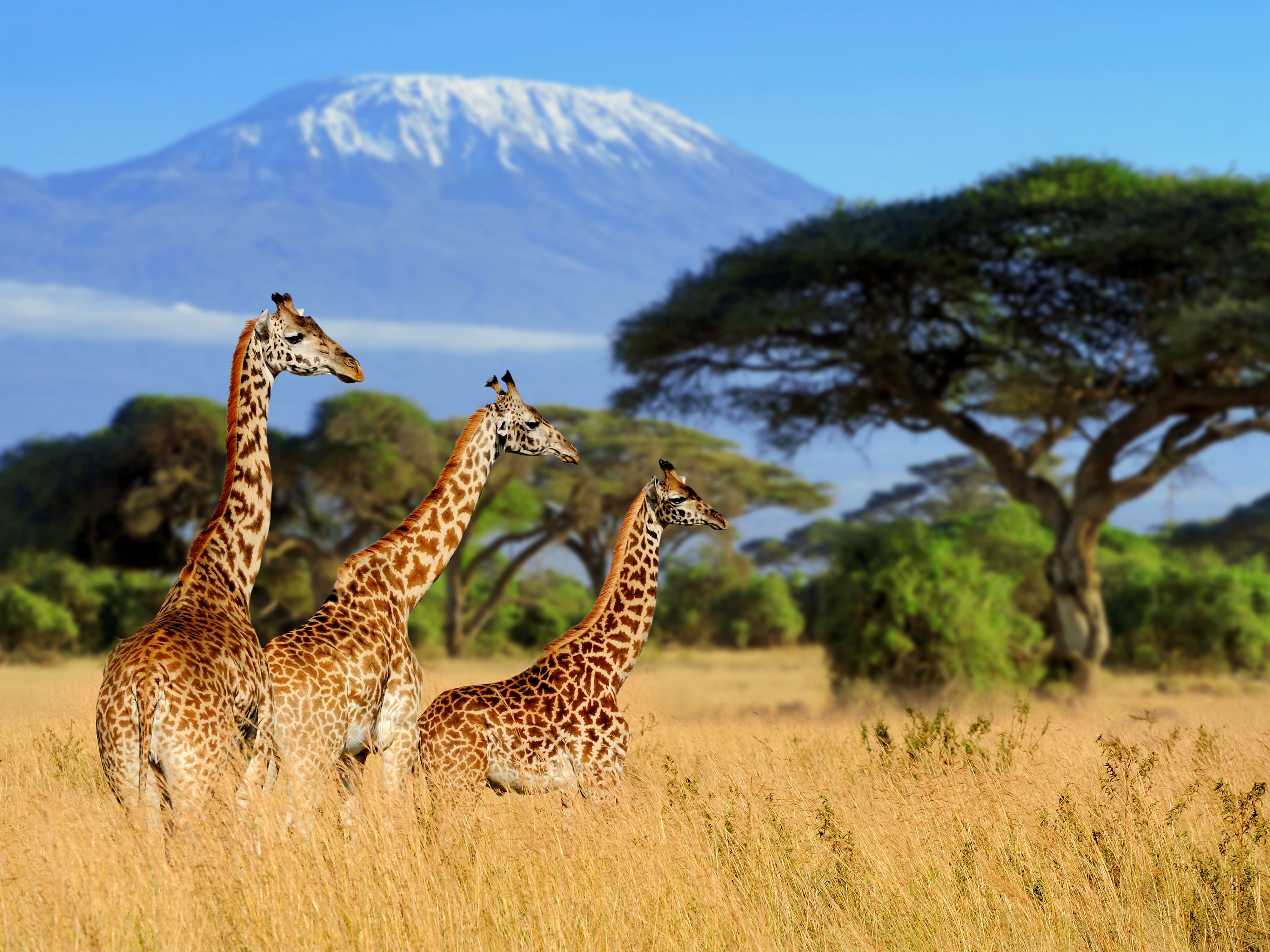
There is one photograph that sells the whole of Africa: a line of great tusked elephants crossing golden plains, and behind them the snow capped dome of Kilimanjaro. That photo is taken in Amboseli. Kenya's second most famous park after the Masai Mara is small, dusty and unforgettable, and it offers something the Mara cannot: the continent's highest mountain as a backdrop to some of its biggest elephants. This guide covers the wildlife, the best time to visit, how to get there and how long to stay.

Building a wider trip? See our Kenya travel guide and our Kenya itinerary guide for routes that combine Amboseli with the Mara.

What is Amboseli National Park?

Amboseli sits in southern Kenya, right on the Tanzanian border, and covers about 392 square kilometres at the foot of Mount Kilimanjaro. Its name comes from a Maasai word meaning salty dust, which tells you exactly what to expect: a flat, open, dry landscape where dust devils spin across the plains and wildlife is impossible to hide. Despite its modest size, the park protects a cluster of spring fed swamps that draw an extraordinary density of animals, especially in the dry months when everything gathers at the water.

Amboseli is also a UNESCO recognised Biosphere Reserve and the site of one of the longest running elephant studies in the world, begun in 1972, which is part of why its herds are so relaxed around vehicles and so well understood.

What animals will you see in Amboseli?

Amboseli is above all an elephant park, home to some of the largest and most studied herds in Africa, including a handful of rare big tuskers whose ivory almost reaches the ground. But the supporting cast is strong too.

  • Big herds of elephant, with some of the biggest tuskers left in Kenya.
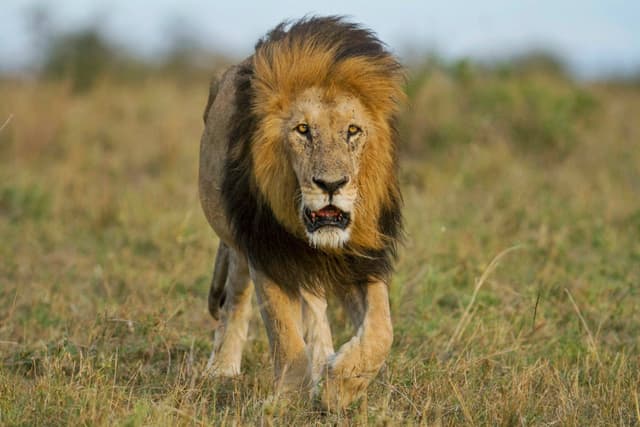
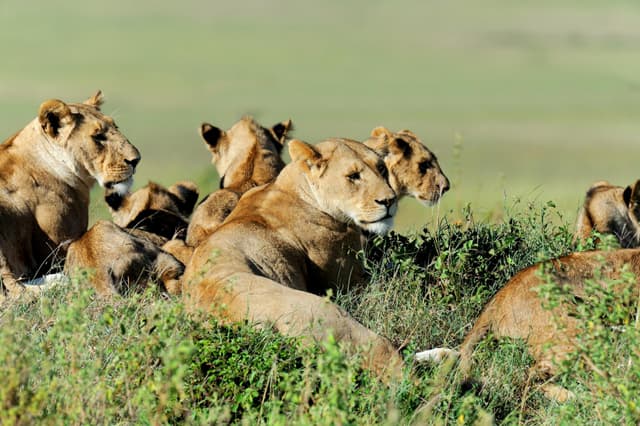
  • Lion, cheetah and spotted hyena hunting across the open plains.
  • Buffalo, giraffe, zebra and wildebeest grazing around the swamps.
  • Hippo and a wealth of water birds in the wetlands and around Lake Amboseli.
  • Over 400 bird species, from flamingos on the seasonal lake to pelicans and raptors.

One thing Amboseli lacks is rhino, and leopard are scarce here, so if the full Big Five is your goal you will want to pair it with a park like Lake Nakuru or the Mara.
Explore Kenya tour packages
View all →

When is the best time to visit Amboseli?

The dry seasons, from June to October and January to February, are best. Animals concentrate around the swamps, the dust settles, and Kilimanjaro is most likely to shrug off its cloud in the early morning and late afternoon. The long rains from April to May are the green low season, cheaper but with more cloud over the mountain.

PeriodConditionsGood to know
Jun to OctDry, easy game viewingBest overall, clearest mountain views
Jan to FebDry and warmGood wildlife, fewer crowds
Mar to MayLong rainsGreen, lowest rates, more cloud
Nov to DecShort rainsFresh scenery, good birding

How do you photograph Kilimanjaro from Amboseli?

The mountain is famously shy. It tends to hide behind cloud during the heat of the day and reveal itself at the edges, so plan your best photo attempts for the first hour after sunrise and the last hour before sunset. The classic viewpoint is Observation Hill, the only place in the park where you can get out of the vehicle and take in the whole basin, with elephants, swamps and the mountain in one frame. A little patience over two mornings is usually rewarded.

How do you get to Amboseli?

From Nairobi it is roughly a 4 hour drive of about 240 kilometres, the last stretch on rough but scenic road, or a short scheduled flight to the Amboseli airstrip. Many travellers combine Amboseli with a Masai Mara safari by flying between the two parks rather than driving the long way round, which turns a full travel day into a quick hop.

Where should you stay?

Options range from public campsites and no frills lodges inside the park to luxury tented camps in the private conservancies on its edges, such as the Kitirua and Selenkay areas. Staying in a conservancy adds night drives and walking safaris and helps fund the Maasai communities who share this land with the elephants. Inside the park, a lodge with a Kilimanjaro view and a waterhole is hard to beat for pure atmosphere.

How many days do you need in Amboseli?

Two days and one night is enough to see the elephants and catch Kilimanjaro at its clearest, since the park is compact and the wildlife is concentrated. With an extra night you can slow down, explore the swamps at dawn and dusk, and add a visit to a Maasai village. Most people fold Amboseli into a larger circuit rather than visiting it alone.

Amboseli or Masai Mara?

They complement each other rather than compete. The Mara is bigger, greener and famous for big cats and the Great Migration, while Amboseli is smaller, drier and unbeatable for elephants and mountain views. Many itineraries include both, flying between them. Our Masai Mara safari guide covers the other half of that classic pairing.

Want the parks, flights and lodges arranged together? Browse our Kenya tour packages for ready made safari itineraries.

Amboseli safari FAQ

What is Amboseli National Park famous for?

Its large elephant herds and the classic views of them against Mount Kilimanjaro. It is one of the best places in Africa to see and photograph big tusker elephants.

Can you see Kilimanjaro from Amboseli?

Yes, on clear days. The mountain is usually most visible in the early morning and late afternoon, as cloud tends to build over the summit during the day.

When is the best time to visit Amboseli?

The dry seasons, June to October and January to February, offer the easiest game viewing and the clearest mountain views.

How far is Amboseli from Nairobi?

About 240 kilometres, or roughly a 4 hour drive. A scheduled light aircraft flight to the Amboseli airstrip is quicker.

How many days do you need in Amboseli?

Two days and one night covers the highlights. Add a night if you want a slower pace or a cultural visit to a Maasai village.

Can you see the Big Five in Amboseli?

Not quite. Elephant, lion and buffalo are common, but rhino are absent and leopard are rare, so pair Amboseli with a park like Lake Nakuru or the Mara for the full set.
Is Amboseli good for families?

Tags
KenyaAmboseliSafariNational ParkElephants
Share
G
Gomayu Team
Writer at Gomayu
Keep reading
Blog / Kenya
Amboseli National Park Safari Guide: Elephants and Kilimanjaro
5 min read 16 Aug 2026 · Updated 21 Aug 2026
Amboseli National Park Safari Guide: Elephants and Kilimanjaro

There is one photograph that sells the whole of Africa: a line of great tusked elephants crossing golden plains, and behind them the snow capped dome of Kilimanjaro. That photo is taken in Amboseli. Kenya's second most famous park after the Masai Mara is small, dusty and unforgettable, and it offers something the Mara cannot: the continent's highest mountain as a backdrop to some of its biggest elephants. This guide covers the wildlife, the best time to visit, how to get there and how long to stay.

Building a wider trip? See our Kenya travel guide and our Kenya itinerary guide for routes that combine Amboseli with the Mara.

What is Amboseli National Park?

Amboseli sits in southern Kenya, right on the Tanzanian border, and covers about 392 square kilometres at the foot of Mount Kilimanjaro. Its name comes from a Maasai word meaning salty dust, which tells you exactly what to expect: a flat, open, dry landscape where dust devils spin across the plains and wildlife is impossible to hide. Despite its modest size, the park protects a cluster of spring fed swamps that draw an extraordinary density of animals, especially in the dry months when everything gathers at the water.

Amboseli is also a UNESCO recognised Biosphere Reserve and the site of one of the longest running elephant studies in the world, begun in 1972, which is part of why its herds are so relaxed around vehicles and so well understood.

What animals will you see in Amboseli?

Amboseli is above all an elephant park, home to some of the largest and most studied herds in Africa, including a handful of rare big tuskers whose ivory almost reaches the ground. But the supporting cast is strong too.

  • Big herds of elephant, with some of the biggest tuskers left in Kenya.
  • Lion, cheetah and spotted hyena hunting across the open plains.
  • Buffalo, giraffe, zebra and wildebeest grazing around the swamps.
  • Hippo and a wealth of water birds in the wetlands and around Lake Amboseli.
  • Over 400 bird species, from flamingos on the seasonal lake to pelicans and raptors.

One thing Amboseli lacks is rhino, and leopard are scarce here, so if the full Big Five is your goal you will want to pair it with a park like Lake Nakuru or the Mara.

Explore Kenya tour packages
View all →

When is the best time to visit Amboseli?

The dry seasons, from June to October and January to February, are best. Animals concentrate around the swamps, the dust settles, and Kilimanjaro is most likely to shrug off its cloud in the early morning and late afternoon. The long rains from April to May are the green low season, cheaper but with more cloud over the mountain.

PeriodConditionsGood to know
Jun to OctDry, easy game viewingBest overall, clearest mountain views
Jan to FebDry and warmGood wildlife, fewer crowds
Mar to MayLong rainsGreen, lowest rates, more cloud
Nov to DecShort rainsFresh scenery, good birding

How do you photograph Kilimanjaro from Amboseli?

The mountain is famously shy. It tends to hide behind cloud during the heat of the day and reveal itself at the edges, so plan your best photo attempts for the first hour after sunrise and the last hour before sunset. The classic viewpoint is Observation Hill, the only place in the park where you can get out of the vehicle and take in the whole basin, with elephants, swamps and the mountain in one frame. A little patience over two mornings is usually rewarded.

How do you get to Amboseli?

From Nairobi it is roughly a 4 hour drive of about 240 kilometres, the last stretch on rough but scenic road, or a short scheduled flight to the Amboseli airstrip. Many travellers combine Amboseli with a Masai Mara safari by flying between the two parks rather than driving the long way round, which turns a full travel day into a quick hop.

Where should you stay?

Options range from public campsites and no frills lodges inside the park to luxury tented camps in the private conservancies on its edges, such as the Kitirua and Selenkay areas. Staying in a conservancy adds night drives and walking safaris and helps fund the Maasai communities who share this land with the elephants. Inside the park, a lodge with a Kilimanjaro view and a waterhole is hard to beat for pure atmosphere.

How many days do you need in Amboseli?

Two days and one night is enough to see the elephants and catch Kilimanjaro at its clearest, since the park is compact and the wildlife is concentrated. With an extra night you can slow down, explore the swamps at dawn and dusk, and add a visit to a Maasai village. Most people fold Amboseli into a larger circuit rather than visiting it alone.

Amboseli or Masai Mara?

They complement each other rather than compete. The Mara is bigger, greener and famous for big cats and the Great Migration, while Amboseli is smaller, drier and unbeatable for elephants and mountain views. Many itineraries include both, flying between them. Our Masai Mara safari guide covers the other half of that classic pairing.

Want the parks, flights and lodges arranged together? Browse our Kenya tour packages for ready made safari itineraries.

Amboseli safari FAQ

What is Amboseli National Park famous for?

Its large elephant herds and the classic views of them against Mount Kilimanjaro. It is one of the best places in Africa to see and photograph big tusker elephants.

Can you see Kilimanjaro from Amboseli?

Yes, on clear days. The mountain is usually most visible in the early morning and late afternoon, as cloud tends to build over the summit during the day.

When is the best time to visit Amboseli?

The dry seasons, June to October and January to February, offer the easiest game viewing and the clearest mountain views.

How far is Amboseli from Nairobi?

About 240 kilometres, or roughly a 4 hour drive. A scheduled light aircraft flight to the Amboseli airstrip is quicker.

How many days do you need in Amboseli?

Two days and one night covers the highlights. Add a night if you want a slower pace or a cultural visit to a Maasai village.

Can you see the Big Five in Amboseli?

Not quite. Elephant, lion and buffalo are common, but rhino are absent and leopard are rare, so pair Amboseli with a park like Lake Nakuru or the Mara for the full set.

Is Amboseli good for families?

Tags
KenyaAmboseliSafariNational ParkElephants
Share
G
Gomayu Team
Writer at Gomayu
Keep reading