












































+977-9709047652
Explore by Country
See all 22 Thailand packages
Most popular pick
See all 22 Thailand packages →
See all 11 Vietnam packages
Most popular pick
See all 11 Vietnam packages →
See all 10 Indonesia (Bali) packages
Most popular pick
See all 10 Indonesia (Bali) packages →
See all 7 Maldives packages
Most popular pick
See all 7 Maldives packages →
See all 10 China packages
Most popular pick
See all 10 China packages →
See all 13 Sri Lanka packages
Most popular pick
See all 13 Sri Lanka packages →
See all 9 Malaysia packages
Most popular pick
See all 9 Malaysia packages →
See all 8 Singapore packages
Most popular pick
See all 8 Singapore packages →
See all 2 Kenya packages
Most popular pick
See all 2 Kenya packages →
See all 16 India packages
Most popular pick
See all 16 India packages →
See all 3 Dubai packages
Most popular pick
See all 3 Dubai packages →
See all 7 Nepal packages
Most popular pick
See all 7 Nepal packages →
See all 6 Philippines packages
Most popular pick
See all 6 Philippines packages →
Search Tours or Places
Blog / Singapore

Dos and Don'ts in Singapore: Laws, Fines & Etiquette

17 min read 24 Aug 2026 · Updated 04 Oct 2026
Dos and Don'ts in Singapore: Laws, Fines & Etiquette

Singapore is famously clean, orderly and safe, and the single most useful thing a visitor can do is respect its strict laws and fines. Do not litter, chew imported gum, vape, jaywalk or eat and drink on the MRT, because each of these carries a real penalty. Beyond the rules, the etiquette is easy: queue patiently, clear your own tray at hawker centres, dress for the heat, and treat the city's many cultures with respect. This guide is a complete, practical rundown of the dos and don'ts that keep a Singapore trip smooth, friendly and fine-free.

Why does Singapore have so many rules?

Singapore's reputation for order is not an accident; it is the product of decades of deliberate policy that turned a small, dense city-state into one of the cleanest and safest places in the world. Laws on littering, smoking, chewing gum and public behaviour are enforced with fines rather than warnings, and that consistency is exactly why the streets, trains and parks are so pristine.

For visitors, this is good news. The same rules that can feel strict on paper make the city extremely comfortable in practice: low crime, spotless public transport, safe streets late at night, and clean public spaces everywhere. Understanding the rules is less about fear of fines and more about slotting easily into how the city works.

What are the main dos in Singapore?

A handful of good habits will make you feel like a considerate local rather than a lost tourist. None of them are difficult, and most simply mirror the courtesy Singaporeans show each other.

  • Use the clean, efficient MRT and buses to get around, tapping in with a contactless card or the SimplyGo system.
  • Queue patiently and in an orderly line, as Singaporeans strongly value order and fairness.
  • Try the hawker centres, and clear your own tray into the return racks after eating.
  • Carry water and dress in light, breathable clothing for the heat and humidity.
  • Remove your shoes before entering homes, mosques and some temples, and dress modestly at places of worship.
  • Use your right hand when giving or receiving items, which is polite across the city's cultures.
  • Learn a few local terms; a friendly "can" or "lah" and a smile go a long way.

Explore Singapore tour packages
View all →

What should you not do in Singapore?

Many small actions that pass unnoticed elsewhere carry fines in Singapore, so it pays to know them before you arrive. The list below covers the ones tourists most often trip over.

  • Do not litter or spit, both of which bring heavy on-the-spot fines and, for repeat offenders, corrective work orders.
  • Do not eat or drink on the MRT or buses, and never bring durians on board.
  • Do not jaywalk; cross only at marked crossings and with the signals.
  • Do not smoke outside designated smoking areas, and never vape, which is banned outright.
  • Do not chew or import chewing gum for sale; its sale is prohibited in Singapore.
  • Do not feed pigeons or monkeys, which also carries a fine.
  • Do not touch someone's head or point with your feet, which are considered rude across local cultures.

What are Singapore's strictest laws?

Singapore enforces its laws firmly, and a few carry consequences far more serious than a fine. Knowing these keeps your trip stress-free and, in the most serious cases, keeps you out of grave trouble.

The sale of chewing gum is banned, littering and vaping carry large fines, and vandalism, including graffiti, is treated very seriously. By far the most important to understand is that drug offences carry extremely severe penalties, up to and including the death penalty for trafficking, so never carry, hold or transport anything questionable for anyone. Overstaying a visa and working without a permit are also treated strictly. For the vast majority of visitors none of this is a concern, but the seriousness is worth respecting.

What are the fines you can actually get?

Because Singapore relies on fines to keep order, it helps to know which everyday slips carry a penalty. The table below summarises the ones most relevant to travellers.

ActionStatus
Littering or spittingOn-the-spot fine, higher for repeat offences
Eating or drinking on the MRTFine
JaywalkingFine
Smoking outside designated areasFine
Vaping or possessing e-cigarettesBanned; fine and confiscation
Selling or importing chewing gumProhibited
Not flushing a public toiletFine (rarely enforced but on the books)

The figures change over time and are set by the authorities, so treat posted signs as the final word. The practical point is simple: follow the signs and you will never see a fine.

What are the rules on the MRT?

The MRT is spotless precisely because eating, drinking and smoking are all banned on trains and in stations, with fines for breaking the rules. Durians, prized locally but pungent, are also not allowed on board.

Beyond the fines, everyday courtesy keeps the system pleasant for everyone. Give up the priority seats to those who need them, let passengers exit before you board, stand on the correct side of escalators, and keep phone calls and music quiet. Trains run roughly from early morning until around midnight, and tapping in with a contactless bank card or the SimplyGo system is the easiest way to pay.

What should you know about hawker centre etiquette?

Hawker centres are the heart of Singapore's food culture, and a little etiquette makes the experience better. The famous local custom of "choping" is the first thing to learn: people reserve a table by leaving a packet of tissues on it, and that packet genuinely holds the seat.

Order and pay at each individual stall rather than expecting table service, carry your own food back to your table, and when you are done, clear your tray into the return racks, which is now expected and can be fined if ignored. Sharing a table with strangers at busy times is normal and friendly. Cash is handy at older stalls, though cashless payment is increasingly common.

How should you dress and behave at temples and mosques?

Singapore is a multi-religious society, with Buddhist and Hindu temples, mosques and churches often within a short walk of each other, especially in Chinatown, Little India and Kampong Glam. Dressing and behaving respectfully at these sites is an important courtesy.

Cover your shoulders and knees, remove your shoes where signs indicate, and at mosques you may be asked to don a provided robe. Keep your voice down, ask before photographing people at worship, and step around rather than through prayer areas. These small courtesies are always appreciated and are part of travelling well in a diverse city.

Is tipping expected in Singapore?

Tipping is not part of the culture in Singapore, which surprises many first-time visitors. Restaurants often add a ten percent service charge, shown on the bill, and tipping on top is not expected at hawker centres or in taxis.

You can round up a taxi fare or leave a little for genuinely exceptional service, but it is never required and no one will chase you for it. For where to eat once you know the etiquette, see our guide to the best food in Singapore.

What cultural customs should visitors respect?

Singapore's blend of Chinese, Malay, Indian and Eurasian cultures means a little cultural awareness goes a long way. Most of it is intuitive, but a few points are worth noting.

  • Use your right hand, or both hands, when giving or receiving items, business cards or money.
  • Remove shoes before entering homes and many places of worship.
  • Dress modestly at religious sites, even in the tropical heat.
  • Avoid public displays of anger; staying calm and polite is the local norm.
  • Respect the quiet, orderly rhythm of public spaces and queues.

Is Singapore safe for tourists?

Singapore is consistently ranked among the safest cities in the world, with very low rates of violent crime and streets that feel secure even late at night. Solo travellers, families and women generally feel very comfortable here.

The same low-crime environment means your main "risks" are administrative rather than dangerous: a fine for an overlooked rule, or the tropical heat. Petty theft is uncommon by regional standards, though basic care with valuables in the busiest tourist spots is still sensible. In short, the rules that make the city strict are the very things that make it safe.

What are the rules on smoking and vaping?

Singapore takes smoking rules seriously, and vaping is banned outright, so this is one area where visitors most often slip up. Smoking is only permitted in designated smoking areas, marked with yellow boxes or signage, and is prohibited in most public indoor spaces, near bus stops, in parks and along many streets.

Vaping is a different matter entirely: the purchase, use, possession and import of e-cigarettes and vaping devices are all illegal, with fines and confiscation for offenders. Do not bring vapes into the country at all, even in checked luggage. If you smoke conventional cigarettes, look for the designated zones and never flick butts on the ground, which is treated as littering.

What are the rules on alcohol and drinking in public?

Alcohol is legal and widely available in bars, restaurants and licensed shops, but public consumption is more restricted than many visitors expect. Drinking in public places is not allowed between 10:30pm and 7am, and certain neighbourhoods, notably parts of Little India and Geylang, are designated Liquor Control Zones with tighter rules, especially at weekends.

Buying alcohol from shops is also restricted during those late-night hours. None of this affects a normal evening in a bar or restaurant, where you can drink as usual. The practical takeaway is simply to avoid cracking open cans in a park or on the street late at night, and to enjoy your drinks in licensed venues instead.

Can you take photos and use a drone in Singapore?

Photography for personal use is fine in most public places, but a few sensible limits apply. Avoid photographing military installations, and always ask before taking close-up photos of people, particularly at religious sites and of worshippers.

Drones are more tightly regulated. Recreational drones above a certain weight need registration, and flying is prohibited near airports, military areas and over crowds without a permit. If you plan to bring a drone, check the current Civil Aviation Authority of Singapore rules before you travel, as fines for breaches are significant. For most visitors, a phone or camera covers everything they want to capture.

What are the dos and don'ts for first-time visitors?

If this is your first trip, a short orientation saves you from the most common rookie mistakes. Singapore rewards travellers who arrive prepared for its rhythm.

  • Do get a contactless card or set up SimplyGo before your first MRT ride.
  • Do carry a light rain layer and an umbrella for the sudden afternoon showers.
  • Do plan indoor breaks in malls, museums or conservatories during the midday heat.
  • Don't assume tipping is expected; it is not.
  • Don't haggle in malls or hawker centres, where prices are fixed, though light bargaining is fine at markets such as Bugis Street.
  • Don't overpack your days; the heat means a relaxed pace is more enjoyable.

What is the etiquette for money, bargaining and service?

Singapore is largely a fixed-price, cashless-friendly city, which makes money etiquette simple. In malls, restaurants and hawker centres, prices are set and you pay what is shown, often with a card or e-wallet.

Light bargaining is acceptable only in a few street markets such as Bugis Street or at some electronics and souvenir shops, and even then it is gentle rather than aggressive. A ten percent service charge and government tax are usually added at restaurants, shown as a "plus plus" on menus, so factor that into the final bill. Beyond that, no tipping is expected, and pushing money on staff can even cause mild awkwardness.

How should you dress in Singapore?

Singapore is hot and humid year-round, so light, breathable clothing is the everyday norm, but a few settings call for more coverage. Matching your outfit to where you are going keeps you comfortable and respectful.

SettingWhat to wear
Everyday sightseeingLight, breathable clothes and comfortable shoes
Temples and mosquesCover shoulders and knees; remove shoes where indicated
Upscale restaurants and barsSmart casual; some rooftop bars have a dress code
Beaches and SentosaSwimwear on the beach, cover up elsewhere

Carrying a light scarf or shawl is a handy way to cover up quickly when visiting a place of worship on an otherwise casual day.

What are the dos and don'ts around the city's cultures and festivals?

Singapore's calendar is full of festivals from its Chinese, Malay, Indian and Christian communities, and a little awareness makes visiting during them a joy rather than a puzzle. Chinese New Year, Hari Raya, Deepavali and Christmas all transform different districts in turn.

During Ramadan, be considerate around those fasting, particularly in Malay areas such as Kampong Glam, and enjoy the lively evening bazaars once the fast breaks. At Deepavali, Little India lights up spectacularly. The general rule is to observe respectfully, ask before joining in, and accept the warm hospitality that visitors are usually shown. Festivals are among the best times to experience the city's diversity first-hand.

Is Singapore LGBTQ-friendly for visitors?

Singapore is a cosmopolitan, welcoming city for visitors of all backgrounds, and LGBTQ travellers generally have a comfortable, trouble-free experience, especially in the central districts with their bars, cafes and hotels. The society is diverse and international, and everyday discretion is the norm for everyone rather than a special rule.

As with public displays of affection generally, a restrained approach in more traditional or religious settings is respectful. Overall, travellers report feeling safe and at ease, and the city's low crime and orderly public spaces contribute to that sense of security.

What are the dos and don'ts by neighbourhood?

Singapore's districts each have their own character, and a little local awareness helps you fit in wherever you are. The table below captures the etiquette that matters most in the areas visitors frequent.

AreaDoDon't
ChinatownDress modestly at temples and remove shoes where askedTouch statues or offerings
Little IndiaEnjoy the markets and be respectful at the templesDrink alcohol in the street, a Liquor Control Zone
Kampong GlamCover shoulders and knees near the Sultan MosqueEnter prayer halls in beachwear
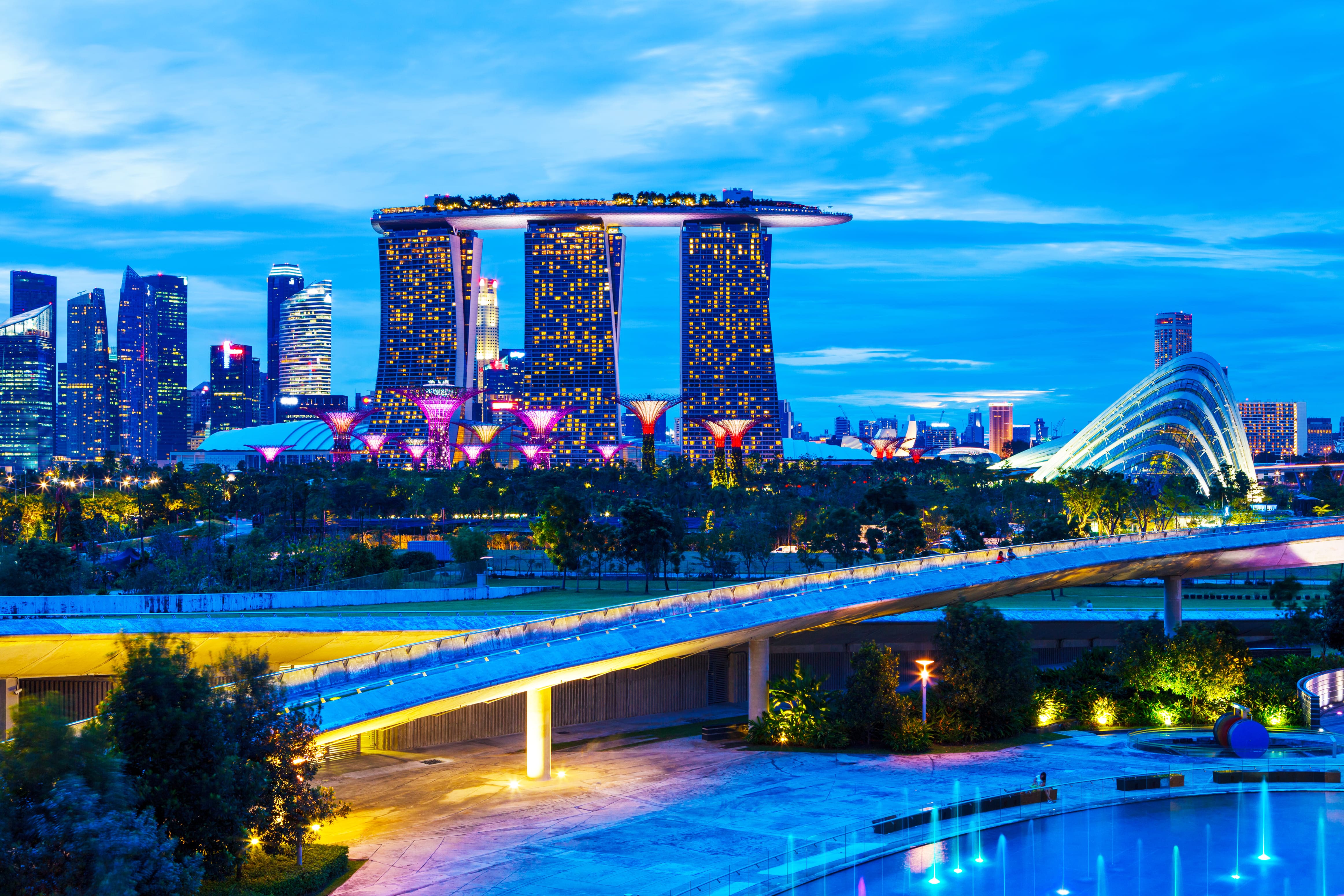
Marina BayEnjoy the free light shows and rooftop viewsSwim in the reservoir or climb barriers
Orchard RoadShop and dine freelyExpect to haggle; prices are fixed

What are the rules for driving and road safety?

Most visitors do not need to drive in Singapore, since the MRT and buses reach almost everywhere, but if you do, the rules are strict and well enforced. Traffic drives on the left, seatbelts are mandatory for all passengers, and using a handheld phone while driving is an offence.

Drink-driving limits are low and penalties severe, and the city uses Electronic Road Pricing gantries that charge for driving in busy areas at peak times. Jaywalking is fined, so as a pedestrian always cross at marked crossings and with the signals. For nearly all itineraries, public transport and the occasional Grab ride are cheaper and far less stressful than driving.

What are the emergency numbers and safety basics?

Singapore is very safe, but it is still worth knowing the essentials so you can act quickly if needed. The main emergency numbers are simple to remember.

  • Police: 999.
  • Ambulance and fire: 995.
  • Tap water is safe to drink straight from the tap across the city.
  • Keep a digital copy of your passport, and carry your hotel's address.
  • Pharmacies (such as Guardian and Watsons) are widespread for minor needs.

With low crime, clean water and excellent healthcare, Singapore ranks among the easiest cities anywhere for a worry-free trip, so these basics are reassurance rather than a frequent necessity.

What are the top mistakes visitors make in Singapore?

Most travellers who run into trouble in Singapore do so by overlooking a handful of predictable things, all of them easy to avoid. Knowing them in advance keeps your trip smooth and fine-free.

  • Bringing or using a vape: the most common serious slip, since vapes are banned outright, including in luggage.
  • Eating or drinking on the MRT: even a sip of water can draw a fine, so finish drinks before you tap in.
  • Jaywalking: crossing away from marked crossings is fined; always use the signals.
  • Trying to haggle in malls: prices are fixed almost everywhere, so bargaining only works in a few street markets.
  • Underestimating the heat: packing days too tightly without indoor breaks leaves visitors exhausted.
  • Assuming tipping is expected: it is not, and a service charge is usually already on the bill.
  • Ignoring temple dress codes: turning up in beachwear at a place of worship causes offence and may bar entry.

Sidestep these and Singapore becomes one of the easiest, most comfortable cities in Asia to visit, with its famous order working entirely in your favour.

Quick etiquette guide

If you remember nothing else, this table captures the dos and don'ts that matter most day to day.

DoDon't
Queue, and let people exit before boardingEat or drink on the MRT
Clear your tray at hawker centresLitter, spit or jaywalk
Smoke only in marked zonesVape, which is banned
Respect local customs and dress modestly at templesBring durians on the MRT
Carry water and dress for the heatFeed pigeons or monkeys

Plan the rest of your trip with our guide to the best things to do in Singapore, and work out how long to stay with our guide on how many days in Singapore. Travellers can also read the full Singapore travel guide and browse curated Singapore tour packages that take care of the planning.

Frequently asked questions

Is chewing gum really banned in Singapore?

The sale of chewing gum is banned, and importing it in quantity is an offence. You will not be arrested for chewing a piece you brought for personal use, but you cannot buy it locally and should never litter it.

What can you be fined for in Singapore?

Common fines cover littering, spitting, jaywalking, eating or drinking on the MRT, smoking outside designated areas, vaping and not clearing your tray at hawker centres. Fines can be significant, so follow posted signs.

Is vaping allowed in Singapore?

No. The use, possession and import of e-cigarettes and vapes are banned in Singapore, with fines and confiscation for offenders. Leave any vaping devices at home before you travel.

Do you need to tip in Singapore?

No. Tipping is not expected, and many restaurants already add a ten percent service charge. Rounding up a taxi fare or leaving small change for great service is welcome but never required.

What is choping in Singapore?

Choping is the local custom of reserving a hawker centre table by leaving a packet of tissues on it. The seat is genuinely considered taken, so look for an unmarked table rather than moving someone's tissues.

What happens if you litter in Singapore?

Littering carries an on-the-spot fine, and repeat offenders can be given a corrective work order that involves cleaning public areas. Using the many bins provided keeps you well clear of any penalty.

Can you drink alcohol in public in Singapore?

Alcohol is sold widely, but public drinking is restricted between 10:30pm and 7am, and some areas are designated liquor-control zones with tighter rules. Drinking in bars, restaurants and licensed venues is unaffected.

Is Singapore safe to walk around at night?

Yes. Singapore is one of the safest cities in the world, with very low violent crime, and walking at night is generally comfortable. Basic care with valuables in crowded tourist areas is still sensible.

Do you need to remove shoes at temples?

Often, yes. Remove your shoes where signs indicate, especially at mosques and Hindu temples, and dress modestly by covering your shoulders and knees. Robes are sometimes provided at mosques.

Tags
Singapore
Share
G
Gomayu Team
Writer at Gomayu
Keep reading
Blog / Singapore
Dos and Don'ts in Singapore: Laws, Fines & Etiquette
17 min read 24 Aug 2026 · Updated 04 Oct 2026
Dos and Don'ts in Singapore: Laws, Fines & Etiquette

Singapore is famously clean, orderly and safe, and the single most useful thing a visitor can do is respect its strict laws and fines. Do not litter, chew imported gum, vape, jaywalk or eat and drink on the MRT, because each of these carries a real penalty. Beyond the rules, the etiquette is easy: queue patiently, clear your own tray at hawker centres, dress for the heat, and treat the city's many cultures with respect. This guide is a complete, practical rundown of the dos and don'ts that keep a Singapore trip smooth, friendly and fine-free.

Why does Singapore have so many rules?

Singapore's reputation for order is not an accident; it is the product of decades of deliberate policy that turned a small, dense city-state into one of the cleanest and safest places in the world. Laws on littering, smoking, chewing gum and public behaviour are enforced with fines rather than warnings, and that consistency is exactly why the streets, trains and parks are so pristine.

For visitors, this is good news. The same rules that can feel strict on paper make the city extremely comfortable in practice: low crime, spotless public transport, safe streets late at night, and clean public spaces everywhere. Understanding the rules is less about fear of fines and more about slotting easily into how the city works.

What are the main dos in Singapore?

A handful of good habits will make you feel like a considerate local rather than a lost tourist. None of them are difficult, and most simply mirror the courtesy Singaporeans show each other.

  • Use the clean, efficient MRT and buses to get around, tapping in with a contactless card or the SimplyGo system.
  • Queue patiently and in an orderly line, as Singaporeans strongly value order and fairness.
  • Try the hawker centres, and clear your own tray into the return racks after eating.
  • Carry water and dress in light, breathable clothing for the heat and humidity.
  • Remove your shoes before entering homes, mosques and some temples, and dress modestly at places of worship.
  • Use your right hand when giving or receiving items, which is polite across the city's cultures.
  • Learn a few local terms; a friendly "can" or "lah" and a smile go a long way.
Explore Singapore tour packages
View all →

What should you not do in Singapore?

Many small actions that pass unnoticed elsewhere carry fines in Singapore, so it pays to know them before you arrive. The list below covers the ones tourists most often trip over.

  • Do not litter or spit, both of which bring heavy on-the-spot fines and, for repeat offenders, corrective work orders.
  • Do not eat or drink on the MRT or buses, and never bring durians on board.
  • Do not jaywalk; cross only at marked crossings and with the signals.
  • Do not smoke outside designated smoking areas, and never vape, which is banned outright.
  • Do not chew or import chewing gum for sale; its sale is prohibited in Singapore.
  • Do not feed pigeons or monkeys, which also carries a fine.
  • Do not touch someone's head or point with your feet, which are considered rude across local cultures.

What are Singapore's strictest laws?

Singapore enforces its laws firmly, and a few carry consequences far more serious than a fine. Knowing these keeps your trip stress-free and, in the most serious cases, keeps you out of grave trouble.

The sale of chewing gum is banned, littering and vaping carry large fines, and vandalism, including graffiti, is treated very seriously. By far the most important to understand is that drug offences carry extremely severe penalties, up to and including the death penalty for trafficking, so never carry, hold or transport anything questionable for anyone. Overstaying a visa and working without a permit are also treated strictly. For the vast majority of visitors none of this is a concern, but the seriousness is worth respecting.

What are the fines you can actually get?

Because Singapore relies on fines to keep order, it helps to know which everyday slips carry a penalty. The table below summarises the ones most relevant to travellers.

ActionStatus
Littering or spittingOn-the-spot fine, higher for repeat offences
Eating or drinking on the MRTFine
JaywalkingFine
Smoking outside designated areasFine
Vaping or possessing e-cigarettesBanned; fine and confiscation
Selling or importing chewing gumProhibited
Not flushing a public toiletFine (rarely enforced but on the books)

The figures change over time and are set by the authorities, so treat posted signs as the final word. The practical point is simple: follow the signs and you will never see a fine.

What are the rules on the MRT?

The MRT is spotless precisely because eating, drinking and smoking are all banned on trains and in stations, with fines for breaking the rules. Durians, prized locally but pungent, are also not allowed on board.

Beyond the fines, everyday courtesy keeps the system pleasant for everyone. Give up the priority seats to those who need them, let passengers exit before you board, stand on the correct side of escalators, and keep phone calls and music quiet. Trains run roughly from early morning until around midnight, and tapping in with a contactless bank card or the SimplyGo system is the easiest way to pay.

What should you know about hawker centre etiquette?

Hawker centres are the heart of Singapore's food culture, and a little etiquette makes the experience better. The famous local custom of "choping" is the first thing to learn: people reserve a table by leaving a packet of tissues on it, and that packet genuinely holds the seat.

Order and pay at each individual stall rather than expecting table service, carry your own food back to your table, and when you are done, clear your tray into the return racks, which is now expected and can be fined if ignored. Sharing a table with strangers at busy times is normal and friendly. Cash is handy at older stalls, though cashless payment is increasingly common.

How should you dress and behave at temples and mosques?

Singapore is a multi-religious society, with Buddhist and Hindu temples, mosques and churches often within a short walk of each other, especially in Chinatown, Little India and Kampong Glam. Dressing and behaving respectfully at these sites is an important courtesy.

Cover your shoulders and knees, remove your shoes where signs indicate, and at mosques you may be asked to don a provided robe. Keep your voice down, ask before photographing people at worship, and step around rather than through prayer areas. These small courtesies are always appreciated and are part of travelling well in a diverse city.

Is tipping expected in Singapore?

Tipping is not part of the culture in Singapore, which surprises many first-time visitors. Restaurants often add a ten percent service charge, shown on the bill, and tipping on top is not expected at hawker centres or in taxis.

You can round up a taxi fare or leave a little for genuinely exceptional service, but it is never required and no one will chase you for it. For where to eat once you know the etiquette, see our guide to the best food in Singapore.

What cultural customs should visitors respect?

Singapore's blend of Chinese, Malay, Indian and Eurasian cultures means a little cultural awareness goes a long way. Most of it is intuitive, but a few points are worth noting.

  • Use your right hand, or both hands, when giving or receiving items, business cards or money.
  • Remove shoes before entering homes and many places of worship.
  • Dress modestly at religious sites, even in the tropical heat.
  • Avoid public displays of anger; staying calm and polite is the local norm.
  • Respect the quiet, orderly rhythm of public spaces and queues.

Is Singapore safe for tourists?

Singapore is consistently ranked among the safest cities in the world, with very low rates of violent crime and streets that feel secure even late at night. Solo travellers, families and women generally feel very comfortable here.

The same low-crime environment means your main "risks" are administrative rather than dangerous: a fine for an overlooked rule, or the tropical heat. Petty theft is uncommon by regional standards, though basic care with valuables in the busiest tourist spots is still sensible. In short, the rules that make the city strict are the very things that make it safe.

What are the rules on smoking and vaping?

Singapore takes smoking rules seriously, and vaping is banned outright, so this is one area where visitors most often slip up. Smoking is only permitted in designated smoking areas, marked with yellow boxes or signage, and is prohibited in most public indoor spaces, near bus stops, in parks and along many streets.

Vaping is a different matter entirely: the purchase, use, possession and import of e-cigarettes and vaping devices are all illegal, with fines and confiscation for offenders. Do not bring vapes into the country at all, even in checked luggage. If you smoke conventional cigarettes, look for the designated zones and never flick butts on the ground, which is treated as littering.

What are the rules on alcohol and drinking in public?

Alcohol is legal and widely available in bars, restaurants and licensed shops, but public consumption is more restricted than many visitors expect. Drinking in public places is not allowed between 10:30pm and 7am, and certain neighbourhoods, notably parts of Little India and Geylang, are designated Liquor Control Zones with tighter rules, especially at weekends.

Buying alcohol from shops is also restricted during those late-night hours. None of this affects a normal evening in a bar or restaurant, where you can drink as usual. The practical takeaway is simply to avoid cracking open cans in a park or on the street late at night, and to enjoy your drinks in licensed venues instead.

Can you take photos and use a drone in Singapore?

Photography for personal use is fine in most public places, but a few sensible limits apply. Avoid photographing military installations, and always ask before taking close-up photos of people, particularly at religious sites and of worshippers.

Drones are more tightly regulated. Recreational drones above a certain weight need registration, and flying is prohibited near airports, military areas and over crowds without a permit. If you plan to bring a drone, check the current Civil Aviation Authority of Singapore rules before you travel, as fines for breaches are significant. For most visitors, a phone or camera covers everything they want to capture.

What are the dos and don'ts for first-time visitors?

If this is your first trip, a short orientation saves you from the most common rookie mistakes. Singapore rewards travellers who arrive prepared for its rhythm.

  • Do get a contactless card or set up SimplyGo before your first MRT ride.
  • Do carry a light rain layer and an umbrella for the sudden afternoon showers.
  • Do plan indoor breaks in malls, museums or conservatories during the midday heat.
  • Don't assume tipping is expected; it is not.
  • Don't haggle in malls or hawker centres, where prices are fixed, though light bargaining is fine at markets such as Bugis Street.
  • Don't overpack your days; the heat means a relaxed pace is more enjoyable.

What is the etiquette for money, bargaining and service?

Singapore is largely a fixed-price, cashless-friendly city, which makes money etiquette simple. In malls, restaurants and hawker centres, prices are set and you pay what is shown, often with a card or e-wallet.

Light bargaining is acceptable only in a few street markets such as Bugis Street or at some electronics and souvenir shops, and even then it is gentle rather than aggressive. A ten percent service charge and government tax are usually added at restaurants, shown as a "plus plus" on menus, so factor that into the final bill. Beyond that, no tipping is expected, and pushing money on staff can even cause mild awkwardness.

How should you dress in Singapore?

Singapore is hot and humid year-round, so light, breathable clothing is the everyday norm, but a few settings call for more coverage. Matching your outfit to where you are going keeps you comfortable and respectful.

SettingWhat to wear
Everyday sightseeingLight, breathable clothes and comfortable shoes
Temples and mosquesCover shoulders and knees; remove shoes where indicated
Upscale restaurants and barsSmart casual; some rooftop bars have a dress code
Beaches and SentosaSwimwear on the beach, cover up elsewhere

Carrying a light scarf or shawl is a handy way to cover up quickly when visiting a place of worship on an otherwise casual day.

What are the dos and don'ts around the city's cultures and festivals?

Singapore's calendar is full of festivals from its Chinese, Malay, Indian and Christian communities, and a little awareness makes visiting during them a joy rather than a puzzle. Chinese New Year, Hari Raya, Deepavali and Christmas all transform different districts in turn.

During Ramadan, be considerate around those fasting, particularly in Malay areas such as Kampong Glam, and enjoy the lively evening bazaars once the fast breaks. At Deepavali, Little India lights up spectacularly. The general rule is to observe respectfully, ask before joining in, and accept the warm hospitality that visitors are usually shown. Festivals are among the best times to experience the city's diversity first-hand.

Is Singapore LGBTQ-friendly for visitors?

Singapore is a cosmopolitan, welcoming city for visitors of all backgrounds, and LGBTQ travellers generally have a comfortable, trouble-free experience, especially in the central districts with their bars, cafes and hotels. The society is diverse and international, and everyday discretion is the norm for everyone rather than a special rule.

As with public displays of affection generally, a restrained approach in more traditional or religious settings is respectful. Overall, travellers report feeling safe and at ease, and the city's low crime and orderly public spaces contribute to that sense of security.

What are the dos and don'ts by neighbourhood?

Singapore's districts each have their own character, and a little local awareness helps you fit in wherever you are. The table below captures the etiquette that matters most in the areas visitors frequent.

AreaDoDon't
ChinatownDress modestly at temples and remove shoes where askedTouch statues or offerings
Little IndiaEnjoy the markets and be respectful at the templesDrink alcohol in the street, a Liquor Control Zone
Kampong GlamCover shoulders and knees near the Sultan MosqueEnter prayer halls in beachwear
Marina BayEnjoy the free light shows and rooftop viewsSwim in the reservoir or climb barriers
Orchard RoadShop and dine freelyExpect to haggle; prices are fixed

What are the rules for driving and road safety?

Most visitors do not need to drive in Singapore, since the MRT and buses reach almost everywhere, but if you do, the rules are strict and well enforced. Traffic drives on the left, seatbelts are mandatory for all passengers, and using a handheld phone while driving is an offence.

Drink-driving limits are low and penalties severe, and the city uses Electronic Road Pricing gantries that charge for driving in busy areas at peak times. Jaywalking is fined, so as a pedestrian always cross at marked crossings and with the signals. For nearly all itineraries, public transport and the occasional Grab ride are cheaper and far less stressful than driving.

What are the emergency numbers and safety basics?

Singapore is very safe, but it is still worth knowing the essentials so you can act quickly if needed. The main emergency numbers are simple to remember.

  • Police: 999.
  • Ambulance and fire: 995.
  • Tap water is safe to drink straight from the tap across the city.
  • Keep a digital copy of your passport, and carry your hotel's address.
  • Pharmacies (such as Guardian and Watsons) are widespread for minor needs.

With low crime, clean water and excellent healthcare, Singapore ranks among the easiest cities anywhere for a worry-free trip, so these basics are reassurance rather than a frequent necessity.

What are the top mistakes visitors make in Singapore?

Most travellers who run into trouble in Singapore do so by overlooking a handful of predictable things, all of them easy to avoid. Knowing them in advance keeps your trip smooth and fine-free.

  • Bringing or using a vape: the most common serious slip, since vapes are banned outright, including in luggage.
  • Eating or drinking on the MRT: even a sip of water can draw a fine, so finish drinks before you tap in.
  • Jaywalking: crossing away from marked crossings is fined; always use the signals.
  • Trying to haggle in malls: prices are fixed almost everywhere, so bargaining only works in a few street markets.
  • Underestimating the heat: packing days too tightly without indoor breaks leaves visitors exhausted.
  • Assuming tipping is expected: it is not, and a service charge is usually already on the bill.
  • Ignoring temple dress codes: turning up in beachwear at a place of worship causes offence and may bar entry.

Sidestep these and Singapore becomes one of the easiest, most comfortable cities in Asia to visit, with its famous order working entirely in your favour.

Quick etiquette guide

If you remember nothing else, this table captures the dos and don'ts that matter most day to day.

DoDon't
Queue, and let people exit before boardingEat or drink on the MRT
Clear your tray at hawker centresLitter, spit or jaywalk
Smoke only in marked zonesVape, which is banned
Respect local customs and dress modestly at templesBring durians on the MRT
Carry water and dress for the heatFeed pigeons or monkeys

Plan the rest of your trip with our guide to the best things to do in Singapore, and work out how long to stay with our guide on how many days in Singapore. Travellers can also read the full Singapore travel guide and browse curated Singapore tour packages that take care of the planning.

Frequently asked questions

Is chewing gum really banned in Singapore?

The sale of chewing gum is banned, and importing it in quantity is an offence. You will not be arrested for chewing a piece you brought for personal use, but you cannot buy it locally and should never litter it.

What can you be fined for in Singapore?

Common fines cover littering, spitting, jaywalking, eating or drinking on the MRT, smoking outside designated areas, vaping and not clearing your tray at hawker centres. Fines can be significant, so follow posted signs.

Is vaping allowed in Singapore?

No. The use, possession and import of e-cigarettes and vapes are banned in Singapore, with fines and confiscation for offenders. Leave any vaping devices at home before you travel.

Do you need to tip in Singapore?

No. Tipping is not expected, and many restaurants already add a ten percent service charge. Rounding up a taxi fare or leaving small change for great service is welcome but never required.

What is choping in Singapore?

Choping is the local custom of reserving a hawker centre table by leaving a packet of tissues on it. The seat is genuinely considered taken, so look for an unmarked table rather than moving someone's tissues.

What happens if you litter in Singapore?

Littering carries an on-the-spot fine, and repeat offenders can be given a corrective work order that involves cleaning public areas. Using the many bins provided keeps you well clear of any penalty.

Can you drink alcohol in public in Singapore?

Alcohol is sold widely, but public drinking is restricted between 10:30pm and 7am, and some areas are designated liquor-control zones with tighter rules. Drinking in bars, restaurants and licensed venues is unaffected.

Is Singapore safe to walk around at night?

Yes. Singapore is one of the safest cities in the world, with very low violent crime, and walking at night is generally comfortable. Basic care with valuables in crowded tourist areas is still sensible.

Do you need to remove shoes at temples?

Often, yes. Remove your shoes where signs indicate, especially at mosques and Hindu temples, and dress modestly by covering your shoulders and knees. Robes are sometimes provided at mosques.
Tags
Singapore
Share
G
Gomayu Team
Writer at Gomayu
Keep reading