












































Short answer: the best cities in China to visit on a first trip are Beijing for imperial history and the Great Wall, Xi'an for the Terracotta Warriors, Shanghai for modern China, Chengdu for pandas and Sichuan food, and Guilin with Yangshuo for river and karst scenery. Add Hangzhou and Suzhou as easy side trips from Shanghai, Chongqing or Zhangjiajie for drama, Yunnan's Kunming, Dali and Lijiang for mild weather and old towns, and Harbin only if you are going in winter for the ice festival. Most of these cities are linked by high-speed rail in two to five hours, so a 10 to 14 day trip can comfortably cover three or four of them.
This guide explains what each city is really good for, how many days to give it, when to go, how the trains connect them (with real journey times), and which combinations work best for couples, families, food lovers and first-timers. Visa and entry rules are summarised as of October 2026, but they change often, so check the official sources linked below before you book anything. For the wider picture of planning a trip, start with our complete China travel guide.
Which are the best cities in China to visit at a glance?
The table below is the quick version. "Days" is the time that lets you see the main sights without rushing; you can always do more.
| City | Best for | Days to give it | Best months |
|---|---|---|---|
| Beijing | Great Wall, Forbidden City, imperial history, hutongs | 3 to 4 | April to May, September to October |
| Xi'an | Terracotta Warriors, city wall, Muslim Quarter street food | 2 | March to May, September to November |
| Shanghai | The Bund, skyline, shopping, base for water towns | 2 to 3 | April to May, October to November |
| Chengdu | Giant pandas, teahouses, Sichuan food, Leshan Buddha | 2 to 3 | March to June, September to November |
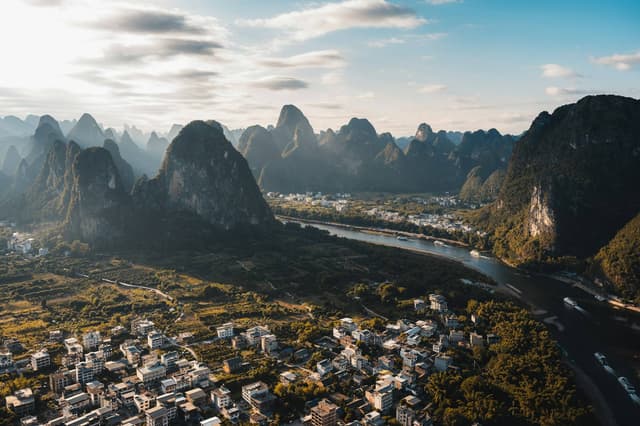
| Guilin and Yangshuo | Li River cruise, karst peaks, cycling, slow travel | 3 | April to October (best water September to November) |
| Hangzhou | West Lake, Longjing tea villages | 1 to 2 | March to May, September to November |
| Suzhou | Classical gardens, canals | 1 | March to May, September to November |
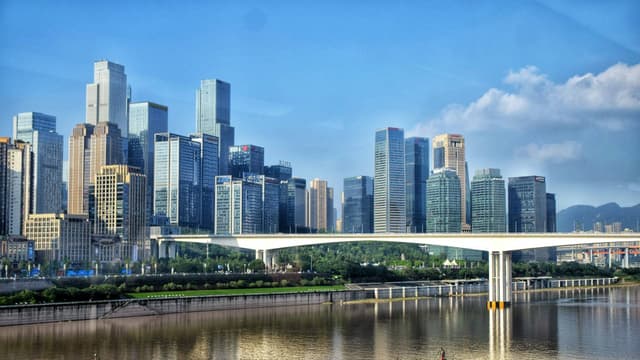
| Chongqing | Mountain city views, hotpot, Yangtze River | 2 | March to May, October to November |
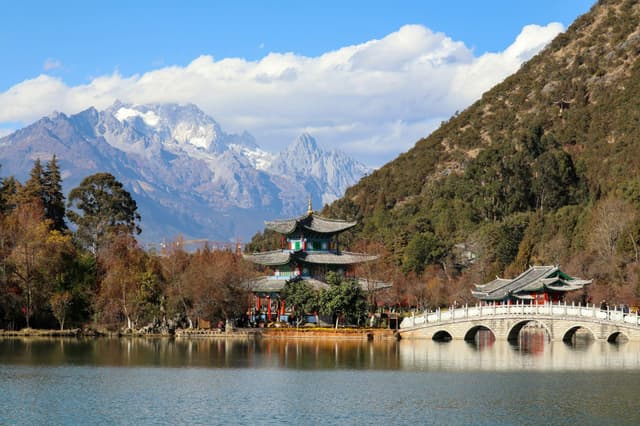
| Kunming, Dali, Lijiang | Old towns, lakes, snow mountains, mild climate | 4 to 6 for all three | Year round (dry season October to May) |
| Guangzhou and Shenzhen | Cantonese food, trade, gateway to Hong Kong | 1 to 2 each | October to December |
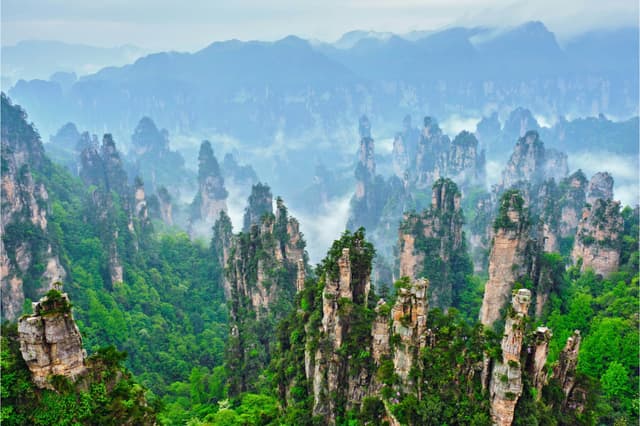
| Zhangjiajie | Sandstone pillars, glass walkways, hiking | 2 to 3 | April to May, September to October |
| Harbin | Ice and Snow World, Russian-era architecture | 2 | January to early February |
If you only remember one rule: Beijing plus Shanghai is the classic core, and the best third city depends on what you care about most. Xi'an for history, Chengdu for food and pandas, Guilin for scenery.
Why is Beijing the first city most travellers choose?
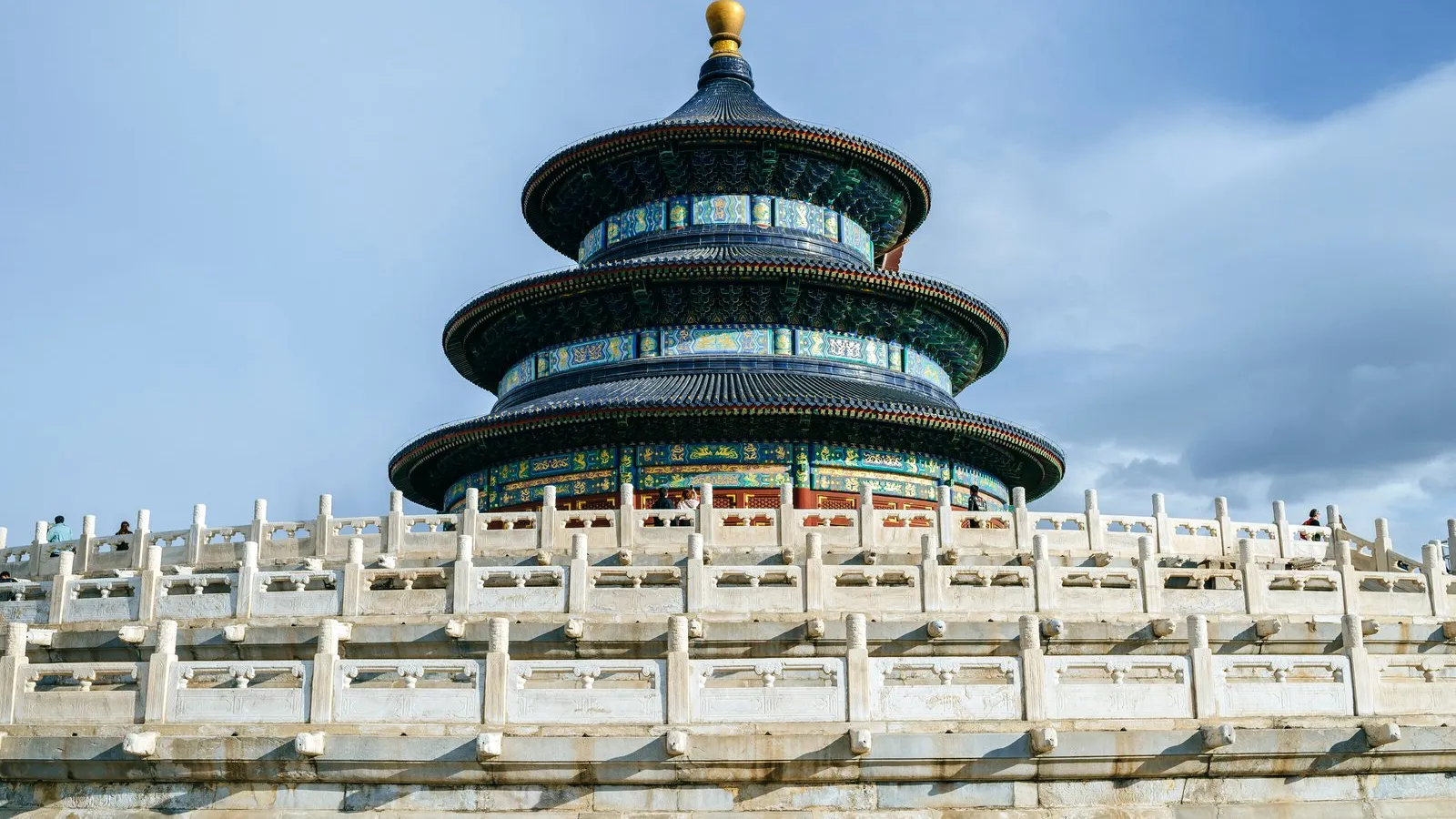
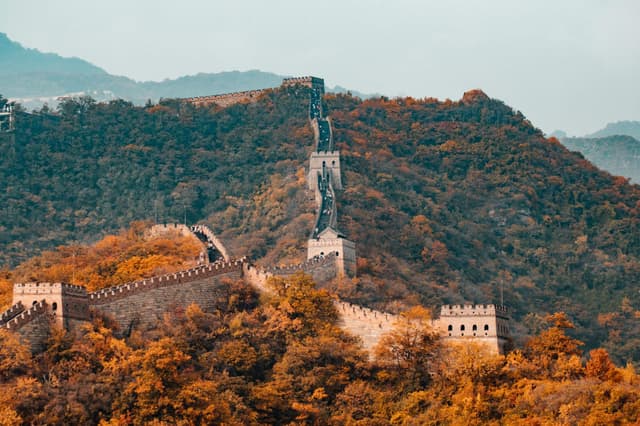
Beijing is the single most rewarding city in China for a first visit because it holds the country's most famous sights in one place: the Forbidden City, Tiananmen Square, the Temple of Heaven, the Summer Palace and several restored sections of the Great Wall within a day trip. It has been the capital, on and off, for most of the last 800 years, and that depth shows. Our guide to things to do in Beijing covers booking rules and the best Great Wall sections.
What to see in Beijing
- The Forbidden City (Palace Museum): the world's largest surviving palace complex. Entry is CNY 60 from April to October and CNY 40 from November to March (2026 prices). Tickets are real-name and released online about seven days ahead, usually selling out fast in peak season; bring the same passport you booked with. It is closed on most Mondays. You enter from the south (Meridian Gate) and exit from the north.
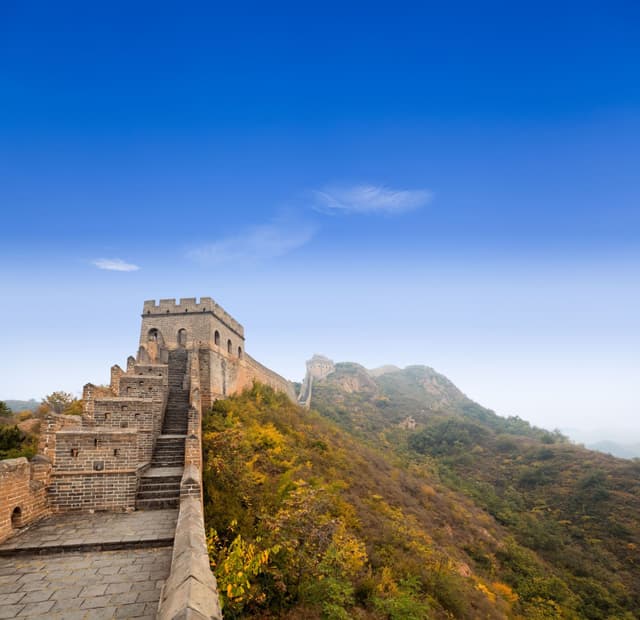
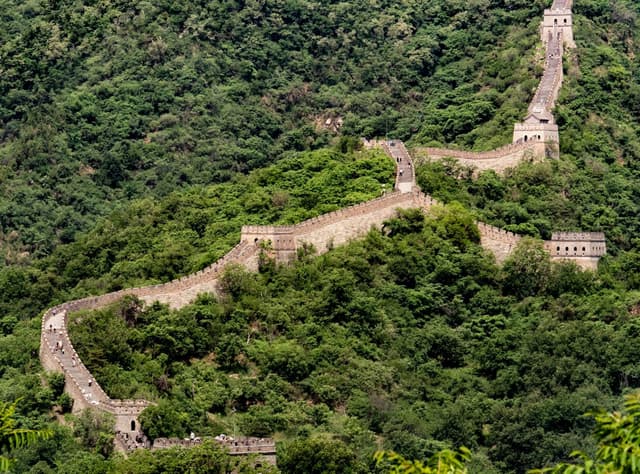
- The Great Wall: Mutianyu is the best all-rounder (restored, cable car, fewer crowds than Badaling), Jinshanling suits keen walkers, and Badaling is the easiest by train. Our Great Wall of China guide compares the sections in detail.
- Temple of Heaven: go early in the morning when locals practise tai chi, dance and play cards in the park.
- Summer Palace: a lakeside imperial garden in the northwest, ideal for a half day.
- Hutongs: the old lanes around Shichahai, Nanluoguxiang and Dashilan are best explored on foot or by bicycle.
- Peking duck: the city's signature dish, best ordered in a dedicated duck restaurant.
How many days does Beijing need?
Three full days is the minimum: one for the Forbidden City and Tiananmen, one for the Great Wall, and one for the Temple of Heaven, Summer Palace and hutongs. A fourth day lets you add the Ming Tombs or a slower hutong day. Beijing has two international airports, Capital (PEK) in the northeast and Daxing (PKX) in the south, so check which one your flight uses.
When is Beijing at its best?
Spring (April to May) and autumn (September to October) are the clear winners. Summers are hot and humid with thunderstorms, and winters are cold and dry but clear, with far fewer crowds. Avoid the National Day Golden Week (1 to 7 October) if you can, because domestic tourism peaks and the big sights are crowded.

Is Xi'an worth visiting, and for how long?
Yes. Xi'an is worth two days for almost every first-time visitor, mainly for the Terracotta Warriors, a buried army of thousands of life-sized clay soldiers made for China's first emperor, Qin Shi Huang, more than 2,200 years ago. Xi'an was also the eastern start of the Silk Road and capital for many dynasties, including the Tang.
What to see in Xi'an
- Terracotta Warriors (Emperor Qinshihuang's Mausoleum Site Museum): about an hour outside the city. Entry is CNY 120 (2026). Tickets are real-name, so carry your passport; you can buy online or at the counter. Allow at least half a day, more with a guide.
- The City Wall: a complete 14th-century Ming wall around the old centre, about 14 km around. Cycling the top takes roughly two hours.
- Muslim Quarter: the food street behind the Drum Tower, home to the city's Hui Muslim community. Try roujiamo (a stewed meat "burger"), biangbiang noodles and yangrou paomo (lamb and bread soup). It is also one of the easiest places in China to find halal food.
- Big Wild Goose Pagoda: a Tang dynasty Buddhist pagoda with an evening fountain show nearby.
- Mount Huashan: an optional, demanding day trip for hikers, reached by high-speed train in about 30 to 40 minutes plus a bus.
Xi'an sits neatly between Beijing and Chengdu on the high-speed network, which is why it appears in so many first itineraries.
What makes Shanghai different from Beijing?
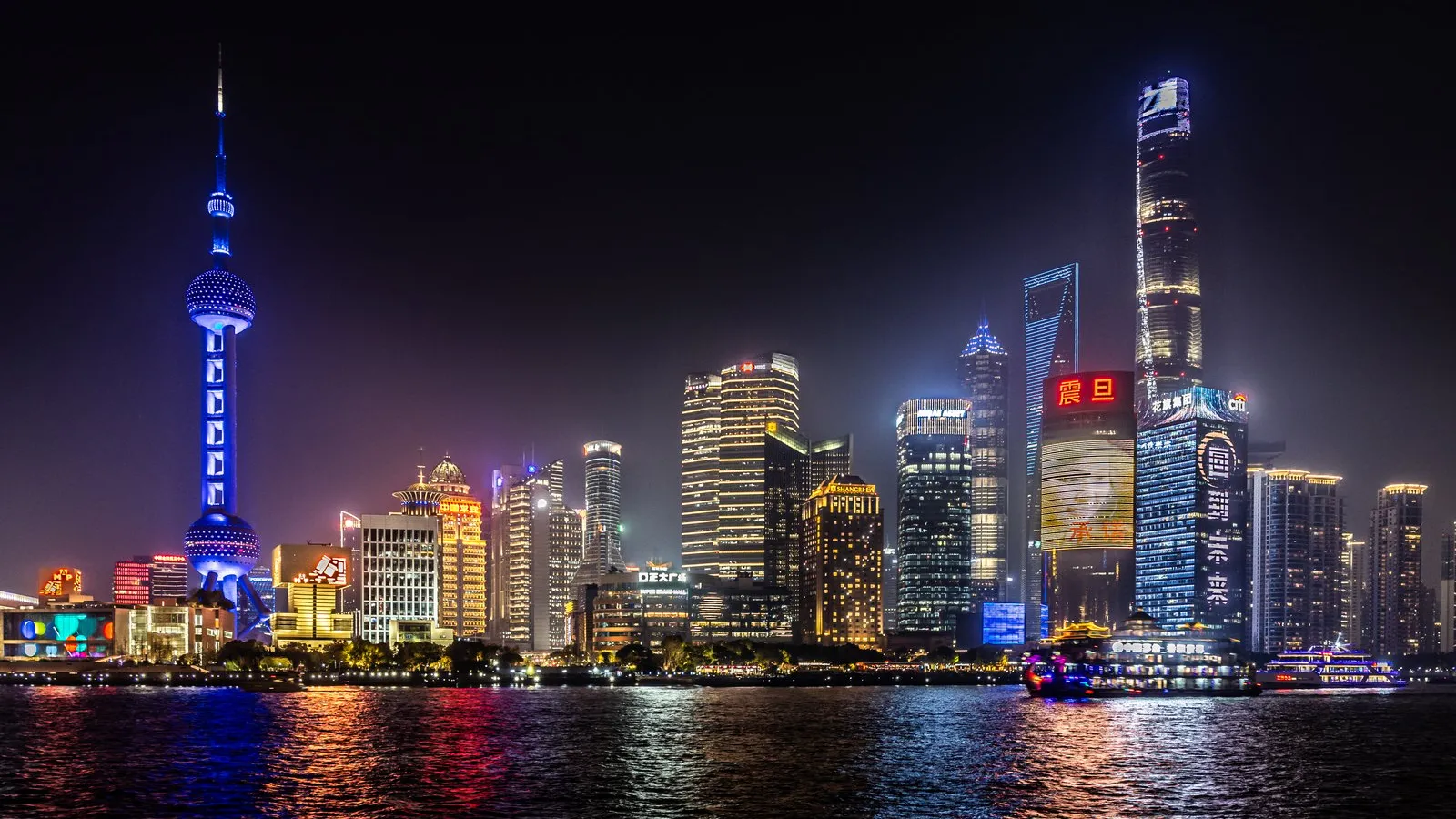
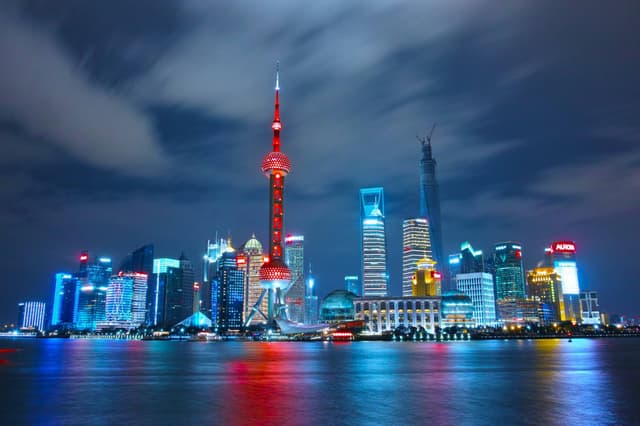
Shanghai is China's biggest and most international city, and it shows a completely different side of the country from Beijing: a 1920s riverfront, glass towers, Art Deco hotels, leafy former concession streets and serious shopping. It is also the most practical base for day trips to Hangzhou, Suzhou and the canal towns. For sights, food and day trips, read our guide to things to do in Shanghai.
What to see in Shanghai
- The Bund: the colonial-era waterfront. Walk it at dusk to see the Lujiazui skyline light up across the Huangpu River.
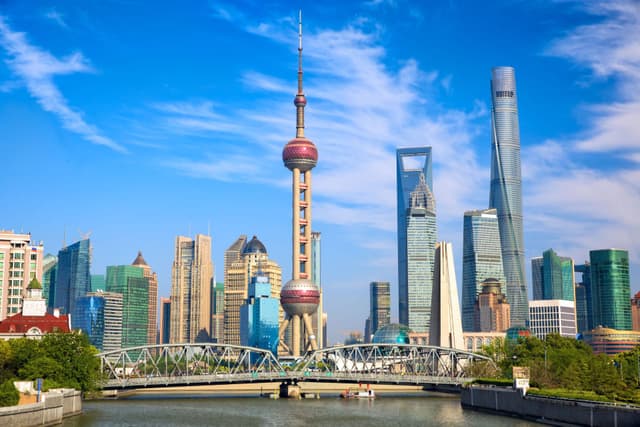
- Lujiazui: home of the Shanghai Tower (one of the tallest buildings in the world), the Oriental Pearl Tower and the Shanghai World Financial Center, each with an observation deck.
- Former French Concession: plane-tree avenues, cafés and old villas; best on foot.
- Yu Garden and the Old City: a Ming dynasty garden surrounded by a busy bazaar.
- Water towns: Zhujiajiao (reachable by metro) and Zhouzhuang or Wuzhen (by coach or tour) for canals and stone bridges.
- Food: xiaolongbao soup dumplings and shengjianbao pan-fried buns are the local classics.
How many days in Shanghai?
Two days covers the city itself; three if you add a day trip to Suzhou or Hangzhou. Shanghai has two airports: Pudong (PVG) for most international flights and Hongqiao (SHA), which sits next to the main high-speed railway station. Shanghai's June to early July "plum rain" season is humid and wet, and July to August is hot.
Why do so many travellers fall for Chengdu?
Chengdu, the capital of Sichuan province, wins people over with its slow pace, teahouse culture and some of the most exciting food in China. It is the best city in the world to see giant pandas in a breeding and research setting, and it is often the most convenient entry point into China from South Asia, with nonstop flights from Kathmandu.
What to see in Chengdu
- Chengdu Research Base of Giant Panda Breeding: entry is CNY 55 for adults (2026), booked online with real-name details. Go in the morning, ideally right at opening, when pandas are most active; by midday many are asleep.
- People's Park teahouse: drink jasmine tea in bamboo chairs, watch ear-cleaners at work and the famous "marriage market".
- Kuanzhai Xiangzi (Wide and Narrow Alleys) and Jinli: restored lanes for snacks and evening strolls.
- Wenshu Monastery: a working Buddhist temple with a vegetarian restaurant.
- Sichuan opera: look for the face-changing (bian lian) performance.
- Day trips: the Leshan Giant Buddha (about an hour by train), and Mount Emei or the Dujiangyan irrigation system for a full day out.
Sichuan food is built on chilli and the tingling, numbing Sichuan peppercorn. If you do not handle spice well, ask for "wei la" (mildly spicy) or "bu la" (not spicy). Our guide to what to eat in China covers the dishes to look for in each region. Chengdu is hot and humid in summer and often grey in winter; spring and autumn are the most comfortable.
Is Guilin or Yangshuo the better base for the karst scenery?
For most travellers, Yangshuo is the better base and Guilin is the arrival point. Guilin is a mid-sized city with the airport and main railway stations, while Yangshuo, about 60 km down the Li River, sits right among the limestone peaks and has the cycling, rafting and countryside that people come for.
What to do in Guilin and Yangshuo
- Li River cruise: the classic trip from Guilin to Yangshuo takes about 3.5 to 5 hours when water levels are good. Published 2026 prices are about CNY 215 for a three-star boat and CNY 360 for a four-star boat. In the dry months (roughly January to March), low water can shorten the route to the Yangdi to Xingping stretch.
- Xingping: the riverside village by the scene printed on the back of the CNY 20 note; bamboo raft trips run on this stretch.
- Yulong River: slower, quieter bamboo rafting near Yangshuo, best combined with a cycle through the rice fields.
- Longji (Dragon's Backbone) Rice Terraces: a full day trip from Guilin, best from late May (water-filled) or September to October (golden harvest).
- Reed Flute Cave: a large, colourfully lit cave inside Guilin itself.
Plan three days for the area. The region gets heavy rain from about April to June, and September to November usually offers the best mix of water levels and clear views. Guilin is a good fit for couples and slower travellers who want countryside rather than another big city.
Are Hangzhou and Suzhou worth adding to a Shanghai trip?
Yes, both are worth it, and both are close enough to Shanghai by high-speed train to visit as day trips or short overnight stays. Hangzhou is about scenery and tea; Suzhou is about gardens and canals.
| Feature | Hangzhou | Suzhou |
|---|---|---|
| Headline sight | West Lake (UNESCO World Heritage, free to walk around) | Classical gardens (UNESCO World Heritage) |
| Fastest train from Shanghai | About 45 minutes | About 25 to 30 minutes |
| Best for | Walking, cycling, tea villages, lake views | Gardens, canal streets, silk |
| Don't miss | Su Causeway, Lingyin Temple, Longjing tea villages | Humble Administrator's Garden, Lingering Garden, Pingjiang Road |
| Ideal time | Overnight (sunset and early morning by the lake) | Day trip |
Both cities are crowded at weekends and on public holidays. If you can only add one, choose Hangzhou for nature and Suzhou for culture.
What is Chongqing like, and who should go?
Chongqing is a vast, hilly megacity where the Yangtze and Jialing rivers meet, built in layers up steep slopes. It suits travellers who enjoy urban drama, night views and very spicy food. It is roughly an hour from Chengdu by the fastest high-speed trains, so the two are easy to pair.
- Hongyadong: a stilted, multi-level building complex on the riverside, lit up at night.
- Liziba station: the monorail that runs straight through a residential building.
- Yangtze River cableway: a short cable car crossing with skyline views.
- Ciqikou: an old riverside town with snack streets.
- Chongqing hotpot: numbing, chilli-heavy and best shared in a local restaurant.
- Yangtze cruises: multi-day cruises downstream through the Three Gorges usually start or end here.
- Wulong Karst: natural bridges and gorges about three hours away, a worthwhile day trip.
Chongqing is known as one of China's hottest cities in summer, often reaching the high 30s °C in July and August, so spring and autumn are far more comfortable.
Why visit Yunnan's Kunming, Dali and Lijiang?
Yunnan province in China's southwest is the best choice for travellers who want mild weather, ethnic minority cultures, old towns and mountain scenery without extreme altitude. Kunming, the capital, is nicknamed the "Spring City" for its mild climate, and it also has nonstop flights from Kathmandu, which makes Yunnan an easy add-on or starting point.
| City | Highlights | Approx. altitude | Train from Kunming |
|---|---|---|---|
| Kunming | Stone Forest (Shilin), Green Lake, Dianchi Lake, flower markets | About 1,900 m | Hub |
| Dali | Erhai Lake, Old Town, Three Pagodas, Bai culture | About 2,000 m | About 2 to 2.5 hours |
| Lijiang | UNESCO Old Town, Jade Dragon Snow Mountain, Naxi culture, Shuhe | About 2,400 m | About 3.5 to 4 hours |
Give the three cities four to six days together. Jade Dragon Snow Mountain's glacier park rises well above 4,000 m, so take it slowly. Beyond Lijiang, Shangri-La (Zhongdian) and Tiger Leaping Gorge are popular extensions for hikers. Yunnan's dry season runs roughly from October to May; summer brings rain but also green landscapes.
Are Guangzhou and Shenzhen good cities for tourists?
They are good cities to combine with Hong Kong or Guilin rather than headline destinations on their own. Guangzhou is the home of Cantonese cuisine and the best place in mainland China for dim sum, while Shenzhen is a young, high-tech city right on the Hong Kong border.
- Guangzhou: morning dim sum (yum cha), Shamian Island's colonial buildings, the Canton Tower, Chen Clan Ancestral Hall and the Pearl River night cruise. The Canton Fair, held in spring and autumn, fills hotels and raises prices, so check dates if you are not attending.
- Shenzhen: modern architecture, electronics markets around Huaqiangbei, theme parks and coastal parks.
- Connections: high-speed trains from Guangzhou South reach Guilin in about 2 to 3 hours, and both cities link to Hong Kong West Kowloon station by fast train (Shenzhen Futian is only around 15 to 20 minutes away).
The best weather is from October to December. Summer is hot, humid and in typhoon season.
Is Zhangjiajie worth the trip?
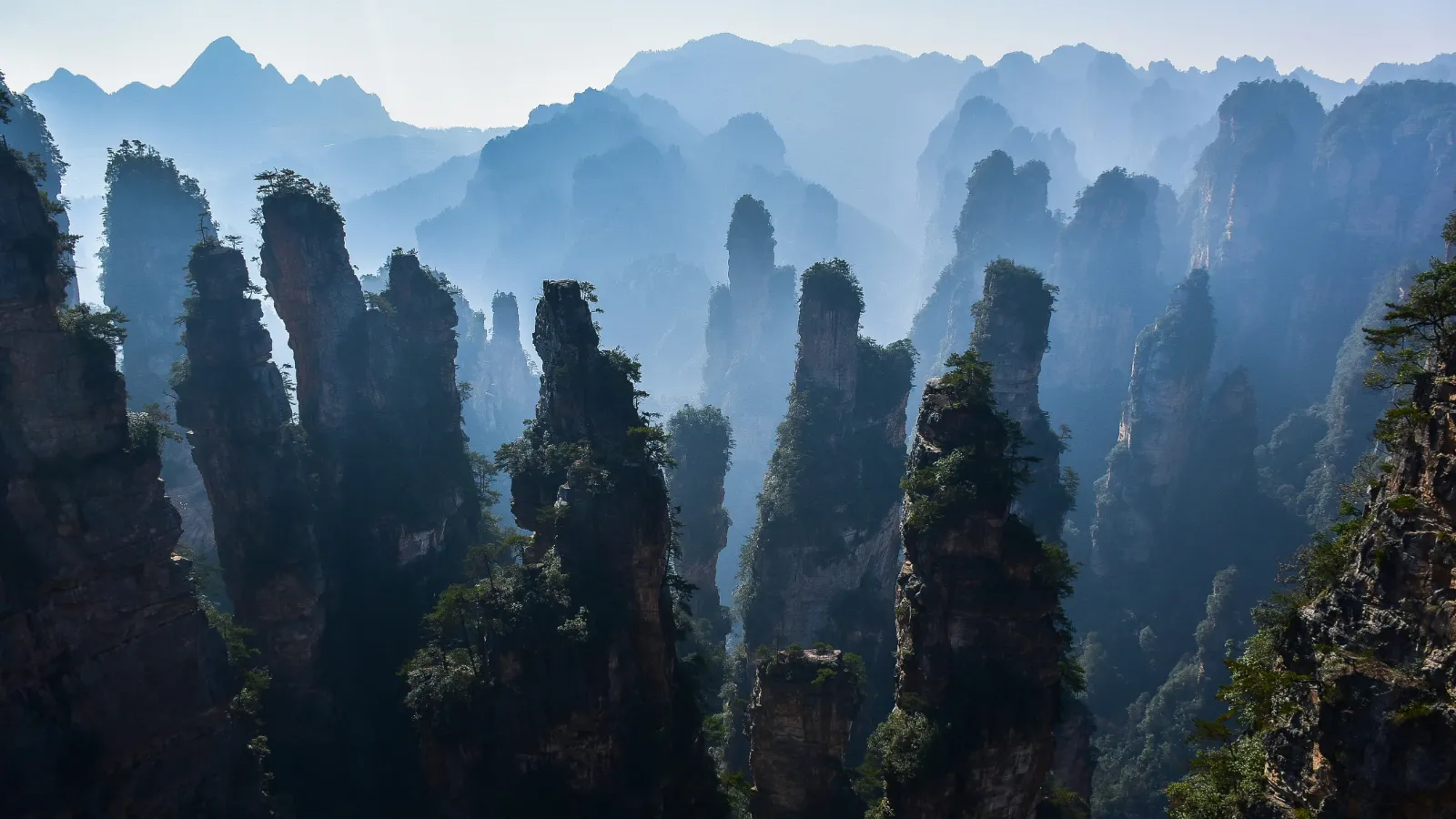
Zhangjiajie is worth it if landscapes matter more to you than cities. The sandstone pillars of the Wulingyuan Scenic Area (a UNESCO World Heritage Site) inspired the floating mountains of the film Avatar and are unlike anything else in China. It sits in northwestern Hunan province and needs two to three days.
- Zhangjiajie National Forest Park: the main area, with Yuanjiajie, Tianzi Mountain and the Golden Whip Stream walk. A multi-day ticket including the park's eco-buses cost roughly CNY 225 to 240 for adults in 2026 (published figures vary slightly), valid for several days. The Bailong Elevator and cable cars are paid separately.
- Tianmen Mountain: a separate site with one of the world's longest cable cars, cliff walkways, a glass skywalk and the Heaven's Gate arch. Tickets are separate from the forest park.
- Zhangjiajie Grand Canyon: known for its glass bridge.
Zhangjiajie is reached by air or by high-speed train to Zhangjiajie West station, including from Changsha in roughly 2 to 3 hours. Paths are steep with many steps, and fog is common, so build in a spare day. Avoid Chinese public holidays, when queues for buses and lifts can be very long.
Should you visit Harbin in winter?
Harbin is worth visiting only if you are travelling in winter and want to see the Harbin International Ice and Snow Festival, one of the largest of its kind in the world. Outside that season it is a pleasant northern city with Russian-influenced architecture but not a priority for a first trip.
- Ice and Snow World: full-size buildings carved from river ice and lit at night. The 2025 to 2026 season opened on 17 December 2025 and closed early, on 21 February 2026, after a warm spell; adult tickets were CNY 328. Plan for January to early February for the most reliable conditions.
- Sun Island: snow sculptures by day.
- Central Street and St Sophia Cathedral: the historic heart of the city.
Night temperatures often fall below minus 20 °C, so bring thermal layers, insulated boots and spare phone batteries (they drain quickly in the cold). Harbin is around five hours from Beijing by high-speed train.
Can you visit Lhasa and Tibet as part of a China trip?
Yes, but not independently. Foreign travellers need a valid Chinese visa (or a valid visa exemption) plus a Tibet Travel Permit, and the permit is only issued for a pre-arranged tour with a licensed guide and a planned route. Permit processing usually takes a few weeks, so tour operators recommend booking at least one to two months ahead, and longer for July and August.
- Lhasa sits at about 3,650 m, so spend the first day resting and drinking water before visiting the Potala Palace, Jokhang Temple and Barkhor Street.
- You can reach Lhasa by air from several Chinese cities, on the Qinghai to Tibet railway, or overland from Nepal through the Kerung (Gyirong) border, which normally requires a Chinese group visa arranged through a tour operator.
- Tibet has in recent years closed to foreign visitors for several weeks around February and March, and rules can change at short notice. Always confirm current status with a licensed operator.
How do Hong Kong and Macau fit into a mainland China trip?
Hong Kong and Macau are Special Administrative Regions with their own immigration controls, currencies (the Hong Kong dollar and the Macanese pataca) and entry rules, separate from mainland China. Many passports can enter Hong Kong and Macau visa-free, while some nationalities need a visa or pre-arrival registration; check the Hong Kong Immigration Department and Macau Public Security Police websites for your passport.
The practical point for planning is this: leaving the mainland for Hong Kong or Macau counts as exiting mainland China. If you then go back into the mainland, you need a visa that allows another entry (a double or multiple-entry visa) or a valid visa exemption. Many travellers therefore put Hong Kong at the start or end of their trip. Guangzhou and Shenzhen are the natural crossing points, and the Hong Kong to Zhuhai to Macau Bridge links all three.
How many days do you need to see the best cities?
As a rule of thumb, allow two to three days for each major city plus half a day for every long train ride or flight. The table below shows what is realistic.
| Trip length | Realistic number of cities | Example |
|---|---|---|
| 5 to 6 days | 2 | Beijing and Shanghai, or Chengdu and Chongqing |
| 7 to 9 days | 3 | Beijing, Xi'an, Shanghai |
| 10 to 12 days | 4 | Beijing, Xi'an, Shanghai, plus Hangzhou or Guilin |
| 13 to 16 days | 5 to 6 | Beijing, Xi'an, Chengdu, Guilin, Shanghai with a Suzhou day trip |
| 3 weeks | 6 to 8 | The classic route plus Yunnan or Zhangjiajie |
For worked-out routes by trip length, see our China itinerary guide with sample routes.
How do you travel between the best cities in China by high-speed rail?
High-speed rail is usually the best way to move between cities up to about 1,200 km apart. China has the world's largest high-speed network, trains are frequent and punctual, and stations are often more central than airports. G trains are the fastest; D trains are slightly slower; overnight sleeper trains still run on some long routes.
| Route | Fastest train time (approx.) | Typical second-class fare (approx., 2026) |
|---|---|---|
| Beijing South to Shanghai Hongqiao | 4 hours 18 minutes | CNY 550 to 670 |
| Beijing West to Xi'an North | About 4 to 4.5 hours | About CNY 515 |
| Xi'an North to Chengdu East | About 3 to 3.5 hours | CNY 211 to 335 |
| Chengdu to Chongqing | About 1 hour | Varies by train |
| Shanghai to Hangzhou | About 45 minutes | CNY 30 to 123 |
| Shanghai to Suzhou | About 25 to 30 minutes | Low, varies by train |
| Guangzhou South to Guilin | About 2 hours (most 2.5 to 3) | CNY 164 to 318 |
| Guilin to Yangshuo | About 25 to 30 minutes | Low; Yangshuo station is outside the town |
| Kunming South to Dali | About 2 to 2.5 hours | Varies by train |
| Kunming to Lijiang | About 3.5 to 4 hours | Varies by train |
| Beijing Chaoyang to Harbin West | About 4.5 to 5 hours | About CNY 540 |
| Beijing West to Chengdu East | About 7.5 hours | About CNY 750 (flying is often better) |
Fares on major routes now vary by time of day and demand, so treat the figures above as a guide only. A few practical rules:
- Book on the official China Railway 12306 website or app (it has an English version) or through a reputable agency. Tickets are real-name and tied to your passport.
- Tickets go on sale up to 15 days before departure. Book as early as possible for weekends, Chinese New Year and the National Day Golden Week (1 to 7 October).
- Arrive at the station 45 to 60 minutes early. There is a security check, and foreign passports sometimes need the manual gate rather than the automatic one.
- Check the station name carefully: many cities have several (for example Beijing South, West and Chaoyang).
- Fly for the long jumps, such as Beijing to Guilin, Shanghai to Chengdu or anywhere to Yunnan, unless you want a scenic day on the train.
Our China high-speed rail guide explains booking, seat classes and station procedures step by step.
Which city combinations work best?
These combinations are tried and tested because the rail links between them are short and the cities complement each other. Choose by interest, then adjust the number of nights.
| Route | Best for | Suggested nights | Main transport |
|---|---|---|---|
| Beijing, Xi'an, Shanghai | First-timers, history | 9 to 10 | High-speed rail throughout |
| Beijing, Xi'an, Chengdu, Shanghai | History plus pandas and food | 11 to 12 | Rail, one flight Chengdu to Shanghai |
| Shanghai, Suzhou, Hangzhou | Short trip, gardens, couples | 5 to 6 | High-speed rail |
| Chengdu, Chongqing | Food lovers, short trip | 4 to 5 | High-speed rail |
| Guangzhou, Guilin, Yangshuo, Hong Kong | Scenery, southern gateway | 7 to 8 | High-speed rail |
| Kunming, Dali, Lijiang | Mild weather, old towns, families | 6 to 7 | Rail within Yunnan |
| Beijing, Shanghai, Zhangjiajie | Landscapes plus the two big cities | 9 to 10 | Rail and one or two flights |
| Beijing, Harbin | Winter, ice festival | 5 to 6 | High-speed rail |
For first trips that start in South Asia, an open-jaw route works well: fly into one city (such as Chengdu or Kunming, which have nonstop flights from Kathmandu) and out of another (such as Beijing or Shanghai), so you do not waste a day backtracking.
What is the best time to visit China's main cities?
Spring (April to May) and autumn (September to early November) are the best times for most of the cities in this guide. China is huge, though, so the best season differs by region.
| Season | Good for | Watch out for |
|---|---|---|
| Spring (March to May) | Beijing, Xi'an, Hangzhou, Suzhou, Chengdu, Zhangjiajie; blossoms in the gardens | Early rain in the south; Labour Day holiday crowds (1 to 5 May) |
| Summer (June to August) | Yunnan's high towns, Harbin (mild), green rice terraces | Heat and humidity in Chongqing, Shanghai and Beijing; plum rain in the Yangtze region; school holiday crowds |
| Autumn (September to November) | Almost everywhere, including the Li River and the Great Wall | National Day Golden Week (1 to 7 October) crowds and higher hotel rates |
| Winter (December to February) | Harbin ice festival, Yunnan, Guangzhou, quiet sights in Beijing | Bitter cold in the north; Chinese New Year travel rush (in 2027 it falls on 6 February) |
A note for travellers planning around the Dashain and Tihar holidays: these usually fall in October and early November, which is a lovely time to see Beijing, Xi'an and Guilin. Try to arrive after China's National Day Golden Week ends on 7 October, when crowds drop sharply. Our best time to visit China guide breaks this down month by month.
Which city is best for your travel style?
| Traveller | Top picks | Why |
|---|---|---|
| First-time visitors | Beijing, Xi'an, Shanghai | The headline sights, simple rail links |
| Couples and honeymooners | Hangzhou, Yangshuo, Lijiang, Shanghai | Lakes, river scenery, boutique stays, night views |
| Families with children | Chengdu, Shanghai, Kunming | Pandas, Shanghai Disney Resort, mild weather |
| Food lovers | Chengdu, Chongqing, Xi'an, Guangzhou | Sichuan spice, hotpot, street food, dim sum |
| Nature and hiking | Zhangjiajie, Guilin and Yangshuo, Lijiang | Karst peaks, sandstone pillars, snow mountains |
| Vegetarian or halal diets | Xi'an (halal), Chengdu and Shanghai (Buddhist vegetarian restaurants) | Easier to find suitable food |
| Older travellers | Shanghai, Hangzhou, Guilin, Beijing with a car | Fewer steep climbs, comfortable transfers |
| Winter travellers | Harbin, Kunming, Guangzhou | Ice festival, or a mild escape from the cold |
Do you need a visa to visit China's cities in 2026?
It depends entirely on your passport. China has expanded visa-free entry sharply since late 2023, but many nationalities still need a visa issued in advance. As of October 2026, there are three main routes:
| Entry option | Who it covers (as of October 2026) | Key conditions |
|---|---|---|
| 30-day unilateral visa exemption | Ordinary passport holders of a list of around 50 countries, mostly in Europe plus Australia, New Zealand, Japan, South Korea, several Gulf and Latin American countries, and (from 17 February 2026) the UK and Canada | Stay up to 30 days for tourism, business, family visits, exchanges or transit; currently valid until 31 December 2026 |
| 240-hour visa-free transit | Citizens of 57 countries (Kyrgyzstan and Vietnam were added on 20 August 2026) | Must be travelling onward to a third country or region with a confirmed ticket; enter through one of 65 designated ports and stay within the 24 permitted provinces for up to 10 days |
| Tourist (L) visa | Everyone else, including many South Asian passports | Apply in advance at a Chinese embassy or visa application centre; documents usually include flight and hotel details |
Some countries also have separate mutual visa-exemption agreements with China, and Hainan island has its own 30-day scheme. The 240-hour transit rule does not allow a round trip from and back to the same country: Kathmandu to Beijing and back to Kathmandu would not qualify, for example, while a route continuing to a third country might.
Check before you travel. Rules have changed several times in 2025 and 2026, and the visa-free lists are due for review at the end of 2026. Confirm your eligibility with the National Immigration Administration of China or the Chinese embassy or visa centre that serves your country. Nepal-based travellers can check the Embassy of China in Nepal, which handles visa applications through its visa application service centre in Kathmandu.
How do you get to China's main cities from Kathmandu?
Several Chinese cities have nonstop flights from Kathmandu, which makes it easy to build an open-jaw trip. Schedules change by season, so check current timetables.
| Gateway city | Nonstop airlines reported from Kathmandu | Good for starting |
|---|---|---|
| Chengdu | Air China, Sichuan Airlines | Chengdu, Chongqing, Xi'an |
| Kunming | China Eastern | Yunnan (Kunming, Dali, Lijiang) |
| Guangzhou | China Southern | Guangzhou, Guilin, Hong Kong |
| Shenzhen, Shanghai, Hangzhou | Himalaya Airlines (routes added between June and September 2026; check current frequencies) | Shanghai, Hangzhou, Suzhou and the south coast |
Flights to Beijing usually connect through Chengdu, Kunming, Guangzhou or another hub. For travellers from elsewhere, Beijing, Shanghai and Guangzhou have the widest choice of long-haul flights.
What practical tips help in Chinese cities?
China's big cities are safe, clean and well connected, but they run on apps. Set these up before you fly.
| Need | What works in 2026 |
|---|---|
| Payments | Alipay and WeChat Pay accept many foreign Visa and Mastercard cards after passport verification. Foreign-card payments of 200 yuan or less carry no service fee, and payments above 200 yuan carry about 3% on the full amount (2026). Carry some cash in yuan (CNY) as a backup. |
| Maps | Amap (Gaode) or Apple Maps work well; Google Maps is unreliable in mainland China. |
| Internet | Many Western apps and sites are blocked on mainland networks. An international eSIM or roaming plan usually avoids this. |
| Taxis | DiDi (in-app English) or the taxi function inside Alipay. |
| Attractions | Big sites need real-name advance booking with your passport number. Book as soon as you know your dates. |
| Translation | A translation app with camera mode helps with menus and signs. |
- Your hotel registers you with the police on check-in. If you stay in a private home, you must register at the local police station within 24 hours.
- Carry your passport every day: you need it for trains, museums and many tickets.
- Tipping is not expected in mainland China.
- Tap water is not for drinking; bottled water is cheap and widely available.
For more on local etiquette and safety, see our China travel guide, which brings visas, money, apps and culture together in one place.
What are the most common mistakes when choosing cities in China?
- Trying to see too many cities. Distances are huge. Four cities in ten days is plenty; six is tiring.
- Travelling during Golden Week or Chinese New Year without planning. Trains and big sights sell out, and prices rise.
- Leaving attraction tickets to the last minute. The Forbidden City and Panda Base regularly sell out days ahead.
- Underestimating heat and cold. Chongqing in August and Harbin in January are both extreme.
- Forgetting re-entry. A side trip to Hong Kong or Macau ends a single-entry visa.
- Assuming you can visit Tibet on your own. A permit and guided tour are compulsory.
- Not checking which airport or station. Beijing, Shanghai and many other cities have more than one.
If you would rather have hotels, trains, attraction bookings and guides arranged around the cities in this guide, our China tour packages show how these routes come together as complete trips.
Frequently asked questions
What is the best city to visit in China for a first trip?
Beijing is the best single city in China for a first trip. It has the Forbidden City, the Temple of Heaven, the Summer Palace and the Great Wall within easy reach, so in three or four days you see the sights most people picture when they think of China. Pair it with Shanghai or Xi'an by high-speed train.
Which two cities in China should I visit if I have one week?
Beijing and Shanghai are the best two-city pairing in China for one week. Beijing covers imperial history and the Great Wall, Shanghai covers modern China, and the fastest high-speed train links them in about 4 hours 18 minutes. If you prefer food and pandas over history, Chengdu and Chongqing are a strong alternative.
How many cities can I visit in 10 days in China?
Most travellers can comfortably see three to four cities in China in 10 days. A typical choice is Beijing, Xi'an and Shanghai, with Hangzhou, Suzhou or Guilin as a fourth stop. Allow two to three days per major city and about half a day for each long transfer.
Is Xi'an worth visiting just for the Terracotta Warriors?
Yes, Xi'an is worth visiting even if the Terracotta Warriors are your main reason. The museum alone takes half a day, and the city adds a complete Ming city wall you can cycle, the Muslim Quarter's street food and the Big Wild Goose Pagoda. Two days in Xi'an is the usual recommendation.
Which city in China is best for food?
Chengdu is often called the best food city in China, thanks to Sichuan dishes like mapo tofu, dan dan noodles and hotpot. Chongqing rivals it for hotpot, Xi'an excels at street food and noodles, and Guangzhou is the home of Cantonese cooking and dim sum. Choose by how much spice you enjoy.
Where can I see giant pandas in China?
The easiest place to see giant pandas in China is the Chengdu Research Base of Giant Panda Breeding in Sichuan. Tickets are booked online in advance with your passport details, and morning visits are best because pandas are most active early. Other panda centres exist in Sichuan, such as Dujiangyan and Wolong.
Is it better to fly or take the train between Chinese cities?
High-speed rail is usually better between Chinese cities up to about 1,200 km apart, such as Beijing to Shanghai or Xi'an to Chengdu, because stations are central and trains are frequent. For longer jumps, such as Beijing to Guilin or Shanghai to Kunming, flying saves time.
Can I visit Hong Kong and mainland China on the same trip?
Yes, you can combine Hong Kong and mainland China, but Hong Kong has separate immigration. Leaving the mainland for Hong Kong ends a single-entry Chinese visa, so you need a double or multiple-entry visa, or a valid visa exemption, to go back into the mainland. Many travellers put Hong Kong at the start or end.
Can foreigners visit Lhasa independently?
No, foreigners cannot visit Lhasa independently. Travel to Tibet requires a Tibet Travel Permit in addition to a Chinese visa or visa exemption, and the permit is only issued for a pre-arranged tour with a licensed guide. Book one to two months ahead and check for seasonal closures, usually around February and March.
Do I need a visa to visit China in 2026?
Whether you need a visa for China in 2026 depends on your passport. Citizens of around 50 countries can enter visa-free for up to 30 days until 31 December 2026, and 57 nationalities can use 240-hour visa-free transit when travelling on to a third country. Everyone else needs a visa in advance. Always confirm with official Chinese sources.
When should I avoid travelling to China's popular cities?
Avoid China's National Day Golden Week (1 to 7 October) and the Chinese New Year period if you can, because domestic travel peaks, trains sell out and the big sights are crowded. Chinese New Year falls on 6 February in 2027. Weekends and the Labour Day holiday in early May are also busy.
Which Chinese city is best for a winter trip?
Harbin is the best Chinese city for a winter trip if you want snow and the Ice and Snow Festival, best visited in January to early February. If you would rather avoid the cold, Kunming and the rest of Yunnan stay mild in winter, and Guangzhou and Hong Kong are pleasantly cool and dry.