














































+977-9768558250
Explore by Country
See all 22 Thailand packages
Most popular pick
See all 22 Thailand packages →
See all 11 Vietnam packages
Most popular pick
See all 11 Vietnam packages →
See all 10 Indonesia (Bali) packages
Most popular pick
See all 10 Indonesia (Bali) packages →
See all 7 Maldives packages
Most popular pick
See all 7 Maldives packages →
See all 10 China packages
Most popular pick
See all 10 China packages →
See all 13 Sri Lanka packages
Most popular pick
See all 13 Sri Lanka packages →
See all 9 Malaysia packages
Most popular pick
See all 9 Malaysia packages →
See all 8 Singapore packages
Most popular pick
See all 8 Singapore packages →
See all 2 Kenya packages
Most popular pick
See all 2 Kenya packages →
See all 16 India packages
Most popular pick
See all 16 India packages →
See all 3 Dubai packages
Most popular pick
See all 3 Dubai packages →
See all 7 Nepal packages
Most popular pick
See all 7 Nepal packages →
See all 6 Philippines packages
Most popular pick
See all 6 Philippines packages →
Search Tours or Places
Blog / China

Does Google Work in China? Apps, WhatsApp and Viber Explained

28 min read 02 Nov 2026
Visitor holding up a smartphone to photograph the lit Tiananmen gate in Beijing at night

Short answer: does Google work in China? Not on a normal mainland connection. Google Search, Gmail, Google Maps, YouTube and Gemini are blocked on Chinese home broadband, hotel Wi-Fi and local SIM cards, and so are WhatsApp, Viber, Facebook, Instagram, X, Telegram and ChatGPT. Travellers on international roaming or a roaming travel eSIM often report that these apps keep working, because their data is carried back through a network outside the mainland. Hong Kong and Macau sit outside the mainland system, so most of these services work there.

That one paragraph is what most people need, but the details matter if you are going for more than a few days, travelling with older parents, or need to keep in touch with family in Nepal every evening. This guide explains which apps work in mainland China in 2026, which do not, what people use instead, how roaming and eSIMs behave, what the law says about VPNs, and how to set your phone up before you fly. It sits alongside our wider practical China travel tips, which cover visas, transport and money in one place, and our complete China travel guide, which covers planning from the best regions to the best seasons.

Everything in the status table below was checked against a dated source on 2 November 2026. Blocking in China changes without notice, sometimes for a single day around a political anniversary, so treat this as a snapshot and recheck the week you travel.

Does Google work in China?
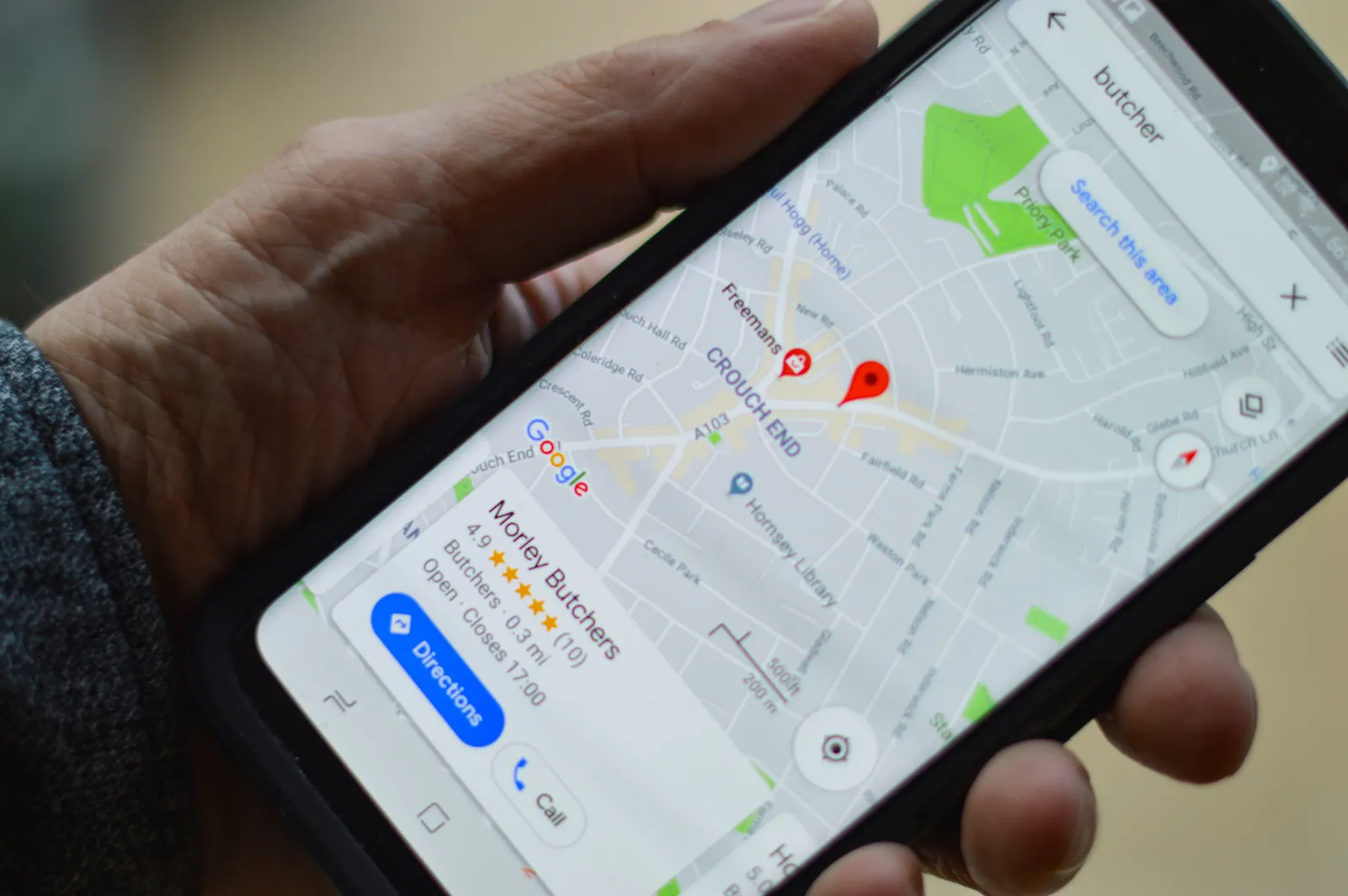
Hand holding a smartphone showing a Google Maps search, blocked in mainland China

No. On any mainland Chinese connection, Google's main services do not load. The UK government's travel advice for China, last updated on 30 October 2026, lists Google among the services that are "permanently blocked", alongside Facebook, YouTube and X. Independent tests by GreatFire.org, which checks websites from inside mainland China, showed Google Search failing in 16 of its last 17 conclusive tests and Gmail failing in all of its recent tests when we checked on 2 November 2026.

The block covers far more than search. According to Freedom House's Freedom on the Net 2024 report, Google services including Maps, Translate, Calendar, Docs, Drive, Scholar and Analytics remained blocked, and Google closed its Translate service in China in October 2022. Google Search itself has been unavailable on the mainland for more than a decade.

What exactly stops working

  • Google Search: the page will not load. Chrome still opens, but you need a search engine that works in China, such as Bing or Baidu.
  • Gmail: the app cannot sync and the website times out. New mail stays on Google's servers until you are back on an open connection.
  • Google Maps: blocked, and its China map data is known to be unreliable even when it loads elsewhere. Use Amap, Baidu Maps or Apple Maps instead.
  • YouTube: blocked since 2009, according to the Wikipedia list of blocked sites.
  • Google Drive, Photos and Docs: no syncing and no backup. Download anything you need offline, such as hotel confirmations, before you leave home.
  • Google Translate: the online service has been closed in China since 2022. Offline language packs downloaded before travel are still useful.
  • Gemini: blocked in all 16 of GreatFire's recent tests.
  • Google Play Store: on Chinese networks, Android phones bought outside China lose access to Play downloads and updates, so install every app you need before departure.

Why Android phones are hit harder

On an Android phone, Google is not only a set of apps. Google Play Services handles notifications, location and account sign-in for many other apps. When it cannot reach Google, some third-party apps also show delayed notifications or fail to log in. iPhones rely on Apple's own servers for these jobs, which is why iPhone users usually notice fewer side effects.

Which apps work in mainland China in 2026?

Most Western social media, messaging and Google services are blocked, while Microsoft services, Zoom and Chinese apps such as WeChat, Alipay and Amap work normally. The table below uses GreatFire.org test results from inside mainland China, the UK Foreign, Commonwealth and Development Office (FCDO) travel advice and the Wikipedia list of blocked websites, which records the date each block began.

App or serviceStatus on a mainland connectionBlocked since (reported)What travellers use instead
Google SearchBlockedFully from 2014Bing, Baidu
GmailBlockedPart of the Google blockOutlook, or read mail on roaming data
Google MapsBlocked and inaccuratePart of the Google blockAmap, Baidu Maps, Apple Maps
YouTubeBlocked2009Download videos offline before travel
WhatsAppBlocked or heavily disruptedSeptember 2017WeChat
ViberBlockedOctober 2014WeChat
IMOWebsite blocked in latest testNot recordedWeChat
Facebook and MessengerBlockedFacebook July 2009, Messenger August 2011WeChat Moments for sharing
InstagramBlockedSeptember 2014Post later on an open connection
X (Twitter)BlockedJune 2009Weibo (mostly in Chinese)
TelegramBlockedJuly 2015WeChat
SignalBlockedMarch 2021WeChat
ChatGPTBlocked, and China is not a supported country2023DeepSeek and other Chinese chatbots
TikTok (international)BlockedJune 2020Douyin, the Chinese version
BingWorks (censored Chinese version)Not blockedNot needed
Outlook and Microsoft TeamsWorksNot blockedNot needed
ZoomWorks in recent testsNot blockedNot needed
WeChat, Alipay, Amap, DiDiWorkNot blockedNot needed

Checked: 2 November 2026, sources: GreatFire.org test results for each domain, UK FCDO China travel advice (updated 30 October 2026), Wikipedia list of websites blocked in mainland China and the OpenAI supported countries list.

How to read the table

"Blocked" means the service fails on Chinese networks: hotel Wi-Fi, home broadband, cafe Wi-Fi and Chinese SIM cards. It does not describe what happens on international roaming, which is covered in its own section below. "Works" means GreatFire's recent tests connected normally. A working website is not a promise that every feature will work every day; Apple's iCloud, for example, showed occasional interference in GreatFire's latest tests.

The FCDO also warns that "internet access can be limited around key political events and dates", and that during periods of tension the authorities may block text messaging, the internet or international phone lines. If your trip overlaps a major anniversary or a large political meeting, expect slower or patchier access even for services that normally work.


Explore China tour packages
View all →

Does WhatsApp work in China, and is Viber banned?

WhatsApp does not work reliably on Chinese networks, and Viber is blocked. WhatsApp has been listed as blocked since September 2017, and in April 2024 the Cyberspace Administration of China ordered Apple to remove WhatsApp, Threads, Telegram and Signal from its China App Store, according to Freedom House. Viber has been blocked since October 2014; TechCrunch reported at the time that messages were not going through in Shanghai.

WhatsApp in China: what actually happens

WhatsApp often behaves in a confusing way rather than failing completely. GreatFire's tests on the WhatsApp website showed interference in every recent test, while WhatsApp Web was fully blocked. Travellers commonly describe messages that stay on one grey tick, photos and voice notes that will not send, and calls that drop after a few seconds. Text sometimes slips through for a short while and then stops. None of that is dependable enough for an elderly parent waiting for a "reached safely" message.

  • On hotel Wi-Fi or a Chinese SIM: treat WhatsApp as not working.
  • On roaming or a roaming eSIM: many travellers report that WhatsApp works normally, because data is carried outside the mainland. See the roaming section for how this works.
  • Before you go: turn on WhatsApp two-step verification and make sure you know your backup details, because a phone change while abroad is much harder to fix without Google services.

Is Viber banned in China?

Yes. Viber has been blocked on mainland networks since October 2014, and GreatFire's latest tests on viber.com, read on 2 November 2026, failed in every case. Viber calls, Viber Out and group chats should all be treated as unavailable on Chinese Wi-Fi and local SIM cards. If your relatives in Nepal mostly use Viber, agree on a backup app before you leave.

What about IMO?

The evidence on IMO is thin. GreatFire's single recent test on the imo.im website, from 30 August 2026, was blocked, but IMO is not on most published block lists and the app itself was not tested. We could not confirm its status in the app, so do not rely on IMO as your only way to call home. WeChat is the safer plan, with roaming as a backup.

What about Facebook, Instagram, X, Telegram and ChatGPT?

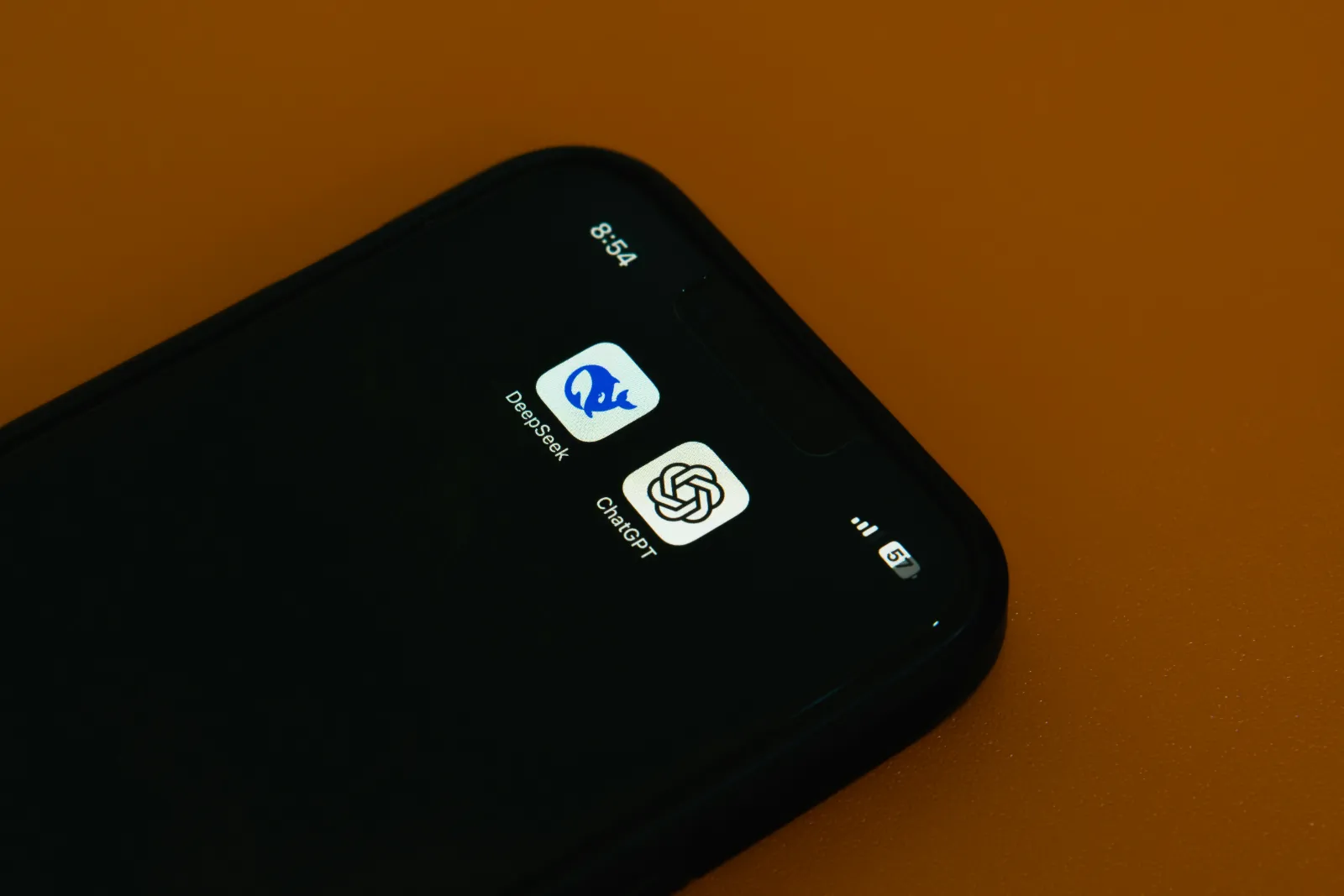
Smartphone on an orange table with the DeepSeek and ChatGPT app icons on its screen

All five are blocked on mainland networks. Facebook and X have been blocked since 2009, Instagram since September 2014 and Telegram since July 2015. ChatGPT is blocked by Chinese networks and, separately, OpenAI does not list China, Hong Kong or Macau among its supported countries and territories.

ServiceGreatFire result (recent conclusive tests)Extra point for travellers
Facebook6 of 6 blockedMessenger is blocked too, so Facebook calls to Nepal will not connect on Chinese Wi-Fi
Instagram2 of 2 blockedStories and Reels will not upload; queued posts send when you reach an open connection
X22 of 22 blockedListed by the FCDO as permanently blocked
Telegram16 of 16 blockedRemoved from the China App Store in April 2024
ChatGPT23 of 23 blockedOpenAI warns that use from unsupported locations can lead to account restrictions
Gemini16 of 16 blockedPart of the wider Google block
DeepSeekConnected normallyA Chinese AI chatbot that works on local networks

Checked: 2 November 2026, source: GreatFire.org domain tests from mainland China, Freedom House and the OpenAI supported countries list.

One practical note on ChatGPT and other AI tools: OpenAI's help centre says that accessing its services from an unsupported country or territory may lead to the account being blocked or suspended. Even if a connection lets the app load, using it from mainland China is outside OpenAI's own terms of use. If you rely on an AI assistant for translation or planning, download what you need before you fly.

What do people in China use instead?

Customer holding a smartphone up to a payment terminal held by a shop assistant

People in mainland China use a parallel set of Chinese apps: WeChat for messaging and calls, Alipay and WeChat Pay for payments, Amap or Baidu Maps for navigation, Baidu or Bing for search, and DiDi for taxis. Most of these now have English menus, and several accept foreign phone numbers.

What you normally useChinese alternativeEnglish interface?Useful note
WhatsApp, Viber, IMOWeChatYesChats, voice and video calls; sign-up with a foreign mobile number is possible
Google MapsAmap (Gaode)Yes, since January 202516 languages since July 2025; English ride-hailing screen
Google MapsBaidu MapsMostly ChineseWidely used by local people
Google Maps (iPhone)Apple MapsYesUses China map data from AutoNavi, the company behind Amap
Google SearchBing (cn.bing.com), BaiduBing yes, Baidu mostly ChineseResults are filtered
Uber, Pathao, inDriveDiDi, or taxis inside AmapYesPay through Alipay or a linked card
Cash and cardsAlipay, WeChat PayYesSee our payments guide below
ChatGPTDeepSeekYesReachable on local networks

Checked: 2 November 2026, sources: Shanghai Municipal Government on Amap's multilingual launch (11 July 2025), Wikipedia on Amap and AutoNavi, GreatFire.org tests.

WeChat is the one app you cannot skip

WeChat is the default messaging app in mainland China, and it is also how many hotels, guides, drivers and restaurants contact visitors. Ticket booking for many museums and sights runs through WeChat mini programs. According to WeChat's help centre, you can sign up with a mobile number from your own country, but registration may ask an existing WeChat user to scan a QR code to help verify you, and "results may vary depending on the invited user's country or region". If no one can help, WeChat lists bank card or WeChat Pay verification as alternatives.

The easiest way round this is to register at home, a week or two before departure, while a friend or relative already on WeChat is sitting next to you. If anyone in your family has studied, worked or traded in China, they are likely to have an account already.

Payments in one line

Alipay and WeChat Pay are how most people pay in China, and both now accept international cards after passport verification. Setting them up, the documents asked for and the fee rules are all covered in our step-by-step guide to paying with Alipay and WeChat Pay in China, so we will not repeat them here. The one connectivity point to remember: keep your home number able to receive SMS, because security codes and bank OTPs are sent there.

Maps: Amap or Apple Maps

Amap launched an English version in January 2025, and on 9 July 2025 it added 14 more languages, taking it to 16 including Chinese and English, according to the Shanghai government. It offers directions for drivers, pedestrians, cyclists and public transport users, plus an English-language ride-hailing screen that shows pickup points. On an iPhone, Apple Maps is a simple option because it uses Chinese map data from AutoNavi. Business names often still appear in Chinese characters, so copy your hotel address in Chinese from your booking and keep it as a screenshot.

Does international roaming work differently?

Yes, and this is the most important point in this guide. With normal international roaming, and with most roaming travel eSIMs, your data is usually routed back through your home operator or an overseas gateway before it reaches the internet. That traffic does not go through a Chinese internet exit in the usual way, so travellers widely report that Google, WhatsApp and Gmail keep working. A Chinese SIM card or hotel Wi-Fi uses Chinese networks directly, so the blocks apply in full.

This was described clearly in a July 2026 report in the Newcastle Herald. Dr Marina Zhang, Associate Professor at the Australia-China Relations Institute at the University of Technology Sydney, described her own experience:

"I use a normal Optus SIM, not an eSIM, and when international roaming is switched on, I can access Google, WhatsApp, Gmail and other services that would normally be blocked on Chinese Wi-Fi or a local Chinese SIM."

In the same report, Salil Kanhere of UNSW's School of Computer Science and Engineering explained that some apps that are usually blocked may still work because traffic is routed through a home carrier or an overseas gateway. On travel eSIMs his warning was practical: "The key caveat is that you must buy and install it before you arrive, as provider websites are likely blocked once you're inside China." He added that a local Chinese SIM or a China-specific eSIM typically remains subject to local filtering.

Roaming, travel eSIM, local SIM and hotel Wi-Fi compared

ConnectionGoogle and WhatsApp usually reachable?SetupKeeps your home number?Best for
Home operator roaming (Nepal Telecom, Ncell or your foreign operator)Usually yes, as travellers reportActivate roaming before you flyYes, calls and SMS on the same numberShort trips, OTP and bank SMS
Roaming travel eSIM bought abroadUsually yes, if the plan states mainland China coverageBuy and install at homeData only; keep your physical SIM on for SMSMost short and medium trips
China-only local eSIM or local SIM cardNo, local filtering appliesPassport and in-store real-name registration for physical SIMsNo, you get a Chinese numberLong stays, Chinese phone number needs
Hotel, cafe or airport Wi-FiNoLog-in steps vary by venueNot relevantWeChat, Alipay, Amap and other Chinese apps

Checked: 2 November 2026, sources: Newcastle Herald (14 July 2026), Shenzhen Longgang District government guide to getting a SIM card (3 April 2024), operator websites.

What roaming does not do

  • It is not guaranteed. How data is routed is a technical choice made by each operator and eSIM provider. A China-specific eSIM typically stays subject to local filtering, as the UNSW expert quoted above notes, and plan descriptions do not always say how data is routed. Read the provider's coverage details before you pay.
  • A Hong Kong plan may not cover the mainland. Read the coverage list carefully if you are crossing from Hong Kong to Shenzhen or Guangzhou.
  • It does not change the law. Being able to reach a service is a technical fact, not a legal permission. We found no official Chinese guidance addressed to visitors about roaming data, and the FCDO's general advice is to stay informed and follow Chinese law.
  • It does not help on Wi-Fi. The moment your phone switches to hotel Wi-Fi, Google and WhatsApp traffic goes through Chinese networks. Expect those apps to pause whenever you are on Wi-Fi.

Roaming from Nepal on a Nepali SIM

Both of Nepal's main mobile operators offer roaming in China. Nepal Telecom's international roaming page says customers can activate roaming by dialling *1415*7#, and prepaid customers can also use the NT Mobile App. NT's data roaming pack page lists both China and Hong Kong, and suggests buying a pack once your phone has connected to the foreign network. Nepal Telecom has offered prepaid roaming in China since February 2019. Ncell lists China combo packs with roaming data and incoming call minutes, which can be activated through the Ncell App, eSewa, Khalti or a USSD code, before travel or after arriving in China. Neither operator's page says how roaming data is routed, so treat app access on these packs as likely rather than promised.

We do not list pack prices here because they change. Check the current packs on Nepal Telecom's international roaming page or Ncell's China roaming packs before you fly, and compare them with a travel eSIM for the length of your trip.

Checked: 2 November 2026, sources: Nepal Telecom and Ncell official websites, ShareSansar report of 5 February 2019 on NT prepaid roaming.

VPNs are legal in China only when they are licensed by the government, and the consumer VPN apps that visitors bring from abroad are not licensed. The UK FCDO states that "China's cybersecurity laws state that online products and services (for example, VPNs) need to be licensed by the Chinese government." Licensed cross-border services exist, but according to AllBright Law Offices they come only from authorised basic telecommunications operators and are restricted to a company's internal use, so they are not a tourist product.

This section describes the legal position and what has been reported. It does not explain how to get around restrictions, and we do not recommend any VPN service.

The rules in plain terms

RuleYearWhat it says
Provisional regulations on international connection of computer networks (State Council Decree No. 195)1996International connections must use state-provided channels. Article 14 allows a warning, an order to stop connecting and a fine of up to 15,000 yuan for breaches
Ministry of Industry and Information Technology (MIIT) notice on cleaning up the internet access marketJanuary 2017A clean-up of cross-border services run without MIIT approval; Freedom House describes this as the MIIT banning unlicensed VPNs
Licensed corporate linesOngoingForeign trade companies and multinationals can use officially authorised offerings (MIIT, as reported by Caixin); these come from authorised basic telecom operators and are for internal business use only

Checked: 2 November 2026, sources: Stanford DigiChina translation of the 1996 regulations, Caixin on the 2017 MIIT notice, AllBright Law Offices on VPN compliance in China.

What has been reported about enforcement

  • Against providers: enforcement has mostly targeted those who sell or run unlicensed services. Freedom House reports that illegal VPN operations have been increasingly targeted for closure or blocking since 2017.
  • Against individuals in China: there are documented cases. Global Voices reported, citing a notice on the Guangdong public security enforcement information platform, that a man in Shaoguan, Guangdong, was fined 1,000 yuan in December 2018 for setting up and using an unlicensed VPN, under Articles 6 and 14 of the 1996 regulations. Wikipedia's summary of internet censorship in China records far heavier sentences in politically sensitive regions such as Xinjiang.
  • Against foreign tourists: we found no official statistics. Travellers and travel writers commonly report that short-term visitors are rarely singled out for using a VPN on their own phone, but that is not the same as permission. The rules apply to everyone in China, and they can be enforced at any time.

A neutral way to think about it

When people search "VPN China", they usually want to know two things: is it legal, and do I need one. The legal answer is above. On the practical side, if you are travelling for a holiday, the simplest approach is to avoid the question altogether: use Chinese apps on Chinese networks, use roaming or a roaming eSIM for the few home apps you need, and download everything else before you fly. People travelling on business should follow their employer's IT policy, since many international companies in China use licensed corporate connections. Whatever you choose, do not post or share political content online while in China; the FCDO notes that online activity, including activity outside mainland China, can fall under mainland law. Our guide to the dos and don'ts in China covers this alongside everyday etiquette.

How are Hong Kong and Macau different?

Red taxi waiting at a traffic light beside shopfronts on a Hong Kong street

Hong Kong and Macau are outside the mainland's Great Firewall under the "one country, two systems" arrangement, so Google, Gmail, Google Maps, YouTube, WhatsApp, Viber, Facebook, Instagram and Telegram generally work on local Hong Kong and Macau networks. The same phone that cannot open Gmail in Shenzhen will usually open it after a short train ride across the border.

There are three caveats. First, in January 2021 a Hong Kong broadband provider disabled access to a doxxing website, citing a requirement under the 2020 National Security Law, and a small number of other sites have since been blocked by Hong Kong providers, according to Wikipedia's summary of internet censorship in Hong Kong. Second, OpenAI does not list Hong Kong or Macau as supported, so ChatGPT is not officially available there either. Third, a Hong Kong SIM or eSIM does not automatically cover the mainland, so check coverage if you are combining Hong Kong with Guangdong.

ServiceMainland China (local network)Hong Kong and Macau (local network)
Google Search, Gmail, MapsBlockedGenerally works
YouTubeBlockedGenerally works
WhatsApp, Viber, TelegramBlockedGenerally works
Facebook, Instagram, XBlockedGenerally works
ChatGPTBlocked, unsupported by OpenAIUnsupported by OpenAI
WeChat, AlipayWorksWorks (Hong Kong versions also exist)

Checked: 2 November 2026, sources: Wikipedia on internet censorship in China, Wikipedia list of blocked websites, OpenAI supported countries list.

Tibet is part of mainland China, so the mainland rules apply in Lhasa just as they do in Beijing or Shanghai. Travellers heading to Tibet should set up WeChat, offline maps and roaming before they leave Kathmandu. Entry rules and the online arrival card are covered separately in our visa information for China.

Which apps should you install before you go?

Traveller using a laptop and smartphone at a desk with two passports ready before a trip

Install WeChat, Alipay, Amap, a translation app with an offline Chinese pack, and the apps for your airline and hotel bookings before you leave home, and test each one on home Wi-Fi. Once you are in mainland China, Android users cannot download from Google Play, and some sign-up steps need SMS codes or a friend's help that are easier at home.

Pre-trip app and phone checklist

WhenTaskWhy it matters
2 to 3 weeks beforeCheck your phone is unlocked and supports eSIM if you plan to use oneOlder and budget phones often do not support eSIM
2 to 3 weeks beforeRegister WeChat with a friend or relative who can verify youFriend verification is the most common sign-up hurdle
2 weeks beforeSet up Alipay and WeChat Pay with your cardVerification can take time; see our payments guide
1 to 2 weeks beforeInstall Amap, DiDi and a translation app; download offline Chinese packsGoogle Play and Google Translate will not work on Chinese networks
1 week beforeChoose roaming or a roaming eSIM; install the eSIM profile at homeInstalling after arrival is harder if Google services are blocked
1 week beforeTurn on international roaming for SMS on your home SIMBank OTPs and app security codes reach your home number
1 week beforeSet up an authenticator app and save backup codes for Gmail and other accountsSMS codes can be unreliable abroad
A few days beforeDownload offline map areas, music, videos and travel documents to your phoneSynced cloud files will not be reachable on Chinese Wi-Fi
A few days beforeTell family which app you will use in China and add them on WeChatAvoids worried calls when WhatsApp or Viber goes silent
Day of travelUpdate every app on home Wi-FiApp stores and updates can be slow or unavailable later

For the general version of this list, covering apps for flights, maps and translation in any country, see our roundup of the best travel apps to install before a trip.

Apps that need an extra word

  • Railway tickets: China's rail system uses the 12306 app and website, and your passport is your ticket. Our China high-speed rail guide explains booking and boarding.
  • Banking apps from Nepal and abroad: travellers generally report these work on roaming. Some are slow or fail on Chinese Wi-Fi if they rely on Google services, so test yours before you travel and keep an OTP route open.
  • Email: Outlook works on Chinese networks in recent tests. If you use Gmail for work, set up forwarding to another address or plan to check it on roaming data.
  • Cloud photo backup: Google Photos will not back up on Chinese Wi-Fi. Photos stay on the phone and upload later, so make sure you have enough storage.

How do you stay in touch with family in Nepal?

Woman waving at an older couple on a smartphone video call to stay in touch

The most reliable way to stay in touch with family in Nepal from mainland China is WeChat, which works on every Chinese network, with roaming on your Nepali SIM as a backup for WhatsApp, Viber and ordinary calls. Agree on the plan before you leave, because a parent in Kathmandu who only uses Viber will simply see your messages stop arriving once you land.

Options for calling home, compared

MethodWorks on Chinese Wi-Fi?Works on roaming?What your family needs
WeChat voice and video callsYesYesWeChat installed and added as a contact
WhatsApp callsNoUsually, as travellers reportNothing new
Viber callsNoUsually, as travellers reportNothing new
IMO callsNot confirmedNot confirmedDo not rely on it alone
Facebook Messenger callsNoUsually, as travellers reportNothing new
Ordinary phone call or SMS on your Nepali numberNot applicableYes, at roaming ratesNothing new
Calling with a Chinese SIMNot applicableNot applicableNothing; international call rates apply

A simple plan for families

  1. Put WeChat on one phone at home. It does not need to be every relative; one person in the house who can take a WeChat video call is enough. Help them register before you leave, and add each other.
  2. Keep roaming on for SMS. Your Nepali number then still receives bank OTPs and urgent texts, and you can make a normal call in an emergency.
  3. Use a family group. A WeChat group with the travelling family and one or two relatives at home makes it easy to share photos and a daily "all fine" message.
  4. Agree a time. China is 2 hours 15 minutes ahead of Nepal, so a 9pm call in Beijing is 6:45pm in Kathmandu. That is a good slot for elderly parents.
  5. Share emergency details. Leave your hotel names, addresses and booking references with someone at home, in English and Chinese if you have them. Our guide on whether China is safe to travel lists emergency numbers and common scams.

Notes for the Nepali diaspora

If you live in the UK, Australia, the US or the Gulf and are meeting family from Nepal in China, the same logic applies to both groups: one shared app that works in China (WeChat), plus roaming for the few home apps you cannot do without. Ask your own operator whether its roaming in China routes data home, and check that your relatives' Nepali SIMs have roaming switched on. If your parents are travelling separately, register their WeChat at home in Nepal with someone who can help with verification.

China appears on our list of popular destinations for Nepalese travellers, and family groups are a large part of that. Travellers comparing independent and guided trips can see typical routes on the China tour packages page.

Frequently asked questions

Does Google work in China?

No. Google Search, Gmail, Google Maps, YouTube, Google Drive and Gemini are blocked on mainland Chinese networks, including hotel Wi-Fi and Chinese SIM cards. The UK government's China travel advice lists Google as permanently blocked. Travellers on international roaming or a roaming eSIM often report that Google services still work, and Google works normally in Hong Kong and Macau.

Can I use WhatsApp in China?

Not reliably on Chinese networks. WhatsApp has been blocked or heavily disrupted in mainland China since September 2017, and it was removed from the China App Store in April 2024. Messages may stick on one tick and calls drop. Many travellers report that WhatsApp works on international roaming or a roaming eSIM, but use WeChat as your dependable option.

Is Viber banned in China?

Yes. Viber has been blocked in mainland China since October 2014, and independent tests from inside China in October 2026 still showed viber.com blocked. Viber calls and chats should be treated as unavailable on Chinese Wi-Fi and local SIM cards. If your family in Nepal uses Viber, set up WeChat with them before you travel.

Does Facebook work in China?

No. Facebook has been blocked in mainland China since July 2009, and Messenger is blocked too, so Facebook calls will not connect on Chinese networks. Instagram has been blocked since September 2014. Posts you write offline will upload once you reach an open connection, such as roaming data or a network in Hong Kong or Macau.

Is using a VPN legal in China?

Only licensed VPNs are legal in China, and consumer VPN apps brought from abroad are not licensed. The UK government states that VPNs need to be licensed by the Chinese government. The 1996 regulations allow warnings and fines for unapproved international connections, and residents have been fined. Enforcement against tourists is rarely reported, but the rules apply to everyone and can be enforced.

Does roaming bypass China's internet restrictions?

Roaming data is usually routed through your home operator or an overseas gateway, so travellers widely report that Google and WhatsApp keep working on roaming in China. It is not guaranteed: some plans use a Chinese internet exit. Being able to reach a service does not change the law, and we found no official Chinese guidance addressed to visitors on roaming data.

Which map app works in China?

Amap (Gaode) is the most practical map app for visitors in China. It has had an English version since January 2025 and supports 16 languages since July 2025, with walking, transit and ride-hailing built in. Apple Maps also works well on iPhones because it uses Chinese map data from AutoNavi. Google Maps is blocked and its China data is unreliable.

Can I use Gmail in China?

Not on Chinese networks. Gmail's website and app are blocked in mainland China, and recent independent tests failed every time. You can read Gmail on roaming data, which travellers report usually works, or forward important mail to an Outlook address, which worked in recent tests. Set up an authenticator app first so you can still sign in.

How can I call family in Nepal from China?

Use WeChat voice or video calls, which work on every network in mainland China, and help at least one relative in Nepal install WeChat before you travel. Keep roaming switched on for your Nepali SIM so you can receive OTPs and make normal calls in an emergency. China is 2 hours 15 minutes ahead of Nepal, so plan call times.

China ma WhatsApp chalcha?

Mainland China ko hotel Wi-Fi ra local SIM ma WhatsApp reliable chaldaina; it has been blocked since 2017. On international roaming or a roaming travel eSIM, travellers commonly report that WhatsApp works because data is routed outside the mainland, but it is not guaranteed for every operator, including Nepal Telecom and Ncell. Install WeChat before you fly and use it as your main app. In Hong Kong and Macau, WhatsApp works normally.

Does ChatGPT work in China?

No. ChatGPT is blocked on mainland Chinese networks, and OpenAI does not list China, Hong Kong or Macau as supported locations. OpenAI says using its services from an unsupported location can lead to account restrictions. Chinese AI chatbots such as DeepSeek work on local networks. Download any notes or translations you need before your trip.

Do I need a Chinese SIM card in China?

Most short-stay visitors do not. Roaming or a roaming eSIM keeps your home number and usually keeps home apps working. A Chinese SIM gives fast local data and a Chinese number, which helps on long stays, but it requires passport real-name registration in a store and blocked apps stay blocked on it. China Mobile, China Telecom, China Unicom and China Broadnet sell SIMs.

Tags
China
Share
G
Gomayu Team
Writer at Gomayu
Keep reading
Blog / China
Does Google Work in China? Apps, WhatsApp and Viber Explained
28 min read 02 Nov 2026
Visitor holding up a smartphone to photograph the lit Tiananmen gate in Beijing at night

Short answer: does Google work in China? Not on a normal mainland connection. Google Search, Gmail, Google Maps, YouTube and Gemini are blocked on Chinese home broadband, hotel Wi-Fi and local SIM cards, and so are WhatsApp, Viber, Facebook, Instagram, X, Telegram and ChatGPT. Travellers on international roaming or a roaming travel eSIM often report that these apps keep working, because their data is carried back through a network outside the mainland. Hong Kong and Macau sit outside the mainland system, so most of these services work there.

That one paragraph is what most people need, but the details matter if you are going for more than a few days, travelling with older parents, or need to keep in touch with family in Nepal every evening. This guide explains which apps work in mainland China in 2026, which do not, what people use instead, how roaming and eSIMs behave, what the law says about VPNs, and how to set your phone up before you fly. It sits alongside our wider practical China travel tips, which cover visas, transport and money in one place, and our complete China travel guide, which covers planning from the best regions to the best seasons.

Everything in the status table below was checked against a dated source on 2 November 2026. Blocking in China changes without notice, sometimes for a single day around a political anniversary, so treat this as a snapshot and recheck the week you travel.

Does Google work in China?

Hand holding a smartphone showing a Google Maps search, blocked in mainland China

No. On any mainland Chinese connection, Google's main services do not load. The UK government's travel advice for China, last updated on 30 October 2026, lists Google among the services that are "permanently blocked", alongside Facebook, YouTube and X. Independent tests by GreatFire.org, which checks websites from inside mainland China, showed Google Search failing in 16 of its last 17 conclusive tests and Gmail failing in all of its recent tests when we checked on 2 November 2026.

The block covers far more than search. According to Freedom House's Freedom on the Net 2024 report, Google services including Maps, Translate, Calendar, Docs, Drive, Scholar and Analytics remained blocked, and Google closed its Translate service in China in October 2022. Google Search itself has been unavailable on the mainland for more than a decade.

What exactly stops working

  • Google Search: the page will not load. Chrome still opens, but you need a search engine that works in China, such as Bing or Baidu.
  • Gmail: the app cannot sync and the website times out. New mail stays on Google's servers until you are back on an open connection.
  • Google Maps: blocked, and its China map data is known to be unreliable even when it loads elsewhere. Use Amap, Baidu Maps or Apple Maps instead.
  • YouTube: blocked since 2009, according to the Wikipedia list of blocked sites.
  • Google Drive, Photos and Docs: no syncing and no backup. Download anything you need offline, such as hotel confirmations, before you leave home.
  • Google Translate: the online service has been closed in China since 2022. Offline language packs downloaded before travel are still useful.
  • Gemini: blocked in all 16 of GreatFire's recent tests.
  • Google Play Store: on Chinese networks, Android phones bought outside China lose access to Play downloads and updates, so install every app you need before departure.

Why Android phones are hit harder

On an Android phone, Google is not only a set of apps. Google Play Services handles notifications, location and account sign-in for many other apps. When it cannot reach Google, some third-party apps also show delayed notifications or fail to log in. iPhones rely on Apple's own servers for these jobs, which is why iPhone users usually notice fewer side effects.

Which apps work in mainland China in 2026?

Most Western social media, messaging and Google services are blocked, while Microsoft services, Zoom and Chinese apps such as WeChat, Alipay and Amap work normally. The table below uses GreatFire.org test results from inside mainland China, the UK Foreign, Commonwealth and Development Office (FCDO) travel advice and the Wikipedia list of blocked websites, which records the date each block began.

App or serviceStatus on a mainland connectionBlocked since (reported)What travellers use instead
Google SearchBlockedFully from 2014Bing, Baidu
GmailBlockedPart of the Google blockOutlook, or read mail on roaming data
Google MapsBlocked and inaccuratePart of the Google blockAmap, Baidu Maps, Apple Maps
YouTubeBlocked2009Download videos offline before travel
WhatsAppBlocked or heavily disruptedSeptember 2017WeChat
ViberBlockedOctober 2014WeChat
IMOWebsite blocked in latest testNot recordedWeChat
Facebook and MessengerBlockedFacebook July 2009, Messenger August 2011WeChat Moments for sharing
InstagramBlockedSeptember 2014Post later on an open connection
X (Twitter)BlockedJune 2009Weibo (mostly in Chinese)
TelegramBlockedJuly 2015WeChat
SignalBlockedMarch 2021WeChat
ChatGPTBlocked, and China is not a supported country2023DeepSeek and other Chinese chatbots
TikTok (international)BlockedJune 2020Douyin, the Chinese version
BingWorks (censored Chinese version)Not blockedNot needed
Outlook and Microsoft TeamsWorksNot blockedNot needed
ZoomWorks in recent testsNot blockedNot needed
WeChat, Alipay, Amap, DiDiWorkNot blockedNot needed

Checked: 2 November 2026, sources: GreatFire.org test results for each domain, UK FCDO China travel advice (updated 30 October 2026), Wikipedia list of websites blocked in mainland China and the OpenAI supported countries list.

How to read the table

"Blocked" means the service fails on Chinese networks: hotel Wi-Fi, home broadband, cafe Wi-Fi and Chinese SIM cards. It does not describe what happens on international roaming, which is covered in its own section below. "Works" means GreatFire's recent tests connected normally. A working website is not a promise that every feature will work every day; Apple's iCloud, for example, showed occasional interference in GreatFire's latest tests.

The FCDO also warns that "internet access can be limited around key political events and dates", and that during periods of tension the authorities may block text messaging, the internet or international phone lines. If your trip overlaps a major anniversary or a large political meeting, expect slower or patchier access even for services that normally work.

Explore China tour packages
View all →

Does WhatsApp work in China, and is Viber banned?

WhatsApp does not work reliably on Chinese networks, and Viber is blocked. WhatsApp has been listed as blocked since September 2017, and in April 2024 the Cyberspace Administration of China ordered Apple to remove WhatsApp, Threads, Telegram and Signal from its China App Store, according to Freedom House. Viber has been blocked since October 2014; TechCrunch reported at the time that messages were not going through in Shanghai.

WhatsApp in China: what actually happens

WhatsApp often behaves in a confusing way rather than failing completely. GreatFire's tests on the WhatsApp website showed interference in every recent test, while WhatsApp Web was fully blocked. Travellers commonly describe messages that stay on one grey tick, photos and voice notes that will not send, and calls that drop after a few seconds. Text sometimes slips through for a short while and then stops. None of that is dependable enough for an elderly parent waiting for a "reached safely" message.

  • On hotel Wi-Fi or a Chinese SIM: treat WhatsApp as not working.
  • On roaming or a roaming eSIM: many travellers report that WhatsApp works normally, because data is carried outside the mainland. See the roaming section for how this works.
  • Before you go: turn on WhatsApp two-step verification and make sure you know your backup details, because a phone change while abroad is much harder to fix without Google services.

Is Viber banned in China?

Yes. Viber has been blocked on mainland networks since October 2014, and GreatFire's latest tests on viber.com, read on 2 November 2026, failed in every case. Viber calls, Viber Out and group chats should all be treated as unavailable on Chinese Wi-Fi and local SIM cards. If your relatives in Nepal mostly use Viber, agree on a backup app before you leave.

What about IMO?

The evidence on IMO is thin. GreatFire's single recent test on the imo.im website, from 30 August 2026, was blocked, but IMO is not on most published block lists and the app itself was not tested. We could not confirm its status in the app, so do not rely on IMO as your only way to call home. WeChat is the safer plan, with roaming as a backup.

What about Facebook, Instagram, X, Telegram and ChatGPT?
Smartphone on an orange table with the DeepSeek and ChatGPT app icons on its screen

All five are blocked on mainland networks. Facebook and X have been blocked since 2009, Instagram since September 2014 and Telegram since July 2015. ChatGPT is blocked by Chinese networks and, separately, OpenAI does not list China, Hong Kong or Macau among its supported countries and territories.

ServiceGreatFire result (recent conclusive tests)Extra point for travellers
Facebook6 of 6 blockedMessenger is blocked too, so Facebook calls to Nepal will not connect on Chinese Wi-Fi
Instagram2 of 2 blockedStories and Reels will not upload; queued posts send when you reach an open connection
X22 of 22 blockedListed by the FCDO as permanently blocked
Telegram16 of 16 blockedRemoved from the China App Store in April 2024
ChatGPT23 of 23 blockedOpenAI warns that use from unsupported locations can lead to account restrictions
Gemini16 of 16 blockedPart of the wider Google block
DeepSeekConnected normallyA Chinese AI chatbot that works on local networks

Checked: 2 November 2026, source: GreatFire.org domain tests from mainland China, Freedom House and the OpenAI supported countries list.

One practical note on ChatGPT and other AI tools: OpenAI's help centre says that accessing its services from an unsupported country or territory may lead to the account being blocked or suspended. Even if a connection lets the app load, using it from mainland China is outside OpenAI's own terms of use. If you rely on an AI assistant for translation or planning, download what you need before you fly.

What do people in China use instead?

Customer holding a smartphone up to a payment terminal held by a shop assistant

People in mainland China use a parallel set of Chinese apps: WeChat for messaging and calls, Alipay and WeChat Pay for payments, Amap or Baidu Maps for navigation, Baidu or Bing for search, and DiDi for taxis. Most of these now have English menus, and several accept foreign phone numbers.

What you normally useChinese alternativeEnglish interface?Useful note
WhatsApp, Viber, IMOWeChatYesChats, voice and video calls; sign-up with a foreign mobile number is possible
Google MapsAmap (Gaode)Yes, since January 202516 languages since July 2025; English ride-hailing screen
Google MapsBaidu MapsMostly ChineseWidely used by local people
Google Maps (iPhone)Apple MapsYesUses China map data from AutoNavi, the company behind Amap
Google SearchBing (cn.bing.com), BaiduBing yes, Baidu mostly ChineseResults are filtered
Uber, Pathao, inDriveDiDi, or taxis inside AmapYesPay through Alipay or a linked card
Cash and cardsAlipay, WeChat PayYesSee our payments guide below
ChatGPTDeepSeekYesReachable on local networks

Checked: 2 November 2026, sources: Shanghai Municipal Government on Amap's multilingual launch (11 July 2025), Wikipedia on Amap and AutoNavi, GreatFire.org tests.

WeChat is the one app you cannot skip

WeChat is the default messaging app in mainland China, and it is also how many hotels, guides, drivers and restaurants contact visitors. Ticket booking for many museums and sights runs through WeChat mini programs. According to WeChat's help centre, you can sign up with a mobile number from your own country, but registration may ask an existing WeChat user to scan a QR code to help verify you, and "results may vary depending on the invited user's country or region". If no one can help, WeChat lists bank card or WeChat Pay verification as alternatives.

The easiest way round this is to register at home, a week or two before departure, while a friend or relative already on WeChat is sitting next to you. If anyone in your family has studied, worked or traded in China, they are likely to have an account already.

Payments in one line

Alipay and WeChat Pay are how most people pay in China, and both now accept international cards after passport verification. Setting them up, the documents asked for and the fee rules are all covered in our step-by-step guide to paying with Alipay and WeChat Pay in China, so we will not repeat them here. The one connectivity point to remember: keep your home number able to receive SMS, because security codes and bank OTPs are sent there.

Maps: Amap or Apple Maps

Amap launched an English version in January 2025, and on 9 July 2025 it added 14 more languages, taking it to 16 including Chinese and English, according to the Shanghai government. It offers directions for drivers, pedestrians, cyclists and public transport users, plus an English-language ride-hailing screen that shows pickup points. On an iPhone, Apple Maps is a simple option because it uses Chinese map data from AutoNavi. Business names often still appear in Chinese characters, so copy your hotel address in Chinese from your booking and keep it as a screenshot.

Does international roaming work differently?

Yes, and this is the most important point in this guide. With normal international roaming, and with most roaming travel eSIMs, your data is usually routed back through your home operator or an overseas gateway before it reaches the internet. That traffic does not go through a Chinese internet exit in the usual way, so travellers widely report that Google, WhatsApp and Gmail keep working. A Chinese SIM card or hotel Wi-Fi uses Chinese networks directly, so the blocks apply in full.

This was described clearly in a July 2026 report in the Newcastle Herald. Dr Marina Zhang, Associate Professor at the Australia-China Relations Institute at the University of Technology Sydney, described her own experience:

"I use a normal Optus SIM, not an eSIM, and when international roaming is switched on, I can access Google, WhatsApp, Gmail and other services that would normally be blocked on Chinese Wi-Fi or a local Chinese SIM."

In the same report, Salil Kanhere of UNSW's School of Computer Science and Engineering explained that some apps that are usually blocked may still work because traffic is routed through a home carrier or an overseas gateway. On travel eSIMs his warning was practical: "The key caveat is that you must buy and install it before you arrive, as provider websites are likely blocked once you're inside China." He added that a local Chinese SIM or a China-specific eSIM typically remains subject to local filtering.

Roaming, travel eSIM, local SIM and hotel Wi-Fi compared

ConnectionGoogle and WhatsApp usually reachable?SetupKeeps your home number?Best for
Home operator roaming (Nepal Telecom, Ncell or your foreign operator)Usually yes, as travellers reportActivate roaming before you flyYes, calls and SMS on the same numberShort trips, OTP and bank SMS
Roaming travel eSIM bought abroadUsually yes, if the plan states mainland China coverageBuy and install at homeData only; keep your physical SIM on for SMSMost short and medium trips
China-only local eSIM or local SIM cardNo, local filtering appliesPassport and in-store real-name registration for physical SIMsNo, you get a Chinese numberLong stays, Chinese phone number needs
Hotel, cafe or airport Wi-FiNoLog-in steps vary by venueNot relevantWeChat, Alipay, Amap and other Chinese apps

Checked: 2 November 2026, sources: Newcastle Herald (14 July 2026), Shenzhen Longgang District government guide to getting a SIM card (3 April 2024), operator websites.

What roaming does not do

  • It is not guaranteed. How data is routed is a technical choice made by each operator and eSIM provider. A China-specific eSIM typically stays subject to local filtering, as the UNSW expert quoted above notes, and plan descriptions do not always say how data is routed. Read the provider's coverage details before you pay.
  • A Hong Kong plan may not cover the mainland. Read the coverage list carefully if you are crossing from Hong Kong to Shenzhen or Guangzhou.
  • It does not change the law. Being able to reach a service is a technical fact, not a legal permission. We found no official Chinese guidance addressed to visitors about roaming data, and the FCDO's general advice is to stay informed and follow Chinese law.
  • It does not help on Wi-Fi. The moment your phone switches to hotel Wi-Fi, Google and WhatsApp traffic goes through Chinese networks. Expect those apps to pause whenever you are on Wi-Fi.

Roaming from Nepal on a Nepali SIM

Both of Nepal's main mobile operators offer roaming in China. Nepal Telecom's international roaming page says customers can activate roaming by dialling *1415*7#, and prepaid customers can also use the NT Mobile App. NT's data roaming pack page lists both China and Hong Kong, and suggests buying a pack once your phone has connected to the foreign network. Nepal Telecom has offered prepaid roaming in China since February 2019. Ncell lists China combo packs with roaming data and incoming call minutes, which can be activated through the Ncell App, eSewa, Khalti or a USSD code, before travel or after arriving in China. Neither operator's page says how roaming data is routed, so treat app access on these packs as likely rather than promised.

We do not list pack prices here because they change. Check the current packs on Nepal Telecom's international roaming page or Ncell's China roaming packs before you fly, and compare them with a travel eSIM for the length of your trip.

Checked: 2 November 2026, sources: Nepal Telecom and Ncell official websites, ShareSansar report of 5 February 2019 on NT prepaid roaming.

VPNs are legal in China only when they are licensed by the government, and the consumer VPN apps that visitors bring from abroad are not licensed. The UK FCDO states that "China's cybersecurity laws state that online products and services (for example, VPNs) need to be licensed by the Chinese government." Licensed cross-border services exist, but according to AllBright Law Offices they come only from authorised basic telecommunications operators and are restricted to a company's internal use, so they are not a tourist product.

This section describes the legal position and what has been reported. It does not explain how to get around restrictions, and we do not recommend any VPN service.

The rules in plain terms

RuleYearWhat it says
Provisional regulations on international connection of computer networks (State Council Decree No. 195)1996International connections must use state-provided channels. Article 14 allows a warning, an order to stop connecting and a fine of up to 15,000 yuan for breaches
Ministry of Industry and Information Technology (MIIT) notice on cleaning up the internet access marketJanuary 2017A clean-up of cross-border services run without MIIT approval; Freedom House describes this as the MIIT banning unlicensed VPNs
Licensed corporate linesOngoingForeign trade companies and multinationals can use officially authorised offerings (MIIT, as reported by Caixin); these come from authorised basic telecom operators and are for internal business use only

Checked: 2 November 2026, sources: Stanford DigiChina translation of the 1996 regulations, Caixin on the 2017 MIIT notice, AllBright Law Offices on VPN compliance in China.

What has been reported about enforcement

  • Against providers: enforcement has mostly targeted those who sell or run unlicensed services. Freedom House reports that illegal VPN operations have been increasingly targeted for closure or blocking since 2017.
  • Against individuals in China: there are documented cases. Global Voices reported, citing a notice on the Guangdong public security enforcement information platform, that a man in Shaoguan, Guangdong, was fined 1,000 yuan in December 2018 for setting up and using an unlicensed VPN, under Articles 6 and 14 of the 1996 regulations. Wikipedia's summary of internet censorship in China records far heavier sentences in politically sensitive regions such as Xinjiang.
  • Against foreign tourists: we found no official statistics. Travellers and travel writers commonly report that short-term visitors are rarely singled out for using a VPN on their own phone, but that is not the same as permission. The rules apply to everyone in China, and they can be enforced at any time.

A neutral way to think about it

When people search "VPN China", they usually want to know two things: is it legal, and do I need one. The legal answer is above. On the practical side, if you are travelling for a holiday, the simplest approach is to avoid the question altogether: use Chinese apps on Chinese networks, use roaming or a roaming eSIM for the few home apps you need, and download everything else before you fly. People travelling on business should follow their employer's IT policy, since many international companies in China use licensed corporate connections. Whatever you choose, do not post or share political content online while in China; the FCDO notes that online activity, including activity outside mainland China, can fall under mainland law. Our guide to the dos and don'ts in China covers this alongside everyday etiquette.

How are Hong Kong and Macau different?

Red taxi waiting at a traffic light beside shopfronts on a Hong Kong street

Hong Kong and Macau are outside the mainland's Great Firewall under the "one country, two systems" arrangement, so Google, Gmail, Google Maps, YouTube, WhatsApp, Viber, Facebook, Instagram and Telegram generally work on local Hong Kong and Macau networks. The same phone that cannot open Gmail in Shenzhen will usually open it after a short train ride across the border.

There are three caveats. First, in January 2021 a Hong Kong broadband provider disabled access to a doxxing website, citing a requirement under the 2020 National Security Law, and a small number of other sites have since been blocked by Hong Kong providers, according to Wikipedia's summary of internet censorship in Hong Kong. Second, OpenAI does not list Hong Kong or Macau as supported, so ChatGPT is not officially available there either. Third, a Hong Kong SIM or eSIM does not automatically cover the mainland, so check coverage if you are combining Hong Kong with Guangdong.

ServiceMainland China (local network)Hong Kong and Macau (local network)
Google Search, Gmail, MapsBlockedGenerally works
YouTubeBlockedGenerally works
WhatsApp, Viber, TelegramBlockedGenerally works
Facebook, Instagram, XBlockedGenerally works
ChatGPTBlocked, unsupported by OpenAIUnsupported by OpenAI
WeChat, AlipayWorksWorks (Hong Kong versions also exist)

Checked: 2 November 2026, sources: Wikipedia on internet censorship in China, Wikipedia list of blocked websites, OpenAI supported countries list.

Tibet is part of mainland China, so the mainland rules apply in Lhasa just as they do in Beijing or Shanghai. Travellers heading to Tibet should set up WeChat, offline maps and roaming before they leave Kathmandu. Entry rules and the online arrival card are covered separately in our visa information for China.

Which apps should you install before you go?

Traveller using a laptop and smartphone at a desk with two passports ready before a trip

Install WeChat, Alipay, Amap, a translation app with an offline Chinese pack, and the apps for your airline and hotel bookings before you leave home, and test each one on home Wi-Fi. Once you are in mainland China, Android users cannot download from Google Play, and some sign-up steps need SMS codes or a friend's help that are easier at home.

Pre-trip app and phone checklist

WhenTaskWhy it matters
2 to 3 weeks beforeCheck your phone is unlocked and supports eSIM if you plan to use oneOlder and budget phones often do not support eSIM
2 to 3 weeks beforeRegister WeChat with a friend or relative who can verify youFriend verification is the most common sign-up hurdle
2 weeks beforeSet up Alipay and WeChat Pay with your cardVerification can take time; see our payments guide
1 to 2 weeks beforeInstall Amap, DiDi and a translation app; download offline Chinese packsGoogle Play and Google Translate will not work on Chinese networks
1 week beforeChoose roaming or a roaming eSIM; install the eSIM profile at homeInstalling after arrival is harder if Google services are blocked
1 week beforeTurn on international roaming for SMS on your home SIMBank OTPs and app security codes reach your home number
1 week beforeSet up an authenticator app and save backup codes for Gmail and other accountsSMS codes can be unreliable abroad
A few days beforeDownload offline map areas, music, videos and travel documents to your phoneSynced cloud files will not be reachable on Chinese Wi-Fi
A few days beforeTell family which app you will use in China and add them on WeChatAvoids worried calls when WhatsApp or Viber goes silent
Day of travelUpdate every app on home Wi-FiApp stores and updates can be slow or unavailable later

For the general version of this list, covering apps for flights, maps and translation in any country, see our roundup of the best travel apps to install before a trip.

Apps that need an extra word

  • Railway tickets: China's rail system uses the 12306 app and website, and your passport is your ticket. Our China high-speed rail guide explains booking and boarding.
  • Banking apps from Nepal and abroad: travellers generally report these work on roaming. Some are slow or fail on Chinese Wi-Fi if they rely on Google services, so test yours before you travel and keep an OTP route open.
  • Email: Outlook works on Chinese networks in recent tests. If you use Gmail for work, set up forwarding to another address or plan to check it on roaming data.
  • Cloud photo backup: Google Photos will not back up on Chinese Wi-Fi. Photos stay on the phone and upload later, so make sure you have enough storage.

How do you stay in touch with family in Nepal?

Woman waving at an older couple on a smartphone video call to stay in touch

The most reliable way to stay in touch with family in Nepal from mainland China is WeChat, which works on every Chinese network, with roaming on your Nepali SIM as a backup for WhatsApp, Viber and ordinary calls. Agree on the plan before you leave, because a parent in Kathmandu who only uses Viber will simply see your messages stop arriving once you land.

Options for calling home, compared

MethodWorks on Chinese Wi-Fi?Works on roaming?What your family needs
WeChat voice and video callsYesYesWeChat installed and added as a contact
WhatsApp callsNoUsually, as travellers reportNothing new
Viber callsNoUsually, as travellers reportNothing new
IMO callsNot confirmedNot confirmedDo not rely on it alone
Facebook Messenger callsNoUsually, as travellers reportNothing new
Ordinary phone call or SMS on your Nepali numberNot applicableYes, at roaming ratesNothing new
Calling with a Chinese SIMNot applicableNot applicableNothing; international call rates apply

A simple plan for families

  1. Put WeChat on one phone at home. It does not need to be every relative; one person in the house who can take a WeChat video call is enough. Help them register before you leave, and add each other.
  2. Keep roaming on for SMS. Your Nepali number then still receives bank OTPs and urgent texts, and you can make a normal call in an emergency.
  3. Use a family group. A WeChat group with the travelling family and one or two relatives at home makes it easy to share photos and a daily "all fine" message.
  4. Agree a time. China is 2 hours 15 minutes ahead of Nepal, so a 9pm call in Beijing is 6:45pm in Kathmandu. That is a good slot for elderly parents.
  5. Share emergency details. Leave your hotel names, addresses and booking references with someone at home, in English and Chinese if you have them. Our guide on whether China is safe to travel lists emergency numbers and common scams.

Notes for the Nepali diaspora

If you live in the UK, Australia, the US or the Gulf and are meeting family from Nepal in China, the same logic applies to both groups: one shared app that works in China (WeChat), plus roaming for the few home apps you cannot do without. Ask your own operator whether its roaming in China routes data home, and check that your relatives' Nepali SIMs have roaming switched on. If your parents are travelling separately, register their WeChat at home in Nepal with someone who can help with verification.

China appears on our list of popular destinations for Nepalese travellers, and family groups are a large part of that. Travellers comparing independent and guided trips can see typical routes on the China tour packages page.

Frequently asked questions

Does Google work in China?

No. Google Search, Gmail, Google Maps, YouTube, Google Drive and Gemini are blocked on mainland Chinese networks, including hotel Wi-Fi and Chinese SIM cards. The UK government's China travel advice lists Google as permanently blocked. Travellers on international roaming or a roaming eSIM often report that Google services still work, and Google works normally in Hong Kong and Macau.

Can I use WhatsApp in China?

Not reliably on Chinese networks. WhatsApp has been blocked or heavily disrupted in mainland China since September 2017, and it was removed from the China App Store in April 2024. Messages may stick on one tick and calls drop. Many travellers report that WhatsApp works on international roaming or a roaming eSIM, but use WeChat as your dependable option.

Is Viber banned in China?

Yes. Viber has been blocked in mainland China since October 2014, and independent tests from inside China in October 2026 still showed viber.com blocked. Viber calls and chats should be treated as unavailable on Chinese Wi-Fi and local SIM cards. If your family in Nepal uses Viber, set up WeChat with them before you travel.

Does Facebook work in China?

No. Facebook has been blocked in mainland China since July 2009, and Messenger is blocked too, so Facebook calls will not connect on Chinese networks. Instagram has been blocked since September 2014. Posts you write offline will upload once you reach an open connection, such as roaming data or a network in Hong Kong or Macau.

Is using a VPN legal in China?

Only licensed VPNs are legal in China, and consumer VPN apps brought from abroad are not licensed. The UK government states that VPNs need to be licensed by the Chinese government. The 1996 regulations allow warnings and fines for unapproved international connections, and residents have been fined. Enforcement against tourists is rarely reported, but the rules apply to everyone and can be enforced.

Does roaming bypass China's internet restrictions?

Roaming data is usually routed through your home operator or an overseas gateway, so travellers widely report that Google and WhatsApp keep working on roaming in China. It is not guaranteed: some plans use a Chinese internet exit. Being able to reach a service does not change the law, and we found no official Chinese guidance addressed to visitors on roaming data.

Which map app works in China?

Amap (Gaode) is the most practical map app for visitors in China. It has had an English version since January 2025 and supports 16 languages since July 2025, with walking, transit and ride-hailing built in. Apple Maps also works well on iPhones because it uses Chinese map data from AutoNavi. Google Maps is blocked and its China data is unreliable.

Can I use Gmail in China?

Not on Chinese networks. Gmail's website and app are blocked in mainland China, and recent independent tests failed every time. You can read Gmail on roaming data, which travellers report usually works, or forward important mail to an Outlook address, which worked in recent tests. Set up an authenticator app first so you can still sign in.

How can I call family in Nepal from China?

Use WeChat voice or video calls, which work on every network in mainland China, and help at least one relative in Nepal install WeChat before you travel. Keep roaming switched on for your Nepali SIM so you can receive OTPs and make normal calls in an emergency. China is 2 hours 15 minutes ahead of Nepal, so plan call times.

China ma WhatsApp chalcha?

Mainland China ko hotel Wi-Fi ra local SIM ma WhatsApp reliable chaldaina; it has been blocked since 2017. On international roaming or a roaming travel eSIM, travellers commonly report that WhatsApp works because data is routed outside the mainland, but it is not guaranteed for every operator, including Nepal Telecom and Ncell. Install WeChat before you fly and use it as your main app. In Hong Kong and Macau, WhatsApp works normally.

Does ChatGPT work in China?

No. ChatGPT is blocked on mainland Chinese networks, and OpenAI does not list China, Hong Kong or Macau as supported locations. OpenAI says using its services from an unsupported location can lead to account restrictions. Chinese AI chatbots such as DeepSeek work on local networks. Download any notes or translations you need before your trip.

Do I need a Chinese SIM card in China?

Most short-stay visitors do not. Roaming or a roaming eSIM keeps your home number and usually keeps home apps working. A Chinese SIM gives fast local data and a Chinese number, which helps on long stays, but it requires passport real-name registration in a store and blocked apps stay blocked on it. China Mobile, China Telecom, China Unicom and China Broadnet sell SIMs.


Tags
China
Share
G
Gomayu Team
Writer at Gomayu
Keep reading