















































+977-9709047652
Explore by Country
See all 12 Thailand packages
Most popular pick
See all 12 Thailand packages
See all 8 Vietnam packages
Most popular pick
See all 8 Vietnam packages
See all 4 Indonesia (Bali) packages
Most popular pick
See all 4 Indonesia (Bali) packages
See all 3 Maldives packages
Most popular pick
See all 3 Maldives packages
See all 3 China packages
Most popular pick
See all 3 China packages
See all 2 Sri Lanka packages
Most popular pick
See all 2 Sri Lanka packages
See all 3 Malaysia packages
Most popular pick
See all 3 Malaysia packages
See all 2 Singapore packages
Most popular pick
See all 2 Singapore packages
See all 2 Kenya packages
Most popular pick
See all 2 Kenya packages
See all 4 India packages
Most popular pick
See all 4 India packages
Search Tours or Places
Blog / China

Is It Safe to Travel to China? An Honest Guide

11 min read 27 Jul 2026

If you are asking is it safe to travel to china, the short answer is yes. For ordinary tourism, China is one of the easier and calmer places you can travel. Violent crime against visitors is rare, cities feel orderly late at night, and the transport system is clean and reliable. The things that actually trip people up are language, payment apps, phone setup and paperwork, not danger. Get those sorted before you fly and the rest of the trip tends to run smoothly.

This guide sticks to the practical stuff: crime, roads, food and water, air quality, natural hazards, scams, health care and the friction of a country where the apps work differently. Governments publish their own travel advisories, so read your own country's page before you book.

So how safe is China really?

Very safe by most measures that matter to a tourist. Street robbery and bag snatching are uncommon in the big cities, and it is normal to see people walking home alone well after midnight. Lost phones and wallets are handed in more often than you would expect.

The realistic risk profile for a visitor is small stuff: an overpriced taxi, a scam that costs you an awkward afternoon, a stomach upset, or a missed connection because you could not read a sign. None of that is dangerous. It is just annoying, and most of it is avoidable.

Crime and everyday street safety

Pickpocketing is the main property crime, and it happens where crowds are thickest: subway interchanges at rush hour, night markets, station concourses and the busiest sections of major sights. Keep your phone in a front pocket or a zipped bag.

Nightlife areas in a few tourist districts have the usual problems, including inflated bills and drinks you did not order appearing on the tab. Stick to places with printed menus, and settle up as you go rather than running an open tab.

Which scams should travelers watch out for?

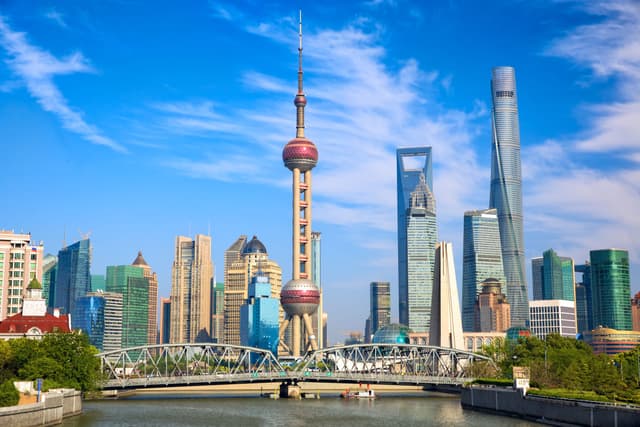
Two long-running scams target foreign visitors, and both start the same way. A friendly, well spoken young person, often claiming to be an art student, starts a conversation in English near a famous landmark. In Beijing this happens around Wangfujing and Houhai. In Shanghai it happens on East Nanjing Road and around the Bund.

In the tea house scam, you are invited to a traditional tea ceremony nearby. The tea is real, the room is small, and the bill at the end is enormous. In the art gallery scam, you are taken to a private student exhibition and pressured into buying mass produced scrolls at collector prices. In both cases the venue is in on it and the exit is blocked by politeness rather than force.

The defense is simple. Do not follow a stranger to a second location, however charming they are. If someone approaches you in English at a famous sight and steers the talk toward tea, art, a bar or a karaoke room, say no and keep walking.

Other things to watch:

  • Taxi trouble. Unmarked cars touting outside airports and stations, meters left switched off, long detours. Use the official queue or a ride hailing app, and insist on the meter.
  • Fake notes. Rarer now that almost everything is paid by phone, but it still turns up in change from small vendors and taxi drivers. Paying digitally removes the problem.
  • Ticket touts. Tickets sold on the street often do not work, because entry is tied to your passport. Buy through the official channel or your operator.
  • Photo hustles. Someone hands you a prop or an animal, then charges for the picture. Do not accept anything handed to you.

Roads, traffic and crossing the street

Traffic is the risk that visitors underrate most. Rules are enforced for cars, but the flow of electric scooters and delivery bikes runs by its own logic. They are close to silent, they use bike lanes in both directions, and they often continue through a red light while you are crossing.

Cross with a group of locals, look both ways even on a one way street, and check over your shoulder before stepping into a bike lane. In taxis, sit in the back and wear the seatbelt. For long distances, take the high speed rail.

Food, water and staying well

Street food in China is excellent and generally fine to eat. Use the ordinary rules: pick stalls with a queue, eat food cooked in front of you and served hot, and go easy on raw salads and cut fruit left sitting out.

Tap water is not for drinking anywhere in the country. Hotels supply kettles and bottled water, and stations and airports have hot water dispensers, so carrying a refillable bottle works well.

Check current vaccine advice on an official source such as the US CDC travel health page for China, and see a travel clinic several weeks before you go.

What about air quality?

Air quality has improved a great deal over the last decade, but it still varies sharply by city and by season. Winter and early spring are the difficult months in the north, when heating demand and still weather trap particulates. Beijing, Tianjin and the industrial cities of the Fenwei plain see the worst readings. Southern and coastal cities such as Shanghai, Guangzhou, Xiamen and Kunming are usually much cleaner, and summer is far better than winter almost everywhere.

Check before you go out rather than guessing. Any reputable air quality index app shows a live reading for your city. On a bad day, walk in the morning, spend the afternoon in museums, and wear a fitted mask if you have asthma. Our guide to the best places to visit in China helps you balance north and south.

Earthquakes, typhoons and altitude

Natural hazards depend entirely on where you go. Sichuan, Yunnan, Gansu and Qinghai sit in seismically active zones and do get earthquakes. The southeast coast, including Guangdong, Fujian, Zhejiang and Hainan, gets typhoons roughly between May and November, peaking around July to September. Typhoons are well forecast, and the practical effect on a tourist is usually a cancelled flight rather than personal danger.

Altitude is the one that catches people out. Lhasa sits above 3,600 meters and much of the Tibetan plateau is higher again. Parts of northwest Yunnan, including Shangri La, are above 3,000 meters. Ascend gradually, drink plenty of water, skip alcohol for the first couple of days, and treat a bad headache with nausea as a signal to descend. Tibet also needs extra permits arranged in advance through a licensed operator, so it is not somewhere you can add on a whim.

Health care and emergency numbers

Major cities have good hospitals, and Beijing, Shanghai, Guangzhou, Chengdu and Shenzhen all have international clinics used to treating foreign patients in English. Elsewhere, English is limited and public hospitals expect payment at the point of treatment, so travel insurance covering medical treatment and evacuation is not optional.

Save 110 for police, 120 for an ambulance, 119 for fire and 122 for traffic accidents. Operators mostly speak Mandarin, so keep a translation app installed and your hotel's Chinese address saved as a screenshot. Hotel staff will often call on your behalf faster than you can explain the problem yourself.

The real friction: apps, payments and paperwork

This is where trips go wrong, and none of it is about safety. Many international apps and websites are simply not reachable on a normal Chinese connection. Plan around it: download offline maps, install a translation app that works offline, and tell people at home which messaging app you will be using. Roaming on your home SIM often behaves differently from a local connection, so check with your carrier first.

Payments are much easier than they used to be. Foreign Visa and Mastercard cards can be linked inside Alipay and WeChat Pay, which is how you will pay for almost everything from noodles to metro tickets. Set both up at home, complete the passport verification before you fly, and carry some cash as a backup.

Paperwork is the other surprise. Your passport is your ID for everything. Hotels register you at check in, train tickets are tied to your passport number, and many major attractions require you to book in advance under your own name and show the passport at the gate, including timed entry at the Great Wall of China. Carry your actual passport, not a photocopy, and keep a photo of the data page and visa on your phone as a backup.

Entry rules before you book

China has expanded visa free entry considerably. Many nationalities can now enter visa free for tourism for a set number of days, and a separate transit rule lets eligible passport holders arriving at listed ports stay up to 240 hours without a visa, provided they hold a confirmed onward ticket to a third country. The country lists and approved ports change, sometimes at short notice.

Do not rely on a blog for this, including this one. Confirm your own situation on the official portal of China's National Immigration Administration before you book flights, and check again close to departure. If the paperwork feels fiddly, our China tour packages handle the bookings, real name registrations and timed entries for you.

Is China safe for solo female travelers?

Generally yes, and many solo women rate China among the easier destinations in Asia. Street harassment is uncommon, public transport is well lit and monitored, and eating alone draws no attention. The usual precautions apply: licensed taxis or a ride hailing app at night, share your live location with someone at home, and never follow a new acquaintance to a second venue, which is exactly how the tea house and gallery scams work.

Risks at a glance

RiskHow likelyHow to avoid it
Violent crime against touristsRareNormal city sense; stick to lit, populated streets at night
PickpocketingOccasional in crowdsZipped bag, phone in a front pocket, extra care on packed subways
Tea house or art gallery scamCommon approach at major sightsNever follow a friendly stranger to a second location
Taxi overchargingCommon at airports and stationsOfficial taxi queue or a ride hailing app; insist on the meter
Counterfeit cashUncommon nowPay by phone; check change from small vendors
Traffic and silent e-scootersThe most underrated daily riskLook both ways, cross with locals, check before entering bike lanes
Stomach upsetsOccasionalHot, freshly cooked food; never drink tap water
Poor air qualitySeasonal, mainly northern winterCheck a live index daily; plan indoor time; mask if asthmatic
Altitude sicknessLikely on the Tibetan plateauAscend slowly, hydrate, skip alcohol, descend if symptoms worsen
Typhoon disruptionSoutheast coast, May to NovemberBuild slack into coastal itineraries; watch forecasts
Being locked out of apps or paymentsVery likely if unpreparedSet up wallets, offline maps and translation before you fly

Handled properly, none of this shapes the trip. A first visit built around the two flagship cities, such as our Beijing Shanghai Tour, spends its time on the Great Wall, the Bund and the food, not on worrying.

Frequently asked questions about safety in China

Is China safe for tourists right now?

Yes. For ordinary tourism, China is generally very safe. Violent crime against visitors is rare and cities feel secure at night. The realistic risks are pickpocketing in crowds, tourist scams near major sights, traffic, and seasonal air quality. Check your own government's travel advisory before booking.

Can I drink the tap water in China?

No. Tap water is not safe to drink anywhere in China, including major cities. Use bottled water, or boil tap water first. Hotels provide kettles and bottled water, and hot water dispensers are standard in stations, airports and offices, so refilling a bottle is easy.

Do foreign credit cards work in China?

Foreign Visa and Mastercard cards can now be linked inside Alipay and WeChat Pay, which is how most payments happen. Physical cards are accepted at international hotels, airports and large chains, but rarely at small restaurants, taxis or street vendors. Set up the apps before you travel and carry backup cash.

Do I need to carry my passport in China?

Yes, carry your actual passport rather than a copy. It is your official ID for hotel check in, train and bus tickets, and entry to many attractions, which are booked under your real name. Police can also ask to see it. Keep a photo of the data page on your phone as a backup.

Is China safe for solo female travelers?

Generally yes. Solo women often rate China as one of the easier destinations in Asia, with low street harassment, well monitored transport and no awkwardness about eating alone. Use licensed taxis or a ride hailing app at night, share your location with someone at home, and never follow a stranger to a second venue.

How bad is air pollution for a visitor to China?

It depends on the city and the season. Northern cities including Beijing and Tianjin are worst in winter and early spring, while southern and coastal cities are usually much cleaner and summer is far better nationwide. Check a live air quality index each morning and plan indoor activities on bad days.

Tags
ChinaChina Travel SafetyTravel SafetyChina Travel TipsSolo TravelChina ScamsAsia Travel
Share
G
Gomayu Team
Writer at Gomayu
Keep reading
Blog / China

Is It Safe to Travel to China? An Honest Guide

11 min read 27 Jul 2026

If you are asking is it safe to travel to china, the short answer is yes. For ordinary tourism, China is one of the easier and calmer places you can travel. Violent crime against visitors is rare, cities feel orderly late at night, and the transport system is clean and reliable. The things that actually trip people up are language, payment apps, phone setup and paperwork, not danger. Get those sorted before you fly and the rest of the trip tends to run smoothly.

This guide sticks to the practical stuff: crime, roads, food and water, air quality, natural hazards, scams, health care and the friction of a country where the apps work differently. Governments publish their own travel advisories, so read your own country's page before you book.

So how safe is China really?

Very safe by most measures that matter to a tourist. Street robbery and bag snatching are uncommon in the big cities, and it is normal to see people walking home alone well after midnight. Lost phones and wallets are handed in more often than you would expect.

The realistic risk profile for a visitor is small stuff: an overpriced taxi, a scam that costs you an awkward afternoon, a stomach upset, or a missed connection because you could not read a sign. None of that is dangerous. It is just annoying, and most of it is avoidable.

Crime and everyday street safety

Pickpocketing is the main property crime, and it happens where crowds are thickest: subway interchanges at rush hour, night markets, station concourses and the busiest sections of major sights. Keep your phone in a front pocket or a zipped bag.

Nightlife areas in a few tourist districts have the usual problems, including inflated bills and drinks you did not order appearing on the tab. Stick to places with printed menus, and settle up as you go rather than running an open tab.

Which scams should travelers watch out for?

Two long-running scams target foreign visitors, and both start the same way. A friendly, well spoken young person, often claiming to be an art student, starts a conversation in English near a famous landmark. In Beijing this happens around Wangfujing and Houhai. In Shanghai it happens on East Nanjing Road and around the Bund.

In the tea house scam, you are invited to a traditional tea ceremony nearby. The tea is real, the room is small, and the bill at the end is enormous. In the art gallery scam, you are taken to a private student exhibition and pressured into buying mass produced scrolls at collector prices. In both cases the venue is in on it and the exit is blocked by politeness rather than force.

The defense is simple. Do not follow a stranger to a second location, however charming they are. If someone approaches you in English at a famous sight and steers the talk toward tea, art, a bar or a karaoke room, say no and keep walking.

Other things to watch:

  • Taxi trouble. Unmarked cars touting outside airports and stations, meters left switched off, long detours. Use the official queue or a ride hailing app, and insist on the meter.
  • Fake notes. Rarer now that almost everything is paid by phone, but it still turns up in change from small vendors and taxi drivers. Paying digitally removes the problem.
  • Ticket touts. Tickets sold on the street often do not work, because entry is tied to your passport. Buy through the official channel or your operator.
  • Photo hustles. Someone hands you a prop or an animal, then charges for the picture. Do not accept anything handed to you.

Roads, traffic and crossing the street

Traffic is the risk that visitors underrate most. Rules are enforced for cars, but the flow of electric scooters and delivery bikes runs by its own logic. They are close to silent, they use bike lanes in both directions, and they often continue through a red light while you are crossing.

Cross with a group of locals, look both ways even on a one way street, and check over your shoulder before stepping into a bike lane. In taxis, sit in the back and wear the seatbelt. For long distances, take the high speed rail.

Food, water and staying well

Street food in China is excellent and generally fine to eat. Use the ordinary rules: pick stalls with a queue, eat food cooked in front of you and served hot, and go easy on raw salads and cut fruit left sitting out.

Tap water is not for drinking anywhere in the country. Hotels supply kettles and bottled water, and stations and airports have hot water dispensers, so carrying a refillable bottle works well.

Check current vaccine advice on an official source such as the US CDC travel health page for China, and see a travel clinic several weeks before you go.

What about air quality?

Air quality has improved a great deal over the last decade, but it still varies sharply by city and by season. Winter and early spring are the difficult months in the north, when heating demand and still weather trap particulates. Beijing, Tianjin and the industrial cities of the Fenwei plain see the worst readings. Southern and coastal cities such as Shanghai, Guangzhou, Xiamen and Kunming are usually much cleaner, and summer is far better than winter almost everywhere.

Check before you go out rather than guessing. Any reputable air quality index app shows a live reading for your city. On a bad day, walk in the morning, spend the afternoon in museums, and wear a fitted mask if you have asthma. Our guide to the best places to visit in China helps you balance north and south.

Earthquakes, typhoons and altitude

Natural hazards depend entirely on where you go. Sichuan, Yunnan, Gansu and Qinghai sit in seismically active zones and do get earthquakes. The southeast coast, including Guangdong, Fujian, Zhejiang and Hainan, gets typhoons roughly between May and November, peaking around July to September. Typhoons are well forecast, and the practical effect on a tourist is usually a cancelled flight rather than personal danger.

Altitude is the one that catches people out. Lhasa sits above 3,600 meters and much of the Tibetan plateau is higher again. Parts of northwest Yunnan, including Shangri La, are above 3,000 meters. Ascend gradually, drink plenty of water, skip alcohol for the first couple of days, and treat a bad headache with nausea as a signal to descend. Tibet also needs extra permits arranged in advance through a licensed operator, so it is not somewhere you can add on a whim.

Health care and emergency numbers

Major cities have good hospitals, and Beijing, Shanghai, Guangzhou, Chengdu and Shenzhen all have international clinics used to treating foreign patients in English. Elsewhere, English is limited and public hospitals expect payment at the point of treatment, so travel insurance covering medical treatment and evacuation is not optional.

Save 110 for police, 120 for an ambulance, 119 for fire and 122 for traffic accidents. Operators mostly speak Mandarin, so keep a translation app installed and your hotel's Chinese address saved as a screenshot. Hotel staff will often call on your behalf faster than you can explain the problem yourself.

The real friction: apps, payments and paperwork

This is where trips go wrong, and none of it is about safety. Many international apps and websites are simply not reachable on a normal Chinese connection. Plan around it: download offline maps, install a translation app that works offline, and tell people at home which messaging app you will be using. Roaming on your home SIM often behaves differently from a local connection, so check with your carrier first.

Payments are much easier than they used to be. Foreign Visa and Mastercard cards can be linked inside Alipay and WeChat Pay, which is how you will pay for almost everything from noodles to metro tickets. Set both up at home, complete the passport verification before you fly, and carry some cash as a backup.

Paperwork is the other surprise. Your passport is your ID for everything. Hotels register you at check in, train tickets are tied to your passport number, and many major attractions require you to book in advance under your own name and show the passport at the gate, including timed entry at the Great Wall of China. Carry your actual passport, not a photocopy, and keep a photo of the data page and visa on your phone as a backup.

Entry rules before you book

China has expanded visa free entry considerably. Many nationalities can now enter visa free for tourism for a set number of days, and a separate transit rule lets eligible passport holders arriving at listed ports stay up to 240 hours without a visa, provided they hold a confirmed onward ticket to a third country. The country lists and approved ports change, sometimes at short notice.

Do not rely on a blog for this, including this one. Confirm your own situation on the official portal of China's National Immigration Administration before you book flights, and check again close to departure. If the paperwork feels fiddly, our China tour packages handle the bookings, real name registrations and timed entries for you.

Is China safe for solo female travelers?

Generally yes, and many solo women rate China among the easier destinations in Asia. Street harassment is uncommon, public transport is well lit and monitored, and eating alone draws no attention. The usual precautions apply: licensed taxis or a ride hailing app at night, share your live location with someone at home, and never follow a new acquaintance to a second venue, which is exactly how the tea house and gallery scams work.

Risks at a glance

RiskHow likelyHow to avoid it
Violent crime against touristsRareNormal city sense; stick to lit, populated streets at night
PickpocketingOccasional in crowdsZipped bag, phone in a front pocket, extra care on packed subways
Tea house or art gallery scamCommon approach at major sightsNever follow a friendly stranger to a second location
Taxi overchargingCommon at airports and stationsOfficial taxi queue or a ride hailing app; insist on the meter
Counterfeit cashUncommon nowPay by phone; check change from small vendors
Traffic and silent e-scootersThe most underrated daily riskLook both ways, cross with locals, check before entering bike lanes
Stomach upsetsOccasionalHot, freshly cooked food; never drink tap water
Poor air qualitySeasonal, mainly northern winterCheck a live index daily; plan indoor time; mask if asthmatic
Altitude sicknessLikely on the Tibetan plateauAscend slowly, hydrate, skip alcohol, descend if symptoms worsen
Typhoon disruptionSoutheast coast, May to NovemberBuild slack into coastal itineraries; watch forecasts
Being locked out of apps or paymentsVery likely if unpreparedSet up wallets, offline maps and translation before you fly

Handled properly, none of this shapes the trip. A first visit built around the two flagship cities, such as our Beijing Shanghai Tour, spends its time on the Great Wall, the Bund and the food, not on worrying.

Frequently asked questions about safety in China

Is China safe for tourists right now?

Yes. For ordinary tourism, China is generally very safe. Violent crime against visitors is rare and cities feel secure at night. The realistic risks are pickpocketing in crowds, tourist scams near major sights, traffic, and seasonal air quality. Check your own government's travel advisory before booking.

Can I drink the tap water in China?

No. Tap water is not safe to drink anywhere in China, including major cities. Use bottled water, or boil tap water first. Hotels provide kettles and bottled water, and hot water dispensers are standard in stations, airports and offices, so refilling a bottle is easy.

Do foreign credit cards work in China?

Foreign Visa and Mastercard cards can now be linked inside Alipay and WeChat Pay, which is how most payments happen. Physical cards are accepted at international hotels, airports and large chains, but rarely at small restaurants, taxis or street vendors. Set up the apps before you travel and carry backup cash.

Do I need to carry my passport in China?

Yes, carry your actual passport rather than a copy. It is your official ID for hotel check in, train and bus tickets, and entry to many attractions, which are booked under your real name. Police can also ask to see it. Keep a photo of the data page on your phone as a backup.

Is China safe for solo female travelers?

Generally yes. Solo women often rate China as one of the easier destinations in Asia, with low street harassment, well monitored transport and no awkwardness about eating alone. Use licensed taxis or a ride hailing app at night, share your location with someone at home, and never follow a stranger to a second venue.

How bad is air pollution for a visitor to China?

It depends on the city and the season. Northern cities including Beijing and Tianjin are worst in winter and early spring, while southern and coastal cities are usually much cleaner and summer is far better nationwide. Check a live air quality index each morning and plan indoor activities on bad days.

Tags
ChinaChina Travel SafetyTravel SafetyChina Travel TipsSolo TravelChina ScamsAsia Travel
Share
G
Gomayu Team
Writer at Gomayu
Keep reading