





































































Thailand has long been one of the best value destinations in the world, and it still is, though prices in the tourist hotspots have crept up in recent years. The honest answer to "is Thailand expensive" is that it is remarkably cheap if you eat local and travel like a backpacker, comfortable value at the mid range, and only genuinely pricey if you chase island resorts in high season or stick to Western food and cocktails. Thailand rewards travellers who lean into local life. This guide breaks down what a trip really costs, category by category, with daily budgets for every style and honest tips to stretch your money. For the wider plan, see our Thailand travel guide.
A quick note on the numbers below. All prices are approximate, given in Thai baht (THB) with rough US dollar equivalents, and they move with the season, the exchange rate and where you are in the country. Treat them as planning ranges rather than quotes. Bangkok and the northern city of Chiang Mai are cheaper day to day than the southern islands, and everything costs more in the November to April high season.
Is Thailand expensive, in one honest answer?
No, Thailand is not expensive by global standards, and for most travellers it remains one of the cheapest comfortable destinations in Asia. A backpacker eating street food and using local transport can travel on very little. A mid range traveller staying in three star hotels with the occasional flight and tour spends a moderate amount that still feels like good value. Costs only climb toward Western levels if you book five star island resorts in peak season, dine mostly in international restaurants, or rely on private transfers and taxis. In short, Thailand lets you choose your price, and the local option is almost always excellent.
What is cheap and what is not in Thailand?
The single biggest saving in Thailand is food, closely followed by local transport. The costs that surprise people are the islands in high season and imported Western comforts.
- Cheap: street food and local restaurants, local buses, trains and the Bangkok metro, domestic SIM data, guesthouses and hostels, temples, markets and most beaches.
- Mid range: internal flights booked ahead, mid tier hotels, sit down restaurant meals, group day tours, cooking classes and massages.
- Pricier: island beach resorts in high season, Western food and imported alcohol, cocktails in beach clubs, spa days, private drivers and airport transfers, and premium diving trips.

How much does food cost in Thailand?
Food is where Thailand shines for value, and eating well costs very little. A plate of pad thai, a bowl of noodle soup or a curry over rice from a street stall or market typically runs around 50 to 80 THB (roughly 1.50 to 2.50 USD). A meal in a simple local restaurant might be 80 to 150 THB. A sit down meal in a mid range restaurant aimed at tourists is often 200 to 400 THB a head, and a Western style restaurant or a nice dinner with drinks in Bangkok or on the islands can climb to 600 THB or more.
Drinks follow the same pattern. A large local beer from a shop is cheap, while the same beer in a beach bar costs several times as much. Fresh fruit shakes and Thai iced tea from a cart are a few baht. Coffee in a trendy Chiang Mai or Bangkok cafe is priced much like it would be at home. To understand what to order and where, our Thai food guide is a good primer.
| Item | Approximate cost (THB) | Rough USD |
|---|---|---|
| Street food plate (pad thai, curry, noodles) | 50 to 80 | 1.50 to 2.50 |
| Local restaurant meal | 80 to 150 | 2.50 to 4.50 |
| Mid range tourist restaurant, per head | 200 to 400 | 6 to 12 |
| Western or upscale dinner with drinks | 600 and up | 18 and up |
| Local beer from a shop | 40 to 70 | 1 to 2 |
| Fruit shake or Thai iced tea | 20 to 50 | 0.60 to 1.50 |
How much does accommodation cost?
Thailand has one of the widest accommodation ranges anywhere, so lodging can be your smallest or largest daily cost depending on taste. A hostel dorm bed is cheap in Bangkok and Chiang Mai and a little more on the islands. A clean private guesthouse room with air conditioning is very affordable, a comfortable three star hotel with a pool is mid range, and boutique or four and five star island resorts sit at the top.
| Style | Bangkok and Chiang Mai (THB per night) | Southern islands, high season (THB per night) |
|---|---|---|
| Hostel dorm bed | 200 to 450 | 350 to 700 |
| Private guesthouse room | 500 to 900 | 800 to 1,500 |
| Comfortable three star hotel | 1,000 to 2,000 | 1,800 to 3,500 |
| Four or five star resort | 3,000 and up | 5,000 and up |
The clearest way to cut this cost is to travel in the shoulder months and to stay a street or two back from the main beach, where the same standard of room can be dramatically cheaper.
How much does transport cost in Thailand?
Getting around is cheap if you use local options and only becomes pricey with private cars and last minute flights. Within cities, the Bangkok BTS Skytrain and MRT metro cost a few tens of baht per ride, songthaews (shared pickups) in Chiang Mai and the islands are cheap, and the Grab ride hailing app is fair value and removes any haggling. Tuk tuks are a fun experience but you must agree a price first, and they are often no cheaper than a metered ride.
Between cities, overnight trains and long distance buses are inexpensive and save a night of accommodation. Domestic flights on budget carriers are cheap when booked a few weeks ahead and connect Bangkok to Chiang Mai, Phuket, Krabi and beyond in about an hour. Ferries and speedboats to the islands are the extra cost of beach travel and are worth booking as part of a combined ticket.
- City metro or Skytrain ride: around 20 to 60 THB.
- Grab across a city: often 80 to 250 THB depending on distance.
- Overnight train or long distance bus: a few hundred baht, saving a hotel night.
- Domestic flight booked ahead: usually 900 to 2,500 THB one way.
- Island ferry or speedboat transfer: a few hundred baht each way.
How much do activities and tours cost?
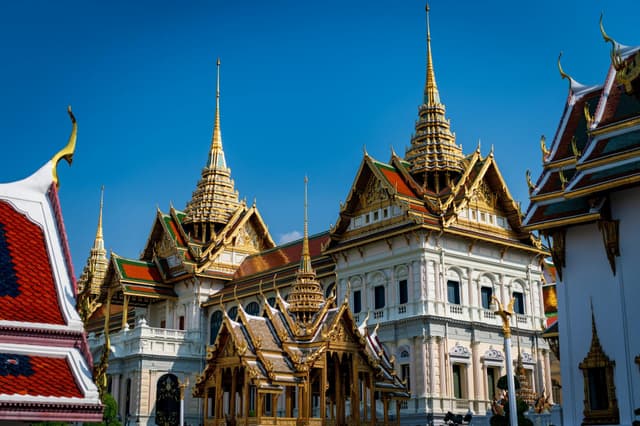
Many of Thailand's best experiences are cheap or free, while a handful of signature activities are the bigger spends. Temples and markets cost little to nothing, with modest entry fees at the grandest sites such as Bangkok's Grand Palace. The costs that add up are boat trips, diving, and ethical elephant sanctuaries.
| Activity | Approximate cost (THB) |
|---|---|
| Temple or market entry | Free to 500 |
| Thai cooking class (half day) | 800 to 1,500 |
| Hour long Thai massage | 250 to 500 |
| Group island hopping day tour | 800 to 1,800 |
| Two dive day trip with gear | 2,500 to 4,500 |
| Ethical elephant sanctuary visit | 1,800 to 3,000 |
Booking directly with reputable local operators, or as part of a bundled package, tends to be cheaper than arranging everything separately at the last minute.
What are realistic daily budgets by travel style?
Here is a rough guide per person per day, excluding international flights and pre booked accommodation. The islands cost more than the mainland, and high season lifts everything, so these are planning ranges rather than fixed figures.
| Style | Where you stay and eat | Rough daily budget (THB) | Rough USD |
|---|---|---|---|
| Backpacker | Hostel or guesthouse, street food, local transport | 800 to 1,400 | 24 to 42 |
| Mid range | Three star hotel, mix of local and restaurant meals, some tours and flights | 2,500 to 4,500 | 75 to 135 |
| Comfort | Four or five star resort, restaurants, private transfers | 6,000 and up | 180 and up |
How much does a week or two in Thailand cost?
Scaling the daily figures up gives a useful sense of a full trip. A one week backpacking trip on the mainland can cost surprisingly little beyond your flights, while a two week trip that mixes Bangkok, the north and an island in comfort naturally costs more. The single biggest lever is your accommodation and island choices, not your day to day spending on food and transport.
- One week, backpacker: modest, especially if you stay on the mainland and use trains and buses.
- Ten days to two weeks, mid range: a comfortable middle budget for hotels, some flights and a few paid experiences.
- Two weeks, comfort with islands: the highest tier, driven mainly by resort nights in high season.
For a sense of how to structure the days, our Thailand itinerary maps sample routes of 7 to 14 days.
When is Thailand most expensive?
Thailand is most expensive during the November to April high season, when the weather is best and demand peaks, and around the Christmas, New Year and Songkran (Thai New Year in April) holidays, when island resorts can double their rates. The cheapest travel is in the green season from roughly May to October, when short afternoon downpours are the trade off for lower prices, thinner crowds and lush scenery. Timing your trip well is one of the biggest savings available, and our guide to the best time to visit Thailand covers the seasons in detail.
How can you keep costs down in Thailand?
A few simple habits keep a Thailand budget low without sacrificing the experience.
- Eat where locals eat. Street food and market stalls are cheaper and often tastier than tourist restaurants.
- Book internal flights and popular tours early rather than paying last minute fares.
- Travel in the shoulder or green months for lower island prices and thinner crowds.
- Stay just off the main beach or nightlife street, where room prices drop sharply.
- Use a local SIM and the Grab app instead of roaming data and unmetered taxis.
- Withdraw larger amounts less often, as Thai ATMs charge a per withdrawal fee to foreign cards.
- Carry cash for street stalls and small towns, since many local vendors do not take cards.
Our Thailand travel tips cover more of the practical details first time visitors ask about.
Are there hidden costs to watch for?
A few extras catch travellers out. ATMs charge a fixed fee of around 220 THB per foreign card withdrawal, so take out larger sums at once. Some attractions have a higher price for foreign visitors than for locals, which is normal and usually still modest. Jet ski and scooter rentals occasionally come with inflated damage claims, so photograph any vehicle before you take it and use reputable shops. Finally, tipping is not obligatory in Thailand, though rounding up a bill or leaving small change for good service is appreciated, especially by spa and restaurant staff.
If planning all of this yourself feels like a lot, a packaged trip removes the guesswork by bundling hotels, transfers and day tours into one price, which also makes budgeting simpler. You can compare a curated Thailand tour package to see what a bundled trip covers before you decide.
How does cost vary between Bangkok, Chiang Mai and the islands?
Where you spend your time changes the daily budget as much as your travel style does. Bangkok is a huge city with everything from one dollar street stalls to rooftop bars charging Western prices, so it can be as cheap or expensive as you make it. Chiang Mai in the north is widely regarded as the best value base in the country, with low room rates, cheap and excellent food, and inexpensive day trips into the hills. The southern islands and beach towns are the priciest part of Thailand, especially in high season, because rooms, ferries, imported goods and beachfront dining all carry a premium.
| Base | Value rating | Why |
|---|---|---|
| Chiang Mai and the north | Best value | Cheap rooms, superb inexpensive food, low cost tours |
| Bangkok | Flexible | Both bargain and luxury exist side by side |
| Southern islands (Phuket, Koh Samui, Phi Phi) | Most expensive | Resort rooms, ferries and beach dining cost more, peak in high season |
| Lesser known islands (Koh Lanta, Koh Chang) | Better value beaches | Cheaper than the headline islands, quieter |
A simple way to control your budget is to spend the bulk of your trip in the north and centre, then treat the islands as a shorter, higher spend finale rather than the whole holiday.
How much does a beer, a coffee and a night out cost?
Everyday drinks are cheap when bought locally and jump in price in tourist bars. A large bottle of local beer from a convenience store is a couple of dollars, while the same beer in a beachfront bar or club can be three to four times more. Cocktails in tourist areas are priced much like they are at home, and imported wine and spirits carry heavy taxes, so they are one of the few genuinely expensive things in Thailand. A coffee from a cart is small change, though speciality cafes in Bangkok and Chiang Mai charge cafe prices. A night out on beer and street snacks stays cheap, but a night of cocktails at a rooftop or beach club is one of the fastest ways to spend money in Thailand.
Is Thailand expensive for families?
Thailand is a good value family destination because the things children enjoy most, such as beaches, markets, elephant sanctuaries and street food, are affordable, and many hotels let young children stay free in a parent's room. Family rooms and two bedroom apartments offer better value than booking separate rooms. Domestic flights, entry fees and tours often have reduced child rates. The main extra costs for families are larger accommodation and private transfers, which are more comfortable than public transport with young children. Overall a family can travel well in Thailand for far less than a comparable beach holiday in Europe or Australia.
What about visas, insurance and other trip costs?
Beyond daily spending, budget for a few fixed costs. Many nationalities receive visa exempt entry to Thailand for tourism, while others pay a modest visa fee, so check the current rules for your passport before you travel. Travel insurance is a small but essential cost, particularly if you plan to ride a scooter, dive or island hop, as medical treatment and evacuation can be expensive without cover. Set aside a little for a local SIM card, which is cheap and makes ride hailing, maps and translation far easier. Souvenir and market shopping is entirely optional, and bargaining is normal at markets, so the amount you spend there is up to you.
A sample week, costed out
To make the ranges concrete, here is how a comfortable mid range week might break down for one person, staying in three star hotels, eating a mix of street food and restaurants, and taking a couple of tours. Flights to Thailand are excluded, and figures are approximate.
| Category | Approximate weekly cost (THB) |
|---|---|
| Accommodation, 7 nights three star | 8,000 to 12,000 |
| Food and drink | 3,500 to 6,000 |
| Local transport and one domestic flight | 2,500 to 4,000 |
| Tours and activities | 3,000 to 6,000 |
| Miscellaneous (SIM, tips, ATM fees) | 800 to 1,500 |
Backpackers can cut this substantially by choosing hostels, buses and street food, while comfort travellers on the islands will spend well above it. The point is that Thailand flexes to your budget rather than forcing a fixed cost on you.
Tipping and service charges: what is expected?
Tipping is not a strong custom in Thailand, so it rarely adds much to a budget, but a few situations are worth knowing. Many mid range and upscale restaurants add a service charge of around 10 percent to the bill, in which case no extra tip is needed. At simple local eateries and street stalls, tipping is not expected at all. For good service from spa therapists, hotel porters, private drivers and guides, a small tip is appreciated and increasingly common in tourist areas, but it is always optional. Rounding up a taxi or Grab fare, or leaving the loose change from a restaurant bill, is a friendly gesture rather than an obligation. Because tipping is modest and discretionary, you can factor in a little and adjust based on the service you receive.
How should you budget specifically for the islands?
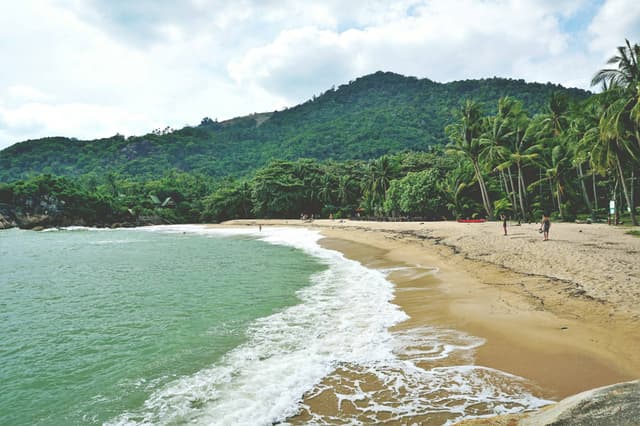
The southern islands are where a Thailand budget can stretch, so they deserve their own planning. Room rates on popular islands rise sharply in the November to April high season and around the Christmas and New Year peak, then fall in the green season. Ferries and speedboat transfers add a fixed cost to reach and hop between islands, and booking combined tickets is usually cheaper than arranging each leg separately. Food and drink cost more on the beach than in a mainland city, and imported items carry a premium. To keep island costs sensible, consider quieter islands such as Koh Lanta or Koh Chang instead of the headline names, travel in the shoulder months, stay a short walk back from the beachfront, and limit resort nights to a few days rather than a whole trip. Diving and snorkelling trips are the other big island spend, so book them with a reputable operator and compare group versus private rates.
Shoestring or comfort: which style suits you?
Thailand is one of the few countries where a shoestring traveller and a comfort traveller can share the same beach and both feel they got great value. If you are happy in hostels and guesthouses, eat street food, and use buses, trains and ride hailing, Thailand is extraordinarily cheap and your money goes a very long way. If you prefer three star hotels, a mix of local and restaurant meals, and the odd flight and guided tour, you land in a comfortable middle that still feels like a bargain. Only at the top, with high season island resorts, fine dining and private transfers, do costs approach what you would pay in the West, and even then you generally get more for your money. Decide which style you want before you book, because your choices on accommodation and islands, more than your daily habits, set the final cost of the trip.
Frequently asked questions
Is Thailand cheaper than Vietnam or Bali?
They are broadly similar for budget travel. Thailand can be slightly pricier on the famous southern islands in high season, but street food and local transport keep everyday costs very low across all three destinations. Vietnam is often marginally cheaper for food and long distance buses, while Bali is comparable once you factor in scooter hire and villa stays.
How much money do I need per day in Thailand?
It depends on your style. Backpackers eating street food and using local transport can travel on roughly 800 to 1,400 THB a day, mid range travellers with three star hotels and the occasional flight spend around 2,500 to 4,500 THB, and island resort travel with private transfers costs 6,000 THB and up. These figures exclude international flights.
What is the most expensive part of a Thailand trip?
Usually island beach resorts in high season, followed by Western food, cocktails in beach clubs and organised tours such as diving. Everyday Thai food, temples, markets and local transport are cheap by comparison, so where you sleep and drink drives the budget more than what you eat.
Is Thailand still cheap in 2026?
Yes. Prices in tourist areas have risen over the years, but Thailand remains one of the best value destinations in Asia. Local food, transport and simple accommodation are still very affordable, and only imported comforts and peak season resorts approach Western prices.
How much does a two week trip to Thailand cost?
It varies widely by style. Two weeks backpacking on the mainland can be done for a modest sum beyond flights, a mid range trip mixing Bangkok, Chiang Mai and an island costs a comfortable middle amount, and a comfort trip with high season island resorts sits at the top. Accommodation and island choices, not daily spending, make the biggest difference.
Should I carry cash or use cards in Thailand?
Carry a mix. Cash is essential for street food, markets, songthaews and small towns, while hotels, malls and larger restaurants take cards. Note that Thai ATMs charge a fixed fee of around 220 THB per foreign card withdrawal, so take out larger amounts less frequently to reduce fees.
Is it expensive to island hop in Thailand?
Island hopping adds ferry and speedboat costs and higher room rates than the mainland, especially in high season, but it need not break the budget. Travelling in the shoulder months, staying in guesthouses rather than resorts and booking combined ferry tickets keeps island costs reasonable.
Do restaurants in Thailand add a service charge?
Many mid range and upscale restaurants add a service charge of about 10 percent, shown on the bill, in which case no further tip is needed. Simple local eateries and street stalls do not add one and do not expect a tip. Always glance at the bill before deciding whether to add anything.
Is it cheaper to travel Thailand independently or with a package?
Independent travel can be cheaper if you are flexible and book well, especially on the mainland. A package can be better value and far less hassle for island heavy trips, families or short holidays, because hotels, transfers and tours are bundled and priced together, which also makes the total cost easier to predict.
More Thailand travel guides
- Thailand Travel Guide: Beaches, Cities, Food and How to Plan a First Trip
- Thailand Itinerary: How Many Days and Sample 7 to 14 Day Routes
- Thailand Travel Tips: What First Time Visitors Need to Know
- Best Time to Visit Thailand: Seasons, Weather and Festivals