



















+977-9709047652
Explore by Country
See all 22 Thailand packages
Most popular pick
See all 22 Thailand packages →
See all 11 Vietnam packages
Most popular pick
See all 11 Vietnam packages →
See all 10 Indonesia (Bali) packages
Most popular pick
See all 10 Indonesia (Bali) packages →
See all 7 Maldives packages
Most popular pick
See all 7 Maldives packages →
See all 10 China packages
Most popular pick
See all 10 China packages →
See all 13 Sri Lanka packages
Most popular pick
See all 13 Sri Lanka packages →
See all 9 Malaysia packages
Most popular pick
See all 9 Malaysia packages →
See all 8 Singapore packages
Most popular pick
See all 8 Singapore packages →
See all 2 Kenya packages
Most popular pick
See all 2 Kenya packages →
See all 16 India packages
Most popular pick
See all 16 India packages →
See all 3 Dubai packages
Most popular pick
See all 3 Dubai packages →
See all 7 Nepal packages
Most popular pick
See all 7 Nepal packages →
See all 6 Philippines packages
Most popular pick
See all 6 Philippines packages →
Search Tours or Places
Blog / Sri Lanka

Places to Visit in Sri Lanka: Cities, Hills & Beaches

17 min read 19 Aug 2026 · Updated 04 Oct 2026
Places to Visit in Sri Lanka: Cities, Hills & Beaches

Sri Lanka packs an extraordinary amount into a small island, so the best places to visit fall neatly into four groups: the Cultural Triangle in the centre for ancient cities and rock temples, the hill country for tea estates and cool mountain air, the south and west coasts for beaches, and the national parks for leopards and elephants. A classic first trip loops from Sigiriya and Kandy down through Ella to the southern beaches around Galle, taking in history, scenery, wildlife and coast in a single, compact route. This guide walks through every region, the standout sights, how to link them, when to go and how to get around, so you can build the trip you want.

What are the best places to visit in Sri Lanka?

A handful of destinations appear on almost every first itinerary, and together they showcase the island's variety. Start with these, then add regions to suit your time and interests.

PlaceRegionBest for
SigiriyaCultural TriangleRock fortress and frescoes
KandyHill country gatewayTemple of the Tooth and culture
EllaHill countryTea, hikes and the Nine Arch Bridge
Nuwara EliyaHill countryTea estates and Little England
GalleSouth coastDutch colonial fort town
Mirissa and UnawatunaSouth coastBeaches and whale watching
YalaSoutheastLeopard safaris

If beaches are your priority, our guide to the best beaches in Sri Lanka goes deeper on the coast, while the sections below cover the inland highlights in turn.

What is in the Cultural Triangle?

The Cultural Triangle covers Sri Lanka's ancient heartland, a cluster of ruined royal capitals, giant stupas and rock temples that tell the story of more than two thousand years of Buddhist civilisation. It is the historical core of the island and where most heritage focused travel happens.

PlaceKnown forRegion
SigiriyaFifth century rock fortress and frescoesCentral
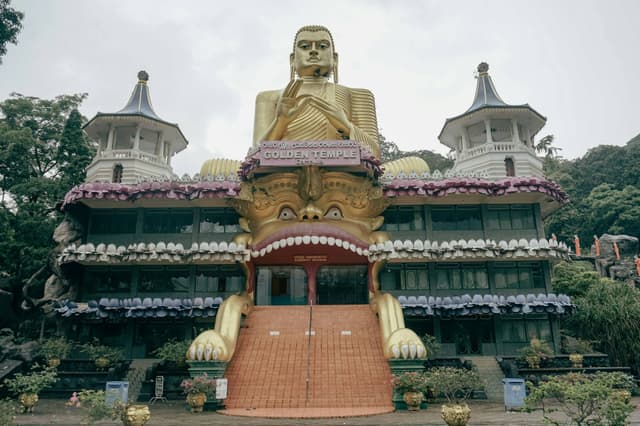
DambullaGolden cave temples with painted ceilingsCentral
PolonnaruwaWell preserved medieval ruined cityNorth Central
AnuradhapuraSacred ancient capital and giant stupasNorth Central
MihintaleBirthplace of Buddhism in Sri LankaNorth Central

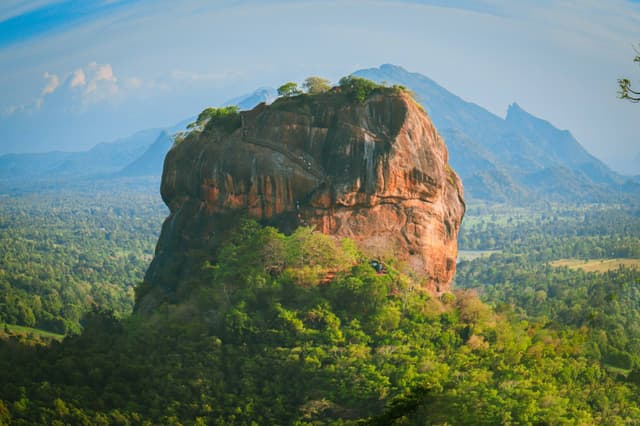
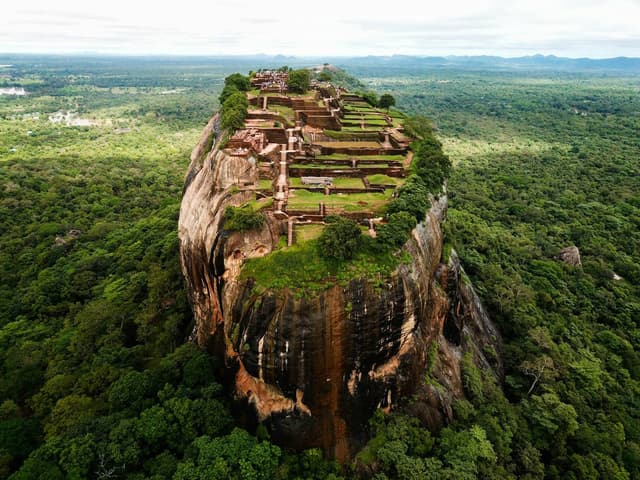
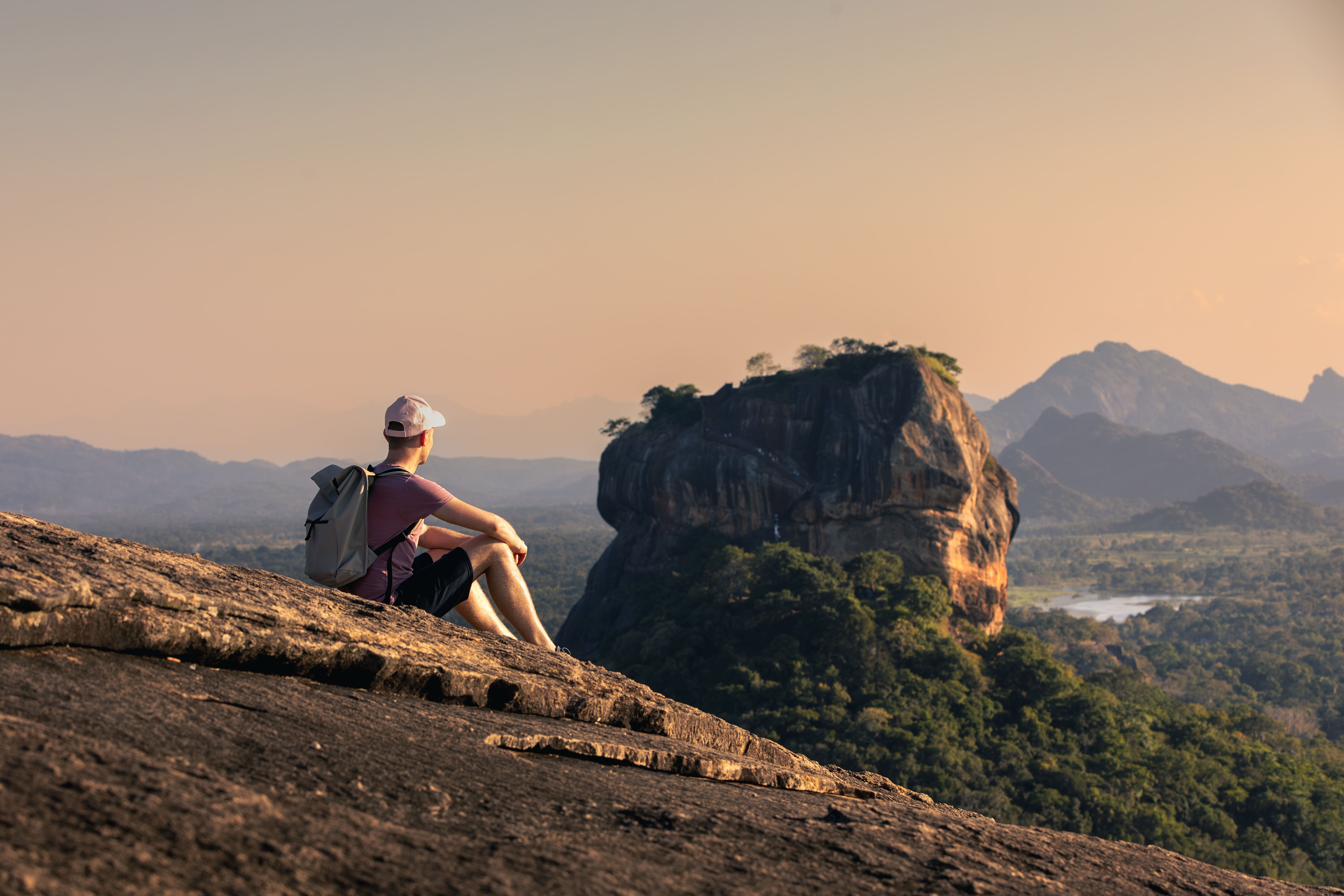
Sigiriya is the showpiece, a sheer rock rising from the jungle, crowned with the ruins of a fifth century palace and famous for its ancient frescoes and mirror wall. Climb it early to beat the heat and crowds, or scale neighbouring Pidurangala for the classic view of the rock itself. Nearby Dambulla's cave temples shelter hundreds of Buddha statues beneath painted ceilings, while Polonnaruwa and Anuradhapura reward those who love ruins and history with vast archaeological parks best explored by bicycle.
Explore Sri Lanka tour packages
View all →

Where should you go in the hill country?

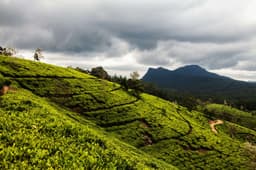
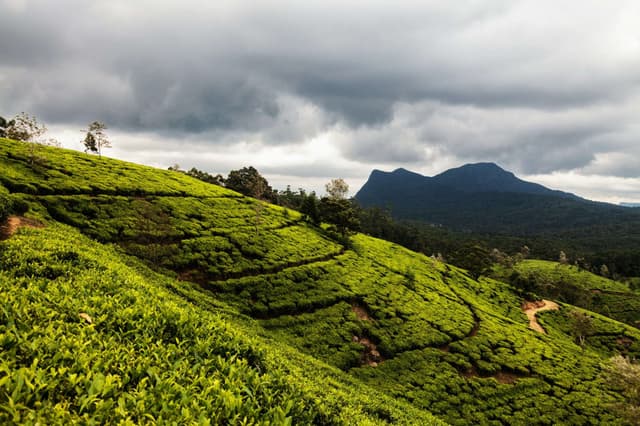
The central highlands are cooler, greener and more relaxed than the coast, a world of tea plantations, waterfalls and misty peaks. This is the heart of Sri Lanka's tea country and home to one of the world's most beautiful train journeys.

  • Kandy is the cultural capital and gateway to the hills, home to the Temple of the Sacred Tooth Relic, a serene lake and the lovely Peradeniya Botanical Gardens.
  • Nuwara Eliya, known as Little England, sits high among the tea estates, with colonial bungalows, Gregory Lake and cool, spring like weather.
  • Ella is the backpacker and hiker favourite, with the iconic Nine Arch Bridge, Little Adam's Peak, Ella Rock and Ravana Falls all close by.
  • Horton Plains National Park offers the dramatic World's End cliff and a fine morning hike across the highland plateau.
  • Adam's Peak, or Sri Pada, is climbed through the night for a sunrise summit during the pilgrimage season from December to May.

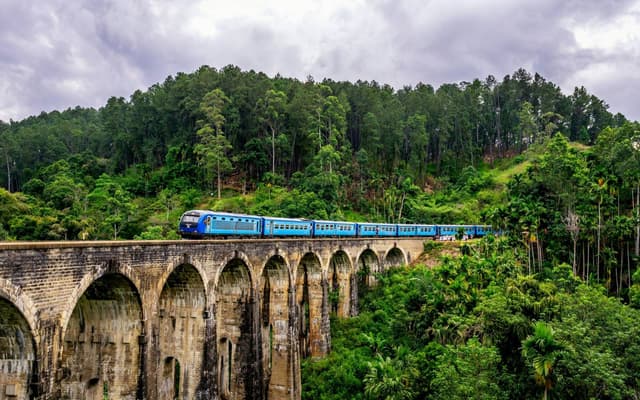
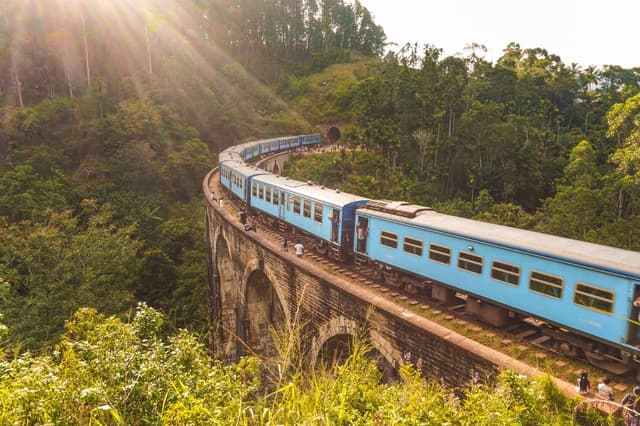
The scenic train from Kandy through Nanu Oya and Haputale to Ella is a highlight in itself, winding past tea pickers, waterfalls and green ridges. Book a reserved seat ahead in high season, or simply hop on and soak up the ride.

Which beaches and coastal towns are worth visiting?

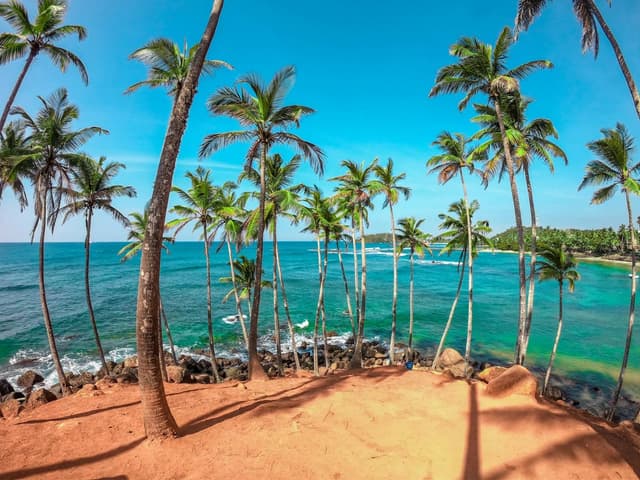
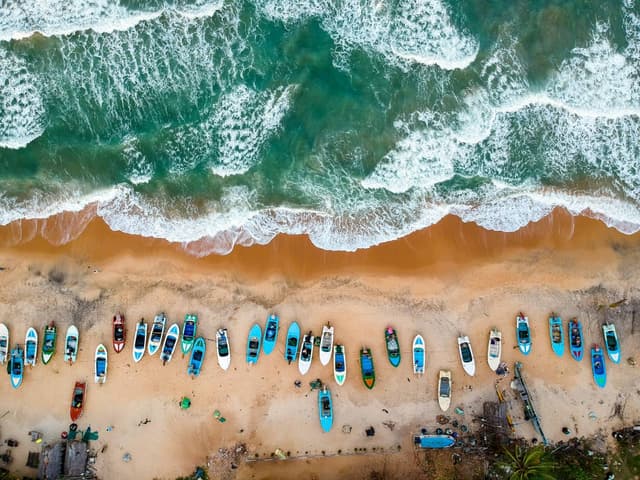
The coast is the other half of a great Sri Lanka trip, and the island's two monsoons mean there is almost always a sunny shore. The south and west are best from November to April, and the east from May to September.

PlaceCoastBest for
GalleSouthHistoric Dutch fort and boutique stays
MirissaSouthWhale watching and nightlife
UnawatunaSouthCalm swimming and cafes
WeligamaSouthLearning to surf
BentotaWestWatersports and resorts
Arugam BayEastWorld class surfing (May to September)
Trincomalee and NilaveliEastWhite sand and snorkelling

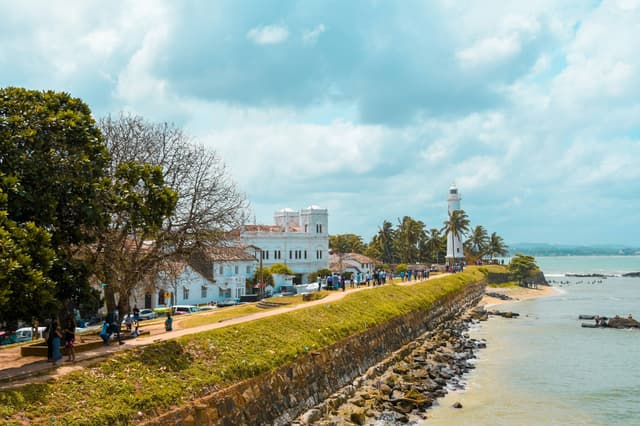
Galle deserves special mention, a walled Dutch colonial fort jutting into the sea, full of cafes, galleries and ramparts made for sunset strolls. For a fuller rundown of where to swim, surf and unwind, see our guide to the best beaches in Sri Lanka, and for timing, our best time to visit Sri Lanka guide.

Where can you see wildlife?

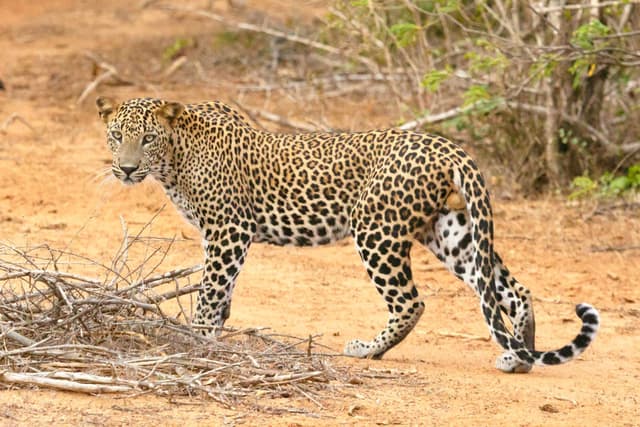
Sri Lanka is one of Asia's best value safari destinations, with leopards, elephants, sloth bears, crocodiles and hundreds of bird species. Adding a park or two turns a cultural and beach trip into a genuine wildlife adventure, and most safaris are easy half or full day outings.

ParkKnown forBest season
YalaHigh density of leopardsFebruary to July
UdawalaweReliable elephant sightingsYear round
WilpattuLeopards in quieter surroundingsFebruary to October
MinneriyaThe Gathering of elephantsAugust to September
SinharajaRainforest birds and endemicsYear round

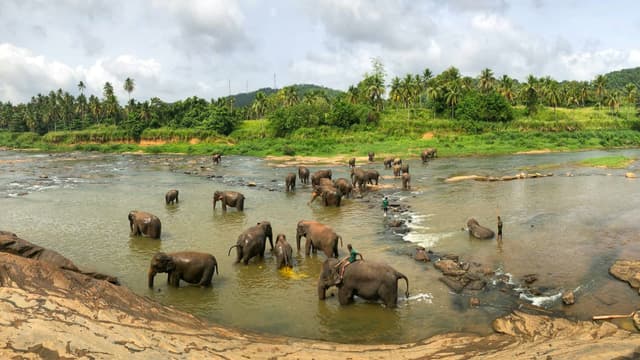
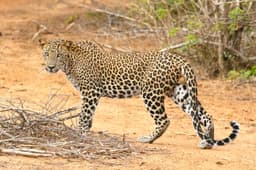
Yala is the headline park for leopards, while Udawalawe is the surest bet for elephants at any time of year. In the dry months, the famous Gathering at Minneriya sees hundreds of elephants converge on the receding reservoir, one of Asia's great wildlife spectacles.

Is Colombo and the north worth visiting?

Most trips begin or end near Colombo, and the capital is worth a day for its buzzing markets, the tranquil Gangaramaya Temple, the seafront Galle Face Green and a growing cafe and dining scene. Further north, the Jaffna peninsula offers a distinct Tamil culture, colourful Hindu temples, islands and a quieter, less touristed pace for travellers with more time. The far north and the ancient sites around Anuradhapura pair well for those wanting to go beyond the classic loop.

Where can you go beyond the classic loop?

If you have more time or have seen the highlights before, Sri Lanka rewards deeper exploration. These lesser visited places offer the same beauty with far fewer crowds.

  • Sinharaja Forest Reserve is a UNESCO listed rainforest, dripping with endemic birds, frogs and butterflies, and superb for guided nature walks.
  • The Knuckles Mountain Range near Kandy offers wild trekking, cloud forest and traditional villages away from the tourist trail.
  • Jaffna and the northern peninsula reveal a distinct Tamil culture, vivid Hindu temples, islands and a slower pace.
  • Kalpitiya on the northwest coast is a windswept spot for kitesurfing and dolphin watching.
  • The east coast around Trincomalee and Batticaloa has wide, quiet beaches and lagoons, at their best from May to September.

These add ons turn a two week trip into something more adventurous, and they suit repeat visitors keen to see a different side of the island.

Which places suit different kinds of traveller?

Sri Lanka flexes to fit almost any trip, and a little planning tailors it to what you enjoy most. Culture lovers gravitate to the Cultural Triangle and Kandy, hikers to the hill country around Ella and Horton Plains, and wildlife fans to Yala, Udawalawe and Sinharaja. Honeymooners often pair a boutique stay in Galle or the hills with a quiet southern beach, while families love the mix of elephants, train rides and gentle bays. Beach seekers focus on the south coast in winter or the east in summer, and adventurous travellers add trekking, surfing and off the beaten track corners like Jaffna. Deciding what the trip is really about helps you weight the regions rather than trying to see everything at once.

What is a good Sri Lanka itinerary?

Ten to fourteen days lets you loop the classic sights without rushing. The route below is the tried and tested first timer's circuit, easily shortened or extended.

DaysRegionHighlights
Days 1 to 2Cultural TriangleSigiriya, Dambulla, Polonnaruwa
Days 3 to 4KandyTemple of the Tooth, gardens, culture
Days 5 to 7Hill countryTrain to Ella, tea, Nine Arch Bridge
Day 8Yala or UdawalaweSafari for leopards or elephants
Days 9 to 12South coastGalle, Mirissa, beaches and whales

With only a week, focus on two regions, such as the Cultural Triangle and the hill country, or the hills and the south coast. With two weeks or more, add the east coast, Jaffna or extra beach time.

When is the best time to visit Sri Lanka?

Sri Lanka is a year round destination thanks to its two monsoons, but the timing shapes where you go. The south and west coasts and the hill country are best from December to March, while the east coast comes into its own from May to September. The Cultural Triangle in the centre is drier and workable most of the year, though it is hot from March to May.

RegionBest months
South and west coastsDecember to March
Hill countryDecember to March, and dry spells year round
Cultural TriangleMost of the year, cooler outside March to May
East coastMay to September

Because the coasts peak at opposite times, you can visit in almost any month and still find good weather somewhere, simply by choosing the right coast for your dates.

How do you get around Sri Lanka?

Getting around is part of the fun, and the island is compact enough to see a lot in a couple of weeks. Trains, buses, tuk tuks and private drivers all have their place, and many travellers mix them.

OptionBest forNotes
Private driverComfort and flexibilityThe easiest way to link regions
TrainScenery, especially Kandy to EllaCheap and beautiful but slow
BusBudget travelFrequent, crowded, very cheap
Tuk tukShort local tripsAgree the fare or use an app

A private car with a driver is the most popular choice for a first trip, taking the strain out of the winding roads, while the Kandy to Ella train is worth doing for the journey itself. Roads are slow and distances deceptive, so build in more travel time than the map suggests.

What are the top experiences in Sri Lanka?

Beyond ticking off places, Sri Lanka is full of memorable experiences that bring the island to life. These are the moments most travellers remember long after they go home.

  • Ride the hill country train from Kandy to Ella, leaning out of the open door as tea estates roll past.
  • Climb Sigiriya or Pidurangala at dawn for cool air and golden light over the jungle.
  • Go on a leopard safari in Yala or an elephant safari in Udawalawe.
  • Watch blue whales and dolphins off Mirissa on the south coast.
  • Tour a working tea factory in Nuwara Eliya and taste the fresh brew at source.
  • Witness the evening ceremony at Kandy's Temple of the Sacred Tooth Relic.
  • Walk the ramparts of Galle Fort at sunset, then dine in a colonial courtyard.

Stringing a few of these together across the regions gives a trip real texture, blending nature, history and culture in a way few destinations can match at this size.

What is the food like in Sri Lanka?

Sri Lankan food is one of the island's great pleasures, bold, fragrant and often overlooked. The heart of it is rice and curry, a generous spread of rice with several vegetable, lentil and meat or fish curries, plus sambols and chutneys, all layered with coconut, chilli and spice. Breakfast might be hoppers, bowl shaped pancakes often served with an egg, or string hoppers with dhal, while kottu, chopped roti stir fried with vegetables and egg, is the sound and taste of every town at night. Fresh seafood lines the coast, tropical fruit is everywhere, and a cup of world famous Ceylon tea is never far away. For a deeper dive into the dishes, see our guide to what to eat in Sri Lanka.

How much does a Sri Lanka trip cost?

Sri Lanka is an affordable destination that stretches a budget a long way. Guesthouses and family run stays are cheap, food at local spots costs just a few dollars, and trains and buses are inexpensive. The main variables are your standard of hotel, whether you hire a private driver, and how many safaris and paid sights you add. Mid range travellers enjoy comfortable hotels and a driver without a large outlay, while budget travellers can see the island cheaply on public transport. For a full breakdown of daily costs, read our guide on whether Sri Lanka is expensive.

Is Sri Lanka safe to visit?

Sri Lanka is a welcoming, friendly place and most trips pass without trouble. The usual sensible precautions apply: watch your belongings in busy spots, use licensed drivers and guides, and take care in the sea where currents can be strong. Solo travellers, including women, generally find it comfortable, though modest dress and awareness of surroundings help. Tap water is best avoided in favour of bottled or filtered water, and standard travel health precautions cover the rest. For a fuller picture, see our guide on whether Sri Lanka is safe.

What should you know before you go?

A few practical pointers make a Sri Lanka trip smoother and more respectful of local customs.

  • Dress modestly at temples, covering shoulders and knees, and remove shoes and hats before entering.
  • Carry some cash for rural areas, tuk tuks and entry fees, while cards work in cities and hotels.
  • Allow generous travel time between regions, as mountain and coastal roads are slow.
  • Book the scenic hill country train and popular safaris a little ahead in high season.
  • Bring sun protection, mosquito repellent and a light layer for cool highland evenings.

For a deeper plan covering routes, culture and logistics, see our full Sri Lanka travel guide. If you would rather have transport, hotels and guides arranged for you, you can browse our Sri Lanka tour packages and pick a route that covers the places you most want to see.

Why is Sri Lanka such a rewarding place to visit?

What sets Sri Lanka apart is how much variety it fits into such a small, easily travelled island. In a single trip you can climb an ancient rock fortress, sip tea on a misty hillside, watch leopards at dawn, ride one of the world's great train lines and end the day on a palm fringed beach, all within a few hours of each other. Add warm, welcoming people, a rich food culture and famously good value, and it is easy to see why so many visitors leave already planning their return. The regions in this guide can be mixed and matched to suit any length of trip, from a focused week to a leisurely fortnight, so you can shape a route around exactly the places and experiences you care about most.

Frequently asked questions

How many days do you need in Sri Lanka?

Ten to fourteen days suits a first trip covering the Cultural Triangle, hill country and southern beaches. A week is enough for a shorter loop focused on two regions, such as the hills and the coast.

What is the best first-time route in Sri Lanka?

The classic loop runs from Sigiriya and the Cultural Triangle to Kandy, then through the hill country to Ella, adds a safari at Yala or Udawalawe, and finishes on the southern beaches around Galle. It balances history, scenery, wildlife and coast.

Is Sri Lanka easy to travel around?

Yes. Trains, buses, tuk tuks and private drivers connect the main sights, and the hill country train ride is a highlight in itself. Roads are slow and winding, so many first timers hire a car with a driver for comfort.

Which is the best place to visit in the Cultural Triangle?

Sigiriya, the fifth century rock fortress, is the standout, best climbed early in the day. Dambulla's cave temples, and the ruined cities of Polonnaruwa and Anuradhapura, round out a superb couple of days of history.

Is the Kandy to Ella train worth it?

Absolutely. It is one of the world's most scenic rail journeys, winding through tea estates, waterfalls and green hills. Reserve a seat ahead in high season, or ride in second or third class for the open door views.

Can you see wildlife on a normal trip?

Yes. Yala, Udawalawe and Wilpattu national parks are easy add-ons for leopards and elephants, usually as a half or full day safari. Udawalawe is the surest bet for elephants year round, while Yala is famous for leopards.

Which coast has the best beaches?

The south and west, including Mirissa and Unawatuna, are best from roughly December to March, while the east coast, such as Arugam Bay and Nilaveli, shines from about May to September. Choose the coast that matches your travel dates.

Is Sri Lanka good for families?

Yes. The mix of gentle beaches, train rides, elephants and cultural sites appeals to all ages, distances are manageable, and a private driver makes travelling with children easy. Choose calm south coast bays and add a safari for a memorable family trip.

Do you need to climb Sigiriya, or is there an alternative?

The climb up Sigiriya is steep but rewarding, with frescoes and palace ruins on top. If you prefer an easier option or the best photo of the rock itself, climb neighbouring Pidurangala instead, which is cheaper and less crowded.

What is the best time of year to visit Sri Lanka?

December to March is the peak for the south, west and hill country, while May to September suits the east coast. The Cultural Triangle works most of the year. Because the coasts peak at opposite times, almost any month has good weather somewhere.

Which places should you not miss in Sri Lanka?

For a first trip, do not miss Sigiriya rock fortress, the Temple of the Tooth in Kandy, the train ride and tea country around Ella and Nuwara Eliya, a safari at Yala or Udawalawe, and the historic fort at Galle with the nearby southern beaches.

Is Sri Lanka expensive to visit?

No. Sri Lanka is an affordable destination, with cheap local food, inexpensive trains and buses, and good value guesthouses. Costs rise mainly with smart hotels, a private driver and multiple safaris, but a comfortable trip remains reasonable by world standards.

Can you combine the hills and the beach in one trip?

Yes, and most people do. A classic route drops from the hill country around Ella down to the south coast beaches near Galle in a few hours. Ten to fourteen days comfortably links the Cultural Triangle, hills and coast.

Is one week enough for Sri Lanka?

A week is enough for a focused loop of two regions, such as the Cultural Triangle and hill country, or the hills and the south coast. To combine history, tea country, a safari and the beaches without rushing, aim for ten to fourteen days.

What is the Nine Arch Bridge?

The Nine Arch Bridge near Ella is a striking colonial era railway viaduct set among tea covered hills and jungle. It is one of Sri Lanka's most photographed spots, especially when a train crosses, and is an easy walk from Ella town.

Do you need a guide for the cultural sites?

You can visit most sites independently, but a knowledgeable guide adds a lot at Sigiriya, Polonnaruwa and Anuradhapura, bringing the history to life. Many travellers use a private driver who can arrange local guides at the main sites.

Is Colombo worth visiting?

Yes, for a day. Colombo has lively markets, the peaceful Gangaramaya Temple, the seafront Galle Face Green and a fast growing cafe and dining scene. It makes an easy start or finish to a trip near the international airport.

Tags
Sri Lanka
Share
G
Gomayu Team
Writer at Gomayu
Keep reading
Blog / Sri Lanka
Places to Visit in Sri Lanka: Cities, Hills & Beaches
17 min read 19 Aug 2026 · Updated 04 Oct 2026
Places to Visit in Sri Lanka: Cities, Hills & Beaches

Sri Lanka packs an extraordinary amount into a small island, so the best places to visit fall neatly into four groups: the Cultural Triangle in the centre for ancient cities and rock temples, the hill country for tea estates and cool mountain air, the south and west coasts for beaches, and the national parks for leopards and elephants. A classic first trip loops from Sigiriya and Kandy down through Ella to the southern beaches around Galle, taking in history, scenery, wildlife and coast in a single, compact route. This guide walks through every region, the standout sights, how to link them, when to go and how to get around, so you can build the trip you want.

What are the best places to visit in Sri Lanka?

A handful of destinations appear on almost every first itinerary, and together they showcase the island's variety. Start with these, then add regions to suit your time and interests.

PlaceRegionBest for
SigiriyaCultural TriangleRock fortress and frescoes
KandyHill country gatewayTemple of the Tooth and culture
EllaHill countryTea, hikes and the Nine Arch Bridge
Nuwara EliyaHill countryTea estates and Little England
GalleSouth coastDutch colonial fort town
Mirissa and UnawatunaSouth coastBeaches and whale watching
YalaSoutheastLeopard safaris

If beaches are your priority, our guide to the best beaches in Sri Lanka goes deeper on the coast, while the sections below cover the inland highlights in turn.

What is in the Cultural Triangle?

The Cultural Triangle covers Sri Lanka's ancient heartland, a cluster of ruined royal capitals, giant stupas and rock temples that tell the story of more than two thousand years of Buddhist civilisation. It is the historical core of the island and where most heritage focused travel happens.

PlaceKnown forRegion
SigiriyaFifth century rock fortress and frescoesCentral
DambullaGolden cave temples with painted ceilingsCentral
PolonnaruwaWell preserved medieval ruined cityNorth Central
AnuradhapuraSacred ancient capital and giant stupasNorth Central
MihintaleBirthplace of Buddhism in Sri LankaNorth Central

Sigiriya is the showpiece, a sheer rock rising from the jungle, crowned with the ruins of a fifth century palace and famous for its ancient frescoes and mirror wall. Climb it early to beat the heat and crowds, or scale neighbouring Pidurangala for the classic view of the rock itself. Nearby Dambulla's cave temples shelter hundreds of Buddha statues beneath painted ceilings, while Polonnaruwa and Anuradhapura reward those who love ruins and history with vast archaeological parks best explored by bicycle.
Explore Sri Lanka tour packages
View all →

Where should you go in the hill country?

The central highlands are cooler, greener and more relaxed than the coast, a world of tea plantations, waterfalls and misty peaks. This is the heart of Sri Lanka's tea country and home to one of the world's most beautiful train journeys.

  • Kandy is the cultural capital and gateway to the hills, home to the Temple of the Sacred Tooth Relic, a serene lake and the lovely Peradeniya Botanical Gardens.
  • Nuwara Eliya, known as Little England, sits high among the tea estates, with colonial bungalows, Gregory Lake and cool, spring like weather.
  • Ella is the backpacker and hiker favourite, with the iconic Nine Arch Bridge, Little Adam's Peak, Ella Rock and Ravana Falls all close by.
  • Horton Plains National Park offers the dramatic World's End cliff and a fine morning hike across the highland plateau.
  • Adam's Peak, or Sri Pada, is climbed through the night for a sunrise summit during the pilgrimage season from December to May.

The scenic train from Kandy through Nanu Oya and Haputale to Ella is a highlight in itself, winding past tea pickers, waterfalls and green ridges. Book a reserved seat ahead in high season, or simply hop on and soak up the ride.

Which beaches and coastal towns are worth visiting?

The coast is the other half of a great Sri Lanka trip, and the island's two monsoons mean there is almost always a sunny shore. The south and west are best from November to April, and the east from May to September.

PlaceCoastBest for
GalleSouthHistoric Dutch fort and boutique stays
MirissaSouthWhale watching and nightlife
UnawatunaSouthCalm swimming and cafes
WeligamaSouthLearning to surf
BentotaWestWatersports and resorts
Arugam BayEastWorld class surfing (May to September)
Trincomalee and NilaveliEastWhite sand and snorkelling

Galle deserves special mention, a walled Dutch colonial fort jutting into the sea, full of cafes, galleries and ramparts made for sunset strolls. For a fuller rundown of where to swim, surf and unwind, see our guide to the best beaches in Sri Lanka, and for timing, our best time to visit Sri Lanka guide.

Where can you see wildlife?

Sri Lanka is one of Asia's best value safari destinations, with leopards, elephants, sloth bears, crocodiles and hundreds of bird species. Adding a park or two turns a cultural and beach trip into a genuine wildlife adventure, and most safaris are easy half or full day outings.

ParkKnown forBest season
YalaHigh density of leopardsFebruary to July
UdawalaweReliable elephant sightingsYear round
WilpattuLeopards in quieter surroundingsFebruary to October
MinneriyaThe Gathering of elephantsAugust to September
SinharajaRainforest birds and endemicsYear round

Yala is the headline park for leopards, while Udawalawe is the surest bet for elephants at any time of year. In the dry months, the famous Gathering at Minneriya sees hundreds of elephants converge on the receding reservoir, one of Asia's great wildlife spectacles.

Is Colombo and the north worth visiting?

Most trips begin or end near Colombo, and the capital is worth a day for its buzzing markets, the tranquil Gangaramaya Temple, the seafront Galle Face Green and a growing cafe and dining scene. Further north, the Jaffna peninsula offers a distinct Tamil culture, colourful Hindu temples, islands and a quieter, less touristed pace for travellers with more time. The far north and the ancient sites around Anuradhapura pair well for those wanting to go beyond the classic loop.

Where can you go beyond the classic loop?

If you have more time or have seen the highlights before, Sri Lanka rewards deeper exploration. These lesser visited places offer the same beauty with far fewer crowds.

  • Sinharaja Forest Reserve is a UNESCO listed rainforest, dripping with endemic birds, frogs and butterflies, and superb for guided nature walks.
  • The Knuckles Mountain Range near Kandy offers wild trekking, cloud forest and traditional villages away from the tourist trail.
  • Jaffna and the northern peninsula reveal a distinct Tamil culture, vivid Hindu temples, islands and a slower pace.
  • Kalpitiya on the northwest coast is a windswept spot for kitesurfing and dolphin watching.
  • The east coast around Trincomalee and Batticaloa has wide, quiet beaches and lagoons, at their best from May to September.

These add ons turn a two week trip into something more adventurous, and they suit repeat visitors keen to see a different side of the island.

Which places suit different kinds of traveller?

Sri Lanka flexes to fit almost any trip, and a little planning tailors it to what you enjoy most. Culture lovers gravitate to the Cultural Triangle and Kandy, hikers to the hill country around Ella and Horton Plains, and wildlife fans to Yala, Udawalawe and Sinharaja. Honeymooners often pair a boutique stay in Galle or the hills with a quiet southern beach, while families love the mix of elephants, train rides and gentle bays. Beach seekers focus on the south coast in winter or the east in summer, and adventurous travellers add trekking, surfing and off the beaten track corners like Jaffna. Deciding what the trip is really about helps you weight the regions rather than trying to see everything at once.

What is a good Sri Lanka itinerary?

Ten to fourteen days lets you loop the classic sights without rushing. The route below is the tried and tested first timer's circuit, easily shortened or extended.

DaysRegionHighlights
Days 1 to 2Cultural TriangleSigiriya, Dambulla, Polonnaruwa
Days 3 to 4KandyTemple of the Tooth, gardens, culture
Days 5 to 7Hill countryTrain to Ella, tea, Nine Arch Bridge
Day 8Yala or UdawalaweSafari for leopards or elephants
Days 9 to 12South coastGalle, Mirissa, beaches and whales

With only a week, focus on two regions, such as the Cultural Triangle and the hill country, or the hills and the south coast. With two weeks or more, add the east coast, Jaffna or extra beach time.

When is the best time to visit Sri Lanka?

Sri Lanka is a year round destination thanks to its two monsoons, but the timing shapes where you go. The south and west coasts and the hill country are best from December to March, while the east coast comes into its own from May to September. The Cultural Triangle in the centre is drier and workable most of the year, though it is hot from March to May.

RegionBest months
South and west coastsDecember to March
Hill countryDecember to March, and dry spells year round
Cultural TriangleMost of the year, cooler outside March to May
East coastMay to September

Because the coasts peak at opposite times, you can visit in almost any month and still find good weather somewhere, simply by choosing the right coast for your dates.

How do you get around Sri Lanka?

Getting around is part of the fun, and the island is compact enough to see a lot in a couple of weeks. Trains, buses, tuk tuks and private drivers all have their place, and many travellers mix them.

OptionBest forNotes
Private driverComfort and flexibilityThe easiest way to link regions
TrainScenery, especially Kandy to EllaCheap and beautiful but slow
BusBudget travelFrequent, crowded, very cheap
Tuk tukShort local tripsAgree the fare or use an app

A private car with a driver is the most popular choice for a first trip, taking the strain out of the winding roads, while the Kandy to Ella train is worth doing for the journey itself. Roads are slow and distances deceptive, so build in more travel time than the map suggests.

What are the top experiences in Sri Lanka?

Beyond ticking off places, Sri Lanka is full of memorable experiences that bring the island to life. These are the moments most travellers remember long after they go home.

  • Ride the hill country train from Kandy to Ella, leaning out of the open door as tea estates roll past.
  • Climb Sigiriya or Pidurangala at dawn for cool air and golden light over the jungle.
  • Go on a leopard safari in Yala or an elephant safari in Udawalawe.
  • Watch blue whales and dolphins off Mirissa on the south coast.
  • Tour a working tea factory in Nuwara Eliya and taste the fresh brew at source.
  • Witness the evening ceremony at Kandy's Temple of the Sacred Tooth Relic.
  • Walk the ramparts of Galle Fort at sunset, then dine in a colonial courtyard.

Stringing a few of these together across the regions gives a trip real texture, blending nature, history and culture in a way few destinations can match at this size.

What is the food like in Sri Lanka?

Sri Lankan food is one of the island's great pleasures, bold, fragrant and often overlooked. The heart of it is rice and curry, a generous spread of rice with several vegetable, lentil and meat or fish curries, plus sambols and chutneys, all layered with coconut, chilli and spice. Breakfast might be hoppers, bowl shaped pancakes often served with an egg, or string hoppers with dhal, while kottu, chopped roti stir fried with vegetables and egg, is the sound and taste of every town at night. Fresh seafood lines the coast, tropical fruit is everywhere, and a cup of world famous Ceylon tea is never far away. For a deeper dive into the dishes, see our guide to what to eat in Sri Lanka.

How much does a Sri Lanka trip cost?

Sri Lanka is an affordable destination that stretches a budget a long way. Guesthouses and family run stays are cheap, food at local spots costs just a few dollars, and trains and buses are inexpensive. The main variables are your standard of hotel, whether you hire a private driver, and how many safaris and paid sights you add. Mid range travellers enjoy comfortable hotels and a driver without a large outlay, while budget travellers can see the island cheaply on public transport. For a full breakdown of daily costs, read our guide on whether Sri Lanka is expensive.

Is Sri Lanka safe to visit?

Sri Lanka is a welcoming, friendly place and most trips pass without trouble. The usual sensible precautions apply: watch your belongings in busy spots, use licensed drivers and guides, and take care in the sea where currents can be strong. Solo travellers, including women, generally find it comfortable, though modest dress and awareness of surroundings help. Tap water is best avoided in favour of bottled or filtered water, and standard travel health precautions cover the rest. For a fuller picture, see our guide on whether Sri Lanka is safe.

What should you know before you go?

A few practical pointers make a Sri Lanka trip smoother and more respectful of local customs.

  • Dress modestly at temples, covering shoulders and knees, and remove shoes and hats before entering.
  • Carry some cash for rural areas, tuk tuks and entry fees, while cards work in cities and hotels.
  • Allow generous travel time between regions, as mountain and coastal roads are slow.
  • Book the scenic hill country train and popular safaris a little ahead in high season.
  • Bring sun protection, mosquito repellent and a light layer for cool highland evenings.

For a deeper plan covering routes, culture and logistics, see our full Sri Lanka travel guide. If you would rather have transport, hotels and guides arranged for you, you can browse our Sri Lanka tour packages and pick a route that covers the places you most want to see.

Why is Sri Lanka such a rewarding place to visit?

What sets Sri Lanka apart is how much variety it fits into such a small, easily travelled island. In a single trip you can climb an ancient rock fortress, sip tea on a misty hillside, watch leopards at dawn, ride one of the world's great train lines and end the day on a palm fringed beach, all within a few hours of each other. Add warm, welcoming people, a rich food culture and famously good value, and it is easy to see why so many visitors leave already planning their return. The regions in this guide can be mixed and matched to suit any length of trip, from a focused week to a leisurely fortnight, so you can shape a route around exactly the places and experiences you care about most.

Frequently asked questions

How many days do you need in Sri Lanka?

Ten to fourteen days suits a first trip covering the Cultural Triangle, hill country and southern beaches. A week is enough for a shorter loop focused on two regions, such as the hills and the coast.

What is the best first-time route in Sri Lanka?

The classic loop runs from Sigiriya and the Cultural Triangle to Kandy, then through the hill country to Ella, adds a safari at Yala or Udawalawe, and finishes on the southern beaches around Galle. It balances history, scenery, wildlife and coast.

Is Sri Lanka easy to travel around?

Yes. Trains, buses, tuk tuks and private drivers connect the main sights, and the hill country train ride is a highlight in itself. Roads are slow and winding, so many first timers hire a car with a driver for comfort.

Which is the best place to visit in the Cultural Triangle?

Sigiriya, the fifth century rock fortress, is the standout, best climbed early in the day. Dambulla's cave temples, and the ruined cities of Polonnaruwa and Anuradhapura, round out a superb couple of days of history.

Is the Kandy to Ella train worth it?

Absolutely. It is one of the world's most scenic rail journeys, winding through tea estates, waterfalls and green hills. Reserve a seat ahead in high season, or ride in second or third class for the open door views.

Can you see wildlife on a normal trip?

Yes. Yala, Udawalawe and Wilpattu national parks are easy add-ons for leopards and elephants, usually as a half or full day safari. Udawalawe is the surest bet for elephants year round, while Yala is famous for leopards.

Which coast has the best beaches?

The south and west, including Mirissa and Unawatuna, are best from roughly December to March, while the east coast, such as Arugam Bay and Nilaveli, shines from about May to September. Choose the coast that matches your travel dates.

Is Sri Lanka good for families?

Yes. The mix of gentle beaches, train rides, elephants and cultural sites appeals to all ages, distances are manageable, and a private driver makes travelling with children easy. Choose calm south coast bays and add a safari for a memorable family trip.

Do you need to climb Sigiriya, or is there an alternative?

The climb up Sigiriya is steep but rewarding, with frescoes and palace ruins on top. If you prefer an easier option or the best photo of the rock itself, climb neighbouring Pidurangala instead, which is cheaper and less crowded.

What is the best time of year to visit Sri Lanka?

December to March is the peak for the south, west and hill country, while May to September suits the east coast. The Cultural Triangle works most of the year. Because the coasts peak at opposite times, almost any month has good weather somewhere.

Which places should you not miss in Sri Lanka?

For a first trip, do not miss Sigiriya rock fortress, the Temple of the Tooth in Kandy, the train ride and tea country around Ella and Nuwara Eliya, a safari at Yala or Udawalawe, and the historic fort at Galle with the nearby southern beaches.

Is Sri Lanka expensive to visit?

No. Sri Lanka is an affordable destination, with cheap local food, inexpensive trains and buses, and good value guesthouses. Costs rise mainly with smart hotels, a private driver and multiple safaris, but a comfortable trip remains reasonable by world standards.

Can you combine the hills and the beach in one trip?

Yes, and most people do. A classic route drops from the hill country around Ella down to the south coast beaches near Galle in a few hours. Ten to fourteen days comfortably links the Cultural Triangle, hills and coast.

Is one week enough for Sri Lanka?

A week is enough for a focused loop of two regions, such as the Cultural Triangle and hill country, or the hills and the south coast. To combine history, tea country, a safari and the beaches without rushing, aim for ten to fourteen days.

What is the Nine Arch Bridge?

The Nine Arch Bridge near Ella is a striking colonial era railway viaduct set among tea covered hills and jungle. It is one of Sri Lanka's most photographed spots, especially when a train crosses, and is an easy walk from Ella town.

Do you need a guide for the cultural sites?

You can visit most sites independently, but a knowledgeable guide adds a lot at Sigiriya, Polonnaruwa and Anuradhapura, bringing the history to life. Many travellers use a private driver who can arrange local guides at the main sites.

Is Colombo worth visiting?

Yes, for a day. Colombo has lively markets, the peaceful Gangaramaya Temple, the seafront Galle Face Green and a fast growing cafe and dining scene. It makes an easy start or finish to a trip near the international airport.
Tags
Sri Lanka
Share
G
Gomayu Team
Writer at Gomayu
Keep reading