












































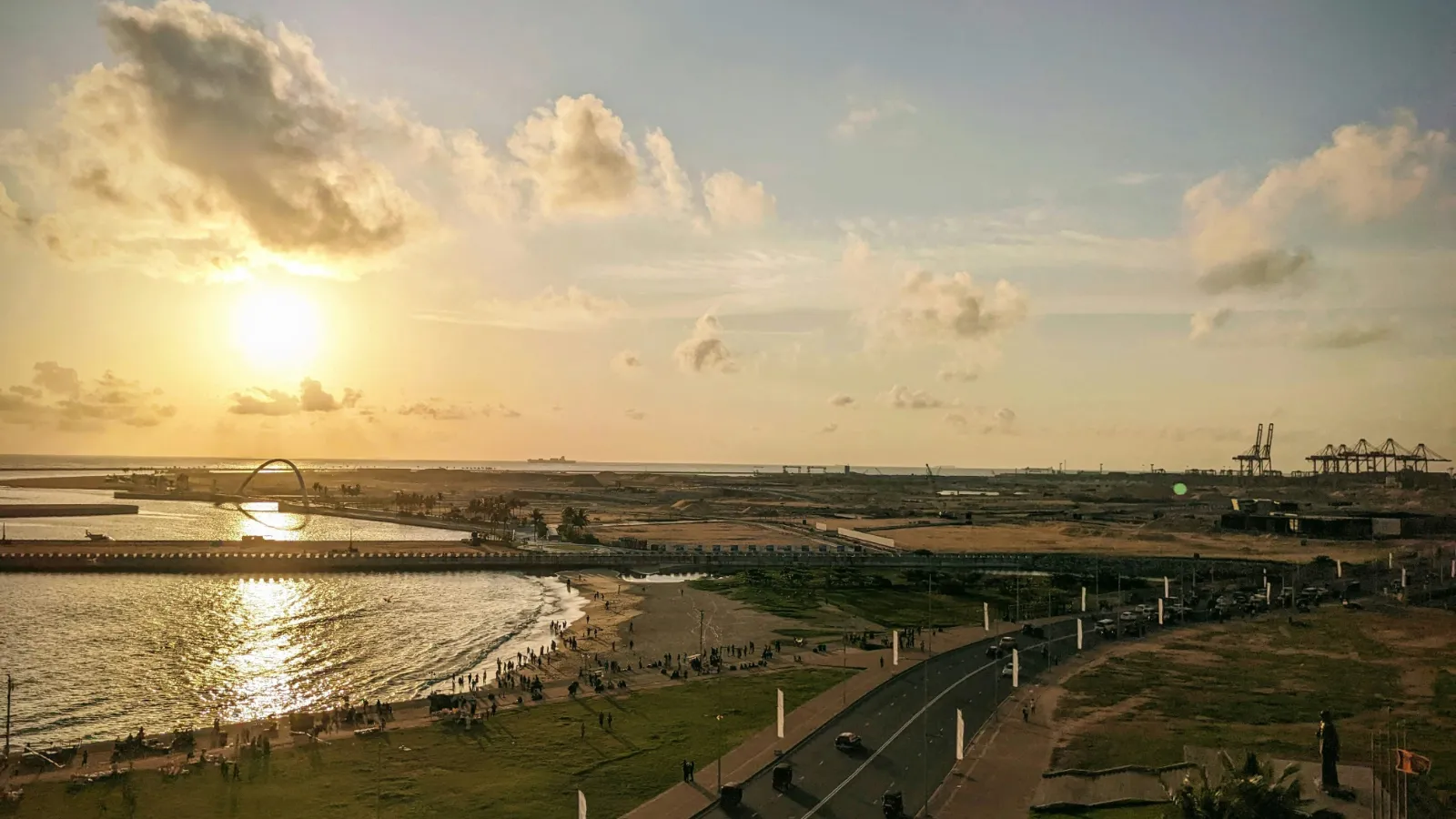
Short answer: The best things to do in Colombo are visiting Gangaramaya Temple and the Seema Malaka on Beira Lake, walking the crowded bazaar streets of Pettah, seeing the red and white Jami Ul-Alfar Mosque, spending a morning at the National Museum, and ending the day with sunset street food on Galle Face Green. Add the Old Dutch Hospital in Fort, Independence Square, the Lotus Tower and a look at Port City Colombo if you have more time. One full day covers the highlights; two days lets you add shopping, food and a temple trip to Kelaniya.
Colombo is where almost every Sri Lanka trip starts, because the international airport at Katunayake sits just north of the city. Many visitors rush straight out to Kandy or the beaches, which is a pity. Sri Lanka's commercial capital packs Buddhist, Hindu, Muslim and Christian landmarks, Dutch and British buildings, sprawling markets and a long seafront into a city you can cover by tuk-tuk in a day or two. If you are still deciding how Colombo fits into the wider country, our Sri Lanka travel guide covers seasons, money and customs, and our list of the best cities in Sri Lanka compares Colombo with Kandy, Galle and Ella.
This guide is organised by area, with arrival day and layover picks, temple etiquette, Pettah market tips and how to get around with apps, tuk-tuks and trains. It is written for travellers worldwide, with extra notes for visitors from Nepal, many of whom land in Colombo on the non-stop flight from Kathmandu. It does not quote ticket prices, which change often; where an official source states opening hours, we give them with the date we checked.
What are the best things to do in Colombo?
The best things to do in Colombo fall into three groups: the temples and places of worship around Beira Lake and Pettah, the markets and colonial streets of Pettah and Fort, and the seafront at Galle Face Green. Most sights sit within a few kilometres of each other along the coast, so you can see five or six in a day if you start early and use a ride hailing app or tuk-tuk between them.
Colombo is spread out along the coast in numbered postal districts. Fort (Colombo 1) is the old colonial and business core next to the harbour. Pettah (Colombo 11) is the bazaar district just east of Fort. Slave Island and Hunupitiya (Colombo 2) wrap around Beira Lake, where Gangaramaya stands. Kollupitiya (Colombo 3) runs along Galle Road south of Galle Face, and Cinnamon Gardens (Colombo 7) holds the National Museum, Viharamahadevi Park and Independence Square. Knowing these names helps when you book a ride.
| Attraction | Area | Best for | Time needed | Timing tip |
|---|---|---|---|---|
| Gangaramaya Temple | Hunupitiya, Beira Lake (Colombo 2) | Buddhist culture, museum, relics | 1 to 1.5 hours | Early morning or late afternoon for fewer people |
| Seema Malaka | Beira Lake (Colombo 2) | Architecture, calm, photos | 30 to 45 minutes | Combine with Gangaramaya, a short walk away |
| Jami Ul-Alfar Mosque | Second Cross Street, Pettah | Architecture, photos from the street | 20 to 40 minutes | Avoid prayer times, especially Friday midday |
| Pettah markets | Pettah (Colombo 11) | Street life, bargains, spices | 2 to 4 hours | Morning, before the worst heat |
| National Museum of Colombo | Cinnamon Gardens (Colombo 7) | History, Kandyan royal regalia | 1.5 to 2 hours | Closed Mondays; arrive before early afternoon |
| Galle Face Green | Seafront, between Fort and Kollupitiya | Sunset, street food, families | 1 to 2 hours | Late afternoon into evening |
| Old Dutch Hospital | Fort (Colombo 1) | Dining, heritage building | 1 hour | Evening, for dinner |
| Independence Square and Arcade | Cinnamon Gardens (Colombo 7) | Monument, shopping, families | 1 hour | Pair with the National Museum |
| Lotus Tower | Near Beira Lake (Colombo 1) | City views | 1 to 1.5 hours | Around sunset; check hours on the day |
| Port City Colombo | Reclaimed land beside Galle Face | Promenade, beach, duty free mall | 1 to 2 hours | Late afternoon |
| Kelaniya Raja Maha Vihara | Kelaniya, about 11 km north east | Pilgrimage, temple murals | Half day including travel | Morning; busy on Poya days |
Checked: 28 Oct 2026, Source: Department of National Museums announcement via Newswire (13 Aug 2025) and Hiru News (14 Aug 2025) for museum closing days; Wikipedia (Kelaniya Raja Maha Vihara) for distance. All other timings are practical estimates, not official figures.
1. Gangaramaya Temple
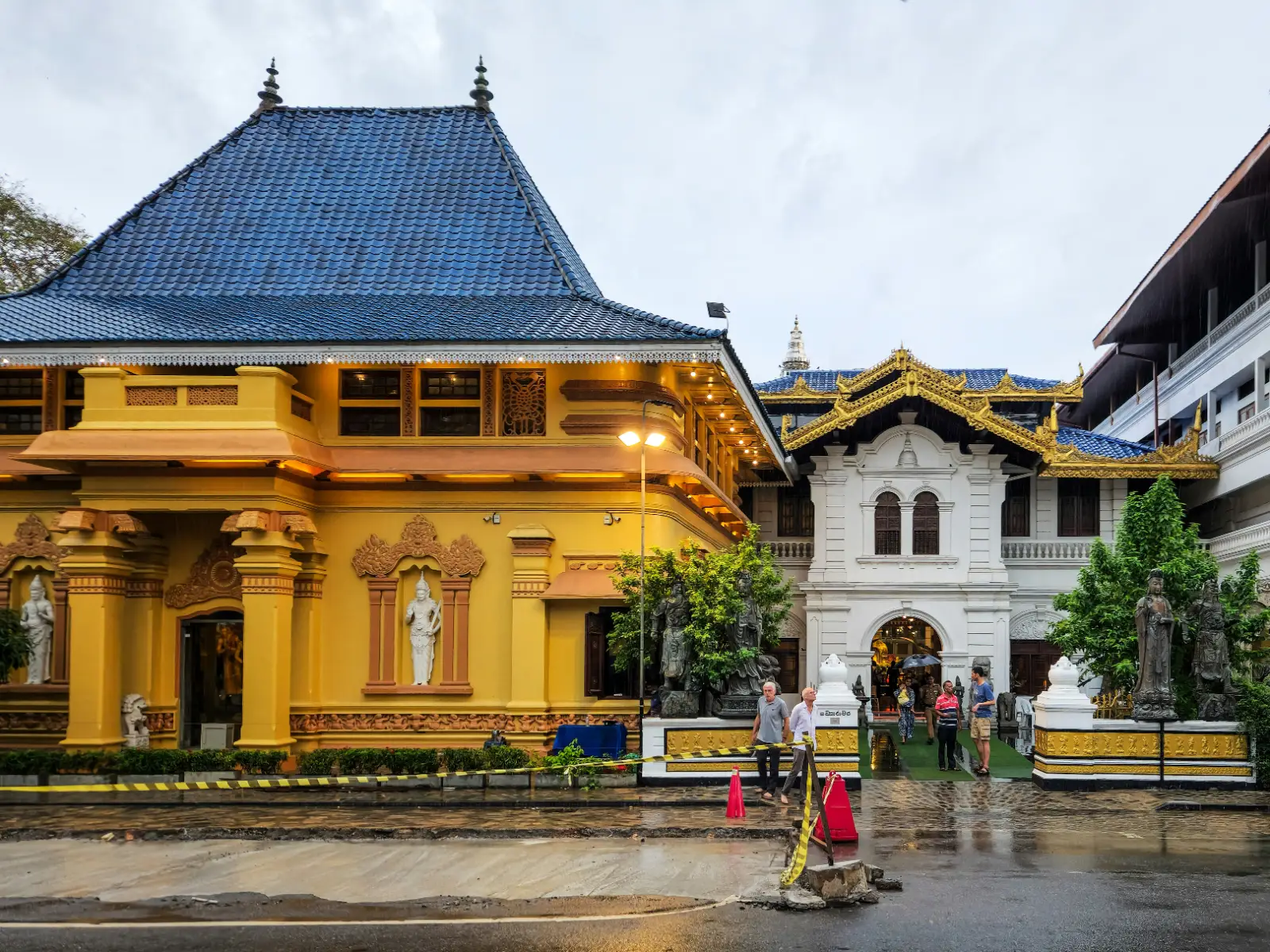
Gangaramaya is Colombo's best known Buddhist temple, a busy working temple beside Beira Lake that mixes Sri Lankan, Thai, Indian and Chinese styles. According to the temple, it was founded in the late nineteenth century by the scholar monk Hikkaduwe Sri Sumangala Nayaka Thera, with building on the grounds starting in 1885. Inside you will find a Bodhi tree, a relic chamber, a library and a museum crammed with Buddha statues, gifts from devotees abroad and even vintage cars. It also runs a vocational school as part of its welfare work.
2. Seema Malaka on Beira Lake
The Seema Malaka is the floating pavilion run by Gangaramaya, set on three platforms in Beira Lake and joined by pontoon walkways. The original structure sank into the lake in the 1970s, and Sri Lanka's best known architect, Geoffrey Bawa, redesigned it in 1976. The rebuild was funded by a Sri Lankan Muslim businessman, S. H. Musaji, and his wife, in memory of their son, a detail many visitors find moving. Expect a blue tiled roof, timber pavilions and rows of seated Buddha statues facing the water.
3. Galle Face Green at sunset
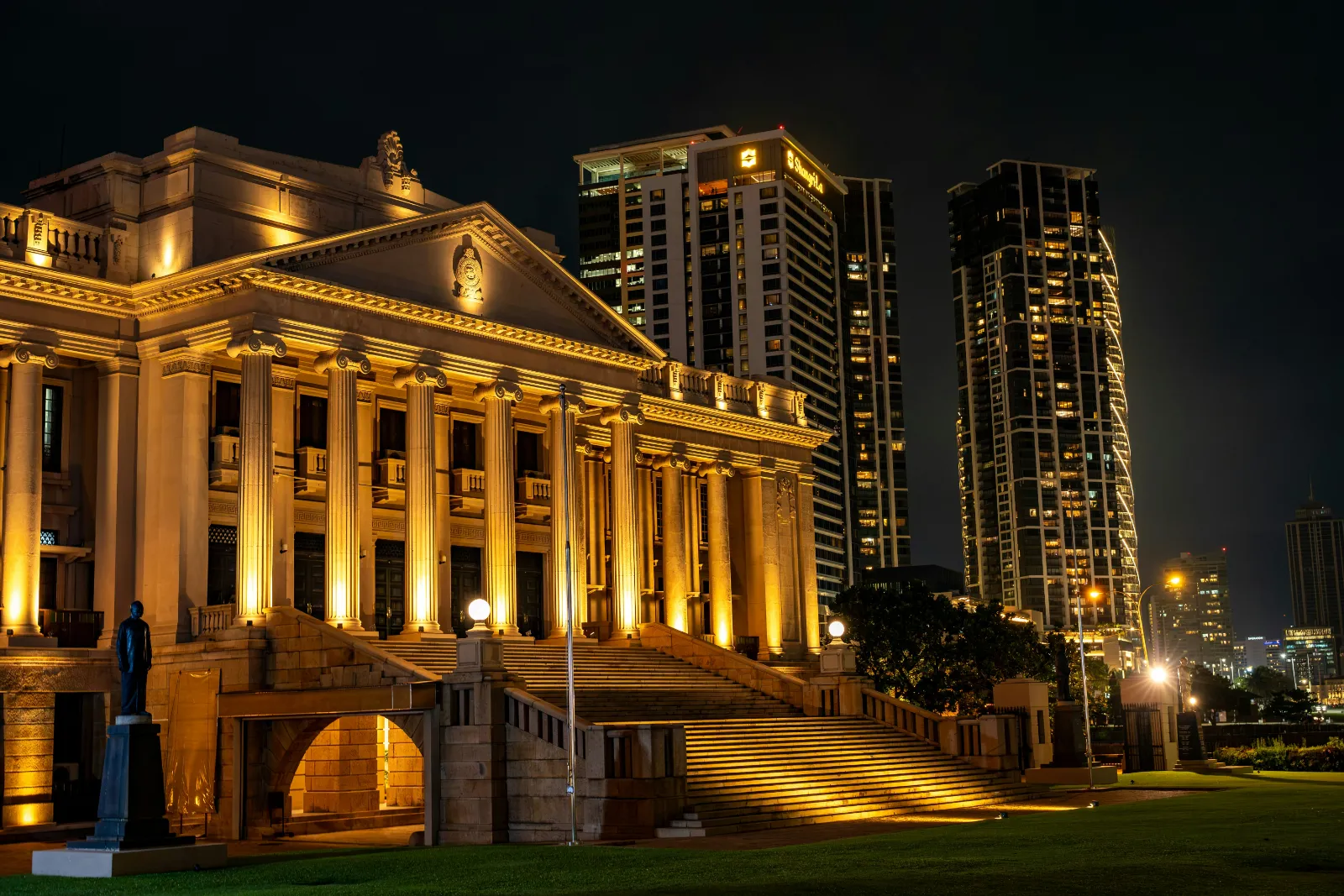
Galle Face Green is a roughly 500 metre strip of open lawn between Galle Road and the Indian Ocean, and it is where Colombo comes to relax in the evening. Kites go up, families picnic, couples walk along the sea wall and food stalls fry isso vadai (prawn fritters) as the sun drops. It is the easiest first evening in the city, and free to walk.
4. Pettah markets
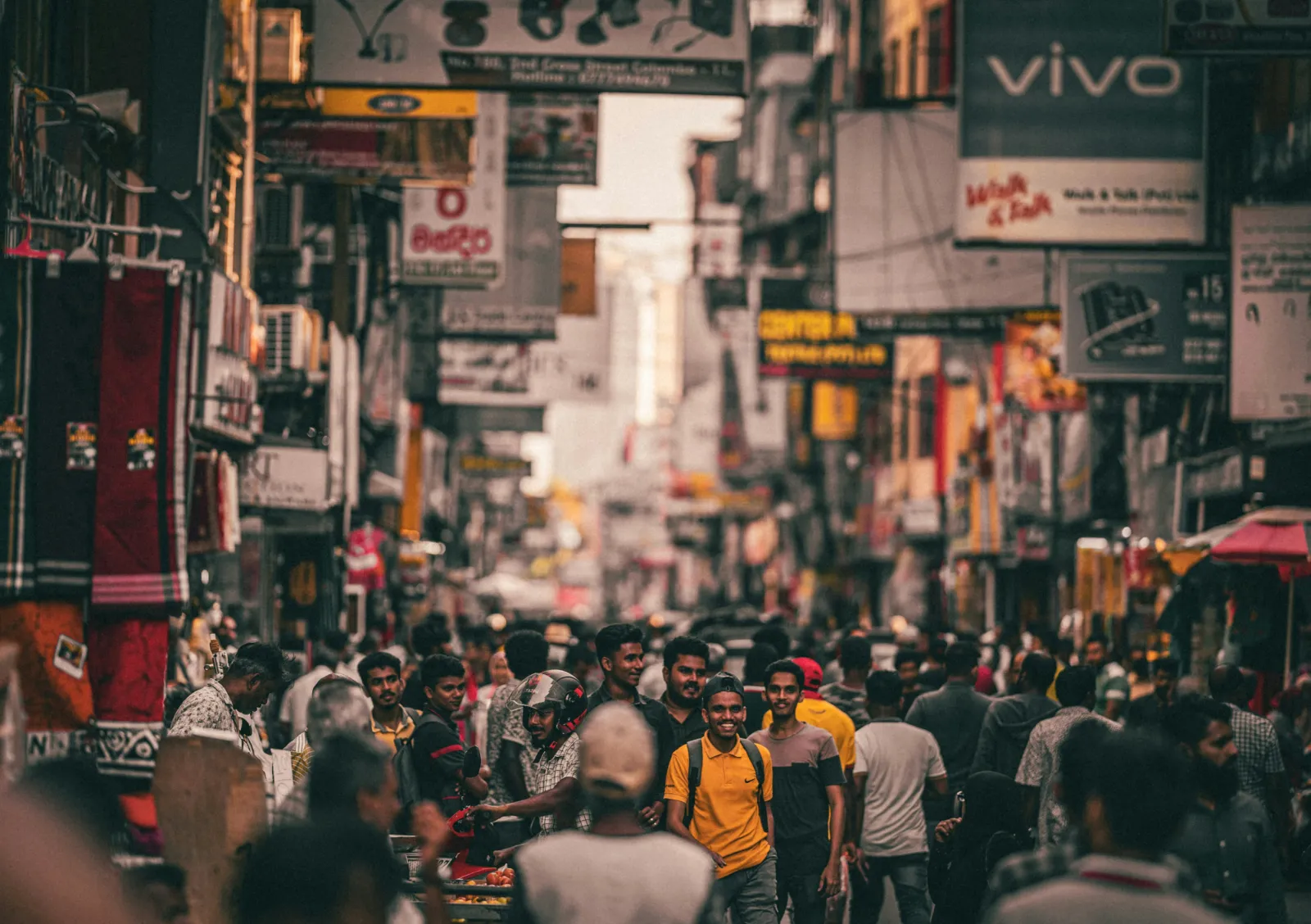
Pettah is Colombo's old bazaar district, a grid of narrow streets just east of Fort where each street tends to specialise in one trade: textiles on Main Street, electrical goods on First Cross Street, spices and onions on Fourth Cross Street, jewellery on Sea Street. It is loud, hot and crowded, and it is the most memorable few hours you will spend in the city.
5. Jami Ul-Alfar Mosque (Red Mosque)
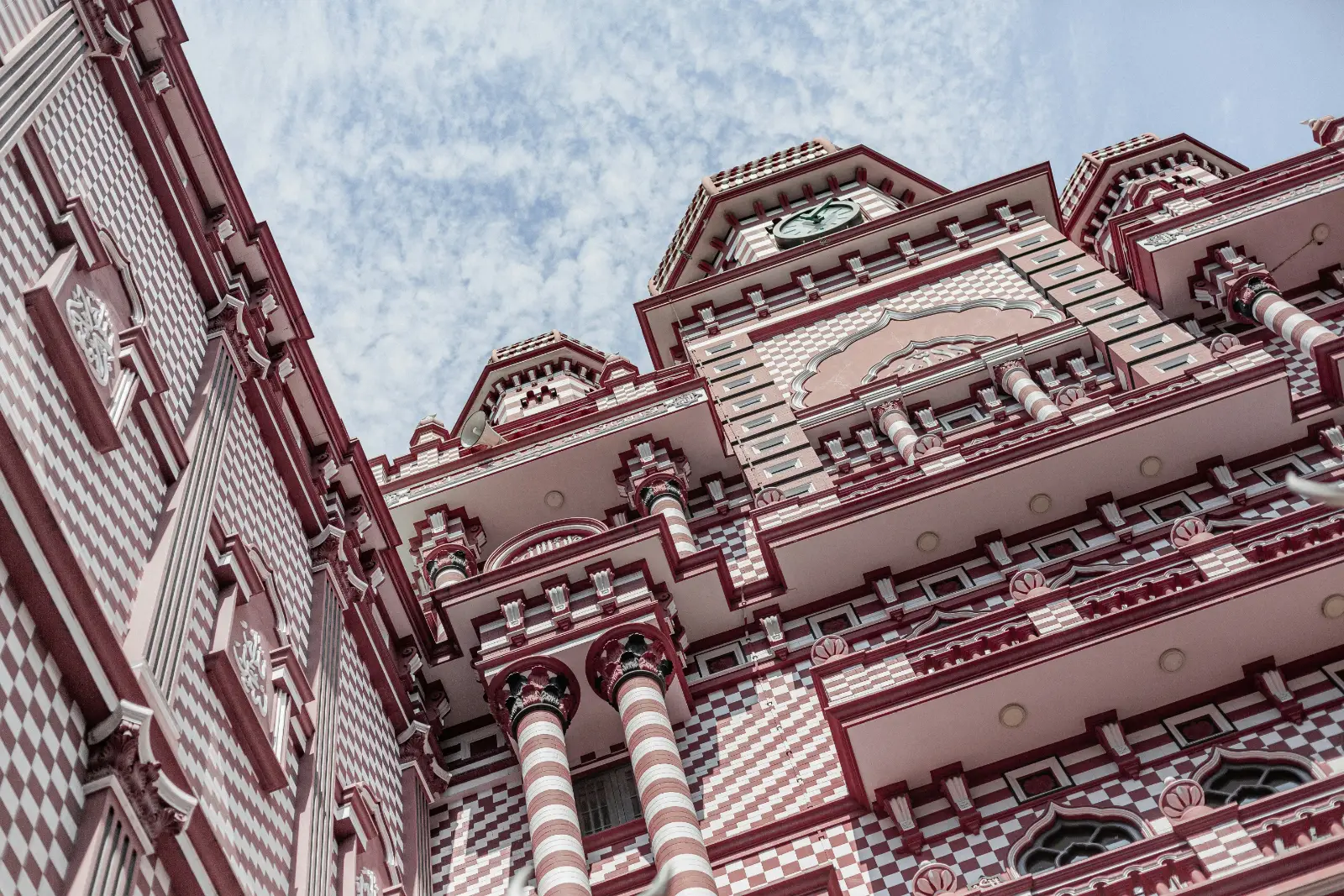
Jami Ul-Alfar, usually called the Red Mosque, stands on Second Cross Street in Pettah and is impossible to miss: a two storey building striped in red and white with a clock tower. It was built between 1908 and 1909 by a builder named Habibu Lebbe Saibu Lebbe, working from pictures supplied by the South Indian traders who commissioned it. Its style blends Indo-Saracenic, Gothic Revival and Neoclassical features.
6. National Museum of Colombo
The National Museum of Colombo is the country's largest museum, opened on 1 January 1877 by the British governor Sir William Gregory in a white Italianate building in Cinnamon Gardens. The highlight is the regalia of the Kandyan kings, including the throne and crown of the last King of Kandy, returned to Sri Lanka by the British government. It is the best single place to understand Sri Lankan history before you travel inland.
Plan around the timetable. From 1 September 2025 the Department of National Museums closes its museums every Monday for maintenance, and also on special public holidays such as Independence Day and Vesak. The Colombo museum was announced as open 9 am to 6 pm, but news reports of the announcement differ on when ticket sales stop (one says 3 pm, another says an hour before closing, with combined tickets ending at 3 pm), so arrive by early afternoon to be safe. Checked: 28 Oct 2026, Sources: Newswire (13 Aug 2025) and Hiru News (14 Aug 2025) reporting the Department of National Museums announcement.
7. Old Dutch Hospital and Colombo Fort
The Old Dutch Hospital is regarded as the oldest building in the Colombo Fort area, believed to date back to at least 1681. Since 2011 its arcaded courtyards have been a restored shopping and dining precinct, a good place for dinner after a day in Pettah. The surrounding Fort district has colonial era banks, clock towers and the harbour, though some roads around government buildings can be closed for security.
8. Independence Square and Arcade Independence Square
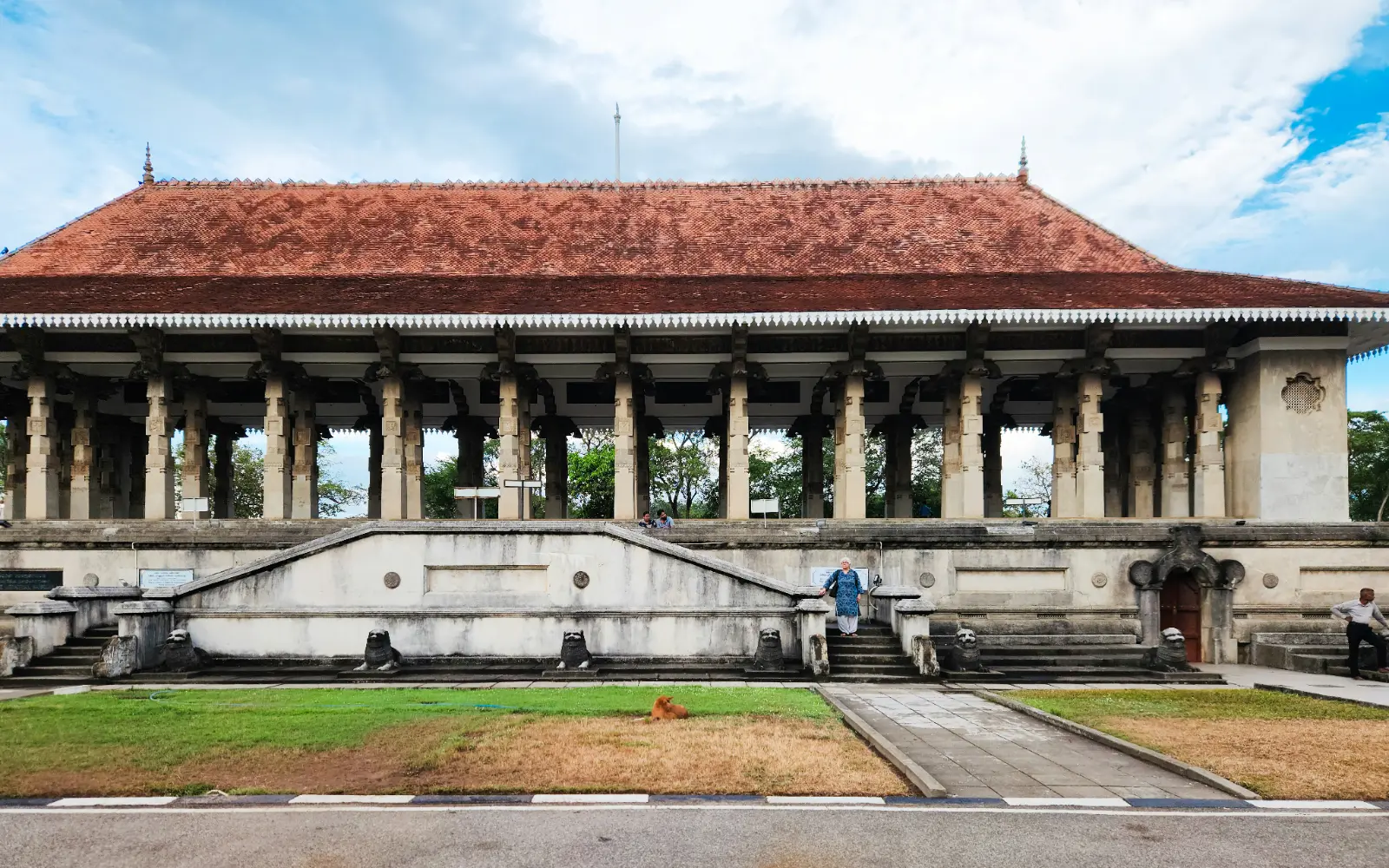
Independence Memorial Hall, built between 1949 and 1953, commemorates Sri Lanka's independence from Britain and is modelled on the Magul Maduwa, the royal audience hall of the Kandyan kingdom. It houses the Independence Memorial Museum. Next door, Arcade Independence Square is a shopping and dining complex inside restored colonial buildings, including a former asylum built in 1889, opened in 2014 after restoration by the Urban Development Authority.
9. Viharamahadevi Park
Viharamahadevi Park, about 45 acres in front of the colonial Town Hall, is Colombo's oldest and largest park. It was called Victoria Park until it was renamed in 1958 after Queen Viharamahadevi, and a large Buddha statue now stands where a statue of Queen Victoria once did. With fountains, a children's play area and shady trees, it is a useful break for families between the National Museum and the city centre.
10. Lotus Tower
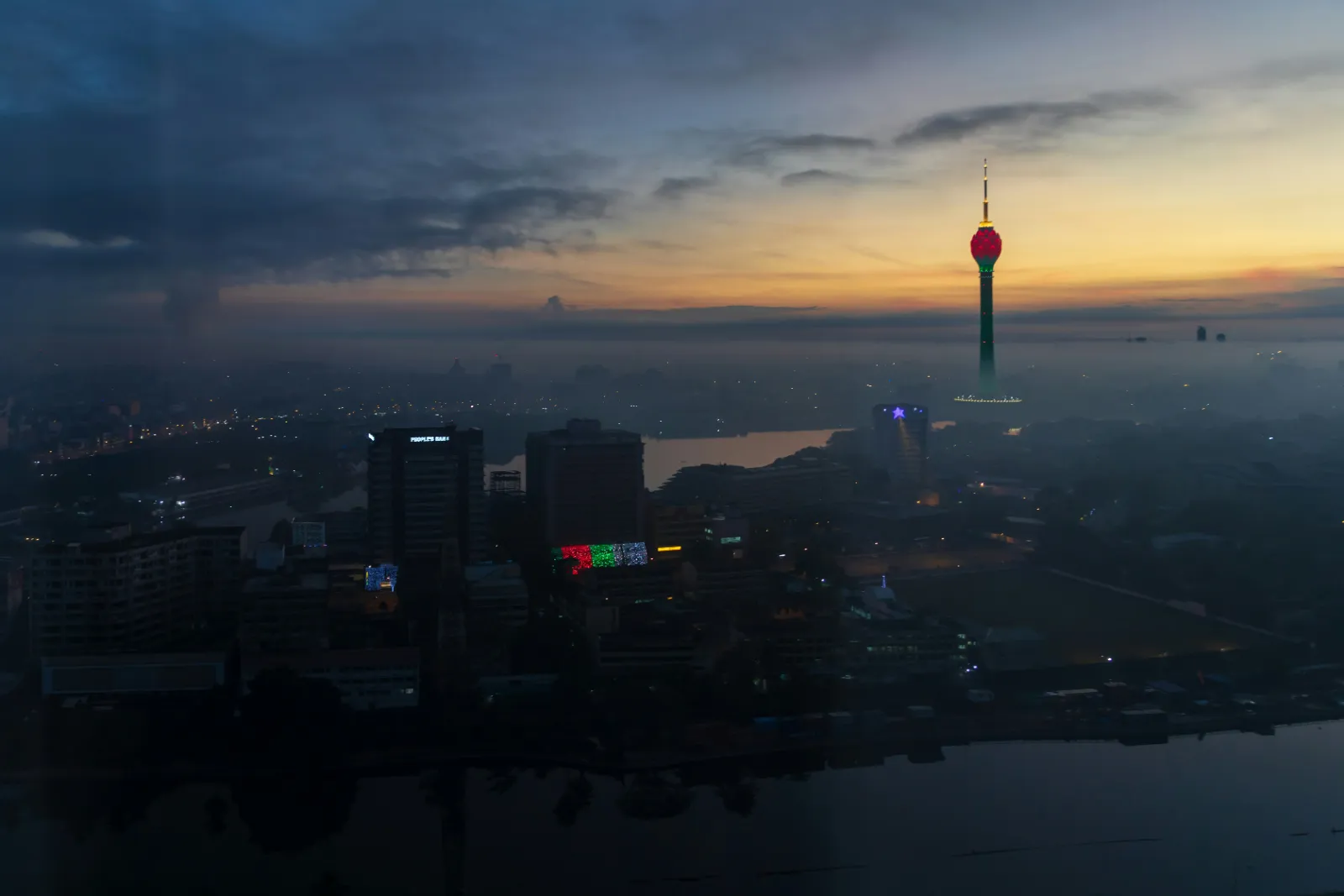
The Lotus Tower is the purple and green tower with a lotus bud top that dominates the skyline near Beira Lake. At about 351 metres to the top of its spire, it was described in 2019 as the tallest self supported structure in South Asia. It opened to the public in September 2022 and has an observation gallery for 360 degree city views, plus restaurants and other attractions on lower floors. Hours change for holidays, so check the official Colombo Lotus Tower website before you go.
11. Port City Colombo
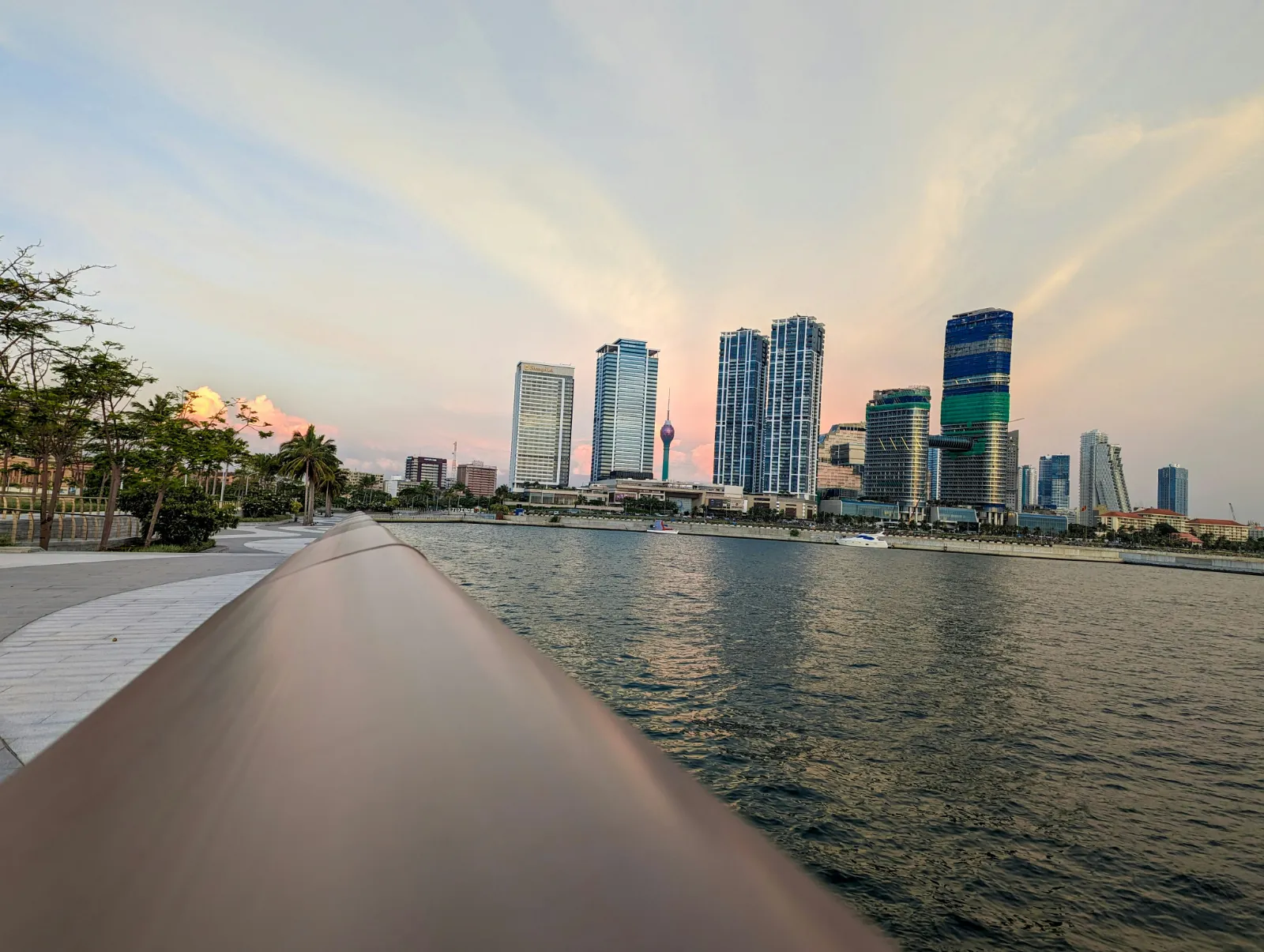
Port City Colombo is a large development built on land reclaimed from the sea beside Galle Face. It is still a work in progress, but parts have opened to the public in stages: the Marina Promenade walkway in January 2022, an artificial beach in July 2023, and The Mall, a duty free shopping complex, in September 2024. A business centre began handing over space to tenants in 2025, and a marina project broke ground in January 2025. Treat it as an evening walk and shopping stop rather than a finished attraction.
12. Kelaniya Raja Maha Vihara
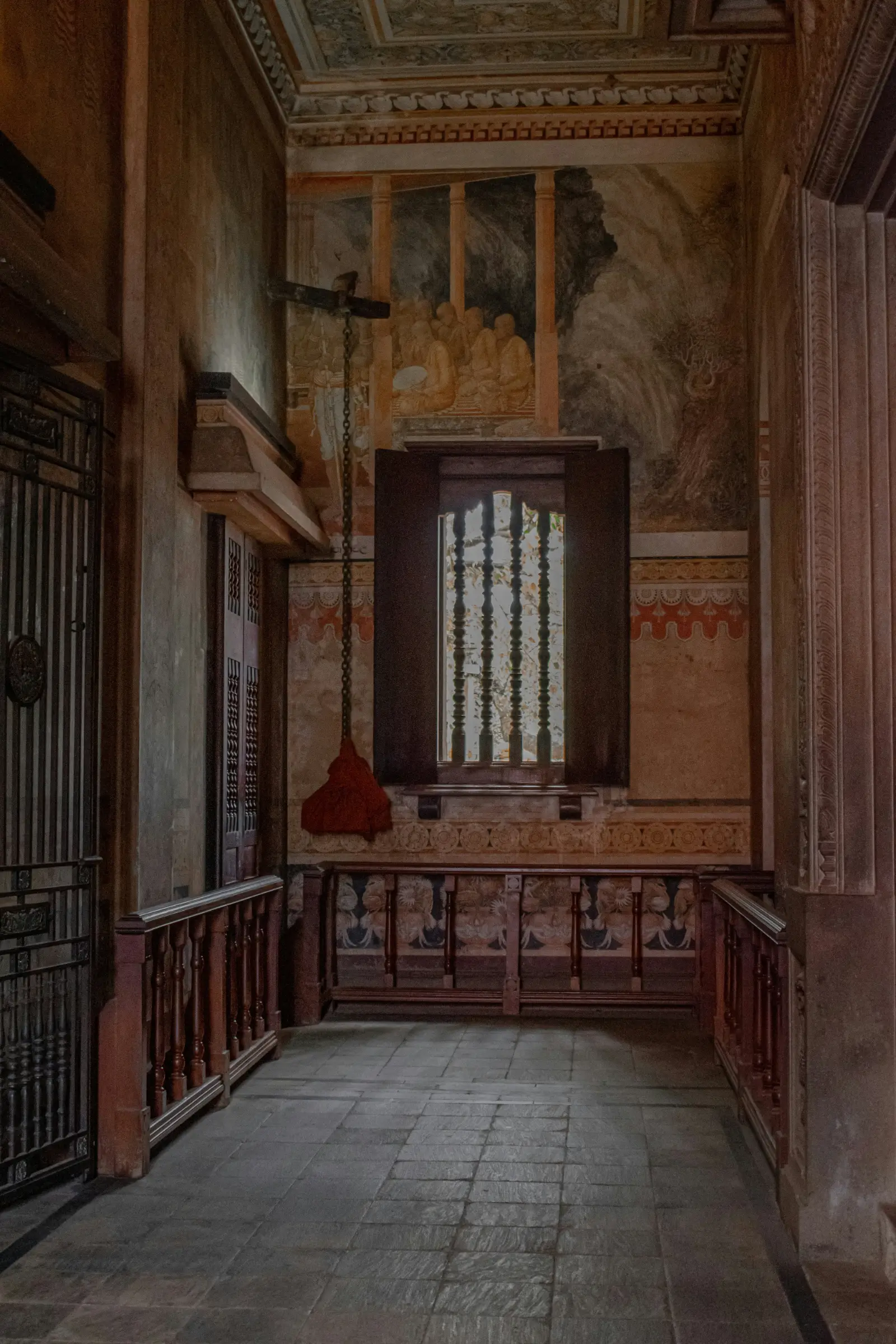
Kelaniya Raja Maha Vihara is a major pilgrimage temple about 11 km north east of central Colombo. Buddhists believe the Buddha visited this spot on his third and final visit to Sri Lanka, eight years after his enlightenment. The temple's murals by the artist Solias Mendis tell the story of the Buddha's life and of Buddhism in Sri Lanka, and the Duruthu Maha Perahera procession is held here every January.
Arrival day and layover picks
If you land in Colombo with only an afternoon, pick one area rather than crossing the city in traffic. The non-stop flight from Kathmandu lands in the late afternoon, so many Nepali travellers arrive with just enough time for one evening activity; our guide to the Kathmandu to Colombo flight explains the schedule and the airport transfer options, including staying in Negombo on the first night.
| Time you have | What to do | Why it works |
|---|---|---|
| Evening only (arrival day) | Galle Face Green at sunset, then dinner at the Old Dutch Hospital or along Galle Road | Open air, no ticket, no fixed closing time, close to most city hotels |
| Half a day | Gangaramaya and Seema Malaka, then Galle Face Green | Both temples are a short walk apart; Galle Face is a short ride away |
| One full day | Pettah markets and the Red Mosque in the morning, National Museum after lunch, Gangaramaya and Seema Malaka late afternoon, Galle Face for sunset | Covers the main sights while saving the hottest hours for indoor visits |
| Long layover (8 hours or more) | Gangaramaya, Seema Malaka and Galle Face, with a hotel near the coast or a Negombo stop | Keeps you close to the airport road; allow a long buffer for traffic |
| Before an early flight home | Stay in Negombo near the airport | Avoids the morning traffic from central Colombo |
A layover outside the airport depends on your passport and your entry permission for Sri Lanka. If you need to check entry rules, see our Sri Lanka visa page.
Which temples should you visit?
For a first visit to Colombo, the temples to prioritise are Gangaramaya and the Seema Malaka for Buddhism, the Jami Ul-Alfar Mosque for its architecture, and Sri Ponnambalavaneswaram for Hindu temple stonework; if you have half a day spare, add Kelaniya Raja Maha Vihara. Together they show how many faiths share this one city.
For visitors from Nepal, Colombo's Buddhist temples feel both familiar and new. Sri Lanka follows Theravada Buddhism, the oldest surviving school, rather than the Vajrayana and Mahayana traditions most Nepali Buddhists know from Swayambhu or Boudha. You will see Bodhi trees hung with prayer flags, oil lamps and offerings of flowers, but you will rarely see prayer wheels or Tibetan style butter lamps. Full moon days, called Poya in Sri Lanka, are religious public holidays much like Purnima in Nepal, and temples are at their busiest then. Lumbini, the Buddha's birthplace in Nepal, makes a warm conversation starter with Sri Lankan Buddhists.
| Place | Faith | Area | What to look for | Visitor note |
|---|---|---|---|---|
| Gangaramaya Temple | Buddhist (Theravada) | Hunupitiya, Colombo 2 | Museum, relic chamber, Bodhi tree | Entrance ticket for visitors; small fee, check on the day |
| Seema Malaka | Buddhist | Beira Lake, Colombo 2 | Geoffrey Bawa pavilions over the water | Managed by Gangaramaya; restoration announced in March 2026 |
| Jami Ul-Alfar Mosque | Muslim | Second Cross Street, Pettah | Red and white striped facade, clock tower | Visitor hours vary; avoid prayer times |
| Sri Ponnambalavaneswaram | Hindu (Shiva) | Kochchikade, near the port | Carved granite temple rebuilt 1907 to 1912 | Remove shoes and dress modestly |
| Wolvendaal Church | Christian (Reformed) | Pettah | Dutch church dedicated in 1757, governors' tombstones | Quiet; check service times before visiting |
| Kelaniya Raja Maha Vihara | Buddhist | Kelaniya, about 11 km north east | Solias Mendis murals, pilgrimage site | Very busy on Poya days and in January |
Checked: 28 Oct 2026, Sources: Gangaramaya Temple website (history page); Wikipedia (Seema Malaka, Jami Ul-Alfar Mosque, Wolvendaal Church, Kelaniya Raja Maha Vihara); Sunday Observer (history of Sri Ponnambalavaneswaram); Daily FT (14 Mar 2026) on the Seema Malaka restoration.
Gangaramaya: what to expect inside
Gangaramaya does not feel like a quiet monastery. It is crowded, busy with devotees and full of objects collected and donated over more than a century, from jade and ivory to old clocks and cars. Hotel and travel guides commonly list its hours as roughly 6 am to 10 pm, but the temple's own website does not publish visiting hours, so treat those times as a guide and check on the day. Foreign visitors buy an entrance ticket; it is a small fee, so check the amount at the gate.
The temple's biggest event is the Navam Maha Perahera, a night procession of elephants, drummers and dancers around Beira Lake held near the Navam full moon. In 2026 it ran on 31 January and 1 February, with police traffic plans from 6:30 pm each night. In February 2026 the temple also hosted a week long exposition of Buddha relics brought from India, which drew huge crowds. If you are in Colombo for either kind of event, expect road closures around Hunupitiya and plan to walk.
Checked: 28 Oct 2026, Sources: Ada Derana (Navam Maha Perahera traffic plan, 2026); Presidential Secretariat of Sri Lanka (relic exposition, 21 Jan 2026); Jetwing Island Insider and Time Out Sri Lanka (commonly listed hours).
Seema Malaka: a Bawa building on the lake
The Seema Malaka is one of Geoffrey Bawa's most visited public buildings, and it is small enough to see in half an hour. Walk the pontoon bridges slowly, look back across the lake to the city towers, and visit late in the afternoon when the light softens. In March 2026 the Geoffrey Bawa Trust announced it would support restoration of the building to Bawa's original design, working with Gangaramaya's chief incumbent. No closure dates had been announced when we checked, so if part of the site is under repair, you may see scaffolding.
Jami Ul-Alfar Mosque: visiting respectfully
The Red Mosque is a working mosque first. Many visitors simply admire and photograph the facade from Second Cross Street, which is the best view anyway. If you want to go inside, visiting hours reported by travellers vary and are restricted during the five daily prayers, with Friday midday prayers the busiest time of the week. Cover shoulders and knees, remove your shoes, and women should carry a scarf to cover their hair. Ask before photographing people, and never during prayers.
Temple etiquette in Sri Lanka
Sri Lanka takes respect for Buddhism seriously, and the rules are stricter than many visitors expect. The UK government's travel advice for Sri Lanka, updated in September 2026, says that disrespecting Buddhist images and artefacts is a serious offence that can lead to arrest, that visible Buddha tattoos can lead to refused entry or deportation, and that visitors should not pose for photographs standing in front of a statue of Buddha. Our guide to dos and don'ts in Sri Lanka covers customs beyond temples.
- Cover your shoulders and knees. A light scarf or sarong in your day bag solves most problems.
- Remove shoes and hats before entering temple grounds. Temple floors in the midday sun get very hot, so socks help.
- Never turn your back to a Buddha statue for a selfie, and never sit on or climb statues or walls around them.
- Speak quietly, keep phone calls outside, and follow any no photography signs.
Checked: 28 Oct 2026, Source: UK Foreign, Commonwealth and Development Office, Sri Lanka travel advice (updated 21 Sep 2026).
What is Pettah Market like?
Pettah Market is not one building but a whole district of crowded streets, each lined with shops selling one kind of goods, from saris and spices to electronics and wedding cards. It is hot, noisy and full of handcarts, tuk-tuks and porters, and it is Colombo at its most real. Plan at least half a day, go in the morning, and wear comfortable shoes.
For Nepali visitors, Pettah will feel a little like Asan and Indra Chowk scaled up: wholesale trade spilling into the street, shouted prices and tiny shops packed floor to ceiling. The difference is the heat and humidity at sea level, which tire people out faster than they expect. Carry water and take breaks in a cool shop or cafe.
| Street or spot | What it is known for |
|---|---|
| Main Street | Saris and textiles |
| Around the Khan Clock Tower | Cotton dresses, saris, school bags and luggage |
| Front Street | Shoes, watches and cameras |
| First Cross Street | Electrical goods and hardware |
| Second Cross Street | Textiles, perfumes, cosmetics and bridal lace; also the Red Mosque |
| Third Cross Street and Keyzer Street | Wholesale textiles and ready made garments |
| Fourth Cross Street | Onions, potatoes and spices |
| Prince Street | Toys, school supplies, light fittings and electronics; also the Dutch Museum building |
| Sea Street | Gold jewellery |
| Maliban Street | Stationery and wedding cards |
Checked: 28 Oct 2026, Source: Time Out Sri Lanka (Pettah street guide). Shops change over time, so treat this as a general map.
Pettah tips
- Go early. Mornings are cooler and the streets are slightly less packed. Opening days vary by shop, so if one particular store matters to you, check ahead.
- Bargain politely. Bargaining is normal in Pettah street shops, not in fixed price stores. Start lower, smile and be ready to walk away.
- Carry small notes in Sri Lankan rupees (LKR). Many stalls do not take cards. Change money before you arrive, or use an ATM inside a bank.
- Watch your bag. Keep your phone and wallet in a front pocket or zipped bag, and carry bags on the side away from the road.
- Do not rely on maps alone. The streets form a maze; landmarks like the Red Mosque, the Khan Clock Tower and Fort railway station are easier to navigate by.
- Try the street snacks. Falooda, spiced manioc chips and achcharu (pickled fruit with chilli) are Pettah favourites.
Is Pettah Market safe?
Pettah is generally safe in daytime, but crowded markets are where petty crime and harassment are most likely. The UK government's travel advice notes that low level opportunistic crime has increased in Sri Lanka, that bag snatching from motorbikes is a risk, and that harassment of women is most often reported in crowded places such as markets and bus and railway stations. Keep valuables to a minimum, stay aware in the busiest lanes and avoid walking alone late at night. For the wider picture, read our guide on whether Sri Lanka is safe.
The Dutch Museum and the Floating Market
Two Pettah sights need a reality check. The Dutch Period Museum on Prince Street occupies a seventeenth century Dutch building that was once the residence of Governor Thomas van Rhee; it opened as a museum in 1982, but we could not confirm its current opening hours from an official source, so check locally before going. The Pettah Floating Market on Beira Lake, opened in 2014, has declined: in June 2026 the Sunday Times reported that most shops were closed and a strong smell from the polluted lake was keeping visitors away, with clean up plans announced but no dates set. We would skip it for now.
Checked: 28 Oct 2026, Sources: Wikipedia (Colombo Dutch Museum); Sunday Times Sri Lanka (28 Jun 2026).
What can you do at Galle Face Green?
At Galle Face Green you can watch the sunset over the Indian Ocean, eat street food from beachside stalls, fly a kite, walk the sea wall promenade and people watch with half of Colombo on a weekend evening. It is free, open, and the most relaxed way to spend an evening in the city.
The green is about 5 hectares and stretches roughly 500 metres along the coast. Its promenade was authorised by Governor Sir Henry Ward in 1856 and completed in 1859, though the Dutch had already kept the area clear for their cannons. It has been looked after by Sri Lanka's ports authorities since 2014. It is also the setting for national celebrations on Independence Day, 4 February, and in 2022 it was the centre of the large public protests that changed Sri Lankan politics.
| Activity | When | Notes |
|---|---|---|
| Sunset watching | Roughly 6 pm to 6:30 pm, depending on the month | Arrive 30 to 45 minutes early for a spot on the sea wall |
| Street food | Late afternoon to night | Isso vadai (prawn fritters), spiced mango, kottu and grilled seafood |
| Kite flying | Breezy afternoons, especially weekends | Kite sellers set up on the lawn; good fun with children |
| Sea wall walk | Any time, best in the evening | The sea is rough here; do not swim off Galle Face |
| Galle Face Hotel | Sunset drinks or tea | Opened in 1864 at the southern end; one of Sri Lanka's oldest hotels |
| Port City Marina Promenade | Late afternoon | Entrance on the Galle Face side; check current access hours locally |
Checked: 28 Oct 2026, Sources: Wikipedia (Galle Face Green); Daily FT (20 Jan 2022) and Ceylon Expeditions (10 Jan 2022) on the promenade opening. Port City access arrangements may have changed since 2022.
Galle Face tips for families and couples
Galle Face works for almost everyone. Families can let children run on the lawn and buy a kite; couples and honeymooners can watch the sunset and then walk to dinner. A few tips help:
- Choose food stalls that are busy and cook to order, and drink bottled water.
- Weekend evenings are the liveliest and most crowded; weekdays are calmer.
- The sea breeze is pleasant, but the humidity is high, so carry water.
- Keep an eye on bags in the evening crowd, as you would at any busy public space.
Port City Colombo: what is open in 2026
Port City Colombo is the reclaimed land you can see from Galle Face, being built as a special economic zone. The parts opened to ordinary visitors so far are the Marina Promenade, the artificial beach and The Mall, a duty free shopping complex of about 7,000 square metres run with international duty free operators, opened in September 2024. We could not find an official 2026 notice of current access hours or rules for the promenade and beach, so check locally before you go. Much of the site is still under development, and towers rising on the skyline are offices and future residential buildings, not attractions.
Duty free purchase rules, such as who may buy and in which currency, are set by the operators and the authorities, so carry your passport and ask in store. For Nepali visitors it is worth remembering that Nepal's own customs allowances apply when you fly home to Kathmandu.
Checked: 28 Oct 2026, Sources: Daily FT (6 Sep 2024, The Mall opening); Sunday Times Sri Lanka (16 Jul 2023, beach opening); Lanka News Web (2 Jan 2026, Port City status: The Mall open, business centre handovers from mid 2025). Promenade and beach access hours not confirmed from an official 2026 source.
Where can you shop and eat?
For shopping in Colombo, go to Pettah for bargains, Arcade Independence Square and the Old Dutch Hospital for a calmer browse, Laksala for government run handicrafts, and Port City's duty free mall for international brands. For food, try hoppers and kottu from local eateries, lamprais for a Dutch Burgher lunch, and seafood or isso vadai on Galle Face Green.
Shopping in Colombo
| Where | Type | Good for |
|---|---|---|
| Pettah | Street market and wholesale district | Textiles, spices, household goods, bargaining |
| Laksala | State owned handicraft and souvenir shop, under the Sri Lanka Handicrafts Board | Batik, handloom, wood carving, brassware; branches include Independence Arcade and the National Museum premises |
| Arcade Independence Square | Shopping and dining in restored colonial buildings | Clothes, cafes, families |
| Old Dutch Hospital | Heritage precinct in Fort | Restaurants, bars, a few shops |
| The Mall, Port City Colombo | Duty free complex | International brands; carry your passport |
| Galle Road, Kollupitiya | High street and malls | Clothing, tea shops, everyday shopping |
Checked: 28 Oct 2026, Sources: Lakpura (Laksala); Wikipedia (Arcade Independence Square, Old Colombo Dutch Hospital); Daily FT (The Mall).
Popular souvenirs are Ceylon tea, spices such as cinnamon and cardamom, batik, handloom sarongs and wooden masks. Tea is a good gift for family in Nepal; buy sealed packs from a proper shop rather than loose tea in markets. If you are buying gems, use reputable licensed sellers and keep receipts.
Food to try in Colombo
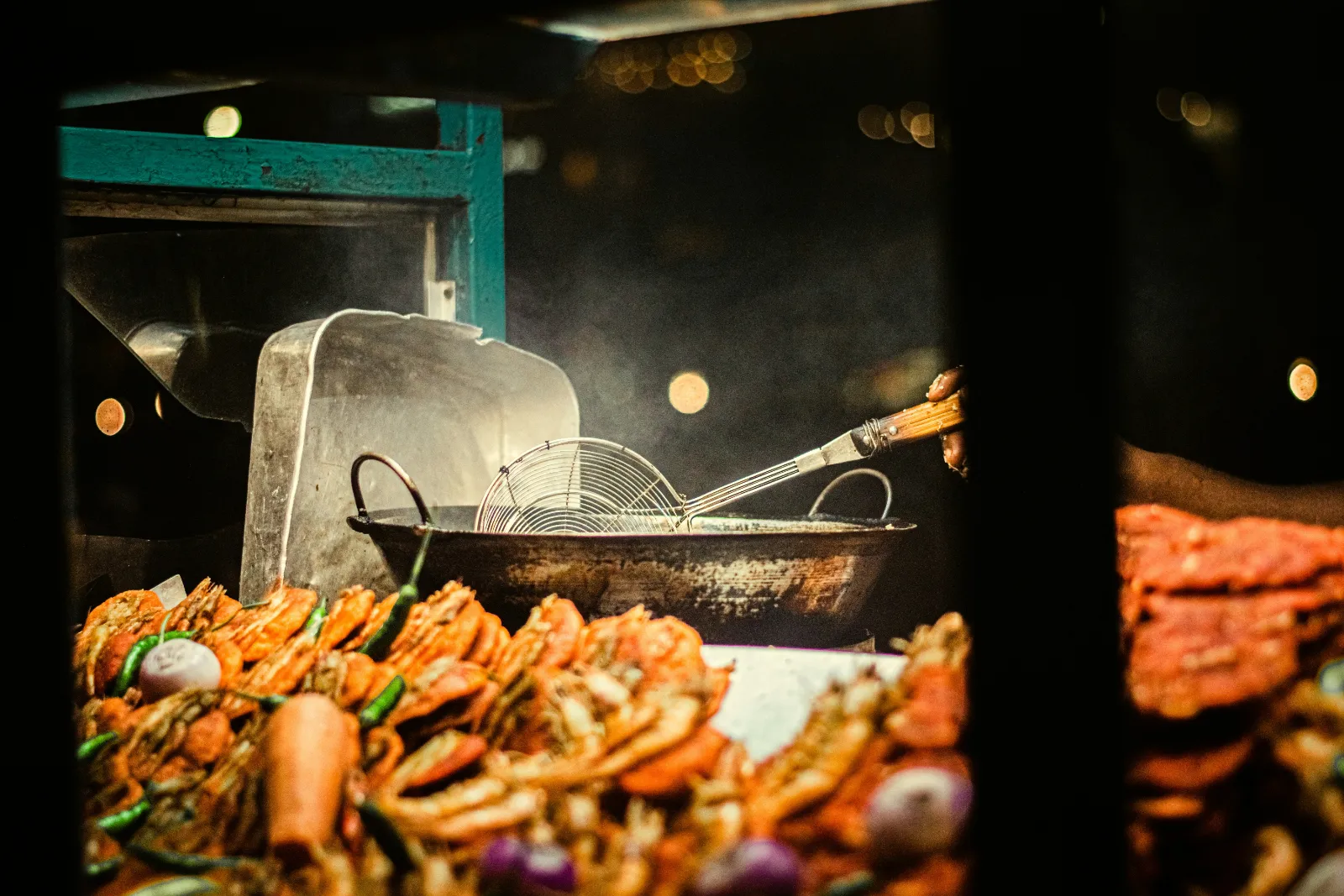
Colombo is the best place in Sri Lanka to eat widely, because it mixes Sinhala, Tamil, Muslim and Dutch Burgher cooking in one city. Rice and curry is everywhere, but these dishes are the ones to look for. For a full menu of Sri Lankan dishes, see our guide on what to eat in Sri Lanka.
| Dish | What it is | Where to try it |
|---|---|---|
| Hoppers (appa) | Bowl shaped pancakes of fermented rice batter and coconut milk; egg hoppers have an egg cooked in the middle | Local eateries, usually at breakfast or dinner |
| String hoppers (idiyappam) | Steamed rice flour noodles pressed into small nests, eaten with curry, dhal and sambol | Breakfast in hotels and local cafes |
| Kottu roti | Chopped roti stir fried on a griddle with egg, vegetables or meat; listen for the clanging blades | Street stalls and casual restaurants in the evening |
| Lamprais | Dutch Burgher dish of rice cooked in stock with curries, meatballs and sambol, baked in a banana leaf | Bakeries and Burgher style cafes, often lunch |
| Isso vadai | Lentil fritters topped with whole prawns | Galle Face Green stalls |
| Rice and curry | Rice with several small curries, dhal and pol sambol (coconut relish) | Everywhere, especially at lunchtime |
| Short eats | Patties, rolls and cutlets sold from glass cases | Bakeries and cafes all day |
| Falooda | Rose syrup, milk, jelly and basil seeds, served cold | Pettah and Muslim eateries |
Checked: 28 Oct 2026, Sources: Wikipedia (Kottu, Lamprais, Appam).
For Nepali travellers, Sri Lankan food is generally spicier and uses more coconut than dal bhat at home. Kottu will remind many people of chowmein crossed with chopped roti, and hoppers have a little in common with sel roti in being made from rice batter, though they are not sweet. Vegetarian food is easy to find, and South Indian style vegetarian restaurants along Galle Road are a good fallback for families with elderly parents or vegetarian members. Ask for "less spicy" if you need to.
Drinks and Poya days
On Poya (full moon) days and some other holidays, liquor shops and bars in Sri Lanka close by order of the Excise Department, and some hotels follow suit. The UK government's advice notes that alcohol is not usually available on religious holidays and that drinking in public on those days could be culturally insensitive. Check the Poya calendar if you are planning a celebratory dinner, for example on a honeymoon.
Checked: 28 Oct 2026, Sources: Ada Derana (Excise Department closure list, 2025); UK FCDO Sri Lanka travel advice (updated 21 Sep 2026).
Is Colombo worth a day or more?
Yes, Colombo is worth at least one full day, and two days if you enjoy food, markets and architecture. One day covers Gangaramaya, Pettah, the National Museum and Galle Face; a second day lets you add Kelaniya, the Lotus Tower, shopping and a relaxed dinner in Fort. Beach lovers and nature seekers can keep it to one night and move on.
Colombo is not a city of grand ancient monuments; those are inland in Anuradhapura, Polonnaruwa and Kandy. What it offers is the everyday life of modern Sri Lanka, the country's best museum and its most varied food. It is also the easiest place to set up the rest of a trip: buy a local SIM card, change money and book trains or a driver before heading out.
| Traveller type | Suggested time in Colombo | Focus |
|---|---|---|
| Honeymooners and couples | 1 night | Galle Face sunset, dinner in Fort or Kollupitiya, Seema Malaka |
| Families with children | 1 to 2 nights | Galle Face kites, Viharamahadevi Park, Lotus Tower, National Museum |
| Families with elderly parents | 1 to 2 nights | Gangaramaya, Kelaniya, short drives rather than long walks in the heat |
| Solo and budget travellers | 1 to 2 nights | Pettah, street food, trains from Fort |
| Shoppers and diaspora visitors | 2 nights | Pettah, Arcade Independence Square, Laksala, Port City |
| Beach and nature focused trips | Arrival night only, or skip with a Negombo stay | Galle Face sunset if staying in the city |
Best time to visit Colombo
Colombo is hot all year, with average daily highs of about 30 to 32 °C. It is driest in January and February and wettest in October, November and May, according to long term climate averages for the city. Rain usually comes in heavy afternoon or evening showers rather than all day, so sightseeing is still possible in the wet months; plan museums and malls for the afternoons.
Nepali families often travel during Dashain and Tihar, which fall in October and November. That is Colombo's wettest stretch, but the city remains very visitable and it is a sensible time to combine Colombo with the east coast or hill country. If you have flexibility, the December to March window brings drier days on the west coast. Book flights early for festival dates, because the non-stop service from Kathmandu does not fly every day.
Checked: 28 Oct 2026, Source: Wikipedia (Colombo climate table, 1991 to 2020 averages).
How do you get around Colombo?
The easiest way to get around Colombo is by ride hailing app: PickMe and Uber both operate in the city, with an upfront fare shown in the app before you book. Metered tuk-tuks and taxis are the alternative, and Colombo Fort railway station is the hub for trains to Kandy, Galle and beyond. City buses are cheap but crowded and hard to use for visitors.
| Mode | Best for | Tips |
|---|---|---|
| PickMe app | Tuk-tuks, cars and vans across the city | Sri Lankan app operating since 2015; shows the fare before you book; a local SIM helps with sign up |
| Uber app | Cars, tuk-tuks and motorbikes, depending on area (tuk rides launched in Colombo in 2018) | Operating in Sri Lanka since 2015; your usual account works; still expanding in 2026 |
| Street tuk-tuk | Short hops when no app ride is nearby | Use a working meter or agree the fare before you get in |
| Hotel car or private driver | Families, elderly travellers, airport runs | Most comfortable in heat and traffic |
| Train from Colombo Fort | Day trips and onward travel to Kandy, Galle, Negombo | Reserved seats can be booked up to 30 days ahead |
| Walking | Within Fort, Pettah, and around Beira Lake | Short distances only in the midday heat |
Checked: 28 Oct 2026, Sources: Daily FT (15 Aug 2025, PickMe ten years); The Morning (16 Jul 2026, Uber in Sri Lanka); Lanka Lens (5 Oct 2026, PickMe and Uber in Sri Lanka); UK FCDO Sri Lanka travel advice (updated 21 Sep 2026); Seat61 (updated 10 Jun 2026) on train reservations.
Ride hailing apps and tuk-tuks
Download PickMe and Uber before you land and set them up while you still have home data or airport Wi-Fi; the apps need a working phone number, so a local SIM card bought at the airport helps. Both show the fare up front, which avoids bargaining, though Uber notes the final fare can change if you add a stop or change the route. Travellers report mixed results signing up to PickMe with a foreign number or card, so carry some rupees in cash as a backup. Tuk-tuks are cheaper and can slip through traffic, but they are hot and open; for families, the elderly or anyone with luggage, book a car.
If you take a tuk-tuk off the street, the UK government's advice is to agree a price before setting off or choose one with a working meter. Be wary of drivers who offer to take you to a "special" shop, gem store or a festival that "only happens today"; politely insist on your destination. The same advice notes occasional harassment of women travellers at night, so women travelling alone may prefer app rides with the trip shared to a friend.
One current note: when we checked on 28 October 2026, the UK government's travel advice said the Government of Sri Lanka was limiting fuel purchases, with a weekly quota for each vehicle, in response to the situation in the Middle East. That can affect taxi and tuk-tuk availability, so leave extra time and check the latest news before you travel. Checked: 28 Oct 2026, Source: UK FCDO Sri Lanka travel advice (summary page).
Colombo Fort railway station and trains
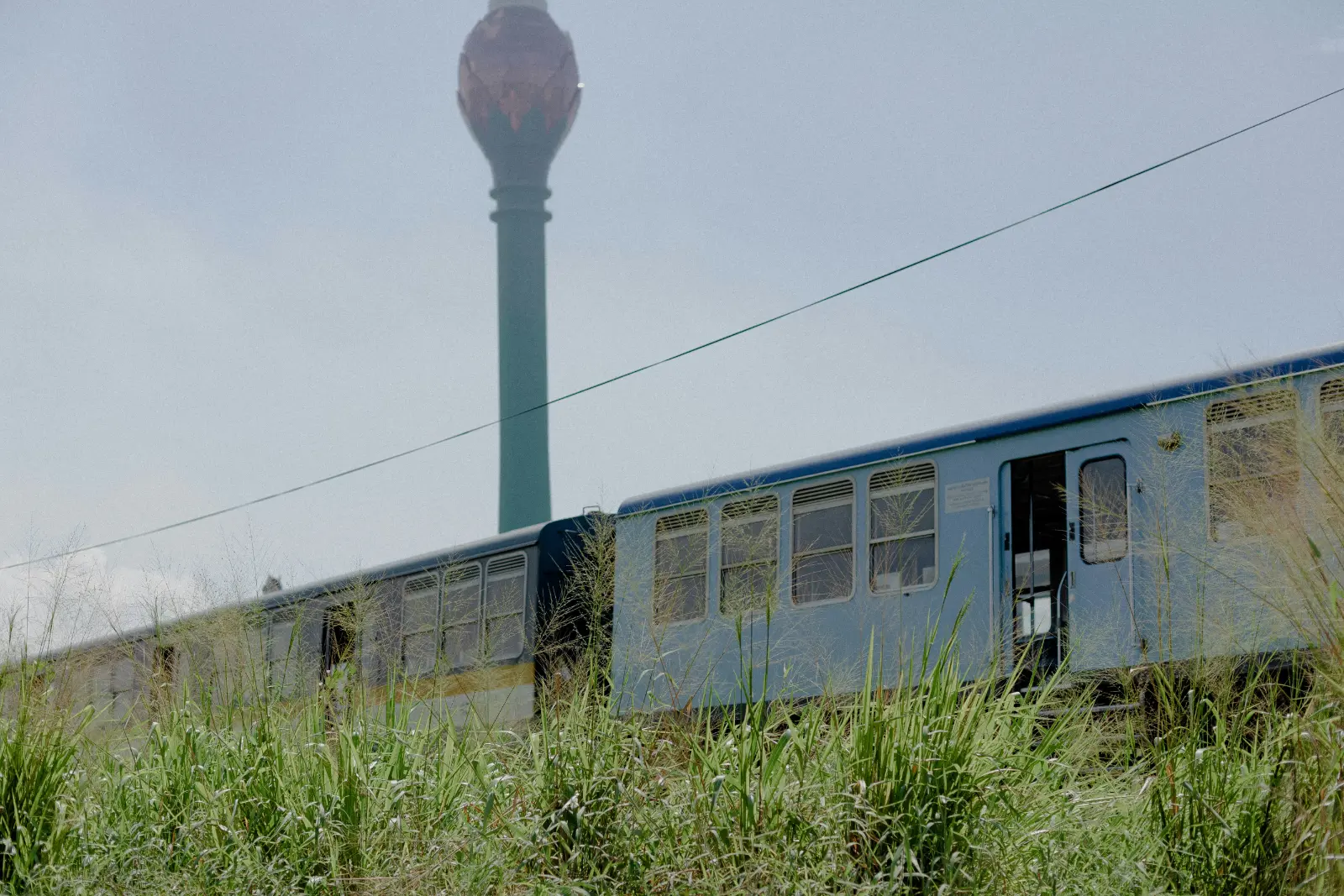
Colombo Fort railway station is the terminus for most intercity trains in Sri Lanka. The present building opened in 1917 on land reclaimed from Beira Lake. From here, the Main Line runs to Kandy and on through the hill country to Ella and Badulla, the Coastal Line runs south via Galle to Matara, and the Puttalam line serves Negombo and the north west coast.
- Reserved seats on popular trains, including the first class observation car to the hill country, can be booked up to 30 days ahead through the official Sri Lanka Railways seat reservation site and at station counters. They often sell out soon after booking opens.
- Unreserved second and third class tickets are sold at the station on the day and cannot sell out, though the carriages can be very crowded.
- Kandy trains take roughly 2.5 to 3 hours and Galle trains roughly 2 to 2.5 hours on the normal timetable, according to sample timings published by Seat61; current services may differ.
- Check before you go. Seat61 reported in June 2026 that Colombo to Kandy and hill country services were still affected by 2025 cyclone damage, while the Colombo to Galle line was running, so confirm the current timetable on Sri Lanka Railways.
- Pickpocketing has been reported on trains, so keep valuables on you.
Checked: 28 Oct 2026, Sources: Wikipedia (Fort railway station); Seat61 Sri Lanka train guide (updated 10 Jun 2026); UK FCDO Sri Lanka travel advice.
For buses, drivers and longer distances across the island, our guide on how to get around Sri Lanka compares every option. If you would rather have the city day, transfers and onward route arranged as one trip, browse our Sri Lanka tour packages.
Frequently asked questions
Is Colombo worth visiting?
Yes. Colombo is worth at least one full day for Gangaramaya Temple, the Seema Malaka, Pettah's markets, the National Museum and sunset on Galle Face Green. It is not an ancient city like Anuradhapura or Kandy, but it shows modern Sri Lankan life, has the country's best museum and its most varied food, and is the easiest place to start a trip.
What is Colombo famous for?
Colombo is famous as Sri Lanka's commercial capital and main port, and for Galle Face Green, the Pettah bazaar, Gangaramaya Temple, the red and white Jami Ul-Alfar Mosque and colonial buildings from the Dutch and British eras. It is also known for its food, from kottu and hoppers to seafood, and for the Lotus Tower on the skyline.
What is Gangaramaya Temple?
Gangaramaya is one of Colombo's most important Buddhist temples, beside Beira Lake in Hunupitiya. It was founded in the late nineteenth century by Hikkaduwe Sri Sumangala Nayaka Thera and today includes a museum, relic chamber, Bodhi tree, library and vocational school. It also manages the Seema Malaka on the lake and holds the Navam Maha Perahera procession each year around February.
Is Pettah Market safe?
Pettah Market in Colombo is generally safe in daytime, but it is very crowded, so petty theft and harassment are the main risks. Keep valuables to a minimum, carry your bag on the side away from traffic, watch your phone in busy lanes and avoid wandering alone late at night. Going in the morning also means cooler, slightly calmer streets.
What is Galle Face Green?
Galle Face Green is a seafront park of about 5 hectares in central Colombo, stretching roughly 500 metres along the Indian Ocean. Its promenade was completed in 1859. Today it is the city's favourite place for sunset walks, kite flying and street food such as isso vadai, and it hosts national celebrations on Independence Day, 4 February.
How many days do you need in Colombo?
One full day is enough to see Colombo's main sights: Gangaramaya, the Seema Malaka, Pettah, the National Museum and Galle Face Green. Two days lets you add Kelaniya Raja Maha Vihara, the Lotus Tower, shopping and more food. If your trip is focused on beaches or wildlife, one arrival night in Colombo or Negombo is fine.
What food should I try in Colombo?
In Colombo, try hoppers and egg hoppers, string hoppers with curry and sambol, kottu roti, a Dutch Burgher lamprais baked in a banana leaf, rice and curry at lunchtime, and isso vadai prawn fritters on Galle Face Green. Short eats from bakeries make an easy snack, and falooda is a cold sweet drink worth trying in Pettah.
How do I get around Colombo?
The easiest way to get around Colombo is with the PickMe or Uber apps, which show the fare before you book; PickMe is especially popular for tuk-tuks. Street tuk-tuks are fine if you use a meter or agree the price first. For trips to Kandy, Galle or Negombo, trains leave from Colombo Fort railway station.
Is Colombo good for shopping?
Yes. Colombo is the best place in Sri Lanka for shopping: Pettah for bargains on textiles and spices, Laksala for government run handicrafts, Arcade Independence Square and the Old Dutch Hospital for a calmer browse, and The Mall at Port City Colombo for duty free international brands. Ceylon tea, spices and batik make good gifts to take home.
Can you visit the Jami Ul-Alfar Mosque in Colombo?
Yes, non-Muslim visitors can usually visit the Jami Ul-Alfar (Red Mosque) in Pettah outside prayer times, though reported hours vary and Friday midday prayers are the busiest. Dress modestly, remove your shoes and women should cover their hair. Many visitors simply photograph the striking red and white facade from Second Cross Street.
Colombo ma k k herne?
Colombo ma Gangaramaya Temple ra Seema Malaka, Pettah market, Jami Ul-Alfar (Red Mosque), National Museum ra beluka Galle Face Green ma suryasta herna jaanu hos. Samaya bhaye Kelaniya mandir, Lotus Tower ra Port City pani herna sakinchha. (In Colombo, see Gangaramaya Temple and the Seema Malaka, Pettah market, the Red Mosque, the National Museum and sunset at Galle Face Green in the evening. With more time, add Kelaniya temple, the Lotus Tower and Port City.)