





























+977-9768558250
Explore by Country
See all 22 Thailand packages
Most popular pick
See all 22 Thailand packages →
See all 11 Vietnam packages
Most popular pick
See all 11 Vietnam packages →
See all 10 Indonesia (Bali) packages
Most popular pick
See all 10 Indonesia (Bali) packages →
See all 7 Maldives packages
Most popular pick
See all 7 Maldives packages →
See all 10 China packages
Most popular pick
See all 10 China packages →
See all 13 Sri Lanka packages
Most popular pick
See all 13 Sri Lanka packages →
See all 9 Malaysia packages
Most popular pick
See all 9 Malaysia packages →
See all 8 Singapore packages
Most popular pick
See all 8 Singapore packages →
See all 2 Kenya packages
Most popular pick
See all 2 Kenya packages →
See all 16 India packages
Most popular pick
See all 16 India packages →
See all 3 Dubai packages
Most popular pick
See all 3 Dubai packages →
See all 7 Nepal packages
Most popular pick
See all 7 Nepal packages →
See all 6 Philippines packages
Most popular pick
See all 6 Philippines packages →
Search Tours or Places
Blog / Vietnam

Is Vietnam Safe? Practical Safety Tips for Travellers

33 min read 06 Nov 2026
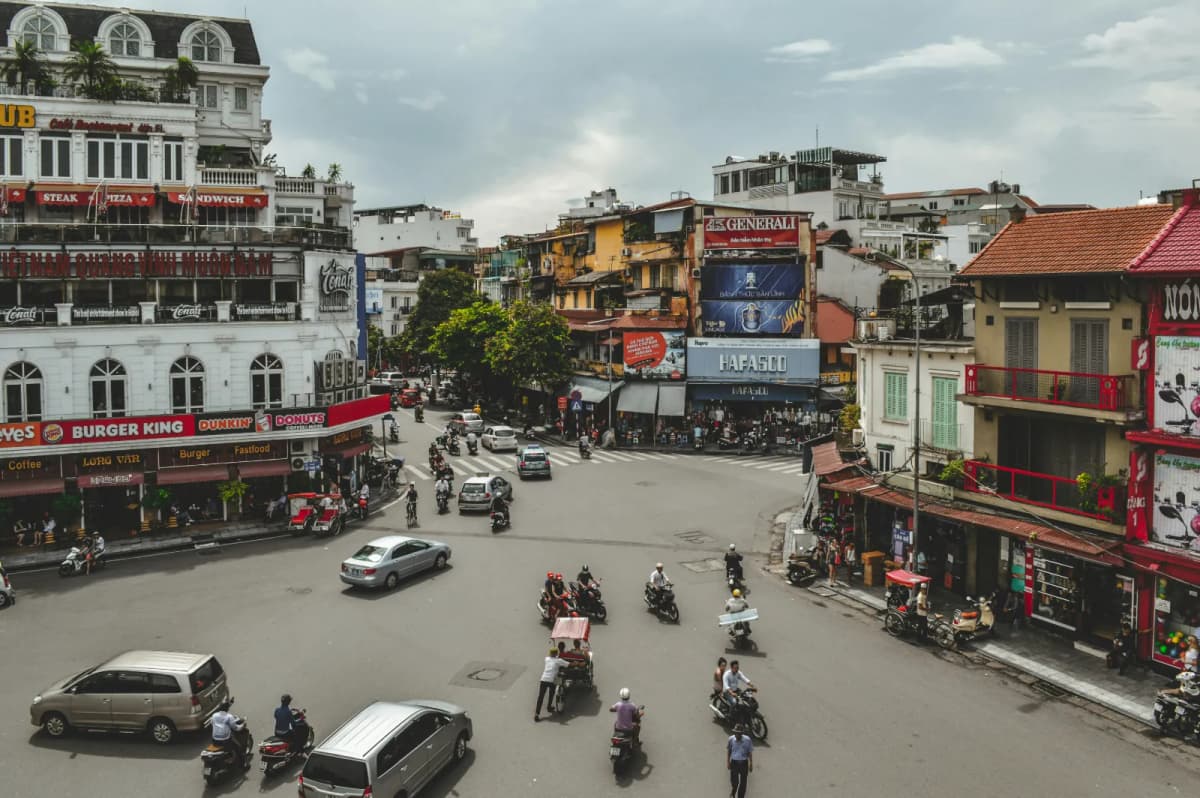
Motorbikes and cars crossing a busy Hanoi intersection below colourful shophouse facades

Short answer: Yes. Is Vietnam safe? For most visitors it is: the United States, Canada and Australia all rate Vietnam at their lowest advisory level, and violent crime against tourists is rare. The real risks are everyday ones: chaotic traffic, bag snatching from passing motorbikes, a handful of well known scams, contaminated drinks, and the typhoon and flood season in the second half of the year. Plan around those and Vietnam is a relaxed, rewarding country to travel.

This guide is written for anyone asking whether Vietnam is safe to travel right now, with extra notes for travellers holding a Nepali passport and for Nepali families planning a Vietnam holiday. Every advisory level, emergency number and rule below was checked against official sources on 6 November 2026. Rules and advisories change, so check the linked official pages again in the week before you fly. For the wider trip logistics (money, SIM cards, trains and weather), start with our complete Vietnam travel guide.

QuestionQuick answer (checked 6 November 2026)
Overall safetyGenerally safe; lowest advisory level from the US, Canada and Australia
Biggest real riskRoad traffic, especially riding a motorbike without the right licence or experience
Most common crimePickpocketing and bag snatching, often from passing motorbikes
Main health ruleDo not drink tap water; protect yourself from mosquito bites
Weather riskTropical storms roughly June to December; central Vietnam floods most in October and November
Emergency numbers113 police, 114 fire and rescue, 115 ambulance
Nepali consular helpEmbassy of Nepal in Bangkok, which is accredited to Vietnam

Is Vietnam safe for tourists in 2026?

Vietnam is safe for tourists by the standards of official travel advisories. As of 6 November 2026, the US State Department rates Vietnam Level 1, "Exercise normal precautions", Canada says "Take normal security precautions", and Australia's Smartraveller says "Exercise normal safety precautions". Those are the lowest levels each government uses.

A low advisory level does not mean nothing can go wrong. It means the risks are the kind you manage with ordinary care rather than ones that should stop you going. Canada's advice puts it plainly: violent crime against foreigners is rare, while petty theft, including pickpocketing and bag snatching from passing motorbikes, is common in larger cities and increases around Tet, the Lunar New Year.

When travellers do get hurt or lose money in Vietnam, it is usually for one of five reasons:

  • Roads. Traffic is dense and rules are loosely followed. Pedestrians and inexperienced motorbike riders are the most exposed.
  • Petty theft. Phones and bags snatched by riders on motorbikes, pickpocketing in markets, and theft on buses and overnight trains.
  • Scams and overcharging. Unlicensed taxis, street money changers, bars that inflate bills and fake job offers.
  • Drinks. Spiked drinks and, more seriously, counterfeit alcohol containing methanol.
  • Weather and water. Tropical storms, river floods, overcrowded boats and heat.

The rest of this guide takes each of those in turn, with the practical habits that keep you out of trouble. If you are still deciding whether Vietnam fits your budget as well as your comfort level, our breakdown of what a Vietnam trip really costs covers the money side.

What do official travel advisories say about Vietnam right now?

The US, Canadian and Australian advisories all rate Vietnam at their lowest risk level, and the UK advice concentrates on practical risks rather than warning people away. Their detailed pages focus on the same practical themes: theft, road safety, drink spiking and methanol, strict drug laws and seasonal storms.

Here is what each source said when we checked it, with the date the page itself shows:

SourceWhat it says about VietnamPage dateChecked
US State DepartmentLevel 1: Exercise normal precautionsIssued 24 June 20266 Nov 2026
Government of CanadaTake normal security precautionsUpdated 19 October 20266 Nov 2026
Australia, SmartravellerExercise normal safety precautionsDated 7 January 2026 on the Smartraveller destinations list6 Nov 2026
UK Foreign Office (FCDO)No numbered levels; detailed safety page on theft, roads, drink spiking, scams and stormsUpdated 21 September 2026 (tropical storm season information added)6 Nov 2026

How to read these advisories

Each government writes for its own citizens, so details such as consular contacts or licence rules are specific to that nationality. The risk picture, though, is the same for every visitor, and that is the useful part for Nepali travellers too. Read two or three of them together: when the US, UK, Canada and Australia all describe the same risks, you can be confident those are the ones that matter.

Two habits help:

  • Check the date at the top of the page. An advisory updated last week is more useful than a news story from last year.
  • Ignore headline panic. Social media posts about a "travel warning" often describe a routine update, such as storm season information, as if it were a new danger. The official page itself is the source to trust.
Explore Vietnam tour packages
View all →

Vietnam risk table: what can go wrong, where, and how to avoid it

The risks in Vietnam are predictable: most are tied to specific places, times of day or seasons. This table brings the official advice together in one place.

RiskWhere it is most commonHow to avoid it
Bag and phone snatching from motorbikesHanoi, Ho Chi Minh City, busy tourist streetsCarry bags on the side away from traffic; do not hold your phone out at the kerb; hand over valuables rather than resist
PickpocketingMarkets, transport hubs, beaches, and busier around Tet (Lunar New Year)Front pockets, zipped bags, valuables split between bags
Theft on overnight transportBuses and overnight trains, including sleeper trainsKeep passport, phone and cash on your body while you sleep
Road accidents as a pedestrianEvery city, especially at large junctionsCross slowly and steadily; use footbridges where they exist; look both ways even on one way streets
Motorbike crashesCities, mountain roads in the north, coastal passesDo not ride unless experienced and properly licensed; wear a good helmet; never ride after drinking
Unlicensed taxis and fake driversAirports, stations, nightlife areasUse Grab, XanhSM or a metered taxi from a large firm; check the plate and driver match the app
Spiked drinks and methanolBars and nightlife areas in tourist townsBuy your own drinks, keep them in sight, stick to sealed reputable brands, avoid cheap spirits from street sellers
Boat accidentsHa Long Bay and other boat tripsChoose registered operators, ask for a safety briefing, wear a life jacket
Storms and floodsNorthern and central coasts; central Vietnam floods in October and November; Red River and Mekong Delta in the rainy seasonWatch forecasts, keep plans flexible, stay away from flooded roads and swollen rivers
Unexploded ordnanceFormer battlefields in central Vietnam and along the Laos borderStay on established paths and follow local guidance
Mosquito borne illnessNationwide; dengue peaks in the rainy seasonRepellent, long sleeves at dusk, screened or air conditioned rooms
Serious legal troubleNationwideNo drugs of any kind, no vapes, no political activity, no photos of military sites

Sources for this table: the UK FCDO safety and security page for Vietnam, the Canada and US advisories linked above, and the CDC Yellow Book chapter on Vietnam.

What are the most common scams in Vietnam?

The most common scams in Vietnam involve transport and money: unlicensed taxis, people posing as ride hailing staff, unofficial money changers and bars that pad the bill. Almost all of them are avoided by booking transport through an app or a reputable company, changing money only at official counters, and agreeing prices before you start.

Here are the scams named in official advice, how they usually work, and what to do instead:

ScamHow it worksWhat to do
Unlicensed taxiA driver approaches you at the airport, station or outside a bar and quotes a fare, or uses a rigged meterBook through Grab or XanhSM, or use a metered taxi from a large company; ask your hotel to call one
Fake ride hailing staffSomeone claims to work for Grab or XanhSM and offers to "help" you get a rideBook the whole journey inside the app yourself and only get into the car or bike shown in the app
"Free" airport bus to your hotelAn offer of free transport that leads to a hotel or shop you did not chooseArrange airport transfers in advance through your hotel or a known operator
Street money changersA street offer of a better rate. The UK FCDO says changing money outside official exchange counters is illegal and you risk losing your moneyUse banks, hotel desks or licensed exchange counters, and count notes before you leave
Bar bill inflationSome bars and clubs overcharge customers who have been drinkingAsk for prices first, pay as you go, check every bill
Drugging and forced ATM withdrawalsA drink or snack is drugged, then the victim is taken to an ATMNever accept drinks, snacks or gum from strangers; use ATMs inside banks or busy businesses
Fake alcohol and cigarettesStreet sellers offer branded bottles or packs that may be counterfeit; counterfeit spirits can contain methanolBuy from proper shops and stick to reputable, sealed brands
Passport as a rental depositA motorbike shop or landlord holds your passport, then claims you damaged somethingNever hand over your original passport; offer a copy and a cash deposit instead
Fake job offersHigh paying jobs advertised online lead to trafficking into neighbouring countries and forced online scam workVerify every job, visa and contract independently, and never give your passport to an employer
Romance scamsAn online contact builds trust, then asks for moneyNever send money to someone you have only met online
Public Wi-Fi fraudCard or account details stolen over open networksUse mobile data or a trusted network for banking and payments

The fake job offer scam deserves a special note for Nepali readers. Offers of well paid work in Southeast Asia, sometimes framed as "visit on a tourist visa and start work", are exactly what both the UK and Australian governments warn about. If a stranger offers you work in Vietnam or a neighbouring country, treat it as a red flag, not an opportunity.

Money habits that prevent most losses

  • Vietnamese dong notes carry a lot of zeros. Take a moment to count notes when you pay and when you receive change.
  • Carry a small amount of cash for the day and leave the rest in your hotel safe.
  • Use ATMs inside banks, malls or hotels rather than standalone machines on quiet streets.
  • Agree prices for cyclos, boat rides and motorbike taxis before you set off, ideally with the amount written down or shown on a phone.

For everyday etiquette, bargaining and the small behaviours that make locals warm to you, see our guide to the dos and don'ts in Vietnam.

How do you cross roads and handle traffic safely in Vietnam?

Motorbikes and riders filling a busy shopping street in Hanoi lined with trees

Cross roads in Vietnam slowly, steadily and predictably, so that riders can see where you are going and steer around you. The worst thing you can do is run, stop suddenly or step backwards. Motorbikes flow around a walking pedestrian; they cannot anticipate one who changes pace.

The CDC notes that pedestrians may find Vietnam's roads challenging because of the sheer volume of motorbikes and the apparent lack of rules, and that motorbikes may use the wrong side of the road and even the pavement. Canada's advice adds that pavements may be obstructed or poorly maintained and are often used by motorcyclists. If you are used to Kathmandu traffic, the basic rhythm will feel familiar; the difference in Hanoi and Ho Chi Minh City is the sheer number of motorbikes.

Step by step: crossing a busy street

  1. Choose your spot. Use a pedestrian crossing, traffic lights or a footbridge if there is one nearby. Avoid crossing on a bend or right next to a junction where turning vehicles cut in.
  2. Look both ways, every time. Even on a one way street, motorbikes may come against the flow.
  3. Wait for a gap in the cars and buses. Large vehicles cannot swerve; motorbikes can.
  4. Step off and walk at a steady, normal pace. Do not run.
  5. Keep eye contact with oncoming riders and raise a hand slightly if it helps them see you.
  6. Do not stop or step back unless a car, bus or truck is about to reach you.
  7. Check again at the centre line for traffic coming from the other direction.
  8. Cross with local people when you can, walking on their far side from the traffic.

With children, hold hands firmly and keep the child on the side away from traffic. With older parents, choose crossings with lights even if it means a longer walk, and avoid crossing major roads after dark.

Should you rent a motorbike in Vietnam?

Only if you are an experienced rider and legally licensed to ride in Vietnam. For most short stay visitors, including Nepali licence holders, the safe answer is no. Hire a car with a driver, take Grab, or ride as a passenger with a licensed driver instead.

Vietnam joined the 1968 Vienna Convention on Road Traffic on 20 August 2014, according to the United Nations treaty status record. Different governments give their citizens different answers about which licences and permits work there:

Licence you holdWhat official sources saySource
UK licence plus a 1968 International Driving PermitNeeded together to drive a car or motorbike in Vietnam; third party insurance is also compulsoryUK FCDO
US licence or US issued International Driving Permit"Do not work in Vietnam"; renting a moped or motorbike without a Vietnamese licence is illegalUS State Department
Canadian licence or Canadian issued International Driving PermitNot recognised; a Vietnamese licence is needed for engines of 50cc or more, which includes most motorbikesGovernment of Canada
Nepali licence, or a permit issued in NepalWe found no official source confirming that a Nepali licence or a permit issued in Nepal is accepted in Vietnam. Nepal is not listed as a party to the 1968 Convention in the UN treaty record. Treat it as not valid and do not ride.UN treaty record (checked 6 Nov 2026)
Vietnamese driving licenceValid; Canada says its licence holders can apply only after living in Vietnam for at least three months, so it is not a realistic option for a short holidayCanada, US

The licence is not a technicality. The US advisory warns that riding a scooter without a Vietnamese licence breaks the law and that insurers may refuse to pay medical costs after a crash. Our article on whether travel insurance is worth it explains why that exclusion is the one that catches most riders out. The UK FCDO adds that even a minor accident can lead to criminal charges, compensation claims and a ban on leaving Vietnam while police investigate.

If you do ride legally, the official advice is consistent:

  • Wear a proper helmet; helmets are required for riders and passengers.
  • Do not drink and ride: the UK FCDO says any alcohol in your system can bring a fine and possible imprisonment.
  • Avoid riding at night, in heavy rain and on unlit rural roads.
  • The US advisory describes mountain riding as risky and advises off road riding only for those with significant experience.
  • Inspect the bike, rent from a reputable firm, and never leave your passport as a deposit.

Buses, sleeper buses and trains

Long distance travel in Vietnam is generally safe, but two risks stand out in official advice. First, theft on buses and overnight trains, especially while passengers sleep. Second, the UK FCDO says bus and coach crashes are more likely at night, and Canada reports fatal incidents involving sleeper buses. Where you have a choice, the train or a daytime journey is the safer option, and on any overnight trip your passport and phone should sleep with you, not in your luggage.

Boats and Ha Long Bay cruises

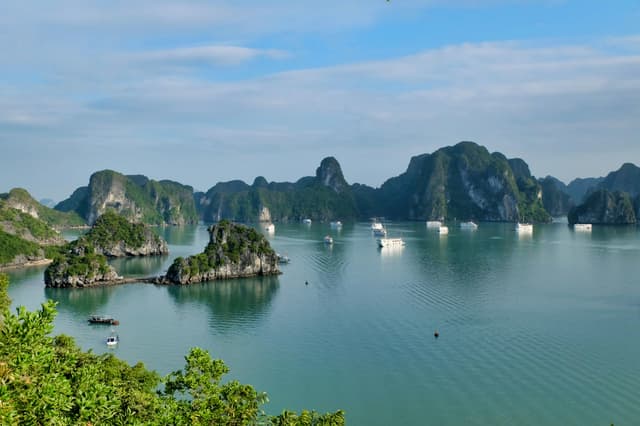
Cruise boats on the emerald water among the limestone islands of Ha Long Bay

Boat trips in Vietnam are usually safe when you pick a reputable operator. The UK FCDO asks travellers to think carefully before an overnight boat trip in Ha Long Bay, because overcrowding and poor standards have caused accidents in the past, and some boats have sunk quickly. Before you board any boat, check that the operator is registered, ask for the safety briefing, find the life jackets and wear one on small craft. Canada also notes ferry accidents caused by overloading. During storm season, cruises can be cancelled at short notice when warnings are issued; that is a safety measure, not an inconvenience to argue with.

Are taxis and Grab safe in Vietnam?

Grab motorbike driver in a green jacket and cap waiting at a roadside in Vung Tau

Yes, Grab and other app based rides are among the safest ways to get around Vietnam's cities, as long as you book inside the app and check that the vehicle and driver match. Metered taxis from large companies are also generally reliable. The rides to avoid are unlicensed taxis, which the UK FCDO links to reported assaults, and informal street motorbike taxis.

The UK FCDO specifically recommends using Grab or XanhSM, checking that the vehicle and driver details match the app, booking the whole journey through the app, and being wary of people claiming to represent these companies. Canada's advice says to use only official taxis or trusted ride sharing apps, and to agree the fare in advance or insist on the meter.

OptionSafetyTips
Grab car or Grab bike (app)Good: price, route and driver recorded in the appMatch the plate and photo; use the in app sharing and emergency tools
XanhSM (app)Good: named by the UK FCDO alongside GrabSame checks as Grab
Metered taxi from a large companyGenerally reliableAsk your hotel or restaurant to call one; make sure the meter is running
Unlicensed taxi touting for businessPoor: linked to overcharging and reported assaultsAvoid, especially at airports and late at night
Street motorbike taxi (xe om)Canada advises avoiding themIf you want a bike ride, book a Grab bike so the trip is recorded

Grab safety features worth switching on

Grab's Vietnam passenger page lists several safety tools. The two that matter most for visitors are Share My Ride, which shares your live location with family or friends in real time, and the in app Emergency Button, which can alert your loved ones or the local authorities to your exact location. Grab also says drivers must verify their identity with facial recognition at least once a day, and that rides include personal accident insurance (details on Grab's Vietnam safety page).

A few habits make app rides safer still:

  • Wait for your ride inside the airport, hotel lobby or restaurant, not at the kerb with your phone out.
  • Say the name the app shows and let the driver confirm your name, rather than offering it first.
  • On a Grab bike, wear the helmet the driver offers and keep your bag in front of you.
  • If a driver asks to cancel the booking and take cash instead, decline and book again.

Is Vietnam safe for solo women travellers?

Vietnam is a popular and generally safe destination for solo women, but official advice is frank that harassment and sexual assault do happen. Canada notes that solo women may face harassment and verbal abuse, and that assaults have occurred at beach destinations, in bars and nightclubs, in taxis and on public transport. The practical precautions are the same ones that work in most busy tourist countries.

The UK FCDO's suggested precautions are a good checklist:

  • Buy your own drinks and keep them in sight at all times.
  • Refuse snacks, drinks and chewing gum from strangers.
  • Save your accommodation's location on a map app before you go out.
  • Set up a group chat with friends or travel companions so someone knows where you are.
  • Report anything that worries you to venue staff.
  • Use app based rides or licensed taxis, never unlicensed drivers, especially at night.

Two further points are worth knowing before you go. The UK FCDO says victims in Vietnam face a higher burden of proof than in the UK, particularly if they had been drinking. Canada notes that local authorities may not always respond adequately to reports of sexual violence. If something does happen, seek medical care even without visible injuries, make sure police file a report, and contact your embassy. For Nepali women travellers, that is the Embassy of Nepal in Bangkok, covered in the emergency section below.

Dress modestly at temples and pagodas, where shoulders and knees should be covered, and choose accommodation with good reviews from other solo travellers and a 24 hour front desk.

Is Hanoi safe at night, and what about other cities?

Hanoi is generally safe at night, and the Old Quarter and the area around Hoan Kiem Lake stay busy and well lit into the evening. The main night time risks in Hanoi and Ho Chi Minh City are bag snatching, drink spiking, overcharging in bars and unlicensed taxis, not violent street crime.

Practical rules for evenings in any Vietnamese city:

  • Carry only what you need; leave your passport in the hotel safe and carry a copy plus a photo of your visa page (the UK FCDO says a printed copy is accepted as ID).
  • Walk on the inside of the pavement and keep bags across your body, on the side away from the road.
  • Book a Grab or a hotel taxi for the ride home rather than accepting an offer on the street.
  • Stick to sealed beer or drinks from reputable brands; Canada reports deaths from counterfeit alcohol containing methanol.
  • Stay away from anything involving drugs. The UK FCDO notes that police may carry out drug tests at nightlife venues and private gatherings, and nitrous oxide balloons and vapes also carry legal risk.

If you are planning your evenings, our guide to things to do in Hanoi covers the Old Quarter, the lakes and the night markets in more detail.

Hoi An, Da Nang and the beach towns after dark

Glowing silk lanterns strung above the streets of Hoi An Old Town at night

Hoi An's lantern lit Old Town is busy with visitors in the evening, and the same common sense rules apply there as in the big cities. The risks shift slightly in beach towns: pickpocketing and bag theft on beaches, assaults reported in bars and nightclubs at beach destinations, and the sea itself. Never swim after drinking or at night, and do not leave phones and wallets on the sand while you swim.

What health precautions should you take in Vietnam?

Diners sitting on low plastic stools around tables at a street food spot in Hanoi

The core health precautions for Vietnam are simple: do not drink tap water, eat freshly cooked hot food, avoid mosquito bites, and see a travel health clinic well before you fly to check routine and recommended vaccines. Good medical care is available in Hanoi and Ho Chi Minh City, but the CDC notes that care elsewhere is generally of a lower standard, so insurance that covers medical evacuation is strongly advised.

Health riskWhat official health sources sayWhat to do
Tap water and iceCDC: tap water is unsafe to drink, and ice is often made from tap waterDrink sealed bottled or filtered water; brush teeth with safe water if you have a sensitive stomach
Food hygieneCDC advises avoiding raw or undercooked meat and seafood, raw blood dishes, and fruit you cannot peelChoose busy stalls with high turnover, food cooked in front of you and served hot
Food allergiesMany dishes are unlabelled and may contain peanuts, fish or shellfishCarry an allergy card written in Vietnamese and any medication you need
DenguePresent year round, peaking in the rainy seasonRepellent, long sleeves at dawn and dusk, screened or air conditioned rooms
Japanese encephalitisFound across Vietnam; cases peak May to October, highest in the northAsk a travel clinic, especially for long stays or rural trips
MalariaCDC: no malaria in Hanoi, Ho Chi Minh City, Da Nang or Nha Trang; risk in some rural areasDiscuss with a clinic only if travelling to remote rural or forest areas
RabiesDogs cause almost all casesDo not touch dogs, cats or monkeys; get urgent care after any bite or scratch
Air pollutionHigh particulate levels, especially in Hanoi and Ho Chi Minh CityCarry inhalers if asthmatic; a well fitted mask helps on bad days
Heat and humidityCan cause heat rash, sunstroke and dehydrationDrink water, rest in the hottest hours, use sunscreen and a hat
FloodwaterLeptospirosis and other infections rise after floodsAvoid wading or swimming in fresh water, especially after heavy rain

Source: the CDC Yellow Book chapter on Vietnam linked above, with Canada's health advice for Vietnam. This is general information, not medical advice: please see a doctor or travel clinic for advice that fits your health and trip.

Is Vietnamese street food safe to eat?

Street food is one of the best reasons to visit Vietnam, and most travellers eat it daily without problems. The CDC's general guidance is cautious about street vendor food, especially uncooked items, so the practical middle path is to choose busy stalls where locals queue, order dishes cooked to order and served steaming hot, such as pho, bun cha or freshly grilled meat, and go easy on raw herbs and salads in your first few days. Travellers' diarrhoea is common, so pack oral rehydration salts and wash or sanitise your hands before eating.

Medicines and your health paperwork

Carry prescription medicines in their original packaging with a copy of the prescription or a doctor's letter, and pack enough for the whole trip plus a few extra days in case flights are disrupted by weather. Travellers with asthma, heart conditions or diabetes should also check that their insurance covers pre-existing conditions before they travel.

When is typhoon and flood season in Vietnam?

Vietnam's typhoon season usually runs from June to December, when storms can hit the northern and central coasts, and the strongest storms usually arrive between September and November, according to the US State Department. Central Vietnam, including Hue, Da Nang and Hoi An, floods most from September to December, especially in October and November. The south is less exposed to typhoons but has its own rainy season and river flooding. The UK FCDO adds that tropical cyclones can happen outside the usual season.

Official advice by region:

RegionStorm riskRain and flood riskSource
North (Hanoi, Ha Long Bay, Sapa, northern coast)Storms June to December; the northern delta and coast have the highest average landfall frequency in VietnamRainy season June to September; flooding common around Hanoi along the Red RiverUK FCDO, Canada, Wikipedia summary of Vietnamese storm records
Central coast (Hue, Da Nang, Hoi An, Quang Binh)Storms June to December, worst typically September to NovemberMonsoon rains October to December; flooding September to December, most often October and NovemberUS State Department, Canada, UK FCDO
Central Highlands and south (Dalat, Ho Chi Minh City, Mekong Delta)Less exposed: the US advisory names the central and northern coasts for stormsRainy season June to September; flooding possible from May to October in the south and Central Highlands, including the Mekong DeltaUS State Department, UK FCDO, Canada

Treat this as a guide to risk, not a forecast. Weather varies a great deal from year to year, and Canada's advice, updated in October 2026, notes that El Niño conditions are currently present and expected to strengthen into 2027, so check forecasts closely. For the weather side of trip planning, including the best months for each region, see our month by month guide to the best time to visit Vietnam.

A note for Dashain and Tihar travellers

Dashain and Tihar usually fall between late September and November, which is when many Nepali families take their longest holiday. That window lines up with the peak storm and flood period on Vietnam's central coast. It does not mean you should avoid Vietnam at festival time, but it does shape the route:

  • The north (Hanoi, Ha Long Bay, Ninh Binh) is past its main rainy season by October, though storms remain possible on the northern coast until December.
  • If Hoi An, Hue or Da Nang are on your list, keep a spare day in the plan and choose refundable or flexible bookings for that leg.
  • Check the forecast a week out and again the day before any boat trip, mountain drive or internal flight.

What to do if a storm is forecast

  1. Follow official warnings. The US State Department points travellers to the Vietnam Weather KTTV app for real time storm, landslide and flash flood alerts.
  2. Listen to your hotel, tour operator and local authorities. If a boat trip or mountain transfer is cancelled, accept it.
  3. Stay away from flooded roads, swollen rivers and landslide prone mountain roads.
  4. Keep your phone charged, carry a power bank and keep some cash in case card machines and ATMs go down.
  5. Tell family at home where you are, and contact your airline early if flights are affected.

Which laws can get travellers into serious trouble in Vietnam?

The laws most likely to catch out a visitor in Vietnam concern drugs, vapes, political activity and photography of restricted sites. Penalties are far heavier than many travellers expect, and detention without charge can be long. Knowing these rules in advance is a large part of staying safe.

RuleWhat official advice says
DrugsDrug offences can bring the death penalty or life in jail; it is a crime to have drugs in your system, even if you took them outside Vietnam; never carry bags or parcels for others
VapesVapes are banned in Vietnam; using or possessing vaping products is an offence
Political and religious activityPolitical criticism, political material and unsanctioned religious activity, including online, can lead to detention or a travel ban; avoid all protests
PhotographyDo not photograph military sites or border crossings; going close to the borders with China, Cambodia or Laos needs prior written permission
IDCarry photo ID; a printed copy of your passport photo page and visa is accepted
Traffic accidentsForeigners involved in accidents may be prevented from leaving Vietnam until investigations finish
WildlifeBuying, selling or collecting protected animals or plants is illegal
Dress at religious sitesCover shoulders and knees

Sources: the UK FCDO and the Australian Smartraveller page for Vietnam, both checked 6 November 2026.

Who do you call in an emergency in Vietnam?

In Vietnam, call 113 for police, 114 for fire and rescue, and 115 for an ambulance. These numbers are confirmed by the Government of Canada and the UK FCDO and, for police and ambulance, by the US State Department.

NumberService
113Police
114Fire and rescue
115Ambulance and medical emergencies
112National search and rescue

All four numbers are listed on the UK FCDO getting help page for Vietnam (checked 6 November 2026), which also notes that emergency lines are operated only in Vietnamese.

If you do not speak Vietnamese, ask hotel staff, your guide or a local person to make the call with you, and have your exact address ready. Your hotel will know the nearest good hospital. Call your travel insurer's emergency line as early as possible, because many policies ask you to contact them before major treatment or evacuation.

Nepali embassy for Vietnam: where Nepali citizens get help

There is no Nepali embassy in Hanoi. Nepal's Ministry of Foreign Affairs lists the Embassy of Nepal in Bangkok as concurrently accredited to Vietnam, along with Singapore, Cambodia and Laos (checked 6 November 2026). That is the mission to contact if a Nepali citizen loses a passport, is arrested, is seriously ill or needs consular help anywhere in Vietnam.

  • Embassy of Nepal, Bangkok: official website th.nepalembassy.gov.np
  • Email listed on the embassy website: eonbangkok@mofa.gov.np
  • Office hours listed: Monday to Friday, 9am to 12pm and 1pm to 5pm (Bangkok time)

Save these details offline before you travel. If your passport is lost or stolen, report it to the local police first and keep the police report, then contact the embassy. Our step by step guide to what to do if a Nepali passport is lost abroad explains the travel document process and what to prepare.

Travellers of other nationalities should save their own embassy's details; the UK, US, Canadian and Australian advisories linked above each list their missions in Hanoi and Ho Chi Minh City.

Is Vietnam safe for Nepali travellers and families?

Yes, Vietnam is a safe and comfortable choice for Nepali travellers, couples and families, and many of the risks will feel familiar to anyone who has crossed a busy road in Kathmandu. A few points are specific to Nepali passport holders and are worth knowing in advance.

  • Entry rules. Entry rules for Nepali passport holders are covered on our Vietnam visa page; check the official rules again before you travel.
  • Your passport is your lifeline. With the nearest Nepali embassy in Bangkok, replacing a lost passport means dealing with a mission in another country, which takes time and planning. Keep the original in the hotel safe, carry a printed copy, and store photos of the photo page and visa in your email.
  • Do not ride a motorbike. We found no official source confirming that a Nepali licence is valid in Vietnam, and the US advisory warns that insurance may not pay after an unlicensed crash.
  • Festival timing. If you travel over Dashain or Tihar, plan around central Vietnam's flood season, as explained above.
  • Job offers. Never accept work offered by a stranger, recruiter or social media contact during a tourist trip.
  • Insurance. Buy a policy that covers medical treatment and evacuation for the whole trip, and keep the emergency number in your phone.

Travelling with children and older parents

Families do well in Vietnam with a slightly slower pace. Choose hotels in walkable areas so you are not crossing major roads with children, use car rides rather than motorbike taxis, and plan indoor breaks in the hottest part of the day. For older parents, the CDC's notes on air pollution and heat matter most: bring inhalers and regular medicines, and avoid long outdoor walks on high pollution days in Hanoi and Ho Chi Minh City. On boats, insist on properly fitting life jackets for children.

Couples and honeymooners

Couples heading for Hoi An, Ha Long Bay or the beaches face the same risks as everyone else, plus one: the sea. Beaches can have strong currents, especially during storm season, so swim only where locals swim, where there are lifeguards, and never after drinking.

Vietnam safety checklist before you fly

A short checklist covers almost everything in this guide. Work through it in the week before departure.

  1. Read the current advisory pages from at least two governments and check their dates.
  2. Check the weather outlook for each region on your route, especially between September and December.
  3. Buy travel insurance that covers medical treatment and evacuation, and read the motorbike and pre-existing condition clauses.
  4. Visit a travel clinic about routine and recommended vaccines and mosquito protection.
  5. Install Grab or XanhSM and set up the trip sharing feature.
  6. Save emergency numbers (113, 114, 115), your hotel address and your embassy details offline.
  7. Make copies of your passport and visa: one printed, one in your email.
  8. Plan to keep cash low and split between bags; tell your bank you are travelling.
  9. Decide now that you will not ride a motorbike, accept drinks from strangers or buy spirits from street sellers.
  10. Leave a copy of your route with family at home.

If you would rather have airport transfers, drivers, guides and boat operators arranged in advance, the sample routes on our Vietnam tour packages page show how a typical trip through the north, centre and south fits together.

Frequently asked questions

Is Vietnam safe to travel right now?

Yes. As of 6 November 2026, the US rates Vietnam Level 1, "Exercise normal precautions", and Canada and Australia also use their lowest advisory levels. The main risks in Vietnam are traffic, petty theft, scams and seasonal storms. Check the official advisory pages again shortly before you fly, because they can change.

Is Vietnam safe for solo female travellers?

Vietnam is generally safe for solo female travellers, and many travel there alone. Official advice notes harassment and occasional assaults in bars, taxis and beach areas. Buy your own drinks and keep them in sight, use app based rides at night, share your location with friends, and choose well reviewed accommodation with a 24 hour desk.

What scams are common in Vietnam?

Common scams in Vietnam include unlicensed taxis, people posing as Grab staff, street money changers, bars that inflate bills, counterfeit alcohol, and rental shops that hold passports as deposits. Officials also warn about fake job offers. Book rides in an app, change money at official counters, and never hand over your original passport.

Is Grab safe in Vietnam?

Grab is one of the safest ways to get around Vietnam's cities. The UK government recommends Grab or XanhSM, as long as you book the whole journey in the app and check the plate and driver match. Use Grab's Share My Ride feature, and ignore anyone at the airport claiming to work for Grab.

Is tap water safe to drink in Vietnam?

No. The CDC says tap water in Vietnam is unsafe to drink, and ice is often made from tap water. Drink sealed bottled or properly filtered water, and be cautious with ice from small street stalls. If your stomach is sensitive, brush your teeth with bottled water too.

When is typhoon season in Vietnam?

Typhoon season in Vietnam usually runs from June to December on the northern and central coasts, with the strongest storms usually between September and November. Central Vietnam (Hue, Da Nang, Hoi An) floods most from September to December, especially in October and November. The south is less exposed to typhoons but has a rainy season from about June to September.

Is it safe to ride a motorbike in Vietnam?

Riding a motorbike is the biggest avoidable risk for tourists in Vietnam. Vietnam does not accept every foreign permit: US and Canadian licences and permits are not recognised, and we found no official source confirming that a Nepali licence is accepted. Renting a motorbike without a Vietnamese licence is illegal, and insurers may refuse claims after a crash. Unless you are experienced and legally licensed, take Grab or hire a driver.

What is the emergency number in Vietnam?

Vietnam's emergency numbers are 113 for police, 114 for fire and rescue, and 115 for an ambulance. There is also 112 for national search and rescue. The lines are operated in Vietnamese, so if you do not speak Vietnamese, ask your hotel or a local to help make the call, and have your exact address ready.

Is Hanoi safe at night?

Hanoi is generally safe at night, and the Old Quarter and Hoan Kiem Lake area stay lively and well lit. The main risks in Hanoi after dark are bag snatching from motorbikes, spiked or counterfeit drinks, bar overcharging and unlicensed taxis. Keep bags away from the road and book a Grab or hotel taxi home.

Is Vietnam safe for Nepali travellers (Vietnam surakshit cha)?

Yes, Vietnam is safe for Nepali travellers who take normal precautions. Nepali citizens should know there is no Nepali embassy in Vietnam; the Embassy of Nepal in Bangkok covers Vietnam. Keep your passport secure, do not ride a motorbike on a Nepali licence, and plan around central Vietnam's floods if travelling during Dashain or Tihar.

Do I need travel insurance for Vietnam?

Travel insurance is strongly recommended for Vietnam. The CDC notes that good hospitals are mainly in Hanoi and Ho Chi Minh City and recommends medical evacuation cover. Choose a policy that covers medical treatment, evacuation and trip disruption from storms, and check its motorbike and pre-existing condition exclusions before you buy.

Tags
VietnamTravel SafetyTravel TipsTyphoon Season
Share
G
Gomayu Team
Writer at Gomayu
Keep reading
Blog / Vietnam
Is Vietnam Safe? Practical Safety Tips for Travellers
33 min read 06 Nov 2026
Motorbikes and cars crossing a busy Hanoi intersection below colourful shophouse facades

Short answer: Yes. Is Vietnam safe? For most visitors it is: the United States, Canada and Australia all rate Vietnam at their lowest advisory level, and violent crime against tourists is rare. The real risks are everyday ones: chaotic traffic, bag snatching from passing motorbikes, a handful of well known scams, contaminated drinks, and the typhoon and flood season in the second half of the year. Plan around those and Vietnam is a relaxed, rewarding country to travel.

This guide is written for anyone asking whether Vietnam is safe to travel right now, with extra notes for travellers holding a Nepali passport and for Nepali families planning a Vietnam holiday. Every advisory level, emergency number and rule below was checked against official sources on 6 November 2026. Rules and advisories change, so check the linked official pages again in the week before you fly. For the wider trip logistics (money, SIM cards, trains and weather), start with our complete Vietnam travel guide.

QuestionQuick answer (checked 6 November 2026)
Overall safetyGenerally safe; lowest advisory level from the US, Canada and Australia
Biggest real riskRoad traffic, especially riding a motorbike without the right licence or experience
Most common crimePickpocketing and bag snatching, often from passing motorbikes
Main health ruleDo not drink tap water; protect yourself from mosquito bites
Weather riskTropical storms roughly June to December; central Vietnam floods most in October and November
Emergency numbers113 police, 114 fire and rescue, 115 ambulance
Nepali consular helpEmbassy of Nepal in Bangkok, which is accredited to Vietnam

Is Vietnam safe for tourists in 2026?

Vietnam is safe for tourists by the standards of official travel advisories. As of 6 November 2026, the US State Department rates Vietnam Level 1, "Exercise normal precautions", Canada says "Take normal security precautions", and Australia's Smartraveller says "Exercise normal safety precautions". Those are the lowest levels each government uses.

A low advisory level does not mean nothing can go wrong. It means the risks are the kind you manage with ordinary care rather than ones that should stop you going. Canada's advice puts it plainly: violent crime against foreigners is rare, while petty theft, including pickpocketing and bag snatching from passing motorbikes, is common in larger cities and increases around Tet, the Lunar New Year.

When travellers do get hurt or lose money in Vietnam, it is usually for one of five reasons:

  • Roads. Traffic is dense and rules are loosely followed. Pedestrians and inexperienced motorbike riders are the most exposed.
  • Petty theft. Phones and bags snatched by riders on motorbikes, pickpocketing in markets, and theft on buses and overnight trains.
  • Scams and overcharging. Unlicensed taxis, street money changers, bars that inflate bills and fake job offers.
  • Drinks. Spiked drinks and, more seriously, counterfeit alcohol containing methanol.
  • Weather and water. Tropical storms, river floods, overcrowded boats and heat.

The rest of this guide takes each of those in turn, with the practical habits that keep you out of trouble. If you are still deciding whether Vietnam fits your budget as well as your comfort level, our breakdown of what a Vietnam trip really costs covers the money side.

What do official travel advisories say about Vietnam right now?

The US, Canadian and Australian advisories all rate Vietnam at their lowest risk level, and the UK advice concentrates on practical risks rather than warning people away. Their detailed pages focus on the same practical themes: theft, road safety, drink spiking and methanol, strict drug laws and seasonal storms.

Here is what each source said when we checked it, with the date the page itself shows:

SourceWhat it says about VietnamPage dateChecked
US State DepartmentLevel 1: Exercise normal precautionsIssued 24 June 20266 Nov 2026
Government of CanadaTake normal security precautionsUpdated 19 October 20266 Nov 2026
Australia, SmartravellerExercise normal safety precautionsDated 7 January 2026 on the Smartraveller destinations list6 Nov 2026
UK Foreign Office (FCDO)No numbered levels; detailed safety page on theft, roads, drink spiking, scams and stormsUpdated 21 September 2026 (tropical storm season information added)6 Nov 2026

How to read these advisories

Each government writes for its own citizens, so details such as consular contacts or licence rules are specific to that nationality. The risk picture, though, is the same for every visitor, and that is the useful part for Nepali travellers too. Read two or three of them together: when the US, UK, Canada and Australia all describe the same risks, you can be confident those are the ones that matter.

Two habits help:

  • Check the date at the top of the page. An advisory updated last week is more useful than a news story from last year.
  • Ignore headline panic. Social media posts about a "travel warning" often describe a routine update, such as storm season information, as if it were a new danger. The official page itself is the source to trust.
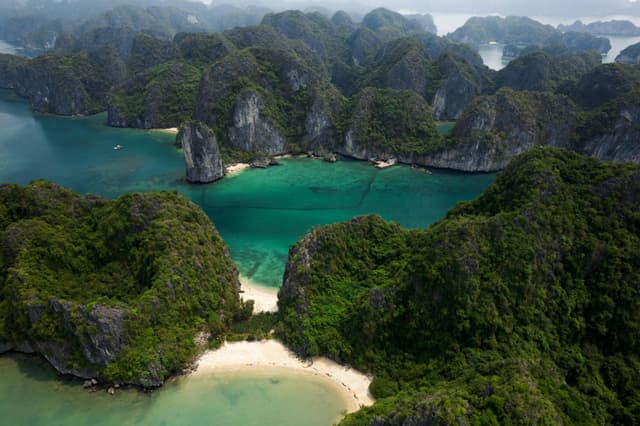
Explore Vietnam tour packages
View all →

Vietnam risk table: what can go wrong, where, and how to avoid it

The risks in Vietnam are predictable: most are tied to specific places, times of day or seasons. This table brings the official advice together in one place.

RiskWhere it is most commonHow to avoid it
Bag and phone snatching from motorbikesHanoi, Ho Chi Minh City, busy tourist streetsCarry bags on the side away from traffic; do not hold your phone out at the kerb; hand over valuables rather than resist
PickpocketingMarkets, transport hubs, beaches, and busier around Tet (Lunar New Year)Front pockets, zipped bags, valuables split between bags
Theft on overnight transportBuses and overnight trains, including sleeper trainsKeep passport, phone and cash on your body while you sleep
Road accidents as a pedestrianEvery city, especially at large junctionsCross slowly and steadily; use footbridges where they exist; look both ways even on one way streets
Motorbike crashesCities, mountain roads in the north, coastal passesDo not ride unless experienced and properly licensed; wear a good helmet; never ride after drinking
Unlicensed taxis and fake driversAirports, stations, nightlife areasUse Grab, XanhSM or a metered taxi from a large firm; check the plate and driver match the app
Spiked drinks and methanolBars and nightlife areas in tourist townsBuy your own drinks, keep them in sight, stick to sealed reputable brands, avoid cheap spirits from street sellers
Boat accidentsHa Long Bay and other boat tripsChoose registered operators, ask for a safety briefing, wear a life jacket
Storms and floodsNorthern and central coasts; central Vietnam floods in October and November; Red River and Mekong Delta in the rainy seasonWatch forecasts, keep plans flexible, stay away from flooded roads and swollen rivers
Unexploded ordnanceFormer battlefields in central Vietnam and along the Laos borderStay on established paths and follow local guidance
Mosquito borne illnessNationwide; dengue peaks in the rainy seasonRepellent, long sleeves at dusk, screened or air conditioned rooms
Serious legal troubleNationwideNo drugs of any kind, no vapes, no political activity, no photos of military sites

Sources for this table: the UK FCDO safety and security page for Vietnam, the Canada and US advisories linked above, and the CDC Yellow Book chapter on Vietnam.

What are the most common scams in Vietnam?

The most common scams in Vietnam involve transport and money: unlicensed taxis, people posing as ride hailing staff, unofficial money changers and bars that pad the bill. Almost all of them are avoided by booking transport through an app or a reputable company, changing money only at official counters, and agreeing prices before you start.

Here are the scams named in official advice, how they usually work, and what to do instead:

ScamHow it worksWhat to do
Unlicensed taxiA driver approaches you at the airport, station or outside a bar and quotes a fare, or uses a rigged meterBook through Grab or XanhSM, or use a metered taxi from a large company; ask your hotel to call one
Fake ride hailing staffSomeone claims to work for Grab or XanhSM and offers to "help" you get a rideBook the whole journey inside the app yourself and only get into the car or bike shown in the app
"Free" airport bus to your hotelAn offer of free transport that leads to a hotel or shop you did not chooseArrange airport transfers in advance through your hotel or a known operator
Street money changersA street offer of a better rate. The UK FCDO says changing money outside official exchange counters is illegal and you risk losing your moneyUse banks, hotel desks or licensed exchange counters, and count notes before you leave
Bar bill inflationSome bars and clubs overcharge customers who have been drinkingAsk for prices first, pay as you go, check every bill
Drugging and forced ATM withdrawalsA drink or snack is drugged, then the victim is taken to an ATMNever accept drinks, snacks or gum from strangers; use ATMs inside banks or busy businesses
Fake alcohol and cigarettesStreet sellers offer branded bottles or packs that may be counterfeit; counterfeit spirits can contain methanolBuy from proper shops and stick to reputable, sealed brands
Passport as a rental depositA motorbike shop or landlord holds your passport, then claims you damaged somethingNever hand over your original passport; offer a copy and a cash deposit instead
Fake job offersHigh paying jobs advertised online lead to trafficking into neighbouring countries and forced online scam workVerify every job, visa and contract independently, and never give your passport to an employer
Romance scamsAn online contact builds trust, then asks for moneyNever send money to someone you have only met online
Public Wi-Fi fraudCard or account details stolen over open networksUse mobile data or a trusted network for banking and payments

The fake job offer scam deserves a special note for Nepali readers. Offers of well paid work in Southeast Asia, sometimes framed as "visit on a tourist visa and start work", are exactly what both the UK and Australian governments warn about. If a stranger offers you work in Vietnam or a neighbouring country, treat it as a red flag, not an opportunity.

Money habits that prevent most losses

  • Vietnamese dong notes carry a lot of zeros. Take a moment to count notes when you pay and when you receive change.
  • Carry a small amount of cash for the day and leave the rest in your hotel safe.
  • Use ATMs inside banks, malls or hotels rather than standalone machines on quiet streets.
  • Agree prices for cyclos, boat rides and motorbike taxis before you set off, ideally with the amount written down or shown on a phone.

For everyday etiquette, bargaining and the small behaviours that make locals warm to you, see our guide to the dos and don'ts in Vietnam.

How do you cross roads and handle traffic safely in Vietnam?
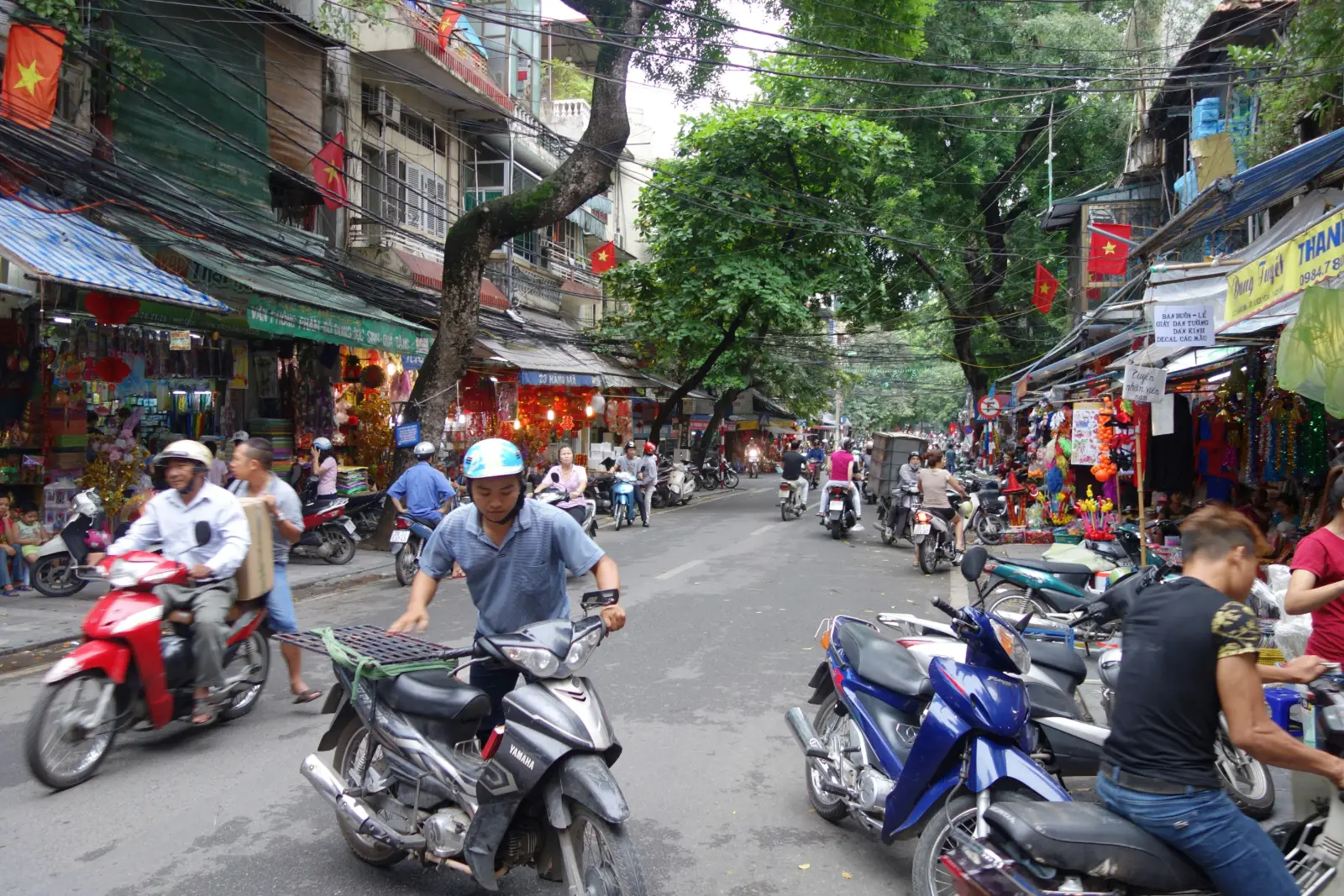
Motorbikes and riders filling a busy shopping street in Hanoi lined with trees

Cross roads in Vietnam slowly, steadily and predictably, so that riders can see where you are going and steer around you. The worst thing you can do is run, stop suddenly or step backwards. Motorbikes flow around a walking pedestrian; they cannot anticipate one who changes pace.

The CDC notes that pedestrians may find Vietnam's roads challenging because of the sheer volume of motorbikes and the apparent lack of rules, and that motorbikes may use the wrong side of the road and even the pavement. Canada's advice adds that pavements may be obstructed or poorly maintained and are often used by motorcyclists. If you are used to Kathmandu traffic, the basic rhythm will feel familiar; the difference in Hanoi and Ho Chi Minh City is the sheer number of motorbikes.

Step by step: crossing a busy street

  1. Choose your spot. Use a pedestrian crossing, traffic lights or a footbridge if there is one nearby. Avoid crossing on a bend or right next to a junction where turning vehicles cut in.
  2. Look both ways, every time. Even on a one way street, motorbikes may come against the flow.
  3. Wait for a gap in the cars and buses. Large vehicles cannot swerve; motorbikes can.
  4. Step off and walk at a steady, normal pace. Do not run.
  5. Keep eye contact with oncoming riders and raise a hand slightly if it helps them see you.
  6. Do not stop or step back unless a car, bus or truck is about to reach you.
  7. Check again at the centre line for traffic coming from the other direction.
  8. Cross with local people when you can, walking on their far side from the traffic.

With children, hold hands firmly and keep the child on the side away from traffic. With older parents, choose crossings with lights even if it means a longer walk, and avoid crossing major roads after dark.

Should you rent a motorbike in Vietnam?

Only if you are an experienced rider and legally licensed to ride in Vietnam. For most short stay visitors, including Nepali licence holders, the safe answer is no. Hire a car with a driver, take Grab, or ride as a passenger with a licensed driver instead.

Vietnam joined the 1968 Vienna Convention on Road Traffic on 20 August 2014, according to the United Nations treaty status record. Different governments give their citizens different answers about which licences and permits work there:

Licence you holdWhat official sources saySource
UK licence plus a 1968 International Driving PermitNeeded together to drive a car or motorbike in Vietnam; third party insurance is also compulsoryUK FCDO
US licence or US issued International Driving Permit"Do not work in Vietnam"; renting a moped or motorbike without a Vietnamese licence is illegalUS State Department
Canadian licence or Canadian issued International Driving PermitNot recognised; a Vietnamese licence is needed for engines of 50cc or more, which includes most motorbikesGovernment of Canada
Nepali licence, or a permit issued in NepalWe found no official source confirming that a Nepali licence or a permit issued in Nepal is accepted in Vietnam. Nepal is not listed as a party to the 1968 Convention in the UN treaty record. Treat it as not valid and do not ride.UN treaty record (checked 6 Nov 2026)
Vietnamese driving licenceValid; Canada says its licence holders can apply only after living in Vietnam for at least three months, so it is not a realistic option for a short holidayCanada, US

The licence is not a technicality. The US advisory warns that riding a scooter without a Vietnamese licence breaks the law and that insurers may refuse to pay medical costs after a crash. Our article on whether travel insurance is worth it explains why that exclusion is the one that catches most riders out. The UK FCDO adds that even a minor accident can lead to criminal charges, compensation claims and a ban on leaving Vietnam while police investigate.

If you do ride legally, the official advice is consistent:

  • Wear a proper helmet; helmets are required for riders and passengers.
  • Do not drink and ride: the UK FCDO says any alcohol in your system can bring a fine and possible imprisonment.
  • Avoid riding at night, in heavy rain and on unlit rural roads.
  • The US advisory describes mountain riding as risky and advises off road riding only for those with significant experience.
  • Inspect the bike, rent from a reputable firm, and never leave your passport as a deposit.

Buses, sleeper buses and trains

Long distance travel in Vietnam is generally safe, but two risks stand out in official advice. First, theft on buses and overnight trains, especially while passengers sleep. Second, the UK FCDO says bus and coach crashes are more likely at night, and Canada reports fatal incidents involving sleeper buses. Where you have a choice, the train or a daytime journey is the safer option, and on any overnight trip your passport and phone should sleep with you, not in your luggage.

Boats and Ha Long Bay cruises
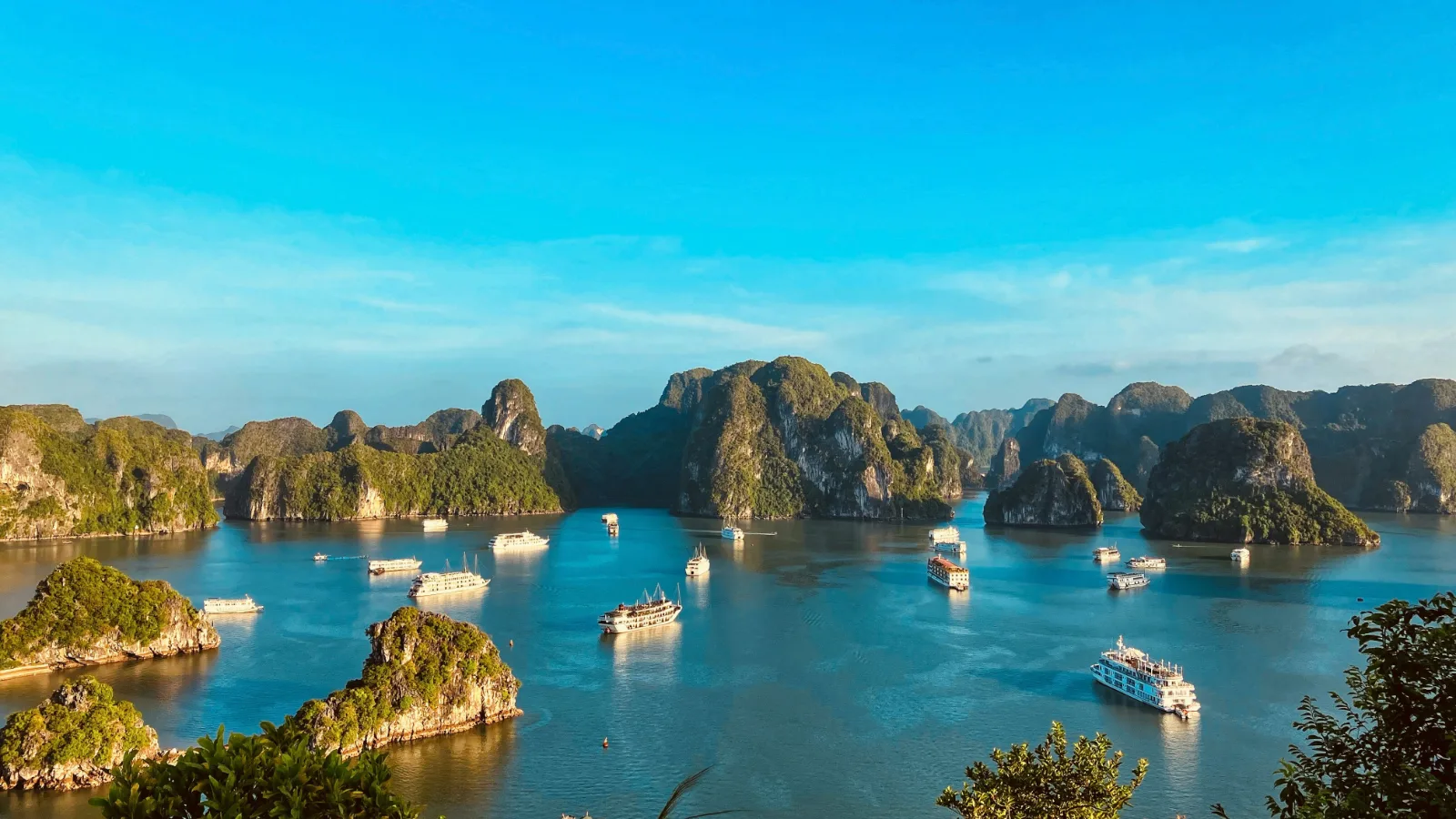
Cruise boats on the emerald water among the limestone islands of Ha Long Bay

Boat trips in Vietnam are usually safe when you pick a reputable operator. The UK FCDO asks travellers to think carefully before an overnight boat trip in Ha Long Bay, because overcrowding and poor standards have caused accidents in the past, and some boats have sunk quickly. Before you board any boat, check that the operator is registered, ask for the safety briefing, find the life jackets and wear one on small craft. Canada also notes ferry accidents caused by overloading. During storm season, cruises can be cancelled at short notice when warnings are issued; that is a safety measure, not an inconvenience to argue with.

Are taxis and Grab safe in Vietnam?
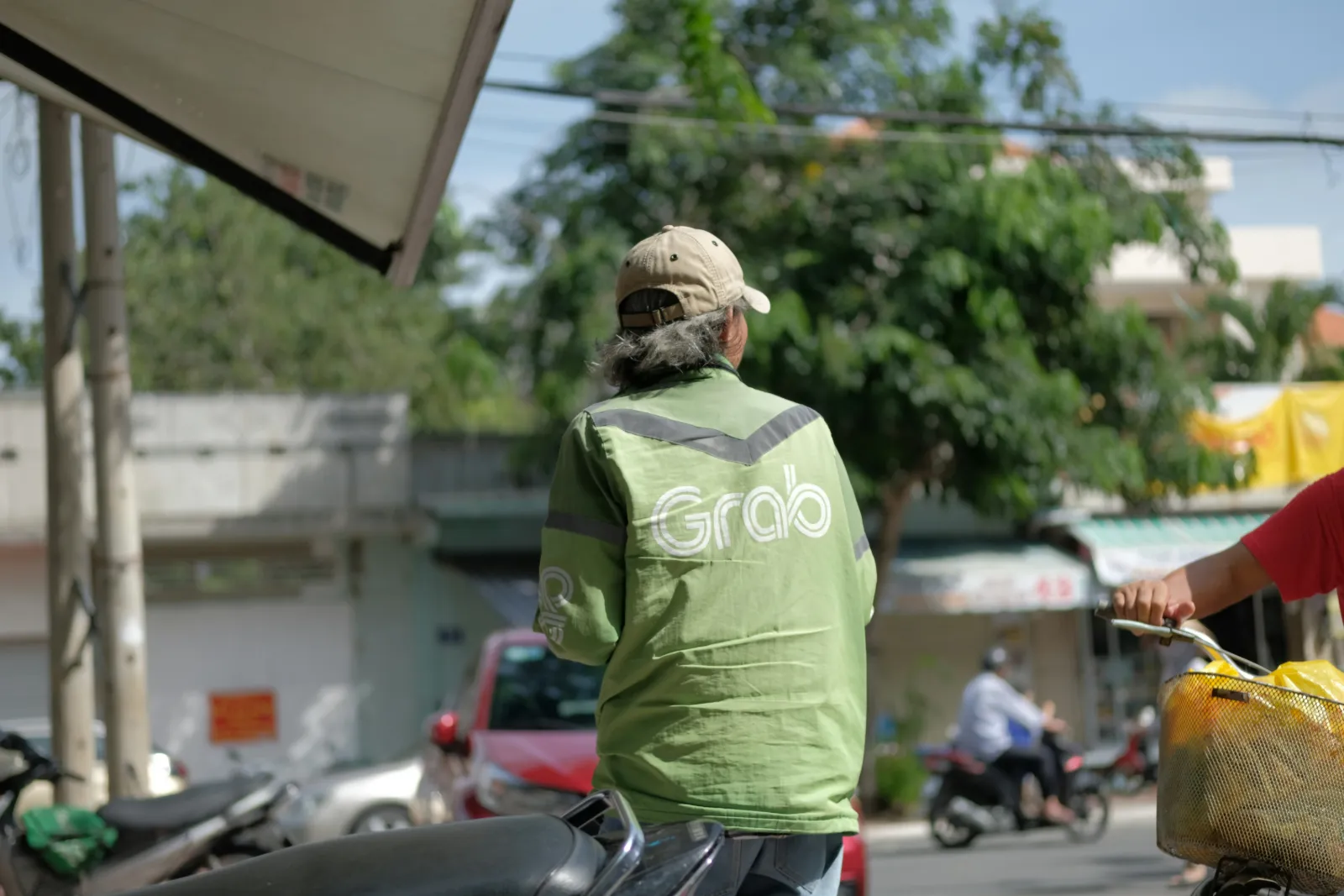
Grab motorbike driver in a green jacket and cap waiting at a roadside in Vung Tau

Yes, Grab and other app based rides are among the safest ways to get around Vietnam's cities, as long as you book inside the app and check that the vehicle and driver match. Metered taxis from large companies are also generally reliable. The rides to avoid are unlicensed taxis, which the UK FCDO links to reported assaults, and informal street motorbike taxis.

The UK FCDO specifically recommends using Grab or XanhSM, checking that the vehicle and driver details match the app, booking the whole journey through the app, and being wary of people claiming to represent these companies. Canada's advice says to use only official taxis or trusted ride sharing apps, and to agree the fare in advance or insist on the meter.

OptionSafetyTips
Grab car or Grab bike (app)Good: price, route and driver recorded in the appMatch the plate and photo; use the in app sharing and emergency tools
XanhSM (app)Good: named by the UK FCDO alongside GrabSame checks as Grab
Metered taxi from a large companyGenerally reliableAsk your hotel or restaurant to call one; make sure the meter is running
Unlicensed taxi touting for businessPoor: linked to overcharging and reported assaultsAvoid, especially at airports and late at night
Street motorbike taxi (xe om)Canada advises avoiding themIf you want a bike ride, book a Grab bike so the trip is recorded

Grab safety features worth switching on

Grab's Vietnam passenger page lists several safety tools. The two that matter most for visitors are Share My Ride, which shares your live location with family or friends in real time, and the in app Emergency Button, which can alert your loved ones or the local authorities to your exact location. Grab also says drivers must verify their identity with facial recognition at least once a day, and that rides include personal accident insurance (details on Grab's Vietnam safety page).

A few habits make app rides safer still:

  • Wait for your ride inside the airport, hotel lobby or restaurant, not at the kerb with your phone out.
  • Say the name the app shows and let the driver confirm your name, rather than offering it first.
  • On a Grab bike, wear the helmet the driver offers and keep your bag in front of you.
  • If a driver asks to cancel the booking and take cash instead, decline and book again.

Is Vietnam safe for solo women travellers?

Vietnam is a popular and generally safe destination for solo women, but official advice is frank that harassment and sexual assault do happen. Canada notes that solo women may face harassment and verbal abuse, and that assaults have occurred at beach destinations, in bars and nightclubs, in taxis and on public transport. The practical precautions are the same ones that work in most busy tourist countries.

The UK FCDO's suggested precautions are a good checklist:

  • Buy your own drinks and keep them in sight at all times.
  • Refuse snacks, drinks and chewing gum from strangers.
  • Save your accommodation's location on a map app before you go out.
  • Set up a group chat with friends or travel companions so someone knows where you are.
  • Report anything that worries you to venue staff.
  • Use app based rides or licensed taxis, never unlicensed drivers, especially at night.

Two further points are worth knowing before you go. The UK FCDO says victims in Vietnam face a higher burden of proof than in the UK, particularly if they had been drinking. Canada notes that local authorities may not always respond adequately to reports of sexual violence. If something does happen, seek medical care even without visible injuries, make sure police file a report, and contact your embassy. For Nepali women travellers, that is the Embassy of Nepal in Bangkok, covered in the emergency section below.

Dress modestly at temples and pagodas, where shoulders and knees should be covered, and choose accommodation with good reviews from other solo travellers and a 24 hour front desk.

Is Hanoi safe at night, and what about other cities?

Hanoi is generally safe at night, and the Old Quarter and the area around Hoan Kiem Lake stay busy and well lit into the evening. The main night time risks in Hanoi and Ho Chi Minh City are bag snatching, drink spiking, overcharging in bars and unlicensed taxis, not violent street crime.

Practical rules for evenings in any Vietnamese city:

  • Carry only what you need; leave your passport in the hotel safe and carry a copy plus a photo of your visa page (the UK FCDO says a printed copy is accepted as ID).
  • Walk on the inside of the pavement and keep bags across your body, on the side away from the road.
  • Book a Grab or a hotel taxi for the ride home rather than accepting an offer on the street.
  • Stick to sealed beer or drinks from reputable brands; Canada reports deaths from counterfeit alcohol containing methanol.
  • Stay away from anything involving drugs. The UK FCDO notes that police may carry out drug tests at nightlife venues and private gatherings, and nitrous oxide balloons and vapes also carry legal risk.

If you are planning your evenings, our guide to things to do in Hanoi covers the Old Quarter, the lakes and the night markets in more detail.

Hoi An, Da Nang and the beach towns after dark
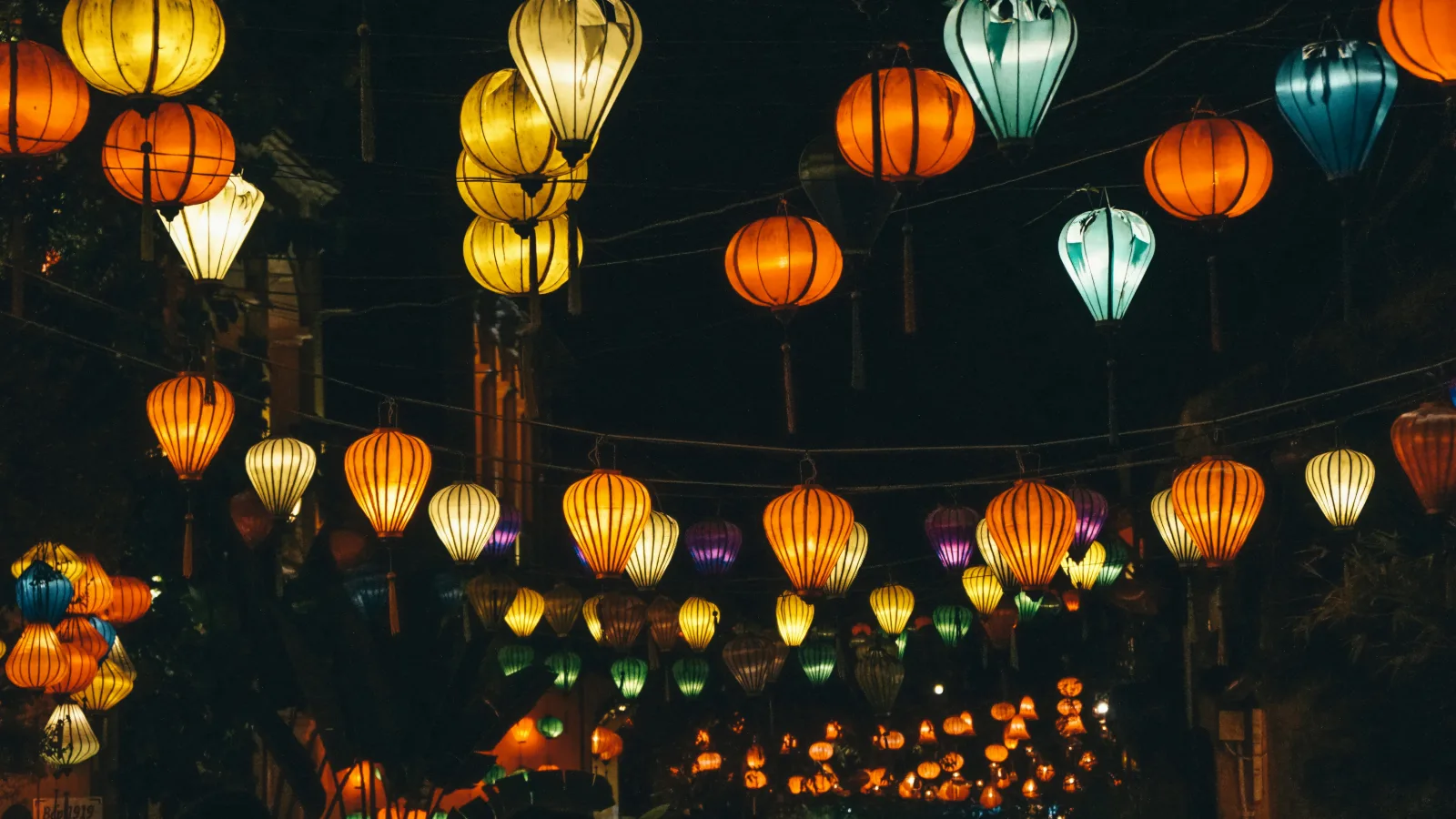
Glowing silk lanterns strung above the streets of Hoi An Old Town at night

Hoi An's lantern lit Old Town is busy with visitors in the evening, and the same common sense rules apply there as in the big cities. The risks shift slightly in beach towns: pickpocketing and bag theft on beaches, assaults reported in bars and nightclubs at beach destinations, and the sea itself. Never swim after drinking or at night, and do not leave phones and wallets on the sand while you swim.

What health precautions should you take in Vietnam?
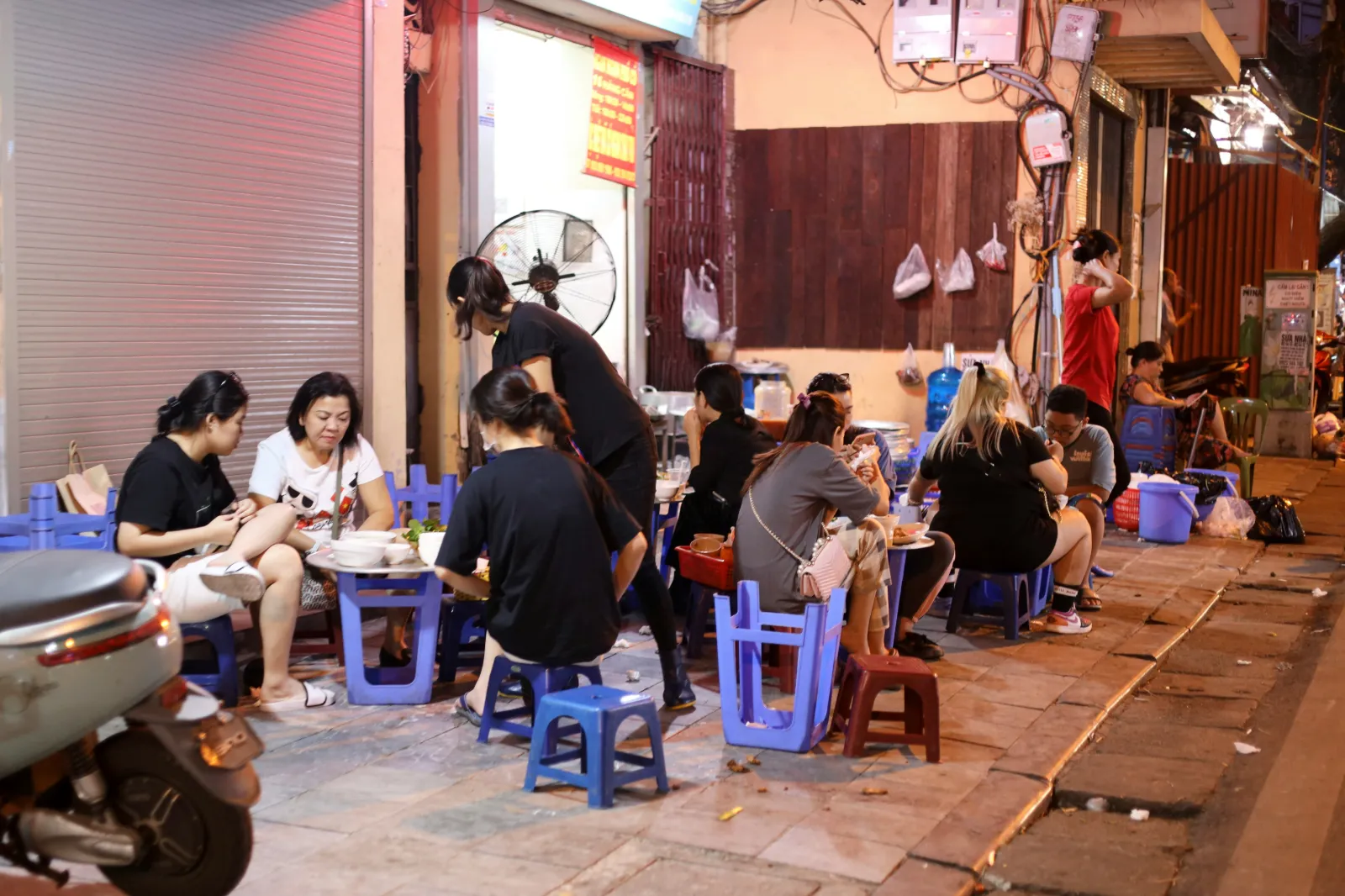
Diners sitting on low plastic stools around tables at a street food spot in Hanoi

The core health precautions for Vietnam are simple: do not drink tap water, eat freshly cooked hot food, avoid mosquito bites, and see a travel health clinic well before you fly to check routine and recommended vaccines. Good medical care is available in Hanoi and Ho Chi Minh City, but the CDC notes that care elsewhere is generally of a lower standard, so insurance that covers medical evacuation is strongly advised.

Health riskWhat official health sources sayWhat to do
Tap water and iceCDC: tap water is unsafe to drink, and ice is often made from tap waterDrink sealed bottled or filtered water; brush teeth with safe water if you have a sensitive stomach
Food hygieneCDC advises avoiding raw or undercooked meat and seafood, raw blood dishes, and fruit you cannot peelChoose busy stalls with high turnover, food cooked in front of you and served hot
Food allergiesMany dishes are unlabelled and may contain peanuts, fish or shellfishCarry an allergy card written in Vietnamese and any medication you need
DenguePresent year round, peaking in the rainy seasonRepellent, long sleeves at dawn and dusk, screened or air conditioned rooms
Japanese encephalitisFound across Vietnam; cases peak May to October, highest in the northAsk a travel clinic, especially for long stays or rural trips
MalariaCDC: no malaria in Hanoi, Ho Chi Minh City, Da Nang or Nha Trang; risk in some rural areasDiscuss with a clinic only if travelling to remote rural or forest areas
RabiesDogs cause almost all casesDo not touch dogs, cats or monkeys; get urgent care after any bite or scratch
Air pollutionHigh particulate levels, especially in Hanoi and Ho Chi Minh CityCarry inhalers if asthmatic; a well fitted mask helps on bad days
Heat and humidityCan cause heat rash, sunstroke and dehydrationDrink water, rest in the hottest hours, use sunscreen and a hat
FloodwaterLeptospirosis and other infections rise after floodsAvoid wading or swimming in fresh water, especially after heavy rain

Source: the CDC Yellow Book chapter on Vietnam linked above, with Canada's health advice for Vietnam. This is general information, not medical advice: please see a doctor or travel clinic for advice that fits your health and trip.

Is Vietnamese street food safe to eat?

Street food is one of the best reasons to visit Vietnam, and most travellers eat it daily without problems. The CDC's general guidance is cautious about street vendor food, especially uncooked items, so the practical middle path is to choose busy stalls where locals queue, order dishes cooked to order and served steaming hot, such as pho, bun cha or freshly grilled meat, and go easy on raw herbs and salads in your first few days. Travellers' diarrhoea is common, so pack oral rehydration salts and wash or sanitise your hands before eating.

Medicines and your health paperwork

Carry prescription medicines in their original packaging with a copy of the prescription or a doctor's letter, and pack enough for the whole trip plus a few extra days in case flights are disrupted by weather. Travellers with asthma, heart conditions or diabetes should also check that their insurance covers pre-existing conditions before they travel.

When is typhoon and flood season in Vietnam?

Vietnam's typhoon season usually runs from June to December, when storms can hit the northern and central coasts, and the strongest storms usually arrive between September and November, according to the US State Department. Central Vietnam, including Hue, Da Nang and Hoi An, floods most from September to December, especially in October and November. The south is less exposed to typhoons but has its own rainy season and river flooding. The UK FCDO adds that tropical cyclones can happen outside the usual season.

Official advice by region:

RegionStorm riskRain and flood riskSource
North (Hanoi, Ha Long Bay, Sapa, northern coast)Storms June to December; the northern delta and coast have the highest average landfall frequency in VietnamRainy season June to September; flooding common around Hanoi along the Red RiverUK FCDO, Canada, Wikipedia summary of Vietnamese storm records
Central coast (Hue, Da Nang, Hoi An, Quang Binh)Storms June to December, worst typically September to NovemberMonsoon rains October to December; flooding September to December, most often October and NovemberUS State Department, Canada, UK FCDO
Central Highlands and south (Dalat, Ho Chi Minh City, Mekong Delta)Less exposed: the US advisory names the central and northern coasts for stormsRainy season June to September; flooding possible from May to October in the south and Central Highlands, including the Mekong DeltaUS State Department, UK FCDO, Canada

Treat this as a guide to risk, not a forecast. Weather varies a great deal from year to year, and Canada's advice, updated in October 2026, notes that El Niño conditions are currently present and expected to strengthen into 2027, so check forecasts closely. For the weather side of trip planning, including the best months for each region, see our month by month guide to the best time to visit Vietnam.

A note for Dashain and Tihar travellers

Dashain and Tihar usually fall between late September and November, which is when many Nepali families take their longest holiday. That window lines up with the peak storm and flood period on Vietnam's central coast. It does not mean you should avoid Vietnam at festival time, but it does shape the route:

  • The north (Hanoi, Ha Long Bay, Ninh Binh) is past its main rainy season by October, though storms remain possible on the northern coast until December.
  • If Hoi An, Hue or Da Nang are on your list, keep a spare day in the plan and choose refundable or flexible bookings for that leg.
  • Check the forecast a week out and again the day before any boat trip, mountain drive or internal flight.

What to do if a storm is forecast

  1. Follow official warnings. The US State Department points travellers to the Vietnam Weather KTTV app for real time storm, landslide and flash flood alerts.
  2. Listen to your hotel, tour operator and local authorities. If a boat trip or mountain transfer is cancelled, accept it.
  3. Stay away from flooded roads, swollen rivers and landslide prone mountain roads.
  4. Keep your phone charged, carry a power bank and keep some cash in case card machines and ATMs go down.
  5. Tell family at home where you are, and contact your airline early if flights are affected.

Which laws can get travellers into serious trouble in Vietnam?

The laws most likely to catch out a visitor in Vietnam concern drugs, vapes, political activity and photography of restricted sites. Penalties are far heavier than many travellers expect, and detention without charge can be long. Knowing these rules in advance is a large part of staying safe.

RuleWhat official advice says
DrugsDrug offences can bring the death penalty or life in jail; it is a crime to have drugs in your system, even if you took them outside Vietnam; never carry bags or parcels for others
VapesVapes are banned in Vietnam; using or possessing vaping products is an offence
Political and religious activityPolitical criticism, political material and unsanctioned religious activity, including online, can lead to detention or a travel ban; avoid all protests
PhotographyDo not photograph military sites or border crossings; going close to the borders with China, Cambodia or Laos needs prior written permission
IDCarry photo ID; a printed copy of your passport photo page and visa is accepted
Traffic accidentsForeigners involved in accidents may be prevented from leaving Vietnam until investigations finish
WildlifeBuying, selling or collecting protected animals or plants is illegal
Dress at religious sitesCover shoulders and knees

Sources: the UK FCDO and the Australian Smartraveller page for Vietnam, both checked 6 November 2026.

Who do you call in an emergency in Vietnam?

In Vietnam, call 113 for police, 114 for fire and rescue, and 115 for an ambulance. These numbers are confirmed by the Government of Canada and the UK FCDO and, for police and ambulance, by the US State Department.

NumberService
113Police
114Fire and rescue
115Ambulance and medical emergencies
112National search and rescue

All four numbers are listed on the UK FCDO getting help page for Vietnam (checked 6 November 2026), which also notes that emergency lines are operated only in Vietnamese.

If you do not speak Vietnamese, ask hotel staff, your guide or a local person to make the call with you, and have your exact address ready. Your hotel will know the nearest good hospital. Call your travel insurer's emergency line as early as possible, because many policies ask you to contact them before major treatment or evacuation.

Nepali embassy for Vietnam: where Nepali citizens get help

There is no Nepali embassy in Hanoi. Nepal's Ministry of Foreign Affairs lists the Embassy of Nepal in Bangkok as concurrently accredited to Vietnam, along with Singapore, Cambodia and Laos (checked 6 November 2026). That is the mission to contact if a Nepali citizen loses a passport, is arrested, is seriously ill or needs consular help anywhere in Vietnam.

  • Embassy of Nepal, Bangkok: official website th.nepalembassy.gov.np
  • Email listed on the embassy website: eonbangkok@mofa.gov.np
  • Office hours listed: Monday to Friday, 9am to 12pm and 1pm to 5pm (Bangkok time)

Save these details offline before you travel. If your passport is lost or stolen, report it to the local police first and keep the police report, then contact the embassy. Our step by step guide to what to do if a Nepali passport is lost abroad explains the travel document process and what to prepare.

Travellers of other nationalities should save their own embassy's details; the UK, US, Canadian and Australian advisories linked above each list their missions in Hanoi and Ho Chi Minh City.

Is Vietnam safe for Nepali travellers and families?

Yes, Vietnam is a safe and comfortable choice for Nepali travellers, couples and families, and many of the risks will feel familiar to anyone who has crossed a busy road in Kathmandu. A few points are specific to Nepali passport holders and are worth knowing in advance.

  • Entry rules. Entry rules for Nepali passport holders are covered on our Vietnam visa page; check the official rules again before you travel.
  • Your passport is your lifeline. With the nearest Nepali embassy in Bangkok, replacing a lost passport means dealing with a mission in another country, which takes time and planning. Keep the original in the hotel safe, carry a printed copy, and store photos of the photo page and visa in your email.
  • Do not ride a motorbike. We found no official source confirming that a Nepali licence is valid in Vietnam, and the US advisory warns that insurance may not pay after an unlicensed crash.
  • Festival timing. If you travel over Dashain or Tihar, plan around central Vietnam's flood season, as explained above.
  • Job offers. Never accept work offered by a stranger, recruiter or social media contact during a tourist trip.
  • Insurance. Buy a policy that covers medical treatment and evacuation for the whole trip, and keep the emergency number in your phone.

Travelling with children and older parents

Families do well in Vietnam with a slightly slower pace. Choose hotels in walkable areas so you are not crossing major roads with children, use car rides rather than motorbike taxis, and plan indoor breaks in the hottest part of the day. For older parents, the CDC's notes on air pollution and heat matter most: bring inhalers and regular medicines, and avoid long outdoor walks on high pollution days in Hanoi and Ho Chi Minh City. On boats, insist on properly fitting life jackets for children.

Couples and honeymooners

Couples heading for Hoi An, Ha Long Bay or the beaches face the same risks as everyone else, plus one: the sea. Beaches can have strong currents, especially during storm season, so swim only where locals swim, where there are lifeguards, and never after drinking.

Vietnam safety checklist before you fly

A short checklist covers almost everything in this guide. Work through it in the week before departure.

  1. Read the current advisory pages from at least two governments and check their dates.
  2. Check the weather outlook for each region on your route, especially between September and December.
  3. Buy travel insurance that covers medical treatment and evacuation, and read the motorbike and pre-existing condition clauses.
  4. Visit a travel clinic about routine and recommended vaccines and mosquito protection.
  5. Install Grab or XanhSM and set up the trip sharing feature.
  6. Save emergency numbers (113, 114, 115), your hotel address and your embassy details offline.
  7. Make copies of your passport and visa: one printed, one in your email.
  8. Plan to keep cash low and split between bags; tell your bank you are travelling.
  9. Decide now that you will not ride a motorbike, accept drinks from strangers or buy spirits from street sellers.
  10. Leave a copy of your route with family at home.

If you would rather have airport transfers, drivers, guides and boat operators arranged in advance, the sample routes on our Vietnam tour packages page show how a typical trip through the north, centre and south fits together.

Frequently asked questions

Is Vietnam safe to travel right now?

Yes. As of 6 November 2026, the US rates Vietnam Level 1, "Exercise normal precautions", and Canada and Australia also use their lowest advisory levels. The main risks in Vietnam are traffic, petty theft, scams and seasonal storms. Check the official advisory pages again shortly before you fly, because they can change.

Is Vietnam safe for solo female travellers?

Vietnam is generally safe for solo female travellers, and many travel there alone. Official advice notes harassment and occasional assaults in bars, taxis and beach areas. Buy your own drinks and keep them in sight, use app based rides at night, share your location with friends, and choose well reviewed accommodation with a 24 hour desk.

What scams are common in Vietnam?

Common scams in Vietnam include unlicensed taxis, people posing as Grab staff, street money changers, bars that inflate bills, counterfeit alcohol, and rental shops that hold passports as deposits. Officials also warn about fake job offers. Book rides in an app, change money at official counters, and never hand over your original passport.

Is Grab safe in Vietnam?

Grab is one of the safest ways to get around Vietnam's cities. The UK government recommends Grab or XanhSM, as long as you book the whole journey in the app and check the plate and driver match. Use Grab's Share My Ride feature, and ignore anyone at the airport claiming to work for Grab.

Is tap water safe to drink in Vietnam?

No. The CDC says tap water in Vietnam is unsafe to drink, and ice is often made from tap water. Drink sealed bottled or properly filtered water, and be cautious with ice from small street stalls. If your stomach is sensitive, brush your teeth with bottled water too.

When is typhoon season in Vietnam?

Typhoon season in Vietnam usually runs from June to December on the northern and central coasts, with the strongest storms usually between September and November. Central Vietnam (Hue, Da Nang, Hoi An) floods most from September to December, especially in October and November. The south is less exposed to typhoons but has a rainy season from about June to September.

Is it safe to ride a motorbike in Vietnam?

Riding a motorbike is the biggest avoidable risk for tourists in Vietnam. Vietnam does not accept every foreign permit: US and Canadian licences and permits are not recognised, and we found no official source confirming that a Nepali licence is accepted. Renting a motorbike without a Vietnamese licence is illegal, and insurers may refuse claims after a crash. Unless you are experienced and legally licensed, take Grab or hire a driver.

What is the emergency number in Vietnam?

Vietnam's emergency numbers are 113 for police, 114 for fire and rescue, and 115 for an ambulance. There is also 112 for national search and rescue. The lines are operated in Vietnamese, so if you do not speak Vietnamese, ask your hotel or a local to help make the call, and have your exact address ready.

Is Hanoi safe at night?

Hanoi is generally safe at night, and the Old Quarter and Hoan Kiem Lake area stay lively and well lit. The main risks in Hanoi after dark are bag snatching from motorbikes, spiked or counterfeit drinks, bar overcharging and unlicensed taxis. Keep bags away from the road and book a Grab or hotel taxi home.

Is Vietnam safe for Nepali travellers (Vietnam surakshit cha)?

Yes, Vietnam is safe for Nepali travellers who take normal precautions. Nepali citizens should know there is no Nepali embassy in Vietnam; the Embassy of Nepal in Bangkok covers Vietnam. Keep your passport secure, do not ride a motorbike on a Nepali licence, and plan around central Vietnam's floods if travelling during Dashain or Tihar.

Do I need travel insurance for Vietnam?

Travel insurance is strongly recommended for Vietnam. The CDC notes that good hospitals are mainly in Hanoi and Ho Chi Minh City and recommends medical evacuation cover. Choose a policy that covers medical treatment, evacuation and trip disruption from storms, and check its motorbike and pre-existing condition exclusions before you buy.


Tags
VietnamTravel SafetyTravel TipsTyphoon Season
Share
G
Gomayu Team
Writer at Gomayu
Keep reading