







































Short answer: Is travel insurance worth it? For most holidays abroad, yes, because it protects you from the one bill you could not easily pay: emergency hospital treatment or a medical evacuation far from home. It matters most for older travellers, anyone with a health condition, adventure activities and expensive prepaid trips. It matters least for short, cheap, flexible trips where you already hold cover that works abroad and could absorb a loss yourself.
That is the honest answer, and the rest of this guide shows the working. It is written from Kathmandu for Nepali travellers, families and the diaspora, but the logic applies wherever you start. We look at what can go wrong on a trip, what those events have cost real travellers according to governments and the insurance industry's own figures, when cover clearly pays off, and when you might reasonably decide to go without. We do not quote premiums or name insurers, because the price depends on your age, route, plan and trip length, and a ranking would be out of date within months.
If you are still choosing where to go, start with our guide to the best travel destinations for Nepalese travellers, then come back once your dates are fixed. When you have decided, the last section points you to the practical next step: how to buy and claim from Nepal.
Is travel insurance worth it for a holiday abroad?
Travel insurance is worth it when the cost of the worst realistic event on your trip is more than you could pay from your own savings without real hardship. For an international holiday that event is almost always a medical emergency, not a lost suitcase or a delayed flight.
Insurance works by swapping a small, certain cost (the premium) for protection against a large, uncertain one. Most travellers never make a claim, and that is not money wasted, any more than an unused fire extinguisher is wasted. The question is not "will something go wrong?" but "if the worst thing went wrong, could I cope with the bill?"
The industry's own figures show why that framing matters. The Association of British Insurers (ABI), which represents UK insurers, reported in August 2025 that its members paid out £472 million across more than 500,000 travel claims in 2024. Medical expenses were the most common reason, at 34% of all claims, and the average medical payout was £1,528. That average looks manageable. The same report described one member paying more than £1 million to a customer who needed emergency hospital treatment in the USA and repatriation to the UK. Insurance is not for the average case; it is for the case at the far end of that range. (Source: ABI claims data and travel tips, data for 2024. Checked: October 2026.)
A simple three-question test
Before you look at a single policy, answer these three questions honestly.
- Could you pay for a serious emergency yourself? Imagine a week in a private hospital abroad, followed by a flight home with a medical escort. Could you pay that from savings you can reach from abroad, without borrowing from relatives or selling something?
- How much of the trip is paid in advance and non-refundable? Flights, resorts, cruises and packaged tours booked months ahead for the festival season can add up to a large sum you would lose if you had to cancel.
- Does anything raise the odds? Age, a long-term health condition, pregnancy, diving, trekking, riding a scooter, a remote island, a safari or a cruise all make a costly event more likely or more expensive.
If you answered "no" to the first question, or "a lot" to the second, or "yes" to the third, cover is worth buying. If you can honestly answer "yes, easily", "very little" and "no", you are in the small group for whom going without is a reasonable choice, which we cover further down.
Why the answer is sharper when you start from Kathmandu
Several things make the decision weigh more heavily for travellers leaving Nepal than for someone flying from London or Sydney.
- Hospitals abroad want payment first. The US Centers for Disease Control and Prevention (CDC) advises that when paying for care in another country, travellers should expect to pay up front and claim the money back later. The UK Foreign, Commonwealth and Development Office (FCDO) says that in Thailand, all hospitals require a guarantee of payment before treating patients. An insurer's assistance line can give that guarantee; without it, the bill lands on you at the worst moment.
- Getting money to you is not instant. The cash and cards you carry are limited, and the rules on how much foreign currency you can take out of Nepal mean you cannot simply pack a large emergency reserve. Relatives at home sending a big sum abroad at short notice is not a plan to rely on.
- Distance multiplies cost. A serious injury on a small island or in a national park may mean a transfer to a bigger city first, then a decision about whether to treat locally or fly home. Each step costs money.
- One emergency often affects the whole group. When a parent is admitted to hospital, someone stays behind, flights are rebooked and hotel nights are added. Family trips feel this most.
What can go wrong on a trip, and what would it cost you without cover?
The events that cost travellers most are medical: hospital treatment and medical evacuation. Cancellations, missed connections and lost bags happen more often, but each usually costs far less, and the airline or hotel sometimes shares the loss.
Very few governments publish what a hospital stay costs in a particular country, because it varies by hospital, treatment and length of stay. The figures below are the clearest published examples we could verify. They come from UK and US official sources and the UK insurance industry, so they describe treatment in places such as Spain, Greece and the USA, not Thailand, Bali or Dubai. Use them to understand the scale of the risk, not to predict your own bill.
| What happened | Published cost without insurance | Source and date |
|---|---|---|
| Medical evacuation (medevac) to a hospital that can give full care | From USD 25,000 within North America to over USD 250,000 for more distant and remote locations | CDC Yellow Book, last reviewed April 2025 |
| Broken leg in Spain, with hospital treatment and possible evacuation or repatriation | £25,000 or more | GOV.UK foreign travel insurance guidance, updated 2 August 2024 |
| Quad bike accident in Greece needing surgery and evacuation or repatriation | £80,000 or more | GOV.UK foreign travel insurance guidance, updated 2 August 2024 |
| Stomach bug or infection treated in a US hospital, with possible evacuation or repatriation | £150,000 or more | GOV.UK foreign travel insurance guidance, updated 2 August 2024 |
| Average medical claim paid by UK insurers | £1,528 (2024 claims) | ABI, published August 2025 |
| One single case described by the ABI | More than £1 million for hospital treatment in the USA and repatriation | ABI, published August 2025 |
Checked: October 2026, CDC Yellow Book: Travel Insurance, Travel Health Insurance and Medical Evacuation Insurance and GOV.UK: Foreign travel insurance.
Two patterns stand out. First, even an ordinary illness can become expensive when it needs hospital care in a high-cost country. Second, the moment a case needs moving, by air ambulance or with a medical escort on a scheduled flight, the cost jumps by an order of magnitude. That second risk is the main reason cover is worth it even on a short trip to a destination where day-to-day medical care is affordable.
Medical emergency abroad

A medical emergency is the risk that makes travel insurance worth buying, and it is not limited to dramatic accidents. Common reasons travellers end up in hospital include stomach infections from food or water, a fever that needs tests, a fall on a wet ferry ramp or hotel step, a road accident, a heart problem or a flare-up of a condition they already had.
Destination advice from governments repeats the same warning. The FCDO describes private hospitals in Thailand as being of a high standard but able to be expensive (Checked: October 2026, FCDO Thailand travel advice, updated 12 October 2026). For Indonesia it says good medical care can be expensive, that in remote areas you may not be able to get treatment for serious injuries, and that you should have adequate travel health insurance and accessible funds to cover treatment and repatriation (Checked: October 2026, FCDO Indonesia travel advice, updated 18 September 2026).
Medical evacuation and repatriation
Evacuation is the single most expensive thing that can happen on a holiday, and it is the benefit most people forget to check. It covers moving a patient from a place that cannot treat them to one that can, and in some cases flying them home.
The CDC makes two points worth knowing before you need them. The decision to evacuate is made by the insurance company, not by the traveller. And typically the traveller must already be in hospital, with several more days of hospital care or specialised treatment expected. In other words, evacuation cover is not a free ticket home because you feel unwell; it is a medical decision taken with doctors. The FCDO notes for Indonesia that medical evacuation can cost tens of thousands of pounds.
Trip cancellation before you fly
Cancellation cover pays back prepaid, non-refundable costs when you cannot travel for a reason the policy lists, typically serious illness, injury or a death in the family. Changing your mind is not a listed reason, and each policy sets its own list, so read it.
This matters most for travellers who book early for Dashain and Tihar holidays abroad, when fares and hotels are booked well ahead and refund rules are strict. It also matters for honeymoons, family reunions and cruises, where much of the cost is paid long before departure. Buying cover soon after you book is what makes this part of the policy useful: the UK government advises buying travel insurance as soon as possible after booking your trip.
Delayed or lost bags
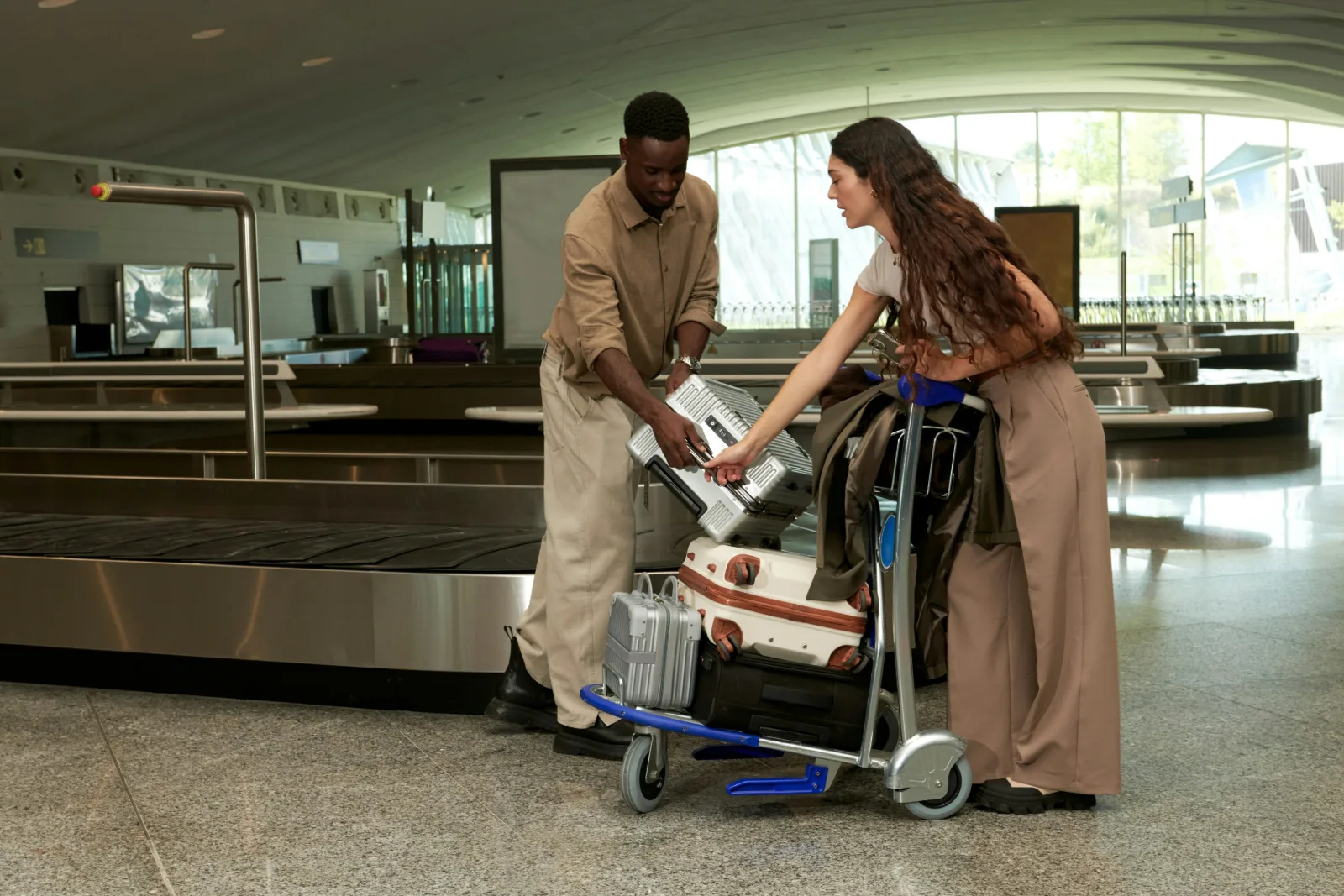
Baggage problems are common and annoying but rarely ruinous. The airline is the first port of call: report the problem at the airport before you leave the baggage hall and keep the reference it gives you, usually called a Property Irregularity Report. Insurance can help with essentials you buy while a bag is delayed, and with the value of items the airline does not repay, within the policy's limits and after any excess.
The limits matter. Policies usually cap what they pay for a single item and for valuables such as phones, cameras and jewellery, and some will not pay for valuables left in checked luggage. If you travel with gold or expensive electronics, check those limits before you rely on them, especially if you plan on buying gold in Dubai or Bangkok and carrying it home.
Missed connections and long delays
Many trips from Kathmandu involve a connection, often through Delhi, Doha, Dubai, Kuala Lumpur or Bangkok, and a late first flight can mean a missed second one. When both flights are on one ticket, the airline normally takes responsibility for getting you to your destination. When they are on separate tickets, the second airline is not waiting for you, and the cost of a new ticket and an extra night can fall on you.
Some policies pay towards those extra costs, but the conditions vary widely, especially for self-connected flights. The cheapest protection is still good planning: allow generous connection times, keep connections on one ticket where you can, and read our first-time flight tips before you go. Where a route allows it, direct flights from Kathmandu remove the connection risk altogether, and if you are breaking a journey in the Gulf, our Dubai stopover guide explains how to plan the gap.
Lost or stolen passport and other disruptions
Losing a passport abroad means time at your embassy, an emergency travel document, changed flights and extra hotel nights. Policies that include passport loss can help with some of those costs. Theft of cash and cards is also common in crowded tourist areas; cash cover is usually limited and normally needs a police report made at the time.
Here is the full list of risks to think through, without figures, so you can match it against your own trip:
- Illness or injury needing a doctor, a hospital stay or surgery
- Evacuation to a better-equipped hospital, or repatriation home with a medical escort
- A family member travelling out to be with you, or staying on with you
- Cancelling before departure because of illness, injury or a death in the family
- Cutting a trip short and flying home early
- Delayed, lost or damaged checked bags
- Missed connections and long flight delays
- Lost or stolen passport, cash or valuables
- Accidentally injuring someone or damaging property (personal liability)
- Injury during an activity such as diving, trekking or riding a scooter



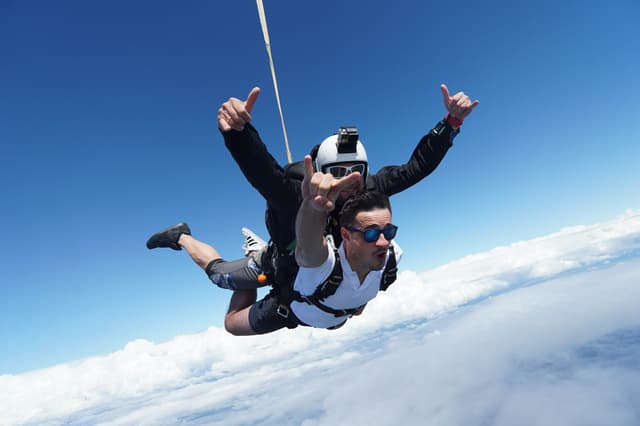
When is travel insurance most important?
Travel insurance is most important when the chance of a costly event is higher, or the amount you stand to lose is larger: older travellers, anyone with a health condition, adventure activities, remote places, cruises and expensive prepaid trips such as honeymoons. The table below matches common trip types to the main risk and the part of a policy that does the work.
| Trip type | Main risk | Why cover helps | Worth it? |
|---|---|---|---|
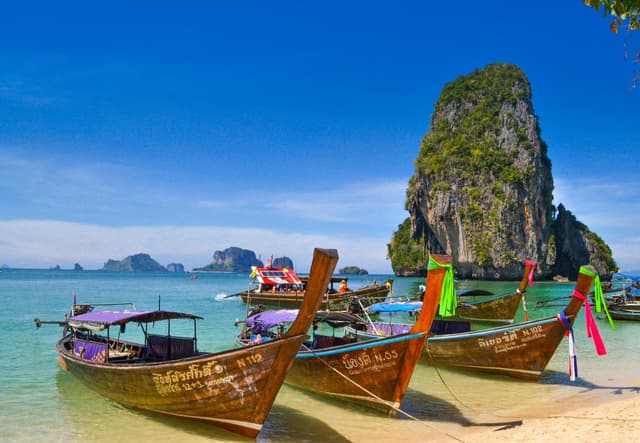
| Short beach holiday in Thailand or Bali | Road and water accidents, stomach illness, heat | Emergency treatment and a guarantee of payment to the hospital | Yes, at least for medical cover |
| Island hopping and diving, for example in the Maldives or Krabi | Diving injuries, boat transfers, distance from a large hospital | Evacuation and specialist treatment, if diving is covered | Yes, and check the activity is named |
| Trek or hike abroad | Falls, altitude illness, rescue from remote terrain | Rescue and evacuation, if the activity and altitude are covered | Yes, and check altitude and activity limits |
| Holiday with elderly parents | Heart problems, falls, flare-ups of existing conditions | Medical and evacuation cover, sometimes a relative's travel | Strongly yes, with conditions declared |
| Traveller with a pre-existing condition | A flare-up abroad that needs hospital care | Pays only if the condition is declared and accepted | Yes, but only with the condition covered |
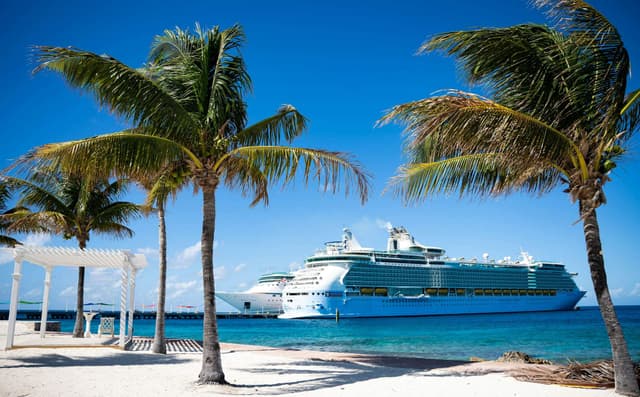
| Cruise | Onboard treatment billed separately, evacuation from sea | Medical and evacuation cover at sea and in port | Yes |
| Honeymoon or once-in-a-lifetime trip | Large prepaid cost, water sports, scooters | Cancellation plus medical cover | Usually yes |
| Family trip with young children | A child falling ill just before or during the trip | Cancellation and medical cover for everyone | Usually yes |
| Festival-season trip around Dashain and Tihar | Peak-season bookings, tight connections, strict refund rules | Cancellation, delay and missed-connection cover | Yes, if much is prepaid |
| Safari, for example in Kenya | Remote roads, long distances to hospital | Evacuation and medical cover | Yes |
| Business trip | Illness, delays, lost equipment | Often already covered by an employer policy | Check employer cover first |
| Diaspora family visiting, or parents visiting children abroad | Buying a policy that does not fit where the traveller lives | The right policy for the traveller's home country | Yes, with eligibility checked |
Elderly parents and older travellers

Travel insurance is most clearly worth it for older travellers, and it is also hardest to arrange for them, so start early. The CDC advises that people over 75 should start researching specialised policies early, because cover for underlying conditions is harder to obtain. Policies sold in Nepal and elsewhere can also carry upper age limits, which our step-by-step buying guide explains.
For a trip with parents or grandparents, a few habits make a claim far more likely to succeed:
- Declare every condition and regular medicine on the proposal form, even ones that feel minor or well controlled.
- Carry a letter from their doctor listing conditions and medicines, which the CDC recommends for travellers with medical conditions. Anyone with a known heart condition should carry a copy of their most recent ECG.
- Pack medicines in hand luggage, in original packaging, with enough for delays.
- Choose itineraries with fewer early starts and long transfers, and avoid very tight connections.
Pilgrimages deserve the same thought as beach holidays. A route like the one in our Char Dham Yatra guide combines altitude, long road journeys and often older travellers, which is exactly the mix where medical and evacuation cover earns its place. If you buy in Nepal, check that the policy's geographic area includes India.
Pre-existing conditions
A pre-existing condition does not make insurance pointless, but undeclared conditions are one of the main reasons claims are refused. The CDC cites a study of international travellers with travel health insurance claims in which insurers fully paid only two-thirds of claims; the main reasons for refusal were pre-existing illness and poor documentation of expenses. The CDC also notes that conditions which required hospital care or direct medical intervention in the 90 days before departure are often excluded.
The UK government's advice is blunt: declare existing conditions, and pending treatment or tests, because failing to declare something may invalidate your travel insurance. The practical rule is simple. If you have a condition, get the insurer to confirm in writing that it is covered, and keep receipts and medical reports for everything you spend abroad.
Adventure activities, scooters and diving
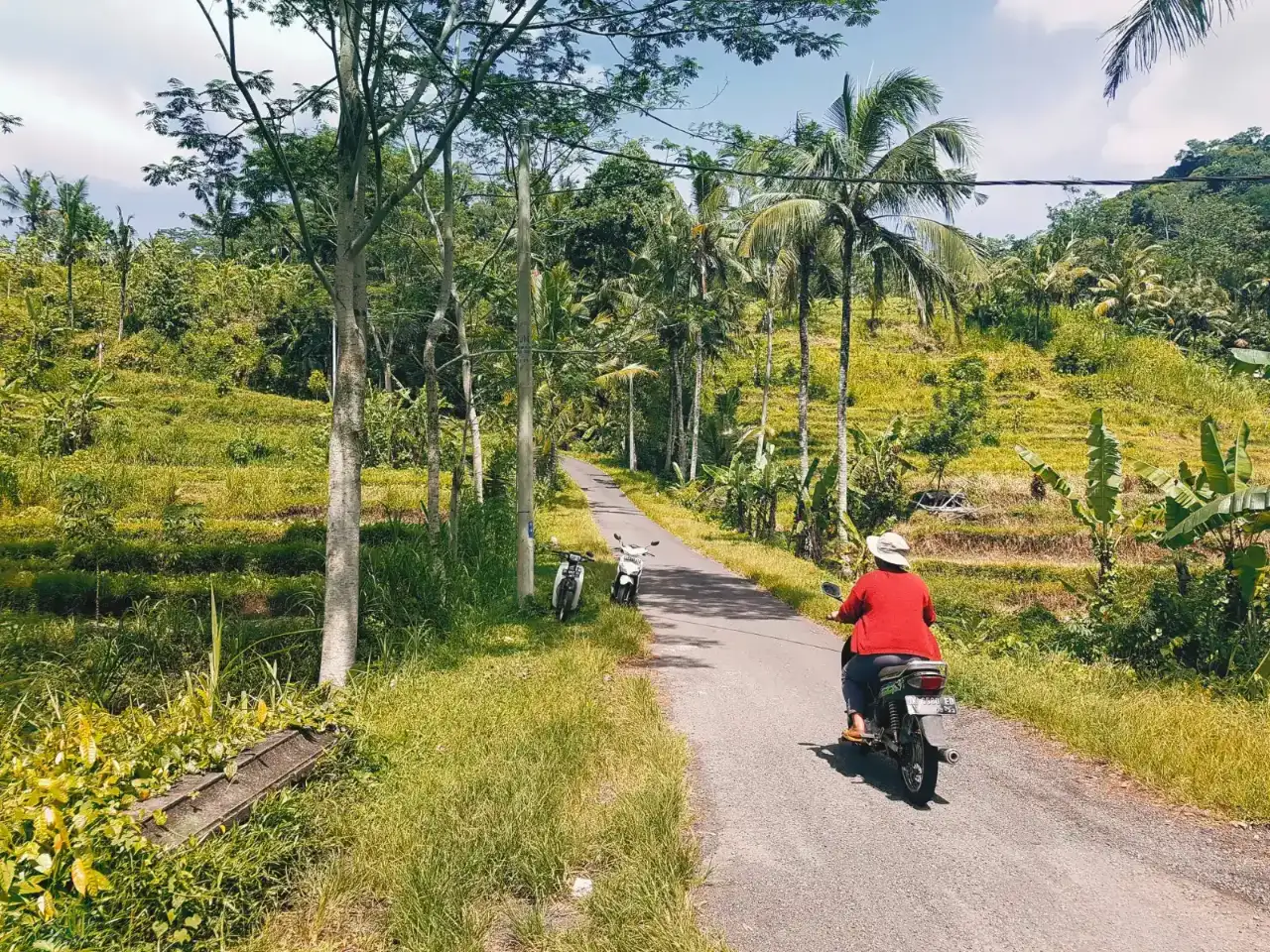
Activities are where many holiday plans collide with policy exclusions. A policy that covers you on a beach may not cover you underwater, on a zipline or on a rented scooter, so list what you plan to do before you buy, not after you arrive.
- Scooters and motorbikes. GOV.UK notes that use or hire of quad bikes or mopeds is not usually covered. The FCDO's Thailand advice adds that many policies expect you to hold the correct licence from home for the type of vehicle you ride, and that motorcycles and scooters for hire in tourist areas are often unregistered. If you plan to ride in Bali or Thailand, check both what your policy says and whether the licence you hold is valid there; our Bali travel guide covers getting around without a scooter.
- Diving. The FCDO advises checking the conditions on your policy, as some require dive instructors to hold certain qualifications. If diving is a reason for the trip, read our guide to diving in the Maldives and choose a policy that names diving and its depth limits.
- Alcohol. GOV.UK notes that most travel insurance policies do not cover events that happen after drinking excessive alcohol. That matters at beach parties, such as the one in our Thailand Full Moon Party guide.
- Trekking and climbing. Many policies limit the altitude or type of trekking they cover. Nepali travellers used to Himalayan trails should not assume a holiday policy covers a trek abroad.
Honeymoons, cruises, safaris and family trips
These trips share two features: a large amount paid in advance and, often, a remote or unfamiliar setting. That combination is where cancellation and evacuation cover both do real work.
For couples comparing honeymoon destinations from Nepal or planning a Thailand honeymoon, cancellation cover protects the biggest prepaid spend most couples make on travel, and medical cover protects the water sports and island transfers that make those trips memorable. On cruises, the CDC notes that medical treatment delivered onboard a ship might not be included in the ticket price, so cruise passengers might want specialised cover. On safari, the distances that make places like those in our best safari destinations guide so special also make evacuation slow and costly. If you are heading to Kenya, our Masai Mara safari guide explains the distances involved.
Families should insure everyone on the same policy where possible, and check that the cancellation wording covers the whole group if one child falls ill before departure. Our guides to Dubai with family and the Maldives with children cover pacing a trip with young travellers, which reduces some of the risks in the first place.
Diaspora travellers and visiting parents
If you are a Non-Resident Nepali buying cover for yourself, or for parents travelling from Kathmandu to visit you, the key point is that a policy is written for travellers who live in a particular country. A Nepali outbound policy is built around a trip that starts in Nepal; a policy sold in the UK, Australia or the Gulf is built around residents there. Buy where the traveller lives, or check the eligibility section of any other policy before you pay.
Your home country's health cover usually does not replace travel insurance either. The UK government says the GHIC and EHIC are not alternatives to travel insurance, as they do not cover private medical costs. The CDC notes that, except in limited circumstances, US Medicare does not provide cover abroad.
When might you decide you do not need it?
You might reasonably skip a separate policy when three things are all true: you already have cover that works abroad for this specific trip, very little of the trip is prepaid and non-refundable, and you could pay for a serious medical emergency yourself. Few holidaymakers can honestly tick all three.
So, do you need travel insurance on every trip? For many holidays it is not a legal requirement, although some destinations and visa types do ask for it, as the next section explains. Whether it is necessary is a question of risk, not law. The table below covers the situations where people most often think they can go without, and what to check before you do.
| Situation | Why you might skip it | What to check first |
|---|---|---|
| Your employer insures your work travel | A business trip may already be covered | Whether holiday days added to the trip, family members and your destination are included |
| You already hold an annual multi-trip policy | One policy can cover several trips a year | The maximum length of each trip, the regions covered and any age limit |
| Your credit card mentions travel insurance | Some cards include travel benefits | Exactly what is covered; see the note below the table |
| Your home health cover works abroad | Some diaspora travellers have national or private health cover | Whether it covers private hospitals, evacuation and repatriation; usually it does not |
| The trip is short and cheap | Little prepaid money is at risk | Medical risk does not shrink with trip length; a day-two hospital admission costs the same |
| You are travelling to India by road | It feels close to home | Hospital bills still apply, and getting back to Nepal while ill is hard |
| You have a large emergency fund | You could self-insure | Whether you can reach that money abroad quickly, in the amount a hospital will ask for |
About card cover. The CDC notes that card benefits vary widely, often need a formal claim with no guarantee of payment, and should not be treated as a substitute for travel health, evacuation or disruption insurance. In October 2026 we checked the published benefits of two premium credit cards issued by banks in Nepal. One listed travel accidental death cover only; the other listed no insurance at all. Neither page described cover for medical treatment abroad. If your card mentions travel insurance, ask the bank for the full terms, including who is insured, whether the trip must be paid with the card, and whether medical costs are included. (Checked: October 2026, card benefit pages of two Nepali banks.)
Self-insuring is a real option for some travellers, but be specific about it. It means having money set aside that you can access from abroad within hours, in an amount large enough for a hospital deposit, and accepting that an evacuation could cost many times more. If that thought makes you uncomfortable, that is your answer.
Do some countries require travel insurance to enter? Is it required for Thailand?
Some countries and visa types ask for proof of travel insurance and others do not, and these requirements change, sometimes at short notice. We do not state any country's insurance rule in this article. Check the current entry and visa rules for your passport before you buy cover, so the policy meets whatever is asked.
For Thailand, see our Thailand visa page for the current entry requirements for Nepali passport holders. For other destinations, start from our visa guides by country. Even where no visa is needed in advance, entry conditions can still apply, so read our list of visa-free countries for Nepali passport holders as a starting point, not the last word.
If a destination or visa does ask for insurance, read exactly what it asks for. Requirements can cover the dates, the type of cover and the amount, and a certificate that does not match may cause problems. Make sure the name on the certificate matches your passport exactly; our Nepal e-passport guide explains why spelling consistency matters across your documents.
Travel insurance for Thailand: is it worth it whatever the rule?
Yes, for most travellers. Whatever the entry rule at the time you travel, the risks of a Thailand holiday make medical cover worth having, because the things people enjoy there are the same things that produce claims.
- Payment before treatment. The FCDO's Thailand health advice states that all hospitals in Thailand require a guarantee of payment before treating patients, and that private hospitals, while of a high standard, can be expensive.
- Scooters and road traffic. The FCDO warns that many rented scooters in tourist areas are unregistered and that policies often expect a valid licence for the vehicle you ride.
- Islands and boats. Trips to islands near Phuket and Krabi mean speedboat transfers and distance from the largest hospitals. Our guide to the best time to visit Thailand explains how the seasons affect island travel.
- Diving and water sports. Covered only if your policy names them.
For a medical emergency in Thailand, the FCDO advises dialling 191 and asking for an ambulance, lists 1669 as the local number, and advises contacting your insurance or medical assistance company quickly if you are referred to a hospital (Checked: October 2026, FCDO Thailand travel advice, updated 12 October 2026). Save the assistance number from your policy next to it on your phone. For more on staying safe, read is Thailand a safe country to travel and our practical Thailand travel tips, and use the Thailand travel guide to plan the rest of the trip.
What should you check before you buy?
Check that the policy covers every country on your route and every day of your trip, has medical and evacuation limits that suit where you are going, accepts your health conditions and planned activities, and gives you a 24-hour assistance line. Then read the exclusions, because that is where most refused claims begin.
Policies bought in Nepal and abroad are not the same
A travel policy is a contract written for a particular market, and wordings sold in Nepal differ from those sold in the UK, Australia, the USA or the Gulf. Plans, geographic areas, medical limits, age limits, exclusions and claim procedures can all differ, so advice written for one market does not always apply to another. Read the wording of the policy you are actually buying, not a summary or a comparison article.
In Nepal, insurers are regulated by the Nepal Insurance Authority (NIA). The NIA was established under the Insurance Act 2079 BS, replacing the Insurance Board (Beema Samiti), and describes itself as the sole regulatory agency set up to regulate and supervise insurance business in Nepal and to protect policyholders' rights and interests. Its website includes a grievance handling form for complaints to its complaint management branch. (Checked: October 2026, Nepal Insurance Authority: introduction.) Whoever helps you arrange a policy, make sure the certificate names the licensed insurer that carries the risk.
The pre-purchase checklist
| Point to check | What a good answer looks like | Why it matters |
|---|---|---|
| Countries and area | Every country on the route is covered, including transit stops where you leave the airport | A claim from a country outside the area can be refused |
| Dates | Cover runs from departure to return, with a small margin if the return could slip | Cover usually stops on the end date |
| Medical expenses limit | A limit that suits the cost of care where you are going | This is the benefit you are mainly buying |
| Evacuation and repatriation | Included, with a clear limit | The most expensive event on any trip |
| Health conditions | Declared and accepted in writing | Undeclared conditions are a main reason claims fail |
| Activities | Each planned activity is named as covered, with any conditions | Diving, trekking and riding are common exclusions |
| Vehicles | Licence conditions for scooters, motorbikes and cars are clear | Riding without the required licence can void cover |
| Excess | You know the amount you pay yourself on each claim | Small claims may not be worth making |
| Cancellation reasons | The listed reasons fit your real worries | Only listed reasons are paid |
| Baggage and valuables limits | Single-item and valuables limits are known | Phones, cameras and gold are often capped |
| Age limits | Every traveller is within the limit at the start of cover | Older travellers can be excluded or need a special plan |
| Assistance line | A 24-hour number you have saved and shared with family | Call it before treatment where you can |
| Claim deadline and documents | You know how long you have and what to keep | Late or poorly documented claims are refused |
Warning signs before you pay
- You cannot see the full policy wording before paying.
- The certificate does not name a licensed insurer.
- Dates, names or countries on the certificate do not match your trip and passport.
- You are told a condition "does not need to be mentioned".
- Nobody can tell you which activities are excluded.
Where should you go next to buy it from Nepal?
If you have decided cover is worth it, the next step is our practical guide to buying and claiming travel insurance from Nepal. It explains where Nepali policies are sold, how plans and geographic areas work, what the wordings usually exclude, and how to make a claim from abroad and after you return. This article answers "should I?"; that one answers "how?".
Timing matters as much as the policy. The UK government and the ABI both advise buying cover as soon as you book, which is what makes cancellation cover useful. Our pre-trip checklist shows where insurance fits among visas, money and documents in the weeks before you fly.
On departure day, keep the policy certificate with your passport and tickets, save a PDF on your phone and leave a copy with someone at home who can call the insurer for you. Our guide to international departure at Kathmandu airport walks through the steps at Tribhuvan International Airport. Then enjoy the trip, knowing the one bill you could not pay is no longer yours to worry about.
Frequently asked questions
Is travel insurance worth it for a 5-day trip?
Yes, usually. A short trip lowers the chance of something going wrong but not the cost if it does: a hospital admission or evacuation on day two costs the same as on day twenty. For a 5-day holiday abroad, medical and evacuation cover is the part worth buying, even if you skip extras such as baggage cover.
Do I need travel insurance for Thailand?
Thailand's entry and insurance requirements change, so check our Thailand visa page for the current rules for your passport before you travel. Whatever the rule, cover is worth having for Thailand: the FCDO says all hospitals there require a guarantee of payment before treatment, and scooters, island boats and diving add risk.
Do I need travel insurance for Dubai?
Whether insurance is required for a Dubai visa depends on the current UAE rules for your passport and visa type, which change, so check the latest requirements with the official issuer before you buy. For most travellers to Dubai, medical cover is still worth having; see our Dubai travel guide for planning the trip itself.
Is travel insurance mandatory for Nepali tourists?
Whether insurance is compulsory for a Nepali tourist depends on the destination's entry and visa rules for Nepali passport holders, not on a single rule for all trips, and those rules change. Check the current rules for each country before you buy. Foreign employment follows a separate process that this guide does not cover.
Is travel insurance worth it for elderly parents?
Yes, it is most clearly worth it for older travellers, and harder to arrange, so start early. The CDC advises people over 75 to research specialised policies early. Declare every condition and medicine, check the policy's age limit, and carry a doctor's letter listing conditions and medicines on the trip.
Does a credit card give travel insurance?
Some cards include travel benefits, but they vary widely and the CDC says they should not replace a travel health or evacuation policy. When we checked two premium cards from Nepali banks in October 2026, one listed accidental death cover only and the other listed no insurance. Ask your bank for the full terms.
Is travel insurance worth it for a honeymoon?
Usually yes. A honeymoon is often the largest prepaid trip a couple makes, so cancellation cover protects money you would otherwise lose if illness or a family emergency stops you travelling. Medical cover matters too, because honeymoon trips often include snorkelling, diving, island boats and scooters. Check that each planned activity is named.
What happens if I get sick abroad without insurance?
You pay the full cost yourself, and usually up front: the CDC advises travellers to expect to pay for care abroad before claiming anything back. Some hospitals ask for a guarantee of payment before treatment. If you need evacuation, the CDC puts the cost at USD 25,000 to over USD 250,000 depending on distance, and the bill falls on you and your family.
When should I buy travel insurance?
Buy travel insurance as soon as you have booked your trip, as the UK government and the ABI both advise. Buying early means cancellation cover protects you if you fall ill before departure. At the very latest, buy it before you leave home, and make sure the policy has been issued, not just applied for.
Travel insurance garnu parcha ki pardaina?
For most trips abroad, yes, it is worth doing. The main reason is medical: hospital treatment and evacuation abroad can cost more than most families could pay at short notice. You might skip it only if you already have cover that works abroad, little is prepaid, and you could pay for an emergency yourself.