




































































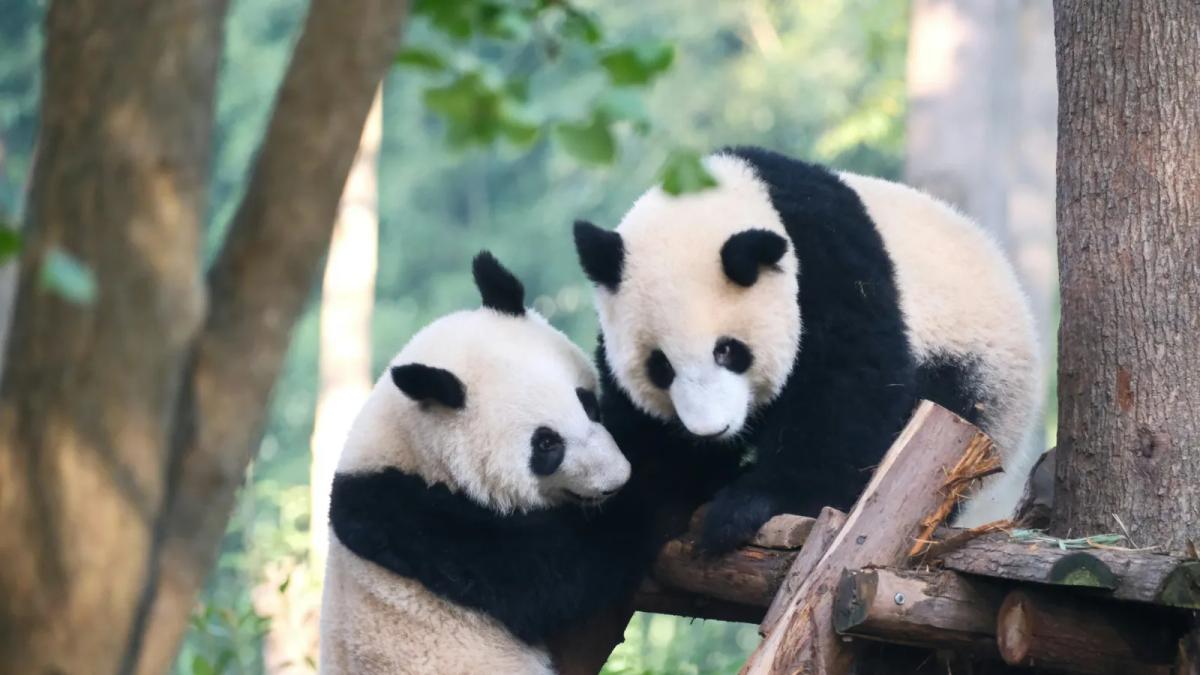
Short answer: the Chengdu Panda Base (officially the Chengdu Research Base of Giant Panda Breeding) is the easiest place in the world to see giant pandas up close in a park-like breeding and research setting, about 10 km from central Chengdu in Sichuan, China. Go at opening time, when the pandas are eating and moving: in the winter season from 1 November 2026 to 28 February 2027 that means 8:00, and from March to October it means 7:30. Every visitor needs an online real-name reservation made up to 14 days ahead, and foreign visitors book and enter with their original passport. Plan three to four hours inside, reach it by Metro Line 3 to Panda Avenue Station plus a short shuttle bus, and keep the rest of the day for Chengdu's teahouses and food.
This guide is written for families, couples and animal lovers who want to see pandas without wasting a morning in queues. It covers the best time of day and year, the booking rules for passport holders, the route inside the park, transport from the city, the newer panda centres outside Chengdu, and how Chengdu works as a gateway into China from Kathmandu. Opening hours, reservation rules and transport were checked against the base's own official ticket page and website in November 2026; we have not listed ticket prices because they change and vary by channel. For the bigger picture of planning a first trip, start with our complete China travel guide.
What is the Chengdu Panda Base?
The Chengdu Panda Base is a giant panda breeding, research and conservation centre that is also open to the public as a large landscaped park. Its full name is the Chengdu Research Base of Giant Panda Breeding, and locals often call it "Xiongmao Jidi" (panda base). The official address is 1375 Xiongmao Avenue (Panda Avenue), Chenghua District, Chengdu, and the base lists its area as about 3.07 square kilometres.
Unlike a zoo enclosure in another country, the base was built around breeding and rearing pandas, so the setting is bamboo groves, open outdoor yards with climbing frames, indoor houses for cooler or hotter days, and nursery buildings where young pandas are raised. The base also protects other threatened species, and its own description lists the red panda alongside the giant panda. That matters for visitors: you will see red pandas too, often in walk-through areas where they move freely among the trees.
The base is the obvious first stop for most travellers because it is inside the city, linked by metro, and holds a large number of pandas of different ages in one place. The population changes over time as cubs are born and animals move between centres, so treat any fixed number you read online with caution. If you are still choosing where to go in China, our guide to the best cities in China to visit explains why Chengdu usually earns two or three days on a first trip.
Chengdu Panda Base at a glance
| What you need to know | Detail (checked November 2026) |
|---|---|
| Official name | Chengdu Research Base of Giant Panda Breeding |
| Address | 1375 Xiongmao Avenue, Chenghua District, Chengdu, Sichuan |
| Distance from city centre | About 10 km from Tianfu Square |
| Distance from airports | About 30 km from Shuangliu Airport, about 70 km from Tianfu International Airport |
| Winter hours (1 Nov 2026 to 28 Feb 2027) | Morning entry 8:00 to 12:00, afternoon entry 12:00 to 16:30, park clearance from 17:30 |
| Summer hours (March to October) | Morning entry 7:30 to 12:00, afternoon entry 12:00 to 17:00, park clearance from 18:00 |
| Booking | Online real-name reservation, up to 14 days ahead |
| ID for foreign visitors | Original passport, matching the booking |
| Gates | South Gate and West Gate |
| Nearest metro | Line 3, Panda Avenue Station (then shuttle bus to the South Gate) |
| Time to allow | 3 to 4 hours for most visitors |
| Also see | Red pandas, nursery houses, Bamboo Tower viewpoint |
When is the best time to see pandas at the Chengdu Panda Base?
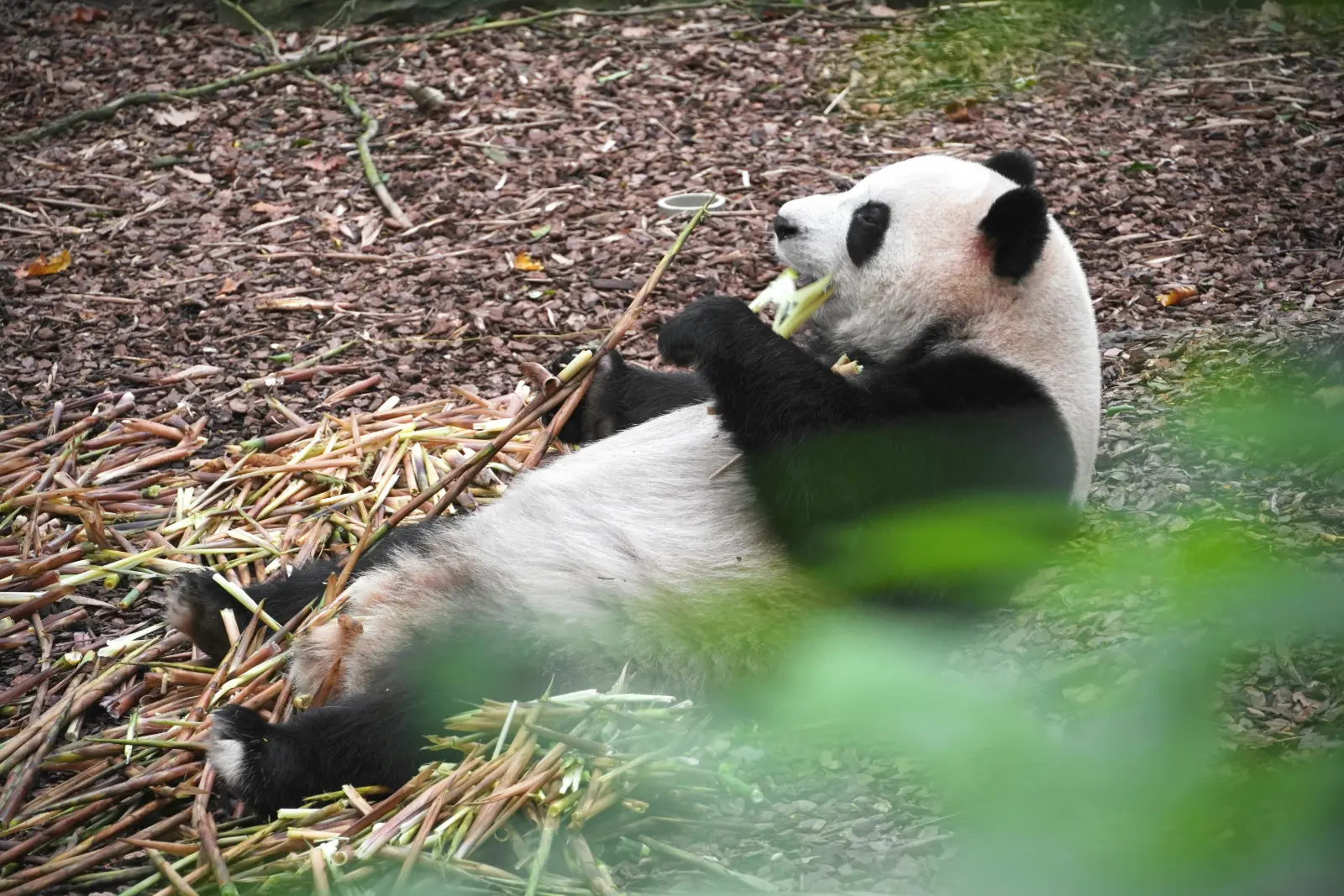
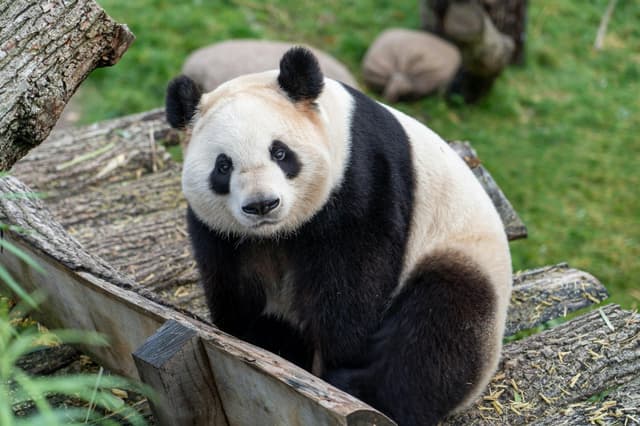
The best time to see pandas at the Chengdu Panda Base is the first two hours after opening, on a weekday, in spring or autumn. Pandas spend a large part of the day eating and sleeping, and visitor guides consistently report that they are most active in the cool of the morning, when they feed and the young ones climb and play. By late morning many are asleep, and on warm days they often rest in shaded or indoor enclosures where they are harder to see.
Book a morning ticket, not an afternoon one. According to the base's official opening hours, tickets are sold by half day: a morning ticket lets you enter between opening and 12:00, and an afternoon ticket lets you enter from 12:00. The difference in what you see can be large, because the afternoon is when most pandas are resting.
Best time of day
| Time of day | What you are likely to see | What to do |
|---|---|---|
| Opening (8:00 in winter, 7:30 in summer) to about 10:00 | The most activity: pandas eating bamboo, walking, climbing; younger pandas playing | Go straight to the outdoor panda yards and villas, then the nursery houses |
| About 10:00 to 12:00 | Activity slows; many pandas settle down to eat or nap | Visit the red panda areas and the Bamboo Tower viewpoint, which opens at 9:00 |
| 12:00 to mid afternoon | Most pandas asleep, especially on warm days | Lunch break, Panda Art Museum (closed Mondays), shops |
| Late afternoon | Some pandas stir again before closing, but crowds and timing are less predictable | Only plan around this if you could not get a morning ticket |
Arriving 15 to 30 minutes before your entry window opens is enough on a normal weekday. On weekends and Chinese public holidays the queues at the gates and the shuttle bus stops build quickly, so earlier is better.
Best time of year
Spring (March to May) and autumn (September to November) are the most comfortable seasons for a Chengdu Panda Base visit. Chengdu is hot and humid in summer, and on hot days the pandas spend more time inside. Winter is cool and often grey, but the pandas cope well with cold weather and the crowds are thinner outside holiday periods. For the wider seasonal picture, Chengdu sits in the mild, humid Sichuan Basin, so spring and autumn are the easy choices.
| Season | Panda viewing | Crowds | Notes |
|---|---|---|---|
| Spring (March to May) | Good, pandas active in mild mornings | Busy at weekends and the early May holiday | Summer hours from March: opens 7:30 |
| Summer (June to August) | Short active window in the early morning; more time indoors on hot days | Very busy during Chinese school holidays | Go at opening or not at all |
| Autumn (September to November) | Good, comfortable mornings | Very busy in the National Day holiday in early October | Winter hours from 1 November: opens 8:00 |
| Winter (December to February) | Good, pandas are comfortable in the cold | Quieter, except around Spring Festival (Chinese New Year) | Grey skies are common; dress warmly |
A note for travellers from Nepal: many families plan their China trip around the Dashain and Tihar break or school holidays. If your dates fall in early October, try to keep the panda visit away from China's National Day holiday week, when domestic tourism is at its peak and popular sites sell out. A mid-October or November date usually gives you calmer mornings.
Can you see baby pandas?
Sometimes, but the base does not promise it. The park has nursery houses, including the Sun Giant Panda Nursery House and the Star Giant Panda Nursery House, where young pandas are raised. Whether newborn or very young cubs are on view depends on the year's births and on the keepers' decisions, so check the base's official announcements close to your trip rather than relying on older blog posts.




How do you book and enter the Chengdu Panda Base?
You must reserve online in advance with your real name and ID, and foreign visitors use their passport. The base's ticket page says all visitors need an online real-name reservation, tickets can be reserved up to 14 days ahead, each ticket covers one person tied to one ID, and you must bring the original ID you booked with. On-site ticket windows exist only for people who cannot pay online for special reasons, and only if tickets remain, so do not plan on buying at the gate.
Booking steps for passport holders
- Pick your date and half day. Choose a morning entry slot if you can. Tickets are valid only on the booked date and for one entry in the booked morning or afternoon window.
- Book through an official channel. The base lists its official WeChat account, its WeChat mini program, and a short list of officially authorised third-party platforms on its ticket page. Travel agencies and groups use a separate official reservation link. Avoid unofficial resellers and paid "fast-track" offers, which the base warns against.
- Enter each traveller's passport details exactly. Use the name and passport number as printed. If the ID details do not match the ticket, entry is refused.
- Book early for busy dates. Sales stop when the day's quota is reached. The ticket page gives the daily limit as 85,000 visitors, and weekends and public holidays can still sell out.
- Carry the original passport on the day. Staff check ID at the gate. The base has a separate lane for visitors who forgot their original ID, where a photo of the document may be checked, but do not count on it.
- Arrive in your window. Afternoon ticket holders are asked not to arrive early, because they will not be let in before 12:00.
Two practical points trip people up. First, the official booking channels run inside Chinese apps, so set up WeChat and a payment method before you fly; our guide to paying in China with Alipay and WeChat Pay walks through linking a foreign card. Second, you need working mobile data in China to show your booking and use maps, and some apps you use at home will not work there, which our guide to internet and apps in China explains.
Rules for children and older visitors
The base's ticket page says visitors aged 60 and over, and children under 6 or under 1.3 m tall, do not need to make a reservation but must show their original ID at the gate. For travellers from Nepal or anywhere outside China this means every family member, including small children and grandparents, should carry their own passport into the park. The page is written mainly for Chinese ID holders, so if you are relying on this exemption with foreign passports, confirm it on the official channel shortly before your visit, and when in doubt book a ticket for everyone.
Visitor rules worth knowing
| Rule | What it means for you |
|---|---|
| No camera flash and no loud noise | Switch off the flash on phones and cameras before you reach the enclosures |
| Keep at least 3 m from free-roaming animals and red pandas in walk-through areas | Do not try to touch or feed red pandas, however close they come |
| No feeding animals or throwing objects into enclosures | Keep snacks away from the railings |
| No drones, bicycles, scooters, skateboards or self-balancing vehicles | Leave the drone at the hotel |
| No pets (registered guide dogs only, with conditions) | Not usually an issue for travellers |
| No smoking or open flames | Applies across the whole base |
| Live streaming or commercial filming needs permission | Personal photos are fine |
How long should you spend at the Chengdu Panda Base?
Plan three to four hours for a typical visit, which is enough to see the main panda areas, the nursery houses and the red pandas at a relaxed pace. The grounds are large and hilly in places, and families with small children or older parents should plan on using the sightseeing bus for at least part of the route. Keen photographers or panda fans can easily spend a full morning, from opening until the 12:00 lull.
| Type of visit | Time to allow | Suggested focus |
|---|---|---|
| Short visit as part of a busy day | 2 to 2.5 hours | One or two panda villas, one nursery house, red pandas |
| Typical family or couple visit | 3 to 4 hours | Outdoor yards at opening, both nursery houses, red pandas, Bamboo Tower |
| Photographers and panda enthusiasts | Full morning, opening to about 12:00 | Return to the most active yards as crowds thin |
| With older parents or small children | 3 to 4 hours with sightseeing bus | Bus between stops, fewer uphill walks, rest breaks |
What to see inside the base
The official sightseeing bus routes are a good map of the main areas. Running south to west, the stops are the South Gate, Panda Villa, the Sun Giant Panda Nursery House, the Panda Reception Hall, the Bamboo Tower, the Star Giant Panda Nursery House and Panda Creek Valley, ending at the West Gate. The return route adds No. 1 Giant Panda Villa and Swan Lake on the way back to the South Gate.
- Panda villas and outdoor yards: the heart of the visit, with climbing frames, bamboo and viewing paths. No. 6 Giant Panda Villa is closed to the public on Mondays (except national statutory holidays) under a rotational rest pilot for the animals.
- Nursery houses: the Sun and Star nursery houses are where young pandas are raised; queues here build first, so go early.
- Red pandas: smaller, reddish-brown and often more active than giant pandas through the day. They are a favourite with children, and some areas let them move freely near the paths.
- Bamboo Tower: a viewpoint tower open from 9:00 to 17:00 with last entry at 16:30. It may close temporarily in bad weather.
- Swan Lake and the bamboo paths: a calmer part of the park for a rest between panda areas.
- Panda Art Museum: closed on Mondays for maintenance, except national statutory holidays.
The sightseeing bus
The internal sightseeing bus runs from 8:00 to 17:00 in winter (November to February, service ending at 17:30) and from 7:30 to 17:30 in summer (March to October, service ending at 18:00). You can buy bus tickets on site on the day or reserve up to 14 days ahead through the base's official mini program or WeChat account. If you ride to a terminal and want another ride, you queue again and your ticket is checked again. Older passengers, children, pregnant women and people with conditions such as high blood pressure or heart disease must ride with a companion.
Where to start: South Gate or West Gate?
Most first-time visitors enter at the South Gate, which is the main entrance served by the shuttle bus from Panda Avenue Station. The West Gate is reached by a different metro station and bus, and some travellers find it a calmer start. Both gates have tourist centres, open 8:00 to 17:30 from November to February and 7:30 to 18:00 from March to October, where you can ask staff for help.
How do you get to the Chengdu Panda Base from the city?
The simplest way is Chengdu Metro Line 3 to Panda Avenue Station, then the No. 408 shuttle bus to the South Gate. The base is about 10 km north of Tianfu Square in the city centre, so a taxi or ride-hailing car is also quick early in the morning, before the metro and buses fill up. The routes below are taken from the base's official transport page, checked November 2026.
| Option | How it works | Arrives at | Best for |
|---|---|---|---|
| Metro Line 3 plus shuttle bus 408 | Ride Line 3 to Panda Avenue Station (Xiongmao Dadao), leave by Exit A or Exit D and walk about 10 m to the No. 408 bus | South Gate | Most visitors, first-timers |
| Metro Line 3 plus bus 409 | Ride Line 3 to Chengdu Junqu General Hospital Station, leave by Exit B and walk about 280 m towards Yulei Crossing to the No. 409 bus | West Gate | Starting at the quieter gate |
| Metro Line 3 plus bus 110 or 659 | From Chengdu Junqu General Hospital Station, take bus 110 (one stop) or 659 (two stops) to the Yulei Road and Cuiwei Road Intersection stop, then walk about 500 m | West Gate | Back-up if the 409 queue is long |
| Metro Line 3 plus bus 655 or 87 | From Chengdu Zoo Station, take bus 655 (Exit D, nine stops) or bus 87 (Exit A, 12 stops) to the Panda Base stop, then walk about 5 minutes | South Gate | Back-up route |
| Scenic direct bus | Direct buses run from central areas such as Chunxi Road and Kuanzhai Alley; details are on the "Scenic Area Direct Bus" WeChat account and the Chengdu Bus app | Base | Staying in the centre, no transfers |
| Taxi or ride-hailing | About 10 km from Tianfu Square; quick before morning traffic | Either gate | Families, early starts, older parents |
From the airports and Chengdu East Railway Station, the base's advice is to take the nearest metro line and change to Line 3. Shuangliu Airport is about 30 km away and Tianfu International Airport about 70 km away, so if you are landing on a morning flight and heading straight to the pandas, a car is far easier with luggage. For an opening-time visit, staying in central Chengdu near a Line 3 station makes the early start much simpler.
Are there other panda bases near Chengdu?
Yes. Sichuan has several other panda centres in greener, quieter mountain settings, but they take longer to reach and their opening status changes, so check before you go. The table below summarises the main options as of November 2026.
| Panda centre | Where | Distance and travel time from Chengdu | Status and what is different |
|---|---|---|---|
| Chengdu Research Base of Giant Panda Breeding | Chenghua District, Chengdu | About 10 km from the centre, by metro and bus | Open; the largest and busiest, with nursery houses and red pandas |
| Dujiangyan Panda Valley | Dujiangyan | Reported at about 70 km, around 1.5 hours by train and taxi | Run by the Chengdu base, with its own ticket page on the base's website; a quieter, forested setting |
| China Giant Panda Protection and Research Center, Dujiangyan Base | Dujiangyan | About 1.5 hours | Closed from 23 April 2026 for upgrade work; reopening date to be announced (Chengdu Release, 15 April 2026) |
| Bifengxia Panda Base | Ya'an | Reported at about 150 km, roughly 2.5 to 3 hours | Mountain setting, smaller crowds; volunteer programme reported |
| Wolong Shenshuping Base | Gengda Town, Wenchuan County | Reported at about 130 km, roughly 2 to 2.5 hours | Mountain breeding and research base around 1,700 m; volunteer programme reported |
| Mianyang Zhonghua Giant Panda Garden | Mianyang Science City, Sichuan | A separate city in Sichuan; check transport locally | Opened for trial operation on 29 December 2025 with 20 pandas (Chinanews) |
Dujiangyan Panda Valley is managed by the Chengdu base. Its ticket page, last updated for the 2024/25 season when we checked, gave last entry as 16:30 in the winter season (November to April) and 17:00 in summer (May to October), so confirm the current times before you go. It may close fully or partly in severe weather such as storms, heavy snow or fog. Combine it with the Dujiangyan irrigation system if you want a full day outside the city.
For most first-time visitors, the main Chengdu base is still the right choice: it is the easiest to reach, has the most pandas of different ages, and fits into a morning. The mountain bases suit travellers with an extra day who care more about a natural setting and fewer people than about convenience.
Can you hold or hug a panda?
No. Visitor panda-holding at the Chengdu panda bases has been reported as suspended since November 2018, for the safety of the pandas and the public, and current 2026 visitor guides report that touching or holding pandas is not allowed at any base. The volunteer programmes that some mountain bases run are keeper-assist activities, such as cleaning enclosures and preparing food, not cuddling sessions. Be wary of any seller promising a panda hug or a photo holding a panda; it is not something the official centres offer.
Is the Chengdu Panda Base good for families?
Yes, the Chengdu Panda Base is one of the best family days out in China. Children connect instantly with pandas, the park is outdoors and green, paths are paved, and a sightseeing bus links the main areas. The challenges are the early start, the crowds at busy times and the distances on foot, all of which are easy to plan around.
| Family situation | What works |
|---|---|
| Toddlers and small children | Morning ticket, sightseeing bus between areas, a snack and water bottle in the bag, red pandas as a reward at the end |
| School-age children | Give them a list to spot: a panda climbing, a panda eating, a sleeping panda, a red panda; the nursery houses are the highlight |
| Teenagers | Early opening for the best photos; the Bamboo Tower view; let them plan the route on the official map |
| Grandparents and older parents | Taxi to the gate, sightseeing bus, plenty of benches; check the age-60 reservation rule on the official channel |
| Multi-generation groups | Book all tickets in one go with every passport ready, and agree a meeting point at a sightseeing bus stop |
Many Nepali families travel abroad with parents or grandparents, and Chengdu is a gentle introduction to China for them: the flight from Kathmandu is short, the city is relaxed by Chinese standards, and the panda base asks for a morning of easy walking rather than a big climb. Our guide to travelling abroad with elderly parents covers seats, medicines and pacing that apply here too.
Practical family tips for the base:
- Every family member needs their own passport, including children.
- Pack light: water, a snack, a rain jacket in spring and autumn, warm layers from November to February.
- Food inside the base is mostly snack-level, so plan a proper lunch after your visit.
- Keep children back from the glass and railings and remind them about no flash and no shouting; noise makes pandas move away.
- If a child is tired by 11:00, leave; the best viewing is already over.
What else can you do in Chengdu?

Chengdu is worth two or three days on its own, not just a panda stop: it is the capital of Sichuan province, a city of teahouses, temples, evening lanes and some of China's most famous food. A good pattern is pandas in the morning, a slow lunch, a temple or teahouse in the afternoon and old streets or an opera show in the evening.
| Sight | What it is | Best time | Good for |
|---|---|---|---|
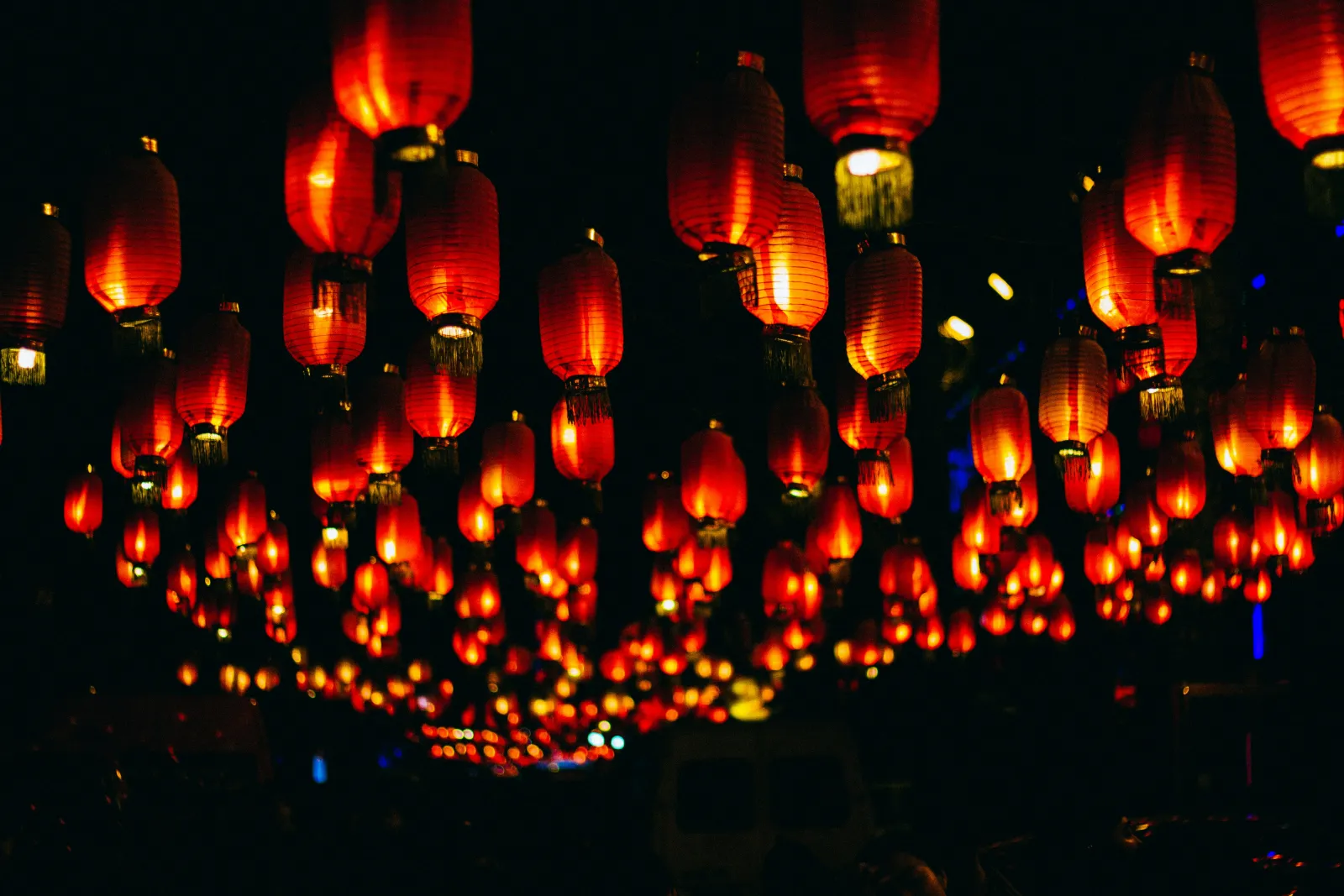
| Jinli Ancient Street | Restored lane right beside Wuhou Shrine (the Three Kingdoms memorial temple), with snacks, crafts, teahouses and Sichuan opera | Evening, when the red lanterns are lit; mornings are quieter | Couples, families, first evening in Chengdu |
| Wenshu Monastery | Working Buddhist monastery first built in the Sui dynasty, with a teahouse and a vegetarian restaurant; near Wenshu Monastery Station on Metro Line 1 | Morning or early afternoon | Culture lovers, vegetarians, quiet afternoon |
| People's Park teahouse | Open-air teahouse where locals spend hours over tea in bamboo chairs | Afternoon | Slow travellers, older parents |
| Kuanzhai Xiangzi (Wide and Narrow Alleys) | Restored old lanes with shops, cafes and snack stalls | Late afternoon and evening | Strolling, shopping |
| Anshun Bridge and Jinjiang River | Covered bridge and riverside lit up at night | After dark | Evening walk, photos |
| Sichuan opera face-changing | Short performances in teahouses and theatres, famous for masks that change in a flash | Evening | Families, first-timers |
| Leshan Giant Buddha (day trip) | A 71 m seated Buddha carved into a cliff above three rivers, part of a UNESCO World Heritage site | Full day, early start | Buddhist travellers, history lovers |
Why Wenshu Monastery and Leshan matter to visitors from Nepal
Buddhist travellers from Nepal often find Chengdu more familiar than they expect. Wenshu is the Chinese name for Manjushri, the bodhisattva of wisdom who is also revered in the Kathmandu Valley, and Wenshu Monastery is a living place of worship, so dress modestly and keep your voice low in the halls. The monastery's history goes back to the Sui dynasty (605 to 617), and it was renamed Wenshu in the late 17th century.
The Leshan Giant Buddha, about an hour south of Chengdu by fast train, is a 71 m seated Buddha carved into the cliff at the meeting point of the Minjiang, Dadu and Qingyi rivers in the 8th century. It is traditionally linked to Maitreya, and it was inscribed by UNESCO in 1996 together with Mount Emei, where a Buddhist temple was first built on the summit in the 1st century CE. Trains run from Chengdu East and Chengdu South stations, and the Buddha is about 14 km from Leshan station by taxi or local bus. Leave early, as the scenic area can get crowded at weekends and on holidays.
What to eat in Chengdu
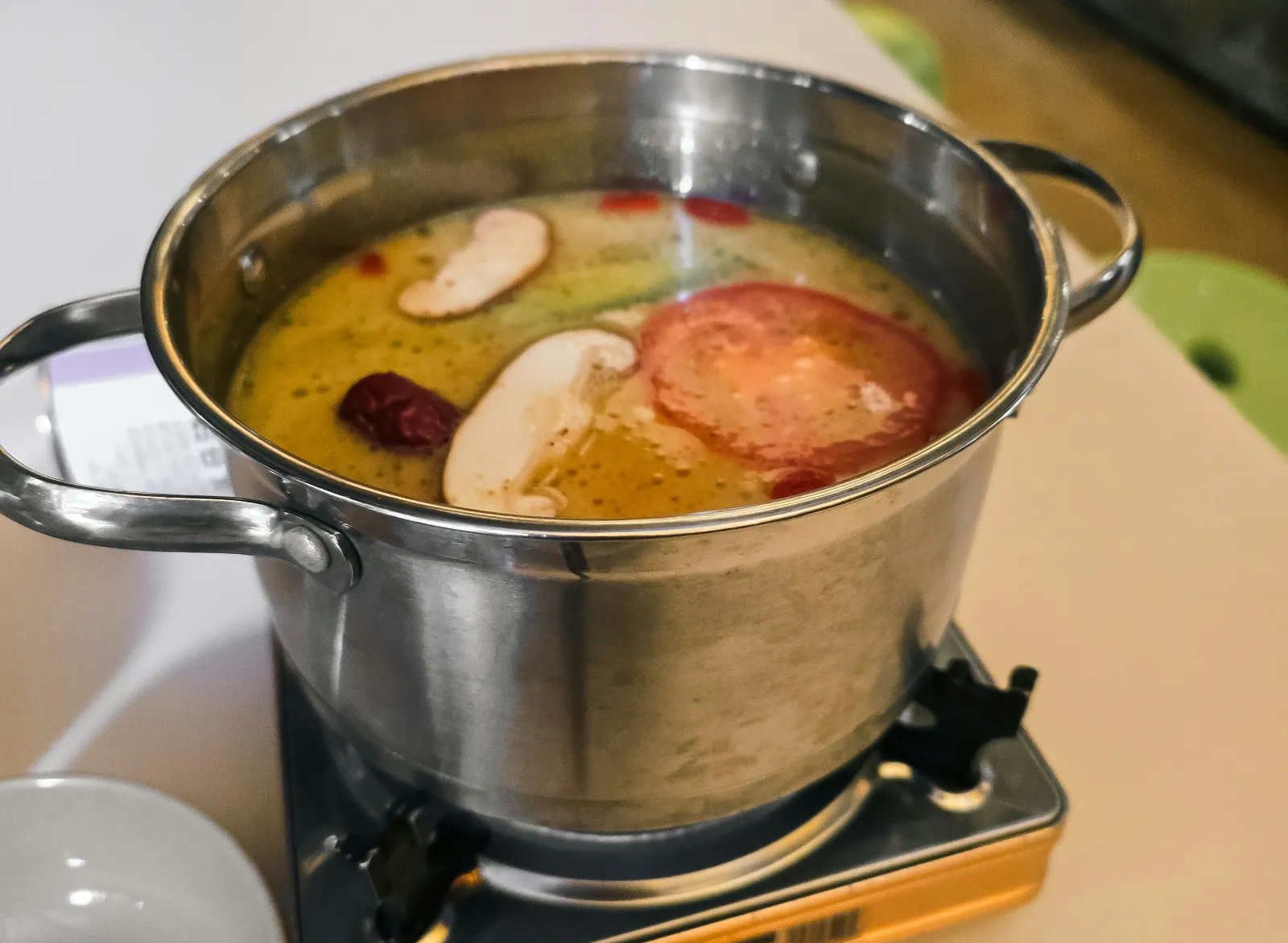
Chengdu was named a UNESCO City of Gastronomy in 2010, the first in Asia, and food is a big reason people come back. Sichuan cooking is famous for "mala", the mix of chilli heat and the tingling, numbing Sichuan peppercorn. Hotpot, mapo tofu, dan dan noodles, dumplings in chilli oil and street skewers are the classics. Our guide to what to eat in China covers dishes region by region.
Not everything is fiery. Ask for "bu la" (not spicy) or "wei la" (mildly spicy), but expect "not spicy" to mean milder rather than plain. At hotpot restaurants you can order a split pot with a clear or mushroom broth on one side, which works well for children, older parents and anyone not used to chilli. Vegetarians have good options too, including Buddhist vegetarian restaurants such as the one at Wenshu Monastery.
Combining Chengdu with Xi'an and the rest of China
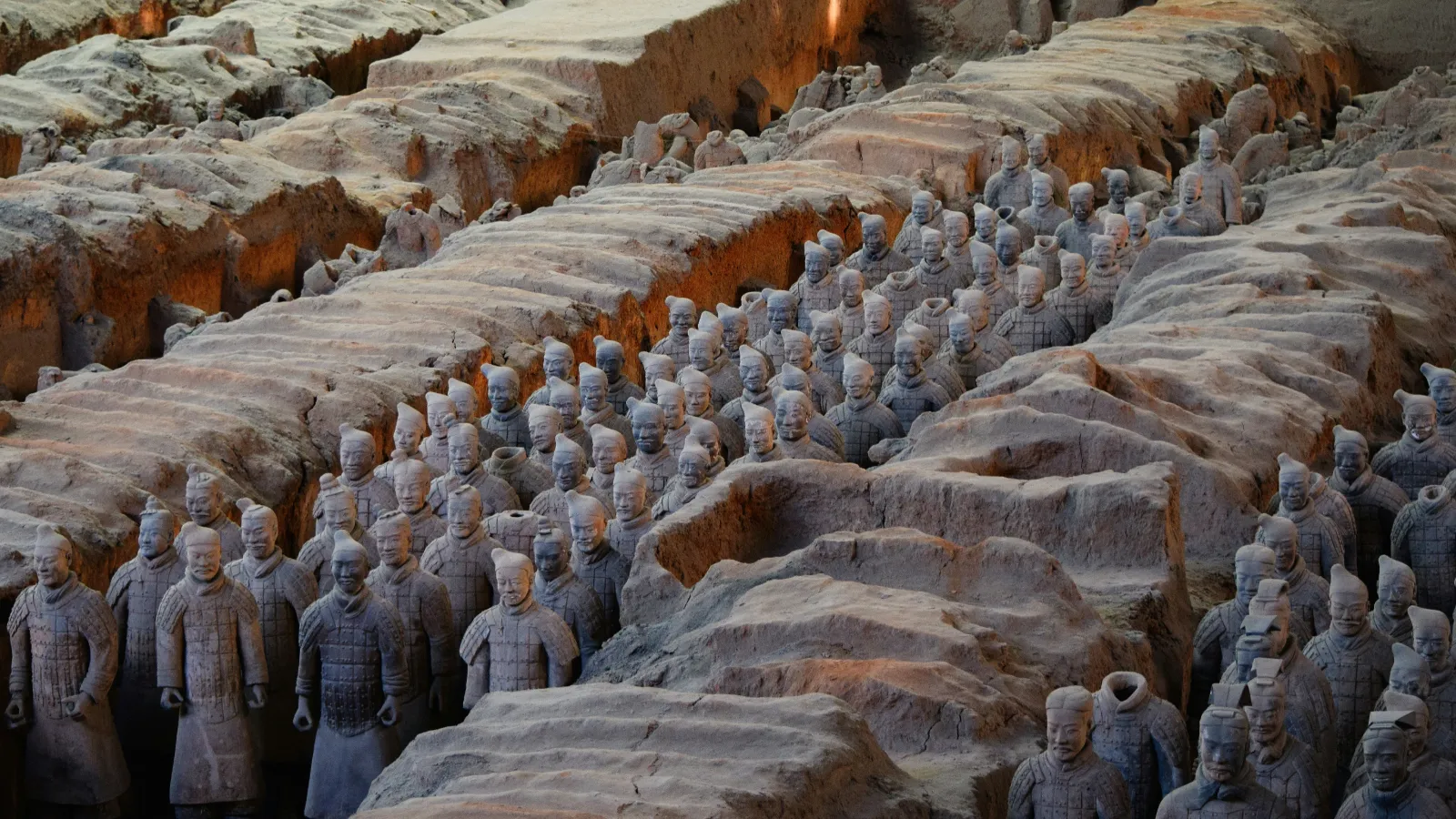
Chengdu sits well on a wider route. The fastest high-speed trains to Xi'an take about 3 hours 10 minutes, which makes Chengdu and Xi'an a natural pair: pandas and food in one, the Terracotta Warriors in Xi'an in the other. From Xi'an the rail network continues to Beijing, and Chongqing is also close by train. Our China high speed rail guide explains how to book with a passport and how the stations work.
| Trip length | How Chengdu fits |
|---|---|
| 3 to 4 days (Chengdu only) | Pandas one morning, city sights, a Leshan day trip |
| 6 to 8 days | Chengdu plus Xi'an by high-speed train |
| 10 to 14 days | Chengdu, Xi'an, Beijing, with Shanghai or Zhangjiajie as an option |
Are there direct flights from Kathmandu to Chengdu?
Yes. Sichuan Airlines and Air China both fly non-stop from Kathmandu (KTM) to Chengdu Tianfu International Airport (TFU). The approved schedules published by the Civil Aviation Authority of Nepal list Sichuan Airlines 3U3902 as daily for winter 2025/26 and Air China CA438 as daily for summer 2026, and third-party schedule data checked in November 2026 shows both flights operating daily in the winter 2026/27 season that began on 25 October 2026. Scheduled block time is about 3 to 4 hours. Nepal's winter 2026/27 schedule had not been published when we checked, and we could not confirm the current timetable on the airlines' own websites, so check it with the airline before you book. We do not quote fares because they change daily.
| Airline and flight | Route | Schedule shown for winter 2026/27 | Block time shown |
|---|---|---|---|
| Sichuan Airlines 3U3902 | Kathmandu (KTM) to Chengdu Tianfu (TFU) | Daily from 25 October 2026, departs about 12:20, arrives about 18:15 local time | About 3 hours 40 minutes |
| Air China CA438 | Kathmandu (KTM) to Chengdu Tianfu (TFU) | Daily from 25 October 2026, departs about 12:35, arrives about 17:40 local time | About 2 hours 50 minutes |
Sources: Civil Aviation Authority of Nepal approved schedules for Sichuan Airlines, winter 2025/26 and Air China, summer 2026; FlightMapper schedule listings for 3U3902 and CA438, checked 9 November 2026. Recent flight-status records on a major booking site also showed Sichuan Airlines 3U3902 arriving in Chengdu on consecutive days in October 2026. Schedules and days of operation can change at short notice, especially around holidays.
A few things that help when planning a Kathmandu to Chengdu trip:
- Time difference: China is 2 hours 15 minutes ahead of Nepal, which is why a flight of about three hours leaving around midday lands in the early evening.
- Which airport: the flights land at Tianfu International (TFU), the newer airport about 70 km from the panda base. Chengdu also has the older Shuangliu Airport (CTU), which is closer to the city; check your ticket so you book a hotel and transfer on the right side of town.
- First night: an early-evening arrival rules out pandas the same day, so book the panda visit for your first or second morning.
- Onward travel: Chengdu works well as the first stop on a wider China trip, with high-speed trains onwards to Xi'an and other cities.
- Visa: entry rules depend on your passport; check them on our China visa page before you book flights.
If you are flying in from elsewhere, Chengdu also has wide international and domestic connections, and from within China the high-speed rail network links it to most major cities. If you would rather have flights, hotels and transfers arranged around a Chengdu panda morning, see our China tour packages.
Frequently asked questions
When is the best time to see pandas in Chengdu?
The best time to see pandas at the Chengdu Panda Base is right at opening, 8:00 from November to February and 7:30 from March to October, when pandas are eating and active. Book a morning ticket, go on a weekday, and prefer spring or autumn. By midday most pandas are asleep, especially on warm days.
Do I need to book Chengdu Panda Base tickets?
Yes. The Chengdu Panda Base requires an online real-name reservation for every visitor, made up to 14 days ahead through the base's official WeChat channels or authorised platforms. Foreign visitors book with their passport and must show the original at the gate. On-site sales are only for special cases and only if tickets remain.
Can foreigners use a passport to book the Chengdu Panda Base?
Yes. The Chengdu Panda Base accepts passports as valid ID for its real-name reservation. Enter the name and passport number exactly as printed, book one ticket per person, and carry the same original passport on the day. If the details on the ticket and passport do not match, staff can refuse entry.
How far is the Panda Base from Chengdu city?
The Chengdu Panda Base is about 10 km from Tianfu Square in central Chengdu. Take Metro Line 3 to Panda Avenue Station and the No. 408 shuttle bus to the South Gate, or a taxi in about the same time early in the morning. It is about 30 km from Shuangliu Airport and about 70 km from Tianfu International Airport.
Can you hold a panda in Chengdu?
No. Visitor panda-holding at the Chengdu panda bases has been reported as suspended since November 2018, and current guides report that no panda base in Sichuan lets visitors touch or hold pandas. Some mountain bases run keeper-assist volunteer programmes, such as cleaning and preparing food, but these are not hugging sessions.
How long does the Panda Base take?
Most visitors need three to four hours at the Chengdu Panda Base to see the outdoor panda yards, the nursery houses, the red pandas and the Bamboo Tower. A short visit can be done in about two hours, while panda fans often stay the whole morning from opening until about midday.
Is Chengdu good for families?
Yes. Chengdu is one of the most family-friendly cities in China, with the Panda Base, parks, teahouses, evening lanes and Sichuan opera shows. Hotpot restaurants offer split pots with mild broth, and the panda base has paved paths and a sightseeing bus. Every family member needs their own passport for panda base entry.
Is the Chengdu Panda Base open on Mondays?
Yes, the Chengdu Panda Base is open every day. On Mondays, though, the Panda Art Museum is closed for maintenance and No. 6 Giant Panda Villa is closed under a rotational rest pilot, except on national statutory holidays. Some areas can also close in severe weather.
Are there direct flights from Kathmandu to Chengdu?
Yes. Schedule listings checked in November 2026 show daily non-stop flights from Kathmandu to Chengdu Tianfu International Airport by Sichuan Airlines and Air China for winter 2026/27, with a scheduled block time of about 3 to 4 hours. Confirm the current timetable with the airline before booking, as schedules change by season.
What is Chengdu famous for?
Chengdu is famous for giant pandas, spicy Sichuan food, a slow teahouse culture and its long history as the capital of Sichuan. It was named a UNESCO City of Gastronomy in 2010, and it is the base for day trips to the Leshan Giant Buddha, Mount Emei and Dujiangyan.
Is Chengdu food very spicy?
Much Chengdu food is spicy, built on chilli and the numbing Sichuan peppercorn, but you can eat well without it. Ask for "bu la" (not spicy) or "wei la" (mildly spicy), order a split hotpot with a mild broth, and try non-spicy dumplings, noodles and Buddhist vegetarian dishes.
Chengdu ma panda kasari herne?
To see pandas in Chengdu, reserve a morning ticket for the Chengdu Research Base of Giant Panda Breeding online up to 14 days ahead with your passport, take Metro Line 3 to Panda Avenue Station and the 408 shuttle bus, and arrive at opening time (8:00 in winter, 7:30 in summer). Allow three to four hours inside.