



































































































Short answer: When is Chinese New Year in China? In 2027 it falls on Saturday 6 February, the first day of the Year of the Goat. New Year's Eve, the night of the family reunion dinner, is Friday 5 February. China's official Spring Festival public holiday for 2027 runs for nine days, from Friday 5 February to Saturday 13 February, with two Sundays (31 January and 14 February) worked in exchange (checked November 2026, State Council General Office notice of 5 November 2026). The celebrations close with the Lantern Festival on Saturday 20 February 2027.
Knowing the date of Chinese New Year in China is only half the story if you are deciding whether to travel then. The Spring Festival is the most important family reunion of the Chinese year, and it comes with Chunyun, a travel rush of roughly 40 days that moved a record 9.41 billion inter-regional trips in 2026 according to China's Ministry of Transport. This guide gives you the checked dates, explains how the holiday and the travel rush work, shows what stays open and what closes, lists the celebrations visitors can actually join, and covers the customs that help you fit in. It is written for travellers anywhere, with notes for readers flying in from Kathmandu and for Nepali families abroad. For the bigger picture of planning a trip, start with our complete China travel guide.
| Chinese New Year 2027 at a glance | Date (checked November 2026) | Source |
|---|---|---|
| New Year's Eve (reunion dinner) | Friday 5 February 2027 | Hong Kong Observatory lunar calendar, State Council notice |
| Chinese New Year's Day (Spring Festival) | Saturday 6 February 2027 | Hong Kong Observatory lunar calendar |
| Zodiac year | Year of the Goat (Ding Wei), also translated as Sheep or Ram | Hong Kong Observatory |
| Official mainland public holiday | 5 to 13 February 2027, nine days in total | State Council General Office, notice of 5 November 2026 |
| Make-up working days | Sunday 31 January and Sunday 14 February 2027 | State Council General Office |
| Lantern Festival (15th day of the first month) | Saturday 20 February 2027 | Hong Kong Observatory lunar calendar |
| Chunyun travel rush 2027 | Not yet announced; in 2026 it ran 2 February to 13 March (40 days) | Ministry of Transport, NDRC |
When is Chinese New Year in China in 2027?
Chinese New Year in China in 2027 is on Saturday 6 February, and the festive season runs from New Year's Eve on Friday 5 February to the Lantern Festival on Saturday 20 February. The date comes from the traditional Chinese lunisolar calendar, which the Hong Kong Observatory publishes as a Gregorian to lunar conversion table. In that table, 6 February 2027 is the first day of the first lunar month and the year is named Ding Wei, the Year of the Goat.
Inside mainland China the festival is officially called the Spring Festival (Chunjie). "Chinese New Year" and "Lunar New Year" are the names most people use abroad. They all refer to the same day. The festival is also recognised internationally: in December 2024 UNESCO added the Spring Festival and the social practices of Chinese people celebrating the traditional new year to its Representative List of the Intangible Cultural Heritage of Humanity.
Why does the date of Chinese New Year change every year?
The date changes because each Chinese month begins with a new moon, so the lunar year does not line up with the 365 day solar calendar. As the Wikipedia entry on Chinese New Year explains, the festival falls on the new moon between 21 January and 20 February in the Gregorian calendar. That is why it was on 17 February in 2026, moves 11 days earlier to 6 February in 2027, and will be as early as 26 January in 2028. An extra leap month is added every few years to keep the calendar in step with the seasons.
| Year | Chinese New Year's Day | Zodiac animal | Lantern Festival |
|---|---|---|---|
| 2026 | Tuesday 17 February 2026 | Horse (Bing Wu) | Tuesday 3 March 2026 |
| 2027 | Saturday 6 February 2027 | Goat (Ding Wei) | Saturday 20 February 2027 |
| 2028 | Wednesday 26 January 2028 | Monkey (Wu Shen) | Wednesday 9 February 2028 |
Dates are from the Hong Kong Observatory lunar calendar tables for 2026, 2027 and 2028, checked in November 2026. China uses a single time zone (UTC+8) for these dates.
What are the key days of the 2027 festival?
The festival is really a sequence of days rather than one, and each has its own customs. The table below maps the traditional lunar days onto the 2027 calendar, so you can see which day your trip lands on.
| Lunar day | 2027 date | What usually happens |
|---|---|---|
| New Year's Eve (Chuxi) | Friday 5 February | Reunion dinner at home, the CCTV Spring Festival Gala on television, staying up late to see the year in |
| Day 1 | Saturday 6 February | New Year greetings to family and neighbours, red envelopes for children, temple visits; many small businesses shut |
| Day 2 | Sunday 7 February | Traditionally the day married daughters visit their birth families |
| Days 3 to 4 | 8 to 9 February | Visiting relatives and friends, temple fairs and outings; attractions get busy |
| Day 5 | Wednesday 10 February | Associated with the God of Wealth; some shops reopen and set off firecrackers where allowed |
| Day 7 (Renri) | Friday 12 February | "Everyone's birthday" in folk tradition |
| Day 8 | Saturday 13 February | Last day of the 2027 public holiday; the return travel peak builds |
| Day 15 (Lantern Festival) | Saturday 20 February | Lantern displays, lantern riddles, sweet rice balls (tangyuan or yuanxiao); the festive season ends |
Why does this date matter for Nepali readers?
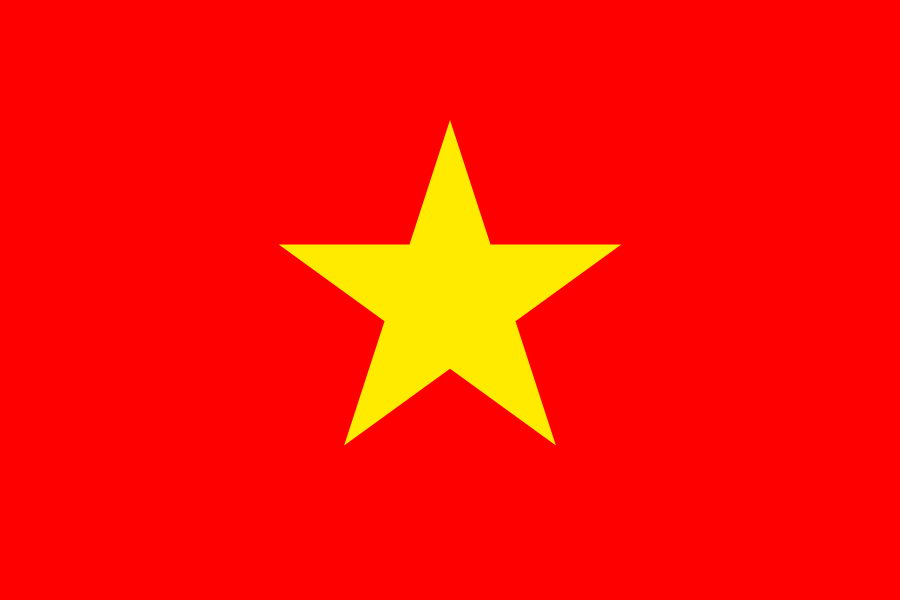
The 2027 Spring Festival shares a weekend with two other new year celebrations that Nepali families will recognise. Sonam Lhosar, celebrated by Tamang, Hyolmo and other Himalayan communities in Nepal, is a public holiday on Sunday 7 February 2027 (Magh 24, 2083) in the Government of Nepal's 2083 public holiday list published by the Ministry of Home Affairs. Tet, the Vietnamese Lunar New Year, falls on Saturday 6 February 2027, the same day as Chinese New Year. If you are planning a Southeast Asia or China trip from Kathmandu in early February 2027, expect festive crowds across the region that weekend, and if your family celebrates Sonam Lhosar you may prefer to travel after it. For readers who also mark Gyalpo Losar, the same Nepal list puts it on 9 March 2027.
What is the Spring Festival holiday, and how long is it?
The Spring Festival holiday is mainland China's official public holiday for Chinese New Year, and in 2027 it lasts nine consecutive days, from Friday 5 February (New Year's Eve) to Saturday 13 February (the eighth day of the first lunar month). The State Council General Office announced this on 5 November 2026 in its notice on the 2027 holiday arrangements (Guobanfa Mingdian 2026 No. 10). The notice states that offices and businesses work on Sunday 31 January and Sunday 14 February to make up the days.
Only four of those nine days are statutory holidays. Since 1 January 2025, after a revision announced by the State Council in November 2024, the Spring Festival statutory holiday has been four days and includes New Year's Eve. The rest of the long break is created by joining weekends and moving working days, a practice called "tiaoxiu" (adjusted rest). The result is a long holiday for workers but two six day working weeks around it.
| Date (2027) | Day | Status in mainland China |
|---|---|---|
| 31 January | Sunday | Working day (make-up day) |
| 1 to 4 February | Monday to Thursday | Normal working days; outbound travel rush building |
| 5 February | Friday, New Year's Eve | Holiday begins |
| 6 February | Saturday, Chinese New Year's Day | Holiday |
| 7 to 12 February | Sunday to Friday | Holiday |
| 13 February | Saturday | Last day of the holiday |
| 14 February | Sunday | Working day (make-up day) |
For comparison, the 2026 Spring Festival holiday also ran for nine days, from Sunday 15 February to Monday 23 February 2026, with Saturday 14 February and Saturday 28 February worked in exchange, according to the State Council's notice of 4 November 2025. Two years in a row of nine day breaks suggests this length is becoming the pattern, but each year's dates are only confirmed when the notice is published, usually in November of the year before.
Does the holiday end on day 8?
The official public holiday ends on day 8, but the festive season does not. Many families keep visiting relatives until the Lantern Festival on day 15, some family-run restaurants and small shops stay closed for longer than the official break, and the return rush on trains and flights continues for one to two weeks after work restarts. Students are still on winter break, so attractions stay busy at weekends. Treat the whole period from about two weeks before New Year's Eve until a few days after the Lantern Festival as "festival season" when you plan.
Are Hong Kong, Macau and Taiwan the same?
No. Hong Kong, Macau and Taiwan set their own holidays, and the mainland's nine day break does not apply there. Hong Kong's statutory holidays for Lunar New Year 2027 are 6, 8 and 9 February, according to the Hong Kong Labour Department; 9 February is added because the second day falls on a Sunday. Hong Kong also has its own immigration rules, separate from the mainland, so check entry requirements for your passport for each place you plan to visit.
Is Chinese New Year a good time to travel in China?
Chinese New Year is a good time to travel in China if you want to see the country's biggest festival and you plan carefully, and a poor time if you want quiet sights, easy train bookings and every restaurant open. The festival brings lanterns, temple fairs, lion dances and a mood you will not find at any other time of year. It also brings the year's heaviest domestic travel, family-run businesses closing for several days and crowded attractions on the middle days of the holiday. Our guide to the best time to visit China compares this window with spring and autumn, which suit most first-time visitors better.
| Reasons to go at Chinese New Year | Reasons to avoid it |
|---|---|
| Red lanterns, couplets and decorations everywhere | Domestic trains and flights are at their busiest of the year |
| Temple fairs, flower fairs, lion dances and lantern shows | Many small, family-run restaurants and shops close for days |
| Big cities can feel calmer on the eve and first day as people travel home | Popular attractions fill up on days 2 to 7 and may sell out |
| Harbin's ice season and northern winter scenery | Northern China is cold in February; southern China is cool and often damp |
| A chance to see family traditions few visitors witness | Visa offices, banks and some services keep holiday hours |
Which days are best and worst for visitors?
The best days to be in a Chinese city are usually New Year's Eve evening and New Year's Day, when the streets are decorated and much of the population is at home, and the period after the Lantern Festival, when crowds and travel ease. The worst days to move between cities are the two weeks before New Year's Eve, when people head home, and the days after the holiday ends, when they return. In 2026 the single busiest day of the whole rush was the sixth day of the new year, with 380 million inter-regional trips, according to the National Development and Reform Commission (NDRC).
| Period (2027 dates) | What it is like for travellers | Verdict |
|---|---|---|
| About 2 weeks before New Year's Eve (late January to 4 February) | Outbound rush from big cities to hometowns; trains and flights out of major cities fill fast | Avoid long-distance travel if you can |
| New Year's Eve and Day 1 (5 to 6 February) | Families at home; quieter streets; some attractions closed on the eve; many small eateries shut | Good for atmosphere, plan meals ahead |
| Days 2 to 7 (7 to 12 February) | Temple fairs and outings; parks and famous sights very busy; hotels in tourist cities in demand | Fun but crowded, book everything |
| Day 8 and the following week (13 to about 20 February) | Return travel peak; trains and flights back to big cities fill up | Avoid long-distance travel if you can |
| Lantern Festival (20 February) | Lantern shows and evening crowds in many cities | Worth seeing, expect crowds |
| Late February to March | Rush eases; Chunyun in 2026 ended on day 25 of the first month | Calmer, good value of time |
Who does a Chinese New Year trip suit?
A Spring Festival trip suits curious travellers who enjoy festivals and do not mind planning ahead. Couples and solo travellers often enjoy the lantern evenings and temple fairs most. Families with children can have a lot of fun at temple fairs and lantern shows, but should base themselves in one or two cities rather than moving every few days, and allow for cold weather in the north. If you are travelling with older parents, read our tips on travelling abroad with elderly parents, because long queues, cold evenings and crowded stations are harder for them. Budget travellers should know that demand is at its highest, which affects what is available more than anything else.
For Nepali travellers, early February also sits in the quieter part of the Nepali year, well after Dashain and Tihar. Kathmandu has nonstop flights to several Chinese gateways, including Chengdu, Kunming and Guangzhou, though schedules change by season, so check current routes with the airlines. Flights to China around Chinese New Year are in high demand from many countries, so decide early. Check the current entry rules for your passport on our China visa page and start well before the holiday, because offices observe holiday closures.
What is Chunyun, and how does it affect travel?
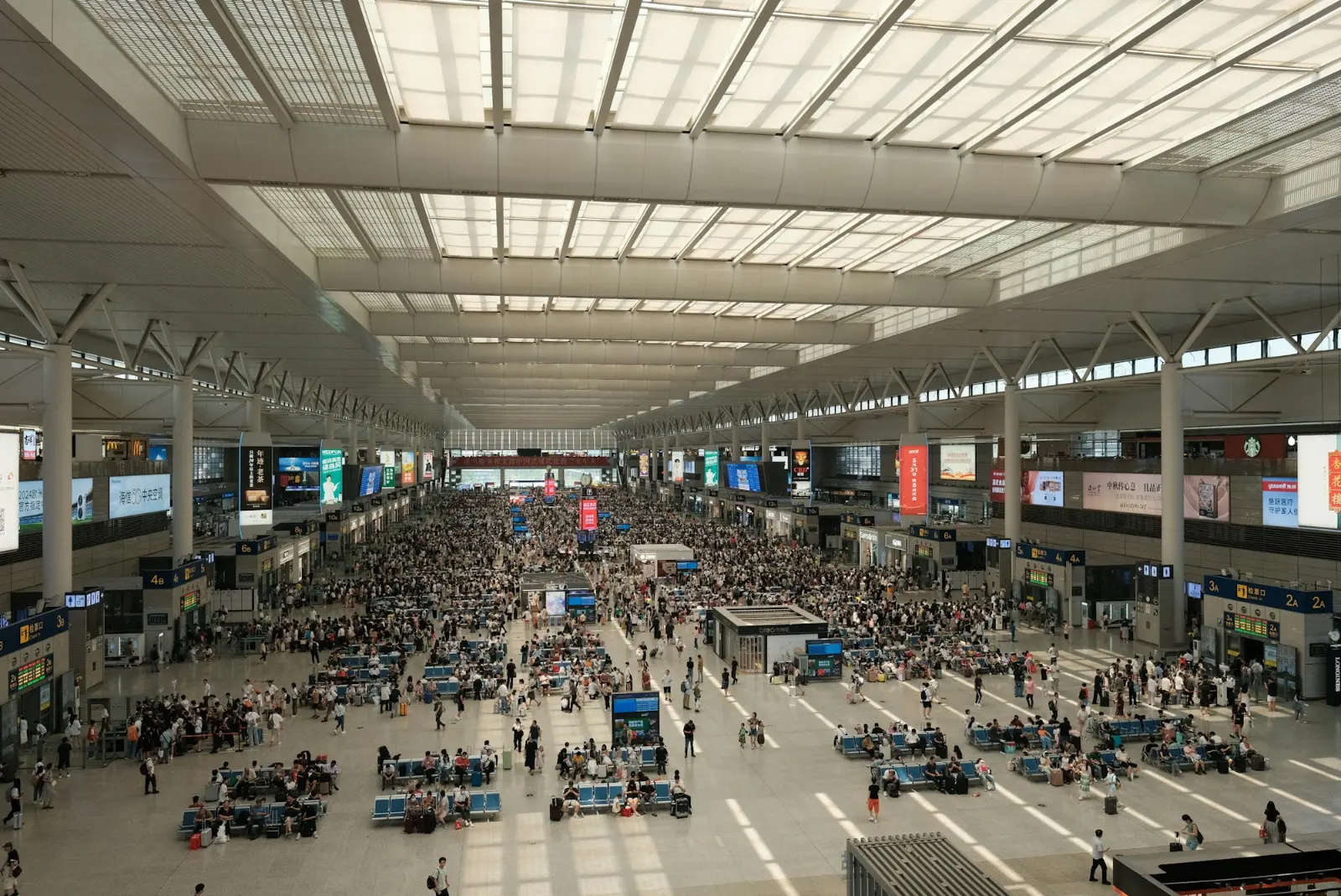
Chunyun is the Spring Festival travel rush, the roughly 40 day period around Chinese New Year when hundreds of millions of people travel home and back again, and it is the main reason why moving around China at this time needs planning. In 2026 Chunyun ran from 2 February to 13 March, 40 days in total, and China's Ministry of Transport reported a record 9.41 billion inter-regional passenger trips, up 4.3% on 2025 (reported by Xinhua via the Henan provincial government, 16 March 2026).
Most of those trips are by road. The NDRC said private car trips made up about 80% of the total in 2026, which is why highways near big cities jam on the busiest days. For visitors, though, the pressure point is the railway: trains are what you are most likely to use, and they sell out first on popular routes.
| Mode of travel | Chunyun 2026 total | Change on 2025 |
|---|---|---|
| All inter-regional trips | 9.41 billion | Up 4.3% |
| Road (all road travel) | About 8.74 billion | Up 4.2% |
| Railway | 540 million | Up 4.8% |
| Civil aviation | 94.39 million | Up 4.6% |
| Waterways | 35.97 million | Up 15.3% |
Figures from the Ministry of Transport as reported on 16 March 2026. Daily averages tell the same story: the NDRC reported an average of 13.45 million rail passengers and 2.36 million air passengers a day during the 2026 rush, both above previous records for the same period. On the very first day of Chunyun 2026 alone, China's railways handled about 12.24 million passenger trips, and the 12306 system had sold 84.49 million tickets for the rush by the next morning (China State Railway Group via english.gov.cn, 3 February 2026).
When will Chunyun 2027 start?
The official Chunyun 2027 dates had not been announced when we checked in November 2026; they are normally published in the weeks before the rush begins. As a pattern, Chunyun 2026 started on 2 February, 15 days before Chinese New Year's Day, and lasted 40 days. If 2027 follows the same shape, the rush would begin in late January 2027 and run into mid-March, but treat that as a planning assumption and check the announcement from the Ministry of Transport or China Railway before you fix travel dates.
What fills up first during the travel rush?
Long-distance trains and flights in the direction of the crowd fill up first: out of the big coastal and capital cities before New Year's Eve, and back into them after the holiday. Travelling against the flow (for example, into Beijing or Shanghai just before the eve, or out of them just after the holiday ends) is usually easier. Here is what to expect, based on how the rush works rather than fixed rules.
| Service | Pressure during Chunyun | What to do |
|---|---|---|
| High-speed trains on major routes | Very high on peak days, especially in the direction of travel home and back | Book the moment sales open; be flexible on times |
| Domestic flights | High around the start and end of the holiday | Book early; allow extra time at airports |
| Hotels in popular holiday destinations such as Harbin | High during the holiday week | Reserve with free cancellation where possible |
| Hotels in big business cities | Often easier during the holiday itself | Good bases for the eve and first days |
| Metro and city buses | Busy around railway stations at peak times | Leave extra time to reach stations |
| Highways and taxis to stations | Jams on peak days | Use the metro to stations when you can |
How do train tickets work for foreigners at Chinese New Year?
Foreigners can buy train tickets on China Railway's official 12306 website and app with a passport, and under normal rules tickets go on sale up to 15 days before departure, until shortly before the train leaves. The rule is the same during the Spring Festival; what changes is how fast seats go. According to the MTR's guide to buying through 12306, the English platform accepts foreign passports recognised by the Chinese government, you must activate an account and pass identity verification before buying, and each passenger must also pass real-name verification. The same MTR guide notes that the 12306 English platform asks for a mainland Chinese mobile number that can receive SMS, so check this requirement early if you do not have a Chinese SIM.
- Register early. Create your 12306 account and add every traveller's passport well before your sale date, so verification is complete when tickets are released.
- Work out your sale date. Count about 15 days back from your travel date and check the exact release time in the app, because popular trains can sell out within minutes at Chinese New Year.
- Look for a waitlist. When a train is sold out, 12306 may offer a waiting list (houbu) option for that booking; if it is available to you, it is worth joining on busy routes.
- Keep options open. Consider a different station in the same city, a slower train, or travelling a day earlier or later.
- Carry the same passport. Your passport is your ticket at the gate, so the number on the booking must match.
Our China high-speed rail guide explains train classes, stations and boarding in more detail.
What is open and what is closed during Spring Festival?
Most big attractions, hotels, malls, chain restaurants and public transport stay open during the Spring Festival, while many small family-run restaurants, local shops, offices and some services close for several days, especially on New Year's Eve and the first days of the new year. Nothing in China shuts completely, but the mix of what is open shifts. Here is a practical guide; opening times change every year, so check the official channel of each place shortly before you go.
| Type of place | Usual situation at Spring Festival | Tip |
|---|---|---|
| Major attractions and parks | Mostly open through the holiday; some close on New Year's Eve | Book timed tickets as soon as they open; arrive early |
| Museums | Many open with holiday schedules; some close on the eve or the first day | Check reservation rules; popular museums need real-name booking |
| Temple fairs and festival markets | Open, this is their season | Go on weekday mornings for smaller crowds |
| Hotels | Open | Confirm the hotel accepts foreign guests |
| Malls, supermarkets, chain restaurants | Generally open, sometimes with shorter hours on the eve | Reliable places for meals on days 1 to 3 |
| Small family-run restaurants and shops | Many close for several days, some for a week or more | Do not rely on a favourite local spot being open |
| Metro, buses, intercity trains | Running; some cities adjust hours | Check last train times on the eve |
| Banks, government offices, visa services | Follow the official holiday; limited or no service | Finish paperwork before the holiday |
| Couriers and deliveries | Slower; fewer workers | Do not plan to receive parcels during the holiday |
Two dated examples show how this works. In 2024, the Beijing Municipal Government listed museum schedules for the holiday: the Palace Museum (the Forbidden City) and the National Museum of China were closed all day on New Year's Eve and reopened for the holiday days, and popular museums required real-name reservations (Beijing government, February 2024). In 2026, Beijing Subway extended service hours on lines serving the main railway stations during the return travel peak (Beijing government, February 2026). Each attraction publishes its own Spring Festival schedule shortly before the holiday.
Can you still pay and get around easily?
Yes. Mobile payments keep working through the holiday, and they are often the easiest way to pay at temple fair stalls and festival markets. If you have not used China's payment apps before, set them up at home using our guide to paying in China with Alipay and WeChat Pay, and carry a little cash in small notes as a backup. Ride-hailing apps work, but demand is high around stations and on New Year's Eve night, so leave extra time.
What should you eat when local restaurants close?
Hotel restaurants, chain restaurants in malls, and food courts are the safe options on New Year's Eve and the first days. Restaurants that open on the eve often serve set reunion dinner menus that local families book well ahead, so if you want to eat out that night, reserve early. Vegetarian travellers should carry a note in Chinese, as menus at this time are rich in meat and fish dishes chosen for their lucky meanings.
Which Chinese New Year celebrations can visitors see?
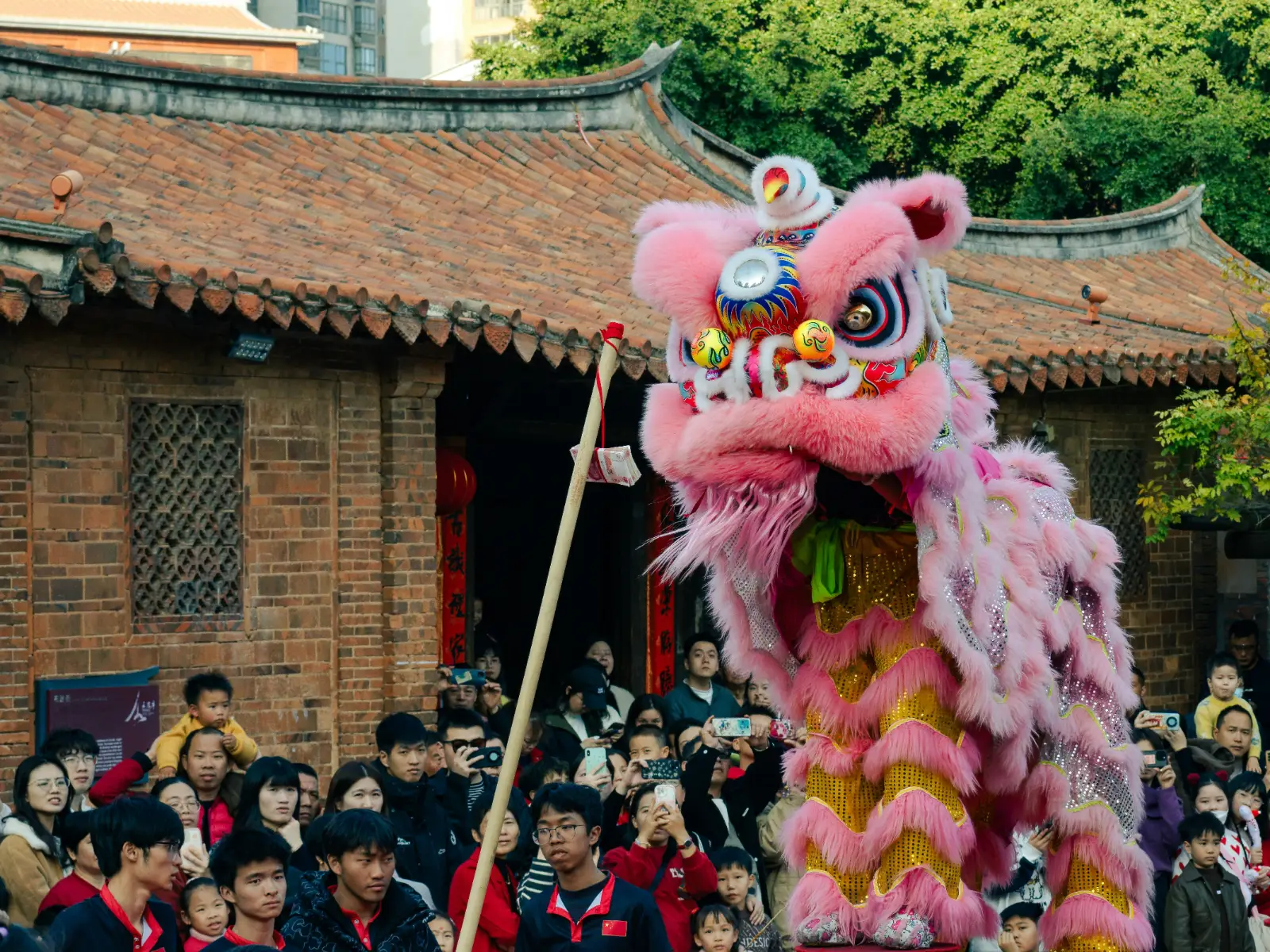
Visitors can see temple fairs, lion and dragon dances, flower fairs, lantern shows and, in the north, ice and snow festivals, most of them in public spaces and open to anyone. Private family celebrations happen at home, so the public side of the festival is where travellers join in. The list below covers the main celebrations and where to find them, with dated examples from the 2026 festival so you know what to look for in 2027.
| Celebration | When | Where to see it |
|---|---|---|
| Temple fairs (miaohui) | Holiday week, roughly days 1 to 7 | Beijing parks such as Ditan and Longtan, Changdian on Liulichang Street; temple fairs in many cities |
| Flower fairs | The days before New Year's Eve, ending in the early hours of New Year's Day | Guangzhou, especially Xihu Road in Yuexiu District |
| Lion and dragon dances | Through the festival, especially days 1 to 15 | Temple fairs, old towns, shopping streets, southern China and Fujian |
| Ice and snow festival | Winter season, overlapping the New Year | Harbin, Heilongjiang |
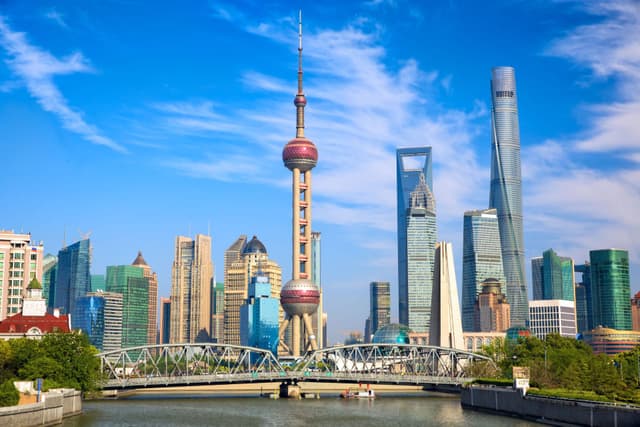
| Lantern shows | Late in the festival, peaking at the Lantern Festival (20 February 2027) | Shanghai's Yu Garden area and lantern events in many cities |
| Spring Festival Gala | New Year's Eve evening | On television in homes, restaurants and hotels across China |
| Fireworks | New Year's Eve and the first days | Official displays and permitted areas only; restricted in many big cities |
What are Beijing's temple fairs like?
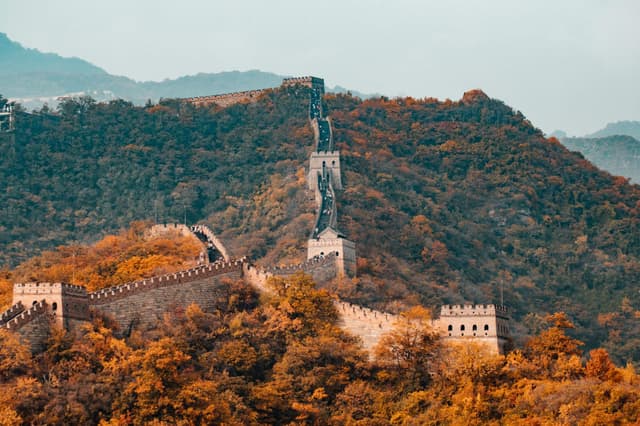
Beijing's temple fairs are large holiday markets with folk performances, snacks, games and crafts, held in parks and historic streets during the Spring Festival week. For 2026 the Beijing Municipal Government listed the Ditan Spring Festival Cultural Temple Fair in Ditan Park, the Longtan Park temple fair and the Changdian Temple Fair on Liulichang East and West Streets, all from 17 to 23 February 2026, which was day 1 to day 7 of the new year. The same list included the Dadu Temple Fair at the China National Convention Center and holiday events at the Yuanmingyuan Ruins Park and Badaling Great Wall. The 2027 programme will be announced closer to the date, but the pattern of fairs running through the holiday week is long-standing.
Beijing is a rewarding Chinese New Year city if you dress for the cold. Combine a temple fair with sights that are easier on the eve and first day, and see our list of things to do in Beijing for ideas on hutongs, the Great Wall and the Temple of Heaven.
What is the Guangzhou flower fair?
Guangzhou's Spring Festival flower fairs are open-air markets selling peach blossom, kumquat trees, orchids and other lucky plants, and walking through one before New Year's Eve is a Cantonese tradition. For 2026, Guangdong media reported that the Xihu flower fair on Xihu Road and Jiaoyu Road in Yuexiu District ran from 13 February at 8:30am to 2am on 17 February, New Year's Day, with other fairs in Liwan, Tianhe and Haizhu districts (newsgd.com, December 2025). In 2027 you can expect the fairs in the days just before New Year's Eve, closing in the early hours of 6 February, but check the official dates when they are announced.
Can you combine Chinese New Year with the Harbin Ice Festival?

Yes, the Harbin ice and snow season usually overlaps Chinese New Year, which makes Harbin one of the most popular holiday destinations in China. Harbin Ice and Snow World is a winter attraction that depends on the cold: in 2026 it closed on Saturday 21 February, after rising temperatures began to melt its ice and snow, according to Xinhua, reported by People's Daily Online. The 2026 to 2027 season dates had not been officially confirmed when we checked in November 2026, so check the park's announcements before you plan around it. Expect very low temperatures, crowds during the holiday week and high demand for Harbin hotels. Pack properly; our packing and baggage guide from Kathmandu covers what fits in your allowance.
What is the Lantern Festival?
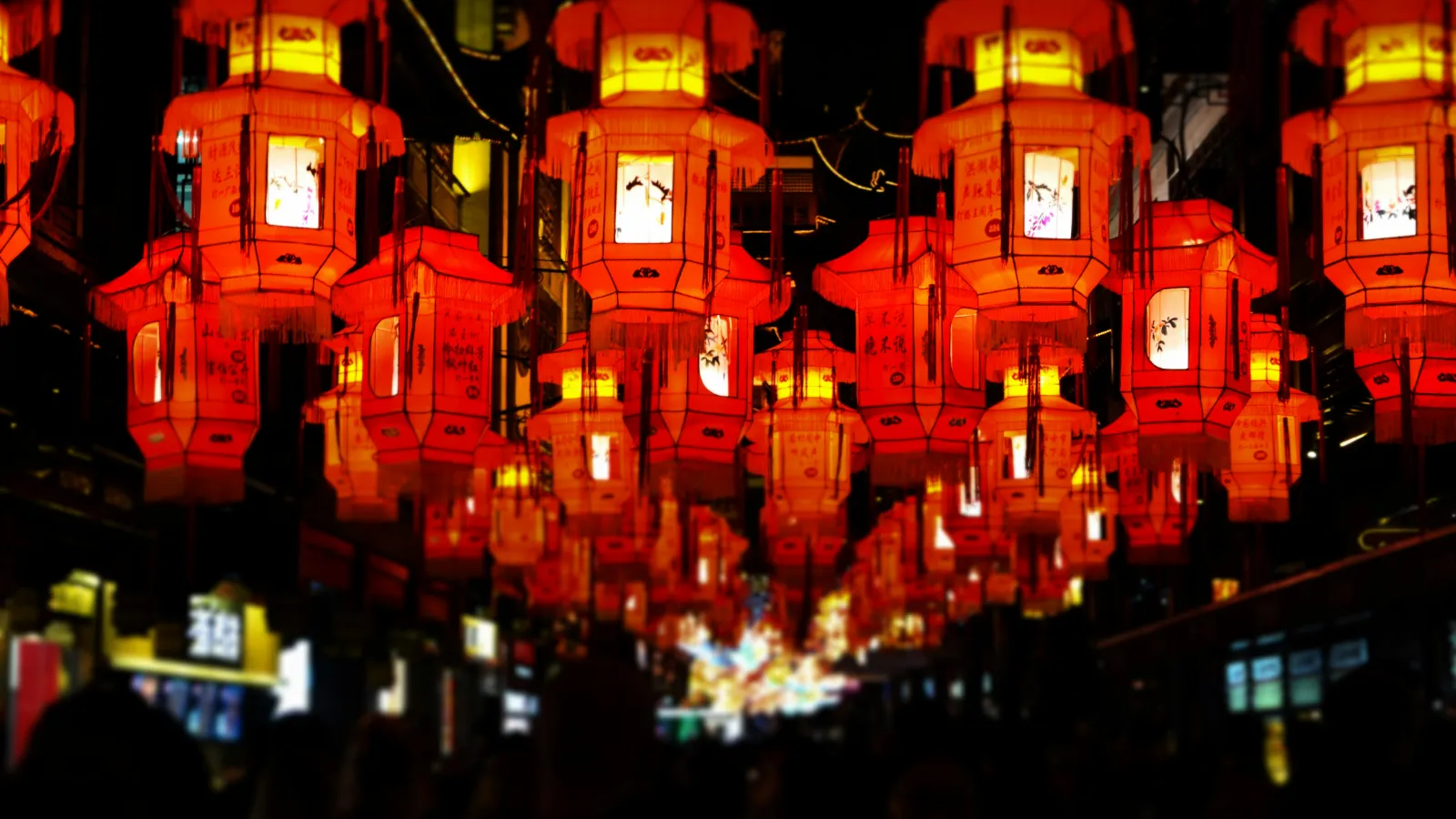
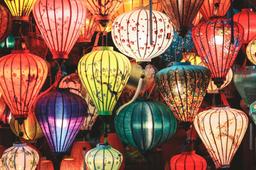
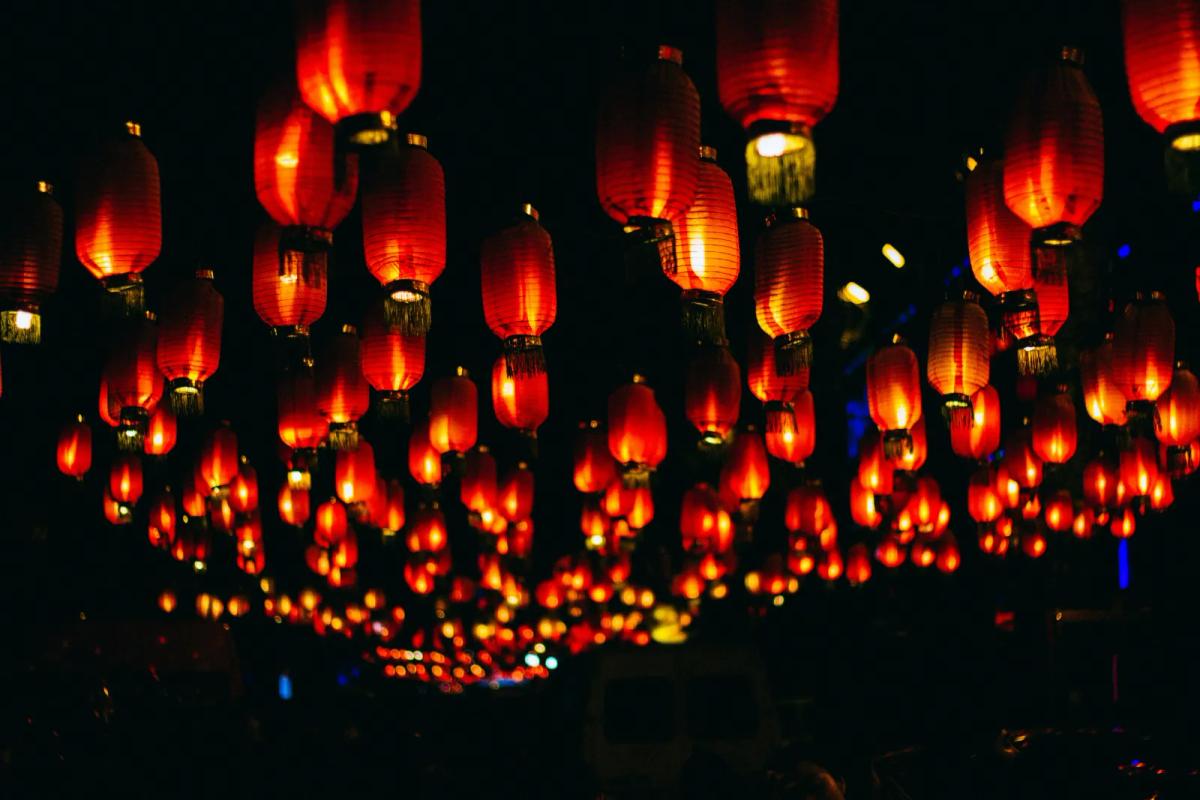
The Lantern Festival (Yuanxiao Jie) is the 15th day of the first lunar month and the traditional end of the New Year season, falling on Saturday 20 February 2027. Families eat sweet glutinous rice balls called tangyuan or yuanxiao, and towns put up lantern displays, often with riddles written on the lanterns for visitors to guess. It is not a public holiday in mainland China, so in 2027 it lands on a normal weekend after people are back at work. Lantern shows in places like the Yu Garden area of Shanghai draw big evening crowds, so go early in the evening or on a weekday before the festival night.
Where can you see lion and dragon dances?
Lion and dragon dances appear at temple fairs, in old towns, outside shops on reopening days and at festival events in cities across China, and they are especially lively in the south and in Fujian. The lion dance shown above was photographed in the old Wudianshi blocks in Jinjiang, part of Quanzhou, a historic port city in Fujian. Performances are usually free to watch in public spaces; give performers room, keep children back from the drums, and do not touch the costumes.
What is the Spring Festival Gala?
The Spring Festival Gala is the long variety show broadcast on New Year's Eve by China's state broadcaster (CCTV, part of China Media Group). Many families watch it together after the reunion dinner, and you will see it playing in restaurants and hotel lobbies. Even without Mandarin it is a window into what the country is watching and laughing at that night.
Can you watch fireworks in Chinese cities?
Fireworks are part of the tradition, but many big Chinese cities restrict or ban private fireworks for safety and air quality, so do not expect to set them off yourself. Beijing banned fireworks throughout the city from January 2022, allowing only displays approved by the authorities (Beijing government, December 2021). Rules differ from city to city and can change each year, so follow local notices and watch official displays where they are held.
Is Hong Kong a good alternative?
Hong Kong celebrates Lunar New Year in its own way, with its own public holidays (6, 8 and 9 February 2027), and it is a separate destination with separate immigration rules from mainland China. If you are combining Hong Kong with the mainland, plan each part's entry requirements separately and remember that the mainland holiday calendar does not apply there.
What customs should visitors know at Chinese New Year?
The customs visitors should know are simple: greet people with a New Year wish, accept food and gifts graciously, avoid unlucky gifts and words, respect family time, and follow local rules on fireworks. Chinese New Year is about family, luck and a fresh start, and most customs follow from those ideas. If you are invited into a home, you are being shown real warmth, and a little preparation goes a long way. Our wider guide to dos and don'ts in China covers everyday etiquette.
What happens at the reunion dinner?
The reunion dinner on New Year's Eve is the most important meal of the year, when family members travel long distances to eat together. Dishes are chosen for lucky meanings: fish for abundance, and in northern China dumplings (jiaozi), which are often made together and eaten around midnight. In southern China, rice cake (niangao) is popular. If you are a guest, try a little of everything, let the hosts serve you, and stay for the toasts. For more on regional dishes, see our guide to what to eat in China.
How do red envelopes work?
Red envelopes (hongbao) contain money and are given mainly by married adults to children and unmarried younger relatives, and by some employers to staff. Even amounts are preferred and the number four is avoided because it sounds like the word for death. Visitors are not expected to give them, but if you are staying with a family with children, a small red envelope is a kind gesture. Give and receive it with both hands, and do not open it in front of the giver. Many people now also send digital red envelopes through payment apps.
Which customs and taboos are worth knowing?
- Say a New Year greeting. "Xinnian kuaile" (Happy New Year) or "Gongxi facai" (wishing you prosperity) is always welcome.
- Wear something red if you like. Red is the colour of luck and protection; the legend of the Nian beast says it feared red and loud noise.
- Notice the upside down "fu". The character for good fortune is often hung upside down because "upside down" sounds like "arrives" in Mandarin, so fortune has arrived. It is not a mistake.
- Do not sweep on the first day. Homes are cleaned thoroughly before New Year, and brooms are put away on the first day so good luck is not swept out.
- Avoid unlucky gifts. Clocks and watches suggest time running out; sets of four and sharp objects are also best avoided. Fruit, sweets, tea or a small gift from home, such as Nepali tea, are safe choices.
- Use both hands. Give and receive gifts, envelopes and cards with both hands.
- Keep the mood positive. Avoid talk of death, illness or bad luck during the festival, and avoid breaking things (if you do, people may say "sui sui ping an", wishing peace year after year).
- Respect family time. Do not expect guides, drivers or friends to be free on New Year's Eve; book services in advance and tip only where it is normal.
- Follow fireworks rules. Only set off fireworks where the local rules allow it, and never buy them from unlicensed sellers.
Are there parallels with Nepali festivals?
Nepali visitors often find the Spring Festival familiar. Like Dashain, it is the time of year when families gather from far away, elders bless the young, and children receive money in a token of good fortune, much as dakshina is given with tika. Like Tihar, homes are cleaned and decorated and lights fill the streets. The details differ, but the spirit of reunion is easy to recognise, and many Chinese hosts enjoy hearing how New Year is celebrated in Nepal, including Lhosar.
How should you plan a China trip around Chinese New Year?
Plan a China trip around Chinese New Year by deciding first whether you want to be in China for the festival or to avoid it, then fixing your long-distance travel outside the two peak rush periods, and booking trains, hotels and timed tickets as early as each system allows. A simple plan works best: pick one or two bases, travel between them against the flow of the crowds, and keep the busiest holiday days for local sightseeing.
| When (before departure) | What to do |
|---|---|
| As soon as you decide | Check the visa rules for your passport and allow time for holiday closures |
| Two to three months ahead | Book international flights and hotels in festival cities such as Harbin, with flexible cancellation if possible |
| Four to six weeks ahead | Set up Alipay or WeChat Pay, register on 12306 and add every traveller's passport |
| About 15 days before each train | Buy train tickets the moment sales open; join the waitlist if sold out |
| A week or so ahead | Book timed tickets for big attractions and museums as their booking windows open |
| Before New Year's Eve | Reserve a restaurant for the eve, stock up on snacks and check transport hours |
- Choose your goal. To experience the festival, be in a city such as Beijing, Guangzhou, Shanghai or Harbin from the eve to day 3. To avoid it, travel from late February or March onwards.
- Do not change cities on peak days. Avoid long train or flight journeys in the two weeks before the eve and the week after the holiday ends.
- Pack for winter. Northern China is cold in February, and Harbin is very cold; southern China is milder but can be damp.
- Get insurance. Delays are more likely at busy times; read our guide on whether travel insurance is worth it.
- Build in slack. Leave a buffer day before your flight home, especially if you depart in the return rush.
If you would rather have transport, hotels and attraction bookings arranged around the festival dates, see our China tour packages.
Frequently asked questions
When is Chinese New Year in 2027?
Chinese New Year in 2027 is on Saturday 6 February 2027, the start of the Year of the Goat, according to the Hong Kong Observatory lunar calendar. New Year's Eve is Friday 5 February, and mainland China's official Spring Festival holiday runs from 5 to 13 February 2027. The Lantern Festival follows on 20 February.
How long is the Chinese New Year holiday?
The 2027 Spring Festival holiday in mainland China lasts nine days, from Friday 5 February to Saturday 13 February, with Sundays 31 January and 14 February worked in exchange. It was announced by the State Council General Office on 5 November 2026. Only four days are statutory; the rest come from adjusted working days.
Is China crowded during Chinese New Year?
Yes. Transport is at its busiest during Chunyun, the Spring Festival travel rush, which saw a record 9.41 billion inter-regional trips in 2026. Big cities can feel quieter on the eve and first day, but trains, flights and popular attractions are very busy before the holiday, on days 2 to 7, and during the return rush.
Are attractions open during Spring Festival?
Most major attractions in China stay open during the Spring Festival, although some close on New Year's Eve. In 2024, for example, the Palace Museum in Beijing closed on the eve and reopened for the holiday. Many small family-run shops and restaurants close for several days. Check each site's holiday schedule and book timed tickets early.
What is the Lantern Festival?
The Lantern Festival is the 15th day of the first lunar month and the end of the Chinese New Year season. In 2027 it falls on Saturday 20 February. People eat sweet rice balls called tangyuan or yuanxiao and visit lantern displays, often with riddles. It is not a public holiday in mainland China.
Should I avoid travelling during Chunyun?
Avoid long-distance travel in China on the peak days of Chunyun if you can: roughly the two weeks before New Year's Eve and the week or so after the holiday ends. Staying in one or two cities, or travelling against the flow of the crowds, makes a Chinese New Year trip much easier. Check the official Chunyun 2027 dates when announced.
Are trains sold out at Chinese New Year?
Popular trains in China often sell out quickly at Chinese New Year, especially on routes from big cities to hometowns before the eve and back after the holiday. Tickets on China Railway's 12306 go on sale up to 15 days ahead, so register your passport early, buy the moment sales open and use the waitlist if needed.
What do people do during Spring Festival?
During the Spring Festival, families in China clean their homes, put up red couplets and lanterns, gather for the reunion dinner on New Year's Eve, watch the Spring Festival Gala, give red envelopes to children and visit relatives. Many also go to temple fairs, flower fairs and lantern shows, and some watch official fireworks displays.
Is it good to visit Beijing at Chinese New Year?
Beijing is a good Chinese New Year city if you dress for the cold and book ahead. Temple fairs in Ditan Park, Longtan Park and Liulichang Street run through the holiday week, and the city is decorated everywhere. Some museums close on New Year's Eve and private fireworks are banned throughout Beijing, so plan around both.
Is the Chinese New Year the same day as Sonam Lhosar in Nepal?
Not exactly in 2027, but they share the same weekend. Chinese New Year is Saturday 6 February 2027, while Sonam Lhosar is a public holiday in Nepal on Sunday 7 February 2027, according to the Ministry of Home Affairs 2083 holiday list. Vietnam's Tet is also on 6 February 2027.
Chinese New Year kahile ho?
Chinese New Year 2027 is on Saturday 6 February 2027 (Magh 23, 2083 in the Nepali calendar). In China the official Spring Festival holiday runs from 5 to 13 February 2027. For Nepali travellers, it is the same weekend as Sonam Lhosar, a public holiday in Nepal on 7 February 2027.