































































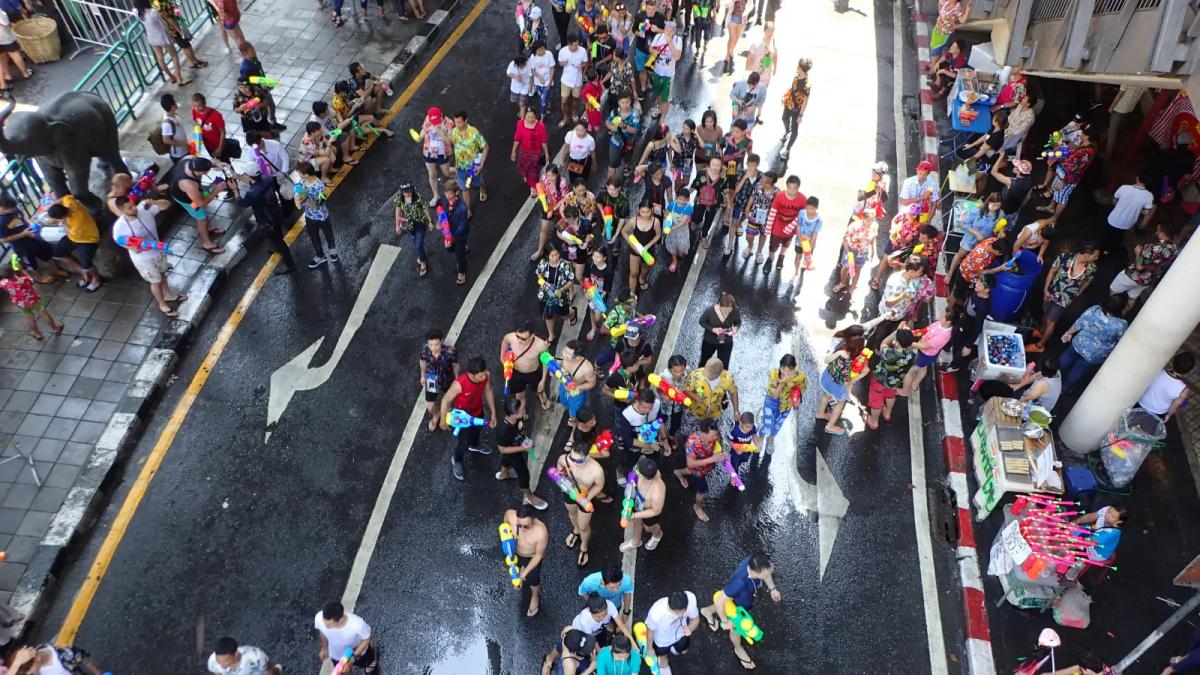
Short answer: If you are asking when is Songkran in Thailand, the official holiday is 13 to 15 April every year. In 2027 that means Tuesday 13 April to Thursday 15 April, confirmed for banks by the Bank of Thailand's 2027 holiday announcement in the Royal Gazette. Big water fights run around those three days in Bangkok, Chiang Mai and Phuket, while Pattaya and the rest of Chon Buri province kept celebrating until 19 to 20 April in 2026.
Songkran is the Thai New Year, a family and temple festival that is also famous for nationwide street water fights. It falls in the hottest weeks of the Thai year, which is why a bucket of cold water feels like a gift rather than an attack. For travellers from Nepal it lands almost on top of our own New Year, Baisakh 1, so April is one of the busiest times of the year on flights from Kathmandu to Bangkok.
This guide covers the 2027 dates and where they come from, what Songkran actually means, which city suits which kind of traveller, the traditions you will see, the rules police enforced in 2026, road safety, the April weather, what to pack, and how families and Nepali travellers can plan around it. Every date and figure below carries its source and the day we checked it.
Checked: 20 Nov 2026, Bank of Thailand Announcement No. 37/2569 (via Thairath and The Nation), UNESCO, Tourism Authority of Thailand.
| Songkran 2027 at a glance | Details |
|---|---|
| Official Songkran holiday | Tuesday 13 April to Thursday 15 April 2027 |
| Main day (Songkran Day) | Tuesday 13 April 2027, also Thailand's National Day for Older Persons |
| Who confirmed it | Bank of Thailand Announcement No. 37/2569, published in the Royal Gazette on 25 August 2026 (bank holidays) |
| Government office holiday list for 2027 | Songkran is fixed at 13 to 15 April by custom; no extra Songkran days had been announced by the Cabinet when we checked |
| Weekends either side | Saturday 10 and Sunday 11 April; Saturday 17 and Sunday 18 April 2027 |
| Longest local celebrations | Pattaya and Naklua "Wan Lai", held on 18 and 19 April in recent years |
| UNESCO status | Inscribed on the Representative List of the Intangible Cultural Heritage of Humanity in December 2023 |
| Nepali New Year 2084 BS | Wednesday 14 April 2027 (Baisakh 1), the day after the 2083 BS year ends |
What is Songkran in Thailand?
Songkran is the traditional Thai New Year, celebrated nationwide in mid April. It began as a solar new year, which UNESCO describes as marking the sun's annual passing into Aries, the first sign of the zodiac, and today it is a three day national holiday built around family reunions, respect for elders, merit making at temples and, most famously, pouring and splashing water to wash away the old year's bad luck.
The word itself comes from Sanskrit and means to "enter" or "pass into", in the sense of the sun stepping into a new sign of the zodiac. Nepali readers will recognise the root at once: it is the same idea as sankranti, and Baisakh 1 in Nepal is Mesh Sankranti for the same astronomical reason. That shared origin is why several new year festivals in South and Southeast Asia cluster in mid April. Descriptions of the astronomy differ: a TAT article phrases it as the sun leaving Aries and entering Taurus, while UNESCO's file says the sun passes into Aries. We follow the UNESCO wording, which matches the Mesh (Aries) reckoning behind Baisakh 1.
UNESCO added "Songkran in Thailand, traditional Thai New Year festival" to its Representative List of the Intangible Cultural Heritage of Humanity at the 18th session of its Intergovernmental Committee in Kasane, Botswana, with the decision announced on 6 December 2023. The UNESCO file describes water pouring as a significant act "symbolizing cleansing, reverence and good fortune", and it stresses the festival's role in honouring older people and bringing families together. The Tourism Authority of Thailand's own announcement of the inscription repeats that official three day holiday from 13 to 15 April, with celebrations that can last up to a week in some areas.
The three days of Songkran
The Tourism Authority of Thailand (TAT) describes each of the three days as having its own purpose. In practice, water play happens on all three, and family rituals shift to whichever day relatives can gather.
| Date | Name used by TAT | What families traditionally do |
|---|---|---|
| 13 April | Songkran Day | Clean homes, temples and schools to clear out last year's bad luck; pour scented water over Buddha images (Song Nam Phra). Also the National Day for Older Persons |
| 14 April | Wan Nao | Prepare food and offerings for monks; pay respect to elders (Rot Nam Dam Hua); build sand chedis at the temple |
| 15 April | Wan Payawan | Visit temples to offer food and robes to monks; rituals for good luck in the new year |
Source: TAT, Thailand's Songkran Festival: its origins, history and modern day observance. The Thai government's public relations department notes that 13 April was designated the National Day for Older Persons on 14 December 1982, "to underline the significance of older persons and to show gratitude and respect to them" (PRD, 12 April 2026).
If you only remember one thing: the water fights are the modern, public face of Songkran, but the heart of it is still going home, cleaning up, and asking your elders for their blessing. Visitors who see both sides get far more out of the festival than those who only see Silom Road with a water gun. Our complete Thailand travel guide gives the wider picture of the country if this is your first trip.
When is Songkran in Thailand in 2027?
Songkran 2027 is Tuesday 13 April to Thursday 15 April 2027. The Bank of Thailand's announcement of 2027 holidays for financial institutions, signed on 17 August 2026 and published in the Royal Gazette on 25 August 2026, lists all three days as bank holidays, and Thai news holiday calendars for 2027 list the same three days.
Because the three days fall in the middle of the week, there is no automatic long weekend in 2027. The Bangkok Biznews 2027 holiday calendar (published 14 November 2026) suggests taking leave on Monday 12 April and Friday 16 April to bridge to the weekends, which is exactly what many Thais will do. That means the real travel rush is likely to start around Friday 9 or Saturday 10 April and run until Sunday 18 April.
Checked: 20 Nov 2026, Bank of Thailand Announcement No. 37/2569 as reported by The Nation (28 Aug 2026) and Thairath (26 Aug 2026); Bangkok Biznews 2027 calendar (14 Nov 2026).
| Date in April 2027 | Day | Status | What to expect |
|---|---|---|---|
| 6 April | Tuesday | Chakri Memorial Day, public and bank holiday | A one day holiday a week before Songkran |
| 10 and 11 April | Saturday, Sunday | Weekend | Outbound traffic from Bangkok starts to build; events may open early |
| 12 April | Monday | Working day (popular leave day) | Many Thais take leave to stretch the break |
| 13 April | Tuesday | Songkran holiday | Main water fights and temple visits nationwide |
| 14 April | Wednesday | Songkran holiday | Water play continues; Nepali New Year 2084 BS |
| 15 April | Thursday | Songkran holiday | Last official day; big city events usually end |
| 16 April | Friday | Working day (popular leave day) | Return travel to Bangkok begins |
| 17 to 19 April | Saturday to Monday | Weekend, then working day | Chon Buri and Pattaya celebrations have run to about 19 April in recent years |
Could Thailand add extra Songkran holidays?
Yes, it is possible, and it is announced year by year. The Thai Cabinet sometimes declares special holidays to create long weekends, and the Bank of Thailand then issues a matching notice for banks, as it did on 17 November 2026 for a special holiday on 16 December 2026. When we checked on 20 Nov 2026, no extra Songkran days had been announced for 2027. If you are booking non refundable flights, plan on 13 to 15 April and treat any extra day as a bonus.
What were the Songkran 2026 dates in Thailand?
Songkran 2026 ran from Monday 13 April to Wednesday 15 April 2026, which gave Thais a long weekend from Saturday 11 April. Many events opened earlier and closed later. The 2026 programme is the best guide to how 2027 is likely to look: TAT published its 2026 event list only on 26 March 2026, so the 2027 list is unlikely before early 2027.
Event dates below are from TAT's Songkran 2026 announcement (26 March 2026) and city reports. These are the 2026 programmes, shown as a guide only; 2027 event dates are not yet published. Checked: 20 Nov 2026.
| Songkran 2026 event | Place | 2026 dates |
|---|---|---|
| Maha Songkran World Water Festival | Benjakitti Park, Bangkok | 11 to 15 April |
| Silom Road water celebrations | Silom, Bangkok | 12 to 14 April |
| Siam Square Songkran Festival | Siam, Bangkok | 12 to 15 April |
| Chiang Mai Water Festival | Wat Chedi Luang, Chiang Mai | 11 to 13 April |
| Phuket Water Festival | Baan Mai Khao and Patong Beach | 11 to 13 April, plus a Dibuk Road event on 13 April |
| Pattaya Songkran Summer Festival | Central Pattaya Beach | 17 to 19 April |
| Wan Lai tradition | Across Chon Buri province | 5 to 20 April |
| Elephant Splashing Songkran Festival | Ayutthaya | 13 to 15 April |
| Khon Kaen Water Festival | Khon Kaen | 13 to 15 April |
| Udon Songkran Festival | Udon Thani | 13 to 16 April |
| Songkran Festival | Koh Samui, Surat Thani | 12 to 15 April |
| Maha Songkran | Sukhothai | 6 to 19 April |
Where is the best place to celebrate Songkran?
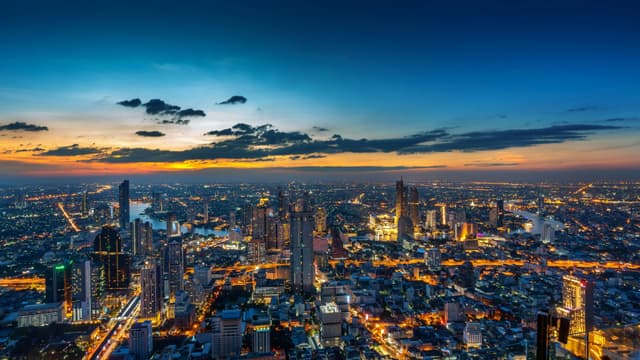
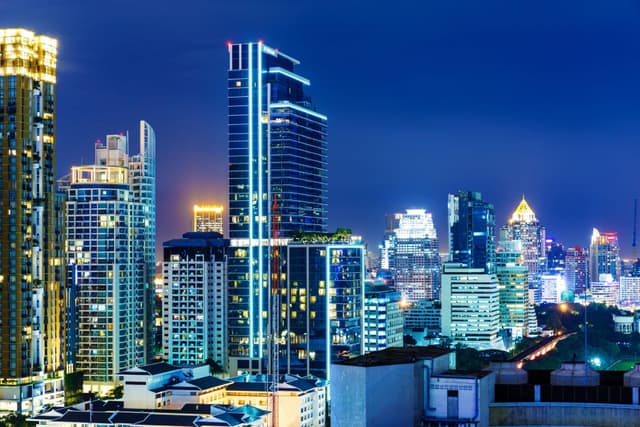
Chiang Mai is the best place for the most intense and traditional Songkran, Bangkok is best for variety and easy logistics, Pattaya is best if you want to keep celebrating after 15 April, and Phuket is best if you want beach days between water fights. The right choice depends on whether you want a party, a cultural festival, or a holiday that happens to include Songkran.
| City | Main Songkran areas | Feel | Best for | Watch out for |
|---|---|---|---|---|
| Bangkok | Silom Road, Khao San Road, Siam Square, Benjakitti Park, riverside malls | Big organised zones with security screening; quieter residential streets as locals leave town | First timers, short trips, travellers flying in and out of Suvarnabhumi | Packed zones at peak hours; strict bans on alcohol and high pressure guns in some zones |
| Chiang Mai | The Old City moat, Tha Phae Gate and Tha Phae Road, temples inside the walls | The most all in Songkran in Thailand, with strong Lanna traditions and processions | Culture lovers, young groups, repeat visitors | Smoke haze from seasonal burning; rooms fill months ahead |
| Pattaya | Central Pattaya Beach, Naklua, Wat Chai Mongkol area | Beach festival and concerts, then the later "Wan Lai" days | Travellers who arrive after 15 April, beach and city combos | Heavy traffic and road closures on Wan Lai days |
| Phuket | Patong Beach, Baan Mai Khao, Phuket Old Town (Dibuk Road) | Holiday resort Songkran with beach time in between | Couples, honeymooners, families who want a pool to retreat to | April is the start of the wetter months on the Andaman coast |
| Smaller cities | Ayutthaya, Sukhothai, Khon Kaen, Udon Thani, Koh Samui | Provincial festivals with fewer foreigners | Travellers who want a local feel | Fewer English speakers; check event dates each year |
Bangkok: Silom, Khao San and the big parks
Bangkok gives you the widest choice of Songkran, from rowdy street zones to family friendly events in parks and malls. In 2026 the city closed Silom Road to traffic between the Sala Daeng and Nararam intersections from 10:00 on 12 April, with a parade at noon and water activities from 13:00 to 21:00 daily until 14 April, according to Khaosod English. Entry was through walk through screening gates, and high pressure water guns, alcohol, powder and inappropriate clothing were banned inside the zone.
Khao San Road, the backpacker street in Banglamphu, had no special organised activities in 2026, but water play and trading still went ahead from 13 to 15 April, 12pm to 10pm, with police screening points stopping powder, chalk and high pressure guns, as reported by The Star (13 April 2026). For something calmer, the Maha Songkran World Water Festival at Benjakitti Park in 2026 included sand pagoda building, a Buddha image bathing ceremony, regional culture zones, family areas and a drone show, according to TAT.
One thing many visitors do not expect: Bangkok itself can feel quieter than usual during Songkran because so many residents travel home to the provinces. Away from the event zones, some streets are calm, and it is a good week to see the city's temples and riverside. Our area by area guide to places to visit in Bangkok helps you pick a base close to Silom or the old town.
Chiang Mai: the old city moat and Tha Phae Gate
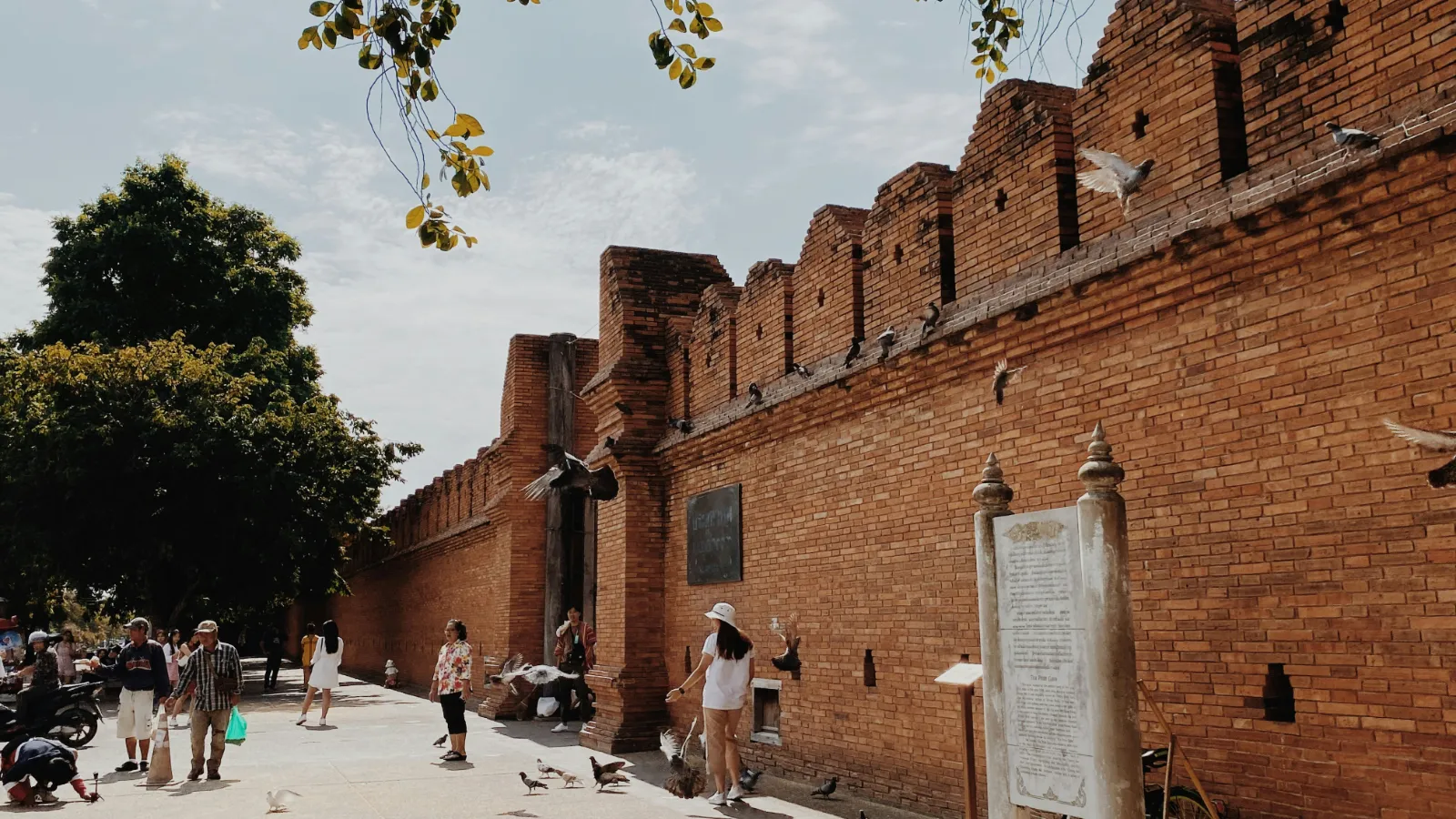
Chiang Mai is widely seen as the most intense Songkran in Thailand, and TAT itself tells visitors to book transport and rooms months ahead, especially for Chiang Mai. The square moat around the walled Old City becomes one long water fight, with people scooping water straight from the canal, while the streets inside the walls hold processions and temple ceremonies.
The local schedule for 13 April 2026, published by Chiang Mai CityLife, gives a good picture of a typical day. This is the 2026 programme, shown as a guide; the 2027 times are not yet published:
- 8am: a procession of women riding bicycles with parasols, ending at Tha Phae Gate.
- Afternoon: the Phra Buddha Sihing procession, in which the city's revered Phra Buddha Sihing and other sacred Buddha images are carried from Nawarat Bridge along Tha Phae Road to Ratchadamnoen Road.
- Evening to midnight: "World Songkran Tha Pae" on a closed section of Tha Phae Road, plus events at malls in the Nimman area.
- All day: water play along the moat.
There is a health catch. Late March and early April fall inside northern Thailand's smoke haze season. On 4 April 2026, a monitor at Nakornping Hospital in Mae Rim recorded PM2.5 of 409 micrograms per cubic metre, a level local reports called extremely dangerous, and officials advised N95 masks and less outdoor activity (The Nation via The Star). In 2026 the air improved as fire hotspots declined later in the month (Khaosod English, 30 April 2026), but it varies year to year, so anyone with asthma or a heart condition should check daily readings before committing. Our guide to things to do in Chiang Mai covers the temples and markets to see between water fights.
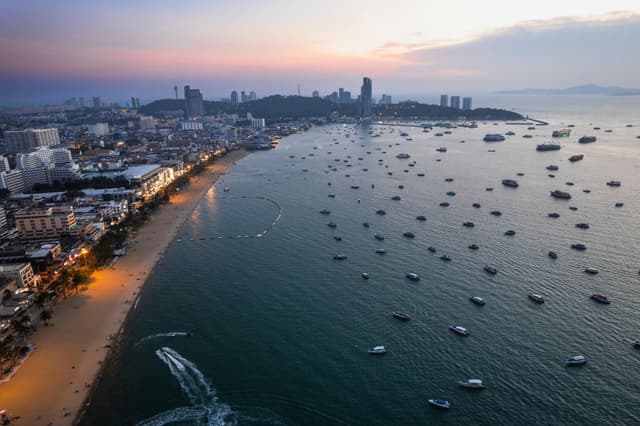
Pattaya: Wan Lai, the later Songkran
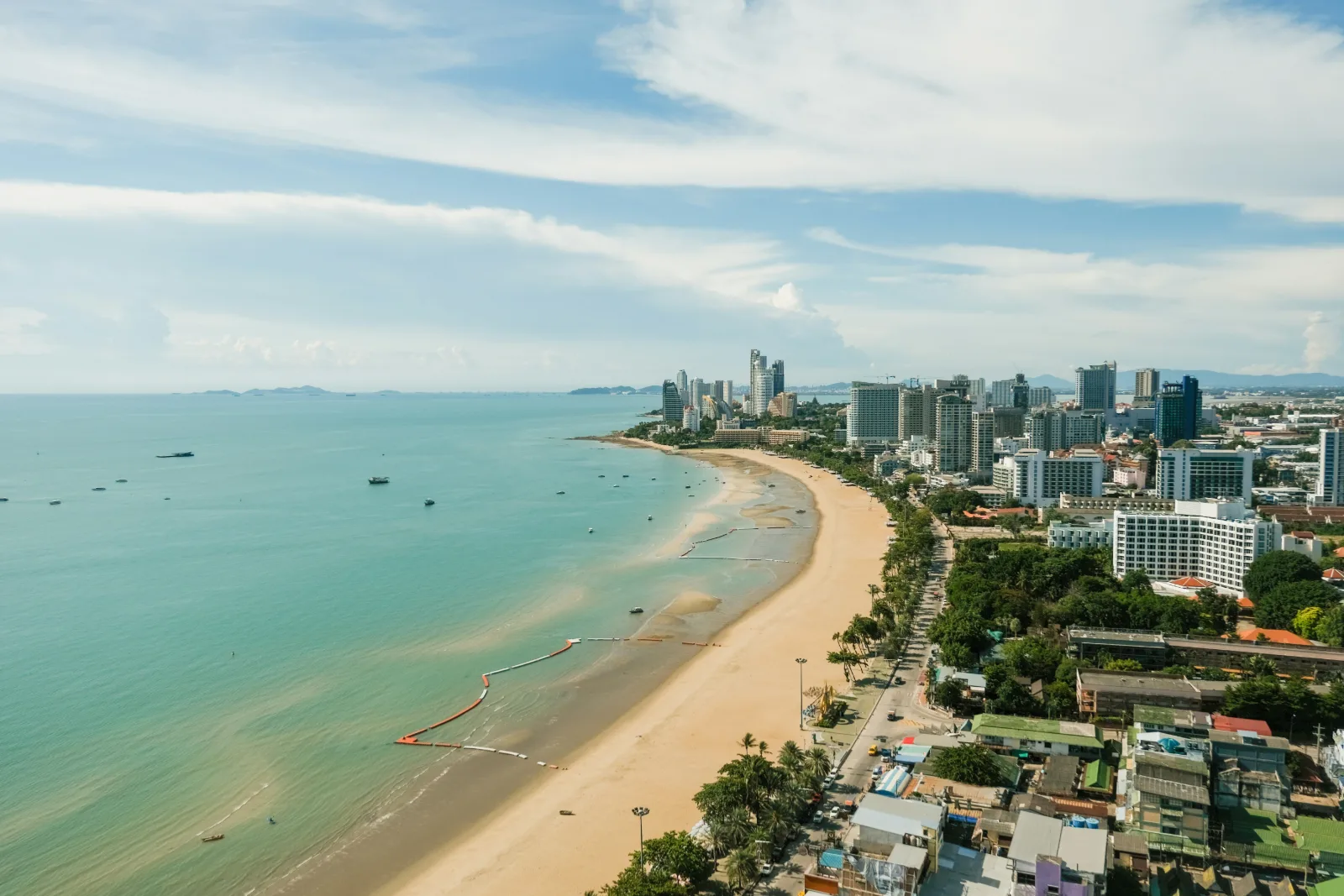
Pattaya is the place for Songkran after Songkran. Chon Buri province keeps its own "Wan Lai" tradition, which TAT listed as running across the province from 5 to 20 April in 2026, and the biggest days in Pattaya come after the national holiday has ended.
In 2026, Pattaya City held Wan Lai in Naklua on 18 April, at Lan Pho Naklua and Naklua Public Park, and Pattaya Wan Lai on 19 April at Wat Chai Mongkol, with a TAT supported beach festival on Pattaya Beach from 17 to 19 April that included concerts, traditional games and sand pagoda building (Pattaya Mail, 11 April 2026). Pattaya also held its Wan Lai Festival on 18 and 19 April in 2025 (Pattaya Mail, 2025), so it is a reasonable planning assumption for 2027, but confirm once Pattaya City publishes its 2027 schedule.
The later dates are useful for travellers from Nepal: you can celebrate Nepali New Year at home on 14 April, fly to Bangkok, and still reach a full scale water festival in Pattaya on the coast southeast of Bangkok. Our guide to things to do in Pattaya covers the beaches, islands and family attractions around it.
Phuket: Patong, Mai Khao and the old town
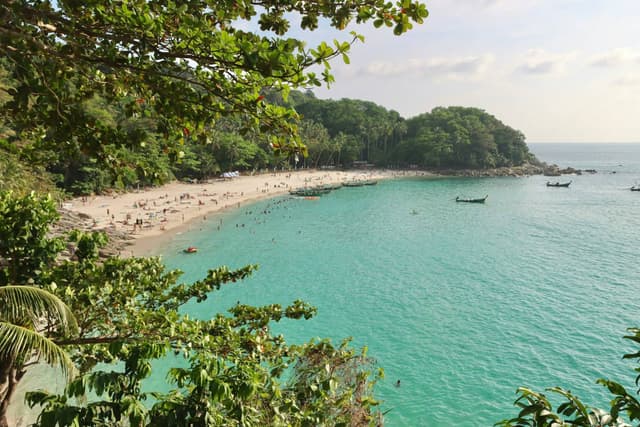
Phuket's Songkran is a resort festival: you can join the water fights for a few hours and then retreat to the beach or a pool. TAT's 2026 programme listed the Phuket Water Festival at Baan Mai Khao and Patong Beach from 11 to 13 April, plus an event on Dibuk Road in Phuket Old Town on 13 April. Patong is the loudest part of the island, while the old town has a more local feel.
Weather is the main difference from Bangkok. April is when the Andaman coast starts to turn wetter: Phuket's long term April average is 11.4 rain days, against 4 in Bangkok (WMO data from the Thai Meteorological Department, see the weather table below). Expect sunshine most of the day, with a real chance of a passing storm. Our month by month guide to the best time to visit Thailand explains how the two coasts differ through the year.
Quieter and more traditional Songkran
If you want Songkran with fewer foreigners, look at provincial events. TAT's 2026 list included Sukhothai's Maha Songkran (6 to 19 April), Khon Kaen's water festival (13 to 15 April), the Udon Songkran Festival (13 to 16 April), Koh Samui (12 to 15 April) and Maha Songkran at Saphli Beach in Chumphon (13 to 19 April). These are easier with a Thai speaking guide or driver, because signage and announcements are mostly in Thai.
Which Songkran city suits which traveller?
| Traveller | Best fit | Why |
|---|---|---|
| First trip abroad from Nepal | Bangkok, with a day or two in Pattaya | Direct flights from Kathmandu, organised zones, easy to escape to a mall or hotel |
| Young friends or solo travellers | Chiang Mai or Silom in Bangkok | The most energy and the biggest crowds |
| Honeymooners and couples | Phuket or a quieter Bangkok hotel near the river | Join a few hours of water play, keep the rest of the day for the beach |
| Families with young children | Organised park events in Bangkok, hotel pool parties, Phuket | Daytime events, family zones, shade and toilets nearby |
| Older parents | Bangkok temples on 13 April, early mornings only | See the temple rituals without the crowds and the midday heat |
| Culture seekers | Chiang Mai, Sukhothai | Processions, Lanna traditions and temple ceremonies |
| Arriving after 15 April | Pattaya and Naklua | Wan Lai keeps the festival going until about 19 April |
What happens during Songkran?
During Songkran, families clean their homes, visit temples to make merit and bathe Buddha images with scented water, pour water over the hands of elders to ask for blessings, build sand chedis in temple grounds, and then spend the afternoons splashing water on friends and strangers in the street. The rituals happen mostly in the morning; the water fights take over from late morning to evening.
Song Nam Phra: bathing Buddha images
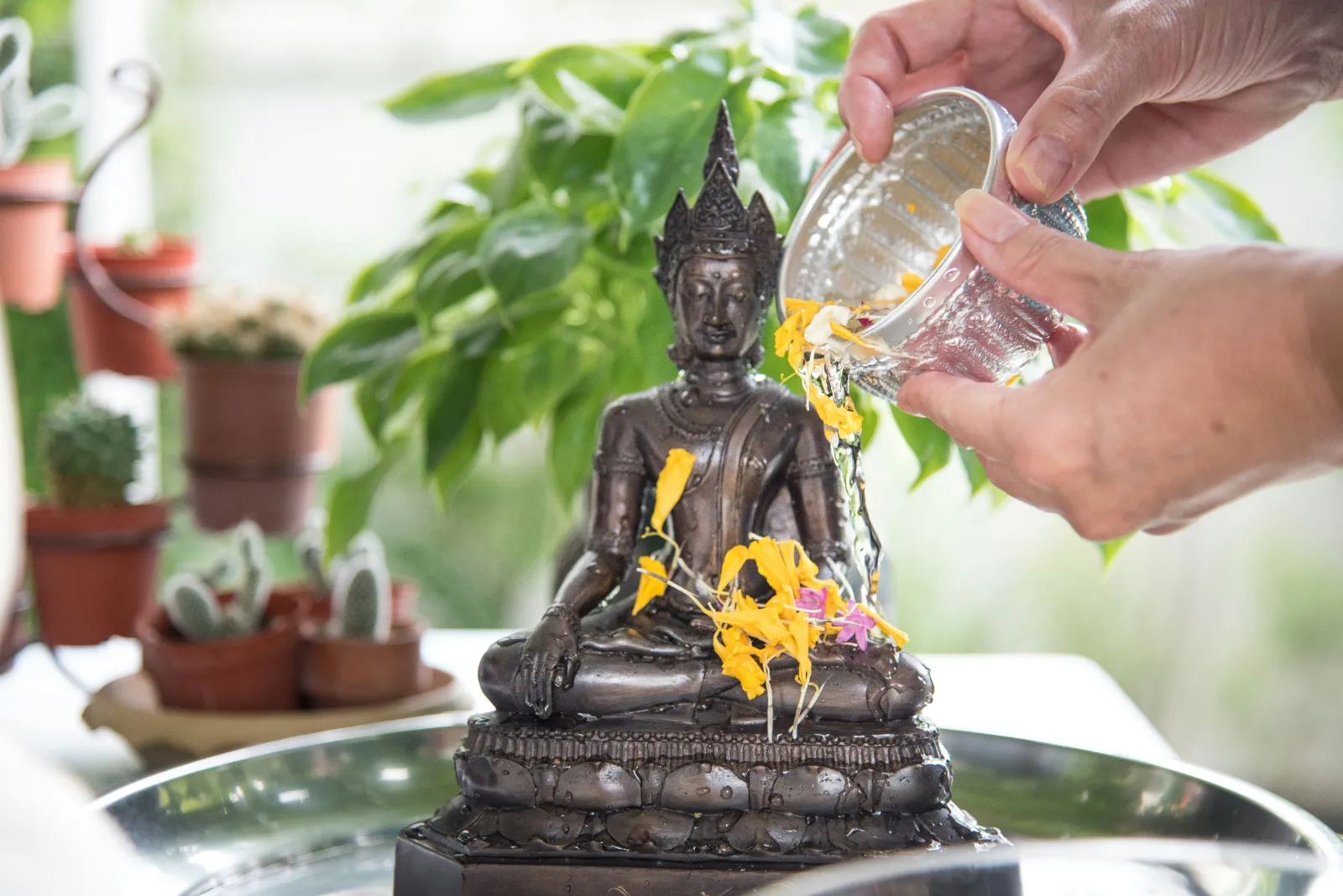
Song Nam Phra means pouring scented water over Buddha images, usually water with jasmine or other flowers floating in it. TAT's advice to visitors is to pour it over the torso and body of the image, not the head. You will find bowls and Buddha images set up in temples and also in shopping malls, hotels and offices, so even a visitor who never leaves central Bangkok can take part.
Rot nam dam hua: blessings from elders
Rot nam dam hua (often written rod nam dam hua) is the ritual in which younger family members honour their parents, grandparents and respected elders with scented water, and the elders give their blessings for the year ahead. TAT describes young people washing their parents' feet with rose, jasmine and Nam Op scented water; in many families today the water is poured gently over the elders' hands. Parents often give a jasmine garland in return. Fragrant flower garlands, called phuang malai, are a common gift to elders during the festival.
Nepali readers will find this familiar. The spirit is close to receiving tika and aashirbad from elders during Dashain: the younger generation shows respect, and the elders bless them for the year ahead. If you are invited to a Thai home during Songkran, offering a polite wai and letting your hosts lead the ritual is enough.
Chedi sai: building sand chedis
Chedi sai are small stupas built from sand in temple grounds, often decorated with flags, flowers and coins. TAT explains them as personal offerings at local temples. Organised events such as the 2026 beach festival in Pattaya and the Benjakitti Park festival in Bangkok included sand pagoda building that visitors could join.
Water play and din sor pong
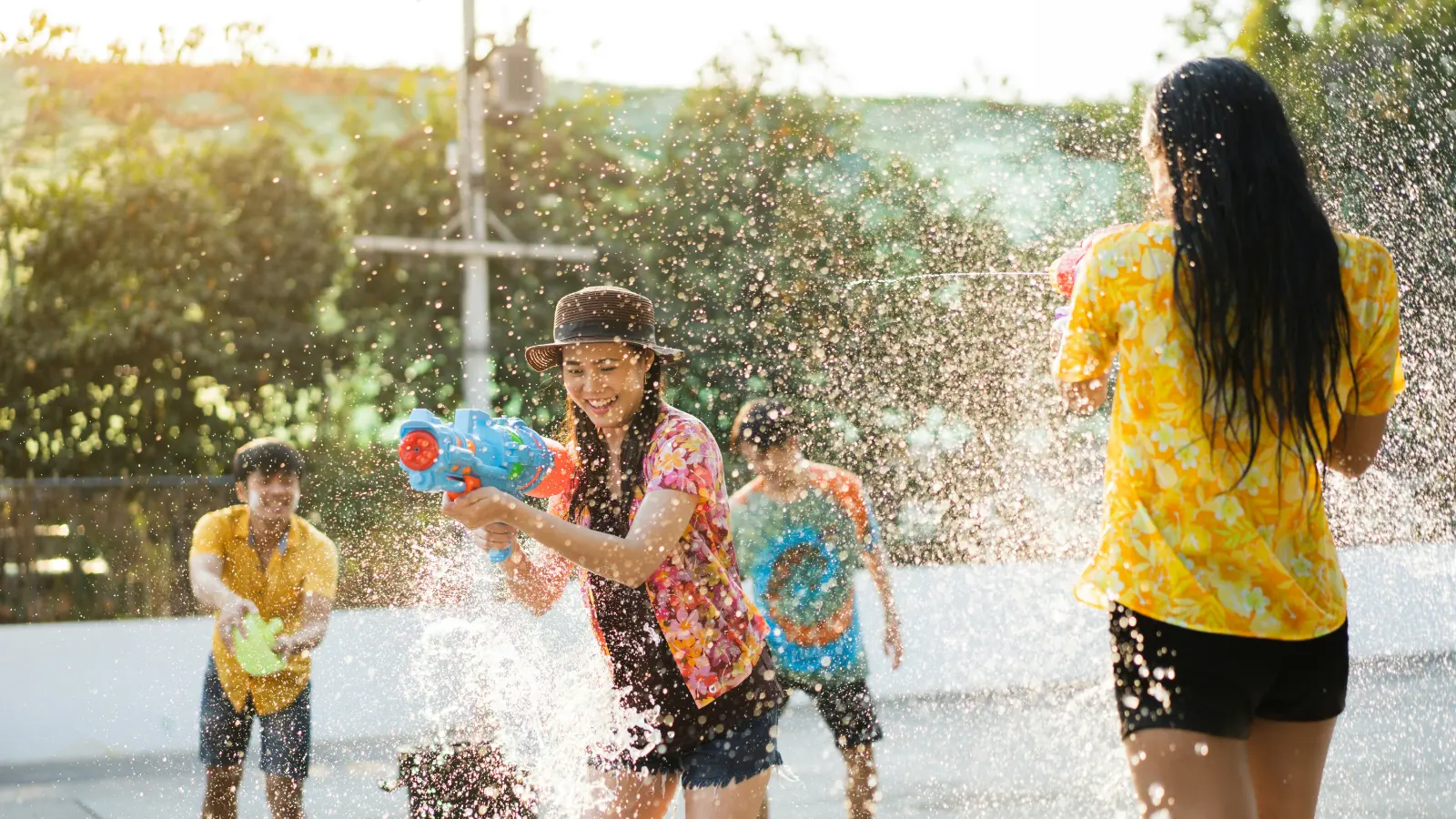
The street water fight grew out of gentle water pouring for good luck, and it now runs from buckets and bowls to plastic water guns and hoses. Many people also smear a chalky white paste, called din sor pong, on each other's cheeks; TAT notes it can also act as a sun block. TAT asks people to ask permission before applying powder and to keep it away from eyes, and several Bangkok zones banned powder outright in 2026.
Most water play happens from late morning into the evening. TAT's visitor tips mention an "evening ceasefire", and organised zones in 2026 had fixed hours, such as 13:00 to 21:00 on Silom Road. Outside the zones, people splash anyone who looks like they are joining in, and bright floral shirts are everywhere.
Merit making, food and family meals
Many families offer food to monks in the morning, and some release birds or fish as an act of merit; TAT names Phra Pradaeng in Samut Prakan as a notable place for fish release. TAT also mentions khao chae, rice soaked in fragrant water, as a dish families prepare at Songkran to beat the summer heat. It is worth trying at a Thai restaurant or hotel buffet if you see it.
| Tradition | What it is | Where visitors can see or join it |
|---|---|---|
| Song Nam Phra | Pouring scented water over Buddha images, on the body not the head | Temples, malls, hotels |
| Rot nam dam hua | Pouring scented water on elders' hands to receive blessings | Family homes, community and temple ceremonies |
| Chedi sai | Building small sand stupas as offerings | Temple grounds, organised festival zones |
| Merit making | Food offerings to monks; releasing birds or fish | Neighbourhood temples in the morning |
| Phuang malai | Jasmine and flower garlands given to elders | Markets and temple stalls sell them |
| Din sor pong | White powder paste applied as a blessing | Streets, but banned in some 2026 zones |
| Water play | Splashing water to wash away bad luck | Everywhere, most intense in festival zones |
Sources: TAT, Songkran top tips and Songkran Festival is when family comes first (7 April 2025).
What are the rules and etiquette?
The basic Songkran etiquette is simple: only splash people who are clearly joining in, never throw water at monks, pregnant women, people on motorbikes or anyone heading to work, use clean water without ice, and ask before touching anyone with powder. In 2026, Thai authorities also banned high pressure water guns and announced fines for harassment, splashing non participants and other offences.
Songkran etiquette for visitors
- Consent first. The Royal Thai Police's 2026 safety code put "Consent is Key" at the top of its list: check that a passer by wants to be splashed, and avoid people in work uniforms or carrying electronics.
- Leave monks alone. TAT's own tips say never to splash monks, pregnant women or people on motorcycles. Older people deserve the same care; a gentle pour on the shoulder is fine if they invite it, a water gun to the face is not.
- Clean water, no ice. TAT asks people to use clean water, avoid icing it because large pieces of ice can hurt when thrown, and avoid swallowing it.
- Respect the evening ceasefire and the hours set in organised zones.
- Dress modestly. TAT suggests avoiding tight, light coloured or thin clothing that becomes revealing when wet. Indecent dress in public was on the 2026 list of fineable offences.
- Do not waste water. Some provinces have scaled down celebrations in drought years.
- Take temple manners seriously. Pour water on the body of a Buddha image, not the head, and dress for temples as you would any other day. Our guide to do's and don'ts in Thailand covers the everyday etiquette that still applies during the festival.
Rules and fines announced for Songkran 2026
These were the penalties officials publicised for Songkran 2026, as reported by The Nation (13 April 2026) and The Star. They are maximum fines under different laws, labelled here as the 2026 rules; the 2027 rules and amounts may differ, so check the announcements closer to the date. Checked: 20 Nov 2026.
| Offence | Reported maximum fine (2026) |
|---|---|
| Splashing people who are not taking part | Up to 60,000 baht |
| Sexual harassment, groping or unwanted touching in crowds | Up to 200,000 baht; the Royal Thai Police code also cited up to 10 years in prison |
| Applying powder without consent | 5,000 baht |
| Indecent dress in public | 5,000 baht |
| Using high pressure water guns | Up to 4,000 baht |
| Drink driving | Up to 20,000 baht |
| Riding a motorbike without a helmet | 2,000 baht each, rider and passenger |
| Water trucks in restricted areas | 50,000 baht |
| Loud music disturbing others | 10,000 baht |
| Selling or drinking alcohol in controlled zones | Set by each area's announcement |
The Royal Thai Police's "3 Do's and 5 Don'ts" for 2026 added three more points worth knowing: no knives, firearms or imitation weapons in celebration zones; drinking alcohol inside a vehicle on a public road is illegal for drivers and passengers; and throwing water at moving vehicles can lead to a charge of negligence causing death if someone is killed (The Nation, 12 April 2026).
Is Songkran dangerous on the roads?
Songkran is one of the most dangerous weeks of the year on Thai roads, which is why the government runs a road safety campaign known as the "seven dangerous days". In the 2026 campaign, from 10 to 16 April, the Road Safety Directing Centre under the Department of Disaster Prevention and Mitigation recorded 1,242 accidents, 1,200 injuries and 242 deaths nationwide, against 1,538 accidents, 1,495 injuries and 253 deaths in the 2025 campaign (11 to 17 April 2025) (Thai PBS; The Phuket News, 18 April 2026).
| Seven dangerous days | Period | Accidents | Injuries | Deaths |
|---|---|---|---|---|
| Songkran 2025 | 11 to 17 April 2025 | 1,538 | 1,495 | 253 |
| Songkran 2026 | 10 to 16 April 2026 | 1,242 | 1,200 | 242 |
Speeding was the leading cause on the final day of the 2026 campaign, at about 41 percent of cases, and motorcycles were involved in about 65 percent of that day's crashes (Thai PBS, citing the Road Safety Centre). The lesson for visitors is plain: do not rent a scooter during Songkran, never ride while wet and distracted, and never throw water at anyone on a moving bike. Thailand's drink driving rules are strict, with lower limits for drivers under 20 and provisional licence holders since September 2024 (PRD). Use the BTS, MRT, Grab or a pre booked driver instead.
What should you pack and protect?
Pack a waterproof phone pouch, a small dry bag for cash and cards, quick dry clothes that stay modest when wet, sandals with grip, sunscreen and a cap, and a photocopy or phone photo of your passport so the original can stay in the hotel safe. Police in 2026 specifically warned against hanging loose bags around your neck in crowds.
| Item | Why it matters at Songkran | Tip |
|---|---|---|
| Waterproof phone pouch with a lanyard | Phones are the most common casualty | Test it in a sink at home; use the pouch even if your phone is "water resistant" |
| Small zip dry bag or sealed plastic bags | Cash, cards and room key stay dry | Police advised tightly sealed waterproof bags, not loose bags round the neck |
| Quick dry clothes, swimwear underneath | You will be soaked within minutes | Avoid thin, light coloured fabric that turns see through |
| Spare dry shirt | Air conditioned malls, taxis and trains feel cold when wet | Keep it sealed in your dry bag |
| Sandals or water shoes with grip | Wet streets are slippery | Avoid flip flops that slide off in a crowd |
| Sunscreen, cap, sunglasses or swim goggles | April sun is fierce and water guns aim at faces | Reapply sunscreen often, as TAT advises |
| N95 masks (for the north) | Seasonal haze can be severe in Chiang Mai | Surgical masks do not filter PM2.5 well |
| Copy of passport | Keep the original out of the water | Leave the original in the hotel safe |
| Small cash in baht | Street stalls, water refills, drinks | Carry only what you need for the day |
Health tips for the hottest week of the year
- Drink plenty of bottled water and do not swallow street water. Heat exhaustion is a bigger risk for most visitors than the water fight itself.
- Protect your eyes. Police banned high pressure guns in 2026 because they can cause permanent eye injuries. If water hits your eyes and they stay red or painful, see a pharmacist or doctor.
- Take breaks indoors in the hottest hours, especially with children and older parents.
- Carry any medicines in a sealed bag, and make sure your travel insurance covers hospital treatment.
What is the weather like in Thailand in April?
April is one of the hottest months in Thailand. Long term averages from the Thai Meteorological Department put Bangkok's average daily high at 34.9°C and Chiang Mai's at 36.1°C in April, with only a few rain days in Bangkok but more storms on Phuket. That heat is exactly why a soaking at Songkran feels welcome.
Long term monthly averages supplied by the Thai Meteorological Department to the WMO World Weather Information Service (Bangkok figures are for 1961 to 1990). Averages, not a forecast. Checked: 20 Nov 2026.
| City | April average high | April average low | April rainfall | April rain days | May rainfall, for comparison |
|---|---|---|---|---|---|
| Bangkok | 34.9°C | 26.1°C | 65 mm | 4 | 220 mm |
| Chiang Mai | 36.1°C | 22.4°C | 54.1 mm | 6.4 | 153 mm |
| Pattaya | 32.9°C | 26.4°C | 61.6 mm | 5.8 | 154.6 mm |
| Phuket | 33.7°C | 25.3°C | 137.8 mm | 11.4 | 269.8 mm |
For travellers from Kathmandu, where mid April days are pleasantly warm, the difference is large. Plan outdoor sightseeing for early morning and late afternoon, and keep the midday hours for the water fight, a pool or an air conditioned museum. The Thai Meteorological Department publishes forecasts closer to the date.
How does Songkran compare with Nepali New Year and Holi?
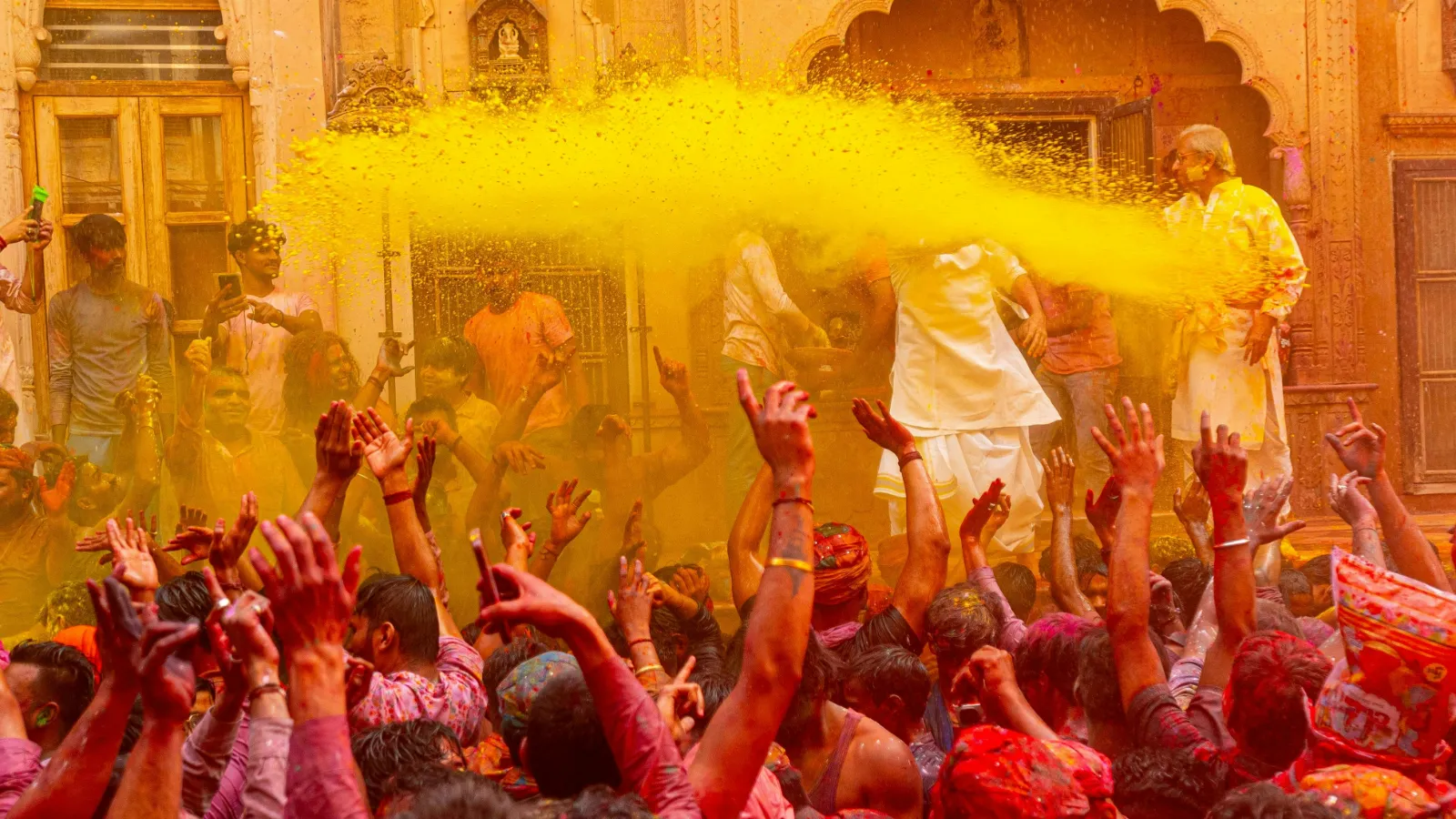
Songkran is closest to Nepali New Year in meaning and date, and closest to Holi in mood. Like Baisakh 1, it is a solar new year tied to the sun entering Aries, and in 2027 the two fall on the same week: Songkran on 13 to 15 April and Nepali New Year 2084 BS on 14 April. Like Holi, it turns the streets into a friendly free for all, but with water instead of colours.
| Point | Songkran (Thailand) | Nepali New Year (Baisakh 1) | Holi / Fagu Purnima (Nepal) |
|---|---|---|---|
| 2027 date | 13 to 15 April 2027 | 14 April 2027 (Baisakh 1, 2084 BS) | 21 March 2027 (Fagu Purnima, hills); 22 March 2027 (Terai Holi) |
| Calendar basis | Solar, sun entering Aries | Solar, Mesh Sankranti | Lunar, full moon of Falgun |
| Main public activity | Water splashing, processions, temple visits | Family gatherings, temple visits; Bisket Jatra in Bhaktapur | Colours and water balloons |
| Family ritual | Rot nam dam hua, blessings from elders | Visiting relatives and elders | Visiting friends and family |
| Length | Three official days, longer in some cities | One public holiday | One day, a day later in the Terai |
| Etiquette point | Ask before powder; never splash monks or riders | Not a street festival in most places | Ask before applying colour |
Sources: the Ministry of Home Affairs list of public holidays for 2083 BS (notice of 2 March 2026, summarised in English by Pradhan and Associates) covers 14 April 2026 to 13 April 2027 and lists Fagu Purnima on Chaitra 7 (21 March 2027) and Terai Holi on Chaitra 8 (22 March 2027). Because the 2083 BS year ends on 13 April 2027, Baisakh 1, 2084 falls on 14 April 2027, which published Nepali calendars such as Vedic Marga also show. The 2084 BS holiday list itself was not yet published when we checked. Checked: 20 Nov 2026.
There is a practical point for Nepali families. If you want to spend Nepali New Year at home, the Thai events that continue after 14 April are the later Songkran days on 15 April and Pattaya's Wan Lai around 18 and 19 April. If you would rather spend the new year abroad, a trip leaving Kathmandu on 11 or 12 April catches the whole Thai festival, and you can still call home for blessings on Baisakh 1, since Thailand is only 1 hour 15 minutes ahead of Nepal.
For Nepalis living abroad, Songkran can also be a stopover festival. Diaspora travellers flying home to Kathmandu from Australia or East Asia can route through Bangkok, which has daily nonstop flights to Kathmandu, and a few days at Songkran on the way can turn a family trip home into a holiday. Entry rules depend on the passport you hold, so check them for each traveller in the group.
How busy are flights from Kathmandu at Songkran?
Mid April is one of the busiest and least predictable periods on the Kathmandu to Bangkok route, because Nepali New Year, Songkran and the start of summer breaks fall together. Book as soon as your leave is fixed, compare dates either side of the holiday, and expect seats on the best timed flights to go first.
When we reviewed fares for our Kathmandu to Bangkok flight guide on 12 Oct 2026, mid April to May showed high fares with very wide swings, with Nepali New Year, Songkran and summer breaks all pushing demand. We do not quote fares here because they change daily, but the pattern is consistent: demand is driven from the Kathmandu side as much as by Thai tourism.
| Flight fact | Details | Source, checked |
|---|---|---|
| Main nonstop airline | Thai Airways, Kathmandu to Suvarnabhumi (BKK), 14 flights a week in its winter schedule (25 Oct 2026 to 27 Mar 2027); Nepal Airlines has also filed some nonstops, with irregular operation | The Nation, 3 Sep 2026; checked 20 Nov 2026 |
| Summer 2027 schedule (covers April) | Not yet published when we checked; confirm with the airline | Checked 20 Nov 2026 |
| Scheduled flight time | About 3 hours 20 minutes to 3 hours 30 minutes nonstop | Gomayu flight guide, checked 12 Oct 2026 |
| Time difference | Thailand is 1 hour 15 minutes ahead of Nepal | UTC+7 versus UTC+5:45 |
| Onward to Chiang Mai or Phuket | No nonstop from Kathmandu; connect in Bangkok | Gomayu flight guide, checked 12 Oct 2026 |
Domestic travel inside Thailand during Songkran
Inside Thailand, Songkran is the country's great journey home, and TAT warns that transport and hotels can fill up months ahead. Domestic flights to Chiang Mai and Phuket, overnight trains and long distance buses from Bangkok all get busy in the days before 13 April and again as people return. If Chiang Mai is your goal, book the Bangkok to Chiang Mai leg at the same time as your international ticket, and allow a spare day so a delayed connection does not cost you the festival.
Before you book, check the entry rules for your passport. Our team keeps the Thailand visa page up to date for Nepali passport holders, including the arrival requirements.
Is Songkran a good time for families?
Yes, Songkran can be a wonderful family trip, as long as you choose daytime, organised events and avoid the packed party zones at peak hours. Children usually love the water play, and the temple rituals and rot nam dam hua give older family members something meaningful to share. The main risks are heat, crowds and traffic, not the festival itself.
Tips for Songkran with children
- Go in the morning. Temple visits and gentle water play before noon avoid the biggest crowds and the worst of the heat.
- Pick organised venues. Park festivals such as Benjakitti in Bangkok had family areas in 2026, and many hotels and malls run their own Songkran events with shade and toilets close by.
- Give children small water guns or bowls, and teach them the same rule as adults: only splash people who are playing.
- Use goggles or sunglasses for young children, since water guns tend to aim at face height.
- Agree a meeting point and put a phone number on a wristband in case you get separated in a crowd.
- Keep off the roads. Use the BTS, MRT or a booked car rather than tuk tuks or open pick up trucks during Songkran.
- Plan a dry afternoon in an aquarium, museum or mall, so the day does not become one long soaking.
Travelling with grandparents
Songkran is a festival that honours older people, and Thai families take great care of their elders during it. Even so, for grandparents travelling from Nepal, the heat and crowds can be tiring. Plan the morning of 13 April, the National Day for Older Persons, at a temple for the bathing of Buddha images, then spend the afternoon somewhere cool. A car with a driver makes the days far easier than public transport.
Who should probably skip Songkran
Songkran is not ideal for everyone. If you are travelling for business, carrying camera equipment, recovering from illness, or want quiet sightseeing in Chiang Mai, choose another week. Late March or the second half of April, after the Pattaya celebrations, give you the same hot season weather without the soaking. For cooler weather and the lantern festivals, November is the other great festival month in Thailand.
If you would like flights, hotels and transfers arranged together around the festival dates, you can compare Thailand tour packages and choose the city that suits your group.
Frequently asked questions
When is Songkran in Thailand?
Songkran in Thailand is officially held on 13 to 15 April every year. In 2027 it falls on Tuesday 13 April to Thursday 15 April, confirmed as bank holidays by the Bank of Thailand's announcement in the Royal Gazette on 25 August 2026. Some cities celebrate longer, and Pattaya's Wan Lai has been held on 18 and 19 April.
What is Songkran?
Songkran is the traditional Thai New Year, a solar new year that UNESCO describes as marking the sun's passing into Aries. It is a time for family reunions, cleaning homes, visiting temples, bathing Buddha images and asking elders for blessings, as well as public water splashing. UNESCO inscribed Songkran in Thailand on its Intangible Cultural Heritage list in December 2023.
Where is Songkran celebrated most?
Songkran is celebrated all over Thailand, but the biggest celebrations are in Chiang Mai, around the Old City moat and Tha Phae Gate, and in Bangkok on Silom Road, Khao San Road and at park festivals. Pattaya is known for its later Wan Lai celebrations, and Phuket holds water festivals at Patong and Mai Khao.
Is Songkran safe for tourists?
Songkran is generally safe for tourists in organised zones, which in 2026 had police screening points and bans on high pressure guns, powder and, on Silom Road, alcohol. The real danger is the roads: Thailand recorded 242 road deaths during the 2026 "seven dangerous days" campaign. Do not ride scooters, avoid drink driving and never splash people on moving vehicles.
What should I wear during Songkran?
Wear quick dry clothes that stay modest when wet, such as a floral shirt over swimwear with shorts, plus sandals with grip. Avoid thin or light coloured fabric that turns see through, since indecent dress in public was a fineable offence in 2026. Keep your phone in a waterproof pouch and carry a spare dry shirt.
Is Songkran good for kids?
Songkran is good for kids if you stick to daytime, organised events. Park festivals, hotel pool parties and mall events offer shade, toilets and family areas, while the busiest street zones can be overwhelming for small children. Go in the morning, use goggles against water guns, drink plenty of water and avoid travelling by road at peak times.
Are shops closed during Songkran?
Banks are closed on 13 to 15 April 2027 under the Bank of Thailand's holiday notice, and Songkran is a public holiday for government offices. Many shopping malls stay open and host Songkran events (Siam Paragon, Central World and ICONSIAM were on TAT's 2026 list), but opening hours vary, and some small local businesses may close while their owners travel home. Carry some cash and check opening times locally.
How long does Songkran last?
The official Songkran holiday in Thailand lasts three days, from 13 to 15 April. Many cities run events for longer: in 2026, Bangkok's Maha Songkran festival ran from 11 to 15 April, Sukhothai celebrated from 6 to 19 April, and Chon Buri's Wan Lai tradition, including Pattaya, ran across the province until 20 April.
Is Songkran like Holi?
Songkran is like Holi in mood, because both turn the streets into a friendly free for all, but Songkran uses water instead of colours. Songkran is a solar new year in mid April, closer in meaning to Nepali New Year, while Holi, or Fagu Purnima, is a spring full moon festival that falls on 21 March 2027 in the hills and 22 March in the Terai.
Songkran kahile huncha?
Songkran Thailand ma har barsa 13 dekhi 15 April samma manaincha. Sun 2027 ma Songkran 13 April (Mangalbar) dekhi 15 April (Bihibar) samma parchha, ra Nepali Naya Barsa 2084 Baisakh 1 pani 14 April (Budhabar) ma parchha. In English: Songkran 2027 is 13 to 15 April, and Nepali New Year falls in the same week.
Is Songkran on the same day as Nepali New Year?
Songkran and Nepali New Year fall in the same week because both mark the sun entering Aries. In 2027, Songkran runs from 13 to 15 April and Nepali New Year 2084 BS falls on Wednesday 14 April, the middle day of Songkran. This makes mid April one of the busiest times to fly from Kathmandu to Bangkok.