



























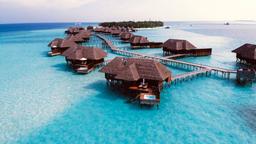








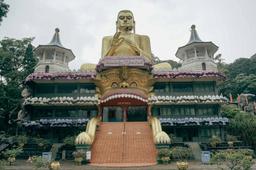



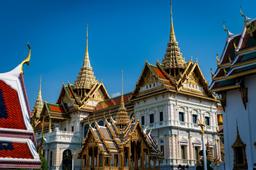
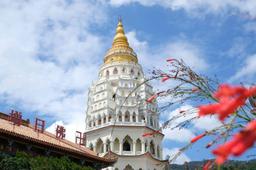














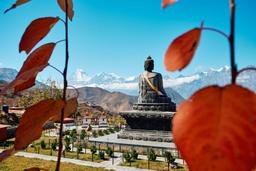
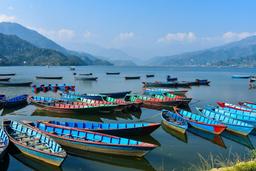
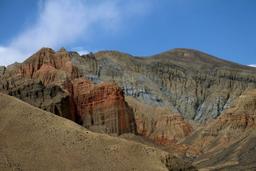




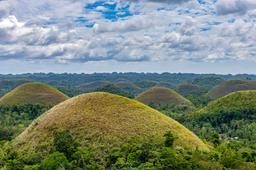
Short answer: the main Sri Lanka language is Sinhala, spoken by the Sinhalese majority, and Tamil is the second official language, used most in the north, the east and the tea country. English is the constitutional "link language" and is widely understood in Colombo, Kandy, Galle and the tourist trail. Buddhism is the faith of about seven in ten people (69.8 percent in the 2024 census), followed by Hinduism, Islam and Christianity. Sri Lanka is an independent island country in the Indian Ocean, south of India, and it is not part of India.
This page gathers the facts visitors most often ask about in one place: where Sri Lanka sits on the map, which languages you will hear, how far English will get you, how the island's four main religions fit together, and how to behave at a temple, kovil, mosque or church. The numbers come from the Department of Census and Statistics, whose final report on the Census of Population and Housing 2024 was released on 20 March 2026, compared with the 2012 census wherever that helps. If you are still shaping the bigger picture of the trip, our complete Sri Lanka travel guide covers seasons, regions and getting around.
Sri Lanka quick facts: where is Sri Lanka, and is it part of India?
Sri Lanka is an island country in the Indian Ocean, separated from the southern tip of peninsular India by the Palk Strait. It is a fully independent republic with its own government, currency and passport, and it is not part of India. It became independent in 1948 after nearly 150 years of British rule, and the old name Ceylon was officially replaced by Sri Lanka in 1972 (Britannica).
People often ask whether Sri Lanka is part of India because the two countries are so close, share a long history of trade, religion and migration, and both have large Tamil speaking communities. But they are separate states. India's Tamil Nadu and Sri Lanka's Northern Province face each other across the water, yet you need a passport to travel between them, and Sri Lanka has its own immigration rules.
| Fact | Answer | Source or note |
|---|---|---|
| Where it is | Island in the Indian Ocean, south of India, across the Palk Strait | Britannica |
| Latitude | Roughly 5°55′ to 9°51′ north, close to the equator | Britannica |
| Size | About 432 km at its longest and 224 km at its widest | Britannica |
| Land area used in the 2024 census | 67,240 square kilometres (Survey Department figure revised August 2024) | Census 2024 final report |
| Population | 21,781,800 at the census moment of 19 December 2024 | Department of Census and Statistics |
| Population density | 350 people per square kilometre | Census 2024 |
| Capitals | Sri Jayewardenepura Kotte (legislative), Colombo (executive and judicial, and the main business city) | Britannica |
| Administrative divisions | 9 provinces and 25 districts | Census 2024 |
| Official languages | Sinhala and Tamil; English is the link language | Constitution, Article 18 |
| Main religion | Buddhism (69.8 percent in 2024) | Census 2024 |
| Currency | Sri Lankan rupee (LKR) | Exchange at banks or licensed money changers |
| Time zone | UTC +5:30, which is 15 minutes behind Nepal (UTC +5:45) | Same clock time as India |
| Country calling code | +94 | Nepal is +977 |
For a traveller in Kathmandu, Sri Lanka feels close in culture but sits a fair way south, roughly level with the southern tip of India. There is no land route; you fly, and our guide to the Kathmandu to Colombo flight explains the non-stop service, which runs a few days a week, and the one-stop routings through India and the Gulf on other days. Most international visitors land at Bandaranaike International Airport near Colombo.
Where are the main regions, and what do people speak there?
Where you are on the island shapes which language you hear first. The census district data is the clearest way to see this, so the table below uses the 2024 literacy figures (the share of people aged 10 and over who can read and write a short letter in that language).
| Region (district) | Visitor highlights | Sinhala literacy | Tamil literacy | English literacy |
|---|---|---|---|---|
| Colombo | Capital region, temples, mosques, seafront | 94.1% | 41.5% | 74.2% |
| Gampaha | Airport, Negombo, Kelaniya temple | 97.1% | 32.9% | 67.2% |
| Kandy | Temple of the Tooth, hill capital | 90.9% | 50.1% | 64.8% |
| Matale | Dambulla, Sigiriya | 91.4% | 42.4% | 54.8% |
| Anuradhapura | Ancient city, Mihintale | 95.2% | 38.0% | 52.2% |
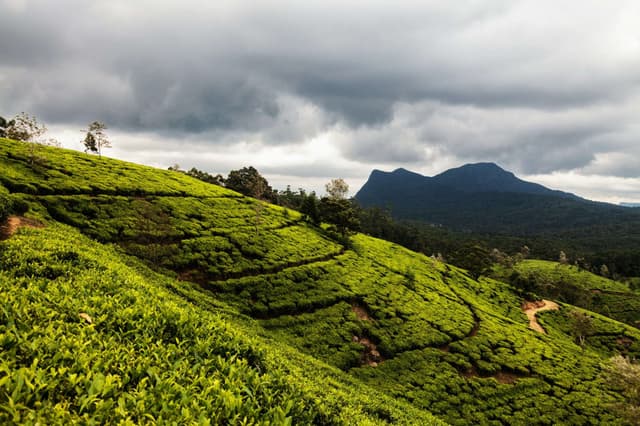
| Nuwara Eliya | Tea country | 59.5% | 68.0% | 47.1% |
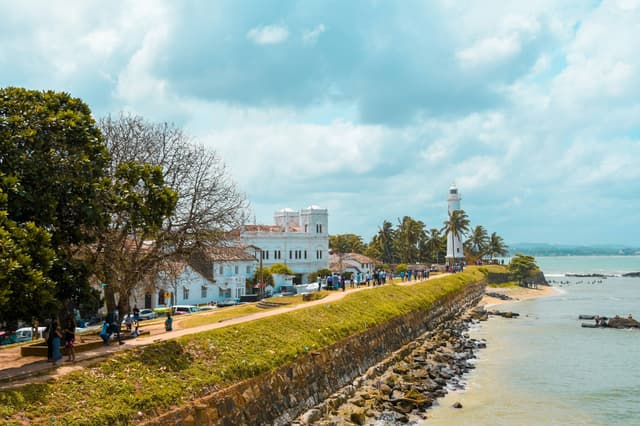
| Galle | Galle Fort, south coast beaches | 97.0% | 29.8% | 59.4% |
| Trincomalee | East coast beaches, Koneswaram | 44.3% | 77.7% | 42.3% |
| Batticaloa | East coast lagoon town | 23.0% | 91.9% | 41.6% |
| Jaffna | Tamil north, Nainativu island | 17.1% | 97.9% | 41.0% |
Source: Census of Population and Housing 2024, Table 7.10, Department of Census and Statistics. Checked: 12 Nov 2026.
What is the Sri Lanka language? Sinhala, Tamil and English explained
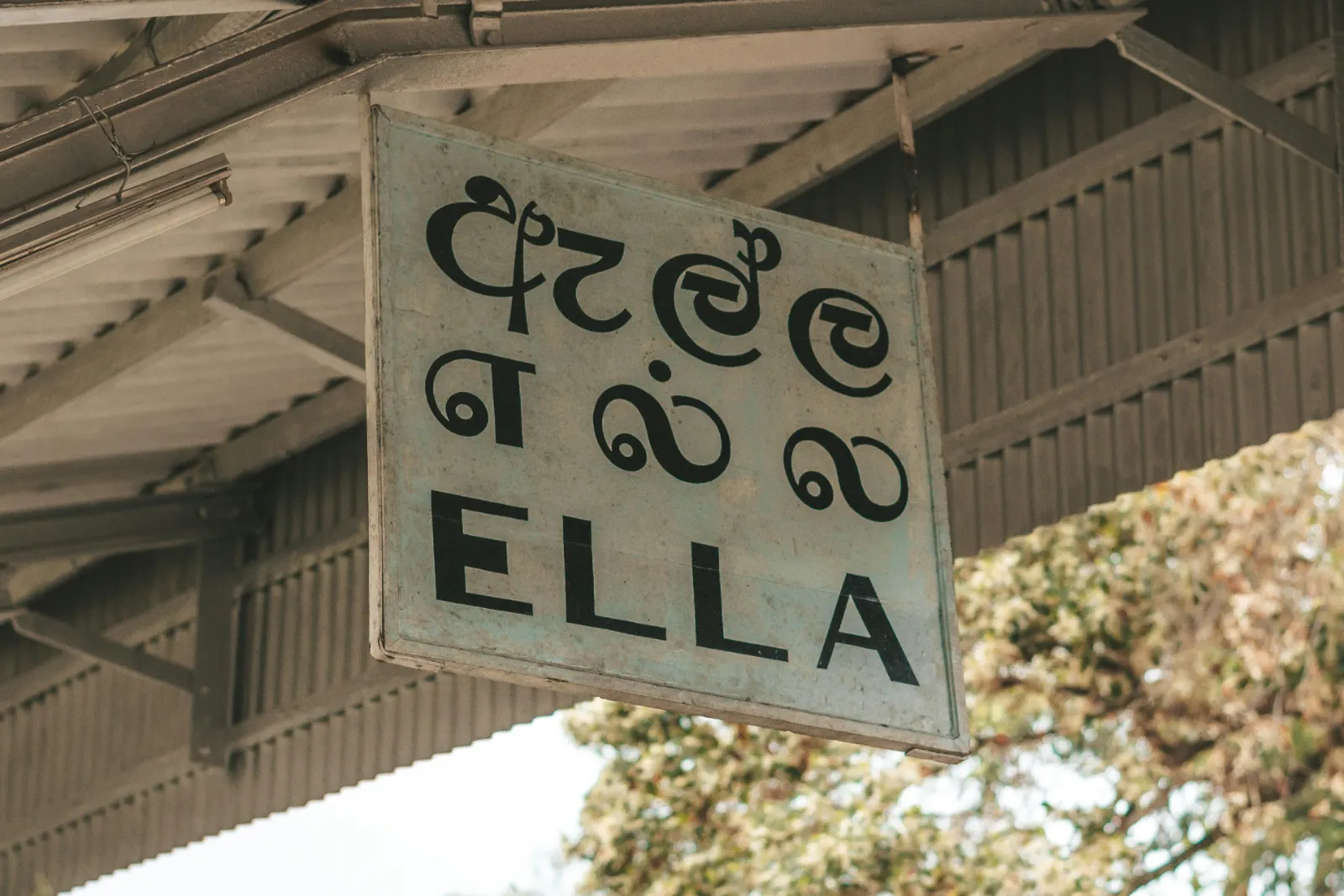
Sri Lanka has two official and national languages, Sinhala and Tamil, plus English as the link language. Article 18 of the Constitution states that "the Official Language of Sri Lanka shall be Sinhala", that "Tamil shall also be an official language" and that "English shall be the link language"; Article 19 names Sinhala and Tamil as the national languages. Tamil's official status and English's link role were added by the 13th Amendment in 1987.
In practice, Sinhala is the language of the south, west and centre, Tamil dominates the north and east and is strong in the hill country, and English is the language of much business, higher education, tourism and signage. Road signs and official notices are commonly written in all three.
| Language | Status | Family and script | Who speaks it most | Where you hear it |
|---|---|---|---|---|
| Sinhala (සිංහල) | Official and national language | Indo-Aryan, written in its own rounded Sinhala script | The Sinhalese majority (74.1% of the population in 2024) | Colombo, Kandy, Galle, the Cultural Triangle, the south coast |
| Tamil (தமிழ்) | Official and national language | Dravidian, written in Tamil script | Sri Lankan Tamils (12.3%), Malaiyaha or Indian Tamils (2.7%), and many Sri Lankan Moors (10.5%) | Jaffna, Trincomalee, Batticaloa, the tea estates, parts of Colombo |
| English | Link language | Latin script | Educated and urban Sri Lankans across all communities | Hotels, airports, banks, hospitals, tourist sites, signage |
Ethnic shares are from the Census 2024 press release of 30 October 2025.
What is Sinhala like?
Sinhala belongs to the same Indo-Aryan family as Nepali and Hindi, which is why a few words may sound faintly familiar to Nepali ears, but it developed separately on the island for more than two thousand years and is not mutually understandable with either. Its script is descended from the ancient Brahmi script, the same family of scripts that gave rise to Devanagari, yet the letters look very different: round and looping. Spoken Sinhala and formal written Sinhala also differ quite a lot, so a phrasebook word may sound more formal than what people say on the street.
What is Sri Lankan Tamil like?
Tamil is a Dravidian language, the same language spoken in India's Tamil Nadu, but Sri Lankan Tamil, especially the Jaffna variety, has its own accent and vocabulary. Many Sri Lankan Moors (Muslims) also speak Tamil at home, which is why Tamil is heard well beyond the Tamil majority areas. In the hill country, the Malaiyaha Tamil community, whose ancestors were brought from South India to work on the plantations, keeps its own speech.
Are any other languages spoken in Sri Lanka?
Yes, but on a small scale. The Vedda people, the island's oldest community, have their own speech, now heavily influenced by Sinhala; the Sri Lankan Malay community has a creole language; and Pali, the classical language of Theravada Buddhist scripture, is chanted in temples even though nobody speaks it day to day. Nepali and Hindi are not Sri Lankan languages, so for most Nepali visitors English is the practical bridge, with Bollywood film Hindi understood only patchily.
Is English widely spoken in Sri Lanka?
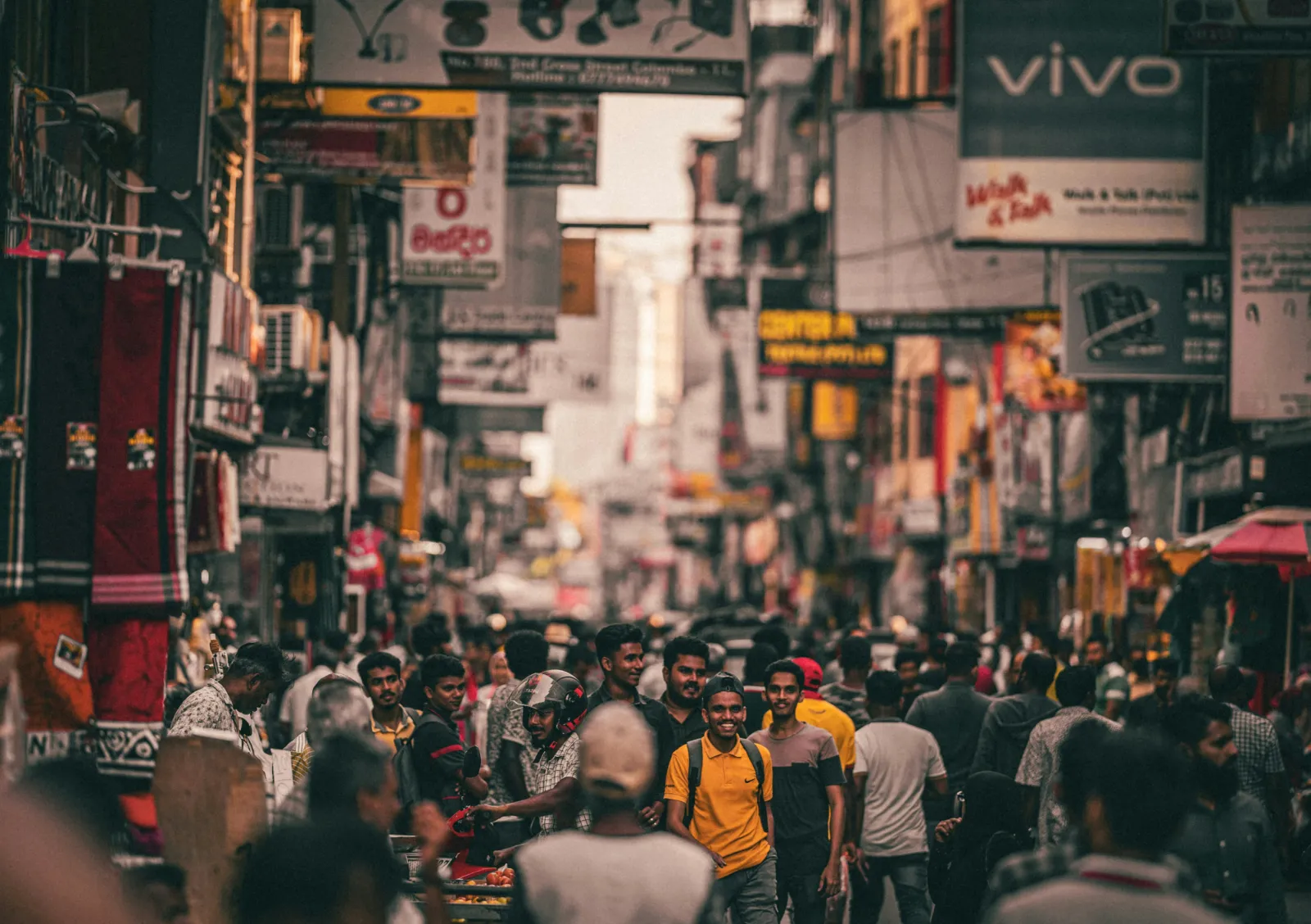
Yes, English is widely understood in the places most visitors go, and its reach is growing fast. The 2024 census found that 57.3 percent of people aged 10 and over could read and write English, up from 30.8 percent in 2012. For younger people the figure is far higher: 79.1 percent of 15 to 19 year olds and 73.6 percent of people in their twenties.
| Language literacy, age 10 and over | 2012 census | 2024 census |
|---|---|---|
| Literate in at least one of Sinhala, Tamil or English | 95.7% | 97.4% |
| Sinhala | 79.7% | 85.2% |
| Tamil | 26.4% | 45.3% |
| English | 30.8% | 57.3% |
Source: Census of Population and Housing 2024, Table 7.11. "Literate" means able to read and write a short letter or paragraph with understanding, as reported by households; it is not a test of speaking fluency.
| Age group (2024) | Sinhala | Tamil | English |
|---|---|---|---|
| 10 to 14 | 85.9% | 63.5% | 70.6% |
| 15 to 19 | 87.2% | 62.7% | 79.1% |
| 20 to 29 | 86.1% | 54.4% | 73.6% |
| 30 to 39 | 86.1% | 47.0% | 63.5% |
| 40 to 49 | 86.0% | 40.9% | 53.9% |
| 50 to 59 | 84.8% | 36.1% | 45.6% |
| 60 and above | 82.3% | 30.8% | 35.0% |
Source: Census 2024, Table 7.9. Checked: 12 Nov 2026.
What this means on the ground:
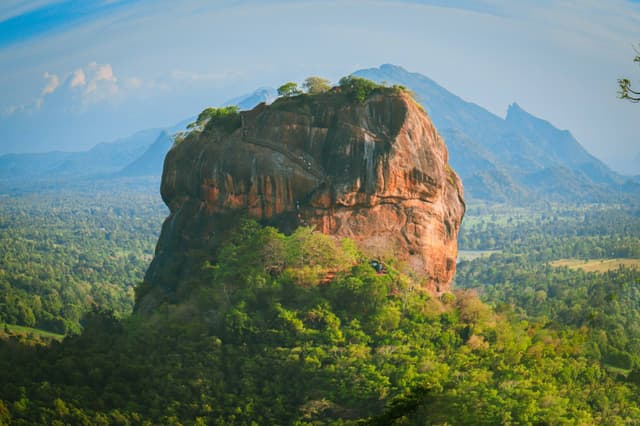
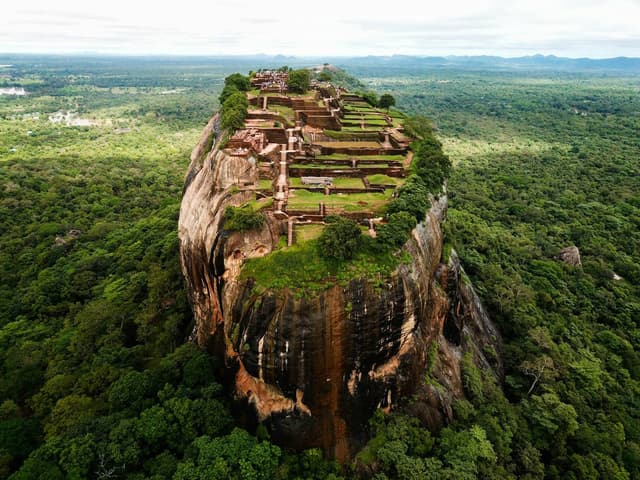
- Hotels, guesthouses and drivers on the tourist circuit almost always manage good working English. Guides at major sites such as Sigiriya Lion Rock, Dambulla and the Temple of the Tooth commonly work in English.
- Colombo has the highest English literacy of any district (74.2 percent), so menus, malls, banks and offices rarely pose a problem.
- Older people and rural areas have lower English levels; a three-wheeler driver in a village or an elderly shopkeeper may know only a few words.
- The north and east run mainly in Tamil, and English literacy in the Northern Province districts, Batticaloa and Trincomalee is roughly 32 to 43 percent, so a few Tamil words go a long way in Jaffna or Batticaloa.
- Signs at stations, government offices and major roads are usually in Sinhala, Tamil and English, which makes getting around on your own easier than in many Asian countries.
For Nepali families travelling with grandparents who are not comfortable in English, it helps to have a guide or driver arranged in advance who can explain temple customs and food. Our notes on travelling abroad with elderly parents cover the practical side.
What are the main religions in Sri Lanka?
Sri Lanka has four main religions: Buddhism, Hinduism, Islam and Christianity. In the 2024 census, 69.8 percent of people said they were Buddhist, 12.6 percent Hindu, 10.7 percent Muslim and 6.9 percent Christian (5.6 percent Roman Catholic and 1.3 percent other Christian denominations). Only a tiny fraction gave another answer. The overall pattern barely changed from 2012, with a small rise in the Muslim share and small falls in the Buddhist and Catholic shares.
| Religion | 2012 census | 2024 census | People in 2024 | Largest communities (2024 districts) |
|---|---|---|---|---|
| Buddhist | 70.1% | 69.8% | 15,199,093 | Gampaha, Colombo, Kurunegala |
| Hindu | 12.6% | 12.6% | 2,734,839 | Jaffna, Nuwara Eliya, Batticaloa |
| Islam | 9.7% | 10.7% | 2,337,379 | Ampara, Colombo, Kandy |
| Roman Catholic | 6.2% | 5.6% | 1,224,348 | Gampaha, Puttalam, Colombo |
| Other Christian | 1.4% | 1.3% | 282,185 | Colombo, Gampaha |
| Total population | 20,359,439 | 21,781,800 |
Source: Department of Census and Statistics, Census of Population and Housing 2024 final report (released 20 March 2026), Figure 6.1.15 and Tables 6.1.14 to 6.1.15. Religion is self-reported. Checked: 12 Nov 2026.
Religion and ethnicity overlap but are not the same thing. Most Sinhalese are Buddhist, most Tamils are Hindu, and most Sri Lankan Moors and Malays are Muslim, but Christians come from both Sinhalese and Tamil communities, especially along the west coast between Colombo and Puttalam. Religious buildings of different faiths often stand within a few streets of each other, particularly in Colombo, Kandy and Trincomalee.
Buddhism in Sri Lanka
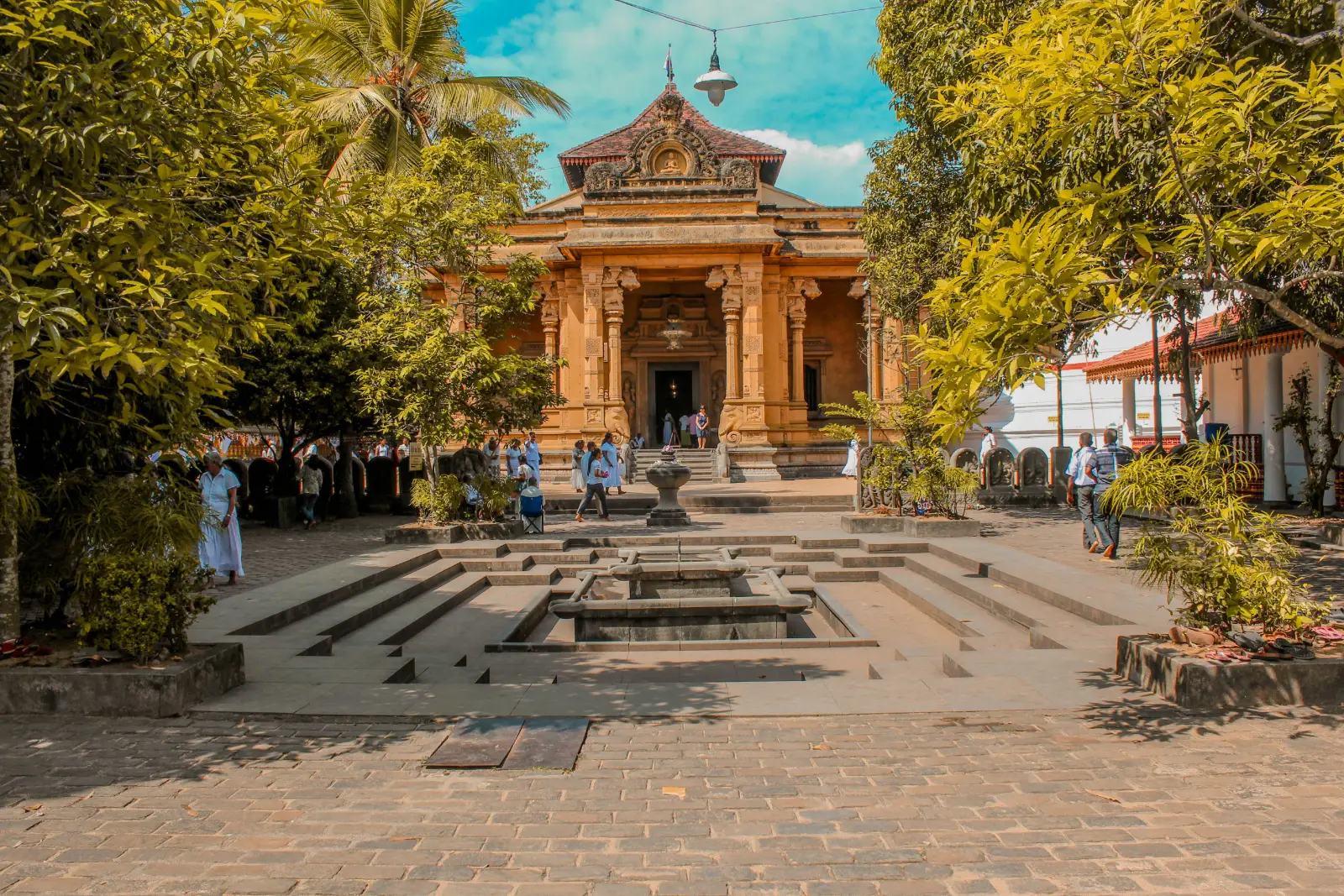
Sri Lanka follows Theravada Buddhism, the older school found in Myanmar, Thailand, Laos and Cambodia, which differs from the Mahayana and Vajrayana traditions most Nepalis know from Boudha and Swayambhu. Temples are called viharas, stupas are called dagobas or chaityas, and monks wear saffron or maroon robes. Article 9 of the Constitution states that the Republic "shall give to Buddhism the foremost place" and protect the Buddha Sasana, while assuring all religions the rights the Constitution grants them (Constitution text, WIPO Lex).
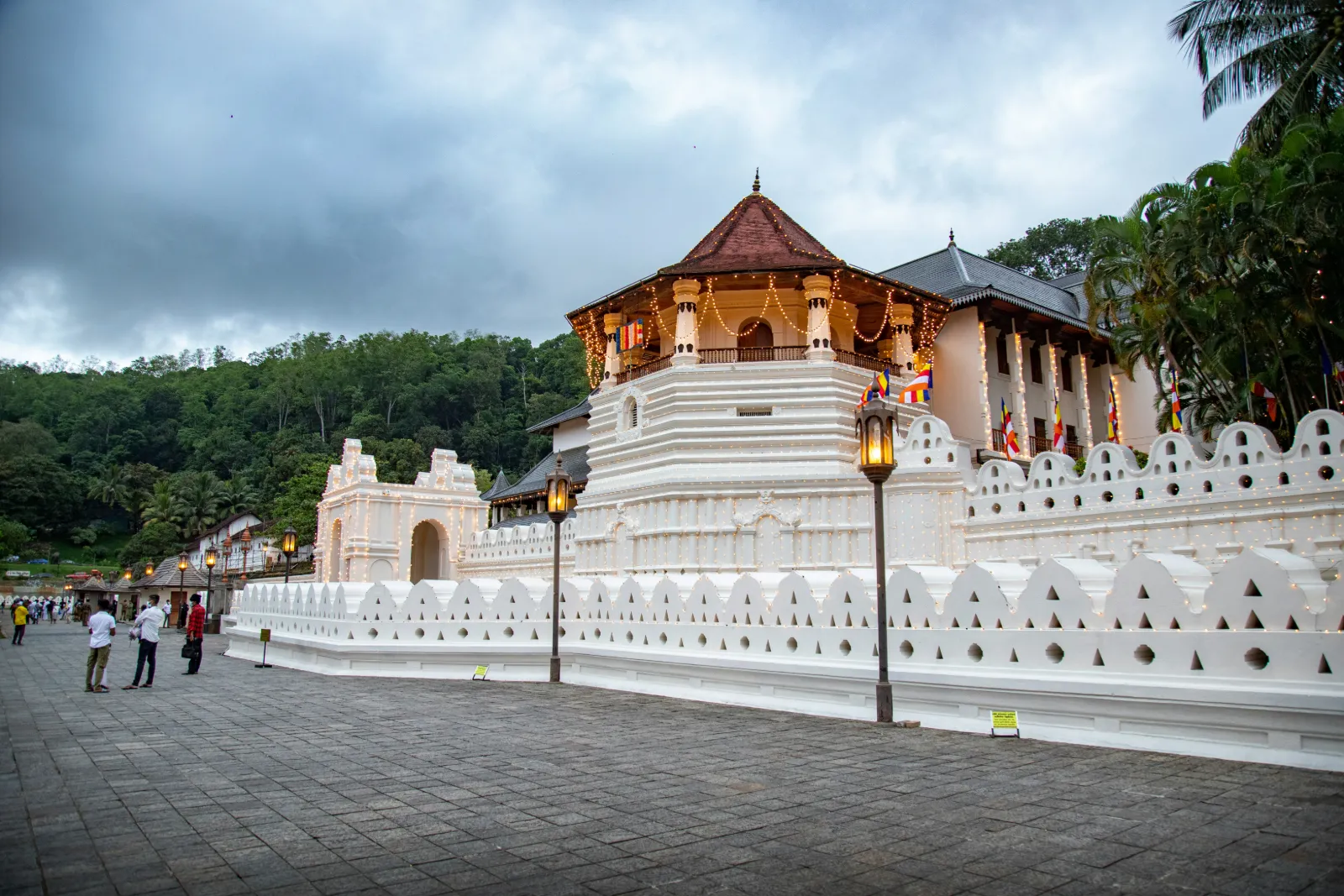
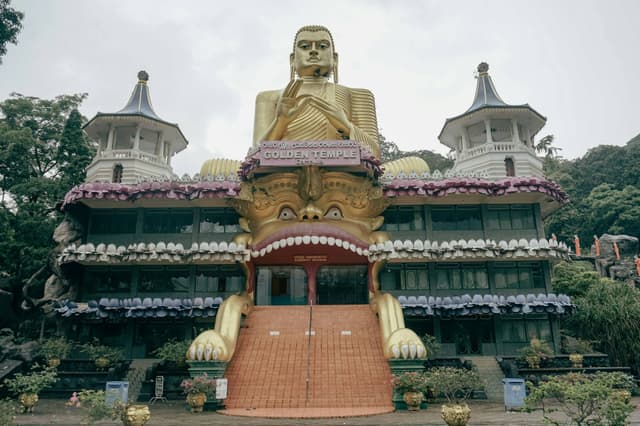
The most important Buddhist sites for visitors are the Temple of the Sacred Tooth Relic in Kandy (official opening hours 5:30am to 8pm, checked 9 Nov 2026), the painted Dambulla Cave Temple, the ancient city of Anuradhapura with its sacred Bodhi tree, Mihintale, and Kelaniya Raja Maha Vihara just outside Colombo. On full moon (Poya) days you will see families dressed in white bringing flowers, oil lamps and incense to temples.
Hinduism in Sri Lanka
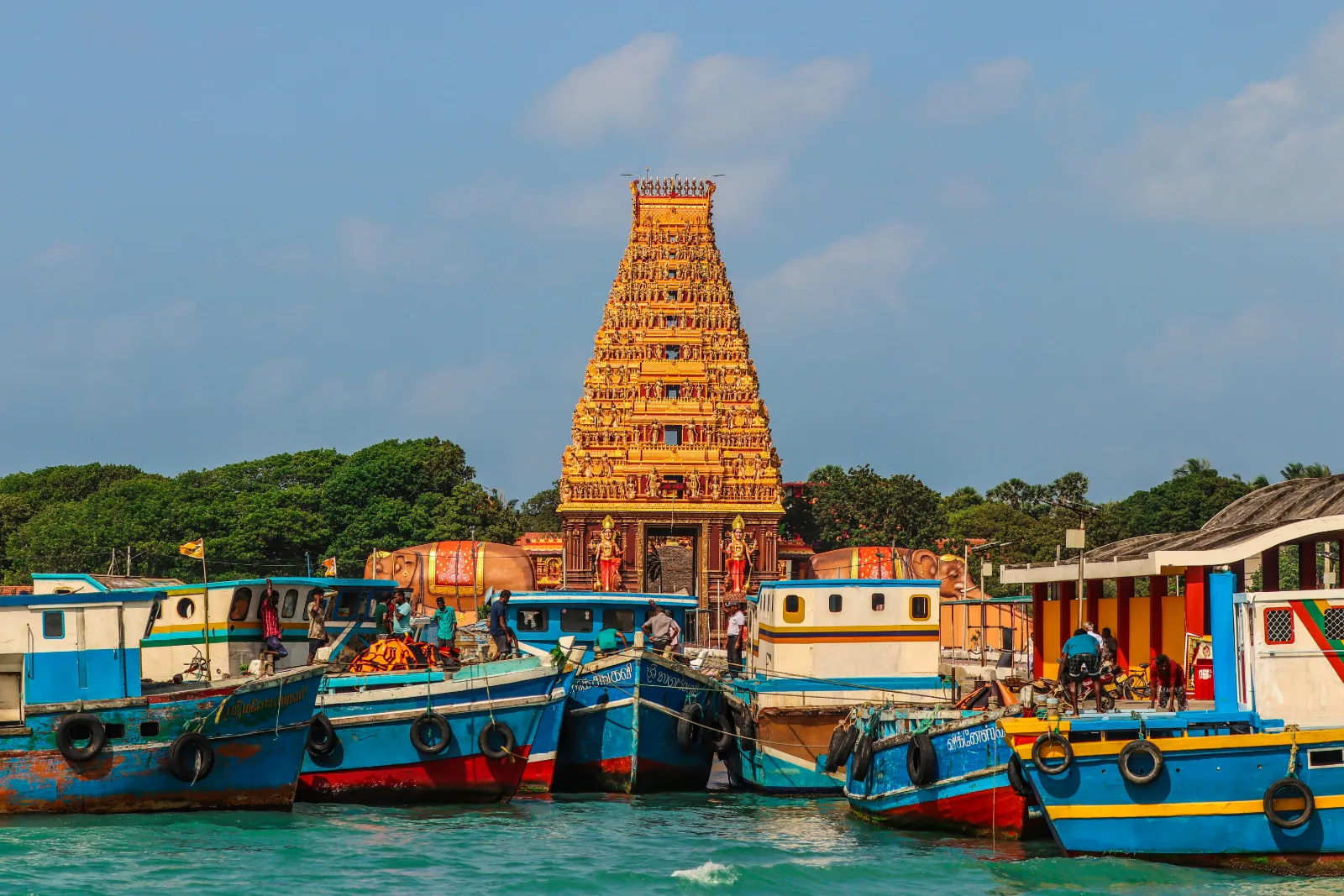
Hinduism is practised by 12.6 percent of Sri Lankans, mostly Tamils, and is centred on Shiva, Murugan (Skanda), Ganesh and forms of the goddess. Hindu temples are called kovils, and many have tall, brightly painted gopuram towers in the South Indian style. Jaffna district has the largest Hindu community (489,521 people in 2024), followed by Nuwara Eliya and Batticaloa.
Well known Hindu sites include Nallur Kandaswamy Kovil in Jaffna, Nagapooshani Amman Kovil on Nainativu island, Koneswaram on the cliffs of Trincomalee, and the many kovils of Colombo. Nepali Hindus will recognise the deities and much of the puja, though the language of worship is Tamil and the style is South Indian. If you enjoy temple visits abroad, our round-up of Hindu temples outside Nepal and India includes more ideas.
Islam in Sri Lanka
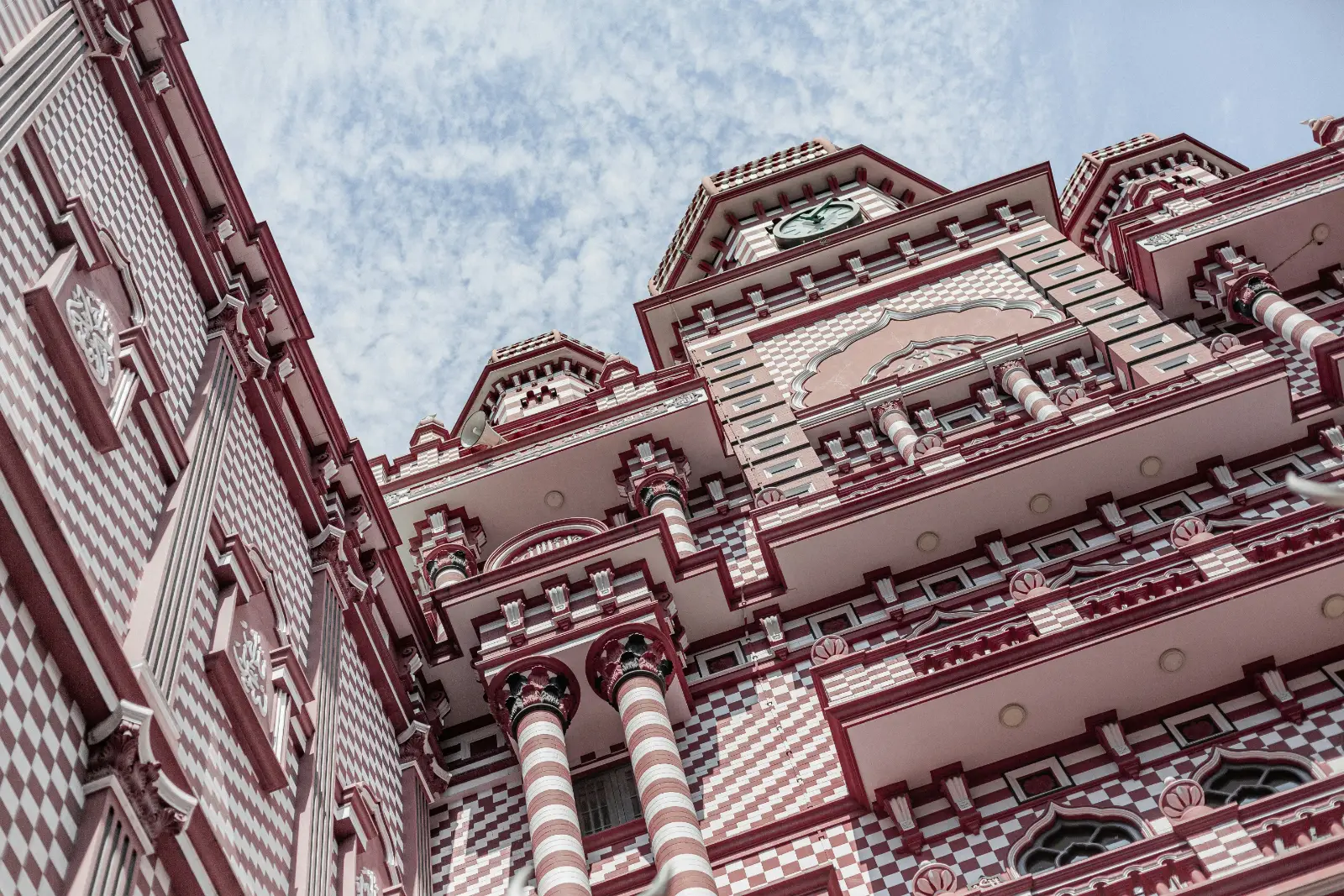
Islam is followed by 10.7 percent of the population, mainly Sri Lankan Moors and Malays. The Muslim share grew by one percentage point between 2012 and 2024, and the largest communities are in Ampara district on the east coast, Colombo and Kandy. Most Sri Lankan Muslims speak Tamil at home and many also speak Sinhala.
Visitors most often see the red and white Jami Ul Alfar Mosque in Colombo's Pettah market district, which features in our guide to things to do in Colombo. Eid ul Fitr, Eid al Adha and the Prophet's Birthday (Milad un Nabi) are public holidays.
Christianity in Sri Lanka
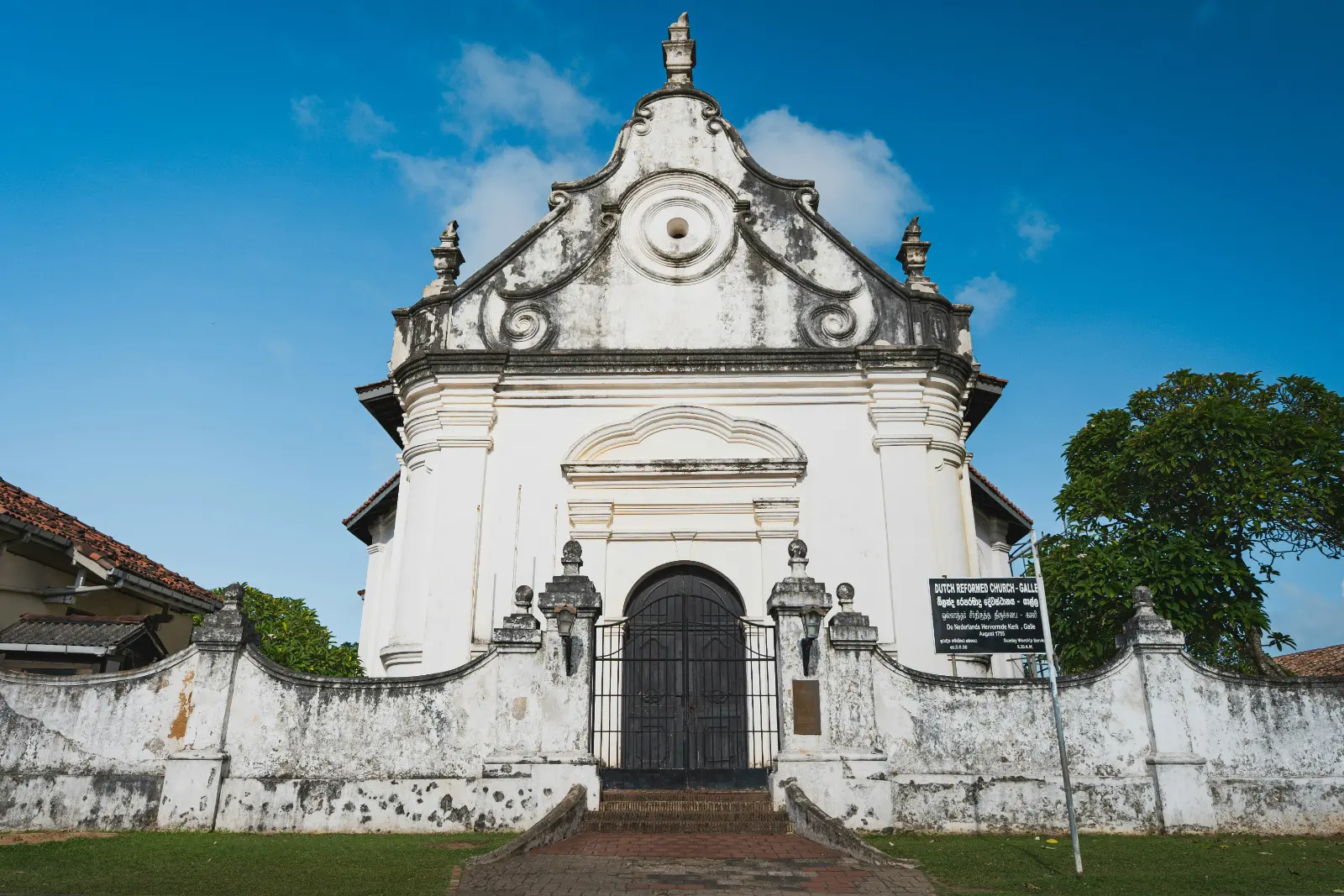
Christians make up 6.9 percent of Sri Lankans: 5.6 percent Roman Catholic and 1.3 percent other denominations. Catholicism arrived with the Portuguese in the 16th century and Protestant churches with the Dutch and British, which is why colonial era churches stand in Galle Fort, Colombo, Negombo and Jaffna. Gampaha district, which includes Negombo, has the largest Catholic population (442,291 people in 2024). Good Friday and Christmas Day are public holidays.
Places sacred to more than one faith
A few Sri Lankan sites are revered by several religions at once, which says a lot about how intertwined the island's faiths are:
- Sri Pada (Adam's Peak): the footprint-shaped mark on the summit is honoured by Buddhists as the Buddha's footprint, by many Hindus as Shiva's, and by some Muslims and Christians as Adam's. The pilgrim season runs from the Unduvap Poya in December to the Vesak Poya in May; the 2026 to 2027 season opens on 23 December 2026 (Sunday Times Sri Lanka, 8 Nov 2026).
- Kataragama: a shrine town in the south visited by Buddhists, Hindus and Muslims, with a Hindu shrine to Skanda (Murugan), a Buddhist stupa and a mosque close together.
- Kelaniya: a major Buddhist temple whose grounds also hold shrines to deities worshipped by both Buddhists and Hindus, a common pattern in Sri Lankan temples.
How is Sri Lankan Buddhism connected to Nepal?
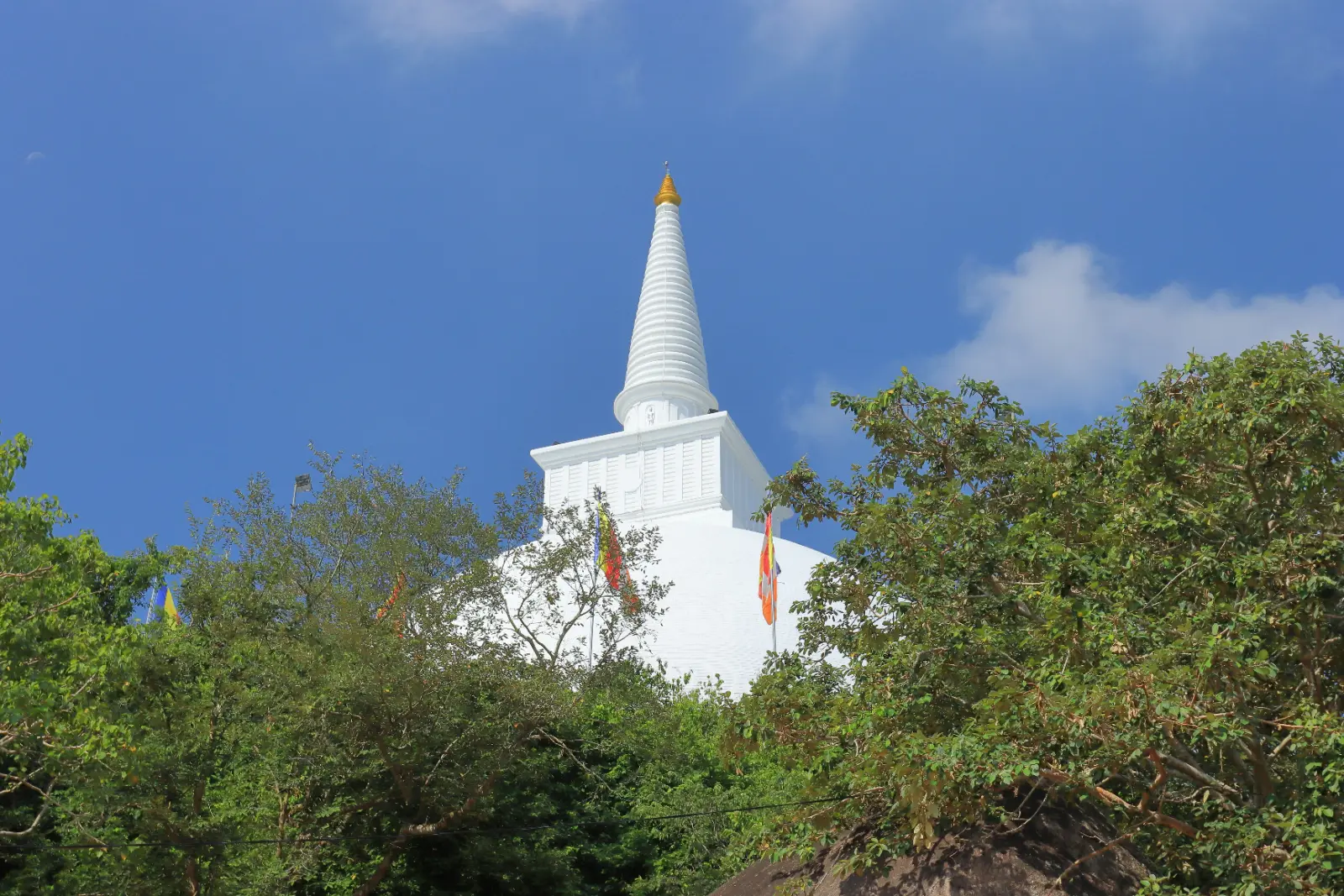
The connection is direct: the Buddha was born at Lumbini in Nepal, and the Buddhism practised in Sri Lanka traces its arrival to a mission sent by the same emperor who marked Lumbini as the birthplace. UNESCO records that the Buddha was born in Lumbini in 623 BC and that the Mauryan Emperor Ashoka erected a pillar there in 249 BC, with an inscription testifying to the birth (UNESCO World Heritage Centre).
Sri Lankan tradition holds that Ashoka's son, the monk Mahinda, arrived on the island in the 3rd century BC on a Poson full moon, met King Devanampiya Tissa on the rock at Mihintale and preached the first sermon there, after which the king accepted Buddhism (Sunday Times Sri Lanka, June 2025). Mihintale is therefore the island's equivalent of a birthplace for its Buddhism, and the Poson festival in June celebrates it.
| Link | Nepal | Sri Lanka |
|---|---|---|
| Key place | Lumbini, birthplace of the Buddha (UNESCO World Heritage Site) | Mihintale, where Buddhism is said to have been introduced |
| Emperor Ashoka | Ashoka pillar at Lumbini, 249 BC | His son Mahinda led the mission to Sri Lanka |
| Buddha's birth festival | Buddha Jayanti on the Baisakh full moon | Vesak Full Moon Poya (1 May 2026), which marks the birth, enlightenment and passing of the Buddha |
| Main tradition | Mostly Vajrayana and Mahayana, with a Theravada community | Theravada |
| Living ties | A Sri Lankan monastery stands in the Lumbini monastic zone | Sri Lankan pilgrims travel to Lumbini, including for the Kathina robe offering |
The tie is still active. The Kathmandu Post reported in November 2025 that a group of Sri Lankan devotees, some living in Australia, came to Lumbini for the Kathina robe offering at the end of the monastic rain retreat, offering robes at the Maya Devi Temple, and that Sri Lankan Kandyan drummers accompany festival processions there (The Kathmandu Post). When you tell people in a Sri Lankan temple that you are from Nepal, the Buddha's homeland, expect warm interest.
What phrases are useful for travellers in Sri Lanka?
A handful of Sinhala and Tamil words will earn you smiles everywhere. Use Sinhala in the south, west and centre, and Tamil in the north, the east and the tea estates; if you are unsure, a polite "hello" in English is always fine. The romanisation below is a simple guide to pronunciation, not a formal system; spellings and spoken forms follow the Wikivoyage Sinhala and Tamil phrasebooks.
Sinhala phrases
| English | Sinhala (romanised) | Sinhala script | Notes |
|---|---|---|---|
| Hello, welcome (literally "may you live long") | Ayubowan | ආයුබෝවන් | Said with palms pressed together, like a namaste |
| Thank you | Sthuthiyi | ස්තූතියි | Sounds like "stoo-tee-yee" |
| Thank you very much | Bohoma sthuthiyi | බොහොම ස්තූතියි | |
| How are you? | Kohomada? | කොහොමද? | Friendly and informal |
| Yes | Ow | ඔව් | |
| No | Naha (spoken: Nae) | නැහැ (නෑ) | |
| OK, right | Hari | හරි | Heard constantly |
| Please | Karunakarala | කරුණාකරල | Often left out in speech; tone does the work |
| Sorry, excuse me | Samavenna | සමාවෙන්න | |
| How much is this? | Meeka keeyada? | මේක කීයද? | Useful at markets |
| Where is ...? | ... koheda? | ... කොහෙද? | Put the place first: "Kandy koheda?" |
| Water | Wathura | වතුර | |
| I don't understand | Mata therenne nae | මට තේරෙන්නෙ නෑ |
Tamil phrases
| English | Tamil (romanised) | Tamil script | Notes |
|---|---|---|---|
| Hello | Vanakkam | வணக்கம் | Said with palms together |
| Thank you | Nandri | நன்றி | |
| How are you? | Eppadi irukkeenga? | எப்படி இருக்கீங்க? | Polite everyday form |
| Yes | Aamaam | ஆமாம் | |
| No | Illai | இல்லை | |
| OK, right | Sari | சரி | |
| Sorry, excuse me | Mannikkavum | மன்னிக்கவும் | |
| How much is this? | Ithu evvalavu? | இது எவ்வளவு? | Often said "evlavu" |
| Where is ...? | ... enge? | ... எங்கே? | "Nallur kovil enge?" |
| Water | Thanneer | தண்ணீர் | Spoken as "thanni" |
| I don't understand | Enakku puriyavillai | எனக்குப் புரியவில்லை |
A few practical tips for using them:
- A side to side head wobble often means "yes" or "OK", not "no", much as in South India.
- Sinhala greetings are more formal than people's everyday speech, so "Ayubowan" is perfect for a first meeting, a temple or a hotel, while friends simply say "Kohomada?"
- Do not worry about mixing languages. Many Sri Lankans switch between Sinhala or Tamil and English in the same sentence.
- Avoid greeting a Tamil speaker in Sinhala in the north, or the other way round in the south, if you know which community you are in; English is a neutral choice when unsure.
What etiquette should visitors follow at religious sites in Sri Lanka?
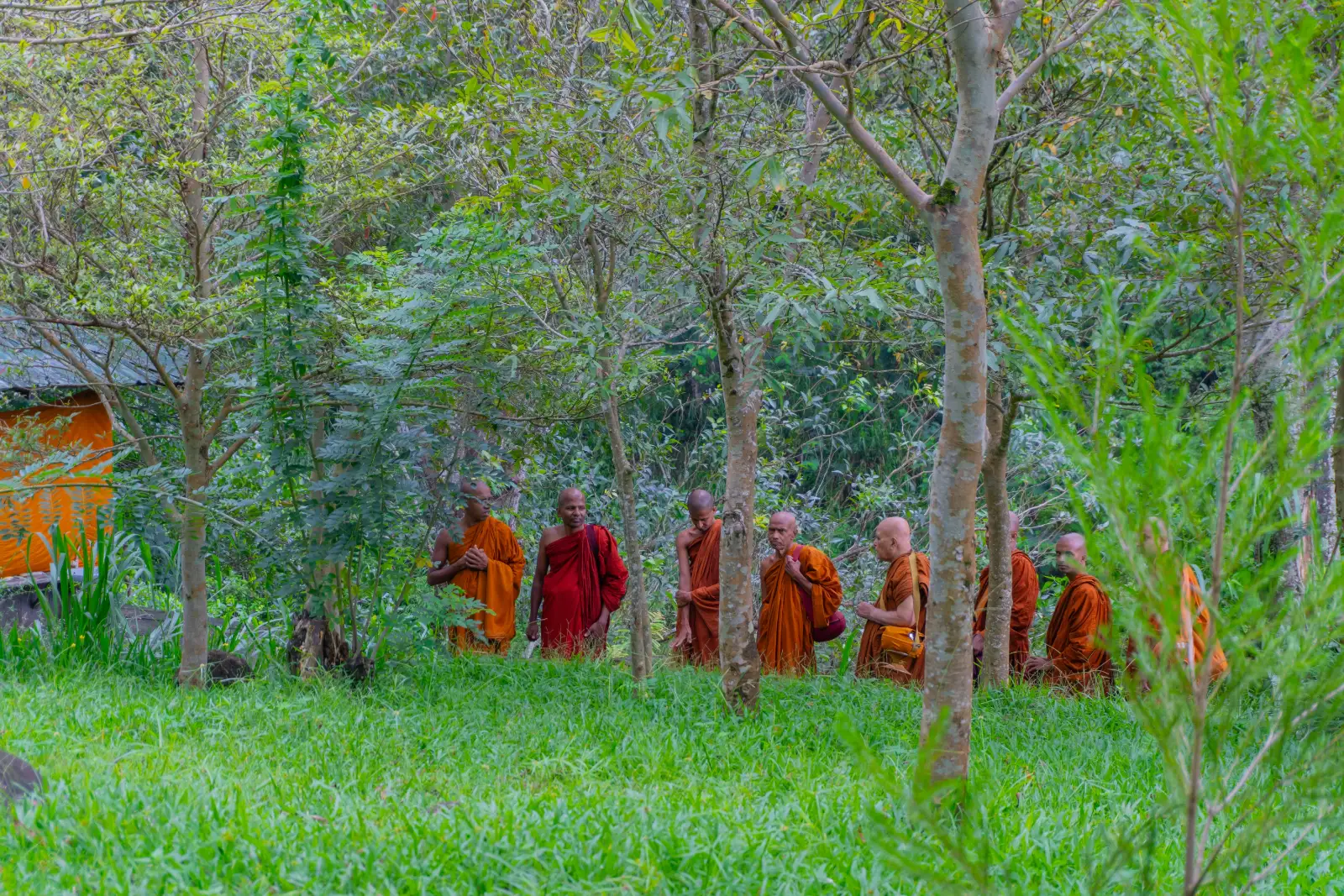
Cover your shoulders and legs, take off your shoes and hat, and treat Buddha images with respect. Those three rules cover most situations, and the UK Foreign Office's travel advice for Sri Lanka (updated 21 September 2026) puts it plainly: disrespecting Buddhist images and artefacts, or making offensive remarks about religion, "is a serious offence and can lead to arrest" (GOV.UK, checked 12 Nov 2026). For a wider list of everyday customs, see our dos and don'ts in Sri Lanka, and for wider safety advice, our guide on whether Sri Lanka is safe for visitors.
At Buddhist temples (viharas)
- Dress: cover shoulders and knees, for men and women. Shorts, sleeveless tops and short skirts are not appropriate. Carry a light scarf or sarong for unplanned stops.
- Shoes and hats: remove both before entering; at many temples shoes come off at the entrance to the whole compound, not just the shrine room. Stone floors get very hot by midday, so socks help.
- Photos: do not pose for photographs with your back to a Buddha statue or stand in front of one for a selfie. This is specifically warned against by the UK Foreign Office.
- Buddha tattoos: visible tattoos of the Buddha can lead to refused entry to Sri Lanka or deportation, according to the same advice. Cover any religious tattoo fully.
- Sitting and feet: never point the soles of your feet at a Buddha image or a monk. Sit with your legs tucked to the side.
- Stupas: walk around a dagoba clockwise, keeping it on your right, the same custom Nepali visitors follow at Boudha and Swayambhu.
- Monks: stand when a monk enters, do not touch a monk, and women should avoid handing things directly to a monk; place items on a table or cloth instead. Ask before photographing monks.
- Behaviour: speak quietly, switch phones to silent and do not climb on statues, walls or stupas.
At Hindu kovils
- Dress modestly and remove footwear outside.
- At some kovils, particularly in the north, men are asked to remove their shirts before entering the inner area; follow what local men do and any signs at the gate.
- Photography is often not allowed in the inner sanctum, so ask first.
- Puja times can be busy; stand to the side if you are watching rather than taking part.
At mosques and churches
- At mosques, dress modestly with arms and legs covered, women should bring a headscarf, remove shoes, and avoid visiting during Friday midday prayers unless invited.
- At churches, dress modestly and keep quiet during services; visitors are generally welcome outside service times.
Is alcohol available on Poya days?
Usually not. Every full moon is a Poya day and a public holiday in Sri Lanka, and the UK Foreign Office notes that "alcohol is not usually available on religious holidays". Liquor shops are closed by order of the Department of Excise: for Poson in 2026, for example, all liquor shops nationwide were closed from 28 to 30 June, with outlets around Mihintale and parts of the North Central Province kept closed until 2 July (NewsFirst, 28 June 2026). Closure periods can be longer around Vesak and Poson, so check locally before each Poya. Many Buddhist families also eat meat-free on Poya days. Checked: 12 Nov 2026.
Are there festivals linked to religion in Sri Lanka?
Yes, and plenty of them. Sri Lanka's official 2026 calendar, issued by the Government Printing Department, lists 26 public holidays, and almost all are religious: every full moon Poya, plus Hindu, Muslim and Christian festivals. Because Poya and Islamic dates follow the moon, they move every year, so always check the current year's calendar before planning around one. For how festivals line up with the weather, see our guide to the best time to visit Sri Lanka.
What is a Poya day?
A Poya day is the full moon day of each month, a Buddhist holy day and a national public holiday. Devout Buddhists dress in white, visit temples, observe the eight precepts and spend time in meditation. Each Poya has its own name and story; Vesak, Poson and Esala are the biggest. Some years have an extra "Adhi" Poya when a lunar month repeats, as 2026 did with Adhi Poson.
| Poya (2026) | Date | What it marks (in brief) |
|---|---|---|
| Duruthu | Saturday 3 January | Tradition of the Buddha's first visit to Sri Lanka |
| Navam | Sunday 1 February | Appointment of the Buddha's two chief disciples, Sariputta and Moggallana |
| Medin | Monday 2 March | Buddha's visit to his home town, Kapilavastu |
| Bak | Wednesday 1 April | Tradition of the Buddha's second visit to the island |
| Vesak | Friday 1 May (plus Saturday 2 May holiday) | Birth, enlightenment and passing of the Buddha |
| Adhi Poson | Saturday 30 May | Extra lunar month in 2026 |
| Poson | Monday 29 June | Arrival of Buddhism with Mahinda at Mihintale |
| Esala | Wednesday 29 July | The Buddha's first sermon |
| Nikini | Thursday 27 August | First Buddhist council after the Buddha's passing |
| Binara | Saturday 26 September | Founding of the order of Buddhist nuns |
| Vap | Sunday 25 October | End of the monks' rains retreat (Vas), followed by Kathina robe offerings |
| Ill | Tuesday 24 November | Tradition of the future Buddha Maitreya receiving the assurance of Buddhahood |
| Unduvap | Wednesday 23 December | Arrival of the Bodhi tree sapling, brought by the nun Sanghamitta; start of the Sri Pada season |
Dates: Government Printing Department 2026 calendar, as published by Ada Derana, 28 December 2025. Meanings follow the traditional Theravada account summarised by the Serene Colombo Buddhist centre. Checked: 12 Nov 2026. The next two Poya days from today are Ill (24 November) and Unduvap (23 December).
Buddhist festivals: Vesak, Poson and the Esala Perahera
- Vesak (May): the biggest festival of the year. Streets fill with paper lanterns, lit pandals (large illuminated panels telling stories from the Buddha's life) and dansal, roadside stalls where volunteers hand out food and drinks to passers by.
- Poson (June): celebrates the arrival of Buddhism. Mihintale and Anuradhapura draw huge crowds of pilgrims in white, and liquor closures in that area last longer than elsewhere.
- Kandy Esala Perahera (July to August): nights of processions with dancers, drummers and decorated elephants honouring the Sacred Tooth Relic. In 2026 it ran from 18 to 28 August. Hotels in Kandy fill early for these dates.
Hindu festivals: Thai Pongal, Maha Shivaratri and Deepavali
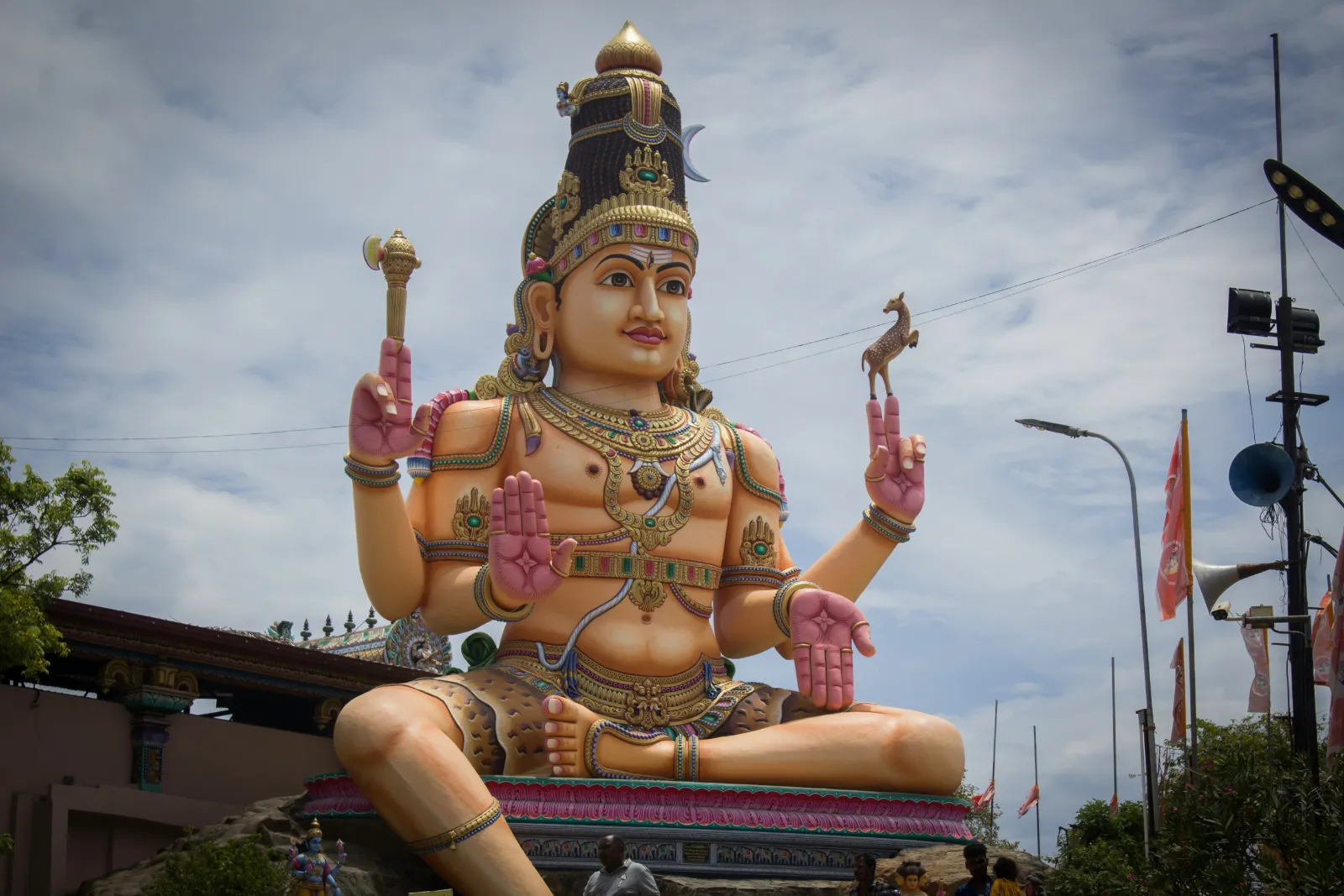
- Thai Pongal (15 January 2026): the Tamil harvest festival, when families boil the first rice of the season with milk and jaggery until it overflows.
- Maha Shivaratri (15 February 2026): the great night of Shiva, kept with fasting and all-night worship at kovils. Nepali visitors will know it from Pashupatinath.
- Deepavali (8 November 2026): the festival of lights, the same festival Nepal celebrates within Tihar, marked with oil lamps, new clothes and sweets in Tamil homes and kovils.
Shared, Muslim and Christian holidays
| Festival | 2026 date | Faith or community |
|---|---|---|
| Sinhala and Tamil New Year | 13 and 14 April | Shared by Sinhalese and Tamils; the biggest family festival, many shops close |
| Eid ul Fitr (Ramadan Festival) | 21 March | Muslim; exact date depends on moon sighting |
| Good Friday | 3 April | Christian |
| Eid al Adha (Hajj Festival) | 28 May | Muslim; moon dependent |
| Milad un Nabi (Prophet's Birthday) | 26 August | Muslim |
| Christmas Day | 25 December | Christian; Colombo and Negombo decorate widely |
For Nepali travellers, the timing works out neatly: Deepavali usually falls in the Tihar period, and the October to December window after Dashain lines up with the Vap, Ill and Unduvap Poyas, so a holiday-season trip is likely to include at least one Poya day. Plan a quiet temple visit for that day rather than a night out.
How should you plan a Sri Lanka trip around language and religion?
Plan your route first, then layer the language and religious calendar on top. A few simple choices make the trip smoother:
- Check the Poya calendar for your dates. Expect closed liquor shops, busy temples and quieter nightlife; it is a lovely day for temple visits.
- Pack for temples. Light trousers or long skirts, a shawl, and slip-on shoes save time at every site.
- Match phrases to region. Learn "Ayubowan" and "Sthuthiyi" for the south and centre, "Vanakkam" and "Nandri" for Jaffna, Trincomalee and the tea country.
- Book a guide for heritage sites if older family members prefer Hindi or Nepali explanations; ask in advance, as Hindi speaking guides are less common than English speaking ones.
- Build in festival time. If Vesak, Poson or the Kandy Esala Perahera falls in your window, it is worth rearranging days around it, and booking rooms early.
- Read entry requirements early. Rules for Nepali passport holders can change, so check our Sri Lanka visa page and the official government site before you travel.
For ideas on which temples, forts and beaches to combine, see our list of places to visit in Sri Lanka, and if you would like a route already worked out, browse our Sri Lanka tour packages.
Frequently asked questions
What language do they speak in Sri Lanka?
People in Sri Lanka speak mainly Sinhala and Tamil, the two official and national languages under the Constitution. Sinhala is the first language of the Sinhalese majority (74.1 percent in the 2024 census), while Tamil is spoken by Tamils and many Muslims. English is the official link language and is widely used in tourism and business.
Is English spoken in Sri Lanka?
Yes. English is widely understood in Sri Lanka's hotels, airports, banks and tourist sites. The 2024 census found 57.3 percent of people aged 10 and over could read and write English, up from 30.8 percent in 2012, and the figure is highest in Colombo (74.2 percent) and among young people. Rural and older people may know less.
What is the main religion in Sri Lanka?
Buddhism is the main religion in Sri Lanka. In the 2024 census, 69.8 percent of the population identified as Buddhist, followed by Hindus (12.6 percent), Muslims (10.7 percent) and Christians (6.9 percent). Sri Lankan Buddhism follows the Theravada tradition, the same school practised in Myanmar and Thailand.
Is Sri Lanka a Buddhist country?
Sri Lanka has a Buddhist majority and its Constitution gives Buddhism "the foremost place", but it is a multi-religious country that also protects other faiths. Hindus, Muslims and Christians together make up about 30 percent of the population, and their festivals, such as Deepavali, Eid and Christmas, are national public holidays.
How do you say hello in Sinhala?
The traditional Sinhala greeting in Sri Lanka is "Ayubowan" (ආයුබෝවන්), which means "may you live long". It is said with palms pressed together, much like a namaste in Nepal. Among friends, people often simply ask "Kohomada?" (how are you?). To say thank you, use "Sthuthiyi".
Is Tamil spoken in Sri Lanka?
Yes. Tamil is one of Sri Lanka's two official languages and the main language in the north and east, including Jaffna, Batticaloa and Trincomalee, as well as among tea estate communities. In the 2024 census, 45.3 percent of people aged 10 and over could read and write Tamil, and almost 98 percent in Jaffna. Say "Vanakkam" for hello.
Is Sri Lanka part of India?
No. Sri Lanka is an independent island country, separated from India by the Palk Strait. It gained independence from Britain in 1948 and changed its name from Ceylon to Sri Lanka in 1972. It has its own government, currency (the Sri Lankan rupee) and immigration rules, though it shares deep cultural and religious ties with India.
Where is Sri Lanka located?
Sri Lanka is located in the Indian Ocean, just off the southern tip of India and north of the equator, at roughly 6 to 10 degrees north. From Nepal it lies far to the south and is reached by air, either non-stop from Kathmandu on some days of the week or with one stop, usually in India. Sri Lanka's clock is 15 minutes behind Nepal's.
What is a Poya day?
A Poya day is the full moon day of each month in Sri Lanka, a Buddhist holy day and public holiday. Buddhists dress in white and visit temples, and liquor shops are normally closed by order of the Department of Excise. In 2026 the remaining Poya days are 24 November (Ill) and 23 December (Unduvap).
Can tourists visit temples in shorts?
No. At Buddhist temples in Sri Lanka, visitors should cover their shoulders and legs and remove shoes and hats before entering, as the UK Foreign Office also advises. Shorts and sleeveless tops are not appropriate. Carry a sarong or scarf, and never pose for photos with your back to a Buddha statue.
Is Hinduism practised in Sri Lanka?
Yes. Hinduism is Sri Lanka's second largest religion, followed by 12.6 percent of people in the 2024 census, mostly Tamils. Jaffna, Nuwara Eliya and Batticaloa have the largest Hindu communities. Famous kovils include Nallur in Jaffna, Nagapooshani Amman on Nainativu and Koneswaram in Trincomalee, and Deepavali and Thai Pongal are public holidays.
Sri Lanka ma kun bhasa bolcha?
Sri Lanka ma mukhya bhasa Sinhala ra Tamil ho, dubai sarkari bhasa. English "link language" ho ra Colombo, Kandy, Galle jasta paryatak thau ma dherai le bujhchhan. Nepali ra Hindi Sri Lanka ko bhasa hoina, tyasaile Nepali yatri ka lagi English nai sabai bhanda kaam lagne bhasa ho.