

















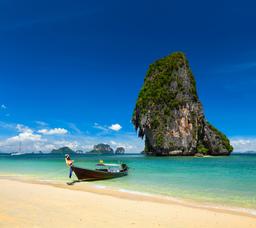

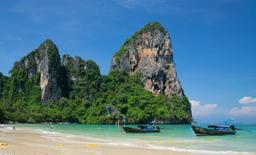











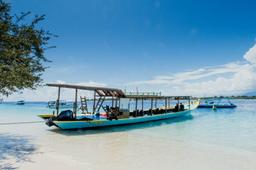




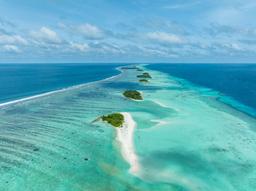













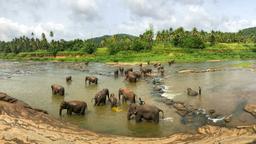

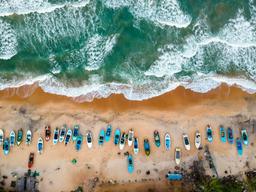
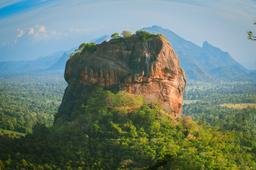






























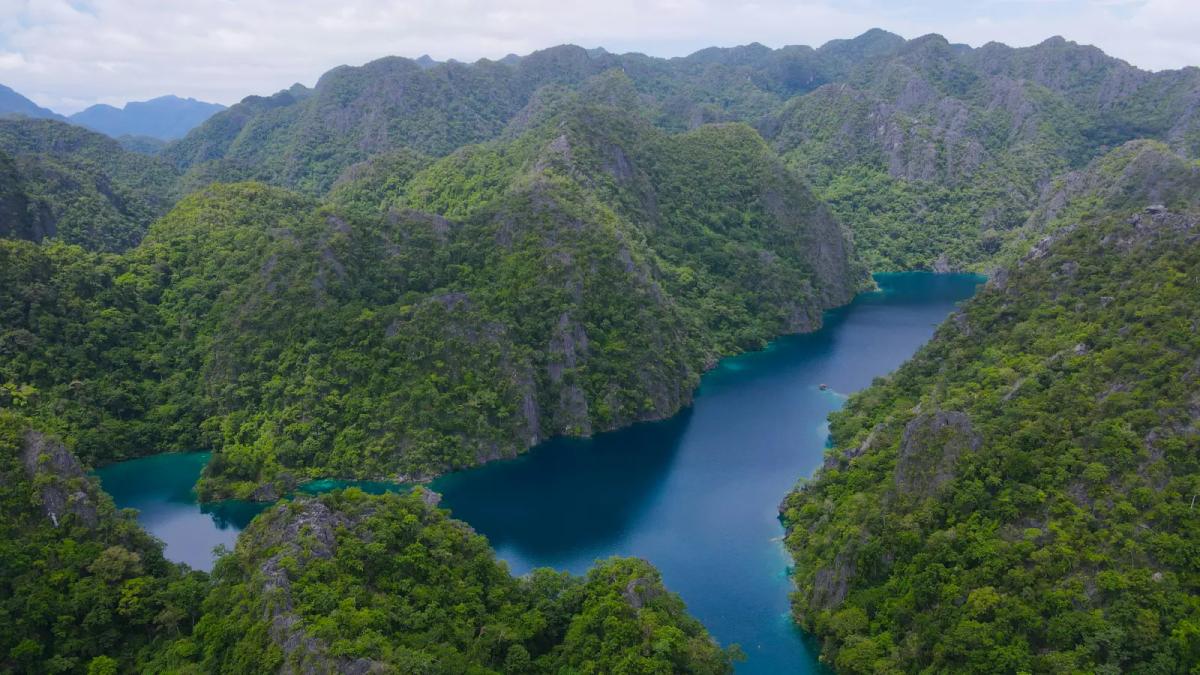
Short answer: Coron Palawan is the northern Palawan base for three things you will not easily find together anywhere else: clear lakes hidden inside limestone cliffs, Second World War shipwrecks you can snorkel or dive, and full days of island hopping between karst islets. Fly into Busuanga airport, stay in Coron town, and plan at least two full boat days: one for Kayangan Lake, Twin Lagoon and the shallow Skeleton Wreck, and one for Barracuda Lake, Siete Pecados or the deeper wrecks if you dive. The dry months from December to May are the most reliable, while July to October is the peak of the typhoon season.
This guide is written for snorkellers, divers and island hoppers who want facts they can plan with, not just pretty pictures. Every depth, travel time and rule below comes from a named source, with the date we checked it. Where a figure is set locally and changes often, such as lake entry fees or boat schedules, we say so and tell you where to confirm it. If you are still choosing between regions, our complete Philippines travel guide gives the bigger picture first.
Coron Palawan Philippines at a glance, from the sources named in this guide (checked: 17 Nov 2026).
| Quick fact | Detail | Source |
|---|---|---|
| Where it is | Coron municipality covers the eastern part of Busuanga Island, all of Coron Island and about 50 smaller islets in northern Palawan | Wikipedia, Coron, Palawan |
| Population | 69,439 people (2024 census) | Wikipedia, citing the Philippine census |
| Airport | Francisco B. Reyes Airport, also called Busuanga Airport (IATA: USU) | Wikipedia, citing CAAP |
| Airport to town | About 20 km, around 40 minutes by van (reported) | Gamintraveler transfer guide |
| Who looks after Coron Island | The Tagbanua people, recognised as holders of the island's ancestral domain in 1998 | Wikipedia; Sacred Natural Sites Initiative |
| Wrecks | Japanese ships sunk in a US carrier air attack on 24 September 1944 | Pacific Wrecks |
| Dry season | December to May; rainy season June to November | PAGASA |
| Typhoon peak | July to October | PAGASA |
| Currency | Philippine peso (PHP); carry enough cash for boat days | General guidance |
Why visit Coron Palawan?
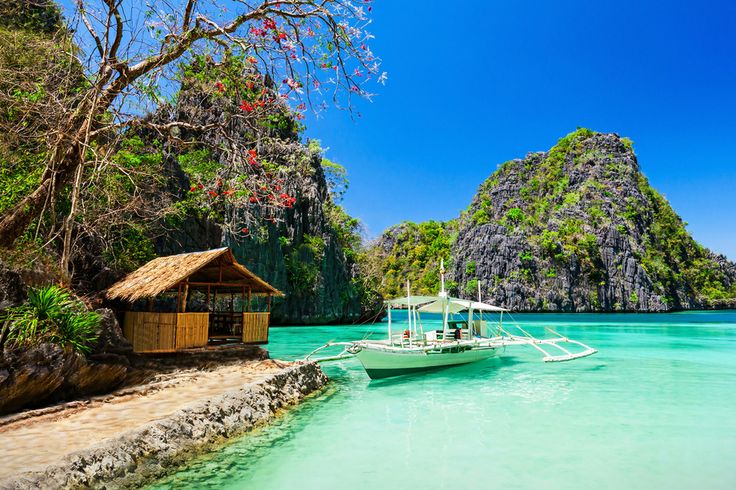
Visit Coron Palawan for its unusual mix of lakes, lagoons and wrecks packed into a small area you can reach by boat from one town. El Nido is famous for beaches and lagoons; Coron adds freshwater and brackish lakes inside the cliffs of Coron Island and a fleet of Second World War wrecks in Coron Bay, several of them shallow enough for snorkellers.
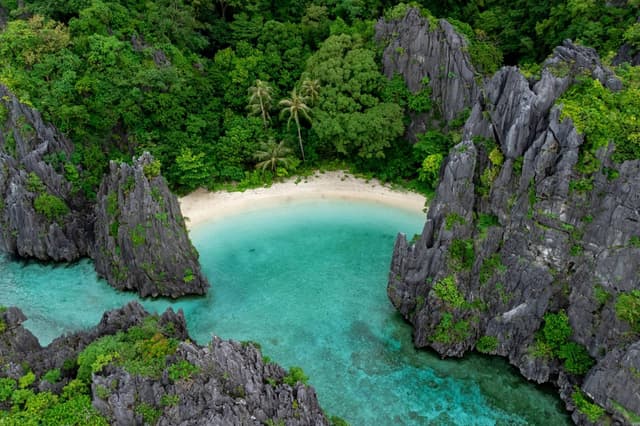
Coron sits in the Calamian Islands at the northern tip of Palawan province. The town itself is on Busuanga Island, while most of the sights people come for sit across the channel on Coron Island, a jagged block of limestone that rises straight out of the sea. Coron Island is not a theme park. It is the recognised ancestral domain of the Calamian Tagbanua, an Indigenous community who opened some of their lakes to visitors and keep others closed as sacred sites. Knowing this changes how you visit, and we cover it in detail below.
Coron also feels different from El Nido. The town is a busy port and dive base rather than a beach strip, and it feels a little more rugged and less polished. Our parent guide to the best things to do in Palawan explains how Coron, El Nido and Puerto Princesa fit together if you are planning a longer island trip.
Who Coron suits best
- Snorkellers: shallow reefs at Siete Pecados, the Skeleton Wreck and the Lusong gunboat wreck, plus swimming in Kayangan Lake and Twin Lagoon.
- Divers: some of Asia's best known wreck diving, from shallow training wrecks to deep dives on large Japanese navy ships, and the strange warm layer in Barracuda Lake.
- Island hoppers: full day boat trips with swims, beach lunches and viewpoints.
- Couples and honeymooners: sunset from Mt Tapyas, quiet beaches on outer islands and an evening soak at Maquinit hot spring.
- Families: life vests are mandatory at Kayangan Lake and widely provided on boat trips, and many stops have calm, sheltered water.
The main Coron sites compared
Use this table to see which sites need swimming skills, which involve climbing, and which you can enjoy from the boat or the shore. Effort levels are our plain language summary of the sources cited later in the guide.
| Site | What it is | How you see it | Effort | Non-swimmers? |
|---|---|---|---|---|
| Kayangan Lake | Brackish lake inside the cliffs of Coron Island, Tagbanua managed | Climb a stairway over a ridge, then swim or float from a boardwalk | Moderate climb, steep steps | Yes, with the mandatory life vest |
| Barracuda Lake | Lake with a sharp warm layer about 14 m down | Short walk on wooden walkways, then swim, snorkel or dive | Easy to moderate | Float only, with a life vest |
| Twin Lagoon | Two lagoons split by a limestone wall | Boat into the first lagoon, then a ladder or a low tide swim through a gap | Easy | Yes, with a life vest and a guide |
| Siete Pecados | Seven small islets in a marine park near Coron town | Snorkel from the boat over a shallow reef | Easy, but currents at some points | Only with a life vest and a guide |
| Skeleton Wreck | Small, unidentified wreck in shallow water off Coron Island | Snorkel or dive from the boat | Easy | Possible with a life vest, visibility from the surface |
| Banol Beach | Beach on Coron Island, listed by Palawan's provincial tourism office | Step off the boat on tours that include it | Easy | Yes |
What is Kayangan Lake and how do you visit?
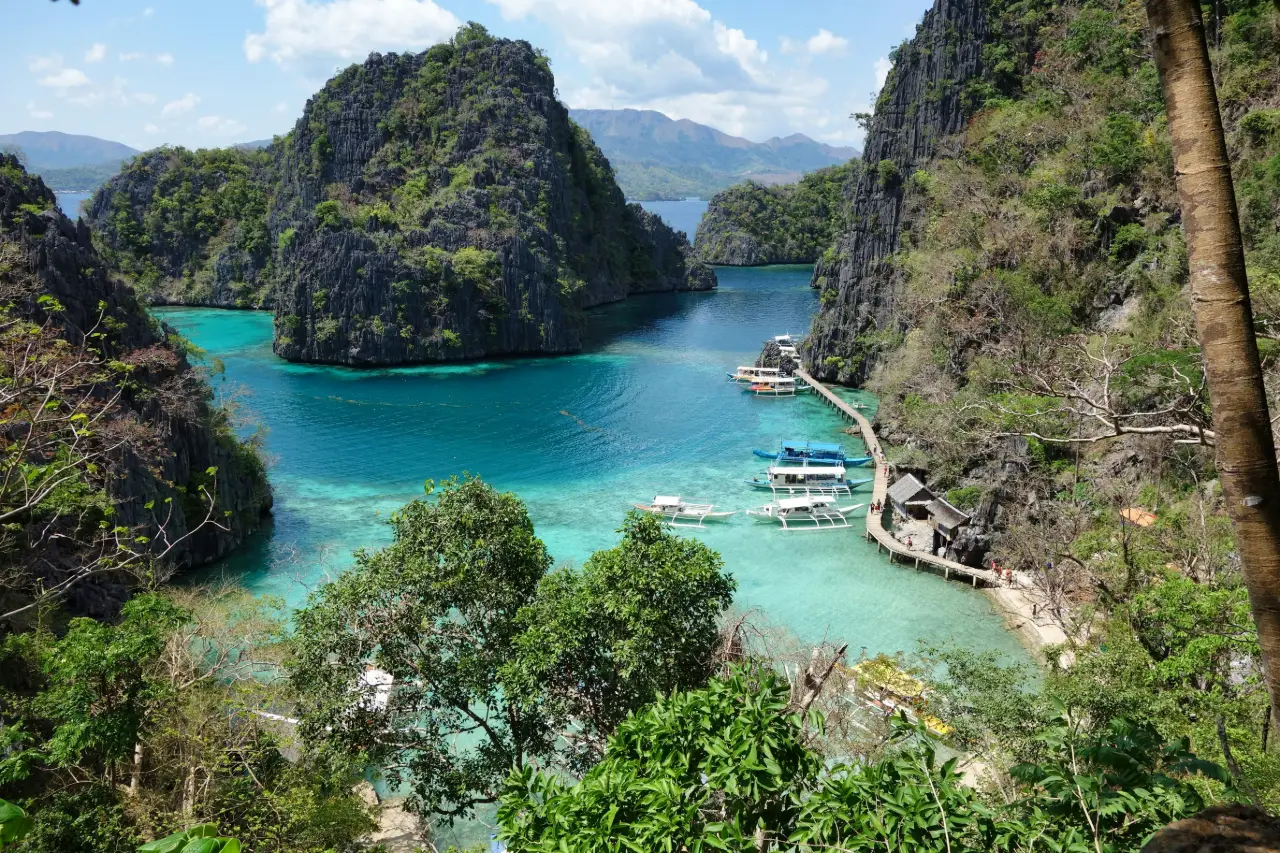
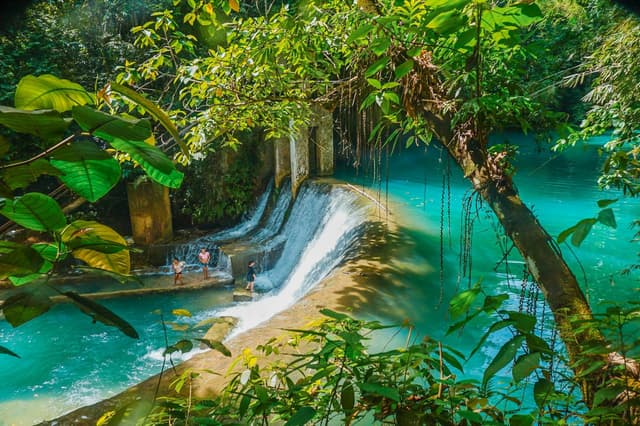
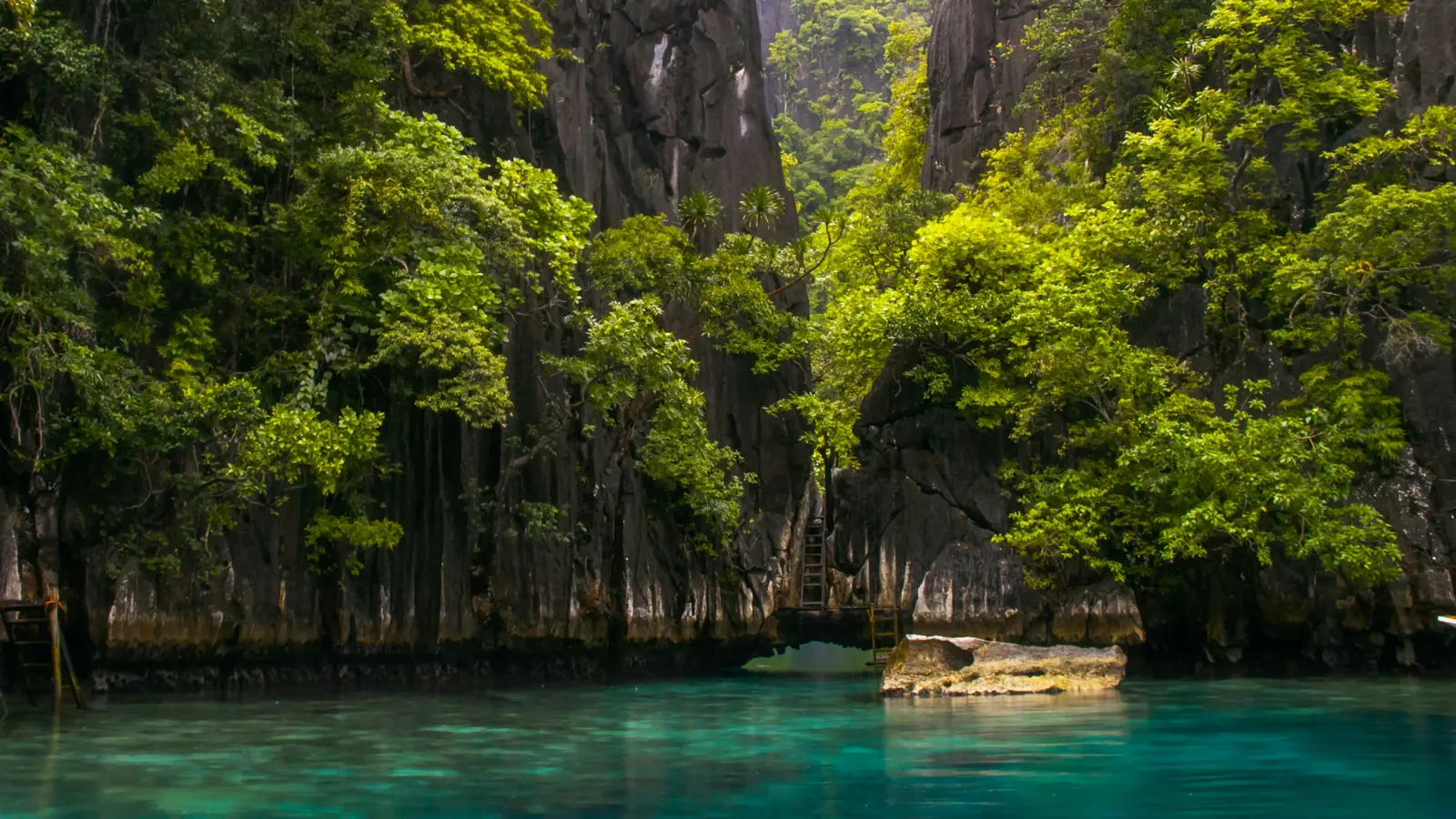
Kayangan Lake is a brackish lake inside the limestone cliffs of Coron Island, maintained by the local Tagbanua people and reached by boat from Coron town. You land in a sheltered cove, climb a stairway over the ridge, then walk down boardwalks to the water, where you can swim in the permitted areas wearing a life vest.
The lake is often described as one of the cleanest in the country. Wikipedia's entry on Kayangan Lake, which cites newspaper and academic sources, gives its make up as roughly 70 percent freshwater and 30 percent saltwater and a maximum depth of about 10 metres. The water is clear enough that you can see limestone ledges and the odd small fish from the boardwalk.
Most photos labelled Kayangan Lake Coron Palawan actually show the view from the stairway, looking back over the cove where boats moor among karst towers. That viewpoint is a small viewing area at the top of the steps, where people often queue for photos. The lake itself is down the other side of the ridge, so plan for two stops: the viewpoint for photos, then the lake for swimming.
The rules at Kayangan Lake
The rules below are the ones reported consistently by the sources we checked on 17 Nov 2026. Rules are set locally and can change, so always follow the Tagbanua wardens and your boat guide on the day.
| Rule or practice | What it means for you | Source |
|---|---|---|
| Life vests are mandatory | Required for swimmers since two tourists drowned while freediving in 2017 | Wikipedia, Kayangan Lake; Journey Era (updated Oct 2025) |
| Swimming only in certain parts | Stay inside the areas marked by wardens and boardwalks | Wikipedia, Kayangan Lake |
| Scuba diving restricted | Not part of normal visits; underwater currents are cited as the reason | Wikipedia, Kayangan Lake |
| Entrance fee collected locally | Usually arranged by your tour operator; amounts are set locally, so we do not quote them | Journey Era; tour operator listings |
| Arrive early | Journey Era reports the lake opening at 7 am, with midday the busiest time; confirm on the day | Journey Era (updated Oct 2025) |
How hard is the climb?
The climb is short but steep. Divergent Travelers describes "a set of steep steps leading over the limestone cliffs", with a small viewing area at the top where people queue for photos. Most reasonably fit adults manage it at a steady pace. Older travellers and young children should take it slowly, carry water and avoid the hottest part of the day. Wear sandals or water shoes with grip, because the steps can be wet.
Respecting the Tagbanua ancestral domain
Coron Island is the ancestral domain of the Calamian Tagbanua. Their claim was recognised in 1998 through Certificate of Ancestral Domain Claim No. 134, according to Wikipedia, and the Sacred Natural Sites Initiative describes how the community's Council of Elders, tribal association and village officials share the management of the domain. Grid Magazine reports that the recognition gave the community the right to manage and preserve over 22,000 hectares of natural resources.
The Sacred Natural Sites Initiative explains that "Lakes found in the ancestral domain are considered sacred by the Calamian Tagbanwa" and that entry to sacred areas is "strictly prohibited" unless for cultural purposes such as rituals. It names Cabugao Lake as "the centre of spirits". In other words, the lakes you visit are the ones the community chose to open, and the others are closed for a reason.
Practical ways to respect this as a visitor:
- Visit only the sites your boat is permitted to stop at, and never ask a boatman to take you to a closed lake.
- Pay the local entrance and environmental fees through your operator or as the wardens direct, and keep any ticket you are given.
- Take every piece of rubbish back to Coron town, including food wrappers from boat lunches.
- Do not fish, anchor or collect shells or coral in marked sanctuaries; the Sacred Natural Sites Initiative notes fish sanctuaries where "it is forbidden to fish, drop anchors, or to culture seaweeds".
- Keep noise down and follow the wardens' instructions, even when the rule feels strict.
Is Barracuda Lake worth a swim or dive?
Yes, Barracuda Lake is worth a stop if you can swim or dive, because the water changes sharply with depth. Show Caves of the World reports a combined thermocline and halocline about 14 metres below the surface, where the temperature rises from about 28°C in the upper layer to about 38°C in the lower layer, and freshwater sits on top of near-seawater.
Barracuda Lake Coron Palawan quick facts, from the sources named (checked: 17 Nov 2026).
| Feature | Detail | Source |
|---|---|---|
| Location | North shore of Coron Island | Atlas Obscura |
| Upper layer | Fresh limestone water with almost no salt, about 28°C | Show Caves of the World |
| Change layer | About 14 m below the surface | Show Caves of the World |
| Lower layer | Near-seawater salinity, about 38°C | Show Caves of the World |
| Access | Wooden walkways built through the limestone | Show Caves of the World |
| Swimming | Allowed in the first part, with life vests | Show Caves of the World |
For snorkellers, the surface layer feels cool and fresh, and the lake walls drop away in clear water. You will not feel the warm layer from the surface, but the scenery of sheer rock above and below the waterline is striking on its own.
For divers, Barracuda Lake is the reason to come. Atlas Obscura describes a visible boundary between the fresh and salt water, and below it the water warms noticeably. Dive centres in Coron offer it as a dive. You need to be a certified diver, and it is best thought of as a geology dive, with limestone walls and the temperature change as the stars, rather than a reef dive.
| Visitor type | Is Barracuda Lake worth it? | Tip |
|---|---|---|
| Non-swimmer | Only for the scenery from the platform | Choose a tour where Kayangan Lake is the main lake stop instead |
| Snorkeller | Yes, for clear water and cliffs | Wear a life vest as required and avoid the busiest midday slot |
| Certified diver | Yes, for the warm layer and underwater rock formations | Book through a dive centre; check your buoyancy around the layer change |
| Family with children | Fine as a short swim stop | Keep children in vests and close by; the lake gets deep quickly |
What are the Coron shipwrecks?
The Coron shipwrecks are mostly Japanese ships sunk in Coron Bay and around Busuanga during a US Navy carrier air attack on 24 September 1944. Pacific Wrecks records that aircraft from Task Force 38, including USS Intrepid, USS Cabot and USS Lexington, attacked eleven Japanese ships in Coron Bay that morning. Today the wrecks lie at depths from a few metres to over 40 metres, covered in coral and fish.
The Japanese ships had moved into the sheltered bay after earlier air raids on Manila. Wikipedia's ship histories show that the seaplane tender Akitsushima arrived in Coron Bay on 23 September 1944 and was sunk by Task Force 38 aircraft the following day, and that the food supply ship Irako was damaged in the same raids and ended on the bottom of Coron Bay on 24 September. Wikipedia's article on Coron describes "a dozen sunken Japanese warships at depths between 10 and 40 meters" as a major diving draw.
Coron wreck depths and diver levels
Depth ranges below are from the SSI (Scuba Schools International) Coron diving guide, a dive training agency, checked on 17 Nov 2026. Suggested levels quote SSI where it gave one; where it did not, we matched the depth to standard training limits in the next table. Ship histories are from Pacific Wrecks and Wikipedia; we leave a ship's type blank where no reliable source gave it.
| Wreck | What it was | Reported depth | Suggested level |
|---|---|---|---|
| Skeleton Wreck | Unknown ship beached in the northwest corner of Coron Bay (Pacific Wrecks) | Starts at about 4 m (PADI) | Snorkellers and beginners (PADI) |
| Lusong Gunboat | Gunboat or subchaser sunk off Lusong Island (Pacific Wrecks) | 5 to 15 m | "Ideal for beginners or snorkelers" (SSI) |
| Okikawa Maru | Japanese ship sunk near Busuanga Island (Pacific Wrecks) | 10 to 26 m | "Often the perfect first wreck for advanced divers" (SSI) |
| Morazan Maru | Second World War wreck in Coron Bay | 12 to 26 m | "Perfect for divers building confidence on wrecks" (SSI) |
| Olympia Maru | Sunk 24 Sep 1944 in Coron Bay (Pacific Wrecks); long known as the Tangat wreck before it was identified (DIVE Magazine) | 22 to 30 m | "One of the more accessible wrecks" (SSI); Advanced Open Water level by depth |
| Kogyo Maru | Sunk 24 Sep 1944 in Coron Bay (Pacific Wrecks) | 22 to 34 m | "Another advanced-level dive" (SSI) |
| Akitsushima | Imperial Japanese Navy seaplane tender, sunk 24 Sep 1944 (Wikipedia) | 22 to 36 m | "Best suited to experienced wreck divers" (SSI) |
| Irako | Imperial Japanese Navy food supply ship, damaged in air raids and scuttled in Coron Bay on 24 Sep 1944 (Wikipedia) | 34 to 43 m | Deep dive; the seabed lies below the 40 m recreational limit |
DIVE Magazine's long read on the Coron wrecks gives slightly different figures for some ships, for example the Irako's deck "around the 30m mark" with the seabed at 43 m, and the Okikawa Maru upright at 26 m with its decks at 12 to 15 m. Depths vary with the tide and with where on a wreck you measure, so always follow your dive centre's briefing.
Which certification do you need?
You need no certification to snorkel the Skeleton Wreck or look down on the Lusong gunboat from the surface. To scuba dive the wrecks, you need a certification that matches the depth. PADI, one of the main dive training agencies, sets these limits:
"PADI Open Water Divers are trained to dive to a maximum depth of 18 meters (60 feet)." "Advanced Open Water Divers are trained to dive to a maximum depth of 30 meters (100 feet)."
PADI blog, How Deep Can Open Water Divers vs. Advanced Open Water Divers Go? The same article says the Deep Diver specialty teaches divers to go "as deep as 40 meters (130 feet)", the recreational limit.
| Your level | Trained depth (PADI) | Coron wrecks that fit |
|---|---|---|
| No certification (snorkel) | Surface | Skeleton Wreck, top of the Lusong Gunboat |
| Open Water Diver | Up to 18 m | Lusong Gunboat, upper parts of the Okikawa Maru and Morazan Maru |
| Advanced Open Water Diver | Up to 30 m | Okikawa Maru, Morazan Maru, Olympia Maru, upper parts of the Kogyo Maru and Akitsushima |
| Deep Diver specialty | Up to 40 m, the recreational limit | Akitsushima, Kogyo Maru, the Irako's upper structure |
Going inside a wreck is a separate skill. Penetration dives need wreck training, a guide who knows the ship, and proper lights and line. If you are not trained, enjoy the outside of the hull, which is where most of the coral and fish are anyway. Plan your flight home with your dive centre too: you should not fly too soon after diving, and they will tell you the safe interval for the dives you did.
Which island hopping tour should you choose?
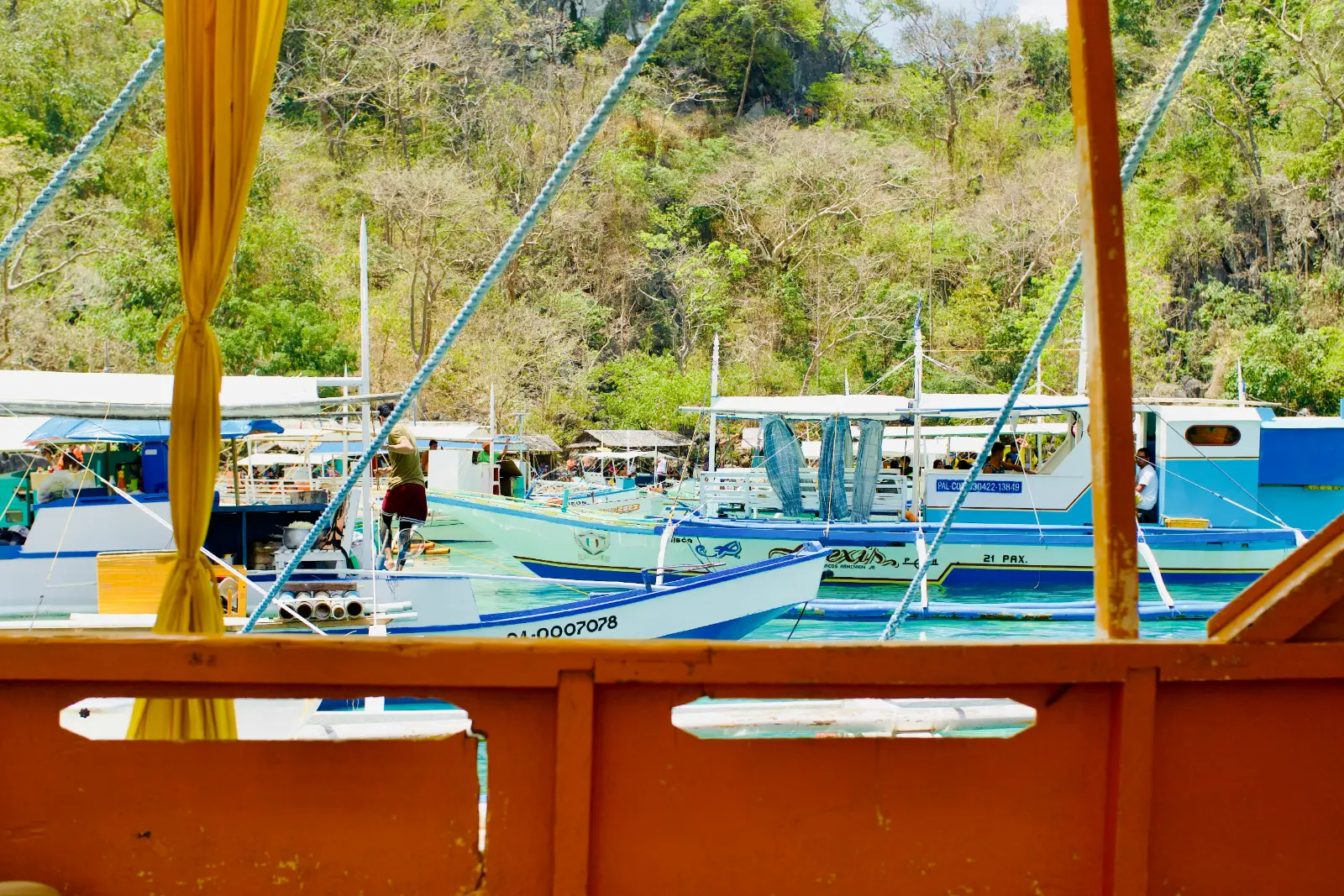
Choose a Coron Island tour if this is your first boat day, because it covers Kayangan Lake, Twin Lagoon and the Skeleton Wreck in one trip. Add an "ultimate" style tour if you also want Barracuda Lake and Siete Pecados, and an outer islands day for beaches. Book shared tours for value, private boats for flexibility and early starts.
Unlike El Nido, where tours are widely sold as A, B, C and D, we could not find a list of Coron tour codes published by the Coron municipal tourism office when we checked on 17 Nov 2026. Operators name their tours differently, so compare the stops, not the letter. As one example, a list published by a resort in Coron in November 2025 (Two Seasons Resorts) groups the trips like this. That resort letters its own tours A to E, but another operator may use the same letter for a different route.
| Tour name (one operator's list) | Stops listed | Best for |
|---|---|---|
| Coron Island Adventure Tour | Kayangan Lake, Twin Lagoon, Skeleton Wreck, Atwayan Beach | First timers, families, non-divers |
| Coron Island Ultimate Tour | Siete Pecados, Kayangan Lake, Twin Lagoon, Barracuda Lake, Skeleton Wreck, Atwayan Beach | Strong swimmers who want everything in one long day |
| Malcapuya Island day trip | Malcapuya Island | Beach lovers and couples |
| Culion Island Historical Tour | Culion Museum and Culion town | History lovers and rainy days |
| Sangat, Lusong wrecks and Pass Island tour | Sangat Gunboat Wreck, Lusong Shipwreck, Pass Island | Wreck snorkellers |
What is Twin Lagoon like?
Twin Lagoon is two lagoons separated by a limestone wall. Your boat enters the first lagoon, and you reach the second either by climbing a ladder over the rock at high tide or swimming through a gap under it at low tide, according to Philippine Beaches. Swimmers often feel warm and cold water mixing where fresh and salt water meet. A life vest is recommended, and many visitors simply float and look up at the cliffs.
What is Siete Pecados like?
Siete Pecados is a marine park of seven small rocky islets a few hundred metres off Busuanga, less than 3 km from Coron town, according to Snorkeling Report. The reef is shallow, around 1 to 2 metres in places, with peacock wrasse, Moorish idols, butterflyfish and pufferfish, and hundreds of barracuda reported around the easternmost islet. Landings on the islets are not allowed, and currents can run at the exposed spots, so stay with your guide.
Shared or private boat?
| Factor | Shared tour | Private boat |
|---|---|---|
| Start time | Fixed, usually mid morning | You choose, so you can beat the crowds at Kayangan Lake |
| Stops | Fixed list | Flexible within permitted sites |
| Pace | Set by the group | Set by you, good for families and slow swimmers |
| Lunch | Shared buffet on the boat or a beach | Can be arranged to your taste |
| Best for | Solo travellers and budget trips | Families, couples, photographers and groups of four or more |
Checklist before you book a boat
- Which stops are included, and in what order (early Kayangan Lake is the big win).
- Whether entrance and environmental fees are included or paid on the day.
- Whether life vests, masks and fins are provided and in good condition.
- What the operator does if the coast guard or the weather stops boats.
- Whether lunch is included, and whether it can be vegetarian.
When is the best time to visit Coron?
The best time to visit Coron is the dry season from December to May, when PAGASA, the Philippine weather agency, expects the least rain nationally and seas are generally calmer. For diving, SSI suggests October to May. July to October is the peak of the typhoon season, when boat trips and ferries are more likely to be cancelled.
PAGASA divides the year into "the rainy season, from June to November" and "the dry season, from December to May", with a cool dry season from December to February and a hot dry season from March to May.
PAGASA, Climate of the Philippines, checked 17 Nov 2026
PAGASA's tropical cyclone page adds that an average of about 20 tropical cyclones enter the Philippine Area of Responsibility each year, about 8 or 9 of them crossing the country, and that "the peak of the typhoon season is July through October". Not every storm touches Palawan, but storms anywhere nearby can stir up the sea and stop small boats.
Season guide for Coron, based on PAGASA's national seasons and SSI's dive season (checked: 17 Nov 2026).
| Months | Season (PAGASA) | What to expect in Coron | Best for |
|---|---|---|---|
| December to February | Cool dry season | Comfortable temperatures, generally calm boat days; busy around Christmas and New Year | Lakes, island hopping, wreck diving |
| March to May | Hot dry season | Hottest months, often the calmest sea; busy around Holy Week | Snorkelling, beaches, diving |
| June | Start of the rainy season | Showers and changeable sea; fewer visitors | Flexible travellers |
| July to October | Rainy season, typhoon peak | Highest chance of cancelled boats and ferries | Only with buffer days and flexible plans |
| November | End of the rainy season | Weather usually improving; SSI's dive season has begun | Divers and shoulder season travellers |
Water temperature is not a reason to avoid any month. SSI puts Coron's water at an average of 27 to 30°C year round, which is warm enough for most snorkellers without a wetsuit. Divers on the deeper wrecks often still like a thin suit for longer dives.
Timing tips for travellers from Nepal
Dashain and Tihar usually fall in October or November, at the tail of the Philippine rainy season. That window can work well, with fewer crowds and improving weather, but keep at least one spare day in Coron before your onward flight. December to February trips line up with winter school breaks for many families and with the most settled weather. Nepali families living in the Gulf, Malaysia or Hong Kong can add Coron to a wider Philippines trip, remembering that Busuanga flights now leave from Clark and Cebu rather than Manila. For a month by month look at the whole country, see our Philippines season guide.
How do you get to Coron?
Most visitors reach Coron by flying from Clark or Cebu into Francisco B. Reyes Airport (Busuanga Airport, code USU), then driving to Coron town, a trip a published transfer guide reports as about 20 km and roughly 40 minutes. The other main route is a fast ferry from El Nido, listed at about three and a half hours. A slow overnight ferry from Manila also runs on a limited schedule.
The airport is operated by the Civil Aviation Authority of the Philippines and has a single 1,225 m runway, according to Wikipedia. All scheduled flights are domestic. Since 29 March 2026 there are no Manila flights: under a Department of Transportation directive to move turboprop flights out of Manila's NAIA airport, Philippine Airlines and Cebgo moved their Busuanga flights to Clark, as reported by The Philippine Star and PortCalls Asia. If your international flight lands in Manila, you either travel by road to Clark or connect through Cebu.
Transport options to Coron (checked: 17 Nov 2026). Flight times are airline timetables where an airline is named; other times are as listed or reported by the named source, not official timetables. No fares are given because they change daily.
| Route | Mode | Time | Source and notes |
|---|---|---|---|
| Manila (NAIA) to Busuanga (USU) | No direct flight | Not applicable | PAL and Cebgo moved their Busuanga flights from Manila to Clark by 29 March 2026 (The Philippine Star; PortCalls Asia) |
| Clark to Busuanga (USU) | Domestic flight | About 1 h 20 to 1 h 25 on Sunlight Air's timetable | Sunlight Air: twice daily from 1 January 2026; Cebgo and PAL Express also fly from Clark (Wikipedia) |
| Cebu to Busuanga (USU) | Domestic flight | Check airline | Cebgo, PAL Express and Sunlight Air are listed on Wikipedia's airport page |
| El Nido to Busuanga (USU) | Small plane | Check airline | Cebgo listed; Cebgo took over AirSwift operations in 2026 (Aviation Week, cited on Wikipedia) |
| El Nido to Coron port | Fast ferry | About 3 h 30 to 3 h 40 listed (reported) | 12Go booking listing; some travellers report trips of around 5 hours |
| Manila to Coron port | Overnight ferry, 2GO | About 13 h (reported) | Ferryscanner lists one weekly sailing; sailings vary by season, so check 2GO |
| Busuanga airport to Coron town | Shared or private van | About 40 min, about 20 km (reported) | Gamintraveler; vans meet arrivals, and some hotels arrange pickup |
The El Nido to Coron ferry
The El Nido to Coron ferry is the scenic way to link Palawan's two island hopping bases. On 17 Nov 2026 the 12Go booking listing showed four operators on the route: Jomalia Shipping, Phimal Fast Ferry, Montenegro Shipping Lines and Atienza InterIsland Ferries, with listed crossings of about 3 hours 30 to 3 hours 40 minutes. Several traveller reviews on the same listing report arriving one to two hours later than advertised. The open sea between the two can be rough, so sailings are cancelled in bad weather and delays happen. If you take the ferry, keep a buffer day before any international flight. For the El Nido side of the trip, read our El Nido island hopping guide.
Getting to Coron from Kathmandu
There is no nonstop flight from Kathmandu to Manila; FlightConnections showed none when we checked on 17 Nov 2026, and suggests one stop routings through hubs such as Bangkok, Kuala Lumpur, Singapore, Hong Kong, Doha or Dubai. Busuanga flights now leave from Clark or Cebu, not Manila, so if you land in Manila you need a road transfer to Clark or a connection through Cebu. In practice that means at least one long travel day each way, and a night in Manila, Clark or Cebu before heading on to Coron is the safer plan.
The Philippines uses eTravel, an online arrival registration, for travellers entering the country. Visa rules depend on your passport, and many Nepali travellers abroad hold other passports, so check the official site for your passport. Our Philippines visa page covers the entry requirements for Nepali passport holders.
Getting around Coron town
Coron town is compact. Tricycles handle short hops around town and out to Mt Tapyas or Maquinit hot spring, vans run to and from the airport, and boats do almost all the sightseeing. You can read more about domestic flights, ferries and local transport in our guide to getting around the Philippines.
What else is there, such as Mt Tapyas and Maquinit hot spring?
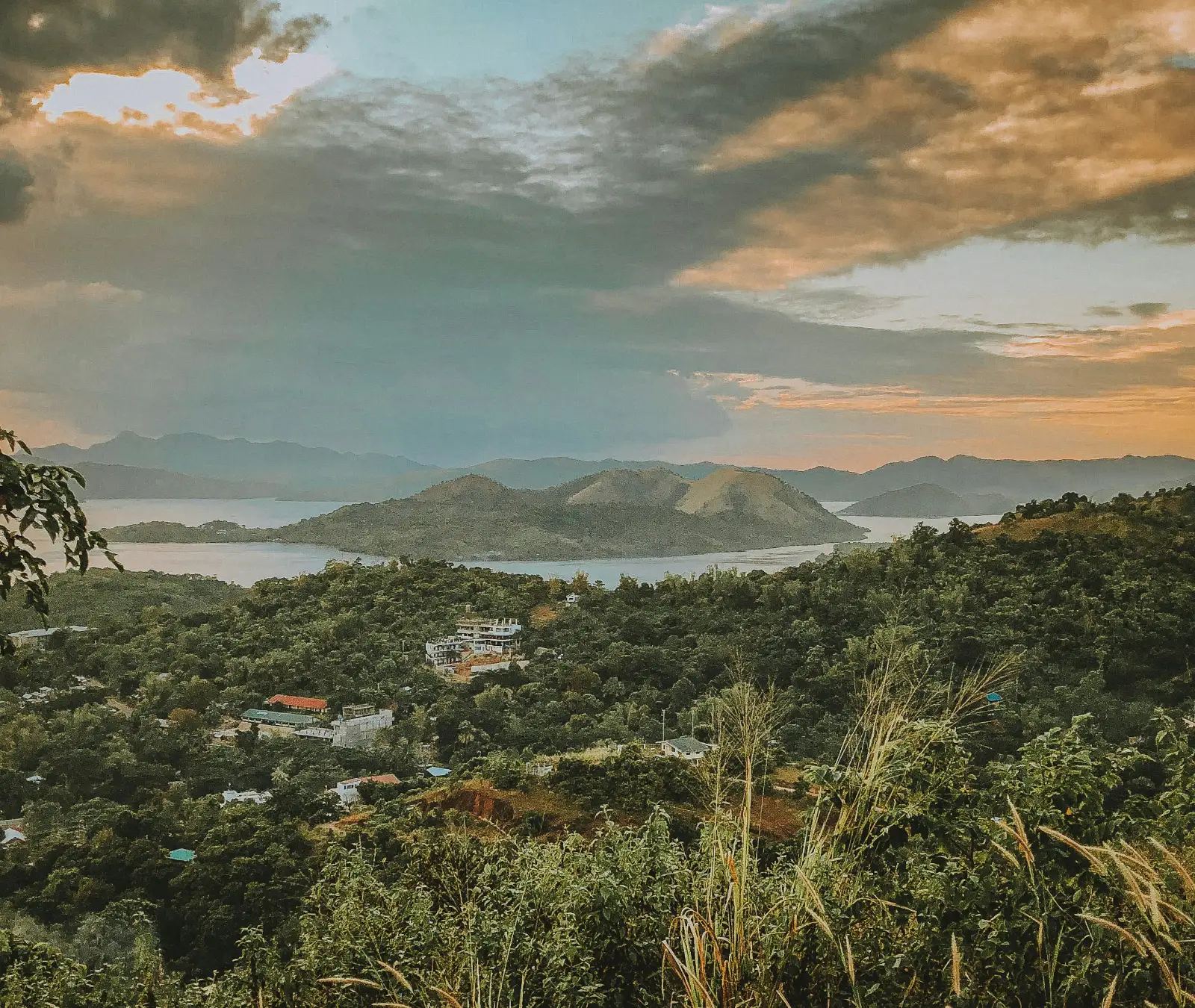
Beyond the boat tours, Coron's best extras are the climb up Mt Tapyas for sunset over the bay, an evening soak in the saltwater pools at Maquinit hot spring, and day trips to outer islands such as Malcapuya or to historic Culion. They are good half day plans for your arrival day or a day when the sea is too rough for boats.
Mt Tapyas
Mt Tapyas is the hill behind Coron town with a large cross and a "CORON" sign at the top. Be My Travel Muse counts a 721 step concrete staircase with handrails and benches, and says the climb took less than 20 minutes. It describes the top as Coron's most popular sunset spot, so start about 30 minutes before sunset and bring a torch for the walk down. The view takes in Coron Bay, the town and the outline of Coron Island.
Maquinit hot spring
Maquinit hot spring is a saltwater hot spring with two warm pools, about a 30 minute tricycle ride from Coron town according to Philippine Beaches. That source reported pool temperatures of 37 to 40°C, so it is best after dark or after a long boat day, not at noon. Opening hours and fees are set locally, so confirm them in town before you go.
Other things to do around Coron (checked: 17 Nov 2026).
| Activity | What it is | Time needed | Good for |
|---|---|---|---|
| Mt Tapyas | 721 step climb to a cross and town viewpoint | 1 to 2 hours with sunset | Couples, photographers, active families |
| Maquinit hot spring | Saltwater hot spring pools, reported at 37 to 40°C | 2 to 3 hours with transfers | Evenings, rest after diving |
| Malcapuya Island | Outer island beach day | Full day | Beach lovers, honeymooners |
| Culion | Museum and historic town on Culion Island | Full day | History lovers, rainy season days |
| Wreck snorkelling day | Sangat Gunboat, Lusong wreck and Pass Island | Full day | Snorkellers who want more wrecks |
| Barracuda Lake dive | Dive through the warm layer | Half day | Certified divers |
How should you plan a Coron trip?
Plan a Coron trip around boat days: two full days is the minimum for the main lakes and a wreck, three or four if you dive or want an outer islands day. Add one buffer day for weather, especially from June to November or if you are taking the El Nido ferry.
| Trip style | Suggested nights in Coron | Focus |
|---|---|---|
| Short add on | 2 to 3 | Coron Island tour, Mt Tapyas sunset |
| Snorkel and lakes | 3 to 4 | Coron Island tour, ultimate tour, wreck snorkelling day |
| Diving trip | 4 to 6 | Wreck dives by level, Barracuda Lake dive, one rest day |
| Coron and El Nido | 3 in each | Lakes and wrecks in Coron, lagoons and beaches in El Nido |
Packing and money checklist
- Reef safe sunscreen, a hat and a light long sleeved top for boat days.
- Water shoes or sandals with grip for the Kayangan Lake steps and rocky landings.
- A dry bag for phones and passports on the boat.
- Your own mask if you have one, for a better fit.
- Philippine pesos in cash for local fees, tricycles and small shops; do not rely on cards for everything.
- Your dive certification card and logbook if you plan to dive.
- Any regular medicines, plus motion sickness tablets if you are not used to small boats.
Notes for families, couples and Nepali travellers
Families do best with a private boat and an early start, so children are in the water before the crowds and back for an afternoon rest. Couples and honeymooners often pair a lakes day with a quieter beach day at Malcapuya and a Mt Tapyas sunset. Vegetarian travellers should mention it when booking, since boat lunches are usually set menus. If you want to see how Coron fits a longer route through Manila, El Nido, Cebu or Bohol, our Philippines itinerary planner and our round up of the best islands in the Philippines are good next reads. Travellers who would rather have the logistics arranged can compare Philippines tour packages alongside independent planning.
Frequently asked questions
Can non-swimmers visit Kayangan Lake?
Yes. Non-swimmers can visit Kayangan Lake in Coron because life vests are mandatory for everyone in the water, and the boardwalks let you enter slowly. You still need to manage the steep stairway over the ridge. Stay in the permitted swimming area, close to the boardwalk, and ask your guide to stay nearby.
Is Barracuda Lake warm?
Barracuda Lake in Coron is warm in two ways. The surface layer is about 28°C, and below a thermocline about 14 metres down the water rises to about 38°C, according to Show Caves of the World. Snorkellers only feel the pleasant surface layer; divers feel the sudden warm band.
Do you need dive certification for the Coron wrecks?
You need certification to scuba dive most Coron wrecks. Open Water divers are trained to 18 m and Advanced divers to 30 m (PADI), while wrecks such as the Akitsushima and Irako go deeper. Without certification, you can snorkel the Skeleton Wreck or try an introductory dive with a dive centre.
Can snorkellers see a wreck in Coron?
Yes. Snorkellers in Coron can see the Skeleton Wreck, which PADI says starts at about 4 metres and is popular with snorkellers, and the Lusong Gunboat, which SSI lists at 5 to 15 metres and calls ideal for beginners or snorkellers. Both are included on many Coron boat tours.
How hard is the climb to the Kayangan viewpoint?
The climb to the Kayangan Lake viewpoint in Coron is short but steep, up a stairway over the limestone ridge. Most fit adults manage it at a steady pace. Wear shoes with grip, carry water, go early to avoid heat and queues, and take it slowly with children or older relatives.
How far is the airport from Coron town?
Francisco B. Reyes Airport, also called Busuanga Airport (USU), is about 20 km from Coron town, roughly 40 minutes by van according to a published transfer guide. Shared vans meet arriving flights, private vans can be booked, and some Coron hotels include airport pickup.
Is Coron better than El Nido?
Coron is better than El Nido for lakes, wreck snorkelling and wreck diving, while El Nido is stronger for beaches, lagoons and a livelier town. Many travellers combine both, linked by a ferry listed at about three and a half hours or a small plane, and spend two to three nights in each.
What is the best month for Coron?
The best months for Coron are in the dry season, December to May, according to PAGASA's national seasons. For diving, SSI recommends October to May. Avoid relying on boat days from July to October, the typhoon peak, unless you have spare days and flexible plans.
Is there a ferry from Coron to El Nido?
Yes. Fast ferries link Coron and El Nido, with listed crossings of about 3 hours 30 to 3 hours 40 minutes on the 12Go booking site checked 17 Nov 2026, though travellers report delays of an hour or more. Operators included Montenegro Shipping Lines, Atienza InterIsland Ferries, Jomalia Shipping and Phimal Fast Ferry. Sailings can be cancelled in rough weather.
What is Mt Tapyas?
Mt Tapyas is the hill behind Coron town, topped by a large cross and a "CORON" sign. A staircase of about 721 steps leads to the top, which travel writers describe as Coron's most popular sunset spot, looking over the bay, the town and Coron Island.
Who looks after Kayangan Lake?
Kayangan Lake is on Coron Island, the ancestral domain of the Calamian Tagbanua people, whose claim was recognised in 1998. The community maintains the lake, and the entrance fee is paid locally, usually arranged by your tour operator. Other lakes on the island are sacred and closed to visitors, so only visit sites your boat is permitted to stop at.