
















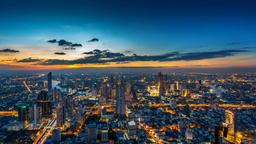




















































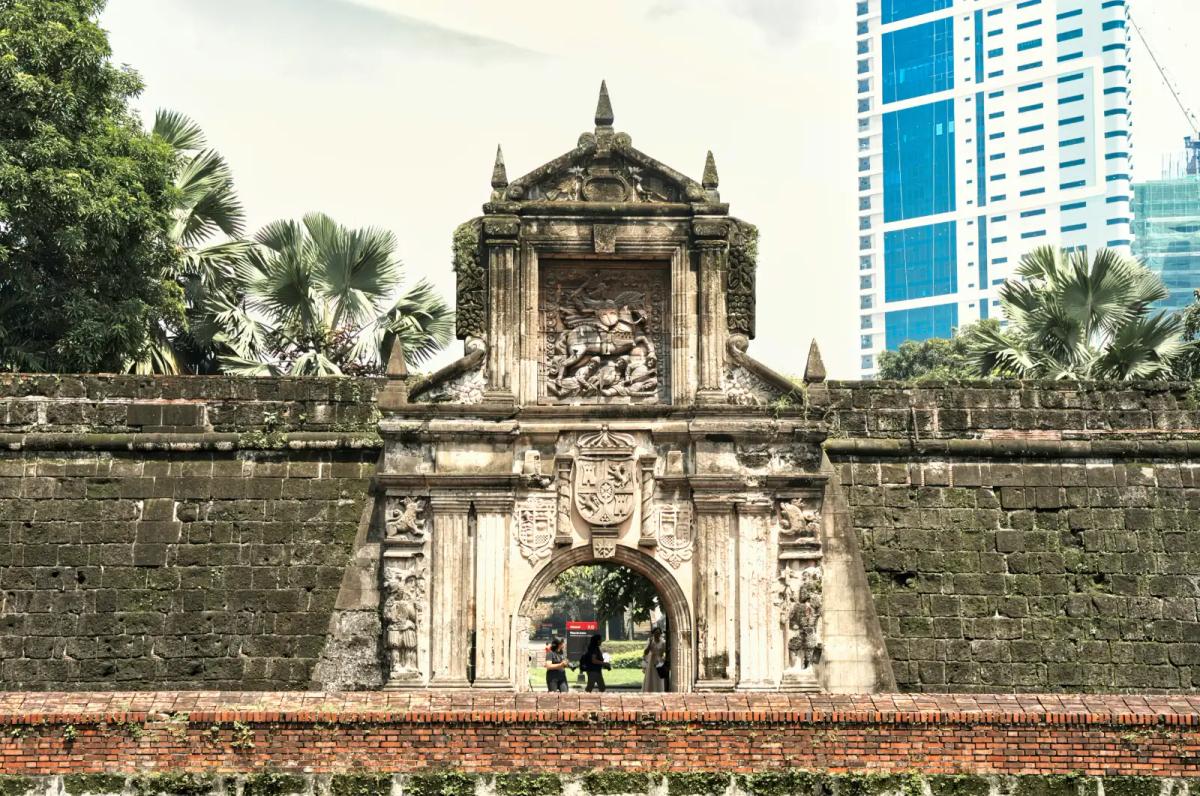
Short answer: The best things to do in Manila fit neatly into one or two days. Walk the Spanish colonial walls of Intramuros and Fort Santiago, step inside San Agustin Church, spend a free afternoon in the National Museum complex beside Rizal Park, eat your way through Binondo, often called the oldest Chinatown in the world, and finish on the Manila Bay waterfront for a sunset that falls between about 5:23 pm and 6:29 pm depending on the month. Most of these sights sit within a few kilometres of each other, so the real challenge is not distance but traffic.
This guide is written for travellers who land in Manila on the way to Palawan, Cebu, Boracay or Siargao and have a day or two before the islands. That includes many Nepali travellers, who reach Manila through a hub such as Bangkok, Kuala Lumpur, Singapore, Hong Kong or the Gulf, and Nepali families living abroad who meet relatives in the Philippines. You will find Manila attractions grouped by area, opening hours checked against official sources, a food guide with vegetarian options, a sunset timing table, a transport comparison and an arrival guide for Ninoy Aquino International Airport (NAIA), including which terminal your airline uses.
What are the top things to do in Manila at a glance?
The top things to do in Manila cluster in four areas: Intramuros, Rizal Park and the National Museum complex, Binondo across the Pasig River, and the Manila Bay waterfront. Makati and Bonifacio Global City (BGC) add the modern side of the capital with malls, gardens and restaurants. The table below groups the main Manila attractions so you can plan by neighbourhood instead of criss crossing the city.
Table note: time needed is a comfortable estimate for a first visit, not a minimum. Hours were checked on 17 Nov 2026 where an official source exists; details are in each section below.
| Sight | Area | Time needed | Best time | Good for |
|---|---|---|---|---|
| Fort Santiago and the Rizal Shrine | Intramuros | 1 to 2 hours | Early morning or late afternoon | History lovers, families |
| San Agustin Church and Museum | Intramuros | 1 hour | Morning | Architecture, culture |
| Manila Cathedral | Intramuros | 30 minutes | Any time outside Mass | Architecture, photography |
| Casa Manila Museum | Intramuros | 45 minutes | Tuesday to Sunday | Families, design lovers |
| Rizal Park (Luneta) | Ermita | 1 hour | Late afternoon | Everyone, picnics |
| National Museum complex | Rizal Park | 2 to 4 hours | Weekday mornings | Families, culture lovers, rainy days |
| Binondo food walk | Binondo | 2 to 3 hours | Late morning to lunch | Food lovers, couples |
| Manila Bay sunset | Roxas Boulevard, Pasay bayside | 1 hour | Dry season evenings | Couples, photographers |
| Makati and BGC | Makati, Taguig | Half a day | Evenings and weekends | Shoppers, families, dining |
If you are still choosing islands, our guide to the best places to visit in the Philippines shows how Manila fits with Palawan, Cebu, Bohol and Boracay on one route.
Is Manila worth exploring before the islands?
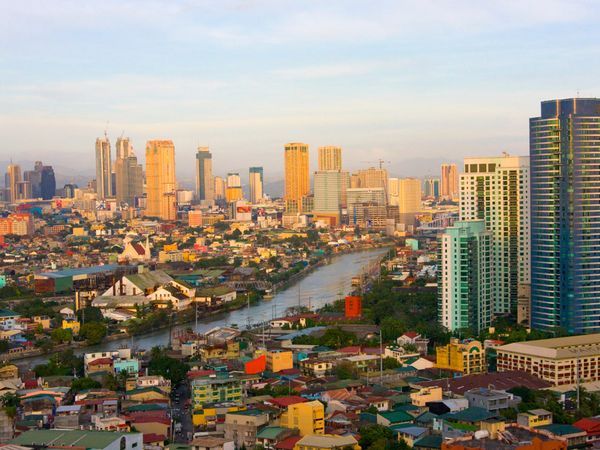
Yes, Manila is worth a day or two if your flights already route through the capital, but it is a culture and food stop rather than a beach destination. One full day covers Intramuros, the National Museum and a bay sunset; a second day adds Binondo and either Makati or BGC. If you only have a few hours between flights, stay near the airport and save the city for the return leg.
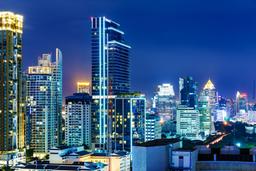
Manila is the heart of Metro Manila, a region of 16 cities and one municipality that most travellers simply call Manila. The historic core, with Intramuros, Rizal Park, Ermita and Binondo, sits on the city of Manila itself along the bay and the Pasig River. Makati and BGC, where many hotels and restaurants are, are separate cities a short drive east and south east.
Manila explains the rest of the country: the Spanish walls, the churches, the Chinese merchant quarter and the American era buildings around Rizal Park show layers of Philippine history the islands do not. For families, a museum day is a useful buffer after the long journey from Kathmandu; for couples, a Binondo food walk and a bay sunset make a relaxed first evening.
Table note: suggested priorities by time available, not a fixed schedule.
| Time you have | What to prioritise | What to skip |
|---|---|---|
| Under 8 hours between flights | Rest near NAIA; only leave the airport area if traffic is light | Everything north of the Pasig River |
| Half a day | Intramuros: Fort Santiago and San Agustin Church | Makati, BGC, Binondo |
| One full day | Intramuros, National Museum complex, Rizal Park, Manila Bay sunset | BGC |
| Two days | Add Binondo food walk, Quiapo and an evening in Makati or BGC | Long day trips out of the city |
| Three days or more | Add more museums, a Pasig River Ferry ride and slow meals | Nothing essential |
When is the best time to visit Manila?
The dry season from December to May is the most comfortable time for sightseeing in Manila. The Philippine weather agency PAGASA divides the year into a rainy season from June to November and a dry season from December to May, with a cool dry spell from December to February and a hot dry spell from March to May (Checked: 17 Nov 2026, PAGASA climate page).
For Nepali travellers, the Dashain and Tihar holidays in October and November fall at the tail of the rainy season. That does not rule out a trip, but it does mean keeping a spare day before any island flight in case a typhoon or heavy rain disrupts schedules. December, January and February suit families best: cooler evenings, clearer sunsets and the long Christmas season, when Manila churches and malls are decorated for weeks. For a wider view of seasons across the islands, see our guide to the best time to visit the Philippines.
What can you see in Intramuros?
Intramuros, the walled city of Manila, holds the capital's best concentration of history in a walkable area: Fort Santiago, San Agustin Church, Manila Cathedral, Casa Manila and several small museums. It is managed by the Intramuros Administration, a government agency under the Department of Tourism, and is a declared heritage zone under the National Cultural Heritage Act of 2009.
The Spanish built Intramuros as their fortified city on the south bank of the Pasig River from the late 16th century. Much of it was destroyed in the Battle of Manila in 1945, and many buildings you see today are restorations or rebuilds. That does not make it less interesting: the walls, gates and bastions still trace the old city, and the streets are calmer than the rest of Manila. Wear comfortable shoes, carry water and plan to walk.
Table note: hours and fees below are from the Intramuros Administration's official hours page (Checked: 17 Nov 2026, intramuros.gov.ph). Discounted rates apply to students, senior citizens and persons with disability with valid ID. Hours can change for events and holidays.
| Site | Open | Last entry | Closed | Entry |
|---|---|---|---|---|
| Fort Santiago | Mon to Fri 8 am to 10 pm; Sat and Sun 6 am to 10 pm | 8 pm weekdays, 8:30 pm weekends | No weekly closing day listed | PHP 75 regular, PHP 50 discounted |
| Baluarte de San Diego | Daily 8 am to 5 pm | 4 pm | No weekly closing day listed | See official page |
| Casa Manila Museum | Tue to Sun 9 am to 6 pm | 5 pm | Monday | See official page |
| Museo de Intramuros | Tue to Sun 9 am to 6 pm | 4:30 pm | Monday | PHP 150 regular, PHP 120 discounted |
| Centro de Turismo Intramuros | Tue to Sun 9 am to 6 pm | 5:30 pm | Monday (visitor desk open daily) | Visitor Center free; museum and library access paid |
The official page also notes that late entry to Fort Santiago after the last entry time may be allowed only for bookings made through one online platform. If you arrive in the evening, aim to be inside before the last entry time.
Fort Santiago
Fort Santiago is the citadel at the north west corner of Intramuros, guarding the mouth of the Pasig River, and it is the single most rewarding stop in the walled city. Walk through the carved main gate, follow the walls to the river side, and visit the Rizal Shrine, which remembers the national hero José Rizal, who was held here before his execution at Bagumbayan, now Rizal Park, on 30 December 1896.
Bronze footsteps set into the ground trace Rizal's last walk towards the execution site, a detail children remember. The midday sun is strong, so early morning or the hour before sunset is more comfortable; weekend gates open at 6 am, the best time for photos without crowds.
Allow 1 to 2 hours and bring water, a hat and, in the rainy season, an umbrella. The open lawns give children space to run.
San Agustin Church and Museum
San Agustin Church is the oldest stone church in the Philippines and part of the UNESCO World Heritage site Baroque Churches of the Philippines, inscribed in 1993. Construction of the present stone church began in 1586, and it was declared complete in 1607. It was the only one of the seven churches of Intramuros to survive the destruction of 1945.
The church is still an active parish run by the Augustinians, so dress modestly with shoulders covered and keep quiet during Mass and weddings, which are frequent at weekends. The adjoining monastery was rebuilt as the San Agustin Museum in the 1970s and holds religious art, old choir books and colonial era furniture. Museum hours are not published by the Intramuros Administration, so check the museum's own channels on the day before you go.
Hindu and Buddhist visitors from Nepal are welcome as visitors in Manila's churches. The same courtesy you would show at Pashupatinath or Boudha applies: quiet voices, no flash during services and modest clothing.
Manila Cathedral
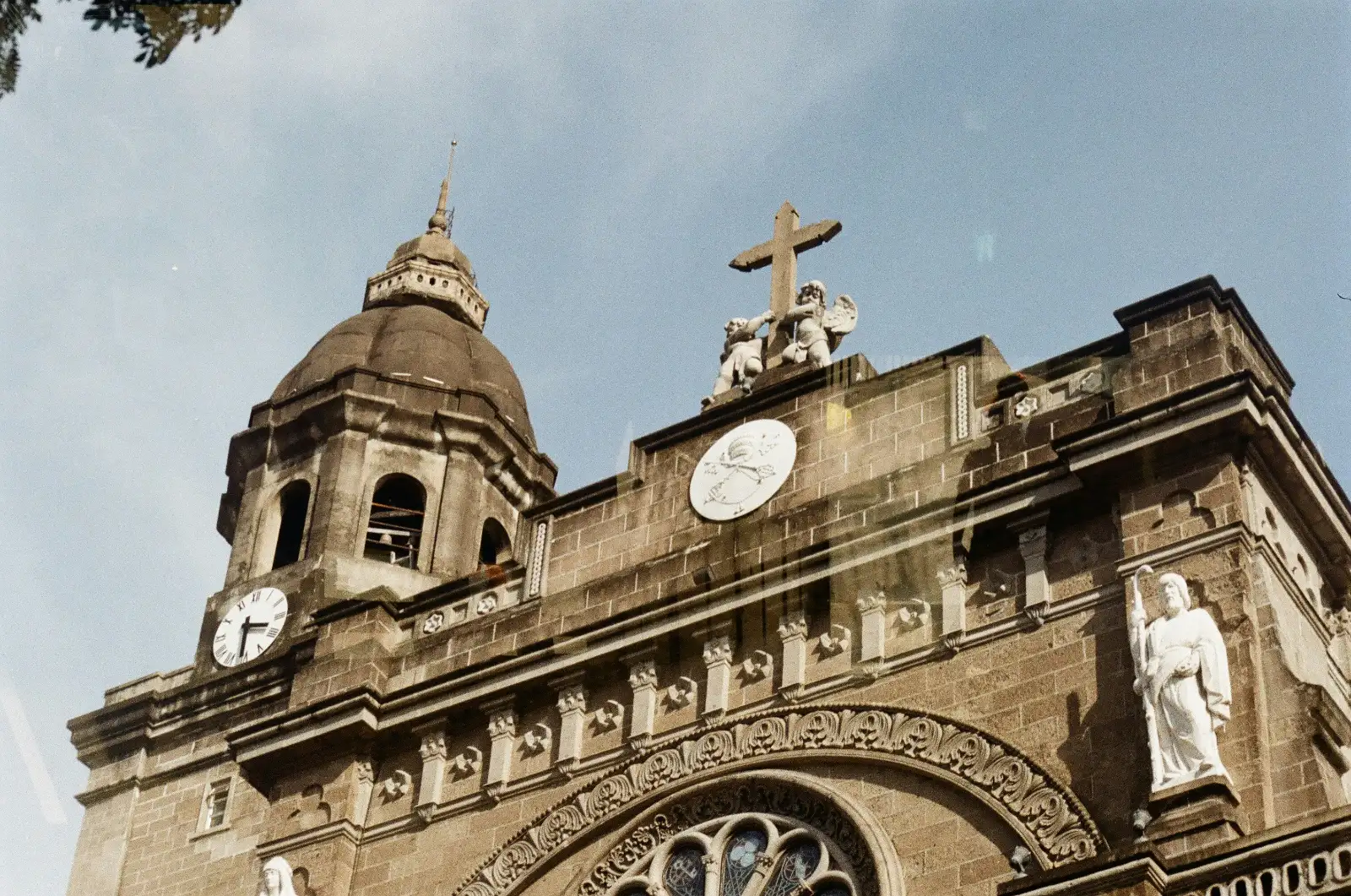
Manila Cathedral, the seat of the Archdiocese of Manila, stands on Plaza de Roma a short walk from Fort Santiago and is worth 30 minutes for its stone facade, dome and stained glass. The cathedral has been destroyed and rebuilt several times after fires, earthquakes and war, and the present building dates from the post war reconstruction.
Visit outside Mass times if you want to walk around inside.
Casa Manila and the smaller museums
Casa Manila is a recreated 19th century family house that shows how wealthy Manila families lived in the Spanish colonial period, with a courtyard, carved wood, period furniture and a kitchen. It is closed on Mondays and open Tuesday to Sunday from 9 am to 6 pm (Checked: 17 Nov 2026, Intramuros Administration).
Next door, the Museo de Intramuros displays religious art from the old churches of the walled city, and the Centro de Turismo Intramuros has a free visitor centre that is useful for maps and event information. Baluarte de San Diego, a restored bastion on the southern walls, has gardens that are pleasant in the late afternoon.
How should you get around Intramuros?
Walking is the easiest way to explore Intramuros, since the main sights sit within about 15 minutes of each other on foot. Start at Fort Santiago, walk south along General Luna Street to Manila Cathedral and San Agustin Church, then finish at Casa Manila and Baluarte de San Diego. Horse drawn carriages and pedicabs wait near the main sights; agree the route and price before you set off.
The nearest rail station is Central Terminal on LRT-1, a short walk from the Intramuros walls.
Where can you watch the Manila Bay sunset?
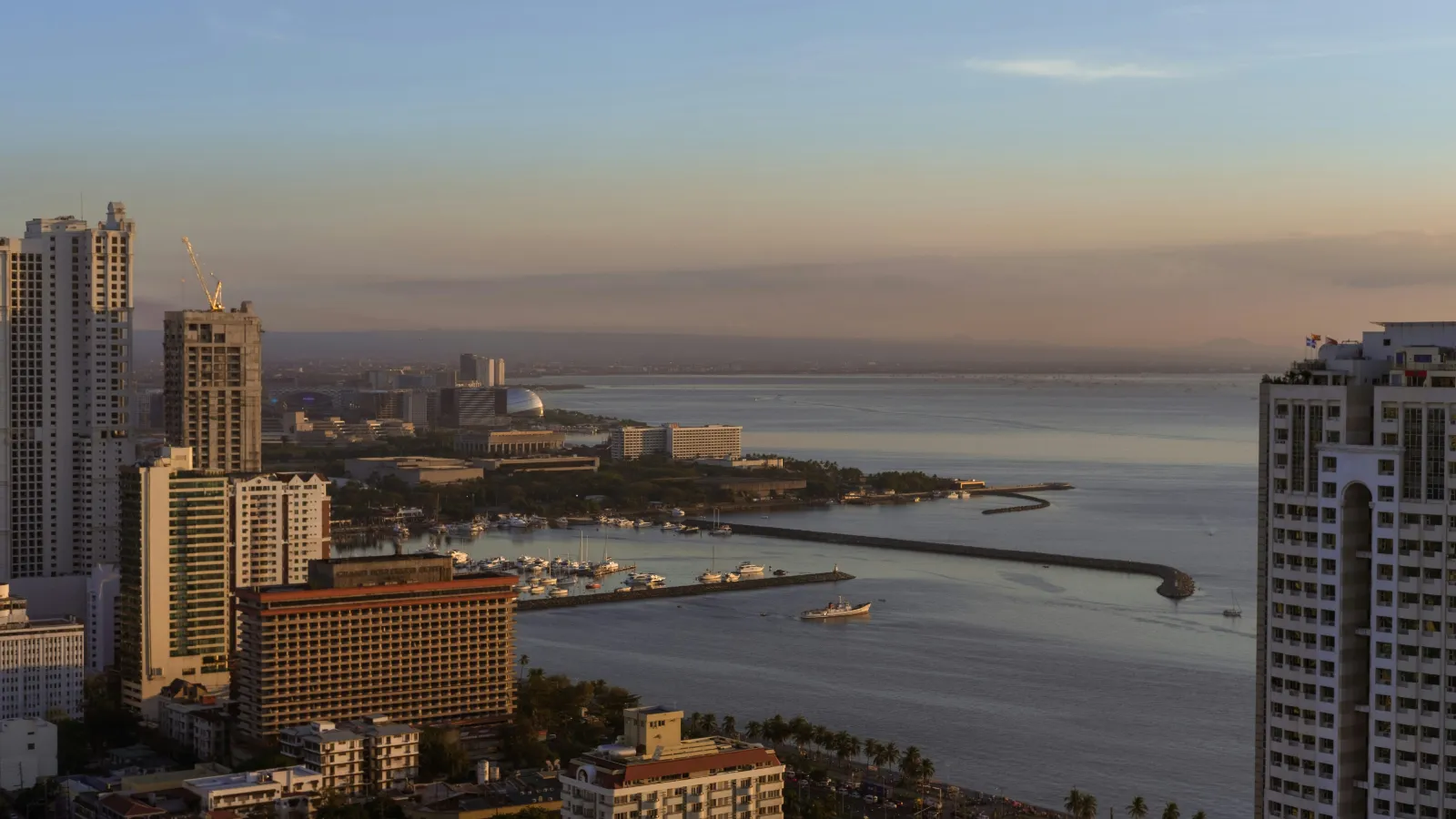
The classic place to watch the Manila Bay sunset is the seawall promenade along Roxas Boulevard between Rizal Park and Malate, where the sun drops into the bay behind the ships at anchor. The bayside area behind SM Mall of Asia in Pasay is a second option with more seating, food and space for children. Both face west across the water.
Manila sits close to the equator, so sunset time changes by only about an hour across the year. According to timeanddate.com, the earliest sunset in Manila in 2026 is about 5:23 pm in mid to late November, and the latest is about 6:29 pm in early July (Checked: 17 Nov 2026, timeanddate.com). Arrive 30 to 45 minutes early for the best colour, which often comes just after the sun has dropped below the horizon.
Table note: sunset and sunrise times for Manila in 2026 from timeanddate.com, rounded to the minute. Times shift by only a minute or two from year to year.
| Date | Sunrise | Sunset | Season (PAGASA) |
|---|---|---|---|
| 1 January | 6:21 am | 5:38 pm | Cool dry |
| 1 February | 6:24 am | 5:54 pm | Cool dry |
| 1 March | 6:13 am | 6:03 pm | Hot dry |
| 1 April | 5:52 am | 6:08 pm | Hot dry |
| 1 May | 5:33 am | 6:12 pm | Hot dry |
| 1 June | 5:25 am | 6:21 pm | Rainy |
| 1 July | 5:30 am | 6:29 pm | Rainy |
| 1 August | 5:39 am | 6:25 pm | Rainy |
| 1 September | 5:44 am | 6:08 pm | Rainy |
| 1 October | 5:45 am | 5:45 pm | Rainy |
| 1 November | 5:51 am | 5:27 pm | Rainy |
| 1 December | 6:04 am | 5:24 pm | Cool dry |
A few practical points make the evening better:
- Weather matters more than the clock. In the rainy season, heavy cloud often hides the sun; the clearest sunsets tend to come from December to April.
- Plan the ride back. Evening traffic on Roxas Boulevard is heavy, so book a Grab before you finish or walk back to your hotel if it is in Ermita or Malate.
- Tihar timing. If you travel over Dashain or Tihar, the sun sets between about 5:25 pm and 5:40 pm, so plan the bay for the early evening and dinner after.
Which museums are worth visiting?
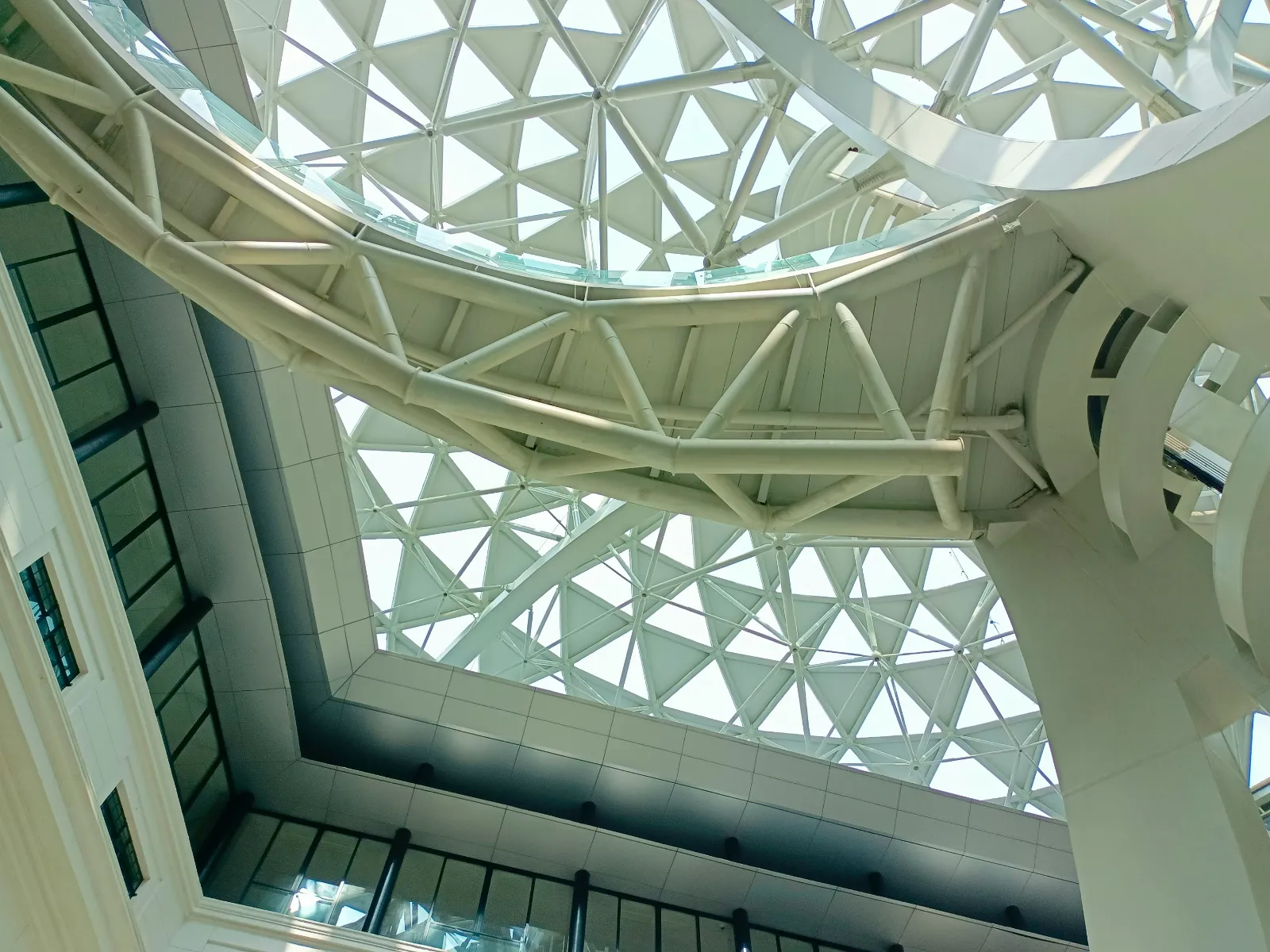
The National Museum of the Philippines complex in Rizal Park is the best museum visit in Manila, and admission is free. It has three main buildings: the National Museum of Fine Arts, the National Museum of Anthropology and the National Museum of Natural History. Individual visitors can walk in without booking; groups of 20 or more must book in advance (Checked: 17 Nov 2026, National Museum of the Philippines visitor guidelines).
Since January 2025, the National Museum has opened every day of the week, after previously closing on Mondays. GMA News reported the hours as 9 am to 6 pm when the change was announced; the museum's own website does not list daily hours, so confirm on its official channels if you plan to arrive late in the day.
Table note: summary of the three main buildings of the National Museum complex. Admission and booking rules from the museum's official visitor guidelines (Checked: 17 Nov 2026).
| Building | Highlights | Best for | Allow |
|---|---|---|---|
| National Museum of Fine Arts | Philippine paintings and sculpture, including Juan Luna's large canvas Spoliarium; the restored old Senate Session Hall | Art and history lovers | 1 to 2 hours |
| National Museum of Anthropology | Archaeology, ethnography, pre colonial gold and burial jars, maritime heritage | Culture lovers, older children | 1 to 2 hours |
| National Museum of Natural History | Philippine plants, animals and geology around a central atrium with a tree of life structure | Families with children | 1 to 2 hours |
Do you need to book the National Museum?
Individual travellers and families do not need to book the National Museum in Manila. Walk in, pass the security check and register at the entrance with valid identification. Groups of 20 or more must book through the museum's online booking form at least three working days ahead, and same day bookings are not accepted. Sundays, Mondays and holidays are reserved for walk in visitors, with no group tours scheduled.
A few rules matter for travellers arriving straight from the airport. Large bags and luggage bigger than 33 by 43 cm must be checked in at the baggage counter and are not allowed in the galleries, and backpacks larger than about 28 by 22 cm are restricted too, so leave suitcases at the hotel. Strollers are permitted, wheelchairs can be borrowed free of charge subject to availability, and there are clinics and seating in each building. On Sundays, the museum runs a walk in Museum Sunday Joiners' Tour at 10:30 am and 2 pm on a first come, first served basis (Checked: 17 Nov 2026, National Museum visitor guidelines).
Rizal Park (Luneta)
Rizal Park, also called Luneta, is a 58 hectare park on the shore of Manila Bay and one of the largest urban parks in the Philippines. At its centre is the Rizal Monument, which holds the remains of José Rizal and was unveiled on 30 December 1913. Kilometer Zero, the marker from which road distances from Manila are measured, sits on Roxas Boulevard in front of the monument.
The park also has Chinese and Japanese gardens, open lawns and fountains, and its north eastern side holds the National Museum buildings. The late afternoon is the best time: the heat eases, local families come out, and you can walk west to the bay for the sunset. The nearest LRT-1 station is United Nations.
Which museums suit Makati and BGC?
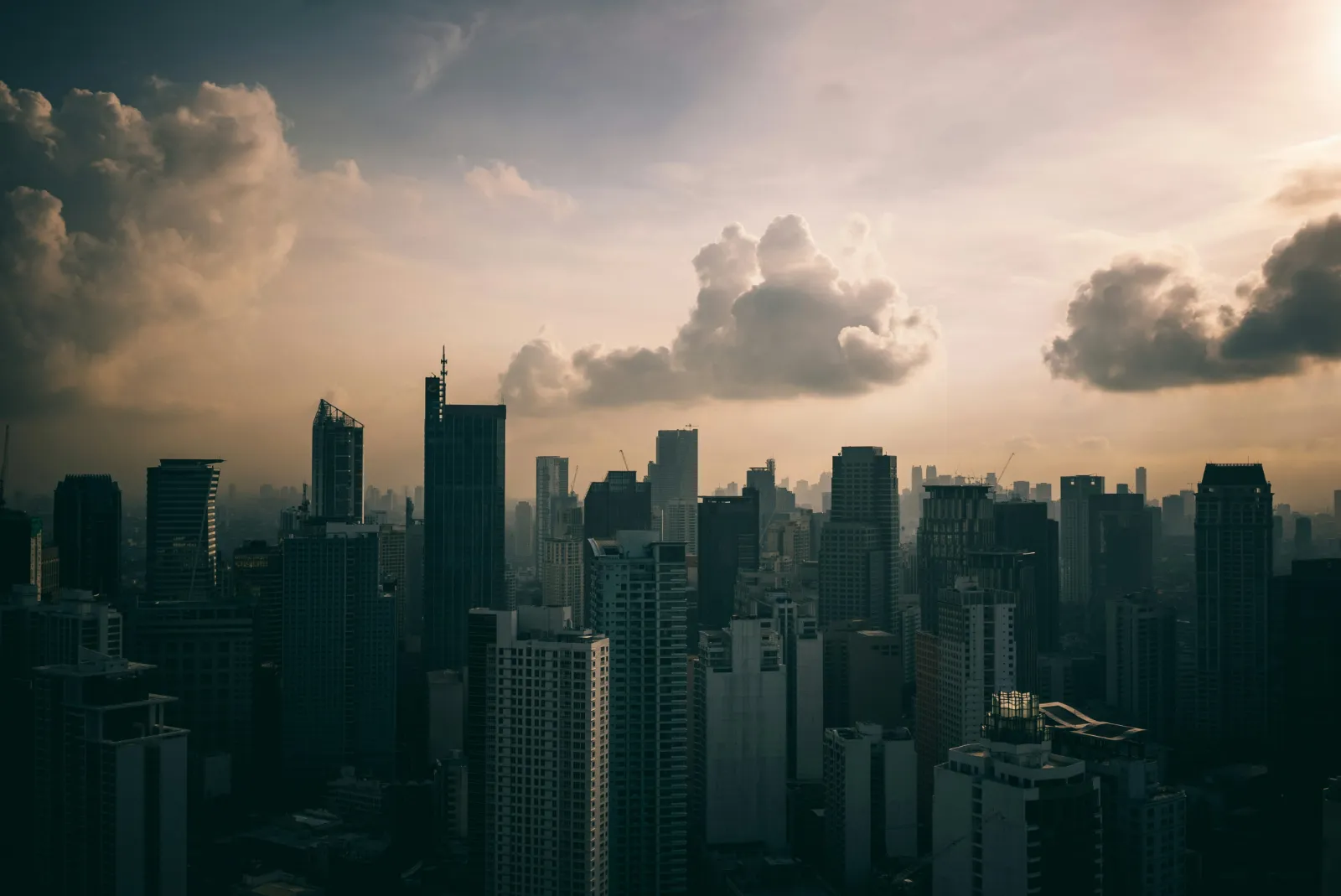
Makati and Bonifacio Global City offer two good museum options for a modern Manila day: the Ayala Museum in Makati, focused on Philippine history and art, and The Mind Museum in BGC, a hands on science museum that suits children.
The Mind Museum is at JY Campos Park, 3rd Avenue, BGC, Taguig. It opens Tuesday to Sunday from 9 am to 6 pm and is closed on Mondays. Tickets are sold online or at the booth, in three hour time slots or as an all day pass, and slots are limited, so buy ahead on weekends and school holidays (Checked: 17 Nov 2026, The Mind Museum official site).
Beyond museums, Ayala Triangle Gardens in Makati is a green pocket between office towers, and BGC High Street is a pedestrian strip of shops and restaurants that is pleasant in the evening. For families who want a calm, air conditioned day after a long journey, these districts are easier than the old city.
What is Binondo known for?
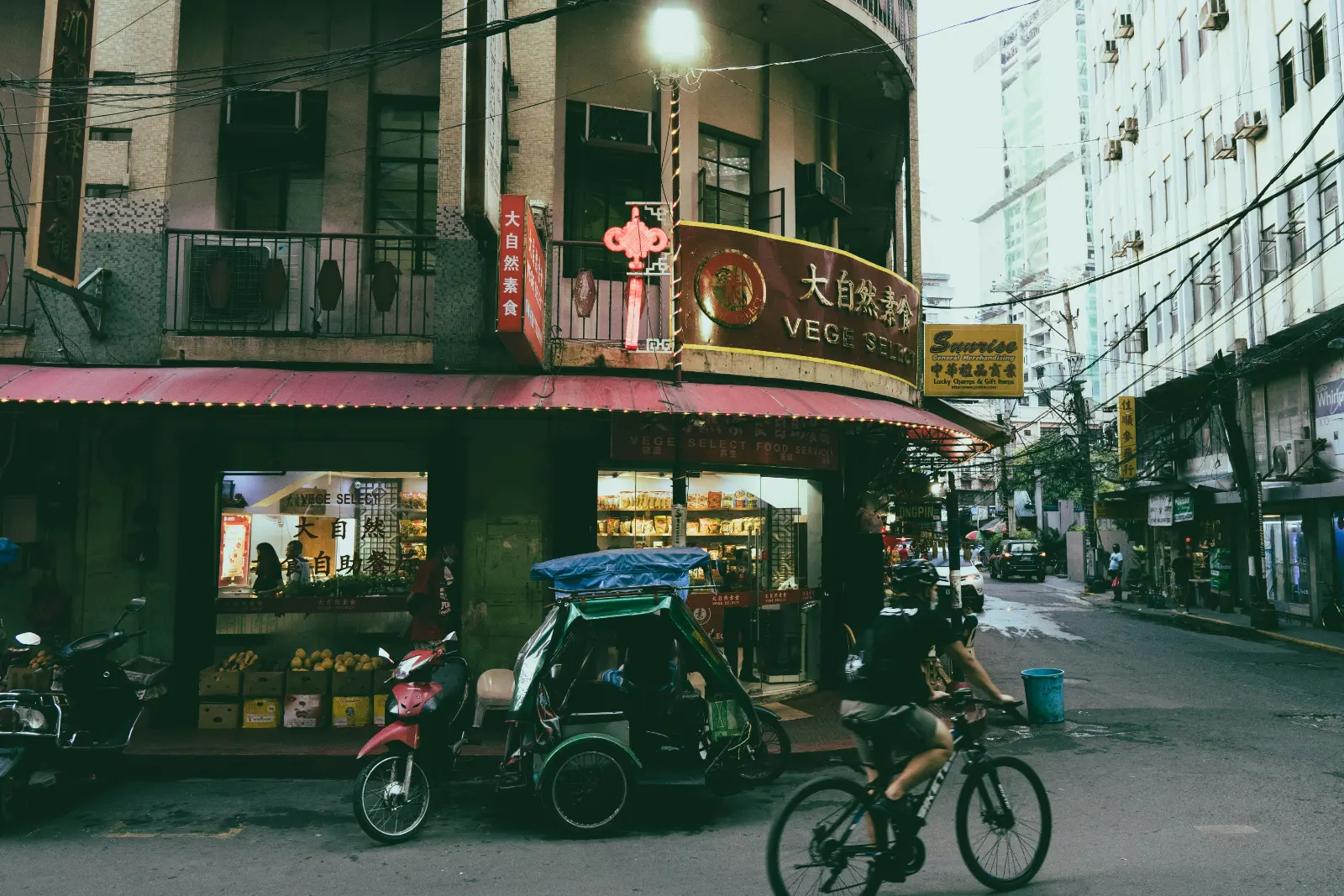
Binondo is Manila's Chinatown and is best known for food: dumplings, noodles, hopia pastries, Chinese Filipino street snacks and old style tea houses packed into a few busy streets. It was founded in 1594 by the Spanish governor Luis Pérez Dasmariñas as a settlement for Chinese merchants and artisans across the Pasig River from Intramuros, and it is often called the oldest Chinatown in the world.
The "oldest Chinatown" title is widely repeated, including on the English Wikipedia page for Binondo, which cites several books for it. Treat it as a popular description rather than an official ranking.
The streets to know are Ongpin Street, the main food and shopping spine, and Escolta, once Manila's grand commercial street, lined with early 20th century buildings. Binondo Church, formally the Minor Basilica of San Lorenzo Ruiz, anchors the district. Just north east, Quiapo has Quiapo Church, home of the Black Nazarene, and busy markets selling everything from herbal remedies to electronics.
Table note: a simple Binondo food walk plan. Dishes are typical of the district; stalls and restaurants change, so follow the queues.
| Try | What it is | Vegetarian? |
|---|---|---|
| Dumplings (siomai, xiao long bao) | Steamed dumplings, usually pork or shrimp | Rarely; ask for vegetable versions |
| Hopia | Flaky pastry filled with mung bean, ube or other pastes | Often yes; check for lard in the pastry |
| Fried siopao and buchi | Pan fried buns and sesame balls | Buchi usually yes; siopao usually meat |
| Lumpia (fresh spring roll) | Fresh roll with vegetables, peanuts and sweet sauce | Sometimes; ask about pork in the filling |
| Noodle soups and fried noodles | Mami, pancit canton and similar dishes | Usually meat or seafood broth |
| Chinese vegetarian shops | Buddhist style mock meats, tofu and packaged snacks | Yes |
A few tips for Binondo:
- Go hungry. Arrive late morning and eat small portions at several places.
- Carry small notes. Many stalls are cash only, so bring Philippine pesos in small denominations.
- Look out for the vegetarian shops. Binondo has Chinese Buddhist vegetarian stores selling tofu dishes and mock meats, a good find for vegetarian Nepali travellers.
- Watch your bag. The streets are narrow and crowded; keep phones and wallets in front pockets.
- Avoid 9 January in Quiapo. The Traslacion procession of the Black Nazarene draws huge crowds and disrupts transport across the area, including the Pasig River Ferry.
What should you eat in Manila?
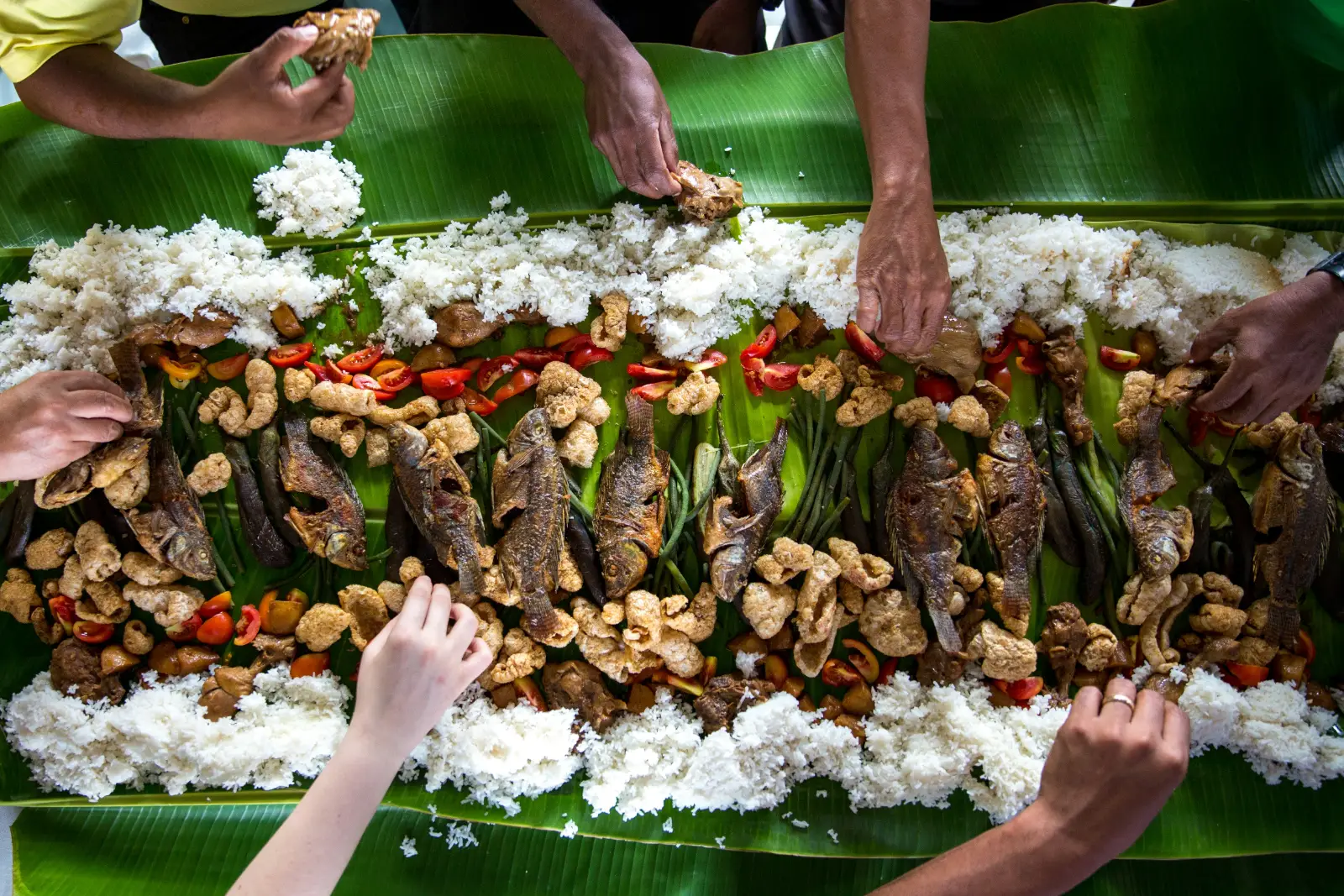
In Manila, start with the national favourites: chicken or pork adobo, sour sinigang soup, crisp lechon and halo halo for dessert. Add kare kare, sisig and pancit noodles for a broader taste, and try a boodle fight, a shared feast of rice and dishes laid out on banana leaves and eaten by hand. Filipino food leans savoury, sour and slightly sweet, with far less chilli heat than Nepali or Thai cooking.
Manila also has plenty of international food, from Japanese and Korean to Indian, which helps families with picky eaters or older parents. For a deeper dish by dish guide, see what to eat in the Philippines.
Table note: classic Filipino dishes to try in Manila, with how they compare to food Nepali travellers know.
| Dish | What it is | Closest Nepali comparison | Vegetarian version? |
|---|---|---|---|
| Adobo | Chicken or pork braised in vinegar, soy sauce, garlic and bay leaf | A tangy, dry style masu | Sometimes made with kangkong (water spinach) or tofu |
| Sinigang | Sour soup, often soured with tamarind, with pork, shrimp or fish and vegetables | A sour jhol | Rare; ask for a vegetable broth |
| Lechon | Whole roast pig with crackling skin | No close match | No |
| Kare kare | Oxtail or beef in a thick peanut sauce, served with shrimp paste | A peanut based curry | Vegetable versions exist in some restaurants |
| Sisig | Chopped pork, onion and chilli served sizzling, originally from Pampanga | Similar to choila in spirit | Tofu sisig is common |
| Pancit | Stir fried noodles in several regional styles | Chowmein | Often adaptable |
| Lumpia | Fried or fresh spring rolls | Spring roll or momo snack plates | Vegetable lumpia (lumpiang gulay) is widely available |
| Halo halo | Shaved ice dessert with milk, sweet beans, fruit, jelly, leche flan and purple ube | A cold, layered dessert unlike anything in Nepal | Yes, it is meat free |
| Taho | Warm silken tofu with syrup and tapioca pearls, sold in the morning | A sweet breakfast snack | Yes |
Is vegetarian food easy to find in Manila?
Vegetarian food is available in Manila but takes some planning, because most Filipino dishes include pork, fish sauce or shrimp paste. The easiest options are Indian restaurants, which are common in Makati and other business districts, vegetarian and vegan cafes in Makati, BGC and Quezon City, Chinese Buddhist vegetarian shops in Binondo, and mall food courts with Japanese, Indian and salad counters.
When ordering Filipino food, the useful words are "walang karne" (no meat) and "gulay" (vegetables). Ask specifically about bagoong (shrimp paste) and patis (fish sauce), since they are used in many vegetable dishes as well. Good meat free picks include vegetable lumpia, tofu sisig, ensaladang talong (grilled aubergine salad), ginataang gulay (vegetables in coconut milk, ask about shrimp paste), taho and halo halo.
How do you get around Manila?
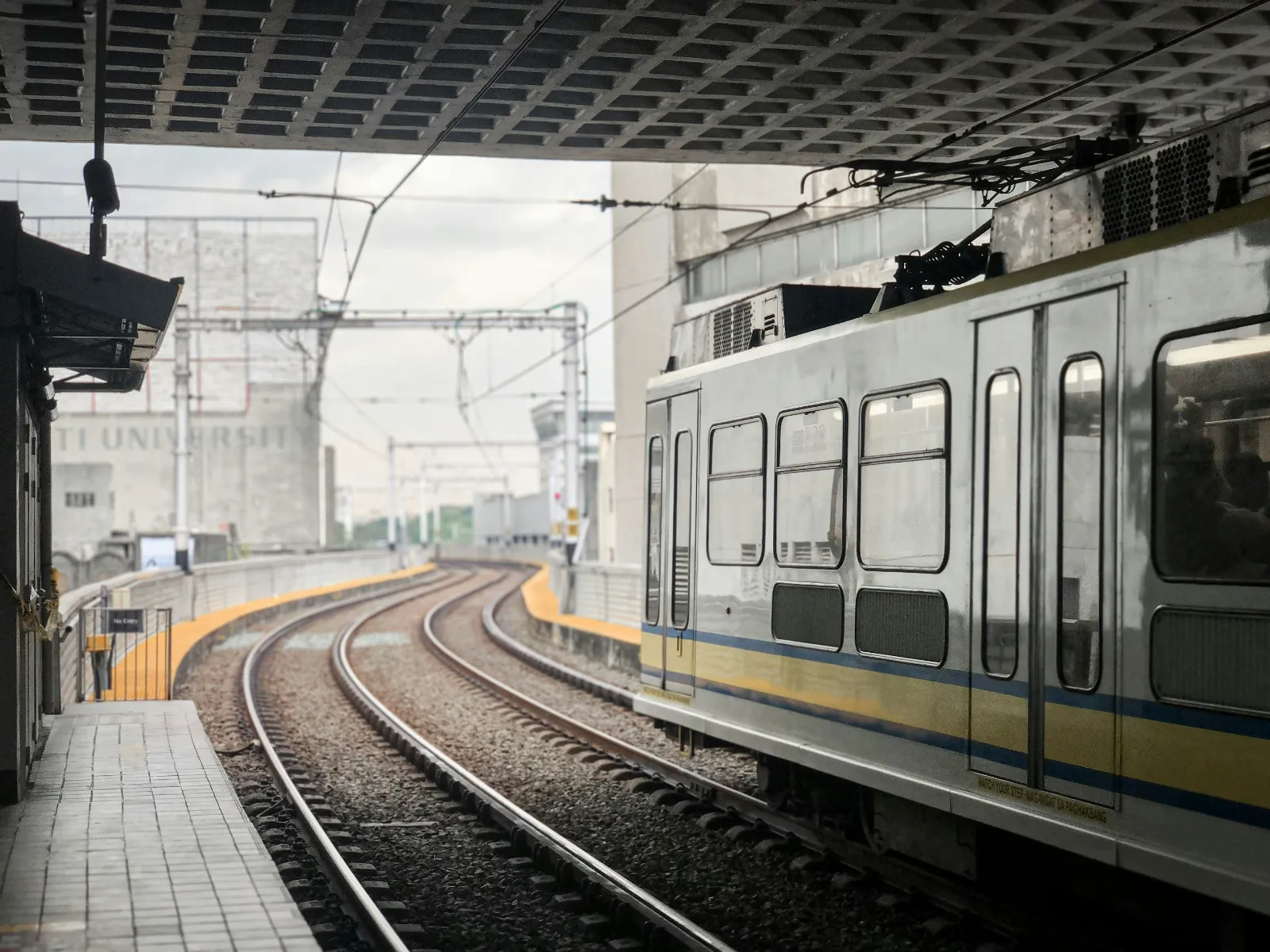
The easiest way to get around Manila as a visitor is Grab for door to door rides, combined with the LRT-1 light rail for the historic core. LRT-1 links Intramuros (Central Terminal), Rizal Park and the National Museum (United Nations) and Binondo and Quiapo (Carriedo) and avoids road traffic. Jeepneys and the free Pasig River Ferry add local colour once you know your route.
Traffic is the single biggest factor in any Manila plan. A trip that takes 15 minutes late at night can take far longer in weekday rush hours, especially on EDSA, the main ring road, and around the airport. Group sights by area, travel outside the morning and evening peaks where you can, and use the train for north and south trips through the old city.
Table note: transport options for visitors in Manila, checked 17 Nov 2026 against official or operator sources where available. Fares change, so check the app or operator before you travel.
| Option | Best for | How to pay | Watch out for |
|---|---|---|---|
| Grab (GrabCar, GrabTaxi) | Airport transfers, evenings, families with luggage | In app, card or cash | Surge pricing in rain and rush hour |
| LRT-1 | Intramuros, Rizal Park, Binondo, Baclaran, Parañaque | Stored value beep card or single journey ticket | Very crowded at peak hours |
| MRT-3 | Makati (Ayala station) and the EDSA corridor | Beep card, ticket, or a bank card or e-wallet at the cashless gates | Long queues at peak hours |
| LRT-2 | East from Recto, near Binondo and Quiapo | Beep card or ticket | Less useful for most visitor sights |
| Jeepney | Short hops on fixed routes | Cash, small coins and notes | Routes are painted on the side, not mapped clearly |
| Pasig River Ferry | Scenic river trips between Escolta, Lawton and eastern cities | Free | Often suspended in bad weather |
| Metered taxi | Short trips when Grab is busy | Cash | Insist on the meter; use reputable companies |
Which LRT and MRT stations serve the main sights?
LRT-1 is the most useful rail line for visitors because it runs north to south through the historic core of Manila. It has 25 stations from Fernando Poe Jr. in the north to Dr. Santos in Parañaque, operated by Light Rail Manila Corporation. The Cavite extension's first phase, which added five stations from Redemptorist Aseana to Dr. Santos, opened to passengers on 16 November 2024. The remaining stations to Las Piñas, Zapote and Niog in Cavite have not been built yet: GMA News reported in August 2026 that construction could start as early as 2027 (Checked: 17 Nov 2026, Railway Gazette, PTV News and GMA News).
Table note: rail stations nearest the main things to do in Manila. Transfers between lines are by covered walkways outside the paid areas, so you exit and re enter.
| Sight | Line | Nearest station |
|---|---|---|
| Intramuros, Fort Santiago, Manila Cathedral | LRT-1 | Central Terminal |
| Rizal Park, National Museum complex | LRT-1 | United Nations |
| Binondo, Quiapo | LRT-1 | Carriedo |
| Transfer to LRT-2 | LRT-1 to LRT-2 | Doroteo Jose to Recto |
| Transfer to MRT-3 | LRT-1 to MRT-3 | EDSA to Taft Avenue |
| Makati business district, Ayala Triangle | MRT-3 | Ayala |
MRT-3 runs along EDSA from North Avenue in Quezon City to Taft Avenue in Pasay, with 13 stations. Since July 2025, MRT-3 stations have cashless gates where you can tap a credit or debit card or pay with an e-wallet QR code. BGC has no rail station; take a Grab or a bus from Ayala station.
Jeepneys
Jeepneys are Manila's most famous public transport: shared, open backed vehicles that grew out of post war military jeeps and run on fixed routes painted on the side. Riding one for a short hop, for example around Binondo or Quiapo, is a cheap and memorable local experience, but they are slow and confusing for longer trips.
To ride, flag one down at a stop, climb in at the back, and pass your fare forward with the word "bayad" (payment); other passengers will hand it to the driver and pass back your change. Say "para" when you want to get off. Keep your bag on your lap and phone out of sight: the UK Foreign Office advises staying alert on public transport and notes that hold ups on jeepneys and buses can happen, particularly in Manila.
Pasig River Ferry
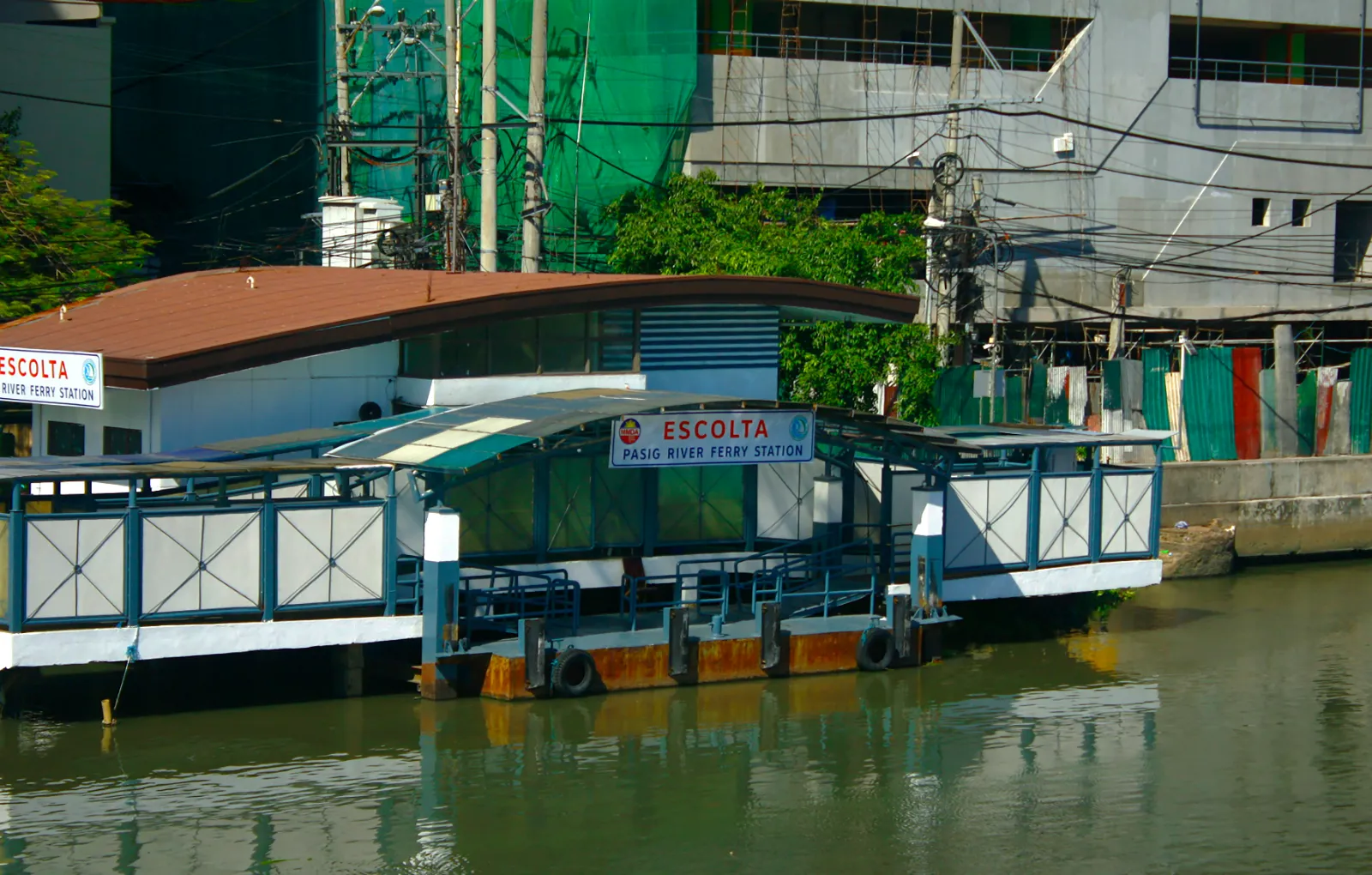
The Pasig River Ferry Service is a free public ferry run by the Metro Manila Development Authority (MMDA) that links Manila with Makati, Mandaluyong and Pasig along the river. The Daily Tribune reported 12 stations in June 2026, including Escolta and Lawton in Manila, Guadalupe in Makati, Hulo in Mandaluyong and Pinagbuhatan in Pasig (Checked: 17 Nov 2026, Daily Tribune citing MMDA).
The ferry is a pleasant way to see the river side of the city, but treat it as a sightseeing extra rather than a reliable connection. Service was suspended several times in August 2026 because of heavy rain, and it is scaled down or suspended during the Traslacion in January. Check MMDA's official social media channels on the day before planning around it.
What is the best traffic timing advice for Manila?
The best way to beat Manila traffic is to start sightseeing early, stay in one area through the middle of the day, and avoid crossing the city during weekday morning and evening rush hours. Friday evenings, rainy days and the Christmas season are usually the slowest.
- Base yourself near your sights. For a history focused stay, Ermita, Malate or Intramuros cut travel time; for an airport night, stay close to NAIA.
- Book rides before you need them. Grab demand spikes when it rains or when offices empty.
- Allow a buffer for flights. NNIC advises arriving at NAIA 3 to 4 hours before international flights and 2 to 3 hours before domestic flights.
For trains, ferries and flights beyond the capital, our guide on how to get around the Philippines covers domestic airlines, ferries and island transfers.
How do you get from NAIA to the city?
From Ninoy Aquino International Airport (NAIA), the simplest way into the city is a Grab car or an official airport taxi from the arrival curbside of your terminal. Grab's NAIA page puts the average trip from central Manila at about 40 minutes over about 10 km, but traffic decides the real time. Point to point buses and an airport loop bus to the MRT are cheaper options if you travel light.
NAIA has been operated by New NAIA Infrastructure Corporation (NNIC), a private consortium, since 14 September 2024. Airline terminal assignments changed several times in 2025 and 2026, so the table below uses NNIC's own airline information page. Always check the terminal on your booking and with your airline before travelling.
Which NAIA terminal will you arrive at?
Your NAIA terminal depends on the airline of the flight that lands in Manila, not where your journey started. There is no nonstop flight from Kathmandu to Manila, so most Nepali travellers arrive on the second leg from a hub such as Bangkok, Kuala Lumpur, Singapore, Hong Kong, Shenzhen, Guangzhou, Doha, Dubai or Abu Dhabi (Checked: 17 Nov 2026, FlightConnections).
Table note: NAIA terminal by airline for carriers that commonly connect Kathmandu travellers to Manila. Source: NNIC airline information page, newnaia.com.ph (Checked: 17 Nov 2026). Philippine Airlines and AirAsia Philippines use different terminals for domestic and international flights.
| Airline | Typical hub from Kathmandu | NAIA terminal |
|---|---|---|
| Thai Airways | Bangkok | Terminal 3 |
| Malaysia Airlines | Kuala Lumpur | Terminal 1 |
| AirAsia Berhad (AK) | Kuala Lumpur | Terminal 1 |
| Singapore Airlines | Singapore | Terminal 3 |
| Scoot | Singapore | Terminal 3 |
| Cathay Pacific | Hong Kong | Terminal 3 |
| Shenzhen Airlines | Shenzhen | Terminal 3 |
| China Southern Airlines | Guangzhou | Terminal 3 |
| Qatar Airways | Doha | Terminal 3 |
| Emirates | Dubai | Terminal 3 |
| Etihad Airways | Abu Dhabi | Terminal 3 |
| Air India | Delhi | Terminal 1 |
| Philippine Airlines (international) | Various | Terminal 1 |
| Philippine Airlines (domestic) | Domestic flights | Terminal 2 |
| AirAsia Philippines (international) | Various | Terminal 1 |
| AirAsia Philippines (domestic) | Domestic flights | Terminal 2 |
| Cebu Pacific | International and domestic | Terminal 3 |
If you connect at NAIA to a domestic flight in a different terminal, NNIC runs a free inter terminal shuttle bus for passengers with connecting flights. It operates 24 hours a day, departs every hour from all terminals, and you show your plane ticket to board (Checked: 17 Nov 2026, NNIC transport page). Leave plenty of time, as the roads between terminals are often congested. For flight routes on the first leg, see our guides to Kathmandu to Bangkok flights and flights from Kathmandu to Kuala Lumpur.
What transport options are there from NAIA?
Table note: official transport options listed by NNIC for NAIA arrivals (Checked: 17 Nov 2026, newnaia.com.ph transport page). Pickup bays differ by terminal and can move, so follow the airport signs.
| Option | How it works | Best for |
|---|---|---|
| Coupon taxi | Fixed rate by destination, set by the transport regulator (LTFRB); pay at the counter | Arriving late at night, no app |
| Yellow metered airport taxi | Metered airport taxi from the arrival curbside | Short trips to Pasay, Parañaque, Makati |
| Regular metered taxi | City taxi at a lower flag down rate; fare by meter | Travellers comfortable with local taxis |
| GrabCar and GrabTaxi | Book in the app; GrabTaxi uses the meter plus a booking fee | Most visitors; upfront fares on GrabCar |
| Grab Airport to Anywhere | Dedicated Grab fleet at NAIA with fixed upfront fares | Families who want a fixed fare |
| UBE Express point to point bus | Premium bus from Terminal 3 to central malls and hubs, including Robinsons Manila and One Ayala in Makati | Solo travellers with light bags |
| Airport Loop shuttle bus | Shuttle between Terminal 3 and the MRT station in Pasay | Budget travellers heading for rail |
When you take any taxi, NAIA staff give you a dispatch slip with contact numbers; keep it and do not hand it to the driver, so you can report a problem later. The US travel advisory specifically mentions reports of travellers robbed in taxis or private vehicles soon after leaving NAIA, and taxi overcharging at airports, so stick to official queues or app bookings and never accept rides from touts.
If you land in the afternoon, go to the hotel first and save Intramuros for the next morning. Before you fly, make sure your entry paperwork is in order. All arriving passengers, Filipino and foreign, must complete the eTravel registration, the Philippines' official arrival registration system. Visa and entry rules vary by passport; Nepali passport holders can start with our Philippines visa guide, and travellers on other passports should check the official site for their passport. On the Nepal side, our guide to international departure at Kathmandu airport covers the first step of the journey.
How should you plan a Manila stopover?
Plan a Manila stopover around three things: traffic, heat and safety. Stay in the area you most want to explore, keep the busiest sightseeing for mornings and late afternoons, and use Grab or the LRT rather than unknown taxis. Two nights is the sweet spot for most travellers, with one night near the airport if your island flight leaves early.
Is Manila safe for tourists?
Manila is generally safe for tourists who take normal big city precautions, but petty crime is common and the main risks are theft, robbery and scams. The US State Department rates the Philippines at Level 2, "Exercise increased caution" (issued 8 May 2025), with Manila under the nationwide level. The UK Foreign Office reports high levels of street crime and robbery, and advises using reputable taxis, including to and from the airport (Checked: 17 Nov 2026).
Table note: official travel advice that covers Manila. Both governments advise against travel to parts of Mindanao and the Sulu archipelago, far from Manila. Check the latest versions before you travel.
| Source | Level or summary | Points that matter in Manila |
|---|---|---|
| US Department of State | Level 2, Exercise increased caution (issued 8 May 2025) | Pickpocketing and scams; robberies in taxis after leaving NAIA; airport taxi overcharging |
| UK Foreign, Commonwealth and Development Office | Advises against all travel to western and central Mindanao and the Sulu archipelago, and all but essential travel to most of the rest of Mindanao; no such advice for Manila (page updated 15 July 2026) | Street crime and robbery; hold ups on jeepneys and buses; use reputable taxis; caution with strangers offering friendship |
Simple habits go a long way: keep your phone out of sight on the street and in jeepneys, use a cross body bag, avoid flashing jewellery, do not accept drinks from strangers, and book Grab rather than flagging cars at night. Our full guide on whether the Philippines is safe covers regions, scams and emergency numbers in more detail.
Is Manila good for kids?
Manila is good for kids if you plan around heat and traffic. The best picks for children are the National Museum of Natural History with its free entry and big atrium, Fort Santiago's lawns and walls, Rizal Park's open spaces, The Mind Museum in BGC, and the bayside area at SM Mall of Asia for a sunset with food nearby. Malls are air conditioned refuges when it rains.
- Keep days short. Two sights and a meal is plenty for younger children in the heat.
- Grandparents travelling too? Our checklist for travelling abroad with elderly parents covers pacing, medicines and airport assistance.
What should Nepali travellers and the diaspora know?
Nepali travellers usually reach Manila after a change of plane, so the first day is often a recovery day. Arrive with some Philippine pesos for small purchases, a working mobile data plan or eSIM for Grab and maps, and the terminal for your onward flight noted down. Nepali families meeting relatives who work in the Philippines, or travelling on other passports from the Gulf, Australia, Europe or North America, should check the entry rules for each passport in the group separately, as rules differ.
Table note: a short pre arrival checklist for a Manila stopover. Rules change, so confirm on official sites before travel.
| Item | Why it matters | Where to check |
|---|---|---|
| Entry or visa rules for each passport | Rules differ by nationality | Our Philippines visa guide; official Philippine government sites |
| eTravel registration | Required for all arriving passengers | etravel.gov.ph |
| Arrival terminal and onward terminal | Transfers between terminals take time | Booking, airline and NNIC airline page |
| Grab app and data | Safest way to book rides | Install before you leave Kathmandu |
| Travel insurance | Covers delays, theft and medical costs | Our travel insurance from Nepal guide |
| Weather in the rainy season | Typhoons can delay island flights | PAGASA |
For the bigger picture of the country, including islands, seasons and budgets, read our complete Philippines travel guide, and for more ideas beyond the capital, see our list of top experiences across the Philippines. If you would rather have flights, transfers and hotels arranged as one trip, our Philippines tour packages page shows the options.
Frequently asked questions
Is Manila safe for tourists?
Manila is generally safe for tourists who take normal city precautions. The US rates the Philippines at Level 2, "Exercise increased caution", and the UK warns of street crime and robbery in Manila. Use Grab or official airport taxis, keep phones out of sight in crowds and on jeepneys, and avoid accepting drinks or rides from strangers.
How long does it take from NAIA to Intramuros?
Grab estimates about 40 minutes for an average trip of about 10 km from central Manila to NAIA, a fair guide for Intramuros outside rush hour. Weekday mornings and evenings, Friday nights and heavy rain can make the trip much longer, so leave a generous buffer and consider visiting Intramuros the morning after you land.
Do you need to book the National Museum?
No booking is needed for individuals and families at the National Museum of the Philippines in Manila. Entry is free and walk ins are welcome; bring valid ID for registration. Groups of 20 or more must book through the museum's online form at least three working days ahead, and same day bookings are not accepted (Checked: 17 Nov 2026).
When is the best time for a Manila Bay sunset?
Manila Bay sunsets fall between about 5:23 pm in late November and 6:29 pm in early July, according to timeanddate.com. Arrive 30 to 45 minutes before sunset at the Roxas Boulevard promenade or the bayside area at SM Mall of Asia. The clearest skies usually come in the dry season, from December to April.
Is Binondo the oldest Chinatown in the world?
Binondo in Manila is often called the oldest Chinatown in the world. It was founded in 1594 by the Spanish governor Luis Pérez Dasmariñas as a settlement for Chinese merchants across the Pasig River from Intramuros. The title is popular rather than official, but Binondo is among the oldest Chinatowns with a recorded founding date.
Is Grab available in Manila?
Yes, Grab operates across Metro Manila, including at NAIA. Options include GrabCar with upfront fares, GrabTaxi using the meter plus a booking fee, and Grab Airport to Anywhere, a dedicated airport fleet with fixed upfront fares. Each NAIA terminal has a marked Grab pickup area, listed on the airport operator's transport page.
Is vegetarian food easy to find in Manila?
Vegetarian food is available in Manila but needs some planning, as many Filipino dishes use pork, fish sauce or shrimp paste. Indian restaurants in Makati, vegetarian cafes in Makati and BGC, Buddhist vegetarian shops in Binondo and mall food courts are the easiest options. Ask for "walang karne" (no meat) and check for bagoong and patis.
Which NAIA terminal will I arrive at?
Your NAIA terminal in Manila depends on your airline. According to NNIC, Thai Airways, Singapore Airlines, Cathay Pacific, Qatar Airways, Emirates and Cebu Pacific use Terminal 3, while Malaysia Airlines, AirAsia and Philippine Airlines international flights use Terminal 1 (Checked: 17 Nov 2026). Always confirm with your airline before travelling.
Is Manila good for kids?
Manila is good for kids when you keep days short and plan around the heat. Children enjoy the free National Museum of Natural History, the lawns and walls of Fort Santiago, Rizal Park, The Mind Museum in BGC and the bayside at SM Mall of Asia. Air conditioned malls are a useful backup on rainy afternoons.
How many days should you spend in Manila?
One to two days is enough for most travellers in Manila. One full day covers Intramuros, the National Museum, Rizal Park and a Manila Bay sunset. A second day adds a Binondo food walk, Quiapo and an evening in Makati or BGC. Families and museum lovers may enjoy a third, slower day.