
































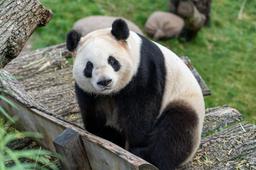


























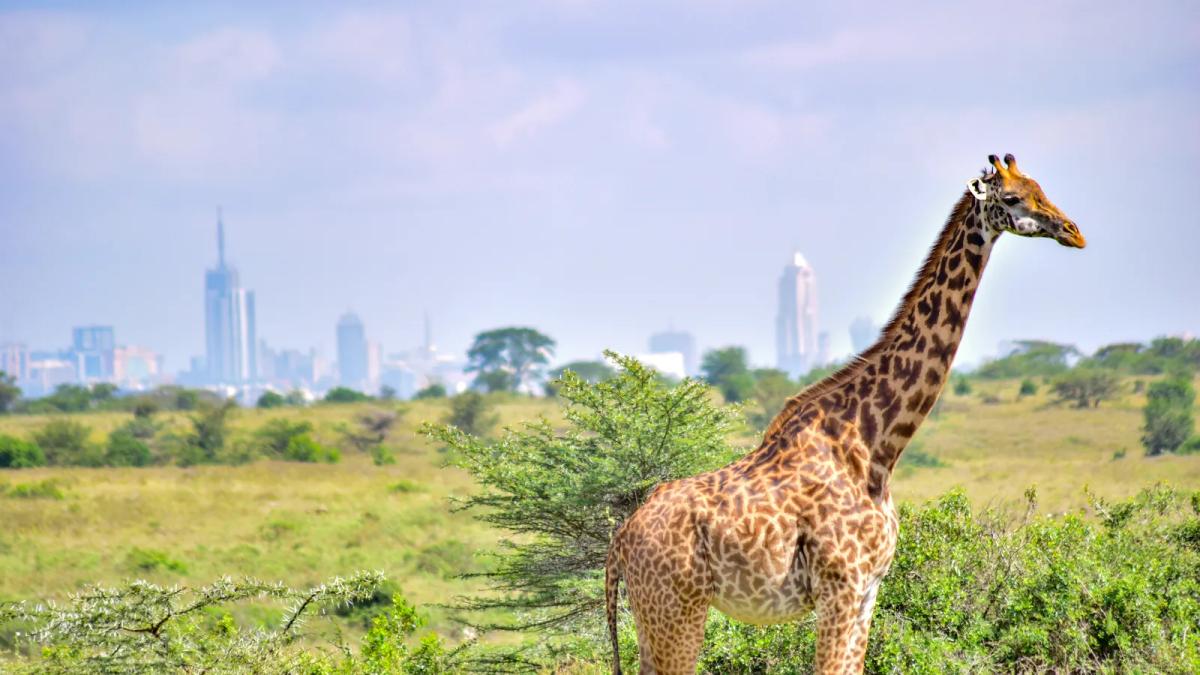
Short answer: Nairobi National Park is a real, wild savannah park about 10 km south of Nairobi's city centre, where you can see black and white rhino, lion, buffalo, Masai giraffe and zebra with office towers on the horizon. Gates open at 6am and close at 6pm, park entry is paid digitally through the Kenya Wildlife Service (KWS) system on eCitizen, and there are no wild elephants here. You can add the Sheldrick elephant nursery (inside the park, one booked hour a day) and the Giraffe Centre (in nearby Lang'ata) to make a full day.
This guide is for travellers with a day, or a long gap between flights, in Nairobi: families, first time safari goers, Nepali travellers heading on to the Masai Mara, and anyone in the diaspora visiting relatives in Kenya who wants one proper wildlife morning. It explains what you will realistically see, how entry and payment work now, when to go, and how the Giraffe Centre and the elephant orphanage fit around a game drive. Every rule that changes (hours, booking, payment) carries the date we checked it and the official source. For the city itself, start with our Nairobi travel guide.
What is Nairobi National Park?
Nairobi National Park is Kenya's first national park, gazetted in 1946, covering 117 square kilometres of grassland, acacia bush, riverine woodland and dry forest on the southern edge of the capital. It is managed by the Kenya Wildlife Service, and it is the reason Nairobi markets itself as a wildlife capital: you can watch rhino graze while the skyline sits in the background.
The park is fenced on three sides, where it meets housing, industry, roads and airports. The southern side, along the Mbagathi River, is partly open, so animals can move out into the Kitengela and Athi-Kapiti plains in the wet season and drift back in when the plains dry out. That open edge is what keeps it a working ecosystem rather than a large enclosure, and it is also why animal numbers inside the park change through the year.
Nairobi National Park at a glance. Checked: 13 Nov 2026, Kenya Wildlife Service park page and KWS Nairobi National Park Management Plan 2020 to 2030
| Fact | Detail | Source |
|---|---|---|
| Status | Kenya's first national park, gazetted 1946 | KWS |
| Size | 117 square kilometres | KWS |
| Distance from city centre | About 10 km south of the Central Business District | KWS |
| Managed by | Kenya Wildlife Service | KWS |
| Gate hours | 6:00am to 6:00pm, except overnight guests | KWS |
| Animal species | More than 100 | KWS |
| Bird species | More than 400 bird species | KWS |
| Boundaries | Fenced on three sides, southern side along the Mbagathi River partly open | KWS Management Plan |
| Main habitats | Open grassland (largest), whistling thorn dwarf tree grassland, shrubland, highland dry forest, riverine woodland, wetland | KWS Management Plan |
| Elephants | None living wild in the park; KWS describes it as having four of the Big Five, apart from elephants | KWS |
Two things make the park feel different from the big reserves further out. The first is the backdrop. On a clear morning the Nairobi skyline rises behind the grassland, and the classic photograph here is a giraffe or a rhino with tower blocks behind it. The second is access. The main road entrance is on Lang'ata Road, a short ride from the city, so a game drive does not need a flight, a long drive or an overnight stay.
The park also carries history. KWS lists the Historic Ivory Burning Site among its attractions. In 1989 President Daniel arap Moi burned about twelve tonnes of ivory at a site within the park, and in 2016 Kenya burned 105 tonnes of ivory and 1.3 tonnes of rhino horn here, nearly all of its ivory and rhino horn stockpile. Speaking at that 2016 event, President Uhuru Kenyatta said, as reported by the United Nations:
"Ivory is worthless unless it is on a living elephant."
Other sights KWS lists inside or beside the park include a rhino sanctuary area, picnic and event sites, scenic viewpoints and the skyline views. The Nairobi Safari Walk (a raised wooden boardwalk through wetland, savannah and forest habitats) and the Nairobi Animal Orphanage (a KWS rescue and rehabilitation facility) sit near the Lang'ata Road side and are handy if you have young children or limited time. Sources: KWS Nairobi National Park, KWS Nairobi Safari Walk, KWS Nairobi Animal Orphanage, KWS Management Plan 2020 to 2030, Wikipedia.
Which animals can you see in Nairobi National Park?
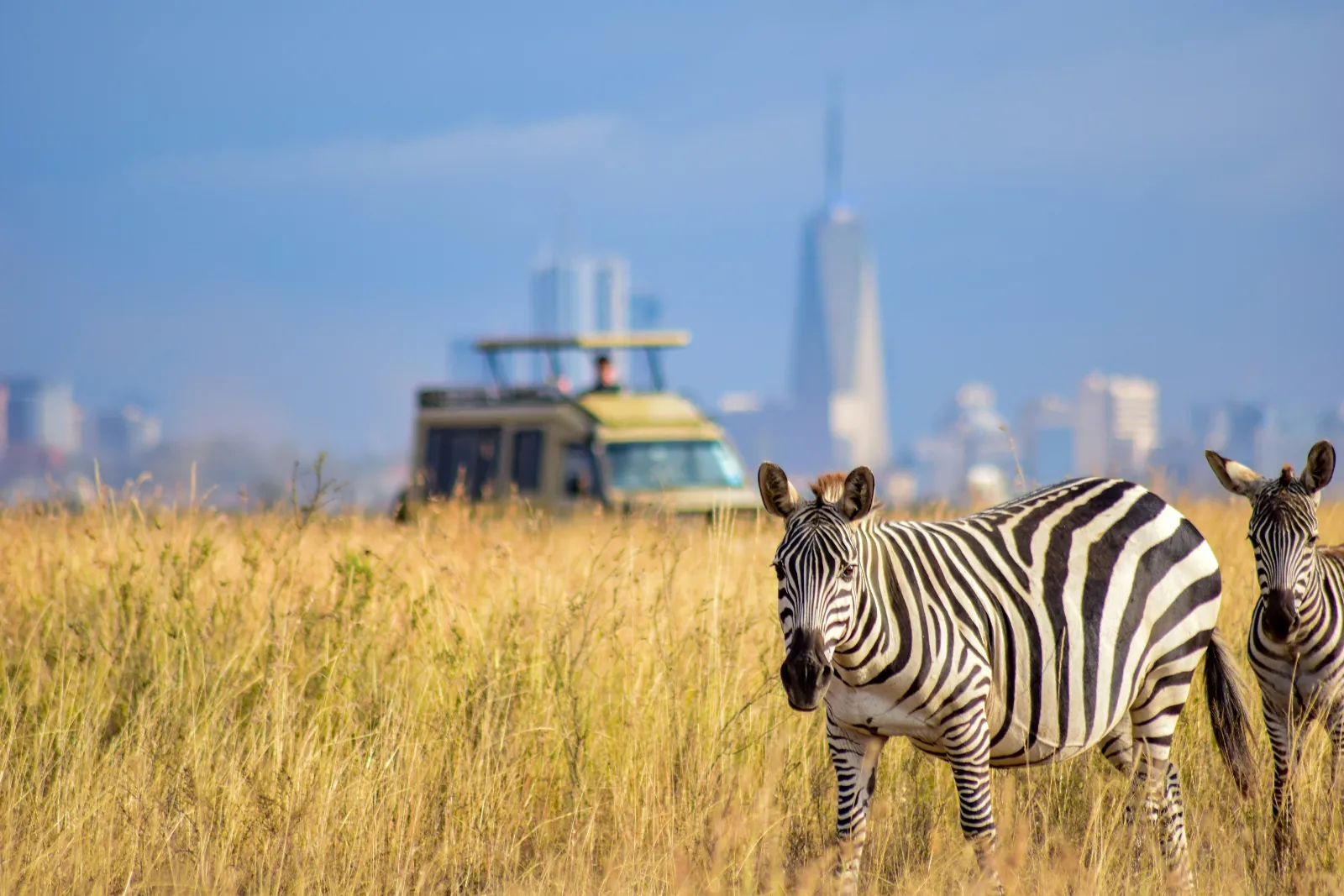
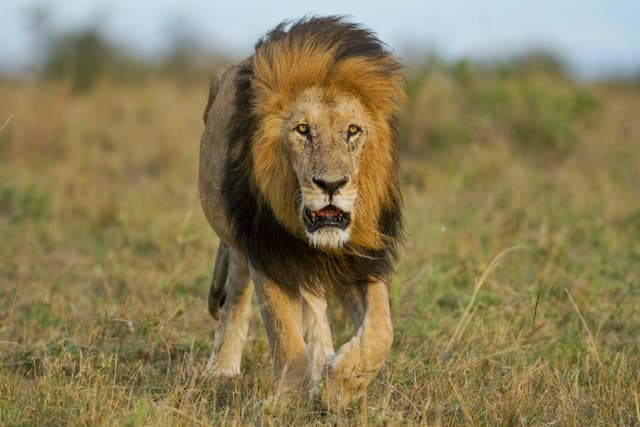
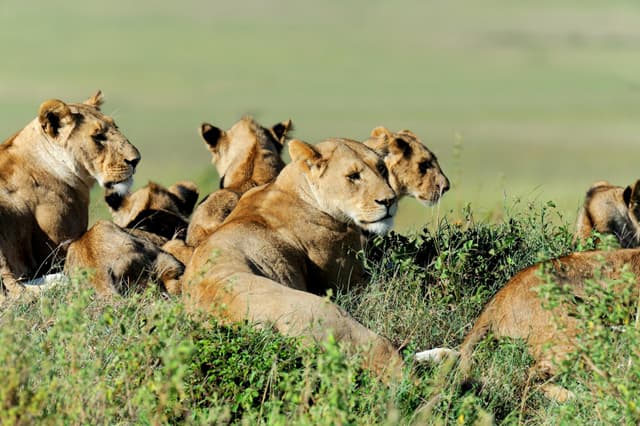
On a typical Nairobi National Park safari you can expect zebra, giraffe, buffalo, several antelope species and, with patience, rhino. Lions are present and seen often, but never guaranteed. There are no wild elephants, so if elephants matter to you, plan the Sheldrick nursery visit or a park such as Amboseli.
KWS says the park is home to more than 100 animal species, with four of the Big Five (lion, leopard, rhino and buffalo) but no elephants. The park is also a rhino sanctuary, and the KWS management plan notes that both black rhino and southern white rhino live here, with the rhino population above what the park can ecologically carry. That density is why Wikipedia describes the park as one of the few places where visitors can be almost certain of seeing a black rhino, a shy browser that is easy to miss elsewhere.
Realistic wildlife table for Nairobi National Park. Population figures are from the KWS Management Plan 2020 to 2030 (2019 counts). Checked: 13 Nov 2026, KWS
| Animal | Present? | What the official record says | How likely on one game drive |
|---|---|---|---|
| Black rhino | Yes | Park is a rhino sanctuary; rhino numbers above carrying capacity | Good chance with a patient driver; often in thicker bush |
| Southern white rhino | Yes | Listed with black rhino in the management plan | Good chance, usually on open grassland |
| Lion | Yes | About 45 in 2019, in three prides named by KWS: Kingfisher, Athi and Mokoyet | Fair; most likely early morning |
| Masai giraffe | Yes | 99 counted in 2019 | Very likely |
| Cape buffalo | Yes | Listed in the management plan (African buffalo) | Likely |
| Common zebra | Yes | Listed in the management plan | Very likely |
| Eland, impala, Grant's and Thomson's gazelle | Yes | Listed in the management plan | Very likely |
| Leopard | Yes | Listed in the management plan | Low; shy and mostly active at night |
| Cheetah, spotted and striped hyena | Yes | Listed in the management plan | Low to occasional |
| Hippo | Yes | Live along the Mbagathi River | Fair at the river pools |
| Crocodile | Yes | Found in the dams | Occasional |
| Wildebeest | Small numbers | A migration of about 30,000 in the 1960s has fallen to about 200 animals | Possible, but not a migration spectacle |
| Elephant | No wild population | KWS: four of the Big Five, apart from elephants | Only the orphans at the Sheldrick nursery (booked visit) |
| Birds | Yes | More than 400 species (KWS) | Excellent all year, best in the rains |
Why are there no elephants in Nairobi National Park?
KWS describes the park as having four of the Big Five apart from elephants, and neither KWS nor the management plan lists a resident elephant population. The only elephants inside the boundary are the orphaned calves at the Sheldrick Wildlife Trust nursery, which are cared for by keepers and later moved to Tsavo to rejoin wild herds. Some general websites list elephants for Nairobi without making this distinction, which is how the confusion starts. If wild elephants are a must, Amboseli is the classic choice; our Amboseli elephant and Kilimanjaro guide explains why.
What about the wildebeest and zebra migration?
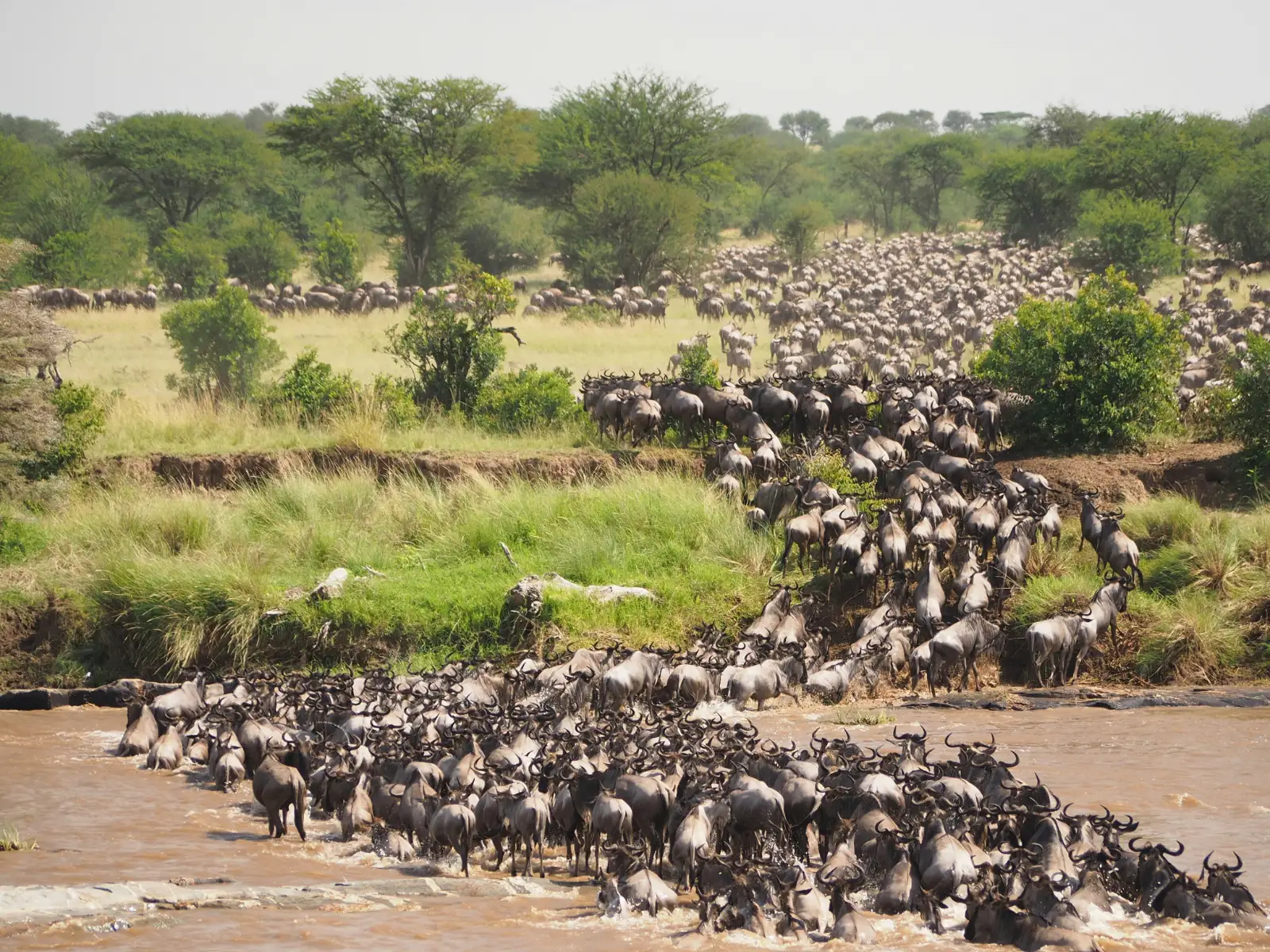
Older guidebooks describe large herds moving between the park and the Athi-Kapiti plains. The KWS management plan is blunt about what has changed: a wildebeest migration of about 30,000 animals in the 1960s has collapsed to about 200. Zebra and other grazers still move in and out through the open southern boundary, coming into the park in the dry season when water and grass are concentrated there, but this is not the Masai Mara migration. If the river crossings are what you want, read our guide to the best time to visit Kenya for the Mara months.
Is it good for birdwatching?
Yes. KWS counts more than 400 bird species, the management plan cites 516 species recorded, and the plan notes that BirdLife International lists the park as an Important Bird Area. The dams (Nagolomon, Hyena and Athi basin), the Mbagathi River and the forest edge on the western side give a wide range of habitats in a small area. Rainy months bring migrant species and green grass, which helps birders even when mammals are more spread out.
How do you visit Nairobi National Park: self-drive, guided or tour?
There are three practical ways to do a Nairobi National Park safari: drive yourself, hire a driver or guide with a suitable vehicle, or join an organised game drive. All three need a KWS entry ticket paid digitally, and all three follow the same park rules on speed, roads and staying in the vehicle.
Ways to visit Nairobi National Park compared (no prices; all visitors pay KWS conservation fees separately). Rules checked: 13 Nov 2026, KWS and Sheldrick Wildlife Trust
| Option | Best for | What to know |
|---|---|---|
| Self-drive in your own or a rented car | Residents, diaspora families with a local car, confident drivers | Stay on established roads, 40 km/h maximum, doors closed outside designated areas. Tracks can be muddy in the rains, so a higher clearance vehicle is safer then. |
| Hired driver or private guide with a safari vehicle | Families, first timers, photographers | A driver who knows where the lion prides and rhino were seen recently saves hours. Pop-up roof vehicles make viewing and photography easier. |
| Organised half day or full day game drive | Solo travellers, layover visitors, people without a car | Pickup from hotels is common. Ask in advance whether park entry is prepaid for you and which gate you will use. |
| Taxi or ride hailing car | Getting to a gate only | The Sheldrick Wildlife Trust notes that taxi and Uber passengers must be dropped at the KWS gate unless the driver and vehicle have also paid park fees. Most ride hailing cars are not set up for game drives. |
| KWS Nairobi Safari Walk and Animal Orphanage | Young children, short visits, rainy days | Walking based facilities near the Lang'ata Road side; good as an add on, not a replacement for a game drive. |
How do you pay to enter the park?
Plan to pay digitally, in advance. Since 1 November 2025, KWS park and conservation fees are paid through KWSPay, which KWS and eCitizen describe as the upgraded eCitizen payment system. Reports of the joint KWS and eCitizen statement list M-Pesa, bank cards, bank transfers and an eWallet as payment options, and KWS said transactions use a monthly dollar exchange rate in line with Central Bank of Kenya rates. None of the official statements we found mention cash at the gate, and as far back as January 2017 Business Daily reported that KWS had eliminated cash payments at state wildlife sanctuaries, so do not count on paying in cash.
Paying ahead also saves time. In May 2025, after long queues at the park entrance, KWS introduced two express lanes exclusively for prepaid ticket holders at Nairobi National Park and said 60 per cent of visitors had prepaid. You will need an eCitizen account to buy a prepaid ticket. We do not quote fee amounts here because they change and differ by residency and age; check the current rates on the KWS website before you go.
Checked: 13 Nov 2026, KWS and eCitizen statement on KWSPay as reported by Kenyans.co.ke and The Standard (1 Nov 2025); KWS express lanes as reported by Kenyans.co.ke (18 May 2025).
Which gate should you use?
Use the Main Gate on Lang'ata Road for a standard game drive, Mbagathi Gate on Magadi Road for the Sheldrick nursery, and East Gate off Mombasa Road if you are coming from the airport side. In May 2025 KWS pointed visitors to East Gate and Mbagathi Gate as alternatives to the Main Gate to ease congestion.
Nairobi National Park gates mentioned in official and news sources. Checked: 13 Nov 2026, KWS, Sheldrick Wildlife Trust and Kenyans.co.ke (May 2025)
| Gate | Road | Useful for |
|---|---|---|
| Main Gate | Lang'ata Road, just past the Lang'ata Army Barracks | Standard game drives, Nairobi Safari Walk, Animal Orphanage, KWS headquarters area |
| Mbagathi Gate (also called the KWS Workshop Gate or Magadi Gate) | Magadi Road, opposite Multimedia University | The Sheldrick Wildlife Trust Nairobi Nursery |
| East Gate | Off Mombasa Road | Arrivals from the JKIA side of the city |
A short checklist before you set off
- Entry ticket bought on KWSPay through eCitizen, with the confirmation saved on your phone.
- Passport or ID that matches the name on the booking.
- Drinking water in a reusable bottle (single use plastic is prohibited in the park).
- Binoculars, camera, sunscreen, sunglasses and insect repellent, as KWS recommends, plus a hat.
- A warm layer for the early morning; Nairobi sits high and dawn drives can feel cold.
- Snacks for children, eaten only at designated picnic sites.
- Sheldrick confirmation email, if you are combining the nursery visit.
What is the best time of day to go?
The best time for a Nairobi National Park game drive is right at the 6am gate opening, with a second good window in the late afternoon before the 6pm closing. Animals are more active in the cool early hours, the light is softer for photographs, and the roads inside the park are quieter before day visitors arrive.
Time of day planner for a Nairobi National Park safari. Gate hours checked: 13 Nov 2026, KWS
| Time | Why go | Trade off |
|---|---|---|
| 6am to 9am | Best chance of lions and rhino moving; cool air; soft light | Early start from the city; traffic builds quickly after this window |
| 9am to 11am | Still decent viewing; easy to combine with Sheldrick at 11am | Animals start resting in shade as it warms |
| 11am to 3pm | Good for the Sheldrick visit, the Giraffe Centre and lunch | Weakest game viewing; harsher light |
| 3pm to 6pm | Activity picks up again; warm evening light on the skyline | Gates close at 6pm, so you must be heading out in good time |
If you only have one window, choose the morning. Nairobi's traffic is heavy at rush hour, and an early start gets you to the gate before the city wakes up. Our view from planning trips for Nepali families is simple: build the day around the morning drive and fit everything else around it, not the other way round.
Which months are best?
The park is open all year. The drier months are usually easier for game viewing, because grazers come back into the park when the plains outside dry out, while the rainy seasons are greener, quieter and better for birds but can make tracks muddy. The Sheldrick Wildlife Trust warns visitors that the rainy seasons, March to April and October to December, can be muddy.
Seasons at Nairobi National Park. Rain timing from the Sheldrick Wildlife Trust visitor page and the Kenya Meteorological Department OND 2026 forecast (issued 31 Aug 2026). Checked: 13 Nov 2026
| Season | What to expect in the park | Tip |
|---|---|---|
| Drier months (outside the two rainy seasons) | Shorter grass, animals concentrated near water inside the park | Classic game viewing; book early mornings |
| Long rains (around March to April or May) | Green landscape, migrant birds, some animals disperse to the plains | Higher clearance vehicle; allow extra time |
| Short rains (around October to December) | As above; afternoon storms are common | For late 2026, the Kenya Met forecast expects above average rainfall in Nairobi, with rain continuing into January |
For Nepali travellers, the Dashain and Tihar holidays often fall in October or November, which overlaps with the short rains. That is not a reason to skip the park, since the morning drive usually still works, but it is a reason to keep the plan flexible and to pack a light rain jacket. The Kenya Meteorological Department's OND 2026 seasonal forecast lists Nairobi among the counties expecting above average rainfall, with onset in the second to third week of October.
What is the Giraffe Centre and how do you visit?
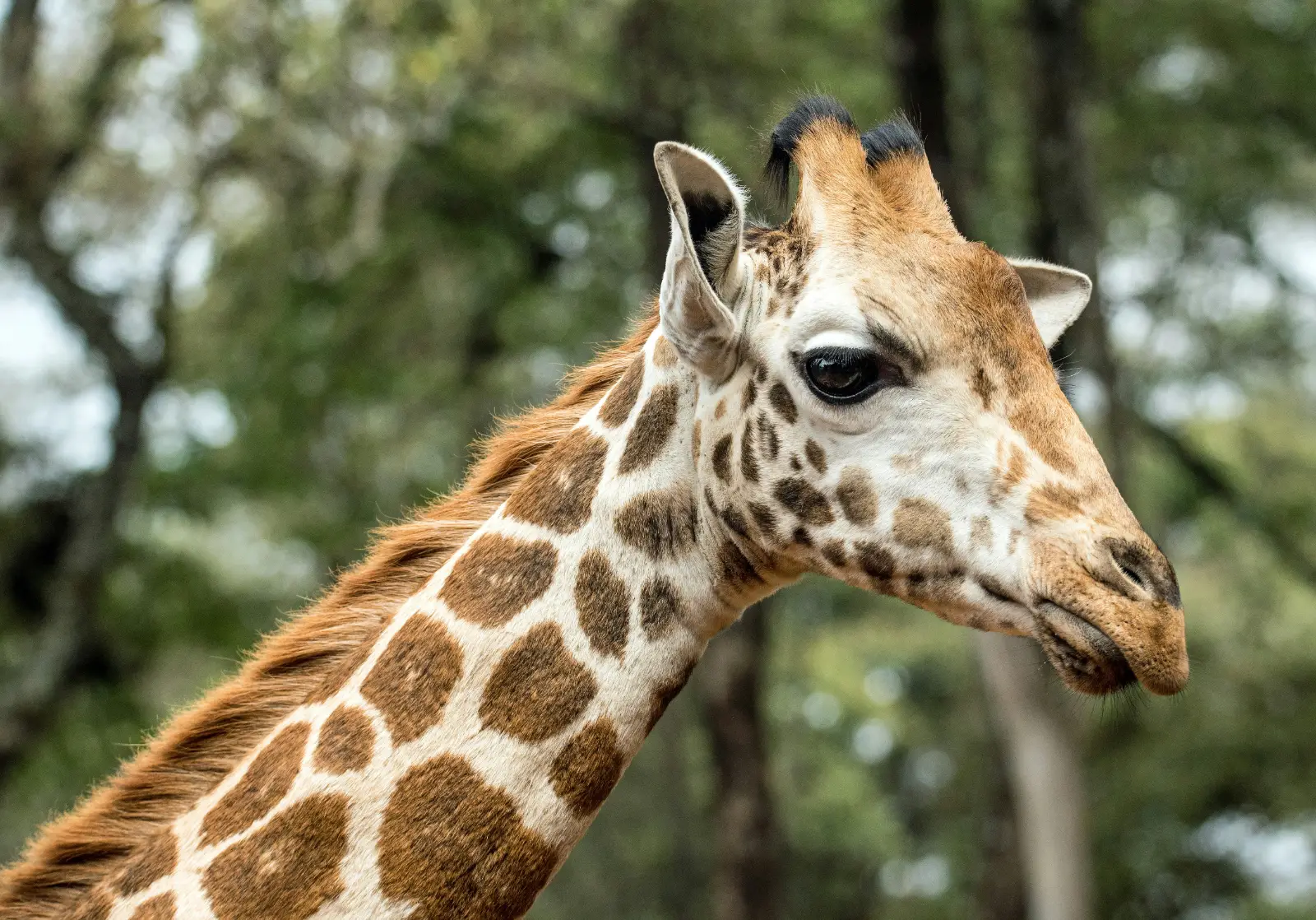
The Giraffe Centre in Nairobi is a conservation and education centre run by the African Fund for Endangered Wildlife (AFEW Kenya), where you can meet Rothschild giraffes face to face from a raised platform. It is in Lang'ata, on Nyumbi Road off Duma Road, about 15 km from the city centre according to the centre, and it opens 9am to 5pm every day, including weekends and public holidays.
The centre's story starts in 1979, when Jock and Betty Leslie-Melville founded AFEW Kenya after learning that only 130 Rothschild giraffes were left on a ranch that was being subdivided. They brought two young giraffes, Daisy and Marlon, to their Lang'ata home and started a breeding programme. The education centre was built in 1983 on a 60 acre sanctuary and now teaches thousands of Kenyan school children every year. AFEW reports that more than 300 Rothschild giraffes now live and breed in various Kenyan national parks, and that its own breeding programme has released more than 40 giraffes into parks and reserves.
Giraffe Centre visitor facts. Checked: 13 Nov 2026, Giraffe Centre FAQ and About AFEW
| Question | Answer from the centre |
|---|---|
| Who runs it? | African Fund for Endangered Wildlife, AFEW (K) Ltd, which describes it as a private conservation and education centre |
| Where is it? | Nyumbi Road, off Duma Road, Lang'ata, about 15 km from the city centre |
| Opening hours | 9:00am to 5:00pm every day, including weekends and public holidays |
| Busiest times | 11am to 1pm on weekdays; weekends and public holidays are busy all day |
| How long to allow | 1.5 to 2 hours for feeding, a talk on giraffes and wildlife, the nature sanctuary walk and a snack at the Tea House |
| Payment methods listed | M-Pesa, Visa and Mastercard (credit and debit cards) |
| Booking | The centre asks school groups to book a week ahead; it does not state a booking requirement for general visitors |
| Guides | Environmental studies students who volunteer as educators |
| Where the money goes | Most entrance and shop proceeds support conservation and education |
How does giraffe feeding work, and can children join in?
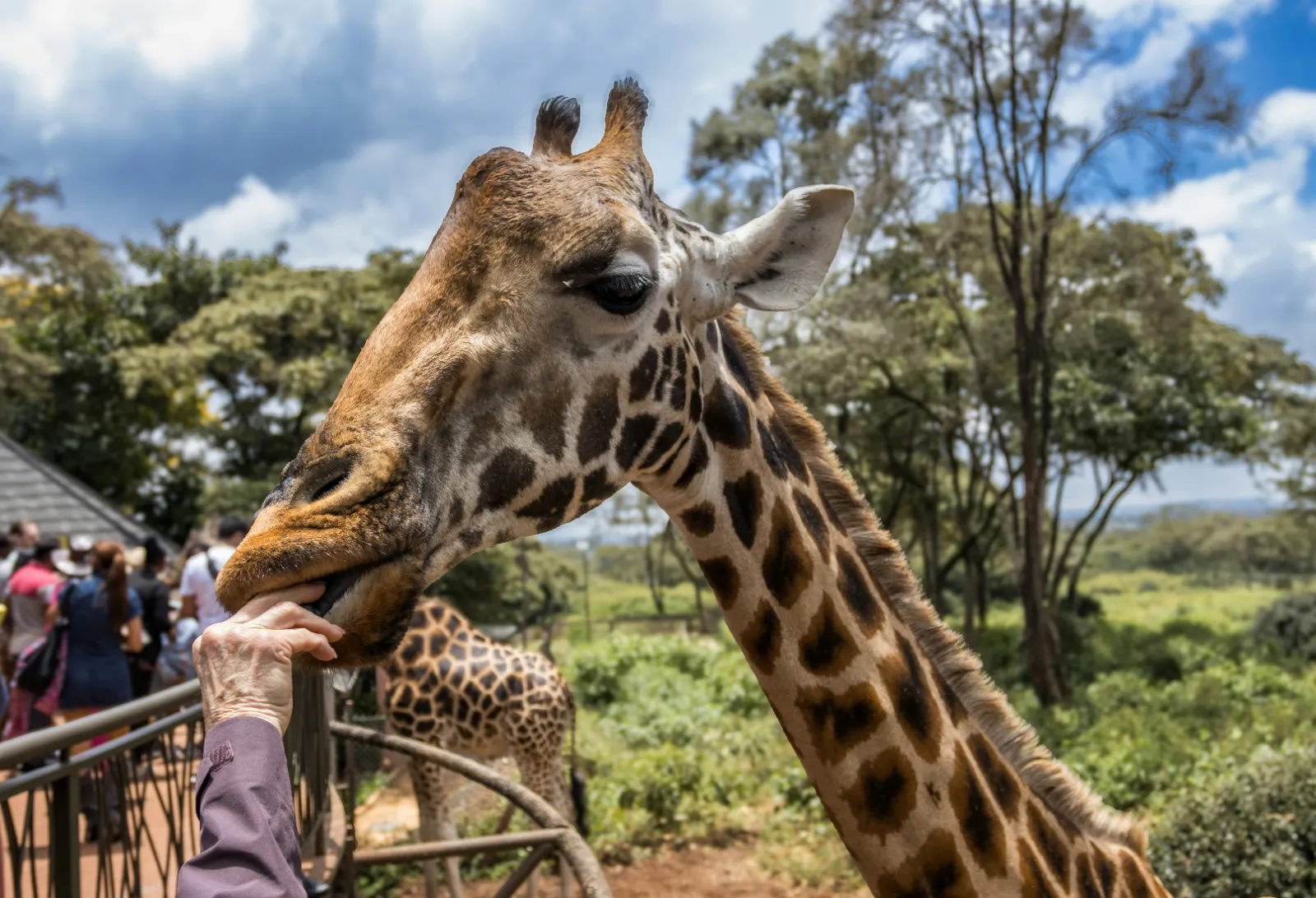
Feeding the giraffes from the raised observation platform is the main attraction for both school children and visitors. The giraffes lean their heads over the railing at eye level, which is what makes the photographs so memorable. Children are very much part of the audience: the centre was set up as a nature education centre for Kenyan school children, and it has a separate children's rate category for ages 3 to 12. Small children should be held or closely supervised on the platform, since giraffes are large animals with long, strong tongues and heads that swing quickly.
The quietest experience is outside the 11am to 1pm weekday rush. A good pattern is a morning game drive, the Sheldrick nursery at 11am if you have a booking, lunch, and the Giraffe Centre in the afternoon before its 5pm close.
Is the Giraffe Centre giraffe the same as the park giraffe?
No. The giraffes in Nairobi National Park are Masai giraffes, of which the KWS management plan counted 99 in 2019. The Giraffe Centre works with Rothschild giraffes, the subspecies AFEW was set up to protect. Seeing both in one day is a nice way for children to spot differences in coat patterns.
Two giraffes, one day. Sources: KWS Management Plan 2020 to 2030, AFEW Giraffe Centre. Checked: 13 Nov 2026
| Nairobi National Park | Giraffe Centre | |
|---|---|---|
| Giraffe type | Masai giraffe | Rothschild giraffe |
| Setting | Wild, free roaming in open savannah | Sanctuary, viewed from a raised platform |
| Feeding allowed? | No; KWS prohibits feeding wildlife | Yes, from the platform |
| Hours | 6am to 6pm | 9am to 5pm |
| How you get close | From your vehicle, at least 20 metres away | Face to face over the railing |
Can you visit the Sheldrick elephant orphanage?
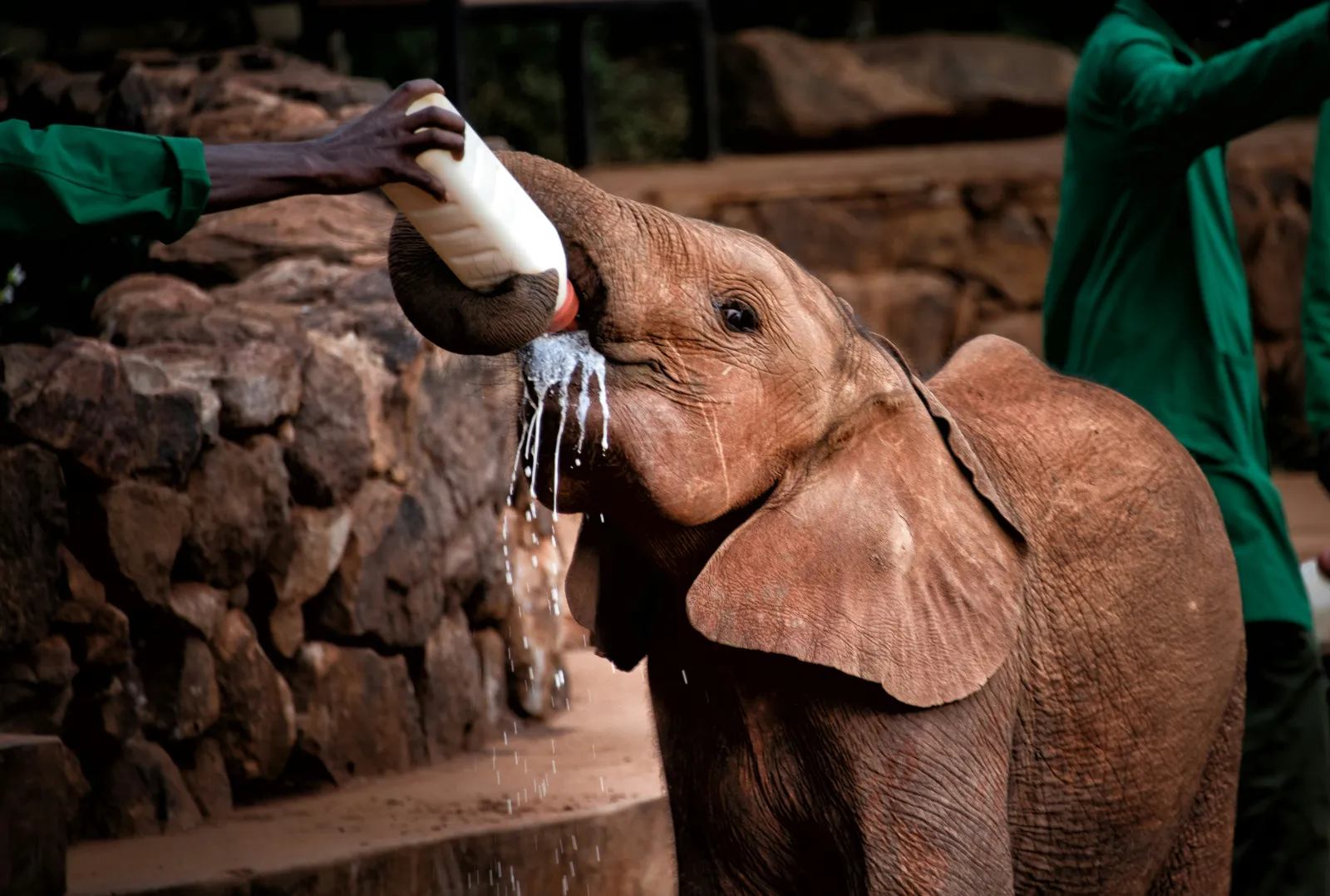
Yes, but only with an advance booking and only between 11am and 12 noon. The Sheldrick Wildlife Trust Nairobi Nursery sits inside Nairobi National Park and opens to the public for that one hour every day except 25 December. Walk-ins and same day bookings are not accepted, and the visit cannot be delayed or extended for late arrivals.
During the hour, the orphaned elephants come in for their midday milk feed, then play in a mud bath and dust bath while a senior keeper introduces each calf and explains how it was rescued. Visitors stand behind a cordon, and only keepers feed or touch the orphans, although some calves reach a trunk over or bump the cordon. The Trust raises the calves with the aim of returning them to the wild, a process that can take up to ten years, through its reintegration units in the Greater Tsavo Conservation Area.
How to book and visit the Sheldrick Nairobi Nursery. Checked: 13 Nov 2026, Sheldrick Wildlife Trust nursery visit page and SWT FAQs
| Step | What the Trust says |
|---|---|
| Visiting time | 11am to 12 noon daily, except 25 December; arrive by 10:30am to clear the KWS gate |
| How to book | Email the Nairobi office with the date, number of adult and child tickets, each adult's name and each child's name and age |
| Booking window | Only for dates within the next three months; no walk-ins, no same day bookings |
| Reply time | Allow at least two business days; check your spam folder |
| Third party sites | Bookings through ticket resale or activity platforms are not accepted; tour operators must show the Trust's own confirmation email |
| On the day | Bring the Trust's confirmation, printed or on your phone |
| Gate | KWS Mbagathi Gate (also called the Workshop or Magadi Gate) on Magadi Road |
| Park entry | A separate KWS park entry ticket is required for every nursery visitor, even if you do not drive in the park; pay through eCitizen in advance |
| Nursery donation | Paid to Trust staff in cash on arrival; not covered by the KWS ticket |
| Arriving on foot or by taxi | A Trust vehicle carries on-foot visitors from the KWS gate to the nursery between 10:15am and 11:30am |
The Trust's house rules are straightforward: no smoking or vaping, phones silenced, photos and video for personal use only, and stay behind the cordon. There are no refreshments on site and no public Wi-Fi, so bring water, and wear shoes you do not mind getting dusty or muddy. Maxwell, the blind rhino the Trust cares for, is not part of the public visit.
For a family from Nepal, this hour is often the highlight of the Nairobi day. Children who have only seen elephants in Chitwan's working camps get to watch very young African elephant calves being cared for with the explicit aim of going back to the wild, and the keeper's talk explains why each one lost its mother. It works best when you have booked well ahead, especially around school holidays.
Can you do Nairobi National Park on a layover?
Sometimes, yes. A Nairobi National Park safari on a layover is realistic if your connection is long, falls in daylight between the 6am opening and the 6pm closing, and you are able to pass through immigration and leave the airport. It is not realistic on a short connection, at night, or if you cannot enter Kenya on your passport and itinerary.
The geography helps. KWS lists Jomo Kenyatta International Airport (JKIA) and Wilson Airport as the air access points for the park, the management plan notes that the park boundary borders airports, and East Gate is off Mombasa Road, the same highway that leads to JKIA's entrance. The catch is Nairobi traffic, which can turn a short distance into a long drive at rush hour, and airport formalities on both ends.
Layover feasibility for Nairobi National Park (planning guide, not a guarantee; check your airline's check-in deadline and Kenya's entry rules first)
| Your situation | Is a game drive realistic? | What to plan |
|---|---|---|
| Overnight in Nairobi, flying out next afternoon or evening | Yes, the easiest case | Stay near the airport or Lang'ata, enter at 6am, return to the airport with a generous buffer |
| Long daytime connection, arriving early morning | Often yes | Pre-book a driver and prepaid KWS ticket; skip extras like the Giraffe Centre if time is tight |
| Daytime connection that only leaves a few hours after immigration and before check-in | Tight | Consider the Nairobi Safari Walk or skipping the park; missing a flight is the bigger risk |
| Arrival or departure at night | No game drive | Gates close at 6pm; plan a daytime visit on another day |
| You cannot leave the airport on your ticket or passport | No | Check the entry rules before relying on a layover plan |
To leave JKIA you have to be admitted to Kenya, which means holding the correct electronic travel authorisation for your passport. We do not repeat the rules here because they change; Nepali passport holders can start with our Kenya visa and eTA page, and other passport holders should check the official site for their passport.
Getting to Nairobi from Kathmandu
There is no direct flight from Kathmandu to Nairobi. FlightConnections shows non-stop routes from Kathmandu to Doha, Dubai, Abu Dhabi, Sharjah, Mumbai, Istanbul and Bangkok, and non-stop routes from each of those cities to Nairobi, so most journeys from Nepal involve one connection through a Gulf, Indian, Turkish or Thai hub (checked: 12 to 13 Nov 2026, FlightConnections; schedules change, so confirm with the airline). Because the journey is long, many Nepali travellers use a spare morning in Nairobi before the flight home for the park, rather than squeezing it in on arrival. Our guide to yellow fever rules and transit routes from Nepal to Kenya covers the health paperwork side of that journey.
Who is Nairobi National Park best for?
Nairobi National Park is best for travellers who want a genuine wildlife experience without travelling far: families with young children, first time safari goers, layover and business visitors, photographers chasing the skyline shot, and birders. It is less suited to people who want elephants, big herds or a remote wilderness feel, who should give their time to the larger parks.
Matching Nairobi National Park to the traveller
| Traveller | Why it works | Add on |
|---|---|---|
| Families with children | Short distances, a morning is enough, animals are easy to spot | Sheldrick nursery and Giraffe Centre |
| First time safari goers | A gentle introduction before the Masai Mara or Amboseli | A full Kenya circuit afterwards |
| Layover and business visitors | Close to the city and to JKIA | Nairobi Safari Walk if time is short |
| Photographers | Wildlife with a city skyline is a picture you cannot take elsewhere | Late afternoon light |
| Birders | More than 400 species in a small area | Rainy season migrants |
| Nepali diaspora visiting relatives in Kenya | An easy day out that suits grandparents and children together | Lunch in Karen or Lang'ata |
| Travellers who want wild elephants | Not a good fit on its own | Amboseli or Tsavo instead |
Travelling with older parents? Most of the day is spent seated in a vehicle, there is no hiking involved, and the nursery and Giraffe Centre have short walks only. A few practical habits make a big difference: an early night before the 6am start, a cushion for bumpy tracks, and a break for lunch between activities. Pace the day around their energy rather than the clock.
What should you know about safety and park rules?
Nairobi National Park is a wild area with free roaming predators, so the main safety rule is simple: stay inside your vehicle except at designated spots, and keep at least 20 metres from animals. KWS reminds visitors, "You are in the wildlife's home," and that you enter at your own risk.
KWS rules for Nairobi National Park. Checked: 13 Nov 2026, KWS Nairobi National Park page
| Rule | Why it matters |
|---|---|
| Wildlife has right of way | Animals cross roads without warning; wait for them |
| Maximum speed 40 km/h | Protects animals and lets you spot them |
| Stay on established roads and trails; no off-road driving | Protects the grassland and avoids getting stuck |
| Stay in your vehicle outside designated areas; keep doors closed | Lions, buffalo and rhino are dangerous on foot |
| Keep at least 20 metres from wildlife | Reduces stress on animals and risk to you |
| Do not feed wildlife | Feeding changes behaviour and is prohibited |
| Single use plastic is prohibited; take all trash with you | Plastic harms animals; carry a reusable bottle |
| No driving under the influence; no excessive hooting | Safety and disturbance |
| Use phones and sound devices sparingly, only in designated areas | Noise disturbs animals and other visitors |
| Do not leave campfires unattended | Fire risk in dry grassland |
Outside the park, normal Nairobi city sense applies: use ride hailing or a known driver, keep phones and bags out of sight in slow traffic, and avoid walking between districts after dark. Our honest Kenya safety guide for travellers covers the wider picture. If you need help from KWS on the day, the park page lists a customer service hotline, a toll free number and a WhatsApp line.
Health and comfort
- Sun is strong even when the air is cool; sunscreen and sunglasses are on the KWS packing list for a reason, and a hat helps too.
- Insect repellent helps near the river and dams, particularly in the rainy months.
- Bring motion sickness tablets for children on rough tracks.
- Carry enough water: the Sheldrick nursery provides no refreshments.
How does Nairobi National Park fit into a Kenya trip?
Nairobi National Park works best as the first or last day of a Kenya trip: a gentle start after a long flight, or a final wildlife morning before flying home. It is not a replacement for the Masai Mara, Amboseli or the Rift Valley lakes, but it gives you rhino, lion and giraffe without losing a travel day.
Here is how the Nairobi day compares with what the rest of the country offers, so you can decide how much time to give it.
Nairobi National Park compared with Kenya's headline parks (wildlife highlights only; no prices)
| Place | Known for | Travel from Nairobi | Elephants? |
|---|---|---|---|
| Nairobi National Park | Rhino, lion, giraffe, skyline views | On the city's edge; a morning is enough | No wild elephants |
| Masai Mara | Big cats, the wildebeest migration | Separate trip by road or light aircraft | Yes |
| Amboseli | Elephant herds below Kilimanjaro | Separate trip by road or light aircraft | Yes |
| Lake Nakuru | Rhino, Rothschild's giraffe, birds | Separate trip, usually by road with Lake Naivasha | Not a focus |
For the full picture of seasons, entry, money and routes, our complete Kenya travel guide is the place to start, and our list of the best things to do in Kenya puts the Nairobi day alongside the Mara, the coast and the mountains.
A few planning notes from our side, based on the official rules above:
- Book the Sheldrick nursery first, as soon as your dates are fixed; it is the one part of the day with limited, booked slots.
- Buy the KWS ticket through KWSPay on eCitizen before the day so you can use the prepaid lanes.
- Choose your gate by plan: Main Gate for a game drive, Mbagathi Gate for Sheldrick.
- Keep the Giraffe Centre flexible; it is open 9am to 5pm daily and quieter outside the weekday lunchtime peak.
- In the October to December rains, start early and keep the afternoon free in case of storms.
If you would like the Nairobi day built into a longer safari with the Mara or Amboseli, you can look through our Kenya tour packages to see how the city and the parks fit together.
Frequently asked questions
Are there elephants in Nairobi National Park?
There are no wild elephants in Nairobi National Park; KWS describes it as having four of the Big Five, apart from elephants. The only elephants inside the park are orphaned calves at the Sheldrick Wildlife Trust nursery, which you can see during the booked 11am to 12 noon public visit.
Can you see lions in Nairobi National Park?
Yes, lions live in Nairobi National Park. The KWS management plan estimated about 45 lions in 2019, and KWS names three prides: Kingfisher, Athi and Mokoyet. Sightings are common but never guaranteed, and your best chance is an early morning game drive soon after the 6am gate opening.
How long is a game drive in Nairobi National Park?
Most visitors spend a morning or an afternoon on a Nairobi National Park game drive, which is usually enough to cover the main grassland and river areas. A full day is possible between the 6am opening and 6pm closing if you want more time to find rhino and lions.
Do you need to book the Sheldrick elephant orphanage?
Yes. The Sheldrick Wildlife Trust Nairobi Nursery accepts advance bookings only, by email to its Nairobi office, for dates within the next three months. There are no walk-ins or same day bookings, and the visit runs strictly from 11am to 12 noon daily, except 25 December.
Can children feed giraffes at the Giraffe Centre?
Yes. Feeding the Rothschild giraffes from the raised platform is the main attraction for school children and visitors at the Giraffe Centre in Lang'ata, which has a children's rate category for ages 3 to 12. Keep small children close, as giraffe heads are large and move quickly.
Is cash accepted at the Nairobi National Park gates?
Do not rely on cash at Nairobi National Park. KWS entry is paid through KWSPay on eCitizen, which accepts M-Pesa, bank cards, bank transfers and an eWallet, and paying in advance lets you use the prepaid express lanes. The Sheldrick nursery donation, by contrast, is paid in cash to Trust staff.
How close is Nairobi National Park to Nairobi airport?
Nairobi National Park is close to both Nairobi airports: KWS lists JKIA and Wilson Airport as its air access points, and the park boundary borders airports. East Gate is off Mombasa Road, the highway leading to JKIA, but heavy traffic means you should allow generous time either way.
What is the best time for a game drive in Nairobi National Park?
The best time for a Nairobi National Park game drive is at the 6am gate opening, when animals are most active and the light is soft. Late afternoon before the 6pm closing is the second best window. Drier months concentrate wildlife, while the rains bring birds and muddy tracks.
Is Nairobi National Park a real safari?
Yes. Nairobi National Park is a 117 square kilometre wild park with free roaming lions, rhino, buffalo and giraffe, and its southern side is open to the Athi-Kapiti plains. It is smaller and busier than the Masai Mara and has no wild elephants, but the wildlife is genuinely wild.
Can I visit Nairobi National Park without a tour?
Yes. You can self-drive into Nairobi National Park in a suitable car, or hire a driver, as long as you have a KWS ticket paid through eCitizen and follow the park rules. Taxis and ride hailing cars must drop you at the gate unless the driver and vehicle have also paid park fees.
Can I do Nairobi National Park on a layover?
A Nairobi National Park visit on a layover is possible if your connection is long, in daylight, and you can enter Kenya with the right travel authorisation. Gates open 6am to 6pm and Nairobi traffic is heavy, so connections that are short or fall at night rarely work.