












































































+977-9768558250
Search Tours or Places
Blog / Kenya

What to Wear on Safari in Kenya: Full Packing List, Gear and Health Kit

32 min read 13 Nov 2026 · Updated 17 Nov 2026
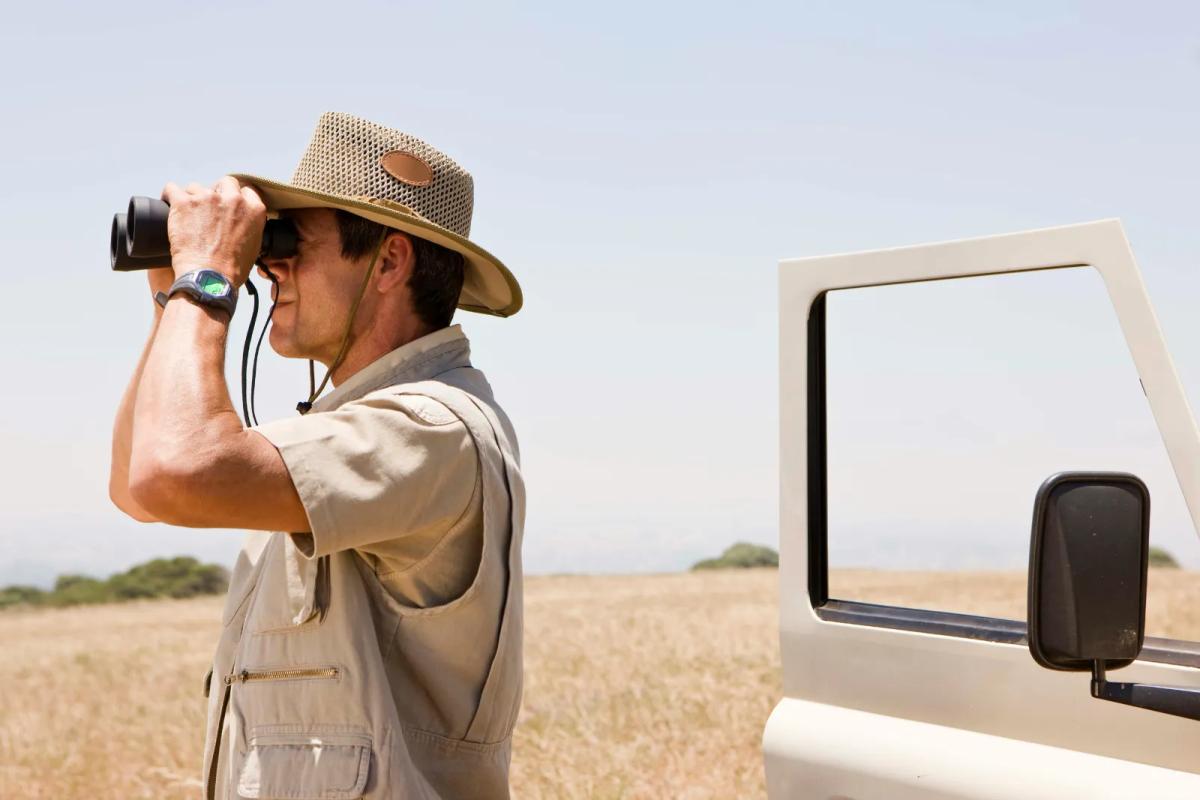
Traveller in khaki safari clothes and a wide hat looking through binoculars beside a safari vehicle

Short answer: what to wear on safari in Kenya comes down to five things: loose, breathable clothes in khaki, olive, tan or other muted earth tones; long sleeves and long trousers for dawn, dusk and mosquitoes; a warm fleece or light down layer for cold early game drives; a wide-brimmed hat and sunglasses; and closed, comfortable shoes. Leave dark blue, black and anything camouflage at home. Pack it all in a soft duffel bag, because the small planes that fly to the Masai Mara and other parks usually allow about 15 kg per person including hand luggage, and remember that Kenya has banned plastic carrier bags since 2017.

If you are working out what to pack for a Kenya safari, this is the full checklist we would hand a first-time traveller, whether you are flying long-haul from Kathmandu, visiting family in Nairobi or joining from somewhere else in the world. Every rule here (the plastic bag ban, the luggage limits, the plug type, the seasons) was checked against the official or primary source on 13 Nov 2026, and those sources are linked where they come up. Health is handled the honest way: we tell you which questions to take to a doctor or travel clinic, not which pills to swallow.

If you are still choosing where in Kenya to go, start with our Kenya travel guide, then come back here once the dates and parks are clear. Packing for the Mara in July is not the same job as packing for Amboseli in a wet November.

What to wear on safari in Kenya, and why does it matter?

On a Kenya safari you spend most of your waking hours sitting in an open or pop-top vehicle, starting before sunrise and finishing at dusk, so the right clothes are the ones that cope with a cold start, a hot midday sun, dust and evening insects in the same day. Fashion barely matters. Comfort, colour and layering matter a lot.

Here is how a typical game drive day treats your clothes. You leave camp around first light, when the air on the open plains can feel genuinely cold, especially in the wind of a moving vehicle. By mid-morning the equatorial sun is strong and you are peeling off layers. The afternoon drive is warm and dusty, and as the sun drops the temperature falls again and mosquitoes come out. A single outfit cannot handle all of that. Three thin layers can.

The US Centers for Disease Control and Prevention (CDC), in its guidance for travellers on African safaris, sums up the clothing logic in three lines: neutral colours because they seem to deter tsetse flies, long sleeves and long trousers against mosquitoes, and hats, sunglasses and protective clothing against the sun (Checked: 13 Nov 2026, CDC Yellow Book, African Safaris and Climbing Expeditions). Everything below builds on that.

The safari clothing checklist

Quantities assume a safari of about three to five nights. Most camps and lodges offer some form of laundry service, so ask yours before you pack for every day separately.

  1. Two or three long-sleeved shirts in khaki, olive, sand or stone. Cotton-linen blends and lightweight technical fabrics both work; roll the sleeves up at midday and down at dusk.
  2. Two or three short-sleeved shirts or T-shirts in the same muted tones, for the middle of the day and time in camp.
  3. Two pairs of light trousers, ideally quick-drying. Zip-off trousers that convert to shorts are popular because they handle the morning-to-noon temperature swing.
  4. One pair of shorts or a light skirt for camp and the pool.
  5. A warm mid-layer: a fleece, a light down jacket or a thick knit. This is the piece most first-timers forget.
  6. A light windproof or waterproof shell, essential in the rainy months and useful against dawn wind in any month.
  7. A wide-brimmed hat with a chin strap, because a pop-top roof plus wind equals a lost cap.
  8. A buff, scarf or light shawl for dust on dry roads and for warmth around the neck at dawn.
  9. Underwear and socks for each day, or fewer if you will use laundry. Breathable sports socks are fine.
  10. Sleepwear warm enough for chilly nights in a tent.
  11. Swimwear, since many lodges have pools for the hot middle hours.
  12. One smarter casual outfit for a Nairobi dinner or a coast hotel, if your trip includes one.

What shoes should you take on safari?

For a vehicle-based safari, comfortable closed trainers or light walking shoes are all you need, plus sandals or slides for camp. You do not walk far on a normal game drive, and heavy boots take up weight you may need for other things on a bush flight.

Hiking boots earn their place only if your trip includes a guided walking safari, a hike such as Mount Longonot in the Rift Valley, or a lot of time on rough ground. In the long or short rains, choose shoes that cope with mud and dry quickly. Closed shoes are also wise in camp after dark, when you cannot see what you are stepping on.

What should women, men and children wear?

The same principles apply to everyone: muted colours, layers, sun cover. Women often find a comfortable sports bra the best choice on bumpy roads, which can be surprisingly rough on some routes into the parks. Loose trousers or a long skirt are also practical when you visit a community or a town. For children, pack an extra warm layer (they feel the dawn cold faster), a hat they will actually keep on, and clothes you do not mind getting dusty. If your trip continues to the coast, carry something that covers shoulders and knees for visits to mosques or older town centres; it is a matter of courtesy rather than a safari rule.

Which colours should you avoid on safari?

Avoid dark blue and black, which attract tsetse flies; avoid bright white, which shows dust instantly and stands out in the bush; skip loud, bright colours on walking safaris; and do not wear camouflage at all. Khaki, olive, tan, sand, stone, brown and soft grey are the safe palette.

The tsetse point is not folklore. Tsetse flies are strongly attracted to blue, which is why the cloth targets used to control them are blue, paired with a panel of fine black netting. A study in PLoS Neglected Tropical Diseases that set out to optimise those targets, with field trials on islands in Lake Victoria in Kenya, found that "the best target was subjectively blue" (Lindh and colleagues, 2012). Tsetse bites are painful, and in rare cases they transmit sleeping sickness; the CDC notes that several reported traveller cases have been linked to parks including Kenya's Maasai Mara, and that "neutral-colored clothing seems to deter the flies".

Safari clothing colours at a glance. Checked: 13 Nov 2026, CDC Yellow Book and Lindh et al. (2012)

ColourVerdictWhy
Khaki, tan, sand, stoneBest choiceBlends with the grassland, hides dust, does not attract tsetse
Olive, soft green, brownGoodMuted and practical; fine for walking safaris too
Soft grey, beigeGoodNeutral and easy to mix; shows less dust than white
Dark blue, navy, blackAvoid in the bushTsetse flies are strongly attracted to blue; black is not a neutral tone and soaks up heat
Bright whiteAvoid on drivesShows red dust in minutes and is very visible to wildlife on foot
Bright red, orange, neonAvoid on walksMakes you stand out on a walking safari; fine in camp
Camouflage printsDo not packMilitary-style dress is a legal risk in Kenya (see below)

A practical note for jeans and dark denim: the colour is not ideal for tsetse areas and denim is heavy and slow to dry, but a pair worn on the flight and in town does no harm. Just do not make them your game drive trousers.

Is camouflage clothing allowed in Kenya?

Leave camouflage at home. Kenya's Penal Code, section 184, makes it an offence for anyone who is not serving in the disciplined forces or police to wear their uniform, or "any dress having the appearance" of that uniform, without lawful authority (Penal Code, Cap. 63, section 184, government copy). In January 2019 Kenya's then Inspector General of Police, Joseph Boinnet, ordered the arrest of civilians wearing clothing that resembles police or military uniforms, saying that "it is against the law to wear clothing that have any resemblance to military or police uniforms" (Nairobi News, Nation Media Group).

To be precise about what we could and could not confirm: the law is written around uniforms and uniform-like dress, and the UK government's Kenya travel advice did not mention camouflage when we checked it on 13 Nov 2026. But whether a printed jacket "has the appearance" of a uniform is a judgement made by whoever stops you. There is no safari benefit to camouflage that khaki does not give you, so it is simply not worth the risk. That includes children's camouflage clothing and camouflage bags.
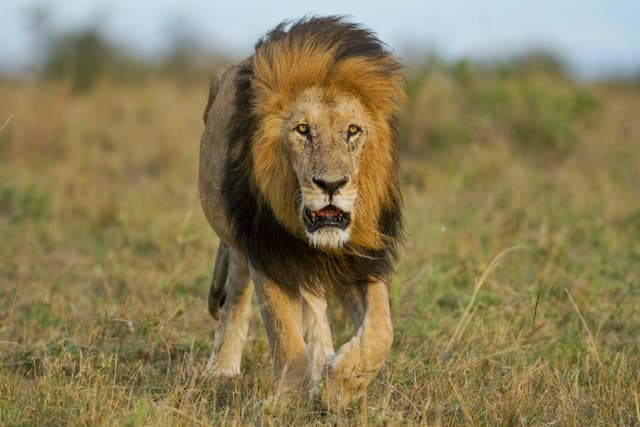
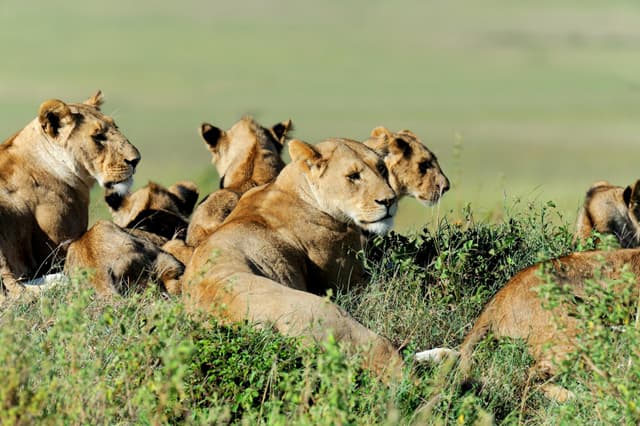
Explore Kenya tour packages
View all →

What gear and gadgets should you bring?
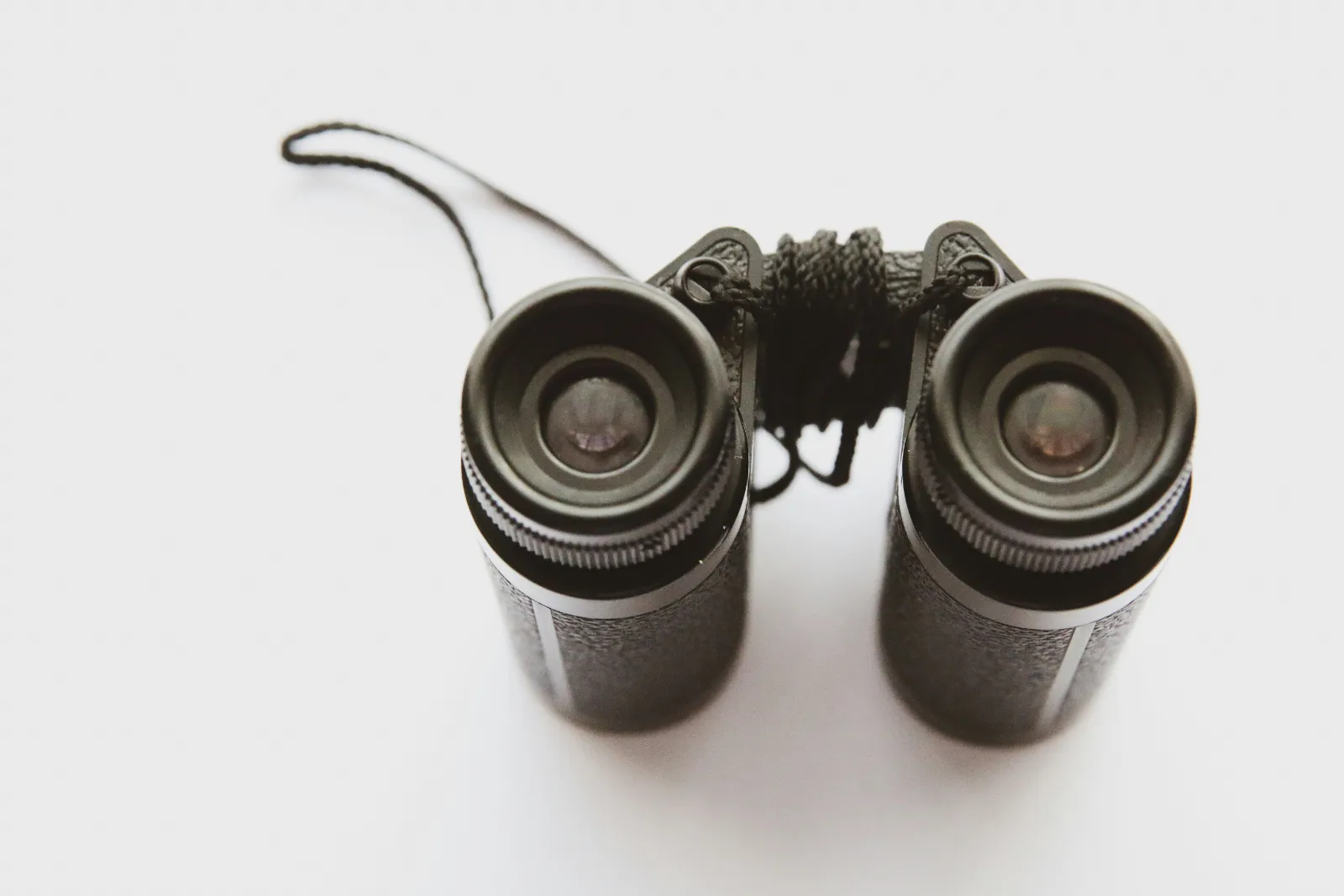
Compact pair of binoculars with a neck strap, a key piece of safari gear

The essentials are binoculars (ideally one pair per person), a camera or phone with a good zoom, plenty of charging capacity, a head torch, a plug adapter for Kenya's Type G sockets and a reusable water bottle. Everything else is a nice extra that has to earn its weight under a 15 kg limit.

Binoculars are the single piece of gear that changes a safari the most. Without them, a leopard in a tree 200 metres away is a spot; with them, it is an animal with a face. The two numbers on binoculars describe magnification and the width of the front lens: 8x42 means eight times magnification and 42 mm lenses. For safari, 8x or 10x magnification with 32 mm to 42 mm lenses is the usual sweet spot; much higher magnification is hard to hold steady in a vehicle. If you can, give each person their own pair, because sharing one pair during a fast sighting means someone misses it.

Safari gear checklist with priority

ItemPriorityWhy it matters on a Kenya safari
Binoculars (8x or 10x)EssentialMost wildlife is further away than it looks in photos
Camera or phone with zoomEssentialA long zoom lens helps; a phone is enough for landscapes and close sightings
Spare batteries and memory cardsEssentialCharging in some camps is limited to certain hours or a central point
Power bankEssentialKeeps your phone alive on long drives; carry it in hand luggage on flights
Type G plug adapterEssentialKenya uses the British-style three-pin plug
Head torch or small torchEssentialCamps can be dimly lit at night and paths unlit
Reusable water bottleEssentialSingle-use plastic bottles are banned in Kenya's protected areas
SunglassesEssentialStrong equatorial glare and dust
Dust-proof bag or cover for the cameraRecommendedDry season roads throw up fine dust
Small daypackRecommendedHolds layers, water, sunscreen and camera in the vehicle
Bean bag or soft camera supportOptionalSteadies a long lens on the vehicle window or roof
Field guide or bird appOptionalKenya's bird list is long; an app saves weight
EarplugsOptionalNights in the bush are noisy, which is part of the charm
DroneDo not pack without approvalImporting a drone needs prior approval from the Kenya Civil Aviation Authority

On power banks and lithium batteries, airline rules apply on your long-haul flights, and they are strict about keeping these items out of checked bags. Our baggage and packing guide for flights from Kathmandu explains the cabin and hold rules in detail, so we will not repeat them here.

What plug type does Kenya use?

Kenya uses the Type G plug, the square three-pin British style, on a 240 V supply at 50 Hz (Checked: 13 Nov 2026, Electrical Safety First, travel adaptor for Kenya). If you are coming from Nepal, your plugs will not fit without an adapter, but the voltage is close enough that most modern chargers work fine.

Plugs and voltage: Nepal compared with Kenya. Checked: 13 Nov 2026, Electrical Safety First

CountryPlug typesVoltage and frequencyWhat you need
KenyaType G240 V, 50 HzA Type G adapter for any non-British plug
NepalTypes C, D and M230 V, 50 HzNepali devices need an adapter in Kenya; usually no converter

Check the small print on each charger: if it says "100 to 240 V", it only needs an adapter. Hair dryers and straighteners made for a single voltage are the usual exception. Bring one adapter per person plus a small multi-port USB charger, because camps rarely have many sockets, and the Nepal figures come from Electrical Safety First's Nepal page.

What are the luggage limits on safari flights?

On the small scheduled planes that link Nairobi's Wilson Airport with the Masai Mara, Amboseli, Samburu and the coast, the usual allowance is 15 kg per person, including hand luggage, packed in soft-sided bags. These are each airline's own rules, they vary in detail, and they can change, so confirm the allowance for your exact flight when you book.

The reason is physics, not fussiness. Light aircraft such as the 12-seat Cessna Caravan have small cargo pods, and every kilogram affects how the plane is loaded. Soft bags squash into odd-shaped holds; hard suitcases with wheels and rigid frames do not.

Light aircraft baggage rules from two Kenyan airlines. These are airline rules that vary; Checked: 13 Nov 2026 on each airline's published policy

AirlineAllowance per personHand luggage included?Bag typeSize guidance
Airkenya15 kgYes, personal items such as a handbag or small backpack count within the 15 kgSoft-sided bagsChecked bag about 60 x 45 x 33 cm; hand bag about 30 x 53 x 23 cm
Mombasa Air Safari15 kgYes, carry-on counts in the 15 kgSoft-sided bags are mandatory; duffels or frameless rucksacks recommendedAbout 67 x 35 x 35 cm for its 12-seat Cessna 208B
SafarilinkCheck with the airlineCheck with the airlineCheck with the airlineWe could not load Safarilink's own baggage page on 13 Nov 2026, so confirm its current rule directly

Airkenya's policy also warns that excess baggage may not be an available option on the day of departure, so an overweight bag may not travel with you on the same flight. Mombasa Air Safari notes that hard-shell suitcases may be refused or may need an extra seat. If you are travelling by road in a safari vehicle rather than flying, the limits are looser, but vehicle space is still shared, so a soft bag is still the kinder choice.

How do you fit a safari into 15 kg?

  • Weigh your camera kit first. A camera body, a long lens and binoculars can use a quarter of the allowance before you add a single shirt.
  • Wear your heaviest items on the plane: walking shoes, fleece and jacket.
  • Use packing cubes inside the duffel so the soft bag still stays organised.
  • Plan on laundry rather than one outfit per day; ask your camp whether it is included.
  • Store the rest. If your trip includes a beach stay or city days, ask your Nairobi hotel or safari operator whether they can keep a suitcase for you while you are in the bush.
  • Decant toiletries into small reusable bottles.

The Masai Mara safari guide explains the fly-or-drive choice for the Mara in more detail, which is the decision that sets your baggage limit in the first place.

Are plastic bags banned in Kenya?

Yes. Kenya banned the use, manufacture and import of plastic carrier bags and flat plastic bags for household and commercial packaging under a gazette notice dated 28 February 2017 (published as Gazette Notice No. 2356 in the Kenya Gazette of 14 March 2017), with the ban taking effect on 28 August 2017. The National Environment Management Authority (NEMA) says duty-free bags bought at airports must be left at the entry points (Checked: 13 Nov 2026, NEMA, ban on plastic carrier bags).

Since then the rules have widened. Here is the timeline as published by the official bodies:

Kenya's plastic rules that affect travellers. Checked: 13 Nov 2026, NEMA and UNEP

DateRuleWhat it means for your bag
28 Feb 2017 (in force 28 Aug 2017)Gazette Notice No. 2356: ban on use, manufacture and import of plastic carrier bags (with handles) and flat bags (without handles) for household and commercial packagingDo not bring plastic carrier or shopping bags; NEMA says duty-free bags must be left at the entry points
From 31 Mar 2019NEMA directive to stop manufacture, import, supply and use of non-woven polypropylene bags until a quality standard is gazettedThe thin, fabric-feel "eco" bags are covered too; use real cloth or canvas
From 5 Jun 2020Ban on single-use plastics, including water bottles, cups, disposable plates, cutlery and straws, in national parks, beaches, forests and conservation areasCarry a refillable bottle and cup into the parks

Sources: NEMA's ban page linked above and its plastics ban FAQ, and UNEP's report of the protected areas ban announced by the then Cabinet Secretary for Tourism and Wildlife, Najib Balala.

What about resealable zip bags for toiletries and the clear bag for airport liquids? NEMA's published FAQ does not list an exemption for travellers' resealable bags, and the ban's wording is broad. We could not find an official statement either way, so the safe approach is simple: use reusable cloth pouches, silicone bags or hard toiletry cases inside your luggage, and do not arrive with plastic shopping bags or duty-free bags. For airport security liquids, ask your departure airport what container it accepts and dispose of any plastic bag before you land in Kenya.

The rule is a real environmental success story, and following it is easy once you know. A foldable cloth tote takes no space and covers market shopping, wet swimwear and dirty laundry.

What should be in your health kit?
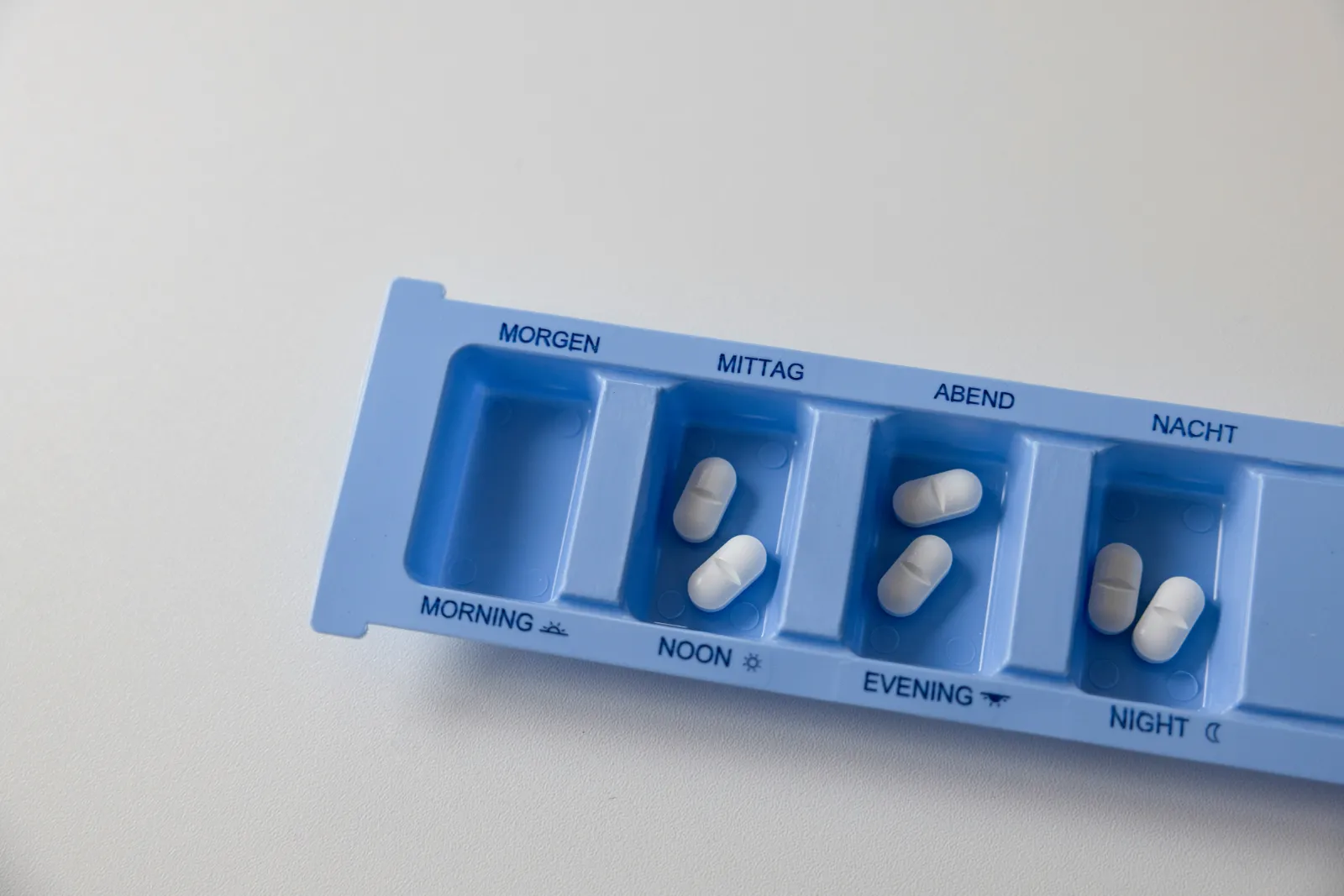
Blue pill organiser with morning, noon, evening and night compartments holding tablets

Your health kit should be built with a doctor or travel clinic, not copied from a blog, and that includes this one. Book that appointment early: the UK government's Kenya advice says to check vaccine recommendations at least 8 weeks before the trip, and NaTHNaC, the UK's travel health service, says to see a health professional at least four to six weeks before travel. Malaria, yellow fever and your own medical history all shape what goes in.

Here is what the official sources say about the Kenya-specific risks, so you can have an informed conversation with your doctor:

Health topics to raise with your doctor before a Kenya safari. Checked: 13 Nov 2026, NaTHNaC, CDC and FCDO

TopicWhat the official source saysWhat to do
MalariaNaTHNaC rates Kenya as high risk for malaria, with very low risk in Nairobi city and the highlands above 2,500 mAsk your doctor whether you need antimalarial tablets for your route, and which ones suit you
Mosquito bitesMalaria mosquitoes bite mainly from dusk to dawn; other mosquito-borne diseases are mainly daytime biters, so bite avoidance applies day and nightPack repellent, long sleeves and trousers, and use the bed net where provided
Yellow feverNaTHNaC recommends vaccination for travellers aged 9 months and over going to risk areas, which include the Masai Mara, Lake Nakuru and TsavoDiscuss it with your doctor; the vaccine is given only at registered centres
SunThe CDC advises shade at midday, sunglasses, hats, protective clothing and broad-spectrum sunscreen of SPF 15 or higherBring your own sunscreen, as choice in camps is limited
AltitudeThe FCDO notes altitude sickness is a risk in parts of KenyaRelevant if you plan to trek Mount Kenya or climb high; tell your doctor
Current outbreaksNaTHNaC's Kenya page carried an outbreak notice dated 26 Oct 2026 on Ebola disease (Bundibugyo virus) in Kenya, advising travellers to take extra precautions. WHO reported on 23 Oct 2026 that the Kenyan cases formed one cluster linked to a single imported case, with no evidence of wider community transmissionRead the latest NaTHNaC and WHO notices a week before you fly and follow your doctor's advice

Sources: NaTHNaC's Kenya country page, the CDC safari guidance linked above, and the World Health Organization's Ebola outbreak news of 23 Oct 2026, and the UK government's Kenya entry requirements and Kenya health pages.

What should a basic safari first aid kit contain?

NaTHNaC's first aid kit factsheet stresses that a kit "should be tailored to the individual, the destination and travel plans". Use these categories as a checklist to talk through with your pharmacist or doctor; we deliberately do not suggest doses or brands.

  1. Your regular prescription medicines, enough for the whole trip plus spare in case of delays.
  2. Anything your doctor prescribes for this trip, such as antimalarials if recommended.
  3. Insect repellent with an active ingredient that health agencies recommend. NaTHNaC's bite avoidance factsheet names DEET, icaridin (picaridin), eucalyptus citriodora oil and IR3535.
  4. Sunscreen and lip balm with sun protection. If you use both sunscreen and DEET, NaTHNaC advises putting the repellent on after the sunscreen.
  5. Wound care: antiseptic, plasters, dressings, tape, tweezers and scissors (scissors in checked baggage only).
  6. Common remedies your pharmacist suggests for pain or fever, allergies, upset stomach and motion sickness on bumpy roads.
  7. Hand sanitiser and a thermometer.
  8. Spare glasses or contact lenses and lens solution; dust is hard on contact lenses.
  9. Copies of prescriptions, vaccine records and insurance details.

On carrying medicines, NaTHNaC's medicines and travel factsheet is clear: keep them in their original pharmacy packaging, carry them in hand luggage with some spare in the hold, and take "a copy of their prescription together with a covering letter from their doctor". Some medicines that are routine at home are controlled elsewhere, so check the rules for Kenya and for any country you transit.

The yellow fever question is the one Nepali travellers most often get wrong, because it cuts both ways: Kenya's entry rule depends on where you fly from, while Nepal asks for proof of vaccination from people arriving from risk countries, which Kenya is. Our detailed guide to yellow fever and health prep for Kenya from Nepal sets out each rule with its source.

What should you pack for cold mornings and rain?
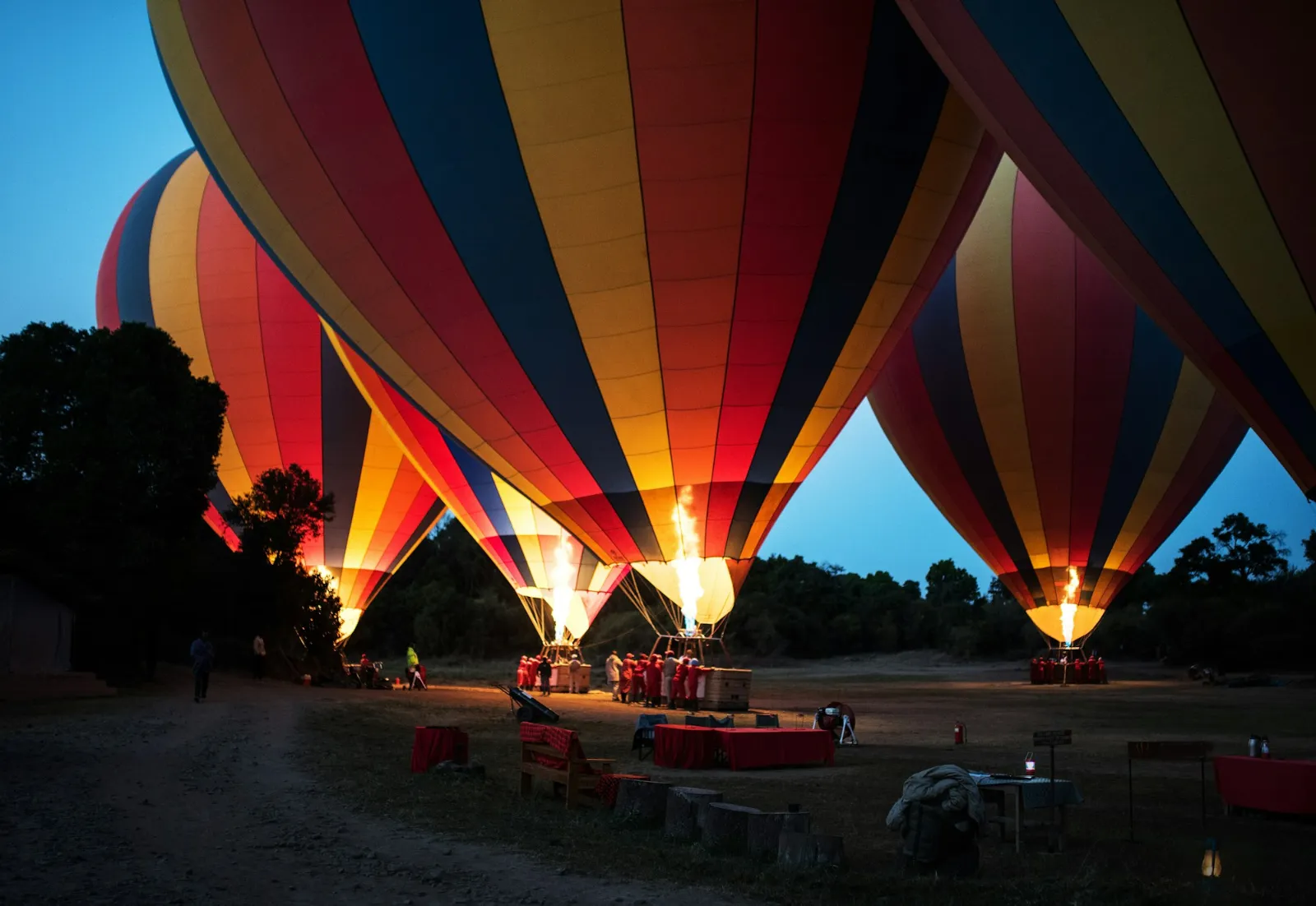
Hot air balloons being inflated before sunrise at a camp in the Maasai Mara

Pack a proper warm layer for every safari, whatever the month, plus a hat or beanie and light gloves if you are travelling between June and August or booking a dawn balloon flight. Add a real waterproof jacket for the long rains (roughly March to May) and the short rains (roughly October to December). Many first-time visitors expect Kenya to be hot all the time and are surprised by how cold a 6 am game drive feels.

The Kenya Meteorological Department's own county forecasts back this up. Its Narok County forecast for 7 to 13 July 2026, which covers the Masai Mara area, said: "Cold weather conditions are expected to continue in all parts of the county especially in the morning" (Checked: 13 Nov 2026, Kenya Met, Narok County weekly forecast). Add the wind of an open vehicle and an early start, and a fleece stops being optional.

What to pack by season for a Kenya safari. Checked: 13 Nov 2026, Kenya Meteorological Department forecasts

PeriodWhat Kenya Met saysAdd to your bag
January to FebruaryKenya Met's outlook for early 2026 expected most of the country to be "generally sunny and dry in January and February"Strong sun protection, light layers, a fleece for dawn
March to May"The March to May period is the main rainfall season over most parts of Kenya" (the long rains)Waterproof jacket, quick-dry clothes, shoes that handle mud, a dry bag for electronics
June to AugustNarok forecast for July 2026: cold conditions "especially in the morning"Warm fleece or light down, beanie, gloves, scarf; this is also migration season in the Mara
SeptemberGenerally between the cool months and the short rains; check the monthly forecastLayers plus a light rain shell
October to DecemberThe short rains season; December "typically marks the end" of itWaterproof jacket, quick-dry layers, bag covers

Sources: Kenya Met's long rains outlook for March to May 2026 (issued 6 Feb 2026), its December 2025 monthly forecast and the Narok forecast above.

What does the current 2026 forecast mean for your bag?

If you are travelling this season, take rain gear seriously. Kenya Met's outlook for October to December 2026, issued on 31 August 2026, forecast above-average rainfall for Narok, Nairobi and Kajiado counties, which cover the Masai Mara, the capital and Amboseli, and noted that El Niño was currently strong, which enhances rainfall when it coincides with a positive Indian Ocean Dipole. For all three counties it expected the rains to continue into January (Checked: 13 Nov 2026, Kenya Met, OND 2026 seasonal forecast). It also forecast warmer than average mean temperatures for the season.

That matters for Nepali families planning a December or January safari around the winter school holidays. A light poncho is not enough for a wet afternoon in an open vehicle. Pack a hooded waterproof jacket, a dry bag or rain cover for camera gear, and a spare pair of shoes. Our best time to visit Kenya guide covers how the seasons change wildlife viewing.

Which documents should you carry?
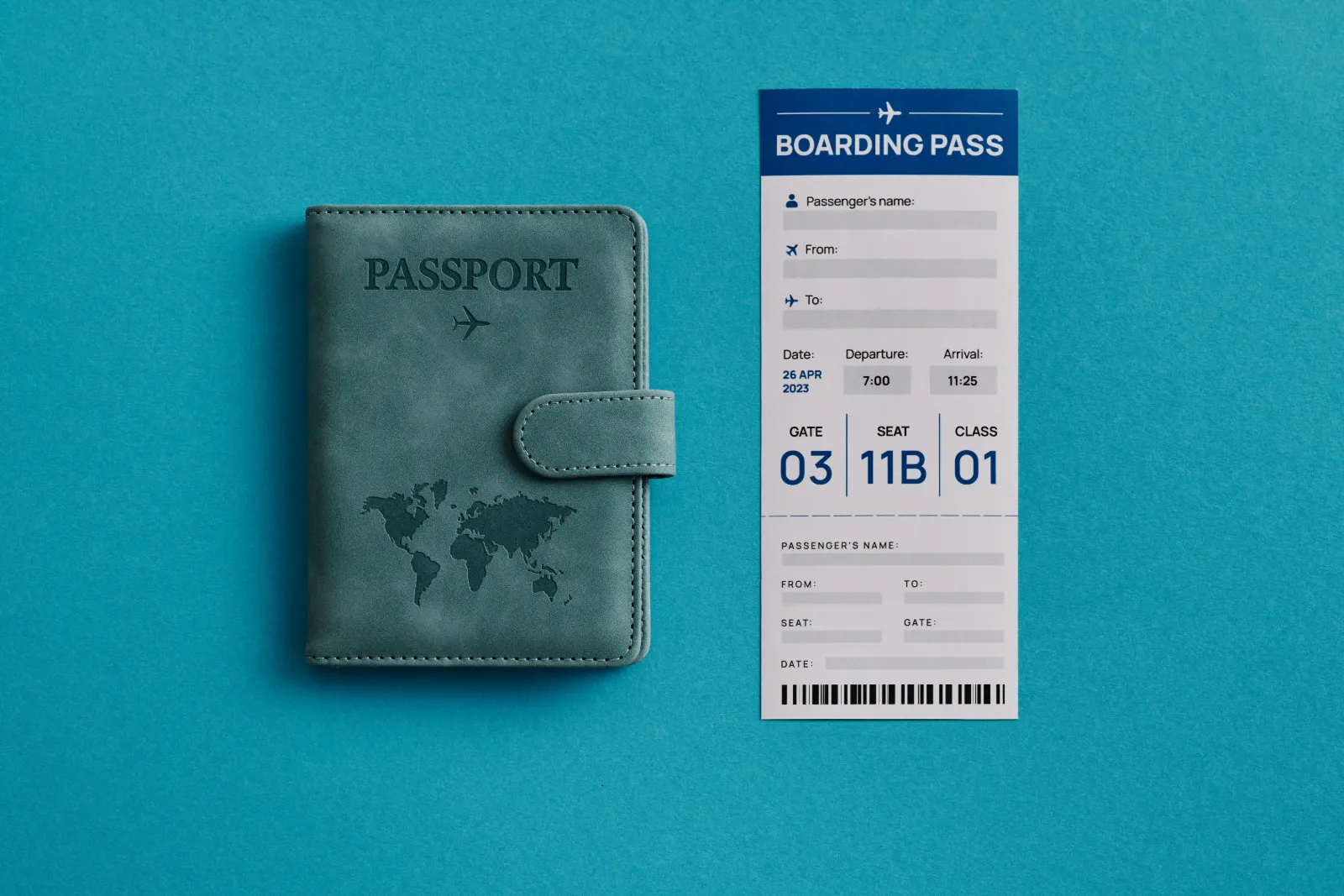
Passport in a plain leather cover beside a blank boarding pass on a blue background

Carry your passport, your approved Kenya eTA confirmation, your yellow fever certificate if you have one, travel insurance details, every flight booking including internal light-aircraft tickets, and copies of prescriptions. Keep paper copies as well as phone copies; mobile signal in parks is patchy and batteries die.

Kenya's entry authorisation for many visitors is called the eTA, short for Electronic Travel Authorisation. We do not explain the application here, because entry rules change and a wrong detail can cost you a flight. If you hold a Nepali passport, see our visa process for Nepali passport holders; for any other passport, check the official site for your passport before you travel.

Documents checklist for a Kenya safari

DocumentFormatWhere to keep it
PassportOriginal, plus a photocopy and a phone photoBody, never in checked bags
Kenya eTA confirmationPrintout plus phone copyWith the passport
International Certificate of Vaccination (yellow card)OriginalWith the passport, for arrival in Kenya if required and for your return home
Travel insurance policy and emergency numberPrintout plus phone copyDaypack
International and light-aircraft ticketsPrintout plus phone copyDaypack
Prescriptions and doctor's letterCopiesWith your medicines
Hotel, camp and transfer confirmationsPrintout or offline phone copyDaypack
Emergency contacts, including your embassyWritten cardWallet

On insurance, make sure the policy covers medical evacuation from remote areas, since parks like the Mara are hours from a major hospital by road. Our guide to travel insurance from Nepal explains what to look for in the policy wording.

What should you not pack for Kenya?

Do not pack plastic carrier bags, camouflage clothing, a drone without prior approval, a hard-shell suitcase for bush flights, single-use plastic bottles for the parks, or more clothes than a 15 kg soft bag allows. Valuable jewellery is also better left at home.

Leave these at home. Checked: 13 Nov 2026, NEMA, UNEP, Kenya Penal Code, UK FCDO and airline policies

ItemWhy
Plastic carrier, shopping or duty-free bagsBanned since 28 Aug 2017; NEMA says duty-free bags must be left at the entry points
Single-use plastic bottles, cups, cutlery, strawsBanned in national parks, beaches, forests and conservation areas since 5 Jun 2020
Camouflage or military-style clothingUniform-like dress is an offence under the Penal Code; police have warned against it
DroneThe FCDO says it is illegal to import or export drones without prior approval from the Kenya Civil Aviation Authority
Hard-shell or wheeled suitcase for bush flightsLight aircraft require soft bags; hard cases may be refused
Dark blue and black safari clothesBlue attracts tsetse flies, black soaks up heat, and the CDC advises neutral colours
Expensive jewelleryNo use in the bush, and one more thing to worry about in transit
Too many outfitsWeight limits are tight and laundry is often available

Two more rules from the UK government's Kenya safety and security advice affect what you do with what you pack: it is illegal to photograph official buildings, including embassies, or at airports, and it is illegal to smoke in public places outside designated smoking areas.

How should Nepali travellers pack for a Kenya safari from Kathmandu?

Pack for two different baggage regimes, carry a Type G adapter, bring the trekking layers you probably already own, and keep the yellow card with your passport for the journey home. There is no direct flight from Kathmandu to Nairobi (FlightConnections, checked 12 Nov 2026), so every trip starts with a long-haul journey through a hub in the Gulf or India.

That long-haul leg is where most Nepali travellers over-pack. Your international ticket may allow a large checked suitcase, but the moment your itinerary includes a flight to the Mara, the limit drops to about 15 kg in a soft bag. The answer is to pack in layers: a soft duffel for the safari inside, or alongside, the suitcase you leave in Nairobi. Plan it before you leave home, not at the Wilson Airport check-in desk.

  • Use what you already own. A trekking fleece, light down jacket, quick-dry trekking trousers, a sun hat and a head torch from a Himalayan trip are exactly what a safari needs. If you need to buy, Kathmandu's trekking shops sell most of these items and duffel bags.
  • Check the colours. Nepali trekking gear is often bright red, orange or royal blue for visibility in the mountains. That is the opposite of what you want around tsetse flies, so choose the khaki or grey pieces.
  • Bring adapters for everyone. Nepali Type C, D and M plugs do not fit Kenyan sockets.
  • Keep the yellow card with your passport, not in the hold, because you may need it at Tribhuvan International Airport on your return.
  • Time your doctor visit early, because a yellow fever certificate only becomes valid 10 days after vaccination.
  • Pack a cloth bag instead of the plastic shopping bags many of us reuse at home, since those are banned in Kenya.
  • Remember festival timing. Families who travel around Dashain and Tihar in September to November often meet the end of the migration season and the start of the short rains, so pack for both sun and showers.

For diaspora families flying from the Gulf, the UK or elsewhere to meet relatives in Nairobi before a safari, the same principle applies: travel with a normal suitcase, then switch to the soft bag for the bush. If you are combining Kenya with another destination, our comparison of the best safari destinations in the world shows how Kenya's conditions differ from southern Africa and Asia.

What is the complete Kenya safari packing list?

Here is the full safari packing list in one place, grouped so you can tick it off the night before. Adjust quantities for the length of your trip and whether you are flying or driving between parks.

1. Clothes

  1. Long-sleeved shirts in khaki, olive, tan or grey (two or three)
  2. Short-sleeved shirts or T-shirts in muted tones (two or three)
  3. Light, quick-dry trousers (two pairs)
  4. Shorts or a light skirt for camp
  5. Warm fleece or light down jacket
  6. Windproof or waterproof shell (a full rain jacket in the rainy months)
  7. Wide-brimmed hat with a chin strap
  8. Buff or scarf for dust and cold
  9. Beanie and light gloves (June to August, or for balloon flights)
  10. Comfortable closed trainers or walking shoes
  11. Sandals or slides for camp
  12. Underwear, socks and sleepwear
  13. Swimwear

2. Gear and gadgets

  1. Binoculars, ideally one pair each
  2. Camera or phone with zoom, spare batteries and memory cards
  3. Power bank (hand luggage only)
  4. Type G plug adapter and a multi-port USB charger
  5. Head torch
  6. Sunglasses
  7. Reusable water bottle and a refillable cup
  8. Small daypack
  9. Dust cover or dry bag for electronics
  10. Foldable cloth tote bag

3. Health kit (agreed with your doctor or pharmacist)

  1. Regular prescription medicines in original packaging, plus spare
  2. Any trip-specific medicines your doctor prescribes
  3. Insect repellent with a recommended active ingredient
  4. Sunscreen and lip balm with sun protection
  5. Basic wound care supplies
  6. Remedies for common travel complaints as advised by your pharmacist
  7. Hand sanitiser and thermometer
  8. Spare glasses or contact lenses

4. Documents

  1. Passport (with copies)
  2. Kenya eTA confirmation (printed)
  3. Yellow fever certificate, if you have one
  4. Travel insurance policy and emergency number
  5. All flight tickets, including light aircraft
  6. Prescriptions and doctor's letter
  7. Accommodation and transfer confirmations
  8. Emergency contact card

5. The bag itself

  1. Soft duffel within your airline's size guidance
  2. Packing cubes or cloth pouches (not plastic bags)
  3. A separate suitcase to store in Nairobi, if your trip continues elsewhere

How do you plan the rest of your Kenya safari?
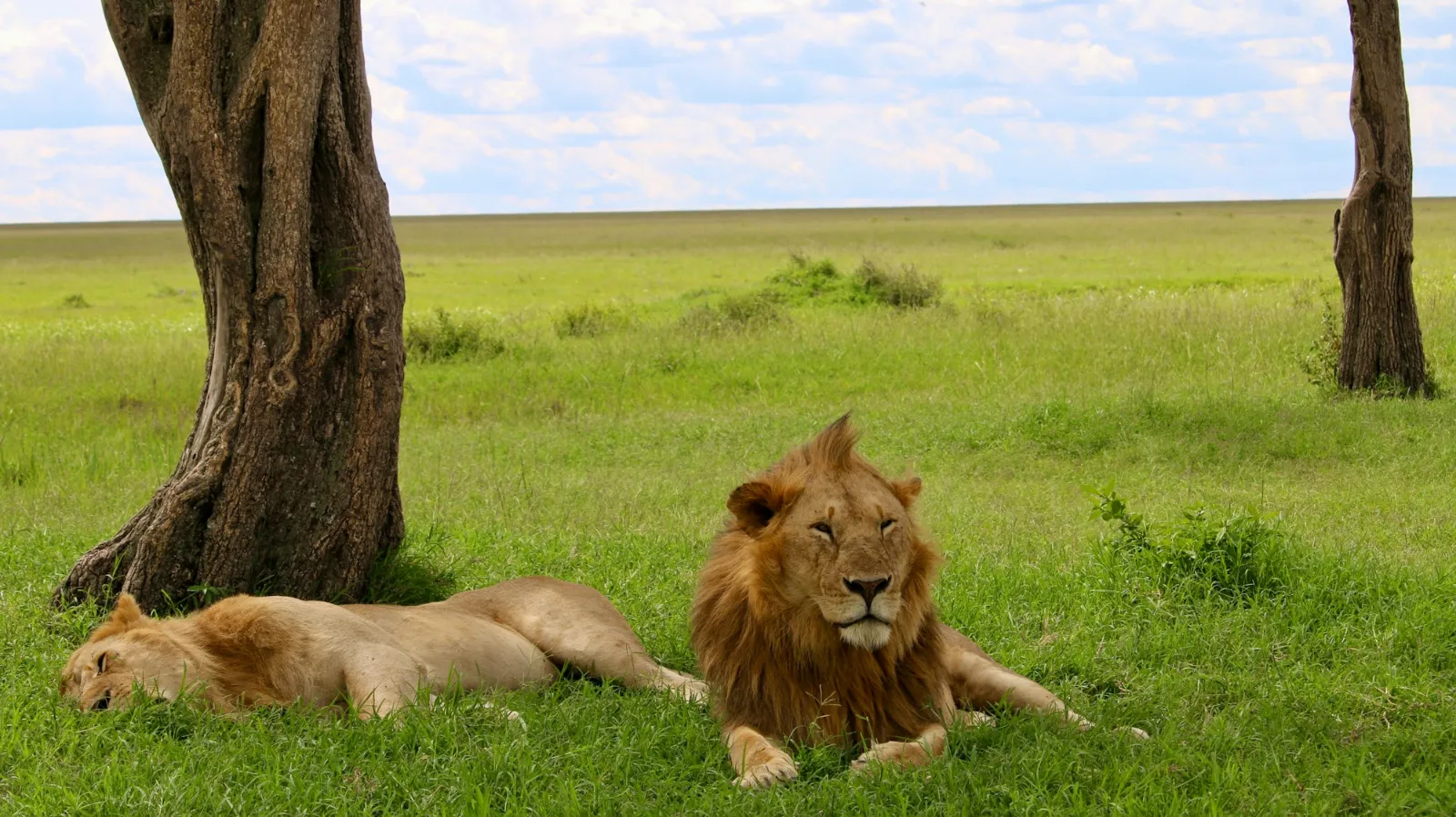
Lion and lioness resting in green grass under an acacia tree in the Maasai Mara

Once the bag is sorted, the bigger decisions are which parks, in what order and in which month, because those choices set your baggage limit, your clothing and your health plan. A Mara-only trip by air in August needs warm layers and a 15 kg soft bag; a road safari through Lake Nakuru and Amboseli in a wet November needs rain gear but gives you more room.

Our Kenya itinerary guide sets out realistic routes with nights per stop and shows which legs are worth flying, which in turn tells you whether the soft bag rule applies to you. If you would like to see how these routes come together as trips with flights, camps and transfers arranged, browse our Kenya tour packages.

Frequently asked questions

Can I wear jeans on safari?

You can, but jeans are not ideal for a Kenya safari. Denim is heavy against a 15 kg bush flight limit, slow to dry after rain and hot at midday, and dark blue is a colour that attracts tsetse flies. Wear them on the long-haul flight or in Nairobi, and choose light khaki or olive trousers for game drives.

Why shouldn't I wear blue or black on safari?

Tsetse flies are strongly attracted to blue, which is why the targets used to control them are made of blue cloth with black netting. Their bites are painful and can rarely transmit sleeping sickness. Black is not a neutral tone and soaks up heat. The CDC notes that neutral clothing seems to deter tsetse, so khaki, tan and olive are the safer choices in Kenya's parks.

Is camouflage clothing allowed in Kenya?

Do not wear it. Kenya's Penal Code makes it an offence for civilians to wear military or police uniform, or any dress having the appearance of it, without authority, and in 2019 Kenya's police chief ordered the arrest of civilians wearing uniform-like clothing. Camouflage prints can look military, so the safe choice is to leave them at home and pack khaki instead.

Are plastic bags banned in Kenya?

Yes. Kenya banned the use, manufacture and import of plastic carrier bags and flat bags from 28 August 2017 under Gazette Notice No. 2356, and NEMA says duty-free bags must be left at the entry points. Since June 2020, single-use plastics such as bottles, cups and straws are also banned in national parks, beaches and forests.

How much luggage can I take on a bush flight?

On Kenya's scheduled light aircraft the usual allowance is 15 kg per person including hand luggage, in soft-sided bags. Airkenya and Mombasa Air Safari both publish a 15 kg soft bag rule, with slightly different size guidance. Rules vary by airline and can change, so confirm the allowance for your exact flight when you book your Kenya safari.

Do I need binoculars?

Yes. Binoculars are the most useful single item on a Kenya safari, because much of the wildlife you see in the Masai Mara or Amboseli is further away than it looks in photographs. A pair with 8x or 10x magnification and 32 mm to 42 mm lenses suits most travellers, and one pair per person avoids missed sightings.

What plug type does Kenya use?

Kenya uses the Type G plug, the square three-pin British style, on a 240 V, 50 Hz supply. Travellers from Nepal, where plugs are Types C, D and M at 230 V, need an adapter but usually not a voltage converter. Check that each charger is labelled 100 to 240 V before you plug it in.

Is it cold in the Masai Mara in the morning?

Yes, early mornings in the Masai Mara can feel cold, especially in an open vehicle and between June and August. Kenya Met's Narok County forecast for July 2026 expected cold conditions across the county especially in the morning. Pack a warm fleece or light down jacket, plus a beanie and gloves for a dawn balloon flight.

Do I need hiking boots?

Not for a standard Kenya safari. Game drives involve very little walking, so comfortable closed trainers or light walking shoes are enough, plus sandals for camp. Hiking boots are worth their weight only if your trip includes a walking safari, a hike such as Mount Longonot, or a lot of time on rough or muddy ground.

Which medicines should I carry?

Carry the medicines your doctor or travel clinic recommends for your Kenya trip, which may include antimalarials for safari areas, plus your regular prescriptions with spare. Keep them in original packaging in your hand luggage with a copy of the prescription. NaTHNaC suggests building a first aid kit around your health, destination and plans.

What should Nepali travellers pack differently for a Kenya safari?

Nepali travellers should plan for two baggage limits, a large long-haul allowance and about 15 kg on bush flights, and store the extra suitcase in Nairobi. Bring Type G adapters, choose khaki trekking layers over bright ones, avoid plastic shopping bags and keep the yellow fever certificate with your passport for the return to Kathmandu.
Tags
Kenya
Share
G
Gomayu Team
Writer at Gomayu
Keep reading
Blog / Kenya
What to Wear on Safari in Kenya: Full Packing List, Gear and Health Kit
32 min read 13 Nov 2026 · Updated 17 Nov 2026
Traveller in khaki safari clothes and a wide hat looking through binoculars beside a safari vehicle

Short answer: what to wear on safari in Kenya comes down to five things: loose, breathable clothes in khaki, olive, tan or other muted earth tones; long sleeves and long trousers for dawn, dusk and mosquitoes; a warm fleece or light down layer for cold early game drives; a wide-brimmed hat and sunglasses; and closed, comfortable shoes. Leave dark blue, black and anything camouflage at home. Pack it all in a soft duffel bag, because the small planes that fly to the Masai Mara and other parks usually allow about 15 kg per person including hand luggage, and remember that Kenya has banned plastic carrier bags since 2017.

If you are working out what to pack for a Kenya safari, this is the full checklist we would hand a first-time traveller, whether you are flying long-haul from Kathmandu, visiting family in Nairobi or joining from somewhere else in the world. Every rule here (the plastic bag ban, the luggage limits, the plug type, the seasons) was checked against the official or primary source on 13 Nov 2026, and those sources are linked where they come up. Health is handled the honest way: we tell you which questions to take to a doctor or travel clinic, not which pills to swallow.

If you are still choosing where in Kenya to go, start with our Kenya travel guide, then come back here once the dates and parks are clear. Packing for the Mara in July is not the same job as packing for Amboseli in a wet November.

What to wear on safari in Kenya, and why does it matter?

On a Kenya safari you spend most of your waking hours sitting in an open or pop-top vehicle, starting before sunrise and finishing at dusk, so the right clothes are the ones that cope with a cold start, a hot midday sun, dust and evening insects in the same day. Fashion barely matters. Comfort, colour and layering matter a lot.

Here is how a typical game drive day treats your clothes. You leave camp around first light, when the air on the open plains can feel genuinely cold, especially in the wind of a moving vehicle. By mid-morning the equatorial sun is strong and you are peeling off layers. The afternoon drive is warm and dusty, and as the sun drops the temperature falls again and mosquitoes come out. A single outfit cannot handle all of that. Three thin layers can.

The US Centers for Disease Control and Prevention (CDC), in its guidance for travellers on African safaris, sums up the clothing logic in three lines: neutral colours because they seem to deter tsetse flies, long sleeves and long trousers against mosquitoes, and hats, sunglasses and protective clothing against the sun (Checked: 13 Nov 2026, CDC Yellow Book, African Safaris and Climbing Expeditions). Everything below builds on that.

The safari clothing checklist

Quantities assume a safari of about three to five nights. Most camps and lodges offer some form of laundry service, so ask yours before you pack for every day separately.

  1. Two or three long-sleeved shirts in khaki, olive, sand or stone. Cotton-linen blends and lightweight technical fabrics both work; roll the sleeves up at midday and down at dusk.
  2. Two or three short-sleeved shirts or T-shirts in the same muted tones, for the middle of the day and time in camp.
  3. Two pairs of light trousers, ideally quick-drying. Zip-off trousers that convert to shorts are popular because they handle the morning-to-noon temperature swing.
  4. One pair of shorts or a light skirt for camp and the pool.
  5. A warm mid-layer: a fleece, a light down jacket or a thick knit. This is the piece most first-timers forget.
  6. A light windproof or waterproof shell, essential in the rainy months and useful against dawn wind in any month.
  7. A wide-brimmed hat with a chin strap, because a pop-top roof plus wind equals a lost cap.
  8. A buff, scarf or light shawl for dust on dry roads and for warmth around the neck at dawn.
  9. Underwear and socks for each day, or fewer if you will use laundry. Breathable sports socks are fine.
  10. Sleepwear warm enough for chilly nights in a tent.
  11. Swimwear, since many lodges have pools for the hot middle hours.
  12. One smarter casual outfit for a Nairobi dinner or a coast hotel, if your trip includes one.

What shoes should you take on safari?

For a vehicle-based safari, comfortable closed trainers or light walking shoes are all you need, plus sandals or slides for camp. You do not walk far on a normal game drive, and heavy boots take up weight you may need for other things on a bush flight.

Hiking boots earn their place only if your trip includes a guided walking safari, a hike such as Mount Longonot in the Rift Valley, or a lot of time on rough ground. In the long or short rains, choose shoes that cope with mud and dry quickly. Closed shoes are also wise in camp after dark, when you cannot see what you are stepping on.

What should women, men and children wear?

The same principles apply to everyone: muted colours, layers, sun cover. Women often find a comfortable sports bra the best choice on bumpy roads, which can be surprisingly rough on some routes into the parks. Loose trousers or a long skirt are also practical when you visit a community or a town. For children, pack an extra warm layer (they feel the dawn cold faster), a hat they will actually keep on, and clothes you do not mind getting dusty. If your trip continues to the coast, carry something that covers shoulders and knees for visits to mosques or older town centres; it is a matter of courtesy rather than a safari rule.

Which colours should you avoid on safari?

Avoid dark blue and black, which attract tsetse flies; avoid bright white, which shows dust instantly and stands out in the bush; skip loud, bright colours on walking safaris; and do not wear camouflage at all. Khaki, olive, tan, sand, stone, brown and soft grey are the safe palette.

The tsetse point is not folklore. Tsetse flies are strongly attracted to blue, which is why the cloth targets used to control them are blue, paired with a panel of fine black netting. A study in PLoS Neglected Tropical Diseases that set out to optimise those targets, with field trials on islands in Lake Victoria in Kenya, found that "the best target was subjectively blue" (Lindh and colleagues, 2012). Tsetse bites are painful, and in rare cases they transmit sleeping sickness; the CDC notes that several reported traveller cases have been linked to parks including Kenya's Maasai Mara, and that "neutral-colored clothing seems to deter the flies".

Safari clothing colours at a glance. Checked: 13 Nov 2026, CDC Yellow Book and Lindh et al. (2012)

ColourVerdictWhy
Khaki, tan, sand, stoneBest choiceBlends with the grassland, hides dust, does not attract tsetse
Olive, soft green, brownGoodMuted and practical; fine for walking safaris too
Soft grey, beigeGoodNeutral and easy to mix; shows less dust than white
Dark blue, navy, blackAvoid in the bushTsetse flies are strongly attracted to blue; black is not a neutral tone and soaks up heat
Bright whiteAvoid on drivesShows red dust in minutes and is very visible to wildlife on foot
Bright red, orange, neonAvoid on walksMakes you stand out on a walking safari; fine in camp
Camouflage printsDo not packMilitary-style dress is a legal risk in Kenya (see below)

A practical note for jeans and dark denim: the colour is not ideal for tsetse areas and denim is heavy and slow to dry, but a pair worn on the flight and in town does no harm. Just do not make them your game drive trousers.

Is camouflage clothing allowed in Kenya?

Leave camouflage at home. Kenya's Penal Code, section 184, makes it an offence for anyone who is not serving in the disciplined forces or police to wear their uniform, or "any dress having the appearance" of that uniform, without lawful authority (Penal Code, Cap. 63, section 184, government copy). In January 2019 Kenya's then Inspector General of Police, Joseph Boinnet, ordered the arrest of civilians wearing clothing that resembles police or military uniforms, saying that "it is against the law to wear clothing that have any resemblance to military or police uniforms" (Nairobi News, Nation Media Group).

To be precise about what we could and could not confirm: the law is written around uniforms and uniform-like dress, and the UK government's Kenya travel advice did not mention camouflage when we checked it on 13 Nov 2026. But whether a printed jacket "has the appearance" of a uniform is a judgement made by whoever stops you. There is no safari benefit to camouflage that khaki does not give you, so it is simply not worth the risk. That includes children's camouflage clothing and camouflage bags.

Explore Kenya tour packages
View all →

What gear and gadgets should you bring?

Compact pair of binoculars with a neck strap, a key piece of safari gear

The essentials are binoculars (ideally one pair per person), a camera or phone with a good zoom, plenty of charging capacity, a head torch, a plug adapter for Kenya's Type G sockets and a reusable water bottle. Everything else is a nice extra that has to earn its weight under a 15 kg limit.

Binoculars are the single piece of gear that changes a safari the most. Without them, a leopard in a tree 200 metres away is a spot; with them, it is an animal with a face. The two numbers on binoculars describe magnification and the width of the front lens: 8x42 means eight times magnification and 42 mm lenses. For safari, 8x or 10x magnification with 32 mm to 42 mm lenses is the usual sweet spot; much higher magnification is hard to hold steady in a vehicle. If you can, give each person their own pair, because sharing one pair during a fast sighting means someone misses it.

Safari gear checklist with priority

ItemPriorityWhy it matters on a Kenya safari
Binoculars (8x or 10x)EssentialMost wildlife is further away than it looks in photos
Camera or phone with zoomEssentialA long zoom lens helps; a phone is enough for landscapes and close sightings
Spare batteries and memory cardsEssentialCharging in some camps is limited to certain hours or a central point
Power bankEssentialKeeps your phone alive on long drives; carry it in hand luggage on flights
Type G plug adapterEssentialKenya uses the British-style three-pin plug
Head torch or small torchEssentialCamps can be dimly lit at night and paths unlit
Reusable water bottleEssentialSingle-use plastic bottles are banned in Kenya's protected areas
SunglassesEssentialStrong equatorial glare and dust
Dust-proof bag or cover for the cameraRecommendedDry season roads throw up fine dust
Small daypackRecommendedHolds layers, water, sunscreen and camera in the vehicle
Bean bag or soft camera supportOptionalSteadies a long lens on the vehicle window or roof
Field guide or bird appOptionalKenya's bird list is long; an app saves weight
EarplugsOptionalNights in the bush are noisy, which is part of the charm
DroneDo not pack without approvalImporting a drone needs prior approval from the Kenya Civil Aviation Authority

On power banks and lithium batteries, airline rules apply on your long-haul flights, and they are strict about keeping these items out of checked bags. Our baggage and packing guide for flights from Kathmandu explains the cabin and hold rules in detail, so we will not repeat them here.

What plug type does Kenya use?

Kenya uses the Type G plug, the square three-pin British style, on a 240 V supply at 50 Hz (Checked: 13 Nov 2026, Electrical Safety First, travel adaptor for Kenya). If you are coming from Nepal, your plugs will not fit without an adapter, but the voltage is close enough that most modern chargers work fine.

Plugs and voltage: Nepal compared with Kenya. Checked: 13 Nov 2026, Electrical Safety First

CountryPlug typesVoltage and frequencyWhat you need
KenyaType G240 V, 50 HzA Type G adapter for any non-British plug
NepalTypes C, D and M230 V, 50 HzNepali devices need an adapter in Kenya; usually no converter

Check the small print on each charger: if it says "100 to 240 V", it only needs an adapter. Hair dryers and straighteners made for a single voltage are the usual exception. Bring one adapter per person plus a small multi-port USB charger, because camps rarely have many sockets, and the Nepal figures come from Electrical Safety First's Nepal page.

What are the luggage limits on safari flights?

On the small scheduled planes that link Nairobi's Wilson Airport with the Masai Mara, Amboseli, Samburu and the coast, the usual allowance is 15 kg per person, including hand luggage, packed in soft-sided bags. These are each airline's own rules, they vary in detail, and they can change, so confirm the allowance for your exact flight when you book.

The reason is physics, not fussiness. Light aircraft such as the 12-seat Cessna Caravan have small cargo pods, and every kilogram affects how the plane is loaded. Soft bags squash into odd-shaped holds; hard suitcases with wheels and rigid frames do not.

Light aircraft baggage rules from two Kenyan airlines. These are airline rules that vary; Checked: 13 Nov 2026 on each airline's published policy

AirlineAllowance per personHand luggage included?Bag typeSize guidance
Airkenya15 kgYes, personal items such as a handbag or small backpack count within the 15 kgSoft-sided bagsChecked bag about 60 x 45 x 33 cm; hand bag about 30 x 53 x 23 cm
Mombasa Air Safari15 kgYes, carry-on counts in the 15 kgSoft-sided bags are mandatory; duffels or frameless rucksacks recommendedAbout 67 x 35 x 35 cm for its 12-seat Cessna 208B
SafarilinkCheck with the airlineCheck with the airlineCheck with the airlineWe could not load Safarilink's own baggage page on 13 Nov 2026, so confirm its current rule directly

Airkenya's policy also warns that excess baggage may not be an available option on the day of departure, so an overweight bag may not travel with you on the same flight. Mombasa Air Safari notes that hard-shell suitcases may be refused or may need an extra seat. If you are travelling by road in a safari vehicle rather than flying, the limits are looser, but vehicle space is still shared, so a soft bag is still the kinder choice.

How do you fit a safari into 15 kg?

  • Weigh your camera kit first. A camera body, a long lens and binoculars can use a quarter of the allowance before you add a single shirt.
  • Wear your heaviest items on the plane: walking shoes, fleece and jacket.
  • Use packing cubes inside the duffel so the soft bag still stays organised.
  • Plan on laundry rather than one outfit per day; ask your camp whether it is included.
  • Store the rest. If your trip includes a beach stay or city days, ask your Nairobi hotel or safari operator whether they can keep a suitcase for you while you are in the bush.
  • Decant toiletries into small reusable bottles.

The Masai Mara safari guide explains the fly-or-drive choice for the Mara in more detail, which is the decision that sets your baggage limit in the first place.

Are plastic bags banned in Kenya?

Yes. Kenya banned the use, manufacture and import of plastic carrier bags and flat plastic bags for household and commercial packaging under a gazette notice dated 28 February 2017 (published as Gazette Notice No. 2356 in the Kenya Gazette of 14 March 2017), with the ban taking effect on 28 August 2017. The National Environment Management Authority (NEMA) says duty-free bags bought at airports must be left at the entry points (Checked: 13 Nov 2026, NEMA, ban on plastic carrier bags).

Since then the rules have widened. Here is the timeline as published by the official bodies:

Kenya's plastic rules that affect travellers. Checked: 13 Nov 2026, NEMA and UNEP

DateRuleWhat it means for your bag
28 Feb 2017 (in force 28 Aug 2017)Gazette Notice No. 2356: ban on use, manufacture and import of plastic carrier bags (with handles) and flat bags (without handles) for household and commercial packagingDo not bring plastic carrier or shopping bags; NEMA says duty-free bags must be left at the entry points
From 31 Mar 2019NEMA directive to stop manufacture, import, supply and use of non-woven polypropylene bags until a quality standard is gazettedThe thin, fabric-feel "eco" bags are covered too; use real cloth or canvas
From 5 Jun 2020Ban on single-use plastics, including water bottles, cups, disposable plates, cutlery and straws, in national parks, beaches, forests and conservation areasCarry a refillable bottle and cup into the parks

Sources: NEMA's ban page linked above and its plastics ban FAQ, and UNEP's report of the protected areas ban announced by the then Cabinet Secretary for Tourism and Wildlife, Najib Balala.

What about resealable zip bags for toiletries and the clear bag for airport liquids? NEMA's published FAQ does not list an exemption for travellers' resealable bags, and the ban's wording is broad. We could not find an official statement either way, so the safe approach is simple: use reusable cloth pouches, silicone bags or hard toiletry cases inside your luggage, and do not arrive with plastic shopping bags or duty-free bags. For airport security liquids, ask your departure airport what container it accepts and dispose of any plastic bag before you land in Kenya.

The rule is a real environmental success story, and following it is easy once you know. A foldable cloth tote takes no space and covers market shopping, wet swimwear and dirty laundry.

What should be in your health kit?

Blue pill organiser with morning, noon, evening and night compartments holding tablets

Your health kit should be built with a doctor or travel clinic, not copied from a blog, and that includes this one. Book that appointment early: the UK government's Kenya advice says to check vaccine recommendations at least 8 weeks before the trip, and NaTHNaC, the UK's travel health service, says to see a health professional at least four to six weeks before travel. Malaria, yellow fever and your own medical history all shape what goes in.

Here is what the official sources say about the Kenya-specific risks, so you can have an informed conversation with your doctor:

Health topics to raise with your doctor before a Kenya safari. Checked: 13 Nov 2026, NaTHNaC, CDC and FCDO

TopicWhat the official source saysWhat to do
MalariaNaTHNaC rates Kenya as high risk for malaria, with very low risk in Nairobi city and the highlands above 2,500 mAsk your doctor whether you need antimalarial tablets for your route, and which ones suit you
Mosquito bitesMalaria mosquitoes bite mainly from dusk to dawn; other mosquito-borne diseases are mainly daytime biters, so bite avoidance applies day and nightPack repellent, long sleeves and trousers, and use the bed net where provided
Yellow feverNaTHNaC recommends vaccination for travellers aged 9 months and over going to risk areas, which include the Masai Mara, Lake Nakuru and TsavoDiscuss it with your doctor; the vaccine is given only at registered centres
SunThe CDC advises shade at midday, sunglasses, hats, protective clothing and broad-spectrum sunscreen of SPF 15 or higherBring your own sunscreen, as choice in camps is limited
AltitudeThe FCDO notes altitude sickness is a risk in parts of KenyaRelevant if you plan to trek Mount Kenya or climb high; tell your doctor
Current outbreaksNaTHNaC's Kenya page carried an outbreak notice dated 26 Oct 2026 on Ebola disease (Bundibugyo virus) in Kenya, advising travellers to take extra precautions. WHO reported on 23 Oct 2026 that the Kenyan cases formed one cluster linked to a single imported case, with no evidence of wider community transmissionRead the latest NaTHNaC and WHO notices a week before you fly and follow your doctor's advice

Sources: NaTHNaC's Kenya country page, the CDC safari guidance linked above, and the World Health Organization's Ebola outbreak news of 23 Oct 2026, and the UK government's Kenya entry requirements and Kenya health pages.

What should a basic safari first aid kit contain?

NaTHNaC's first aid kit factsheet stresses that a kit "should be tailored to the individual, the destination and travel plans". Use these categories as a checklist to talk through with your pharmacist or doctor; we deliberately do not suggest doses or brands.

  1. Your regular prescription medicines, enough for the whole trip plus spare in case of delays.
  2. Anything your doctor prescribes for this trip, such as antimalarials if recommended.
  3. Insect repellent with an active ingredient that health agencies recommend. NaTHNaC's bite avoidance factsheet names DEET, icaridin (picaridin), eucalyptus citriodora oil and IR3535.
  4. Sunscreen and lip balm with sun protection. If you use both sunscreen and DEET, NaTHNaC advises putting the repellent on after the sunscreen.
  5. Wound care: antiseptic, plasters, dressings, tape, tweezers and scissors (scissors in checked baggage only).
  6. Common remedies your pharmacist suggests for pain or fever, allergies, upset stomach and motion sickness on bumpy roads.
  7. Hand sanitiser and a thermometer.
  8. Spare glasses or contact lenses and lens solution; dust is hard on contact lenses.
  9. Copies of prescriptions, vaccine records and insurance details.

On carrying medicines, NaTHNaC's medicines and travel factsheet is clear: keep them in their original pharmacy packaging, carry them in hand luggage with some spare in the hold, and take "a copy of their prescription together with a covering letter from their doctor". Some medicines that are routine at home are controlled elsewhere, so check the rules for Kenya and for any country you transit.

The yellow fever question is the one Nepali travellers most often get wrong, because it cuts both ways: Kenya's entry rule depends on where you fly from, while Nepal asks for proof of vaccination from people arriving from risk countries, which Kenya is. Our detailed guide to yellow fever and health prep for Kenya from Nepal sets out each rule with its source.

What should you pack for cold mornings and rain?

Hot air balloons being inflated before sunrise at a camp in the Maasai Mara

Pack a proper warm layer for every safari, whatever the month, plus a hat or beanie and light gloves if you are travelling between June and August or booking a dawn balloon flight. Add a real waterproof jacket for the long rains (roughly March to May) and the short rains (roughly October to December). Many first-time visitors expect Kenya to be hot all the time and are surprised by how cold a 6 am game drive feels.

The Kenya Meteorological Department's own county forecasts back this up. Its Narok County forecast for 7 to 13 July 2026, which covers the Masai Mara area, said: "Cold weather conditions are expected to continue in all parts of the county especially in the morning" (Checked: 13 Nov 2026, Kenya Met, Narok County weekly forecast). Add the wind of an open vehicle and an early start, and a fleece stops being optional.

What to pack by season for a Kenya safari. Checked: 13 Nov 2026, Kenya Meteorological Department forecasts

PeriodWhat Kenya Met saysAdd to your bag
January to FebruaryKenya Met's outlook for early 2026 expected most of the country to be "generally sunny and dry in January and February"Strong sun protection, light layers, a fleece for dawn
March to May"The March to May period is the main rainfall season over most parts of Kenya" (the long rains)Waterproof jacket, quick-dry clothes, shoes that handle mud, a dry bag for electronics
June to AugustNarok forecast for July 2026: cold conditions "especially in the morning"Warm fleece or light down, beanie, gloves, scarf; this is also migration season in the Mara
SeptemberGenerally between the cool months and the short rains; check the monthly forecastLayers plus a light rain shell
October to DecemberThe short rains season; December "typically marks the end" of itWaterproof jacket, quick-dry layers, bag covers

Sources: Kenya Met's long rains outlook for March to May 2026 (issued 6 Feb 2026), its December 2025 monthly forecast and the Narok forecast above.

What does the current 2026 forecast mean for your bag?

If you are travelling this season, take rain gear seriously. Kenya Met's outlook for October to December 2026, issued on 31 August 2026, forecast above-average rainfall for Narok, Nairobi and Kajiado counties, which cover the Masai Mara, the capital and Amboseli, and noted that El Niño was currently strong, which enhances rainfall when it coincides with a positive Indian Ocean Dipole. For all three counties it expected the rains to continue into January (Checked: 13 Nov 2026, Kenya Met, OND 2026 seasonal forecast). It also forecast warmer than average mean temperatures for the season.

That matters for Nepali families planning a December or January safari around the winter school holidays. A light poncho is not enough for a wet afternoon in an open vehicle. Pack a hooded waterproof jacket, a dry bag or rain cover for camera gear, and a spare pair of shoes. Our best time to visit Kenya guide covers how the seasons change wildlife viewing.

Which documents should you carry?

Passport in a plain leather cover beside a blank boarding pass on a blue background

Carry your passport, your approved Kenya eTA confirmation, your yellow fever certificate if you have one, travel insurance details, every flight booking including internal light-aircraft tickets, and copies of prescriptions. Keep paper copies as well as phone copies; mobile signal in parks is patchy and batteries die.

Kenya's entry authorisation for many visitors is called the eTA, short for Electronic Travel Authorisation. We do not explain the application here, because entry rules change and a wrong detail can cost you a flight. If you hold a Nepali passport, see our visa process for Nepali passport holders; for any other passport, check the official site for your passport before you travel.

Documents checklist for a Kenya safari

DocumentFormatWhere to keep it
PassportOriginal, plus a photocopy and a phone photoBody, never in checked bags
Kenya eTA confirmationPrintout plus phone copyWith the passport
International Certificate of Vaccination (yellow card)OriginalWith the passport, for arrival in Kenya if required and for your return home
Travel insurance policy and emergency numberPrintout plus phone copyDaypack
International and light-aircraft ticketsPrintout plus phone copyDaypack
Prescriptions and doctor's letterCopiesWith your medicines
Hotel, camp and transfer confirmationsPrintout or offline phone copyDaypack
Emergency contacts, including your embassyWritten cardWallet

On insurance, make sure the policy covers medical evacuation from remote areas, since parks like the Mara are hours from a major hospital by road. Our guide to travel insurance from Nepal explains what to look for in the policy wording.

What should you not pack for Kenya?

Do not pack plastic carrier bags, camouflage clothing, a drone without prior approval, a hard-shell suitcase for bush flights, single-use plastic bottles for the parks, or more clothes than a 15 kg soft bag allows. Valuable jewellery is also better left at home.

Leave these at home. Checked: 13 Nov 2026, NEMA, UNEP, Kenya Penal Code, UK FCDO and airline policies

ItemWhy
Plastic carrier, shopping or duty-free bagsBanned since 28 Aug 2017; NEMA says duty-free bags must be left at the entry points
Single-use plastic bottles, cups, cutlery, strawsBanned in national parks, beaches, forests and conservation areas since 5 Jun 2020
Camouflage or military-style clothingUniform-like dress is an offence under the Penal Code; police have warned against it
DroneThe FCDO says it is illegal to import or export drones without prior approval from the Kenya Civil Aviation Authority
Hard-shell or wheeled suitcase for bush flightsLight aircraft require soft bags; hard cases may be refused
Dark blue and black safari clothesBlue attracts tsetse flies, black soaks up heat, and the CDC advises neutral colours
Expensive jewelleryNo use in the bush, and one more thing to worry about in transit
Too many outfitsWeight limits are tight and laundry is often available

Two more rules from the UK government's Kenya safety and security advice affect what you do with what you pack: it is illegal to photograph official buildings, including embassies, or at airports, and it is illegal to smoke in public places outside designated smoking areas.

How should Nepali travellers pack for a Kenya safari from Kathmandu?

Pack for two different baggage regimes, carry a Type G adapter, bring the trekking layers you probably already own, and keep the yellow card with your passport for the journey home. There is no direct flight from Kathmandu to Nairobi (FlightConnections, checked 12 Nov 2026), so every trip starts with a long-haul journey through a hub in the Gulf or India.

That long-haul leg is where most Nepali travellers over-pack. Your international ticket may allow a large checked suitcase, but the moment your itinerary includes a flight to the Mara, the limit drops to about 15 kg in a soft bag. The answer is to pack in layers: a soft duffel for the safari inside, or alongside, the suitcase you leave in Nairobi. Plan it before you leave home, not at the Wilson Airport check-in desk.

  • Use what you already own. A trekking fleece, light down jacket, quick-dry trekking trousers, a sun hat and a head torch from a Himalayan trip are exactly what a safari needs. If you need to buy, Kathmandu's trekking shops sell most of these items and duffel bags.
  • Check the colours. Nepali trekking gear is often bright red, orange or royal blue for visibility in the mountains. That is the opposite of what you want around tsetse flies, so choose the khaki or grey pieces.
  • Bring adapters for everyone. Nepali Type C, D and M plugs do not fit Kenyan sockets.
  • Keep the yellow card with your passport, not in the hold, because you may need it at Tribhuvan International Airport on your return.
  • Time your doctor visit early, because a yellow fever certificate only becomes valid 10 days after vaccination.
  • Pack a cloth bag instead of the plastic shopping bags many of us reuse at home, since those are banned in Kenya.
  • Remember festival timing. Families who travel around Dashain and Tihar in September to November often meet the end of the migration season and the start of the short rains, so pack for both sun and showers.

For diaspora families flying from the Gulf, the UK or elsewhere to meet relatives in Nairobi before a safari, the same principle applies: travel with a normal suitcase, then switch to the soft bag for the bush. If you are combining Kenya with another destination, our comparison of the best safari destinations in the world shows how Kenya's conditions differ from southern Africa and Asia.

What is the complete Kenya safari packing list?

Here is the full safari packing list in one place, grouped so you can tick it off the night before. Adjust quantities for the length of your trip and whether you are flying or driving between parks.

1. Clothes

  1. Long-sleeved shirts in khaki, olive, tan or grey (two or three)
  2. Short-sleeved shirts or T-shirts in muted tones (two or three)
  3. Light, quick-dry trousers (two pairs)
  4. Shorts or a light skirt for camp
  5. Warm fleece or light down jacket
  6. Windproof or waterproof shell (a full rain jacket in the rainy months)
  7. Wide-brimmed hat with a chin strap
  8. Buff or scarf for dust and cold
  9. Beanie and light gloves (June to August, or for balloon flights)
  10. Comfortable closed trainers or walking shoes
  11. Sandals or slides for camp
  12. Underwear, socks and sleepwear
  13. Swimwear

2. Gear and gadgets

  1. Binoculars, ideally one pair each
  2. Camera or phone with zoom, spare batteries and memory cards
  3. Power bank (hand luggage only)
  4. Type G plug adapter and a multi-port USB charger
  5. Head torch
  6. Sunglasses
  7. Reusable water bottle and a refillable cup
  8. Small daypack
  9. Dust cover or dry bag for electronics
  10. Foldable cloth tote bag

3. Health kit (agreed with your doctor or pharmacist)

  1. Regular prescription medicines in original packaging, plus spare
  2. Any trip-specific medicines your doctor prescribes
  3. Insect repellent with a recommended active ingredient
  4. Sunscreen and lip balm with sun protection
  5. Basic wound care supplies
  6. Remedies for common travel complaints as advised by your pharmacist
  7. Hand sanitiser and thermometer
  8. Spare glasses or contact lenses

4. Documents

  1. Passport (with copies)
  2. Kenya eTA confirmation (printed)
  3. Yellow fever certificate, if you have one
  4. Travel insurance policy and emergency number
  5. All flight tickets, including light aircraft
  6. Prescriptions and doctor's letter
  7. Accommodation and transfer confirmations
  8. Emergency contact card

5. The bag itself

  1. Soft duffel within your airline's size guidance
  2. Packing cubes or cloth pouches (not plastic bags)
  3. A separate suitcase to store in Nairobi, if your trip continues elsewhere

How do you plan the rest of your Kenya safari?

Lion and lioness resting in green grass under an acacia tree in the Maasai Mara

Once the bag is sorted, the bigger decisions are which parks, in what order and in which month, because those choices set your baggage limit, your clothing and your health plan. A Mara-only trip by air in August needs warm layers and a 15 kg soft bag; a road safari through Lake Nakuru and Amboseli in a wet November needs rain gear but gives you more room.

Our Kenya itinerary guide sets out realistic routes with nights per stop and shows which legs are worth flying, which in turn tells you whether the soft bag rule applies to you. If you would like to see how these routes come together as trips with flights, camps and transfers arranged, browse our Kenya tour packages.

Frequently asked questions

Can I wear jeans on safari?

You can, but jeans are not ideal for a Kenya safari. Denim is heavy against a 15 kg bush flight limit, slow to dry after rain and hot at midday, and dark blue is a colour that attracts tsetse flies. Wear them on the long-haul flight or in Nairobi, and choose light khaki or olive trousers for game drives.

Why shouldn't I wear blue or black on safari?

Tsetse flies are strongly attracted to blue, which is why the targets used to control them are made of blue cloth with black netting. Their bites are painful and can rarely transmit sleeping sickness. Black is not a neutral tone and soaks up heat. The CDC notes that neutral clothing seems to deter tsetse, so khaki, tan and olive are the safer choices in Kenya's parks.

Is camouflage clothing allowed in Kenya?

Do not wear it. Kenya's Penal Code makes it an offence for civilians to wear military or police uniform, or any dress having the appearance of it, without authority, and in 2019 Kenya's police chief ordered the arrest of civilians wearing uniform-like clothing. Camouflage prints can look military, so the safe choice is to leave them at home and pack khaki instead.

Are plastic bags banned in Kenya?

Yes. Kenya banned the use, manufacture and import of plastic carrier bags and flat bags from 28 August 2017 under Gazette Notice No. 2356, and NEMA says duty-free bags must be left at the entry points. Since June 2020, single-use plastics such as bottles, cups and straws are also banned in national parks, beaches and forests.

How much luggage can I take on a bush flight?

On Kenya's scheduled light aircraft the usual allowance is 15 kg per person including hand luggage, in soft-sided bags. Airkenya and Mombasa Air Safari both publish a 15 kg soft bag rule, with slightly different size guidance. Rules vary by airline and can change, so confirm the allowance for your exact flight when you book your Kenya safari.

Do I need binoculars?

Yes. Binoculars are the most useful single item on a Kenya safari, because much of the wildlife you see in the Masai Mara or Amboseli is further away than it looks in photographs. A pair with 8x or 10x magnification and 32 mm to 42 mm lenses suits most travellers, and one pair per person avoids missed sightings.

What plug type does Kenya use?

Kenya uses the Type G plug, the square three-pin British style, on a 240 V, 50 Hz supply. Travellers from Nepal, where plugs are Types C, D and M at 230 V, need an adapter but usually not a voltage converter. Check that each charger is labelled 100 to 240 V before you plug it in.

Is it cold in the Masai Mara in the morning?

Yes, early mornings in the Masai Mara can feel cold, especially in an open vehicle and between June and August. Kenya Met's Narok County forecast for July 2026 expected cold conditions across the county especially in the morning. Pack a warm fleece or light down jacket, plus a beanie and gloves for a dawn balloon flight.

Do I need hiking boots?

Not for a standard Kenya safari. Game drives involve very little walking, so comfortable closed trainers or light walking shoes are enough, plus sandals for camp. Hiking boots are worth their weight only if your trip includes a walking safari, a hike such as Mount Longonot, or a lot of time on rough or muddy ground.

Which medicines should I carry?

Carry the medicines your doctor or travel clinic recommends for your Kenya trip, which may include antimalarials for safari areas, plus your regular prescriptions with spare. Keep them in original packaging in your hand luggage with a copy of the prescription. NaTHNaC suggests building a first aid kit around your health, destination and plans.

What should Nepali travellers pack differently for a Kenya safari?

Nepali travellers should plan for two baggage limits, a large long-haul allowance and about 15 kg on bush flights, and store the extra suitcase in Nairobi. Bring Type G adapters, choose khaki trekking layers over bright ones, avoid plastic shopping bags and keep the yellow fever certificate with your passport for the return to Kathmandu.
Tags
Kenya
Share
G
Gomayu Team
Writer at Gomayu
Keep reading