



































































































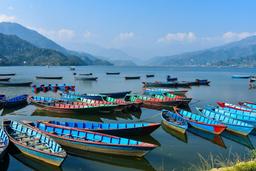







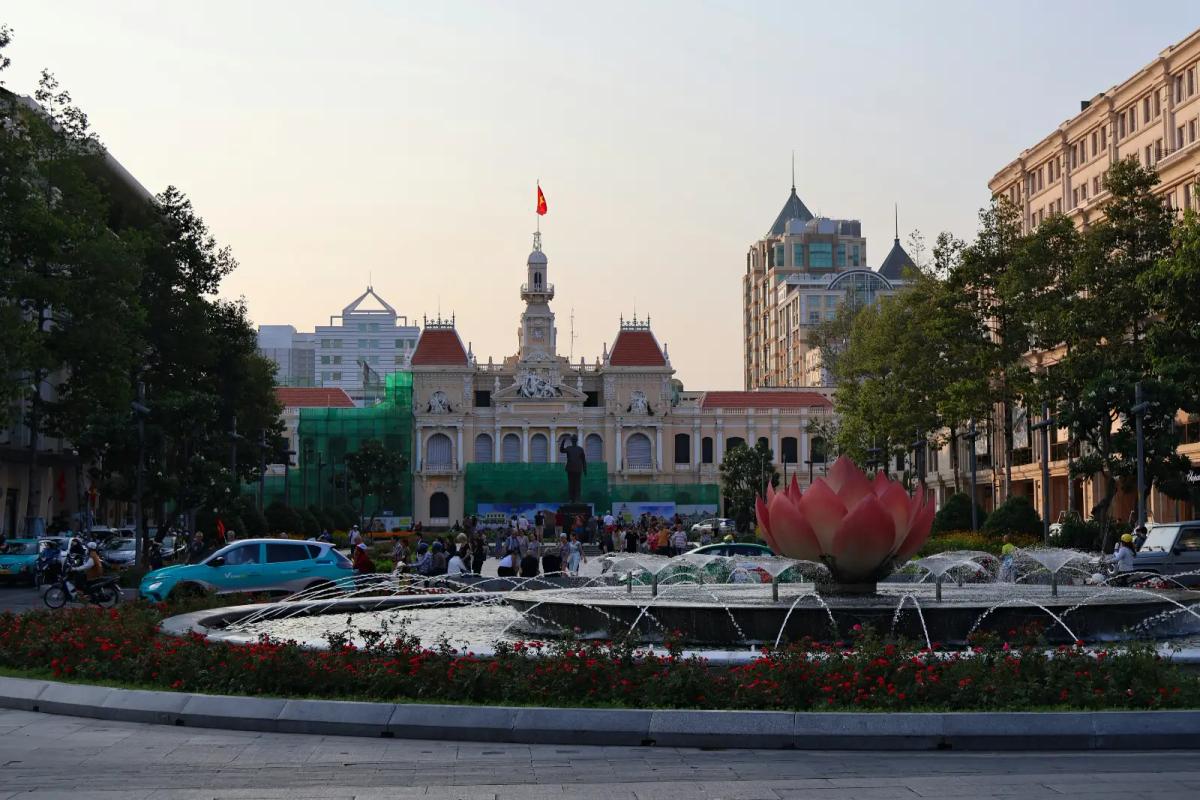
Short answer: in the Hanoi vs Ho Chi Minh City choice, pick Hanoi for history, the Old Quarter, cooler air from October to April and day trips to Ha Long Bay and Ninh Binh. Pick Ho Chi Minh City (Saigon) for energy, nightlife, a warm and dry December to April, and easy trips to the Mekong Delta and the southern islands. If you have a week or more, do not choose at all: the two cities are about 2 hours 10 minutes apart by air, and many first trips to Vietnam use one as the arrival city and the other as the departure city.
This guide is a decision tool, not a sightseeing list. It compares the two cities on the things that actually change a trip: weather month by month (from official climate normals), food, pace, sights, side trips, getting there from Kathmandu, getting between them and getting around. For the full country picture, including money, SIM cards and transport, start with our Vietnam travel guide.
Should you visit Hanoi or Ho Chi Minh City?
Visit Hanoi if you want a city that feels old, layered and walkable, with four seasons and the dramatic landscapes of the north on its doorstep. Visit Ho Chi Minh City if you want a big, modern, always-warm city with a later night scene, a more international feel and the flat, watery south around it. Neither is "better" overall; they are better at different things, and the right answer depends on your month, your travel group and what you want to do outside the city. Asked the other way round, Ho Chi Minh City vs Hanoi is mostly a question of when you travel.
The table below scores the two cities on the criteria first-time visitors ask us about most. "Edge" is our reading of the facts in the rest of this guide, not a ranking from any official body.
| Criteria | Hanoi | Ho Chi Minh City | Edge |
|---|---|---|---|
| Role | Capital of Vietnam, seat of government and ministries | Largest city and commercial centre, about 13.8 million people (2025 average, after the July 2025 merger) | Depends on purpose |
| Vibe | Traditional, compact, lakeside, slower after dark | Fast, modern, high-rise, busy late into the night | Hanoi for atmosphere, Saigon for energy |
| History and sights | Thousand-year-old capital, Temple of Literature, Imperial Citadel (UNESCO) | French colonial landmarks, 20th-century war history, Cholon | Hanoi for depth, Saigon for modern history |
| Food | Northern cooking: pho, bun cha, cha ca, egg coffee | Southern cooking: sweeter, more herbs, com tam, hu tieu, banh xeo | Tie; Saigon has more Michelin-starred restaurants |
| Weather | Four seasons; cool, grey winter; hot, wet summer | Hot all year; dry season and wet season | Hanoi in October and November, Saigon in December to April |
| Side trips | Ha Long Bay, Ninh Binh, Sapa | Mekong Delta, Cu Chi Tunnels, Vung Tau, Phu Quoc by air | Hanoi for landscape |
| Nightlife | Bia hoi corners, beer street, weekend walking zone | Rooftop bars, clubs, Bui Vien Walking Street | Ho Chi Minh City |
| Shopping | Old Quarter craft streets, silk, weekend night market | Malls, Ben Thanh Market, Saigon Square, designer stores | Saigon for malls, Hanoi for crafts |
| Metro | Two partial lines, neither through the Old Quarter yet | Line 1 from Ben Thanh to Suoi Tien since December 2024 | Ho Chi Minh City |
| From Kathmandu | No non-stop flight; one connection | No non-stop flight; one connection | Equal |
Hanoi in one paragraph
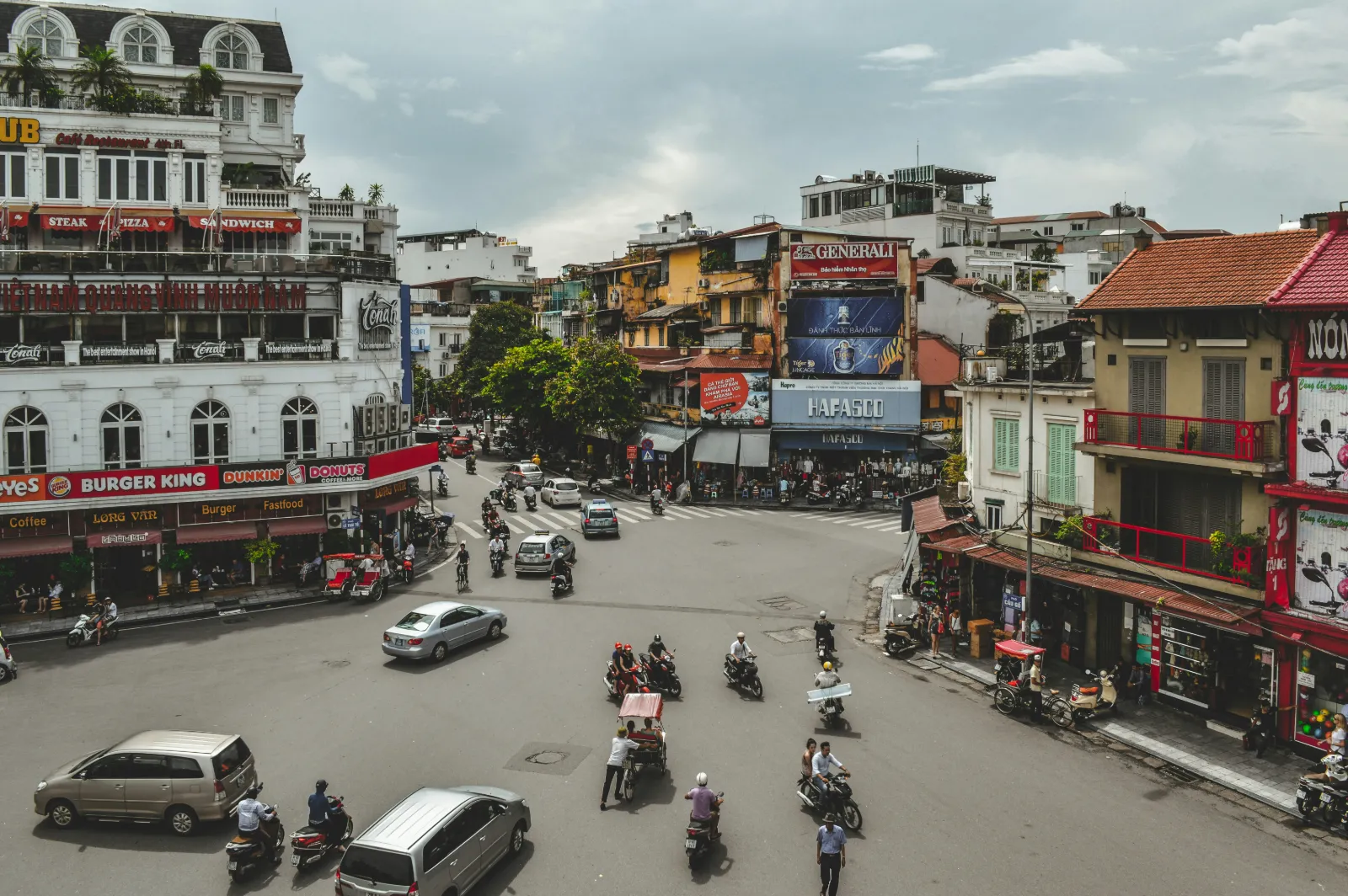
Hanoi has been a capital, on and off, since the Ly dynasty built the Thang Long citadel in the 11th century, and it still feels like a city that grew slowly. The Old Quarter is a tight grid of trade streets beside Hoan Kiem Lake, where one dish shops, temples and narrow tube houses sit side by side. Life spills onto the pavement: low plastic stools, morning exercise by the lake, coffee at every corner. It has real seasons, which means a crisp autumn and a cool, often damp winter. Most travellers find it more "Vietnamese" on first impression, and it is the natural base for the north.
Ho Chi Minh City in one paragraph
Ho Chi Minh City, still called Saigon by most locals and on many shop signs, is bigger, louder and more modern. It became the most populous locality in Vietnam after it absorbed the former provinces of Binh Duong and Ba Ria to Vung Tau on 1 July 2025, and the city's statistics office puts its 2025 average population at 13.8 million (Ho Chi Minh City Statistics Office, Statistical Yearbook 2025). The centre mixes French colonial buildings with glass towers, rooftop bars and wide boulevards. It is hot every month of the year, it runs late, and it feels more international and business-like than Hanoi. The same reform also replaced the old district numbers with wards, though locals and taxi drivers still say "District 1".
If you are still choosing which cities belong on your route at all, our guide to the best cities in Vietnam compares Hanoi and Saigon with Hue, Hoi An and Da Nang.
How does the weather differ between north and south?
The weather is the biggest practical difference between Hanoi and Ho Chi Minh City. Hanoi has four seasons, with daytime highs of about 20°C in January and about 34°C in June. Ho Chi Minh City is hot all year, with highs between about 31.6°C and 34.9°C in every month, and the year is split into a dry season (roughly December to April) and a wet season (roughly May to November). In January, Saigon is about 12°C warmer than Hanoi in the afternoon.
The surprising part is the rain total. Over a year, both cities get almost the same amount: about 1,628 mm in Hanoi and about 1,653 mm in Ho Chi Minh City. What differs is when it falls and how. Saigon's dry season is very dry (one or two rain days a month from January to March), while Hanoi's winter and spring bring many days of light drizzle with little actual rainfall. That is why March in Hanoi can show 18 rain days but only 55 mm.
The table below uses the World Meteorological Organization's World Weather Information Service, which publishes official 1991 to 2020 climate normals supplied by the Viet Nam Meteorological and Hydrological Administration (Hanoi and Ho Chi Minh City, checked 23 Nov 2026). Temperatures are average daily highs and lows; rain days are days with at least 0.1 mm. The last column is our reading of the numbers.
| Month | Hanoi high / low (°C) | Hanoi rain (mm, rain days) | Saigon high / low (°C) | Saigon rain (mm, rain days) | Better month for |
|---|---|---|---|---|---|
| January | 20.0 / 14.6 | 28 mm, 11 days | 32.0 / 23.4 | 12 mm, 2 days | Saigon (warm and dry); Hanoi is cool and grey |
| February | 21.3 / 16.2 | 19 mm, 12 days | 32.7 / 23.1 | 8 mm, 1 day | Saigon; Tet falls on 6 February in 2027 |
| March | 23.5 / 18.7 | 55 mm, 18 days | 33.6 / 24.9 | 18 mm, 1 day | Saigon for sun; Hanoi mild but drizzly |
| April | 27.7 / 21.9 | 79 mm, 16 days | 34.5 / 26.4 | 57 mm, 4 days | Both; Hanoi more comfortable, Saigon at its hottest |
| May | 31.7 / 24.5 | 188 mm, 17 days | 34.9 / 26.4 | 202 mm, 13 days | Toss-up; rains start in both |
| June | 33.8 / 26.3 | 231 mm, 16 days | 33.5 / 25.5 | 224 mm, 16 days | Toss-up; both hot and wet |
| July | 33.3 / 26.5 | 300 mm, 18 days | 33.0 / 25.2 | 231 mm, 19 days | Saigon slightly; Hanoi wetter, storm risk for Ha Long cruises |
| August | 32.5 / 25.8 | 335 mm, 18 days | 32.9 / 25.1 | 219 mm, 17 days | Saigon slightly; Hanoi's wettest month |
| September | 31.6 / 24.7 | 195 mm, 14 days | 32.6 / 25.0 | 273 mm, 18 days | Hanoi slightly; Saigon's wettest month |
| October | 29.6 / 22.4 | 126 mm, 10 days | 32.3 / 25.0 | 240 mm, 16 days | Hanoi |
| November | 26.3 / 19.2 | 48 mm, 7 days | 32.4 / 24.9 | 128 mm, 9 days | Hanoi (its best month) |
| December | 22.1 / 15.4 | 24 mm, 7 days | 31.6 / 23.9 | 41 mm, 5 days | Both; Saigon for warmth, Hanoi for cool walking weather |
Hanoi: four seasons, one of them cold

Hanoi's best stretch is October and November: highs of about 26°C to 30°C, rain falling away to around 48 mm in November, and clear, dry air. March and April are the second window, warm and green but often misty, with frequent light drizzle. From December to February Hanoi is genuinely cool, with average lows of around 15°C and many grey days. Many older buildings, cafes and street stalls are open to the air and not built for cold, so pack a warm layer; travellers from Kathmandu will find it closer to a Kathmandu winter afternoon than a tropical holiday.
Two cautions for winter. First, air quality: in late November 2025 Vietnam's Ministry of Agriculture and Environment forecast fine dust (PM2.5) in Hanoi rising to levels it described as unhealthy, and advised older people, children and anyone with breathing problems to limit time outdoors (Ministry of Agriculture and Environment, 27 Nov 2025). Check a live air quality reading each morning if you travel with elderly parents or small children. Second, summer storms: July to October is the main storm season for the northern coast, and Ha Long Bay cruises can be cancelled at short notice.
Ho Chi Minh City: dry season and wet season
Saigon's dry season, roughly December to April, is the easy choice for sunshine: from January to March there are only one or two rain days a month on average. April and May are the hottest months, with average highs around 34.5°C to 34.9°C, so plan sightseeing for early morning and late afternoon. From May to October the wet season brings 13 to 19 rain days a month, easing to about 9 in November. Rain often arrives as a heavy afternoon or evening downpour rather than all-day rain, so the city stays usable, but streets can flood briefly in a cloudburst.
Tet, Dashain and Tihar timing
Tet (Vietnamese Lunar New Year) is the one period that changes both cities at once. In 2027 the first day of Tet is Saturday 6 February 2027 (Hong Kong Observatory lunar table), and Vietnam's official public holiday for state employees runs from 4 to 10 February 2027 (Ministry of Home Affairs Notice 11483/TB-BNV, 9 October 2026, published by the Ha Tinh provincial government). Expect many family-run restaurants and shops to close for several days, packed trains and flights in the days before, and quieter streets in Saigon as people return to their home provinces. Hanoi at Tet is cool (February highs average 21.3°C); Saigon is hot and dry. Our Tet in Vietnam guide covers what stays open. For Nepali families, note that Sonam Lhosar falls on 7 February 2027, the day after Tet.
Dashain and Tihar, the main Nepali holiday window, usually fall between late September and mid November. That suits Hanoi far better than Saigon: October and November are Hanoi's best months and the tail end of Saigon's wet season. For a month by month view of the centre of the country too, see the best time to visit Vietnam.





Which has better sights and culture?
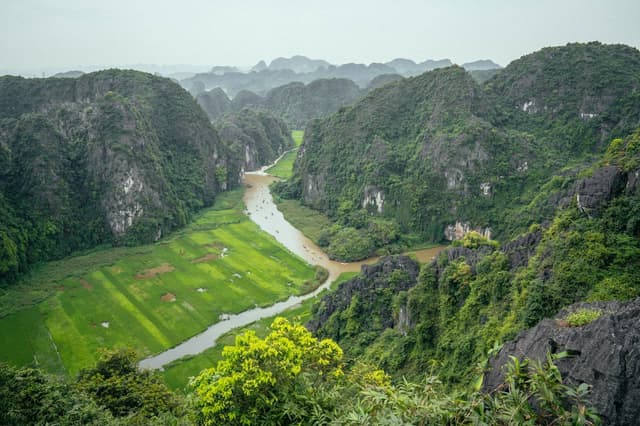
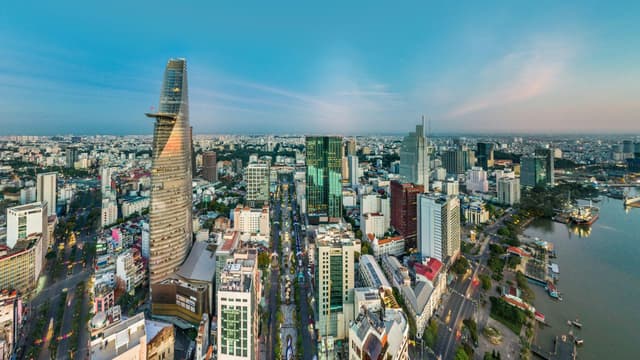
Hanoi has more depth of history and a more traditional streetscape; Ho Chi Minh City has the stronger story of the 20th century and the grander colonial architecture. If temples, old streets and a thousand years of capital history are your interest, Hanoi wins. If you want to understand the war years and modern Vietnam, Saigon is the more powerful visit.
We have deliberately not repeated the full attraction lists here. The table compares the type of sight each city does best, and the two city guides linked below give opening hours, time needed and tips for each place.
| Type of sight | Hanoi | Ho Chi Minh City |
|---|---|---|
| Old town | Old Quarter: trade streets, tube houses, temples and one dish eateries | Compact colonial centre around Nguyen Hue, Dong Khoi and Le Loi |
| Oldest landmarks | Temple of Literature (founded 1070), Imperial Citadel of Thang Long (11th century) | Late 19th century colonial buildings such as the Central Post Office |
| UNESCO World Heritage | Central Sector of the Imperial Citadel of Thang Long, inside the city | None inside the city |
| Modern history | Ho Chi Minh Mausoleum, Ba Dinh Square, Hoa Lo Prison | War Remnants Museum, Independence Palace, Cu Chi Tunnels |
| Religious sites | Tran Quoc Pagoda, One Pillar Pagoda, Ngoc Son Temple | Jade Emperor Pagoda, Thien Hau Temple, Notre Dame Cathedral |
| Merchant quarter | Old Quarter guild streets named after the goods once sold there, such as Hang Bac (silver) and Hang Gai (silk) | Cholon, the historic Chinese quarter, with Binh Tay Market and clan assembly halls |
| Performing arts | Water puppetry, a folk art of the Red River Delta | Shows at the Saigon Opera House; water puppet shows also run in the city |
| Feel on foot | Best explored slowly, street by street | Sights cluster in the centre, but heat limits long walks |
Hanoi's strengths
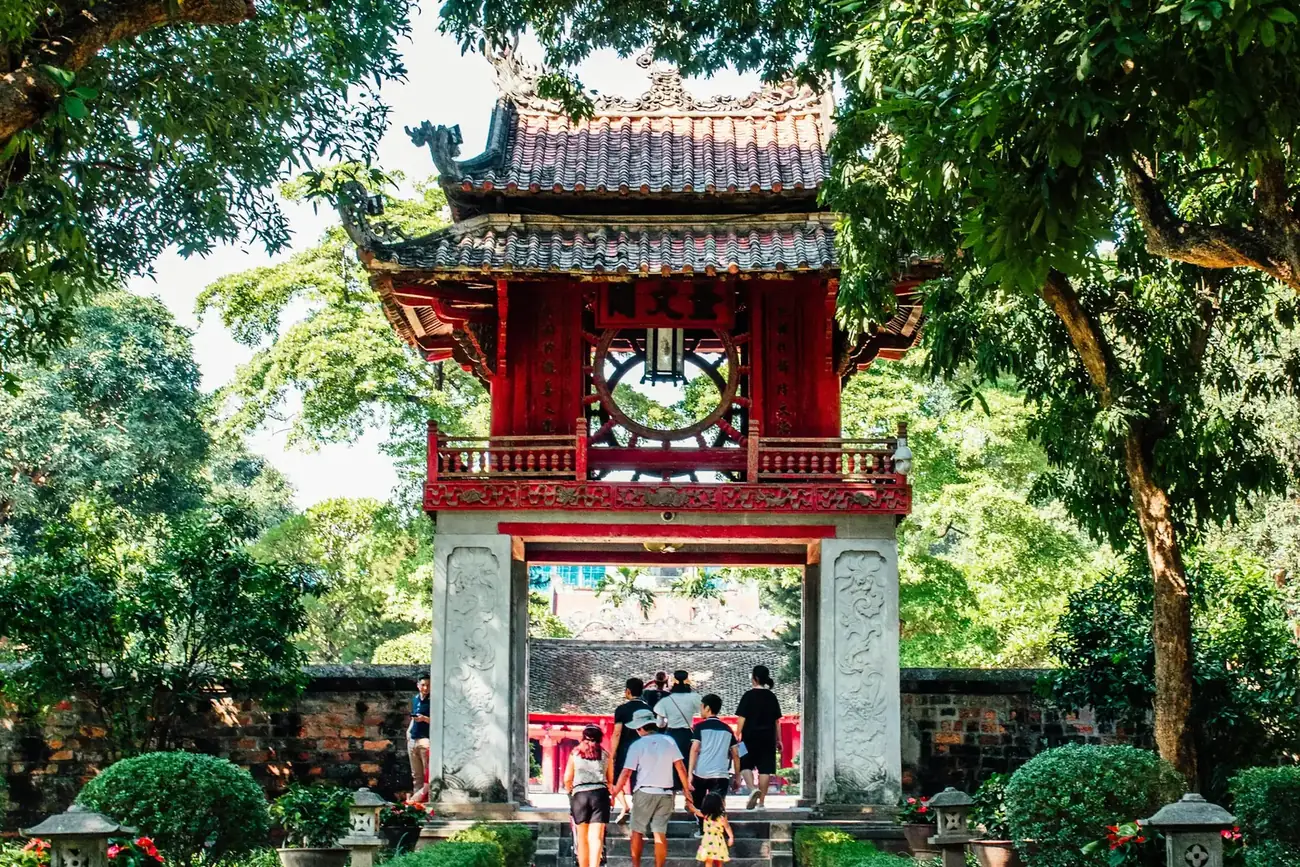
Hanoi's appeal is continuity. The Temple of Literature was founded in 1070 as a temple to Confucius and later housed the Imperial Academy, and the Central Sector of the Imperial Citadel of Thang Long preserves layers of royal building from the Ly dynasty onwards. Around them, everyday city life is the attraction: early morning tai chi at Hoan Kiem Lake, families on the weekend walking streets, and specialist streets that still trade in one kind of goods. Families from Nepal often find the Buddhist pagodas familiar and welcoming. For what to see, how long each place takes and the latest on Train Street and the Mausoleum, read our guide to things to do in Hanoi.
Ho Chi Minh City's strengths
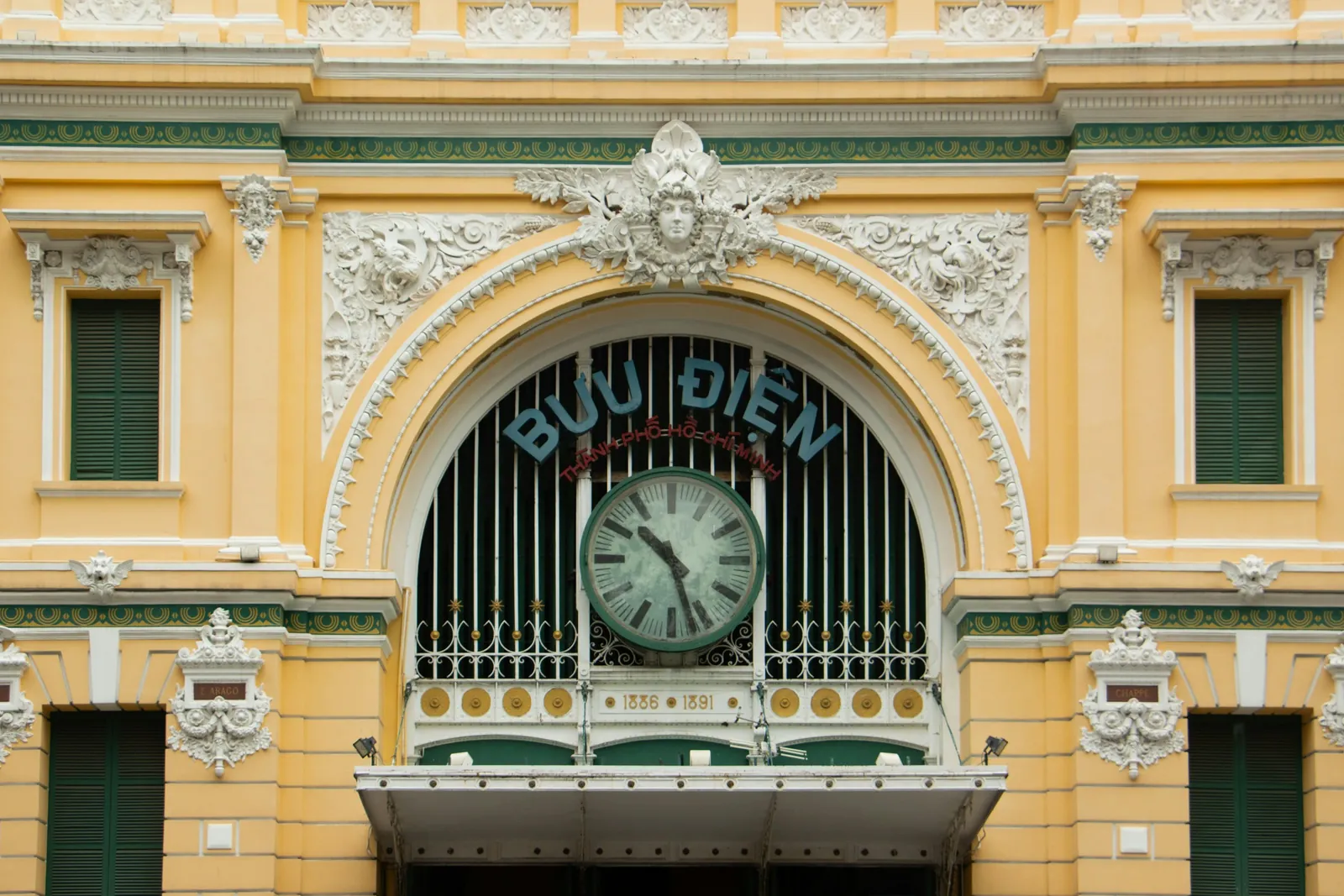
Saigon's sights tell the story of the last 150 years. The Central Post Office, whose facade carries the dates 1886 and 1891, and the cathedral beside it are the best-known French colonial set pieces. The War Remnants Museum and the Independence Palace explain the war and its end from the Vietnamese side, and the Cu Chi Tunnels show how the war was fought underground. Cholon adds a different city again, with Chinese temples and wholesale markets. The museums are graphic in places, so parents may want to plan around younger children. Our guide to things to do in Ho Chi Minh City covers each site, the new ward names and how to pace a visit in the heat.
Which has better food?
Both cities are excellent for food, and the honest answer is that they are different rather than better. Hanoi's northern cooking is cleaner and more restrained, built on clear broths, rice noodles and fewer, sharper flavours. Saigon's southern cooking is sweeter, richer and more generous with herbs and sauces, and the city has a wider range of international restaurants. If you only care about famous Vietnamese dishes at their source, Hanoi has a slight edge; for variety, Saigon wins.
The MICHELIN Guide Vietnam covers both cities. Its 2026 selection, announced on 4 June 2026, lists 193 establishments in Hanoi, Ho Chi Minh City and Da Nang, including 11 restaurants with one MICHELIN Star: four in Hanoi, six in Ho Chi Minh City and one in Da Nang, plus 72 Bib Gourmand addresses (MICHELIN Guide, 4 June 2026). That is a useful signal for fine dining, but most of the best eating in both cities still happens on plastic stools.
| Dish or drink | Hanoi version | Saigon version |
|---|---|---|
| Pho | Northern style: clear, savoury broth, few extras on the table | Sweeter broth served with a plate of herbs, bean sprouts and sauces |
| Signature noodle dish | Bun cha: grilled pork with rice noodles and dipping broth | Hu tieu: pork and seafood noodle soup with Chinese and Khmer roots |
| Rice plate | Com binh dan: simple everyday rice canteens | Com tam: broken rice with grilled pork, a Saigon staple |
| Fish | Cha ca: turmeric fish fried at the table with dill | Canh chua: sweet and sour fish soup from the Mekong |
| Pancakes and rolls | Banh cuon: steamed rice rolls | Banh xeo: crisp turmeric pancake wrapped in greens |
| Coffee | Ca phe trung (egg coffee), created in Hanoi in the 1940s | Ca phe sua da (iced milk coffee) on every pavement |
| Sweet treats | Che and seasonal fruit | A wider range of che, many with coconut milk |
Eating in Hanoi
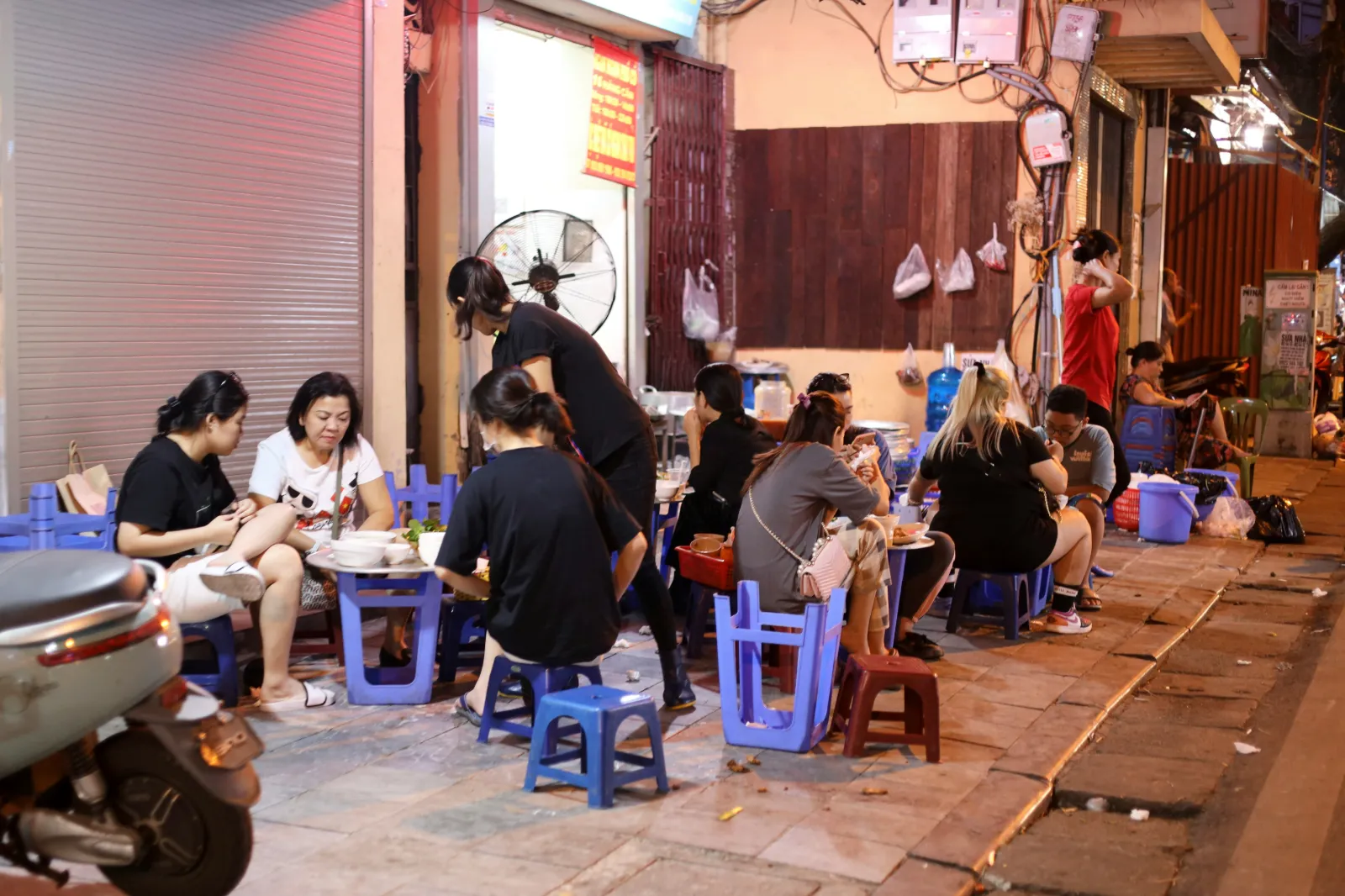
Hanoi is the city of the one dish shop. Many of the best places cook a single thing, all day, for decades, and you sit on a low stool on the pavement to eat it. Breakfast is the most important meal of the street day, so get up early for pho or banh cuon. The cooler months make hot soup more appealing, and the egg coffee cafes of the Old Quarter are a good warm stop in winter.
Eating in Ho Chi Minh City
Saigon eats later and more widely. Street food runs into the night, seafood restaurants and snail stalls are a local favourite, and the city has a deeper bench of Japanese, Korean, Thai and Western restaurants than Hanoi. Southern food uses more sugar and coconut, and every table comes with a basket of fresh herbs.
Tips for Nepali and vegetarian travellers
Beef is common in both cities, especially in pho bo. Hindu travellers can ask for pho ga (chicken pho), or say "khong thit bo" (no beef). Both cities have Buddhist vegetarian restaurants, signed "chay", which are busy on the 1st and 15th days of each lunar month. Indian restaurants are found in the main tourist areas of both cities if older family members want familiar food after a few days. For a dish by dish guide, see what to eat in Vietnam.
Which city has the better pace, nightlife and shopping?
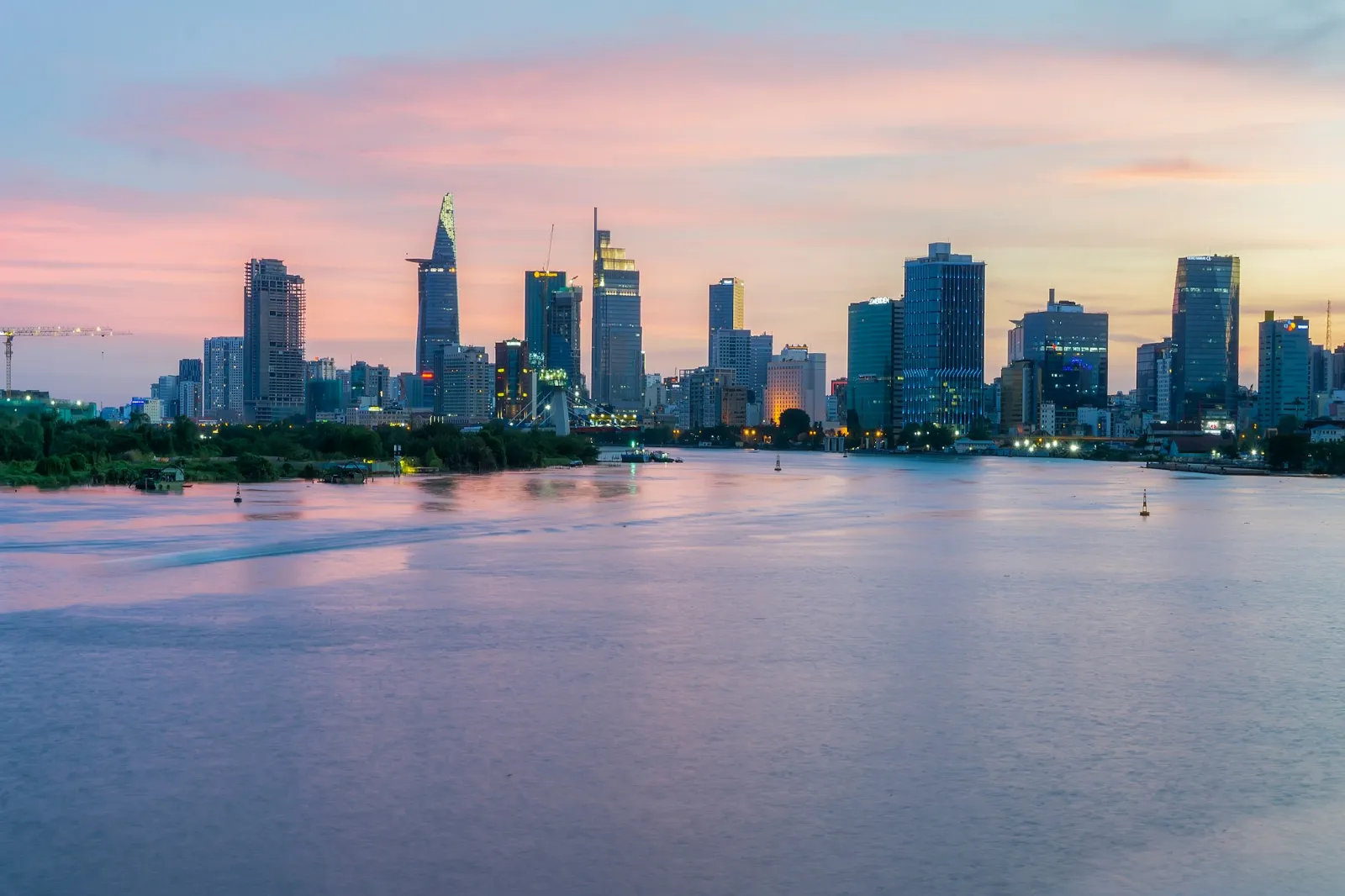
Ho Chi Minh City has the faster pace, the bigger nightlife and the better malls; Hanoi has the more relaxed rhythm, more characterful evening streets and better traditional crafts. Couples who want rooftop bars and late dinners usually prefer Saigon. Travellers who like to wander, sit at a lakeside cafe and browse small shops usually prefer Hanoi.
| Topic | Hanoi | Ho Chi Minh City |
|---|---|---|
| Pace | Busy by day, calmer at night; mornings start very early | Busy all day and late into the night |
| Traffic | Narrow streets packed with motorbikes in the Old Quarter | Wider roads, more cars, longer distances |
| Evening scene | Bia hoi (fresh beer) corners, Ta Hien beer street, the lakeside walking zone on Friday to Sunday evenings | Rooftop bars, live music, clubs and Bui Vien Walking Street |
| Night markets | Weekend night market through the Old Quarter | Ben Thanh area evening stalls and street food streets |
| Shopping style | Craft and specialist streets, silk tailors, lacquer, ceramics from nearby Bat Trang | Large malls, department stores, Ben Thanh Market, Saigon Square |
| Cafe culture | Tiny old cafes, egg coffee, lakeside views | Stylish cafe chains and design cafes, pavement iced coffee |
| Green space | Lakes: Hoan Kiem and West Lake | River views and city parks; fewer large green spaces in the centre |
A quick note on nightlife and safety: both cities are generally safe for visitors, and the common problems are the same, namely bag and phone snatching from passing motorbikes in busy areas, pickpocketing in crowds and overcharging. Keep your phone away from the kerb side and use ride-hailing apps for fixed fares. Our guide to whether Vietnam is safe has the official advisories and emergency numbers.
Which is better for side trips?
Hanoi is better for side trips if you want landscape: Ha Long Bay, Ninh Binh and Sapa are three of the most photographed places in Vietnam, and all are reached from Hanoi. Ho Chi Minh City is better for river life, war history and beaches: the Mekong Delta and the Cu Chi Tunnels are within a couple of hours, and Phu Quoc is about an hour away by air. If scenery is your main reason to visit Vietnam, base yourself in Hanoi.
Travel times below are approximate and depend on traffic, weather and holiday crowds; check on the day, especially around Tet.
| Side trip | From | Getting there | Best as | Why go |
|---|---|---|---|---|
| Ninh Binh (Trang An, Tam Coc) | Hanoi | About 2 hours by train, or by road | Day trip or one night | Rowing boats through karst and caves; UNESCO site since 2014 |
| Ha Long Bay | Hanoi | About 2.5 hours by road each way | Overnight cruise | Limestone islands at sea; UNESCO listed |
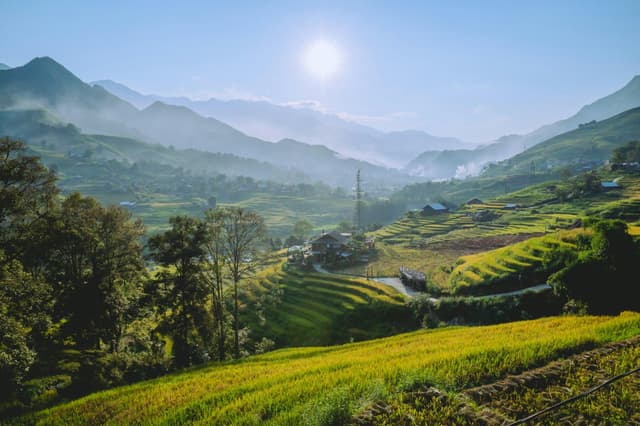
| Sapa | Hanoi | Long road journey, or overnight train to Lao Cai then road | Two nights or more | Rice terraces, village walks, Fansipan |
| Cu Chi Tunnels | Ho Chi Minh City | About 70 km by road | Half day | Wartime tunnel network |
| Mekong Delta (My Tho, Ben Tre) | Ho Chi Minh City | 70 to 90 km, about 2 hours each way by road | Day trip; overnight in Can Tho for a floating market | Canals, orchards, river life |
| Vung Tau | Ho Chi Minh City | By road or by boat | Day or overnight | City beach; now part of Ho Chi Minh City |
| Phu Quoc | Ho Chi Minh City | About 1 hour by air | Three nights or more | Island beaches and resorts |
| Da Nang and Hoi An | Either city | About 1 hour 20 minutes by air from Saigon; a similar distance from Hanoi | Three nights or more | Beach city and lantern-lit old town |
Side trips from Hanoi
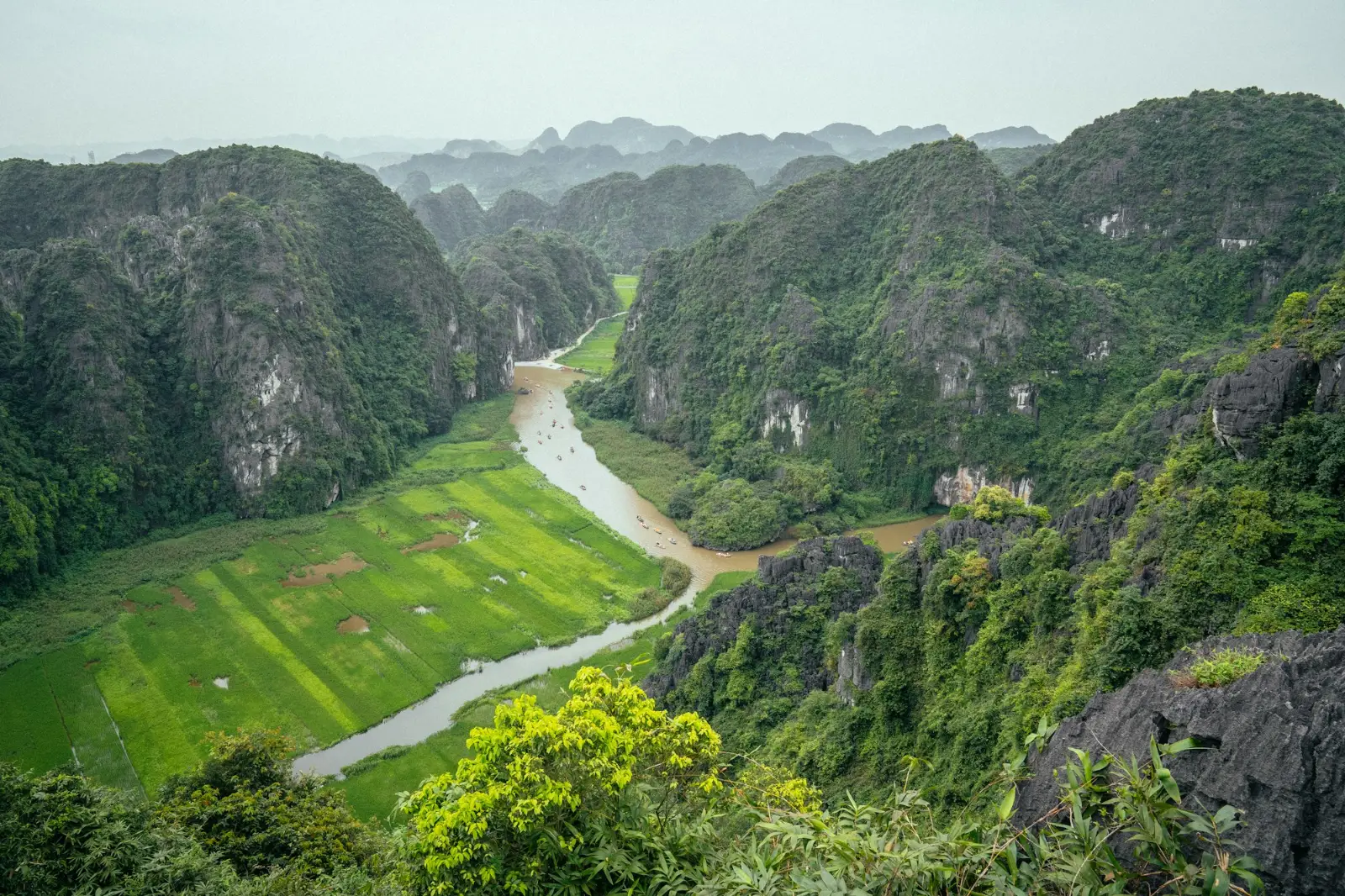
Ninh Binh is the single best day out from Hanoi for most first-time visitors, with rowing boats through caves and rice fields below the karst towers; our guide to Ninh Binh from Hanoi compares Trang An, Tam Coc and the train and road options. Ha Long Bay is possible as a long day trip, but an overnight cruise gives you the bay at sunset and dawn; see our Ha Long Bay guide for cruise types and the quieter Lan Ha Bay. Sapa is not a day trip; give it at least two nights, and read our Sapa guide for trekking routes and the cable car to Fansipan.
Side trips from Ho Chi Minh City

The Mekong Delta day trip is the classic: a boat along narrow canals lined with water palms, fruit orchards and small family workshops. If you want a floating market at its busiest, you need an early start from Can Tho, which means an overnight stay. The Cu Chi Tunnels fit into a half day and pair well with the War Remnants Museum. For a beach, Vung Tau is the nearest, while Phu Quoc and Con Dao are short flights away and better for a proper island break.
How do you get to Hanoi or Ho Chi Minh City from Kathmandu?
There is no non-stop flight from Kathmandu to either Hanoi or Ho Chi Minh City. On 23 November 2026, FlightConnections listed both cities only as destinations with a stopover from Kathmandu (KTM), while Bangkok, Kuala Lumpur, Singapore, Guangzhou, Kunming, Hong Kong and New Delhi all have non-stop flights from Kathmandu and onward flights to Vietnam (FlightConnections, checked 23 Nov 2026). So the access question is a tie: whichever city you choose, plan on one connection.
| Point | Hanoi | Ho Chi Minh City |
|---|---|---|
| Airport | Noi Bai International (HAN), north of the city | Tan Son Nhat International (SGN), inside the city; Long Thanh International in Dong Nai planned to open on 24 December 2026 |
| Airport to centre | Usually 45 minutes to an hour by road to the Old Quarter | Usually 30 to 60 minutes by road from Tan Son Nhat |
| Non-stop from Kathmandu | None | None |
| Common connections | Bangkok, Kuala Lumpur, Singapore, southern China | Bangkok, Kuala Lumpur, Singapore, southern China |
| Time difference with Nepal | Vietnam is 1 hour 15 minutes ahead | Vietnam is 1 hour 15 minutes ahead |
Two planning tips. First, book a multi-city (open-jaw) ticket: fly Kathmandu to Hanoi and home from Ho Chi Minh City, or the reverse, so you never have to backtrack. Second, check which Saigon airport your ticket uses. Long Thanh International Airport in Dong Nai, east of Ho Chi Minh City, is planned to start commercial flights on 24 December 2026 (still the announced date when we checked on 23 Nov 2026), initially with a limited number of domestic and international routes, including Vietnam Airlines and Vietjet flights to Hanoi (VietnamPlus, 30 Oct 2026; CafeF, 19 Nov 2026). Long Thanh is much further from central Saigon than Tan Son Nhat, so a ticket into the wrong airport adds real transfer time.
For the routes that do fly non-stop from Kathmandu, see our list of direct flights from Kathmandu. Entry rules depend on your passport, and they are the same whichever city you land in; for Nepali passport holders, start with our Vietnam visa page and confirm on the official Vietnamese government site before you book.
How do you travel between Hanoi and Ho Chi Minh City?

Fly. The scheduled flight between Hanoi and Ho Chi Minh City takes about 2 hours 10 minutes, and it is the busiest route out of Ho Chi Minh City on FlightConnections' list, with roughly 1,750 flights a month from Saigon to Hanoi alone (checked 23 Nov 2026). The Reunification Express train is the scenic alternative, but even the fastest service takes well over a day.
| Option | Distance | Journey time | Good for |
|---|---|---|---|
| Flight (HAN to SGN) | About 1,160 km | About 2 hours 10 minutes scheduled, plus airport time | Almost everyone, especially families and short trips |
| Fastest train (SE1) | 1,726 km of metre-gauge line | About 32 hours 45 minutes | Rail fans; travellers with time to spare |
| Other through trains (SE3, SE5, SE7, SE9, SE11, SE23) | 1,726 km | About 34 to 41 hours | Breaking the trip at Hue or Da Nang |
| Flight with a stop in the centre | Two shorter flights | About 1 hour 20 minutes each, Da Nang to either city | Adding Hoi An and Da Nang on the way |
Train notes: the North to South railway was completed in 1936 and is 1,726 km long (Wikipedia summary). Journey times come from a third-party timetable listing checked on 21 October 2026 for a November travel day (vietnamtourism.com timetable); Vietnam Railways adjusts timetables, especially around Tet, so check the official Vietnam Railways booking site before you plan around a train. The most rewarding way to use the railway is not end to end but for one stretch, such as the coastal section between Hue and Da Nang over the Hai Van Pass.
Which city is easier to get around?
Ho Chi Minh City is slightly easier to get around, mainly because its first metro line now links the centre with the eastern suburbs, but in both cities most visitors rely on walking and ride-hailing cars and motorbikes. Hanoi's Old Quarter is compact enough to walk; Saigon's sights cluster in the centre too, though the heat makes long walks harder.
| Transport | Hanoi | Ho Chi Minh City |
|---|---|---|
| Metro | Line 2A Cat Linh to Ha Dong (13.1 km, since 6 Nov 2021); Line 3 elevated section Nhon to Cau Giay (8.5 km, since 8 Aug 2024) | Line 1 Ben Thanh to Suoi Tien (19.7 km, 14 stations, 3 underground, since 22 Dec 2024) |
| Metro next step | Line 3 underground section to Hanoi Railway Station expected to open in December 2027 | Further lines planned; none open beyond Line 1 |
| Does the metro reach the airport? | No | No |
| Ride-hailing | Grab, Xanh SM and other apps for cars and motorbikes | Grab, Xanh SM and other apps for cars and motorbikes |
| Walking | Very good in the Old Quarter and around the lakes, though pavements are often blocked by parked bikes | Good in the old centre, tiring in the midday heat |
| Crossing the road | Walk at a slow, steady pace and do not stop suddenly | Same rule; roads are wider and traffic faster |
Sources and dates: Hanoi lines from the Hanoi People's Committee news portal (9 May 2026); Ho Chi Minh City Line 1 from JICA (25 Dec 2024), which funded the line. Line 1 carried about 20.5 million passengers in 2025, its first full year (Nhan Dan, 3 Jan 2026). For visitors, Hanoi's current lines mostly serve residential districts west of the centre, so they are less useful for sightseeing than Saigon's Line 1, which starts beside Ben Thanh Market and passes the Opera House.
Which suits families, couples or business travellers?
Families with young children and anyone who dislikes cold usually do better in Ho Chi Minh City from December to April; families with elderly parents, honeymooners who want scenery and history lovers usually do better in Hanoi in October, November, March or April. Business travellers go where the meeting is: Saigon for most commercial work, Hanoi for government, embassies and international organisations.
| Traveller | Hanoi suits you if | Ho Chi Minh City suits you if | Our pick |
|---|---|---|---|
| First-time visitor, one city only | You travel October to April and want the classic Vietnam | You travel December to April and want warm weather and a big city | Hanoi, unless it is mid winter |
| Families with young children | Lake walks, water puppets and cooler weather appeal | You want malls, pools and warmth every day | Saigon for winter breaks, Hanoi in autumn |
| Travelling with elderly parents | You go in autumn or spring and avoid winter smog days | You keep outings short and avoid April and May heat | Hanoi in October or November |
| Couples and honeymooners | You want an Old Quarter stay plus a Ha Long Bay cruise | You want rooftop dinners and then an island such as Phu Quoc | Both, fly between them |
| Business travellers | Your meetings involve ministries, embassies or state companies | Your meetings involve private companies, factories or finance | Wherever the meeting is |
| Food lovers | You want famous dishes where they began | You want variety and late-night eating | Both |
| Nightlife | You like relaxed beer corners and weekend street life | You want bars, clubs and rooftops | Ho Chi Minh City |
| Nature and landscape | You want karst, bays and mountains | You want rivers, deltas and beaches | Hanoi |
| Dashain or Tihar holiday | Best weather of the year in October and November | Tail end of the wet season | Hanoi |
Notes for Nepali families and the diaspora
For travellers from Nepal, the decision often comes down to the holiday window. Dashain and Tihar point to Hanoi; a winter school break in January or February points to Saigon, or to Hanoi with warm clothes. If you are travelling with older parents, our guide to travelling abroad with elderly parents covers pacing, medicines and airport assistance. Nepal does not have a resident embassy in Vietnam; the Embassy of Nepal in Bangkok covers Vietnam, so keep its contact details with your passport copies whichever city you choose. Honeymooners can find more ideas in our Vietnam honeymoon guide.
Can you visit both on one trip?
Yes, and with seven days or more it is the best plan. Fly into one city and out of the other on a multi-city ticket, and connect them with the 2 hour 10 minute domestic flight. With five days or fewer, pick one city and add one day trip, because a domestic flight costs you half a day of sightseeing.
| Trip length | How to split it | What to add |
|---|---|---|
| 4 to 5 days | One city only | Ninh Binh or Ha Long Bay from Hanoi, or the Mekong Delta from Saigon |
| 6 to 8 days | About half the nights in each city | One side trip from each city |
| 9 to 12 days | Both cities plus Da Nang and Hoi An in between | An overnight Ha Long cruise or a night in the Mekong Delta |
| 13 days or more | Both cities, the centre, and one extra region | Sapa in the north or Phu Quoc in the south |
Which direction? Let the season decide. From December to February, start in Hanoi while you still have warm layers on and finish in the warm, dry south. In October and November, give Hanoi the larger share of nights, since it is at its best and Saigon is still in its wet season. Around Tet (4 to 10 February 2027), book the domestic flight early and expect some restaurants in both cities to close for a few days.
The centre of the country makes the best bridge between the two cities; our guide to things to do in Da Nang shows what to add on the way, and our Vietnam itinerary guide turns these splits into full routes from 7 to 15 days. Travellers who would like the domestic flight, airport transfers, hotels and day trips arranged together can compare routes on our Vietnam tour packages page.
Hanoi vs Ho Chi Minh City: frequently asked questions
Is Hanoi or Ho Chi Minh City better?
Neither is better overall. Hanoi is better for history, traditional street life, cooler weather from October to April and landscape side trips to Ha Long Bay, Ninh Binh and Sapa. Ho Chi Minh City is better for nightlife, modern city energy, warm dry weather from December to April and trips to the Mekong Delta. With a week, visit both.
Which is warmer, Hanoi or Saigon?
Saigon is warmer in every month except June and July, when Hanoi's average highs are slightly higher (33.8°C and 33.3°C against 33.5°C and 33.0°C). Ho Chi Minh City's highs stay between about 31.6°C and 34.9°C all year, while Hanoi drops to about 20°C in January (WMO normals, 1991 to 2020).
Which has better food, Hanoi or Ho Chi Minh City?
Both are excellent. Hanoi is the home of northern classics such as pho, bun cha, cha ca and egg coffee, with cleaner, lighter flavours. Ho Chi Minh City has sweeter southern cooking, more herbs and far more international restaurants. In the 2026 MICHELIN Guide Vietnam, Saigon has six one-star restaurants and Hanoi has four.
Is Hanoi more traditional than Saigon?
Yes, in most visitors' eyes. Hanoi has been a capital since the 11th century, and its Old Quarter, Temple of Literature and lakeside temples give it an older, more traditional feel. Ho Chi Minh City is more modern and commercial, with French colonial buildings, high-rises and a faster pace, though Cholon keeps strong Chinese traditions.
Can I visit both Hanoi and Ho Chi Minh City in one week?
Yes. Spend about three nights in each city and connect them with the domestic flight of about 2 hours 10 minutes. Book a multi-city ticket so you fly into one city and home from the other. You will have time for one side trip from each city, such as Ninh Binh from Hanoi and the Mekong Delta from Saigon.
How long is the flight between Hanoi and Ho Chi Minh City?
The scheduled flight between Hanoi (HAN) and Ho Chi Minh City (SGN) takes about 2 hours 10 minutes and covers about 1,160 km. It is one of the busiest domestic routes in Vietnam, with dozens of flights a day. The fastest Reunification Express train takes about 32 hours 45 minutes for the 1,726 km journey.
Which is better in December, Hanoi or Ho Chi Minh City?
Ho Chi Minh City is better in December for warm, dry weather, with average highs of about 31.6°C and only about five rain days. Hanoi in December is cool, with highs around 22°C and lows around 15°C, and it can have poor air quality days. Hanoi still suits travellers who prefer cool walking weather and pack a jacket.
Which is better for shopping, Hanoi or Ho Chi Minh City?
Ho Chi Minh City is better for malls, department stores, international brands and big markets such as Ben Thanh and Saigon Square. Hanoi is better for crafts and character: silk tailors, lacquerware, ceramics from nearby Bat Trang and the Old Quarter's specialist streets and weekend night market. For souvenirs, Hanoi is more interesting; for brands, choose Saigon.
Which city has better nightlife, Hanoi or Saigon?
Saigon has the bigger and later nightlife, with rooftop bars, live music venues, clubs and the Bui Vien Walking Street. Hanoi's evenings are more relaxed: fresh beer corners, Ta Hien beer street in the Old Quarter and the lakeside walking zone on Friday to Sunday evenings. For a big night out, Ho Chi Minh City wins.
Is there a direct flight from Kathmandu to Hanoi or Ho Chi Minh City?
No. As of 23 November 2026 there is no non-stop flight from Kathmandu to Hanoi or Ho Chi Minh City. Travellers connect once, commonly via Bangkok, Kuala Lumpur, Singapore or a southern Chinese hub. Vietnam is 1 hour 15 minutes ahead of Nepal, so allow for the time change on arrival.
Is Ho Chi Minh City the same as Saigon?
Yes. Saigon was renamed Ho Chi Minh City in 1976, but locals still call it Saigon every day, especially the old centre, and the main airport code is SGN. Since 1 July 2025 the city also includes the former provinces of Binh Duong and Ba Ria to Vung Tau, which made it Vietnam's most populous locality.
Hanoi ki Saigon?
For most travellers from Nepal, Hanoi first, especially over Dashain and Tihar, when Hanoi has its best weather and Saigon is still in its wet season. Choose Saigon for a December to April break if you want warmth, nightlife and the Mekong Delta. With a week or more, visit both on a multi-city ticket.